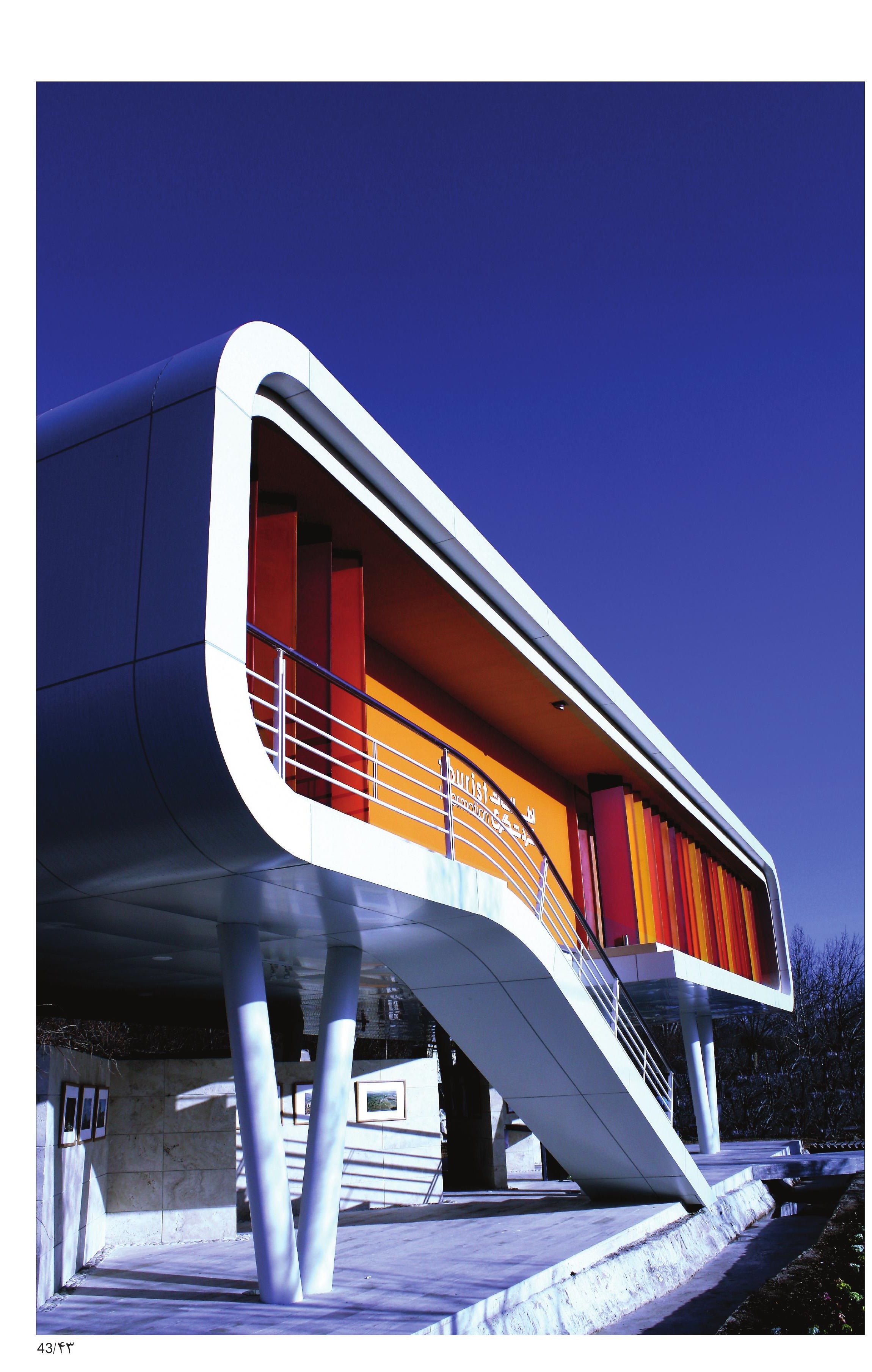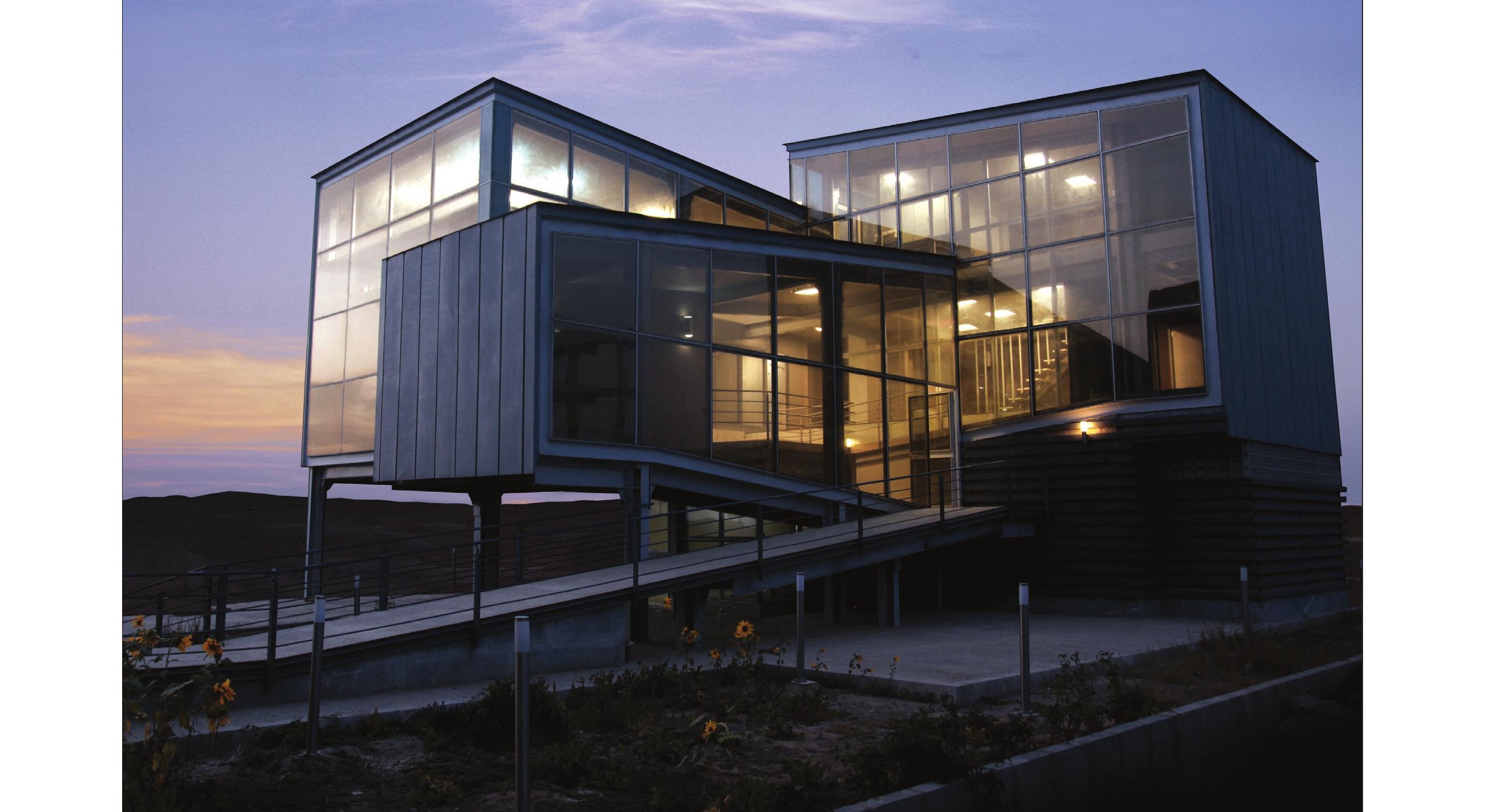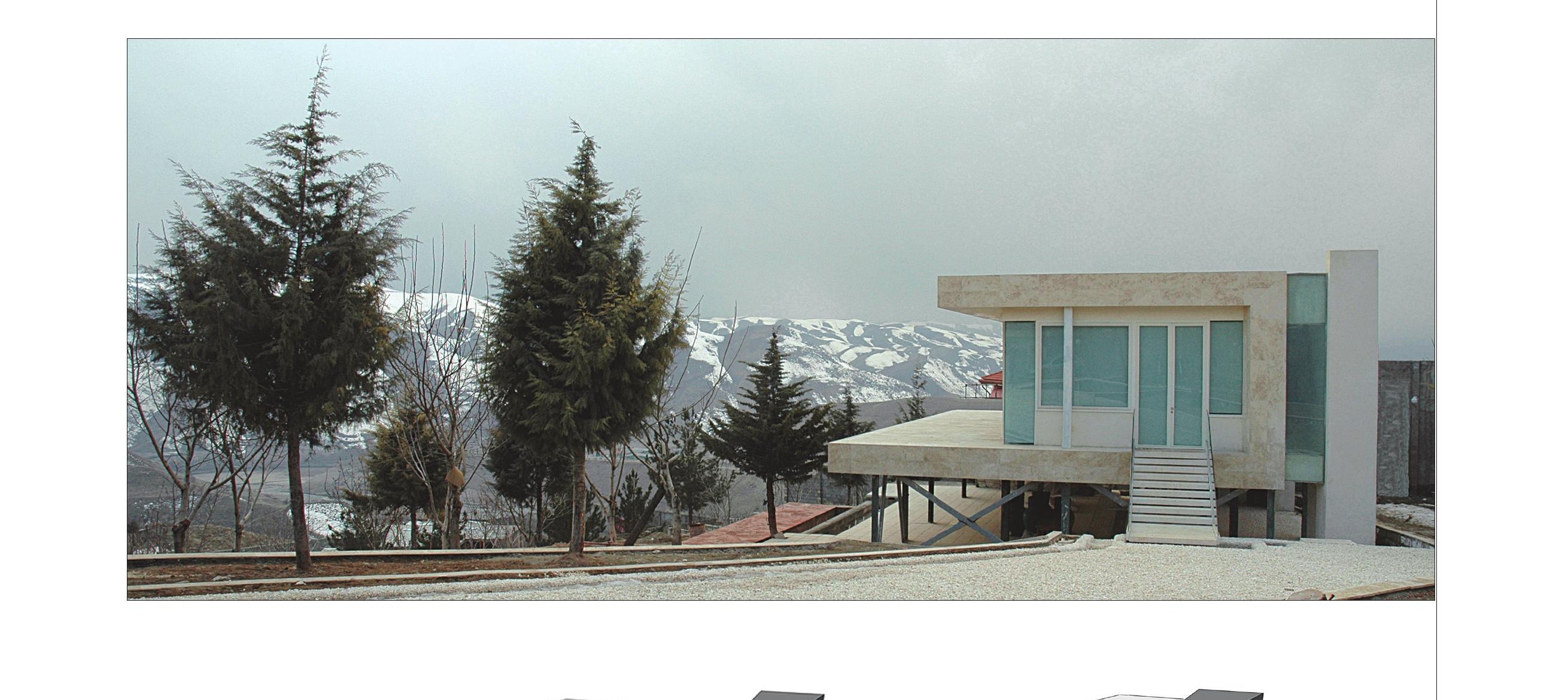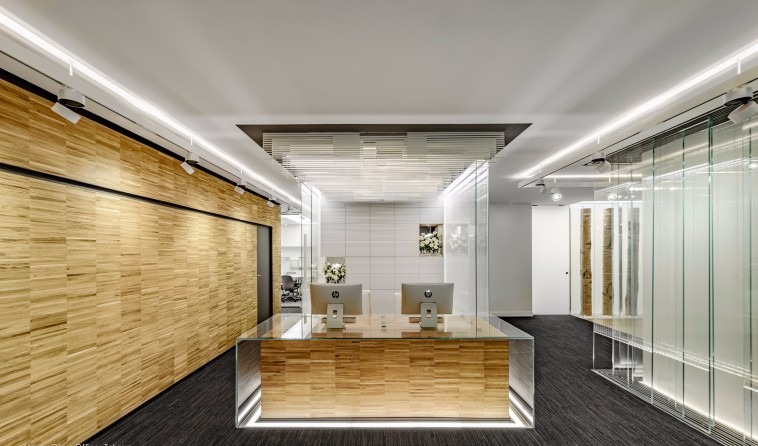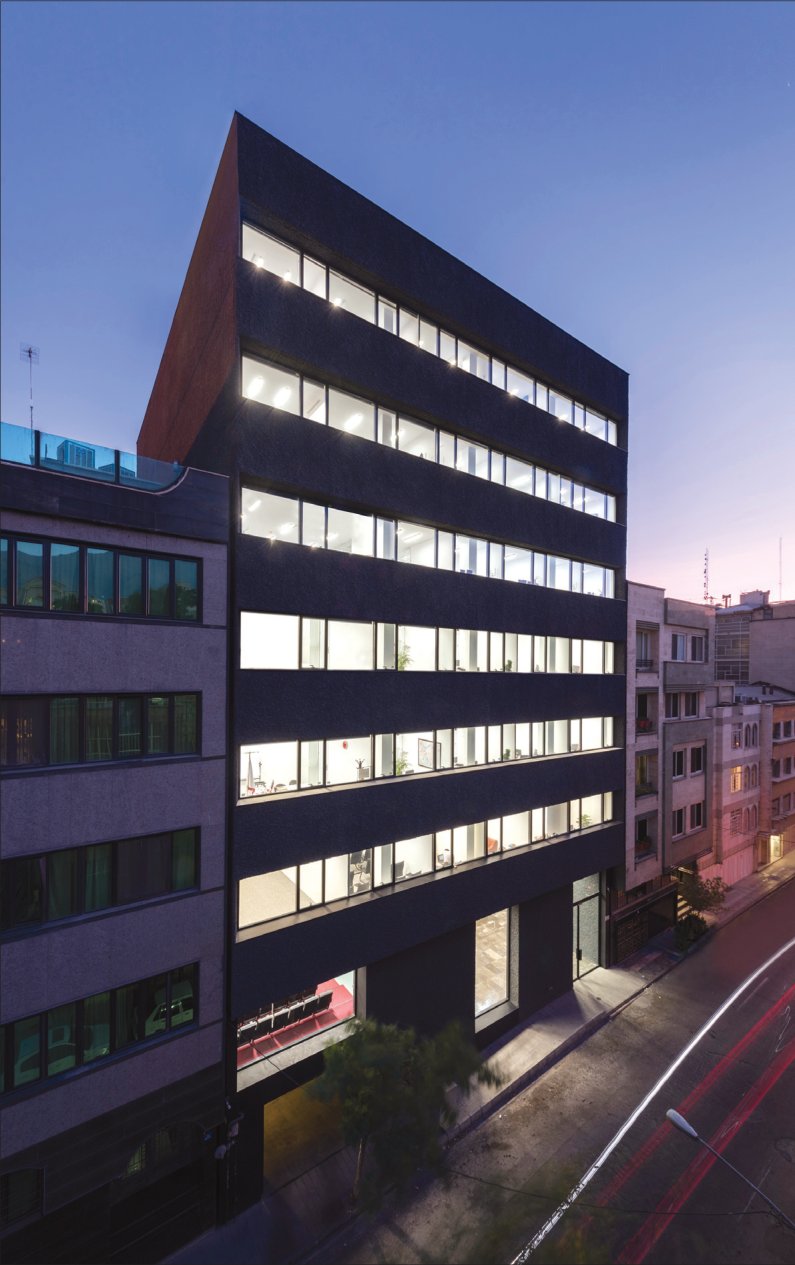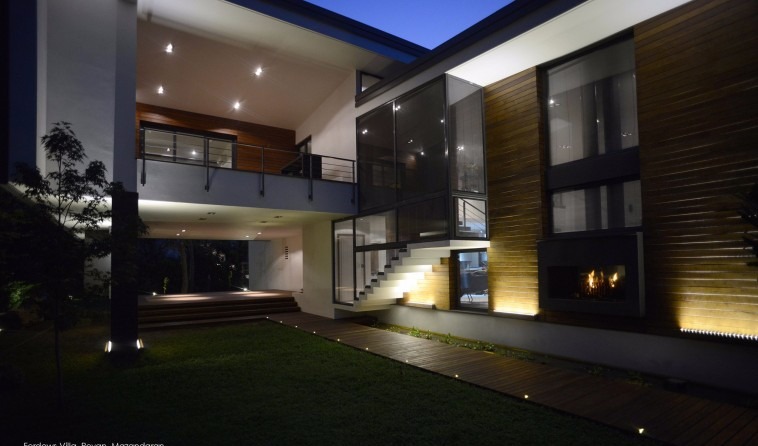
Semifinalists — Public Buildings
The Editor
ChairHossein Sheikh Zeineddin, the managing director of Bavand Consultant, received his Master in Architecture from the School of Fine Arts of Tehran University, in 1967. He joined Bavand in 1974, and became a member of Bavand's Board of Directors in 1982. Throughout his design career at Bavand, he has been responsible for many award winning

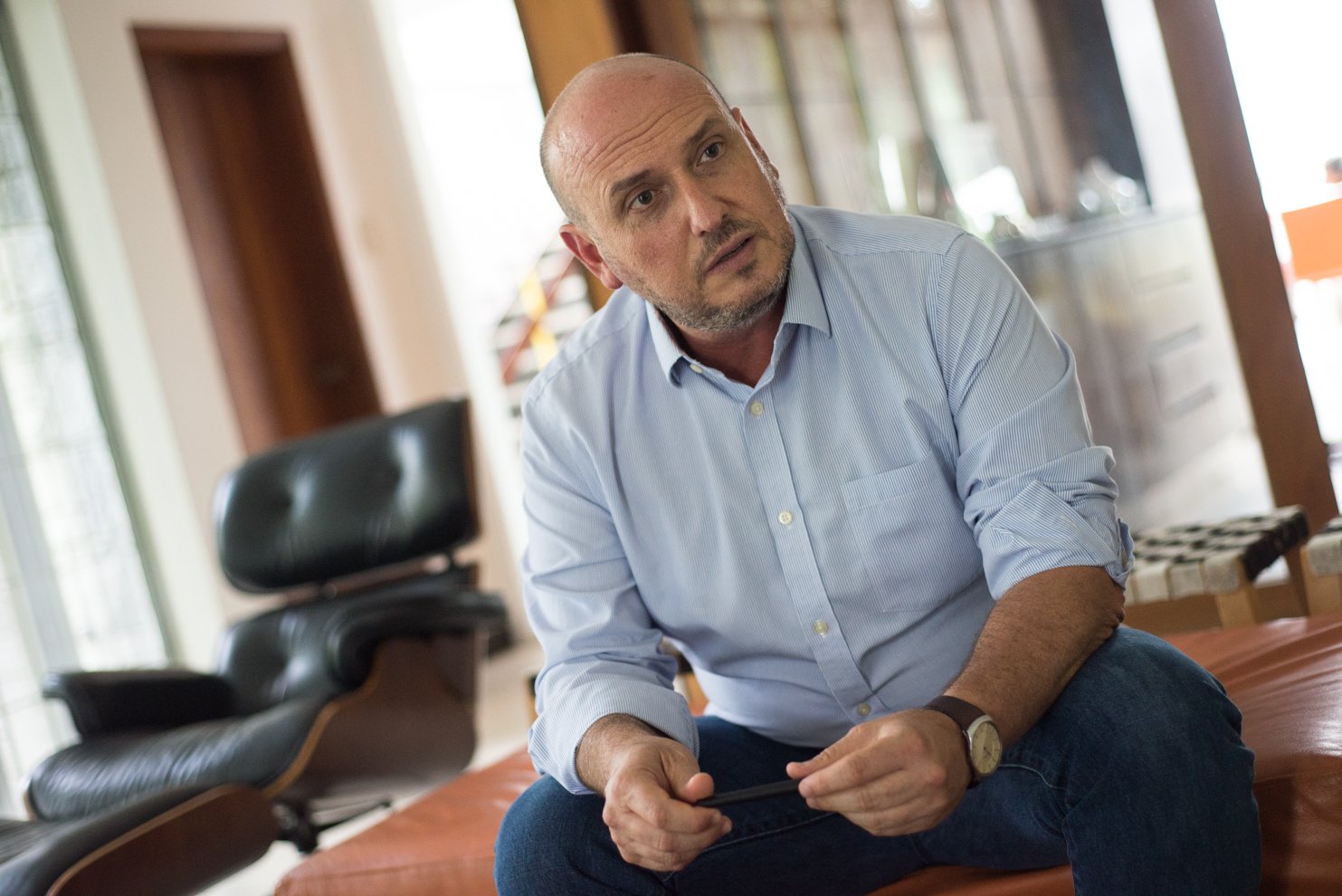
Franco Micucci is an Italian-born architect and academic. A graduate of Harvard University, he became a professor at Simón Bolívar University in Caracas, Venezuela. He served as a juror for the 9th Memar Award (2009) in Tehran, bringing an international perspective to the evaluation of Iranian architecture. During the jury deliberations, he frequently emphasized the importance of cultural identity in contemporary architecture while acknowledging the quality of innovation in the submitted projects.

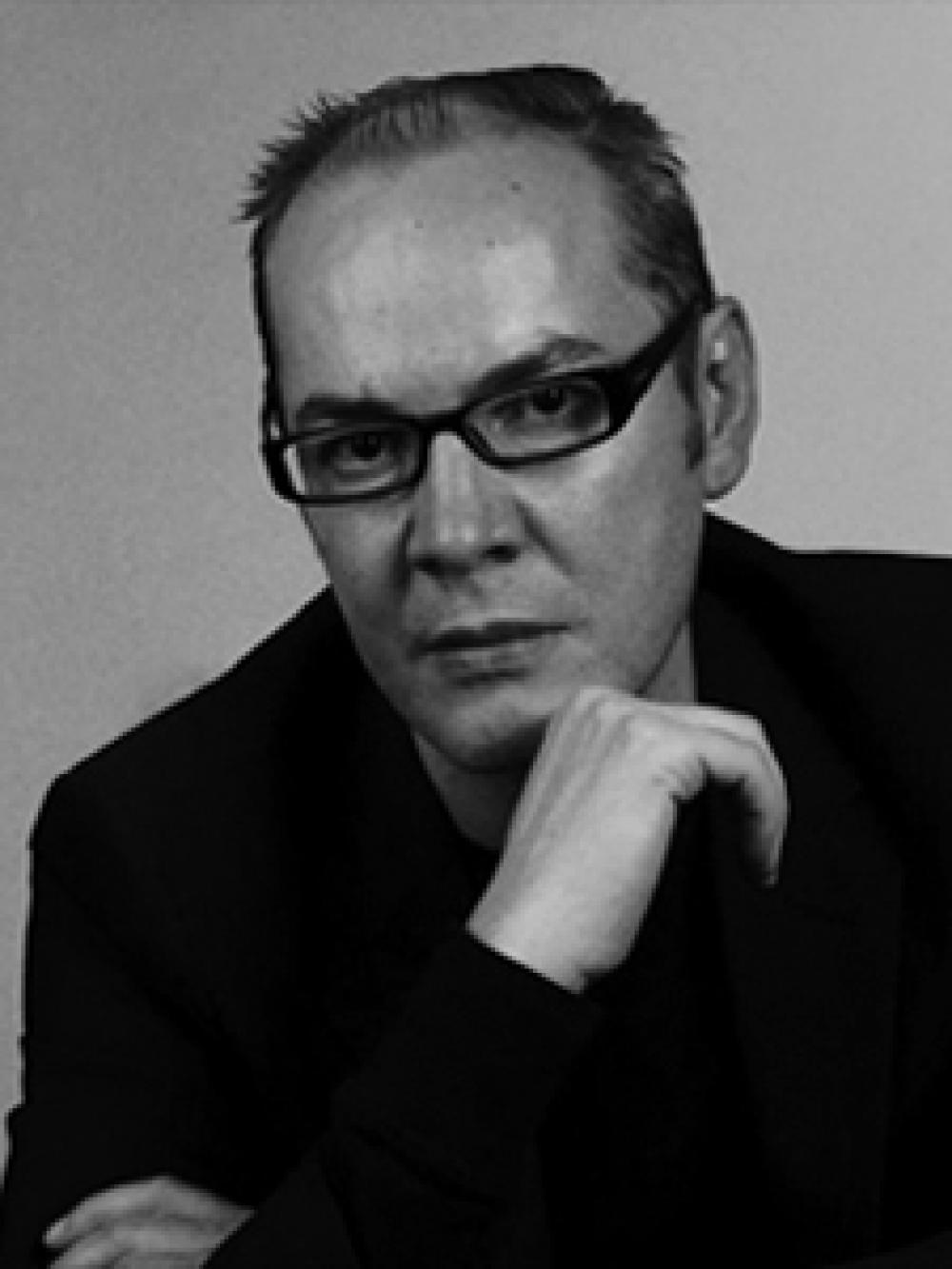
Iranian architect, critic, and editor (b. 1959, Mashhad). Studied at University of Genoa (1985). Worked with Renzo Piano Building Workshop (1986-1993) on projects including Kansai Airport. Co-founded Memar Magazine (1998) — the very publication this database documents. Published ~150 articles and 3 books. Teaching at Azad and Soureh universities since 1993. Co-founded POL Institute, Isfahan.


Iranian architect born in 1965 in Tehran. Graduated in architecture and urban planning from the Iran University of Science and Technology (1991). He taught architecture at Azad University in Tehran, Tabriz, and Hamadan from 1994, while collaborating with leading firms including Jahan-Pars and Shirdel & Associates. His early competition entries — the National Sports Complex (1995-96) and the International Kashan Library Competition in Japan (1996-97) — both received awards. He established his independent practice in 1999, with Gallery Salmaan in Tehran as his first built work. He later co-founded Fluid Motion Architects, which has become one of Iran's most recognized contemporary architecture studios.
The 9th Memar Award (2009) received 94 submissions across two categories: Residential Buildings (51 entries) and Public Buildings (41 entries). Two entries were disqualified for non-compliance, leaving 92 eligible projects. The jury—comprising Hossein Sheikh Zeinoddin, Kamran Afshar Naderi, Reza Daneshmir, and Franco Micucci—conducted evaluations over two days (November 9-10, 2009). Through systematic elimination, they reduced the field to 30 semifinalists, then 10 finalists, and finally selected 6 winners: three in each category ranked first through third. A special section recognized a low-budget renovation project and provincial submissions from cities including Mashhad, Tabriz, Kerman, Arak, Hamedan, and Sanandaj.
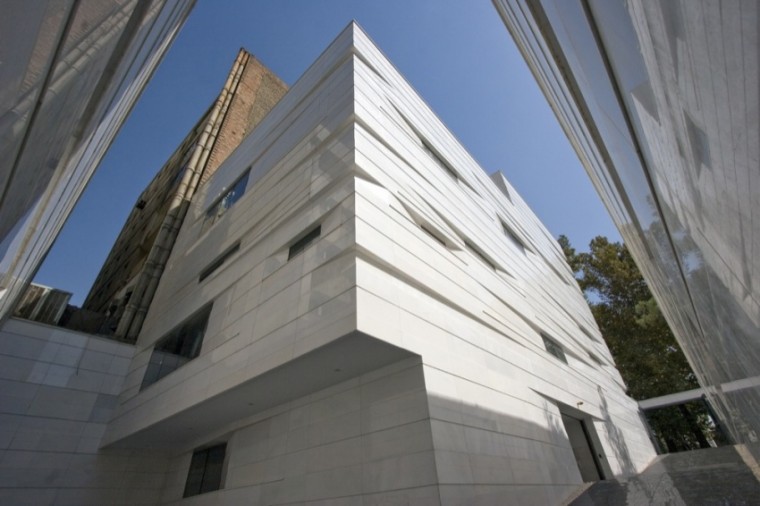
The jury evaluated 92 eligible submissions over two days (18-19 Aban/November 9-10, 2009). In Phase 1, they eliminated projects lacking architectural quality: 8 residential and 24 public entries were removed. In Phase 2, more detailed evaluation removed 24 residential and 6 public entries. This yielded 30 semifinalists (19 residential + 11 public). The jury then discussed each semifinalist in detail, with jurors offering individual assessments of design quality, innovation, contextual sensitivity, and execution. They selected 10 finalists, from which 6 winners were chosen: 1st, 2nd, and 3rd place in both Residential Buildings and Public Buildings categories. A separate low-budget section and provincial showcase were also included.