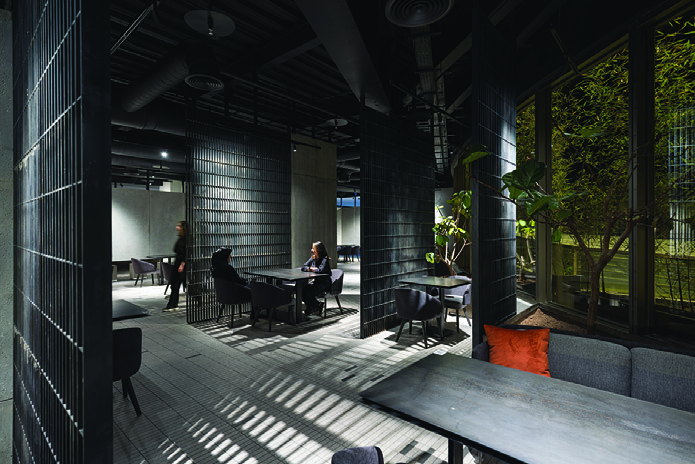
The window is one of the important elements of architecture that has existed in various forms from the earliest times of construction to the present day. A window is not merely a light source. Of course, the primary function of this element is to bring light and air into the house, but tools have always existed to keep this relationship with natural elements under human control. For this reason, windows possess a frame, glass, hardware, drip edges, and other supplementary additions, and alongside them, shutters, blinds, curtains, wooden slats, drapes, and other light-control devices have always been employed. Even in the most primitive types of windows, this has been the case. In the round wicker huts covered with animal skins belonging to peoples who lived thousands of years ago, in the middle and upper sections of the dwelling — similar to the temporary houses of Turkmens — there existed a window for admitting light and expelling polluted air and hearth smoke. This window was partially covered by thin strips of hide placed crisscross over it. Some scholars believe that the geometric patterns of dome skylights in cathedrals originated from this historical tradition.
In Iranian architecture, the window occupies a special place. Windows are often elaborately decorated and surrounded by repeated decorative borders that augment the importance of the window's outward dimensions. Light-control devices in Iranian architecture have been highly varied. Lattice screens of wood or metal and the very ornate wooden windows with colored glass, placed at precise locations, created very special luminous effects inside these buildings.
Apparently, humankind's interest in the function of the window has exceeded that of other architectural elements, for in general terms, the transparent surfaces of buildings have consistently increased throughout history up to the present day. The increase in windows in terms of both dimensions and quantity has depended on two factors: technology and security. The mass production of glass panes in various sizes and qualities and the use of strong materials such as iron have played an important role in this matter. Old Iranian houses had few windows facing public thoroughfares, and Roman houses initially had no windows on the ground floor either. Greek temples were also devoid of windows, and light entered only through doors.
Many ancient peoples, including the Iranians and Egyptians, sometimes used translucent stones to cover skylights, but the existence of glass played a fundamental role in the advancement of the window. Glass was invented by the Egyptians in the fourth millennium BC. At that time, glass was used only for making very small household vessels and utensils. The Phoenicians invented the art of glass-blowing in the first century BC. The Romans would blow molten glass inside a hollow cylinder and, through various manipulations, cause the glass to adhere to the interior of the cylinder. They would then remove the glass and cut it with a hot metal tool — being unfamiliar with the properties of diamond. Afterward, they would heat the glass intensely and lay it on a bed of sand. Glass produced in this manner, due to the sand adhering to one side, was partially opaque. Impurities and tiny air bubbles caused the transparency of the glass to be far less than today. The Romans also made colored glass. This technique, throughout the Middle Ages and especially during the Gothic period, led to the creation of great colored stained-glass windows that are one of the distinctive hallmarks of the architecture of this era. During this period, unlike previous eras, window frames were made of metal. Gothic architects, who had invented methods of transferring roof loads through arches and load-bearing columns, could devote vast expanses of lateral walls to windows. The window in this period assumed symbolic dimensions and became one of the most important elements of religious architecture.
During the Renaissance, wooden windows, owing to their great formability, were revived once more, and this dominance lasted until the beginning of the nineteenth century. The invention of new methods for iron production toward the end of the eighteenth century made it possible to produce this material on an industrial scale. Metal very quickly replaced traditional materials in the construction of bridges, factories, and even ships. The new manifestations of civilization — railways, train stations, and airports — all used metal. The symbolic materials of the industrial age were glass and iron.
At the beginning of the eighteenth century, Saint-Gobain devised a new method for the industrial production of glass. The dimensions of glass panes in this method were 2.5 by 1.5 meters. In the early nineteenth century, glass panes were also produced in very large dimensions, 3.69 by 5.90 meters. In 1867, the method of producing sheet glass and polishing it became fully automated.
In the nineteenth century, the construction of large greenhouses with metal frames and glass walls became common in England. In the mid-nineteenth century, the building of the International Exhibition of England in Hyde Park, London, was begun by Joseph Paxton. He drew on his experience in building greenhouses. This exhibition, which came to be called the Crystal Palace, had an iron skeleton with horizontal truss beams. This meant that the lateral walls played not the slightest role in bearing loads. He therefore covered the walls and roofs with glass. This building was entirely prefabricated; it was erected in a short time, and owing to its bolted connections and utilization of prefabrication techniques, it could be easily assembled. The metal components of this building, which was 1,851 feet long — in commemoration of the year of its opening — and covered an area of 70,000 square meters, were manufactured entirely in Birmingham and assembled in London within six months. The glass panes used, produced by the Chance Brothers factory, had a width of 1.25 meters. Paxton had selected the width of the windows so that the panes could be used in their entirety without any cutting. The window frames were made of wood. These frames were fitted inside the metal skeleton. The barrel vault of the central passage, which had a width of 22 meters, was also made of wood.
This building, in terms of spatial concept and the relationship between interior and exterior, brought about a revolution in architecture. This structure gave architects and engineers greater courage in employing vast glass surfaces. The use of extensive glass surfaces in residential and public buildings in cities progressed at a slower pace.
Victor Horta, the Belgian architect of the Art Nouveau style, was the first designer to use windows of unconventional dimensions in residential and public buildings. It should be remembered, of course, that the use of repeated and extensive windows in the main facade had a long tradition in parts of Belgium. Horta, in the grand department stores of Brussels, the Hotel Tassel, and in his own residence, created large metal windows that are very noteworthy in terms of decorative and construction details. He had a special interest in colored windows and skylights.
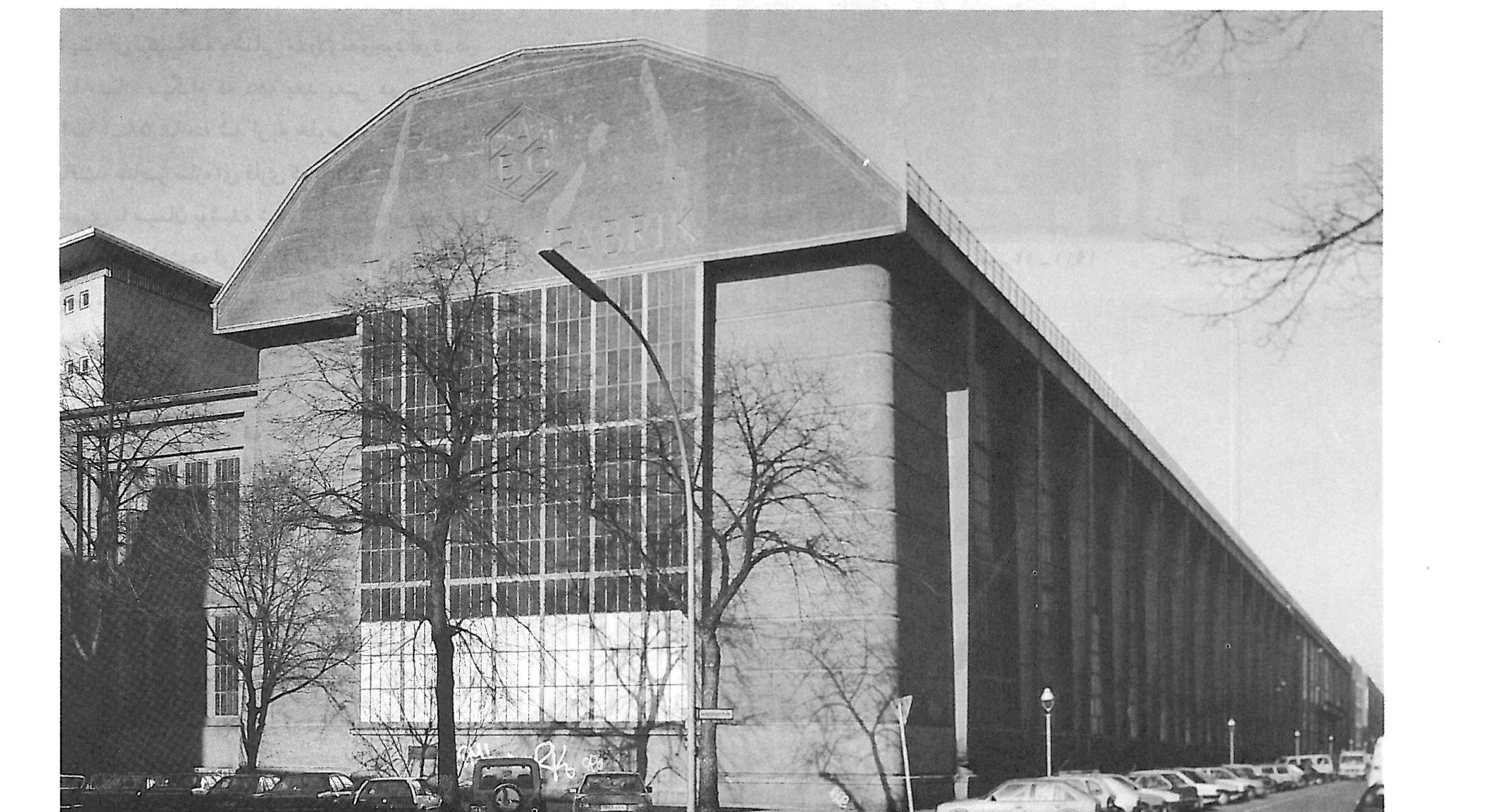
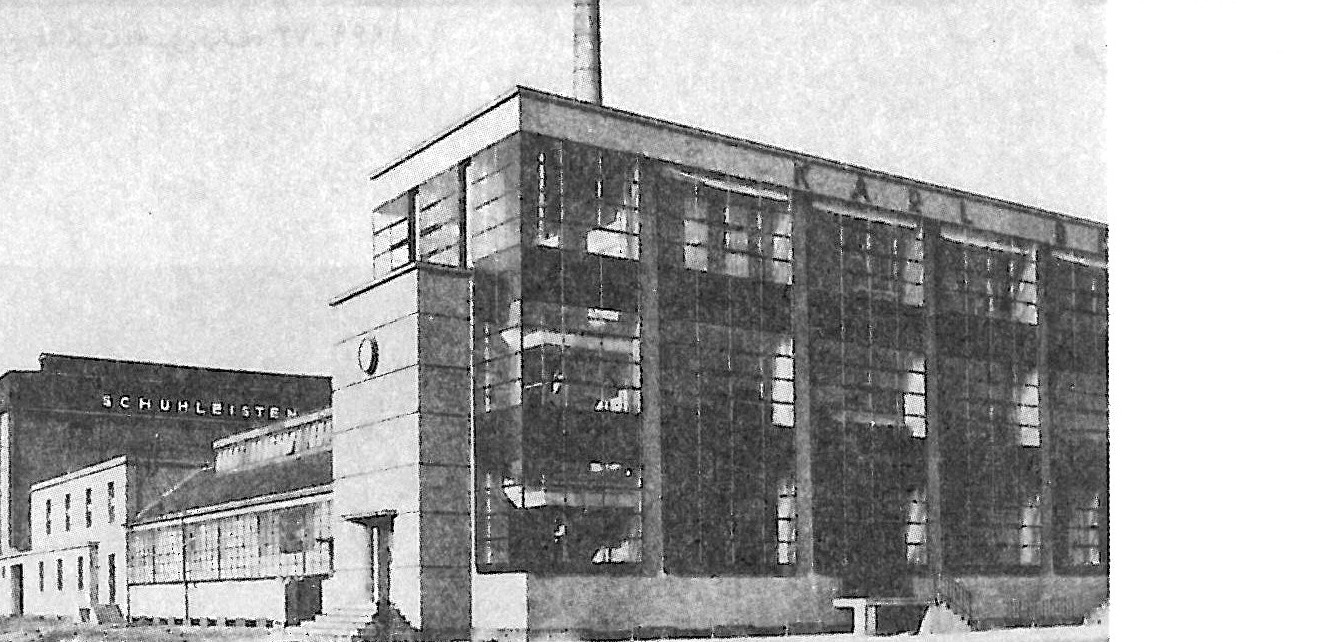
In Germany, Peter Behrens, in the early twentieth century, used large glass windows in the AEG Turbine Factory that closely resembled glass walls. His student Walter Gropius made extensive use of the properties of the glass wall in opposition to brick and concrete surfaces as a new kind of formal dialectic consistent with modern aesthetics. The Fagus Factory by Gropius and Adolf Meyer (1911–12) is a good example for demonstrating the growing role of glass surfaces in modern architecture.
Le Corbusier, with two principles he invented — the free facade and the ribbon window, which were inspired by nineteenth-century industrial architecture — increased the importance of the window. Villa Savoye is one of the best examples.
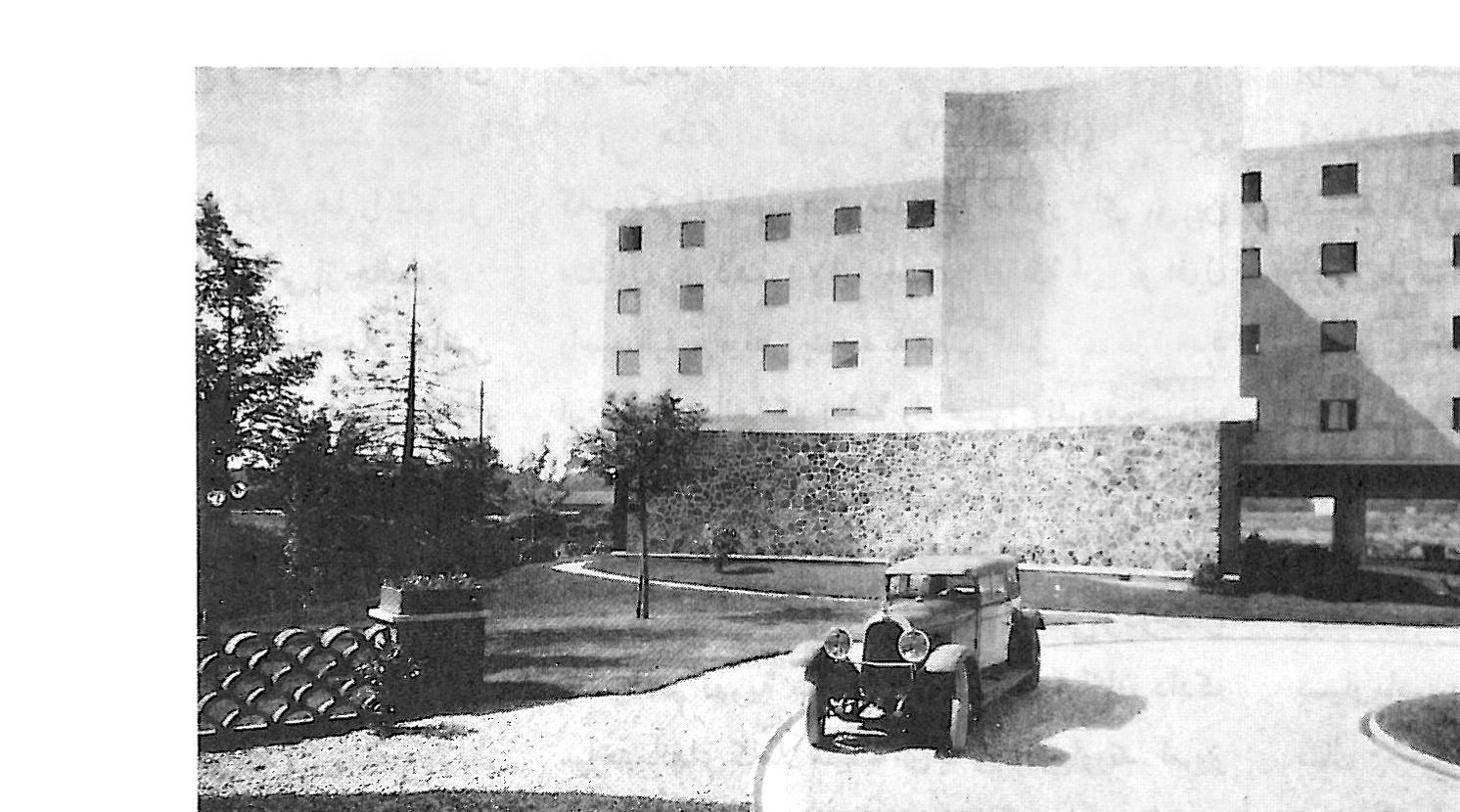
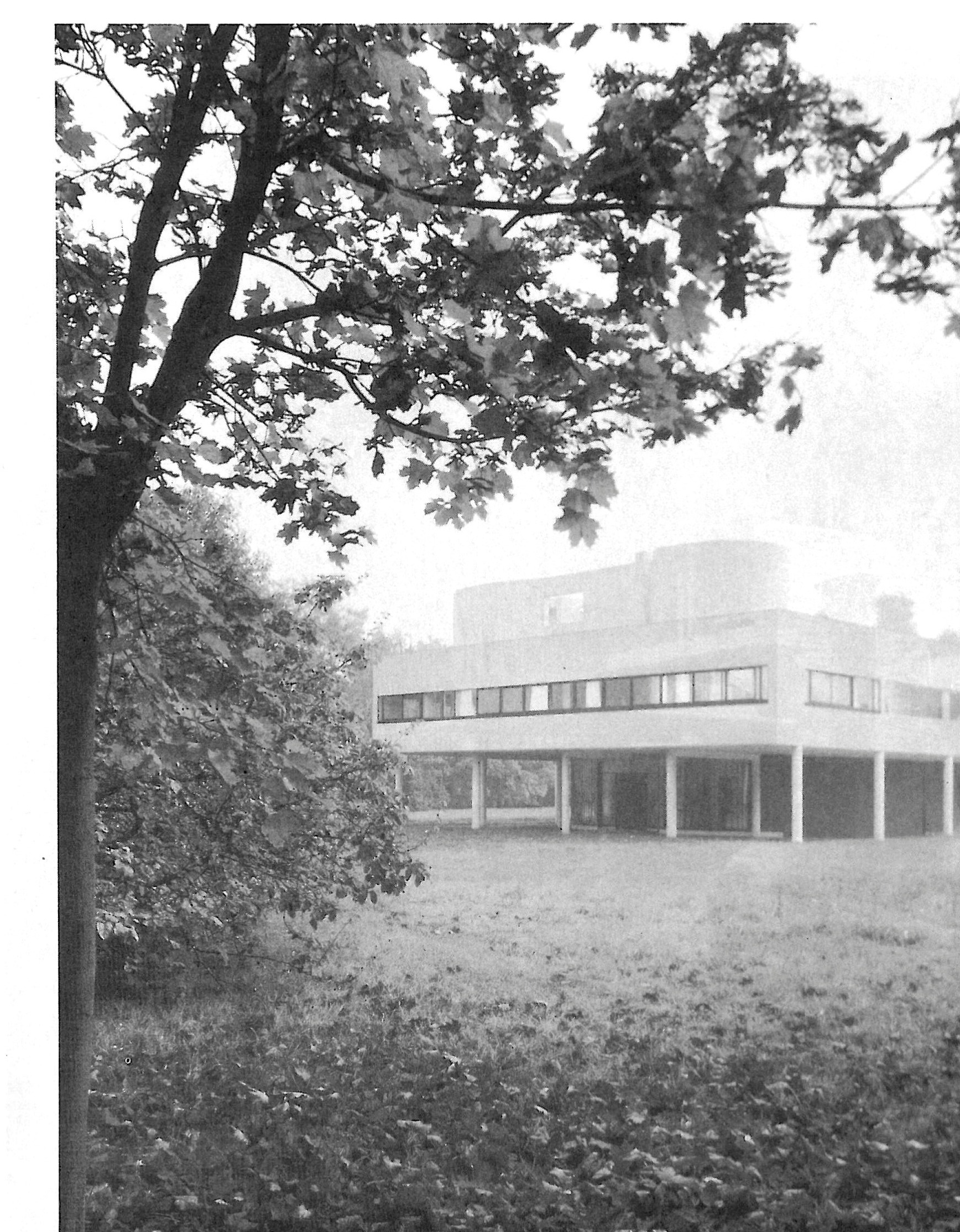
In the Swiss Students' Pavilion at the Cité Universitaire in Paris, he covered one side of the building's facade with a glass wall. At this time — meaning the beginning of the 1930s — insulating glass was not yet being produced, and the intense heat that penetrated the interior of the building in summer caused Le Corbusier to subsequently invent the brise-soleil. In the building of the Ministry of Health in Rio de Janeiro, which he designed with the assistance of Lucio Costa and Oscar Niemeyer, using sun-breakers and recessed windows, he created a completely three-dimensional facade whose appearance and the interplay of shadow and light upon it gave birth to a new aesthetic.
Mies van der Rohe in 1919 designed metal-and-glass skyscrapers that were never built. These designs, for the first time, demonstrated the mythology of the tower with a single-piece glass curtain wall and a structural core. The technology of the time did not permit the production of curved glass — a major problem — and this dream of Mies van der Rohe was only realized at the beginning of the 1970s.
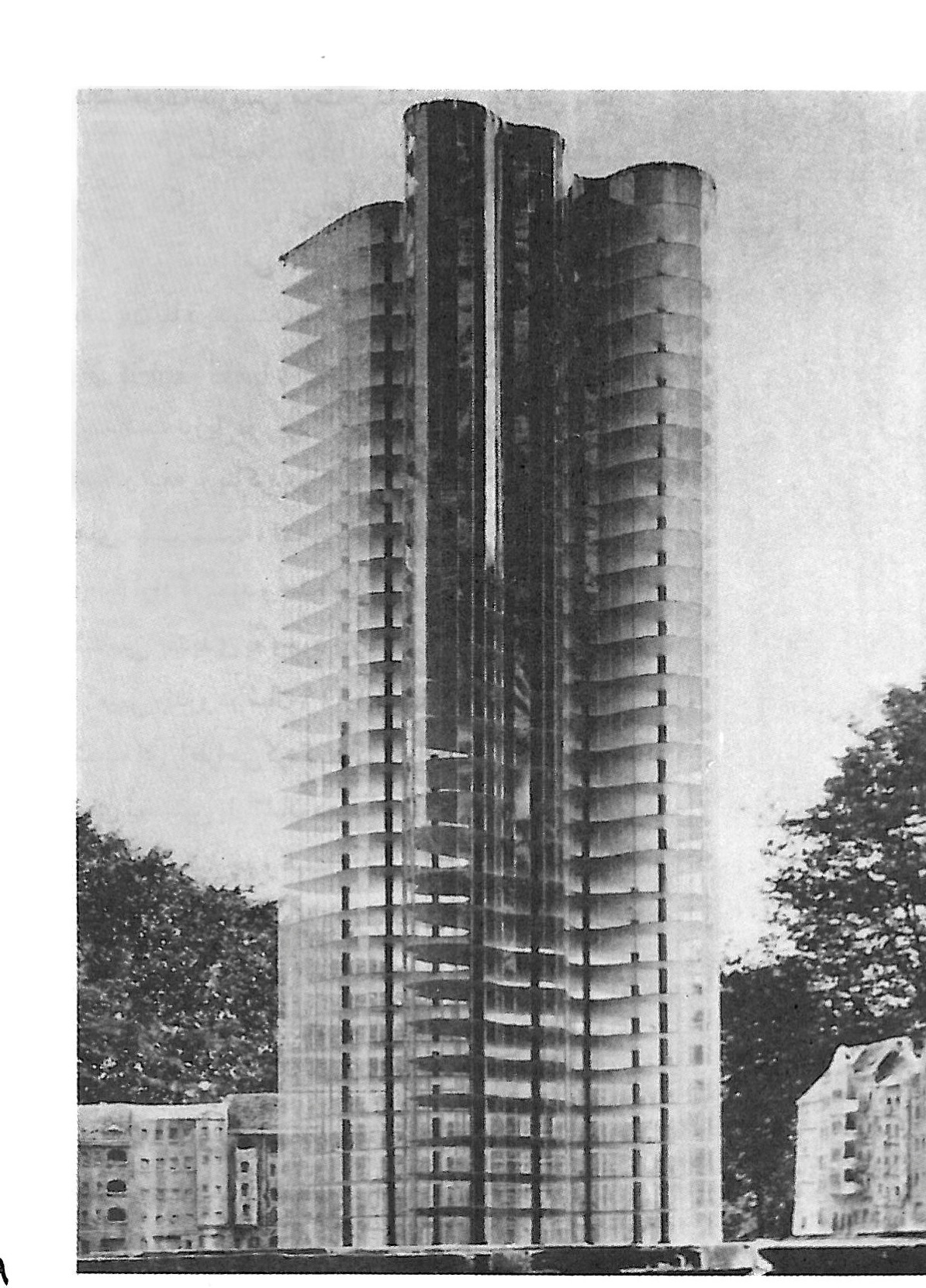
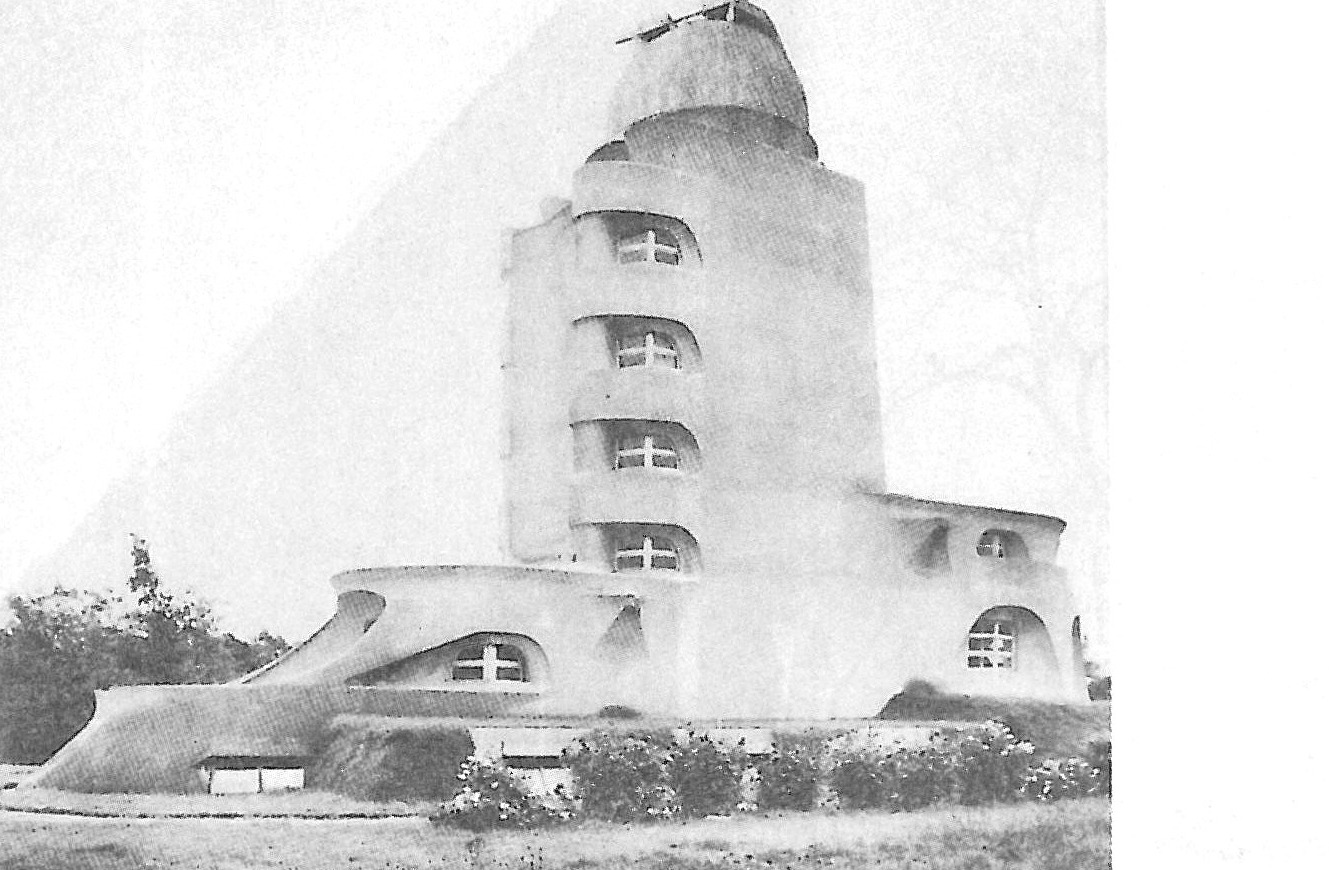
According to Furio Micucci, the windows of the Einstein Tower by Erich Mendelsohn, which were necessarily built as flat, angular surfaces, stand in contrast to the completely fluid and plastic form of the exterior wall, diminishing the beauty and aesthetics of the building.
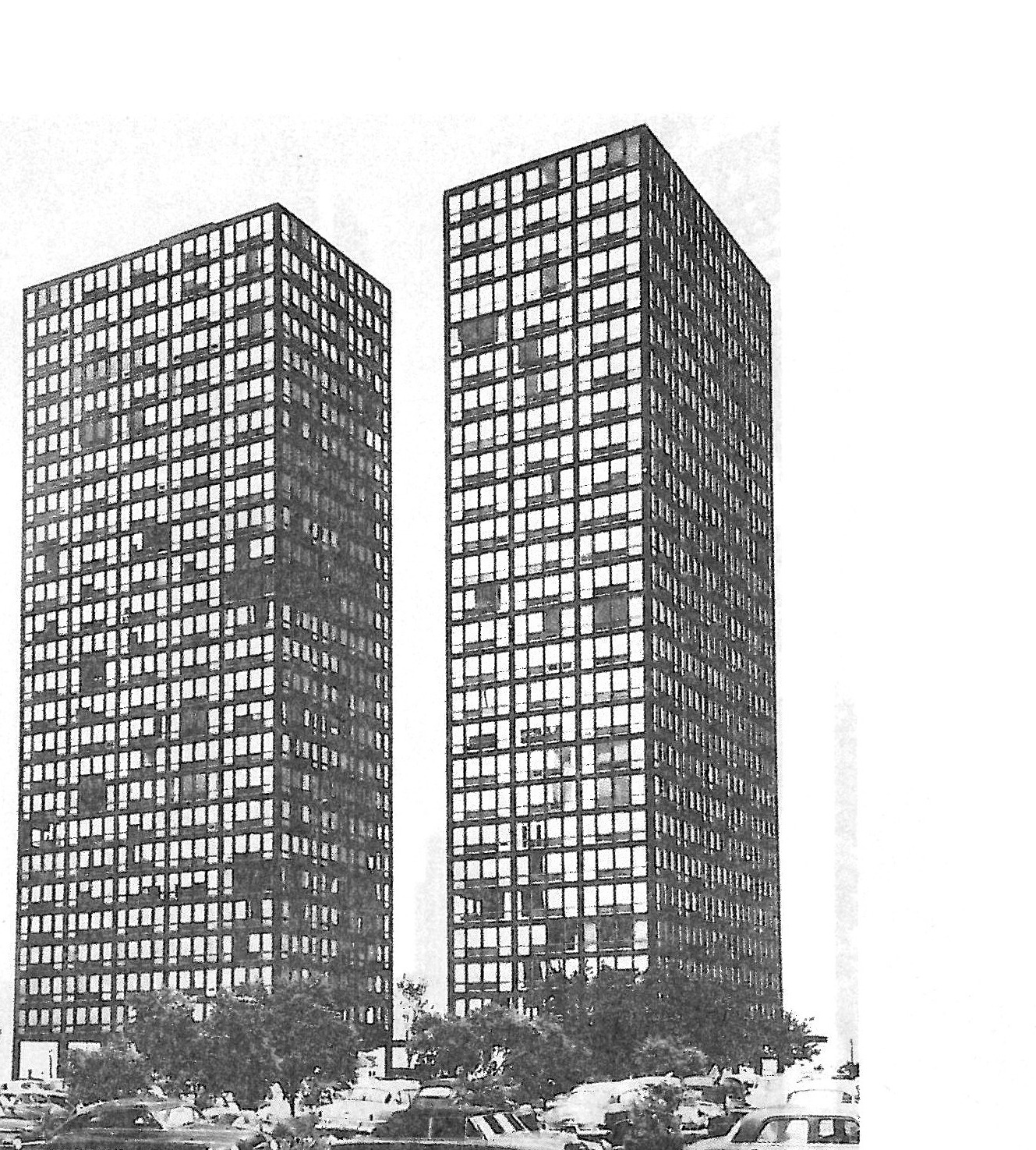
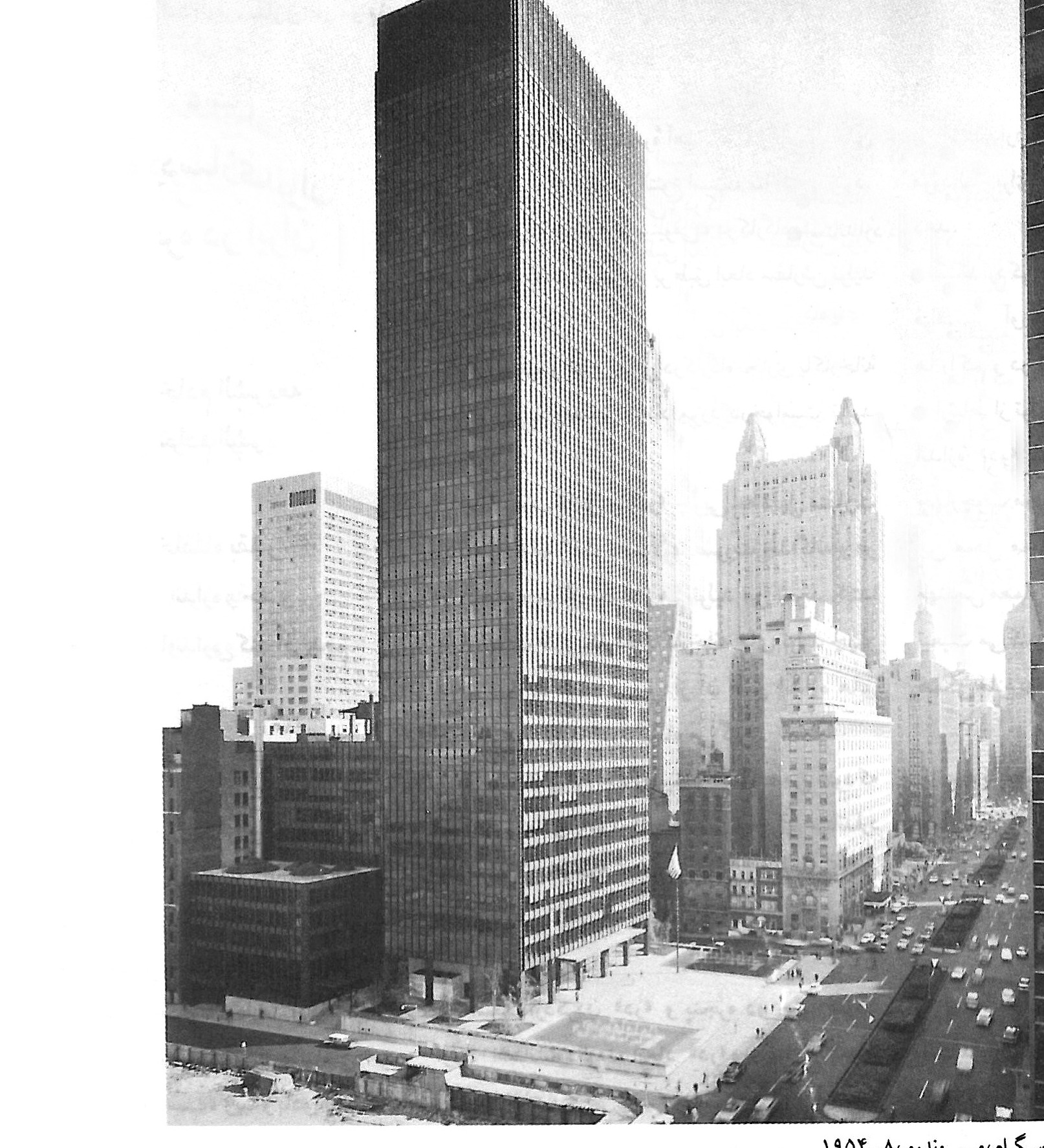
Meanwhile, Mies, who was aware of this problem, designed skyscrapers with a prismatic volume and a chessboard-like facade. In these two-skinned buildings, the metal skeleton was combined with glass surfaces to create a modular facade. In the Seagram Building, which was built a decade later in 1954–58, he achieved a refined purity. The structural steel elements, which are clad in cement for fireproofing, are barely visible. A dense network of vertical bronze profiles that hold the windows has imparted a unified quality to the building. This uniformity — that is, the non-differentiation of windows from walls — has in a way negated the window. Mies van der Rohe, even in residential buildings, has negated the window in this manner. Instead of the concept of the window as an opening within a wall, he employs glass surfaces in combination with wall surfaces. The formal value of glass surfaces and their mythology can be well observed in the Glass House by Philip Johnson, the famous contemporary architect who was a student of Mies van der Rohe — a building that is itself a continuation of this very tradition.
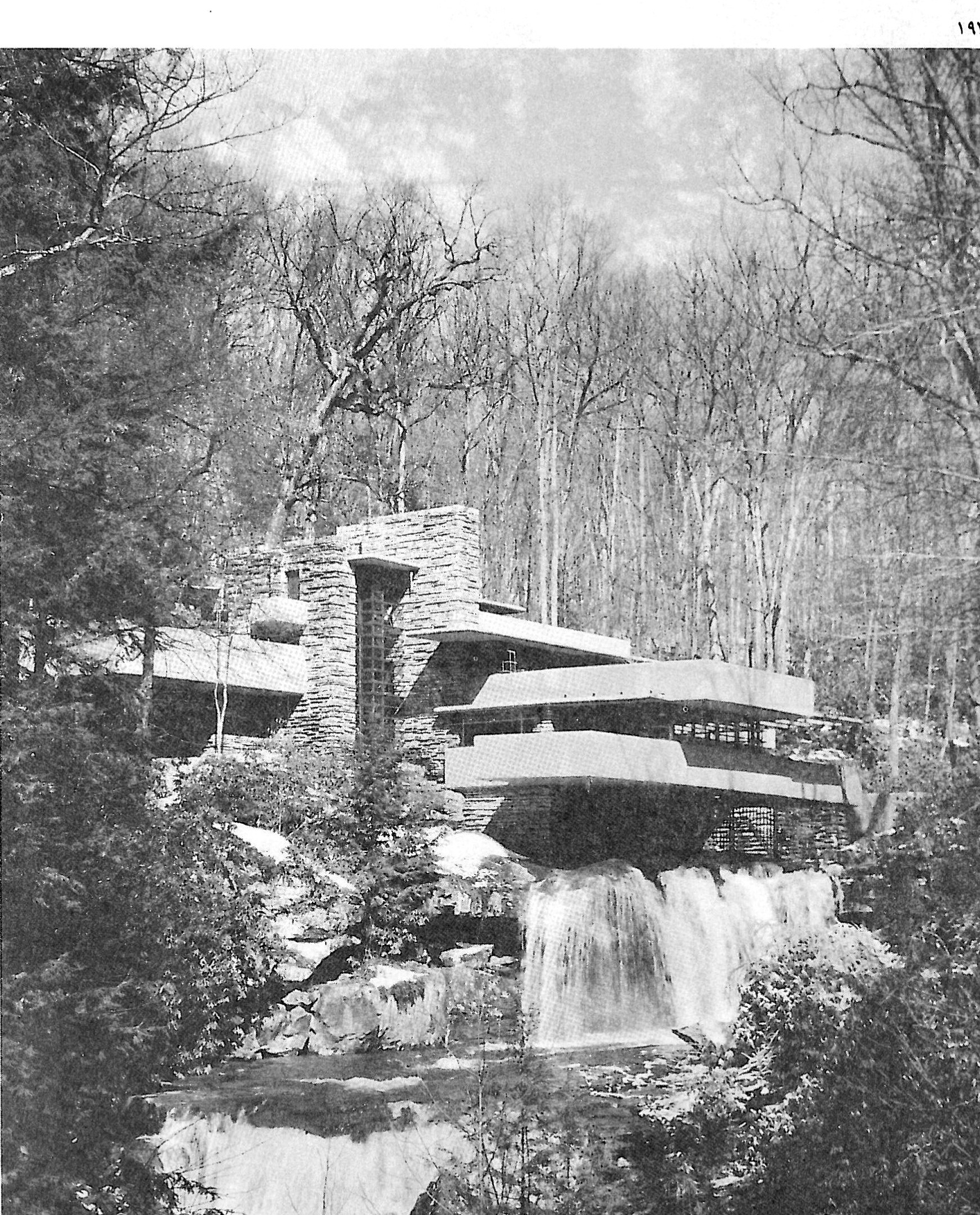
Frank Lloyd Wright, too, in numerous works, approached the negation of the window as an independent element distinct from the wall. In Fallingwater, the combination of surfaces and volumes is so arranged that the existence of windows is absolutely not felt. In the Johnson Wax Administration Building, based on technology from the Corning Corporation, Wright invented a special technique. He stacked Pyrex glass tubes in a double vertical layer on top of one another to create a wall that was plastic and permeable to light but impenetrable to vision. This was a system that allowed light to penetrate inside, making the wall translucent, while the interior could not be seen from outside. At night, the image of interior volumes was projected in reverse, creating a novel spectacle on the exterior.
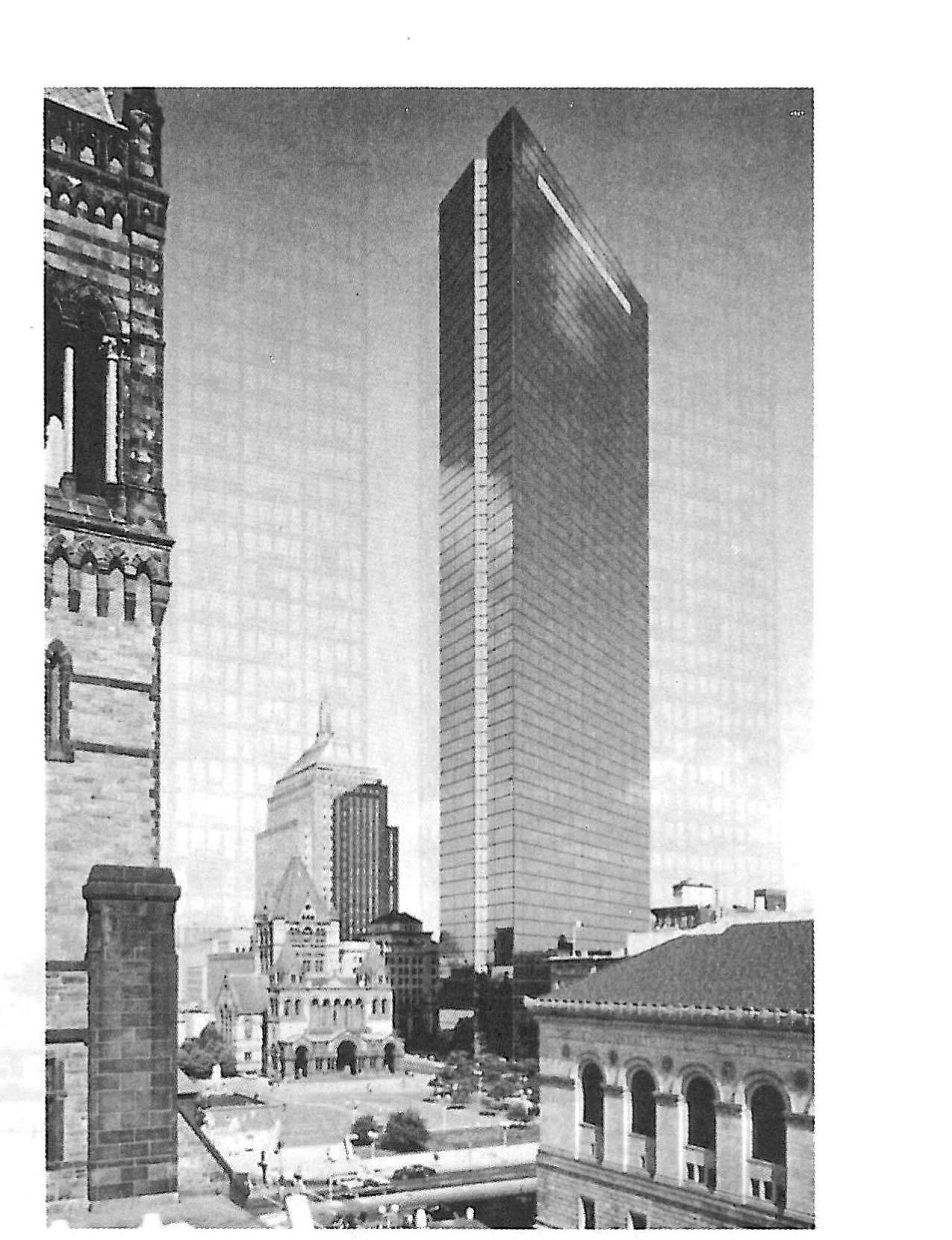
The Hancock Tower in Boston (1969–73) by Henry Cobb is one of the notable examples of crystalline prisms. In the field of glass towers, critical voices have also occasionally been heard from those sensitive to the issue of energy and environmental conditions. Following the oil crisis of 1973–74, which led to a dramatic increase in prices on world markets, manufacturers were prompted to conceive of glass with enhanced thermal insulation properties. These types of glass were first produced in 1980 in Halmstad, Sweden.
Based on maps of the climatic zones of various countries, standards have been established for exterior glass that in some nations — such as Sweden and England — are mandatory. In the countries of the Middle East, including Iran, however, where most buildings are still built based on plans from foreign companies consumed over the past two decades, this matter is viewed with relative leniency. In any case, energy conservation remains one of the principal concerns.
Today, not only in the field of glass types — waveless and perfectly smooth glass, mirrored glass, tinted glass, colored glass, double-glazed glass — and climate-control systems have architects been given the ability to create great glass buildings, but also in the field of window frames and hardware, significant advances have been made.
Approximately half a century has passed since the introduction of the first aluminum windows, and at present, various aluminum windows in different colors are being produced. PVC windows have also recently entered the market, and of course, to solve the multiple problems of windows — namely strength, durability, insulation, and beauty — composite windows have also come to market; for example, windows whose core is aluminum, whose interior part is wood, and whose exterior is PVC.
In any case, despite the beauty and charm of wooden windows, metal windows have more adherents. The reason for this preference is the advantages enumerated for metal windows:
- Being thinner and admitting up to 20% more light
- Dimensional stability and no deformation over time
- Precise dimensions
- Being lighter than classic wooden windows
- Greater durability
- Impermeability
- Good adhesion to wall materials
- Being hygienic
- Being fireproof
- Easy maintenance
- Speed and simplicity of installation
Perhaps from the above, one might infer that wooden windows are condemned to obsolescence. The experience of the past two decades proves the opposite. The irreplaceable virtues of wood as a shapeable, warm, and particularly beautiful material, and its several-thousand-year history in the culture of architecture, have caused producers of wooden windows to think about remedying its shortcomings. The weaknesses of wooden windows — deformation over time due to moisture penetration, imprecise dimensions, low durability, susceptibility to insects such as termites — have been addressed to an acceptable degree with new technologies. The main problem with wooden windows (which is solvable) is that, unlike their plain appearance, they require precise and complex design and construction. Since the 1970s, new producers of wooden windows have directed their attention to the following matters and have offered beautiful windows competitive with iron, aluminum, and PVC, with these technical specifications:
- New hinges
- Proper method of wood drying
- Suitable washers to prevent rain penetration
- Aluminum drip edges
- Sturdy hardware
- Rainwater drainage channels in the window frame
- Saturating the exterior wood surface with impermeable materials
- Use of laminated wood
- Use of a hidden metal structure for greater strength
- Precise dimensioning beyond the construction site and before installation
- New connections
- Increased speed of production
In any case, the story of the window does not end here. Other materials related to this industry, such as PVC, aluminum, glass, and hardware technology, also require a separate discussion that we hope to address in future issues.