بام‌های تخت مدرنیسم در میان بام‌های تخت تهران

اشتراک‌گذاری
بام‌های تخت مدرنیسم در میان بام‌های تخت تهران

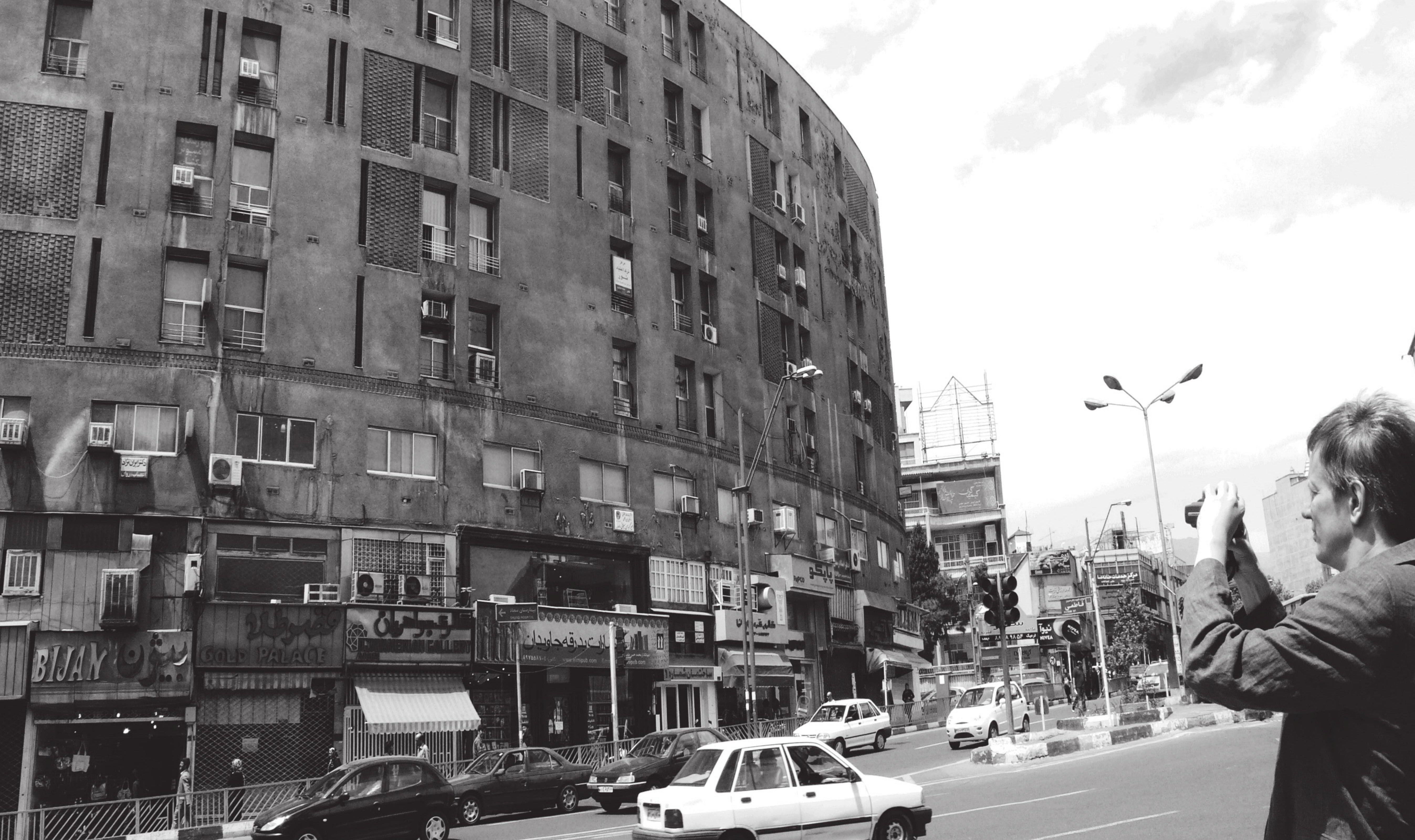
لئو كاندل شهاب كاتوزيان معمارى در تهران سگ پكنى Leo Kandl ARCHITECTURE IN TEHRAN چيزهايى كه من ديدم: مكان هاى پرتحرك زندگى شهرى و تراكم زياد شهر، ساختمان هايى با كيفيت خوب و تحسين بر انگيز كه در نقاط مختلف متروپوليس مشاهده مى شدند و تنوعى از معمارى هايي با عناصر معمارانة تخيلي و سطوحي با ارزش هاي زيبايي شناسي و پاساژهايى كه همچون دروازه هايى مردم را به درون خود مى خواندند. 1!شهرى به مثابه يك گنج پنهان معمارى مدرن كاوه مهربانى مرا در گشت در شهر همراهى كرد، و به من اطلعات و حس – چگونه ديدن و نگاه كردن به آن – را منتقل كرد. پانوشت: منظور پاساژهاى اولية مركز تهران در خيابان هاي جمهورى، سعدى و منوچهرى است. -1 ،مكان ها و نقاطى كه مورد بازديد قرار گرفتند: لله زار، جمهورى، طالقانى، تجريش، عباس آباد سنايى... ك.م. ( 1968-1963) * لئوكاندل عكاس باسابقة وينى، فارغ التحصيل آكادمى هنرهاى كاربردى وين از تهران بازديد كرد.2012 است. نمايشگاه هاى متعدد برگزار كرده و در سال چند سال پيش براى »ديجيتاليزه« كردن تعدادى از پروژه هايم به يكى از دوستان و همكاران جوان مراجعه كردم. قرار شد كار در دفتر ايشان انجام گيرد. آنچه در آن هفته هاى پر كار جلب توجه مى كرد، يك سگ پكنى بود كه در هر جاى دفتر – يك فضاى طولنى و ممتد شمالى جنوبى– قرار مى گرفت، بلفاصله و با سرعت خود را به جبهة شمالى مى رساند و از پنجره به بيرون نگاه مى كرد. وقتى دقت كردم ديدم در آن سوى خيابان، ساختمانى به سبك »پاگودا« هاى چينى بنا كرده اند. معما حل شد: حيوان كوچك مرتب ياد وطن مى كرد! اين تعبير طنز آميز، آن روز و همين طور امروز مرا به اين فكر وامى دارد كه چگونه در شهرى كه در آن همواره بحث از هويت در معمارى است و سمينار، ميزگرد و همايشى نيست كه شركت كنندگان در اين باب به گفتگو ننشينند، مرتب نه تنها به »پاگودا«ها، بلكه به بناهايى كه ريشة آنها جز فقر فرهنگى نيست، اضافه مى شود. در اين چند سال اخير بعضى از فعالن كار ساختمان دست به استفادة مضحكي از عناصر معمارى دوران باستان و ارائة آنها به بازار با عنوان ساسانى زده اند؛ حال بگذريم از فاجعة پست مدرنيستى دو دهه -سبك هخامنشى پيش و يا نئوكلسيسيزم باسمه اى رايج كه در بهترين حالت به بدترين فصول معمارى غرب تعلق دارد. از طرف ديگر، گذشتة ما، بخش عظيمى از بازار و محلت اطرافش، و نيز ساختمان ها و پاساژهاى بى نظير دو سوى خيابان هايى مثل لله زار، جمهورى و انقلب، در حال پودر شدن هستند. فراموش نكنيم كه تاريخ يك شهر را ليه هايى كه در زمان هاى مختلف روى هم انباشته مى شوند، تشكيل مي دهند و تهران نيز قرن بيستم يكى از 50 تا30 علوه بر سابقة طهماسبى و ناصرى، در سال هاى مدرن ترين شهرهاى خاورميانه بوده. اگر در مقابل تهاجم سرمايه، سوداگرى و نمايش تجمل عارى از هرگونه اصول زيبايى شناختى شهروندان نوكيسه ايستادگى نشود، تهران آخرين ارتباطاتش را با پيشينة خويش از دست خواهد داد. * شهاب كاتوزيان، معمار و شهرساز، تدريس در دانشگاه هاى تهران و رم، طراحي و نظارت بر اجراى بناهاى مسكونى و عمومى در ايران و ايتاليا را بر عهده داشته است. كارها و نوشته هاى او در مجلت داخلى و خارجى چاپ شده اند. What I saw: buildings, areas of dynamic urban life, and the density of the town. Buildings of high and impressive qualities as landmarks of the metropolis. And: a variety of architectures with imaginative elements of architecture / surfaces of high aesthetic value. “Passages” (arcades) as exiting gateways, and for shop- pers. And: the town as a hidden treasure of modern architecture. Kaveh Mehrabani went around in town with me - and gave me the information and feeling - how to look and see. * Leo Kandl, renowned Viennese photographer. 1963-1968 Akademie der Bildenden Künste, Wien. Has exhibited extensively. He visited Tehran in summer 2012. Photo by Babak Zirak

\\n

هرويگ كمپينگر چشم هاى بازِ بسته Shahab Katouzian Herwig Kempinger PEKINESE DOG EYES WIDE SHUT Some years ago I was at a young friend’s office - a long rec- tangular space - to help me with digitizing some drawings. One thing struck me during the time I spent there. He had a dog, a Pekinese that would go through the same routine of dashing to a particular window as if to check something. On more careful inspection I noticed a building opposite in the Chinese Pagoda style. The mystery was solved: the small creature was constant- ly being reminded of home! This impression, then and even now makes me ponder how is it that in a city in which there is non-stop talk about IDENTITY: seminars, roundtables, conferences….. not only are there more and more pagodas to be seen, but also buildings that could only have their roots in cultural poverty? In recent years, a number of those active in construction have made ludicrous use of motifs from ancient Persian architecture; not to mention the Postmodern disaster of the last two decades, or the current neo- classical pastiche that would at best belong to the worst periods of Western Architecture. On the other hand, our past: A considerable part of the ba- zaar and its surrounding areas, as well as buildings and arcades on streets such as Lalezar, jomhouri, and Enghelab, are being turned to dust. Let’s not forget that the history of a city is a result of layers from different periods, and that Tehran was one of the most modern cities in the Middle East in the 50s, the 60s and the 70s. If the onslaught of capital, speculation, and gloss and glitz by the new rich is not resisted, any link with Tehran’s past will be severed. * Shahab Katouzian, architect and urbanist. Parallel to teaching at the University of Tehran and the University of Rome, he has designed and supervised projects in Iran and Italy. His works and writings have been published in Iran and abroad. روزى روزگارى، جنبشى بود به نام مدرنيسم. با به كارگيرى ابزارى مانند خلقيت و ابتكار، حساسيت، پژوهش انسان مدار و صنعتگرى، سعى كرد زندگى روزمره براى همگان بهتر شود. روزى روزگارى، شهرهايى بودند مانند تهران، كه در آن نمونه هايى نفيس از اين جنبش در هرگوشه و كنارش ديده مى شد. ساختمان ها، مبلمان و اشيايى كه زندگى را لذت بخش تر مي كردند و به آن معناي بيشتري مي بخشيدند. روزى روزگارى، همة اينها در مسلخ سودجويى هرچه بيشتر، ارزش هاى سوداگرانه و ابتذال قربانى شدند. به زودى روزى فرا خواهد رسيد كه آخرين بقاياى اين دوره، كه در آن تضادى بين عملكرد و زيبايى وجود نداشت، براى ابد از دست خواهد رفت. شهرهايى مانند تهران، باقى خواهند ماند كه از آن پس چيزى نخواهند داشت جز ساختمان هايى كه چيزي بيش از يك كژفهمى غم انگيز، و تعابير اغلب ابلهانه و بى معنايى از تاريخ گرايى قرن نوزدهم اروپا نخواهند بود. و اين اتفاق، جشن و پايكوبى گروه خود شيفتة اقتصاد سرمايه دارى بانكى را به دنبال خواهد داشت، پس از موفقيت در خلص كردن خود از هزينه هاي غيرضروري پديده اي منسوخ به نام فرهنگ. ، اتريش، فارغ التحصيل دانشگاه هنرهاى تزئيني وين، در 1957 * هرويگ كمپينگر متولد همان جا هنر رسانه اي تدريس، و در زمينة هنرهاي بصري كار مي كند. او در وين زندگي مي كند از تهران بازديد كرد.2012 و سال Once upon a time there was a movement called Modernism. With tools like ingenuity, sensitivity, human research and crafts- manship people tried to make everyday life better for everyone. Once upon a time there were cities like Tehran, where one could see exquisite examples of this movement on every corner. Beautiful buildings, furniture and objects, that made life more enjoyable and meaningful. Once upon a time all this was sacrificed on the altar of ever increasing profits, shareholder value and vulgarity. There will be a day in the very near future when even the last remnants of this time, when function and beauty were no contradictions, will be gone forever. There will be cities like Tehran that will then be left with noth- ing but buildings that are sad misunderstandings, most of them stupid and meaningless interpretations of 19th century Euro- pean historicism. All this will be celebrated by the narcissistic priesthood of finance capitalism that finally got rid of the unnecessary costs for something obsolete called culture. * Herwig Kempinger - 1957, Steyr, Austria. 1976-80 the University for Applied Arts in Vienna. 1984-94 taught media-art at the University for Applied Arts. Works as a visual artist. Lives in Vienna, Austria. He last visited Tehran in October 2012.

\\n

مهر آذر سهيل دريغ از ميراث معمارى مدرن تهران تاريخ، شهر را مى سازد. طى قرون، نسل هاى مختلف جامعه ليه ها و مقوله هايى نو به اين شعر سمفونيك، شهر امروزين، افزوده اند. دفاع از ميراث فرهنگى و هويت جارى درمحيط هاى ساخته شده و طبيعى ملت ها، سرلوحة پيدايش يونسكو بوده است. معمارى و شهرسازى اى كه از اوايل قرن بيستم شكل گرفت، مبتنى بر نظم اجتماعى، تكنولوژى، و اشكال زندگى نو، در يك چارچوب بين المللى و جهانى بوده. اين تحول به شكل گيرى جنبشي بين المللى انجاميد كه تأكيد آن بر كارآيى عملكردى و مفاهيم نو فضايى، مبتنى بر نوآورى هاى فنى و تحول يابنده اي است كه امكان آزمايش و ابداع در فرم هاى نو را فراهم مي كند. در عين حال، در بهترين حالت، معمارى مدرن مي تواند با تأكيد بر ويژگى مكان، آمال و نيازهاى اجتماعى را برآورده كند. معمارى مدرن بخشى اساسى از ميراث مشترك ماست و از طرف سازمان هاى بين المللى همچون يونسكو و اتحادية اروپا، و همچنين سازمان هاى تخصصى مانند ايكوموس)شوراى بين المللى يادمان ها و محوطه هاي تاريخي( به رسميت شناخته شده است. كارگروه بين المللى مستندسازى و حفاظت بناها، محوطه ها و محله هاى ، شناسايى و تهية فهرست اين نوع معمارى در كشور هاى 1جنبش مدرن مختلف را آغاز كرده و تعداد زيادي از نمونه هاى شاخص معمارى و مجموعه هاى شهرى مدرن آفريقا، آمريكا، آسيا و اروپا را به فهرست ميراث جهانى يونسكو افزوده است. مردم تهران مى توانند به كارهاى باارزش سازنده هاى شهر خود، نه تنها در گذشته، بلكه در قرن بيستم كه با نزديك شدن به افكار جنبش بين المللى، توانستند اين داده ها را با در نظر گرفتن نيازها و چارچوب فرهنگ محلى به ميلدى بخشى 1970 تا1950 كار گيرند به خود ببالند. بناهاى سال هاى مهم از معمارى تهران را تشكيل مى دهند، اما با تأثر عميق، شاهد از دست رفتن و تخريب اين ميراث كه به بخشى ماهوى از تاريخ شهرتبديل شده، هستيم. مهم است كه اين ميراث تنها از نظر فرم معمارى تعريف نشود، بلكه چارچوب وسيع اكولوژيك، اجتماعى، انسان شناختى، اقتصادى و فرهنگى كه تماميت آن را تشكيل مى دهد نيز در نظر گرفته شود. با وجود اينكه ميراث مدرنيسم از جوانب گوناگون نسبت به دوره هاى قبل متفاوت است، بخشى از تداوم، و مرحله اى ماهوى از تاريخ كلى شهر است. مسئولن موظف به اجراي قوانين موجود كشور در راستاى حفاظت از ميراث، بناها و محوطه هاى مرتبط با مدرنيسم هستند. حفاظت از اين ميراث به تمركز بر ايجاد آگاهى در جامعه نيز نياز دارد. اولين قدم، توقف تخريب است! پانوشت: 1- DoCoMoMo .ICCROM * مهرآذر سهيل فارغ التحصيل معمارى از دانشگاه تهران، و حفاظت معمارى در . عضو كميتة علمى آموزش، تئورى و La Sapienza تخصص و دكتراى حفاظت از دانشگاه رم ، انجمن نجات بناها.ARCo فلسفة ايكوموس و شوراى علمى Mehr Azar Soheil ARCHITECTURAL HERITAGE OF TEHRAN CONCERNS FOR THE MODERN History builds the town. Over the centuries, the different genera- tions of the society have continued to add new layers and themes to this fantastic symphonic poem that forms the city today. Different generations have had their specific cultural, social, and economic references that characterise the significance and identity of the city. It has been one of the founding ideas of UNESCO to defend the cultural heritage and identity of each people, embedded in their built and natural environment. The architecture and urban planning, which has developed from the early 20th century, has been based on the new social or- der, new technology, and new forms of life in society in an increas- ingly international and global framework. This has contributed to the development of an international movement which has empha- sised functional efficiency and new spatial concepts benefiting from the evolving technical innovations allowing new formal experimen- tations. At the same time, modern architecture at its best can ex- press the specificity of each place, and respond to the aspirations and needs of the community. Modern architecture is a fundamental part of our common heritage, which has been fully recognised by international organi- zations, such as UNESCO and the Council of Europe, as well as professional organizations such as ICOMOS (International Council on Monuments and Sites). The International Working Party for Documentation and Conservation of Buildings, Sites and Neigh- bourhoods of the Modern Movement, DoCoMoMo, has started to identify and list significant expressions of this architecture in the dif- ferent countries of the world. The World Heritage List of UNESCO has inscribed an increasing number of outstanding examples of modern architecture and urban ensembles representing Africa, America, Asia and Europe. The people of Tehran can be proud of the significant contribu- tion of the builders of their city not only in the past centuries but also in the 20th century, who have shared the ideas of the inter- national movement, and who have been able to implement these inputs taking into account the local requirements and cultural framework. The buildings from the 1950s-1970s are indeed a sig- nificant part of this architecture of Tehran. It is with great sadness that we hear the news of the loss and demolition of this heritage, which has become part of the history of the city. It is important that this heritage should not be defined only with reference to its architectural forms, but taking into account the broad ecological, social, anthropological, economic and cultural framework which forms its whole. Even though the modern heritage differs in many aspects from the previous periods, it nevertheless forms part of the continuity, and becomes an essential phase in the overall history of the city. It is the responsibility of the authorities in making use of legislation already in force in the country to protect modern herit- age, buildings and areas. Safeguarding this heritage also needs focusing on awareness raising within the community. The first step is to STOP DEMOLITION, please! * Mehr-Azar Soheil, Based in Rome. Graduated in architecture from Tehran University. Attended the Architectural Conservation Course, ICCROM. Specialisation and doctoral degree in conservation from the University of Rome La Sapienza. Has written and lectured extensively on conservation. Participant in UNESCO World Heritage sites projects in different countries. Member of ICOMOS Scientific Committees on Training, and Theory and Philosophy. Member of the scientific council of ARCo, Associazione per il Recupero del Costruito.

\\n

روبه روى باغ مسعوديه- اكباتان كاركرد فرمي متقابل EKBATAN STREET - Off BAHARESTAN SQUARE, Opposite the Qajar MASSOUDIEH garden and mansions. Reciprocity

\n

نظرات

هنوز نظری ثبت نشده. اولین نفری باشید که نظر می‌دهید.