Loading...
Loading...

Local and Vernacular Architecture of Iran, Bushehr — Documentary "In Longing for the Wind"
Hamid Akbari

Finalists of the 25th Memar Award — 1404

Winners of the 25th Memar Award — 1404
Recevez les dernières nouvelles d'architecture et les articles du magazine dans votre boîte mail.
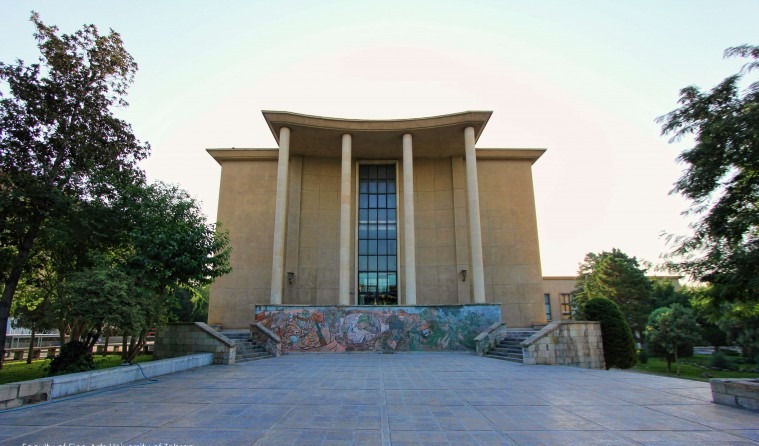
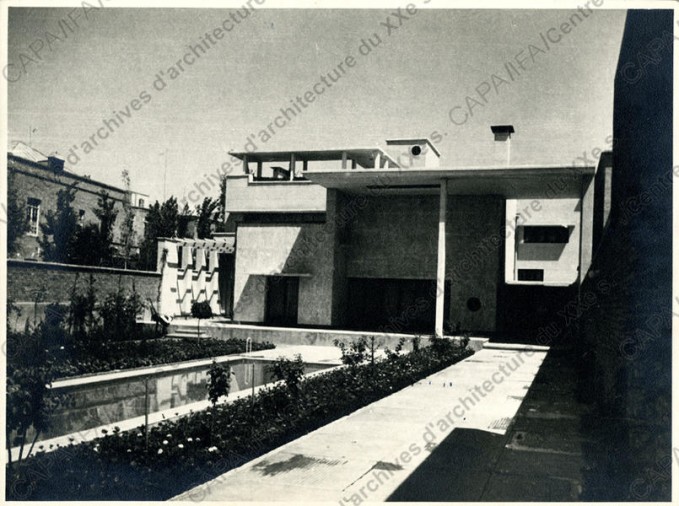
Roland Marcel Dubrulle was born in 1907 in Armentières, a city located in the north of France. From the age of 17, he started apprenticeship in the architectural offices and construction workshops and at the age of 19, he entered the France School of Fine Arts with a great rank. Dubrulle's professional experience indicates his great dedication to architecture. He attended eleven different architecture congresses as an intern or a colleague (Zurich Hospital, Shanghai Municipality, the Comprehensive Plan of Bern City, the Comprehensive Plan of the Royal Palace of Stockholm, etc.); he graduated from the college in 1932. In the following year, when he was dismissed from an entrance exam because of some unprofessional reasons, despite being in the first rank, he was so overwhelmed that he immediately left his country to Iran following the success in the entrance exam of Tehran Stock Exchange Building. Dubrulle began his work in Iran with the construction company of Battinouol, a foreign construction company which was active in Tehran during the Reza Shah era. Based on the available evidence, he has drafted Ramsar's Casino scheme in 1936 for this company. Dubrulle drafted the preliminary and executive plans of the Judicial Palace at the General Office of the Iranian Building, and after the transfer of the technical office of this company to the Ministry of Industries and Mines, he also had the responsibility of designing the new building plans of the ministry. Dubrulle and Foroughi established their own technical office in 1938. He cooperated in the establishment of the Industrial College of the Ministry of Industry and Mines, where he taught architecture. Many of his students at this college later joined him at the Faculty of Fine Arts. Being as a senior consultant in the Ministry of Foreign Affairs, Dubrulle was awarded the second grade in the competition of the new building of the ministry, and after completion of the tight-fitting steps, he had the responsibility for terminating the executive duties, managing the workshop, and furnishing the ministry (1938). As a control engineer, he also supervised the executive operations of a hospital for the Ministry of Finance. Since 1937, Dubrulle started cooperating with the Ministry of
Semifinalists — Renovation
The Editor