The most outstanding architectural works of contemporary Iran are to be found in Tehran. These works define how Iranian architecture has evolved over the past century, and the major buildings among them are recognised as benchmarks of that evolution. Among the works of the early transformative period, well-known buildings such as the Kakh-e Abyaz (White Palace), the Qavam al-Saltaneh House (today's Glass and Ceramics Museum), the Sardar Asad House, the Ahmad Shahi Palace at Niavaran and others — despite their relatively short age — have been valued for their artistic refinement and placed under protection. But to defend works such as the steam-engine railway station ("Mashin-Doodi" station), the Kahrizak Sugar Factory and the Briank Hosiery Factory — to include them in the ranks of historic monuments — still demands evidence and proof.
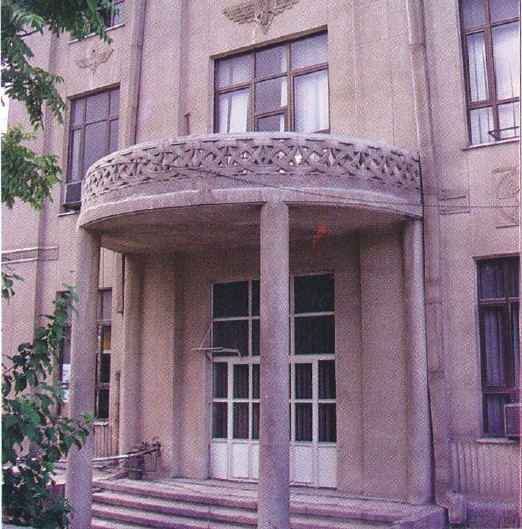
In addition to these — which are mostly works dating from the post-Constitutional era through the end of Qajar rule — Tehran houses a collection of the most outstanding governmental and public architectural works (mostly from the first two decades of the 14th century SH, the 1920s and 1930s CE) whose historical value cannot easily be demonstrated on account of their relative recency and their continuing fulfilment of their original function. It is natural that the users of such a building (the Railway Building, the Notarial Registry, the Civil Registry, Bank Melli, the Varamin Sugar Factory and so on) are not eager to accept the constraints that come with this designation — constraints equivalent to keeping the work alive while preserving its authenticity. At the same time, one must not lose sight of the fact that imposing limitations on the activity of a living, working building requires particular legal instruments, of which the entry of the work into the National Heritage List is the most important.
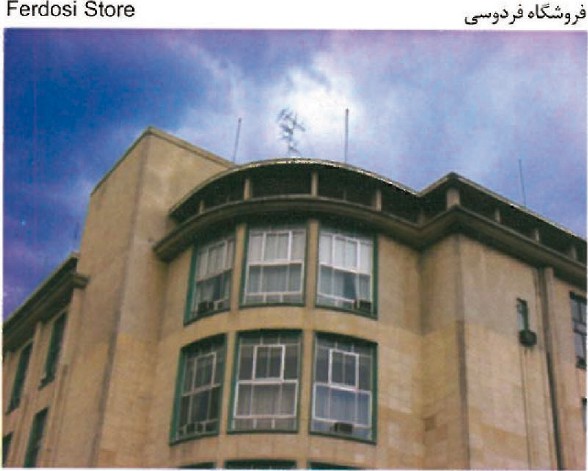
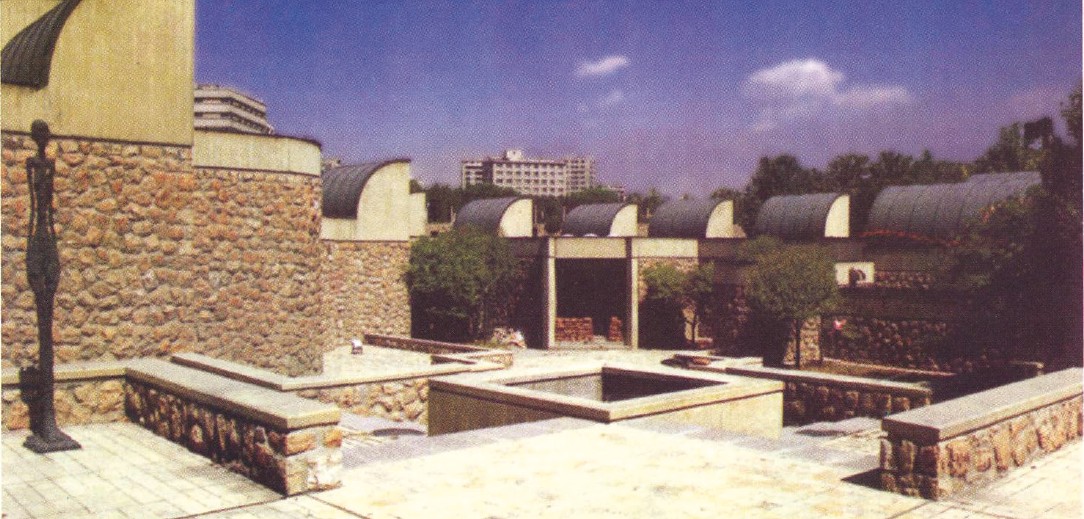
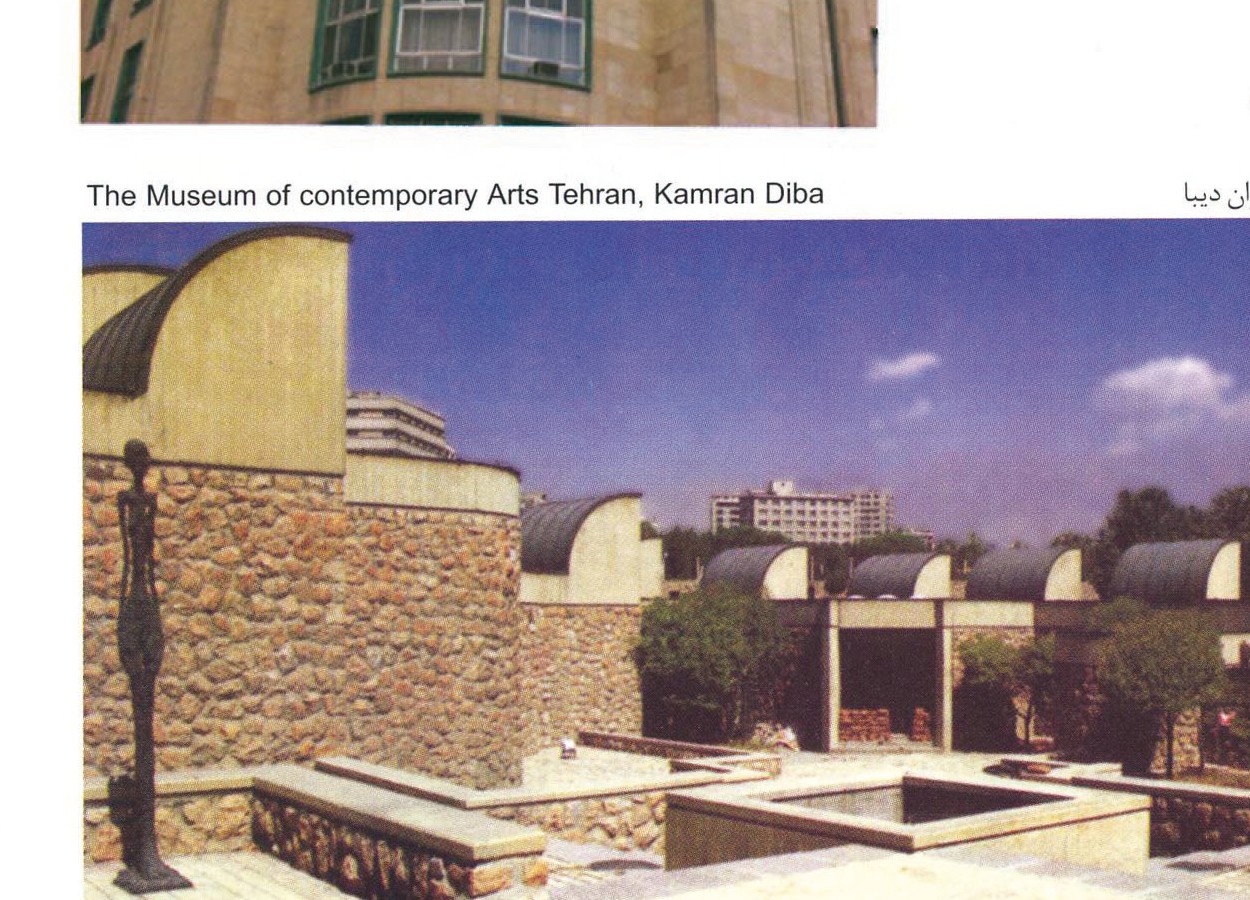
Beyond the outstanding governmental and public works of the first two decades of the 14th century SH, a major share of Tehran's valuable architectural heritage consists of buildings of the early-modern and modern periods: the University of Tehran complex, the Ferdowsi Store, the Higher School for Girls, the central branch of Bank Sepah, and a considerable number of residential buildings of the early-modern period — alongside such valuable buildings as the Museum of Contemporary Arts, the Niavaran Cultural Centre, Imam Sadeq University, the Behshahr Industrial Group (now the Ministry of Education), Roodaki Hall, and even buildings such as the Tehran Hilton Hotel, the Tehran Municipality Building and the Behzisti Welfare Organisation — buildings of the modern era. These form another category of valuable architecture which, in the new conception of Tehran's cultural heritage, is regarded as carrying historical, stylistic, artistic and functional value; their protection and conservation as a public asset must therefore be taken seriously.
Alongside these public and outstanding works, residential buildings form a major share of Tehran's cultural heritage. In the studies for Tehran's Second Master Plan, approved in 1370 SH (1991), about 5,000 residential buildings were identified as works of value and their protection was recommended. A more refined survey by the Tehran Municipality, with comprehensive field readings, reduced the number to around 1,300 works, and the district municipalities were asked to take the necessary care to prevent their demolition. In a re-evaluation carried out over the past two years by the Tehran Cultural Heritage Office, the number is estimated at about 1,500 works.
Fortunately, in the past ten years the umbrella of protection for this kind of work has gradually widened, and valuable buildings — once identified — are placed under protection. The registration of every work in the National Heritage List — which requires the preparation of an expert report on each — is the most efficient mechanism for preserving such buildings. In the last five years, buildings such as the Postal Savings building, the Railway Stations, the University of Tehran complex, the central branch of Bank Melli, the Briank Hosiery Factory, the Museum of Contemporary Arts, the Niavaran Cultural Centre and others have been registered in the National Heritage List, and the legal protections needed for their safeguarding have been put in place. The pace of this work has now further increased. Some of these works have been restored and their values recovered and put on display. Yet a major group still needs to come under legal protection so that their preservation can be secured. It goes without saying that the protection of such works is a complex task; but the experience of the past ten years has shown that, despite all difficulties, it is both possible and feasible. Carrying out this task is a response to the needs of the country's informed forces and, with foresight, makes it possible for these national assets to survive into future generations.
Fortunately, the registration of works of the contemporary period in the National Heritage List — which is in a sense a way of directing public opinion toward their values — has met with general approval in society. Even the users of these works, despite the limitations imposed, express satisfaction that their building has been placed under a special protection grounded in historical, cultural and artistic values. This public reception reflects the desire of Tehran society to preserve enduring values in this city.
Footnote 1: To date around 1,500 historical-cultural works have been identified in Tehran as works of public value, and are gradually being placed under legal protection following registration in the National Heritage List.