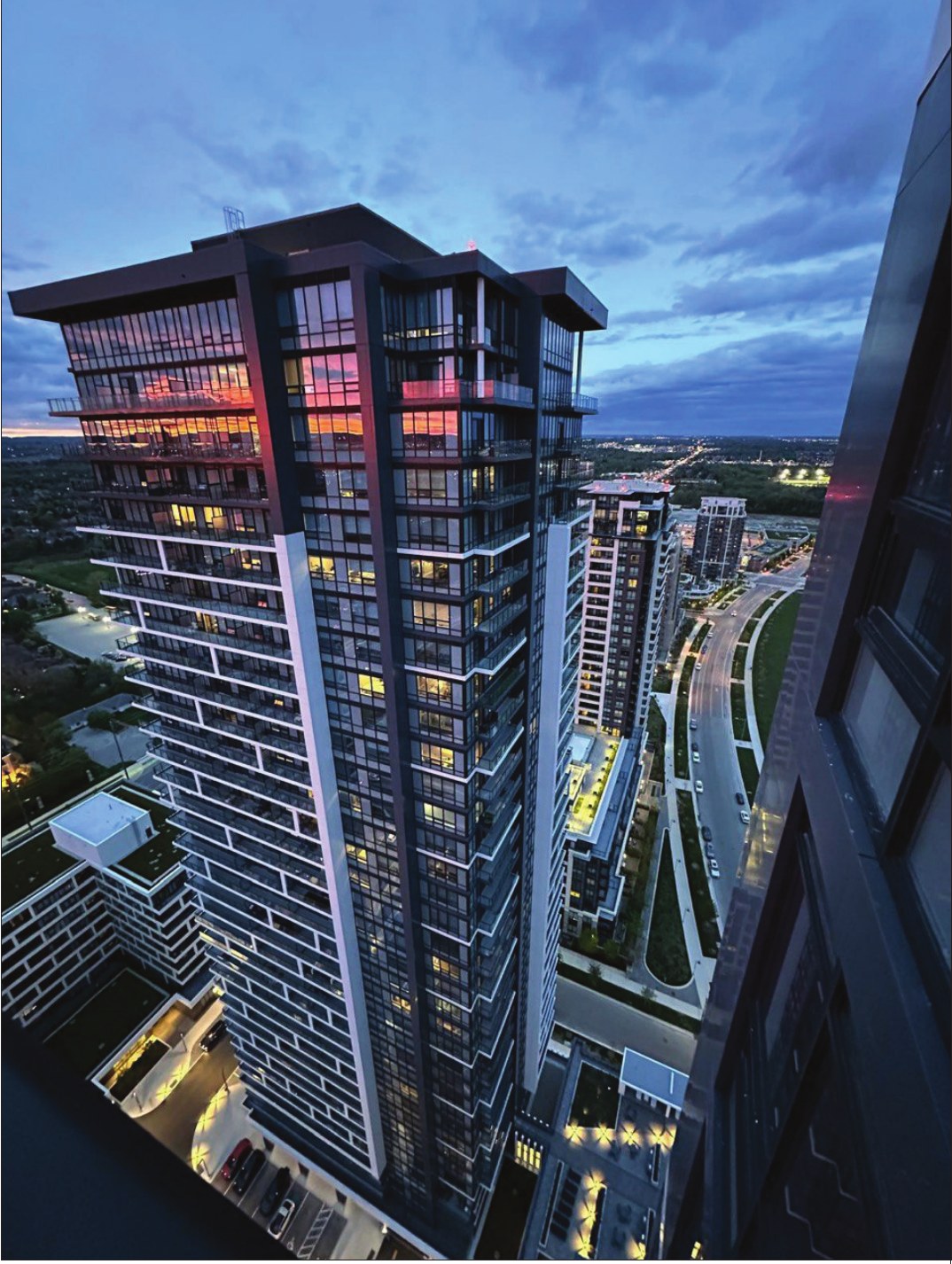
In many cities of the world, where high-rise buildings often stray from the essence of architecture, there can still be moments that give us a deeper connection with the world around us. The Riverview residential towers, the work of the Canadian architect Steven Kirshenblatt, are one of the examples that keep hope alive in citizens amid a landscape full of purely functional structures. The ensemble consists of 3 towers with more than 1000 apartments, whose residents experience architectural qualities that go beyond conventional forms of design.
Experiencing the real time
We may discover a meaningful and seemingly deliberate connection that the architect has woven between the residents and the outside environment; a connection that turns the residents into observers of, and participants in, an amphitheatre of natural events in real time. From sunrise to sunset, the residents of these towers face, through a daily connection from the eye-pleasing heights of these buildings, the natural rhythm of the sun's movement. This daily progression extends actively and deliberately into the living spaces of the units. The corner apartments in particular intensify this experience and allow residents to watch the dynamic interplay of light and shadow throughout the day. One could say that the perception of architecture takes place in real time, guided by the position of the sun in the sky.
The facade as a living canvas
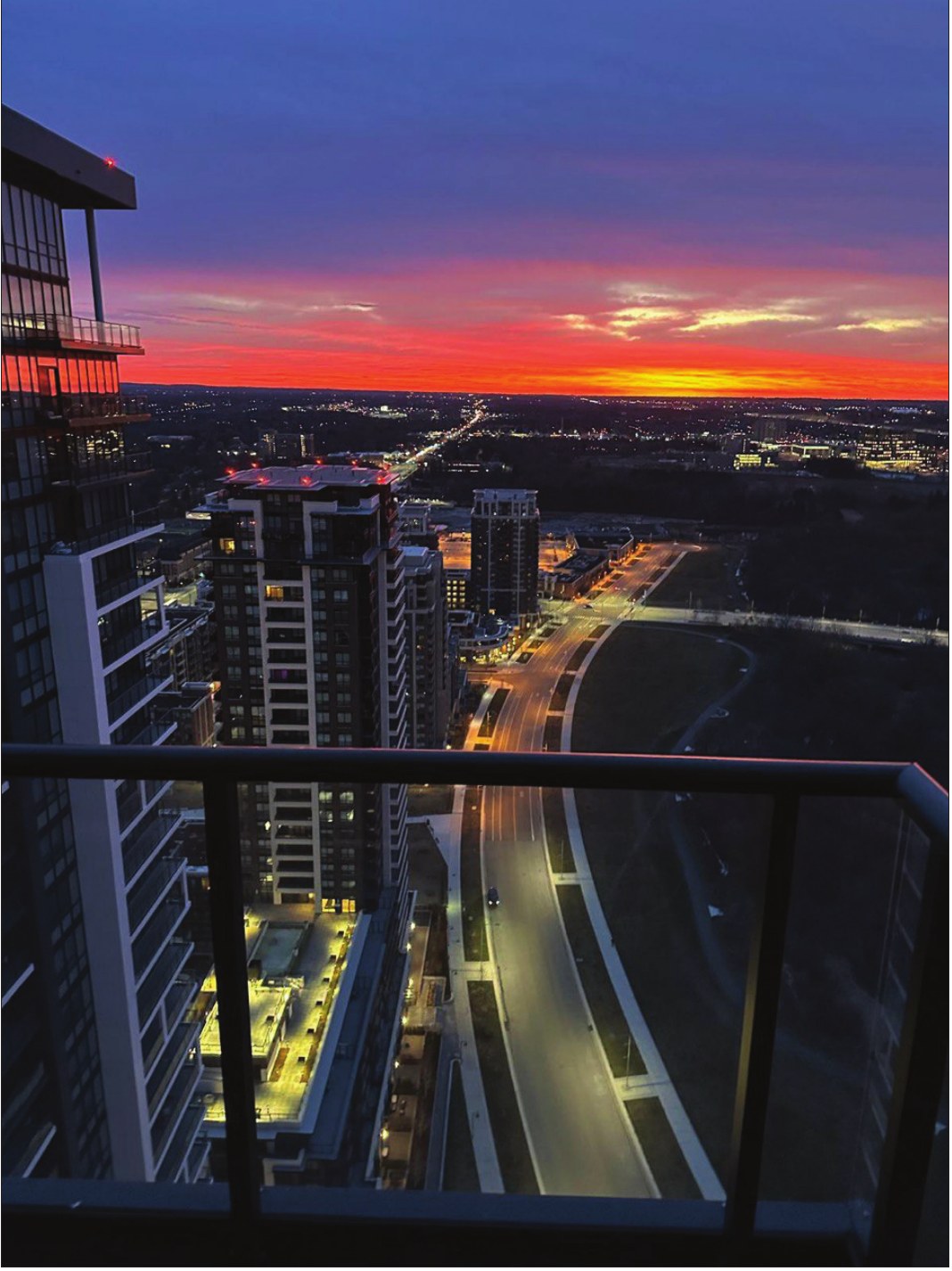
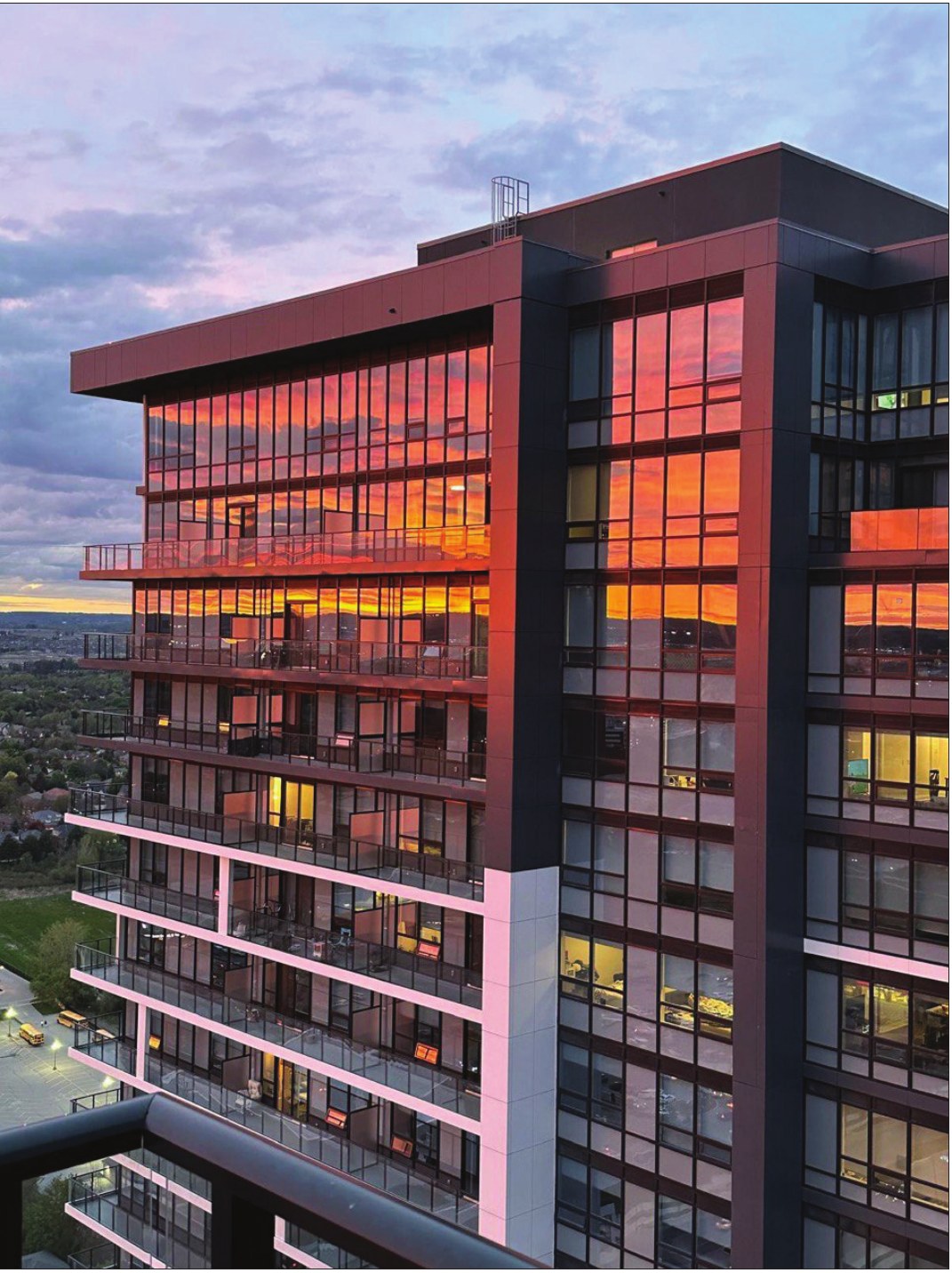
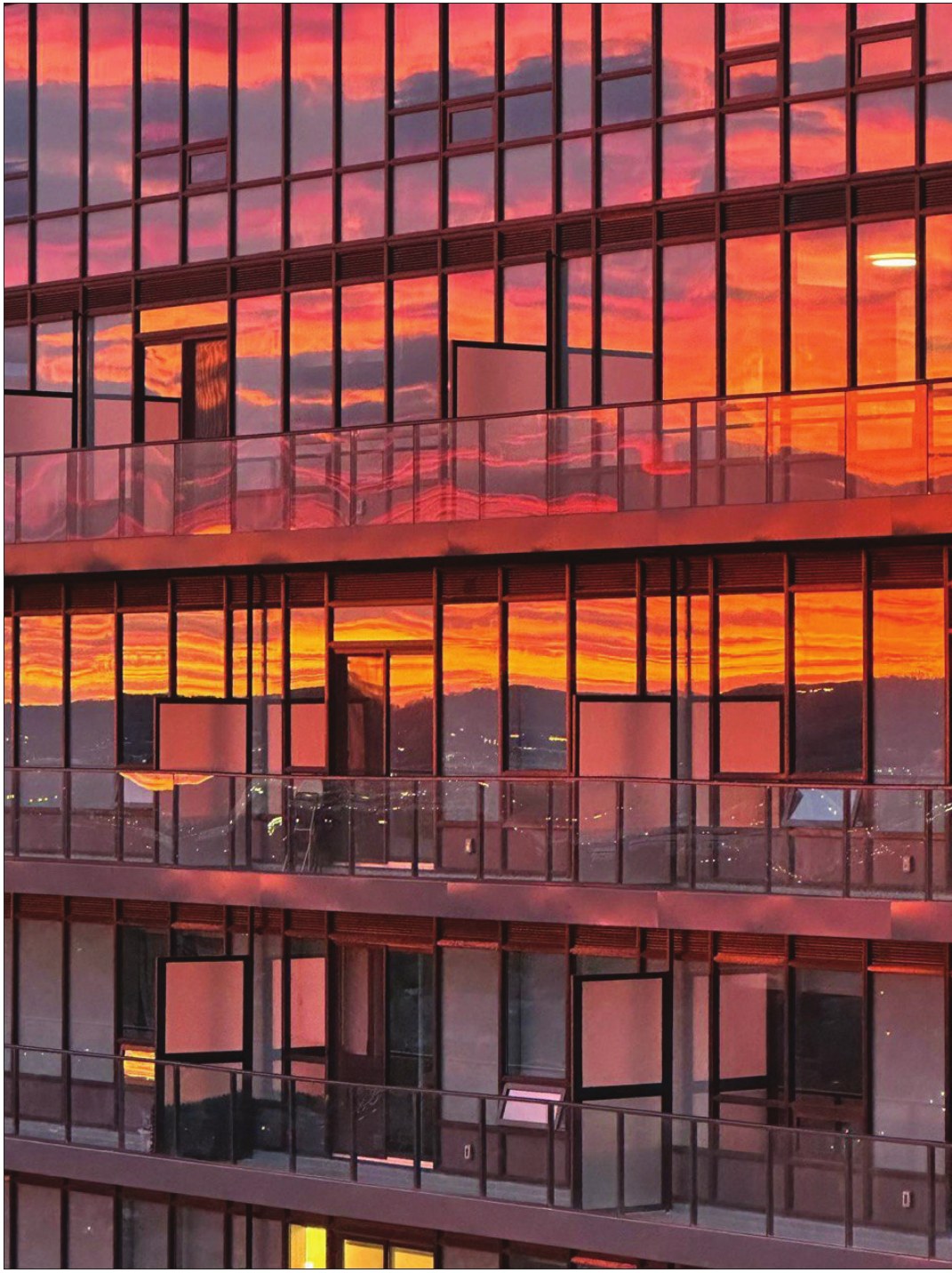
As the sun gradually sinks from light into darkness, towards the horizon and below it, the reflective facade of the building becomes a canvas alive with the changing colours of sunset, gaining infinite depth, colour and texture. In real time, residents have the chance to witness this layered and ever-changing display, which not only shows the fleeting beauty of nature's palette but also marks the passage of time: from the soft glow of dawn arching across the sky, moving towards the quiet drama of sunset and then turning into the mysterious silver light ruled by the moon - this facade witnesses the whole of this natural dance.
This architectural quality of directed reflection has a double purpose: the facade is at once recording the momentary poetry of events and, at the same time, as a mirror, reflecting the astonishing beauty of nature back to itself.
Discourse and curiosity
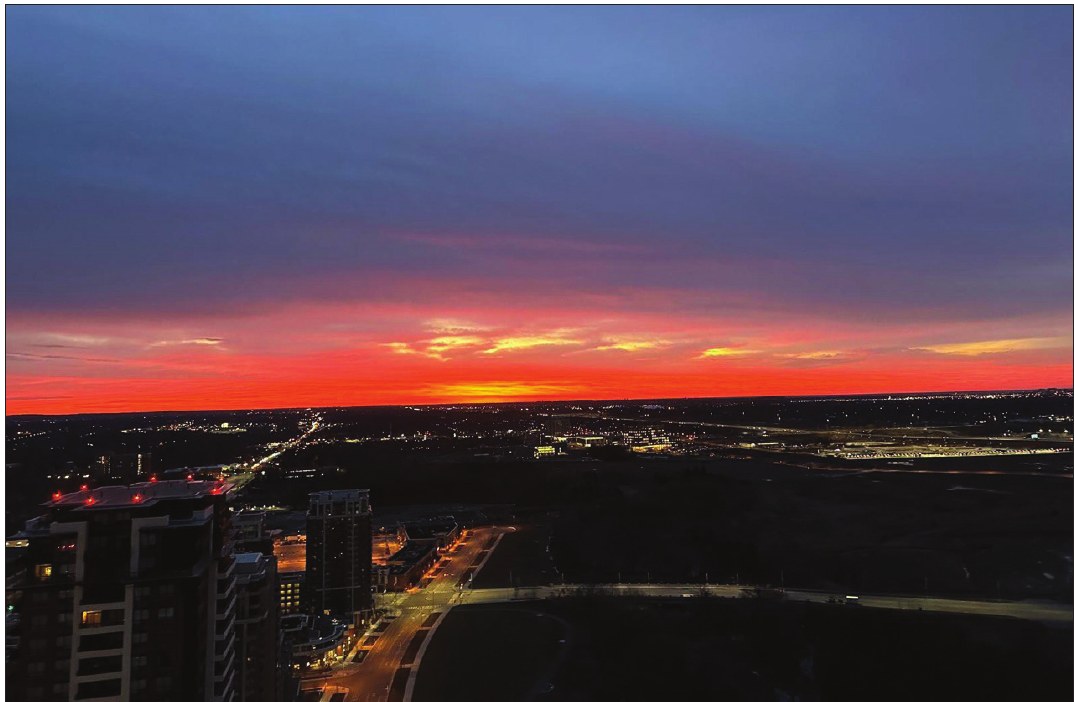
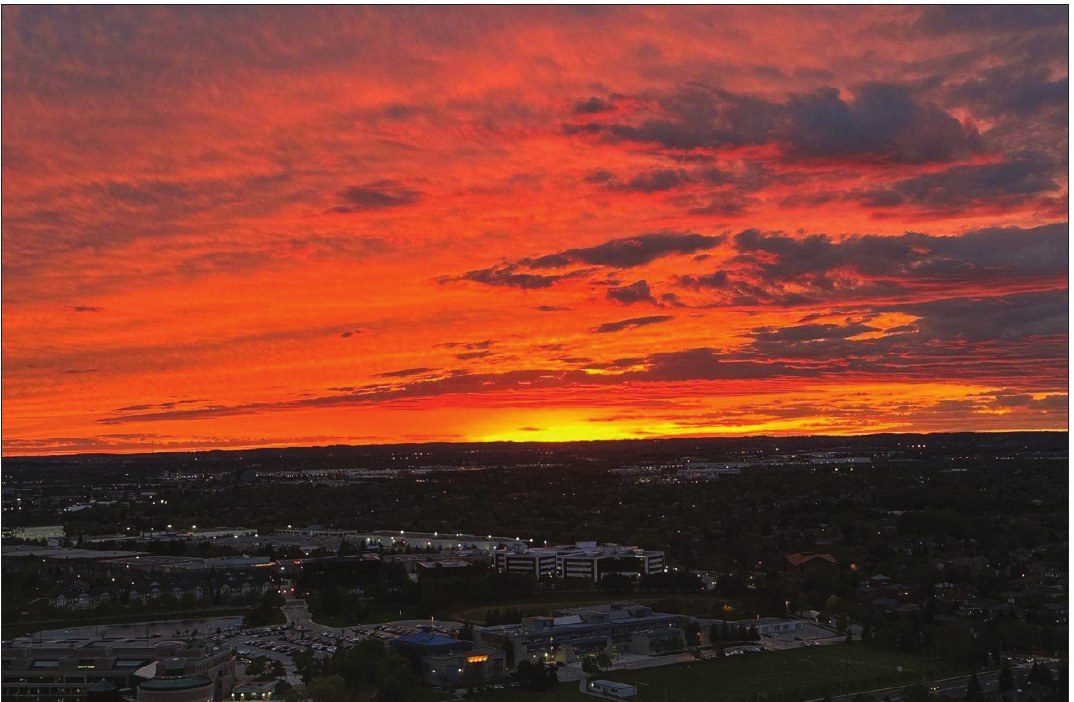
The desire to wake early in the morning and walk towards a particular corner of an ordinary apartment in the hope of watching the sunrise in real time is important for reflection. The intimate and living relationship between the residents and the natural movement of the sun has given this architecture a remarkable quality: a quiet display of who we are, in the innocent nakedness of our everyday life. It is as if the thin glass barriers between our living environment and the movement of the sun do not exist at all. The Japanese architect Tadao Ando has described this interaction between light and architecture thus: "I don't believe architecture has to speak too much. It should remain silent and let nature in the guise of sunlight and wind speak."
Architecture can allow us to be steadfast participants in the rhythm and continuous dance of natural events, and create in us anticipation and awareness to embrace its presence. This dynamic aspect of our relationship with space in real time, perceived as an exchange, is vital. Juhani Pallasmaa points out that "good architecture writes or designs behaviour. For example, a window opens exactly where you can see the peak of a mountain or an apple tree in the garden. That is good architecture; it articulates the world for your pleasure and performs the role of a verb."
Perhaps one can reflect on how an architectural space can offer the possibility of observing and engaging with the progression of light and darkness, and reveal an ever-changing set of scenes to be watched. In such a space moments seem fresh and hold the curiosity of discovery and the desire to watch the daily display of light: what lies ahead to be watched and discovered, what we do not want to miss. This space creates in us existential moments of solitude made of our own reflections and thoughts. It shows how an ordinary apartment in a modern residential tower can become extraordinary when its spaces are framed to maximise our perception of the natural movement of the sun. This architectural quality embodies the essence of what architecture is meant to be: a loving extension of our being that shapes a harmonious relationship with nature.