Alamut Fortress, Gazor Khan Village
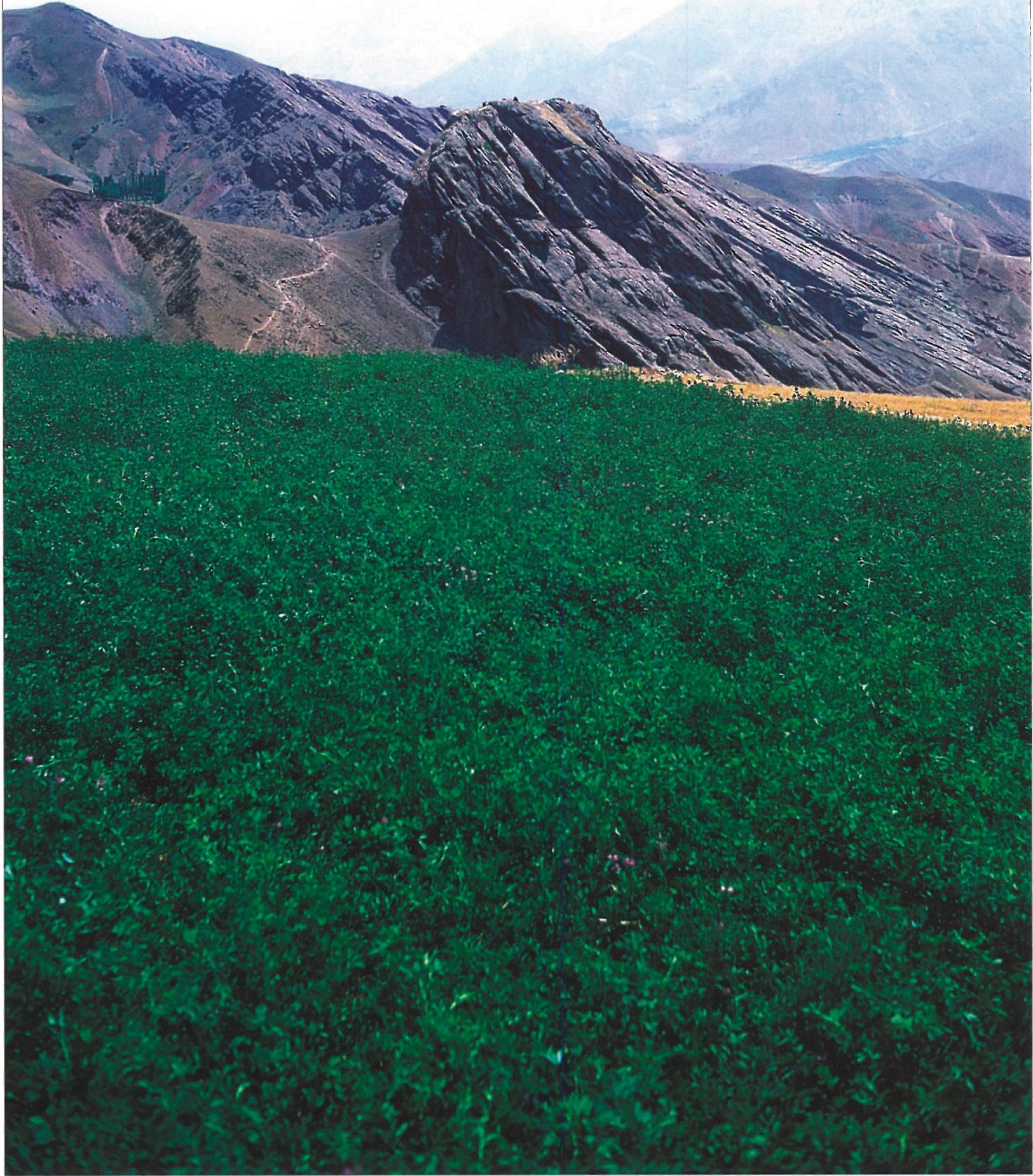
The historical Alamut Fortress, which is also known as "Hassan Sabbah Fortress" and the "Eagle's Nest," after the powerful leader of the Assassins, has been built on different levels on the north-east mountainside of Hawdeqan Mountain, close to and overlooking Gazor Khan Village in Ghazvin.
This fortress is located on top of a mountain surrounded by wide cliffs and natural rifts in an impassable area, in between two long ranges of mountains in the north side of Ghazvin. There are steep cliffs on four sides of the fortress and the only access to it is through a narrow path on the northern side which used to be completely under the control of the defenders. Alamut Fortress is at an elevation of about 100 meters from its surrounding level and 1950 meters from sea level.
Alamut Fortress consists of two sections. The western section which is higher and called the upper fort and the leg fort and the eastern part which is known as the lower or smaller fort. The fortress is 120 meters in length and its width ranges from 10 to 25 meters.
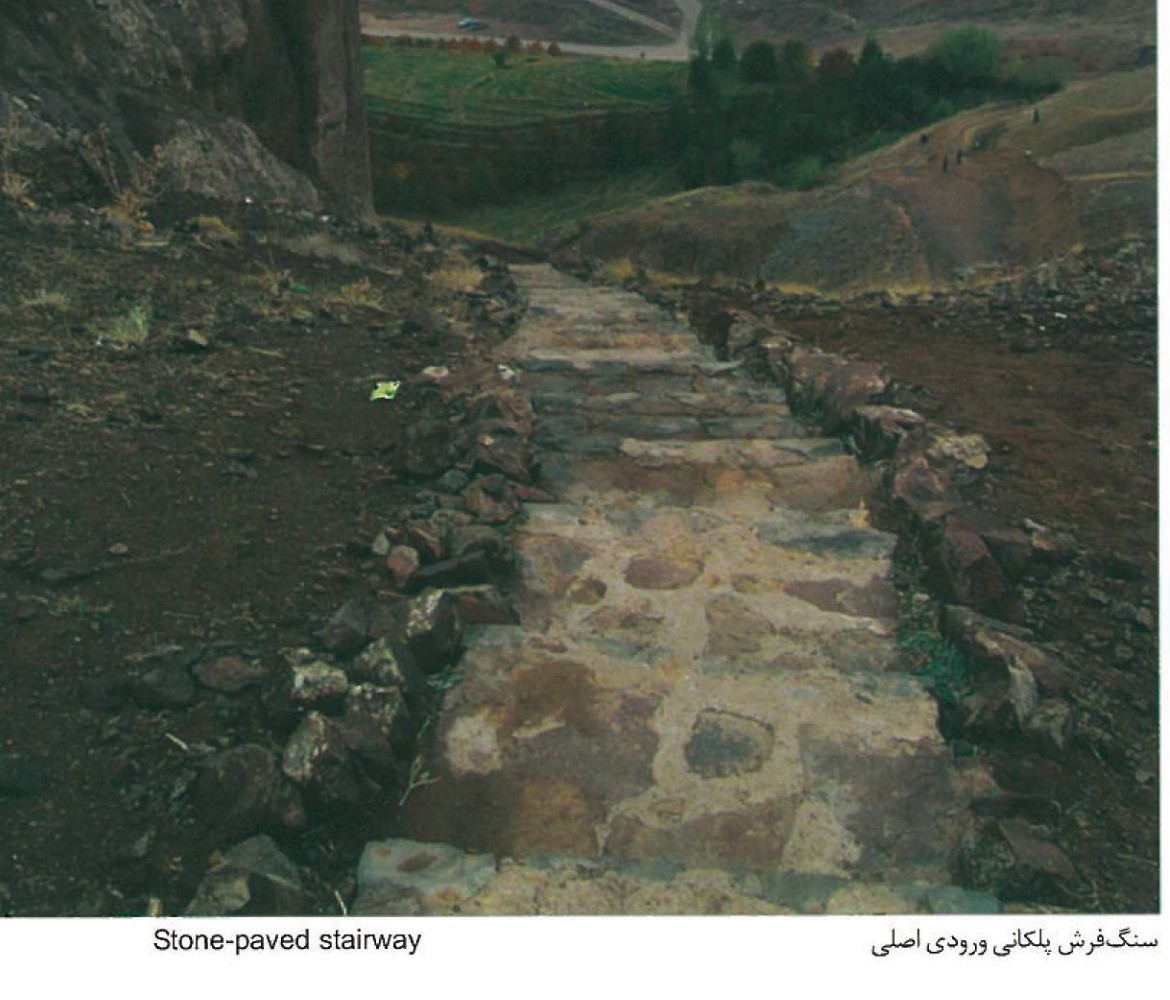
The lower fort has stairs carved in the rocks and it is paved with cobble stones in some parts. The path leading to it is protected by two stone fences. The south-east gate consists of watchhouses, residential rooms and the workshops.
In addition to careful considerations in building the fortress itself, other precautions were made on the mountainside to protect it from potential invaders. For example, to prevent the enemies from climbing up, a moat approximately 50 meters in length and 2 meters in width has been excavated on the sharp slope of the south range of the fortress where it ends in a steep cliff, and it was filled with water coming from the fortress. To eliminate the possibility of climbing up from the inside of the moat, its upper wall has been excavated diagonally instead of vertically. Stone walls have also been built in places that had openings.
The builders artificially transformed water from faraway channels to the fortress reservoirs through multiple channels which were excavated inside the rock.
A small cave exists on the north-east corner of the Alamut mountainside that is probably the fortress water-source and water was transferred via conduits from another spring.
During the past years, Iran's Cultural Heritage Organization has started to restore and excavate this historical place by establishing the Alamut Research Center beside the fortress. As a result of the diggings, valuable data have been acquired which show the life style and special innovations created during the long time of the fortress inhabitation.