Contemporary Architecture

Nagaoka Lyric Hall & Odate Jukai Dome

Soheila Beski·Memar 02
Nagaoka Lyric Hall & Odate Jukai Dome

Nagaoka Lyric Hall

Project Data

Architect: Toyo Ito and Associates, Architects

Location: Nagaoka, Niigata Prefecture, Japan

Structural Engineers: K.S.P. / Hanawa

General Contractor: JV of Obayashi and Kosogi

Site Area: 29,700 sq m

Building Area: 6,682 sq m (approx.)

Total Floor Area: 9,708 sq m

Structure: Reinforced concrete, partly steel frame, steel frame and RC; four stories with penthouse

Completion: October 1996

Programme: Concert hall (700 seats), theatre (450 seats), 10 studios of various sizes

This complex was originally built for the performance of musical programmes and shows, and comprises a 700-seat concert hall, a 450-seat theatre, ten studios of three different sizes, and various ancillary facilities. It is situated in an educational zone amid the flat lands and magnificent scenery of the Shinano River, in the city of Nagaoka in Niigata Prefecture.

The height of the building has been kept deliberately low, and the entire complex is covered by a large roof with a gentle slope and three-dimensional curvature, so as to echo the image of the surrounding hills and green fields. In counterpoint, an egg-shaped concert hall and a rectangular theatre protrude from the roof to create varied vistas. The southern ground has been shaped into a sloping lawn to form the entrance approach.
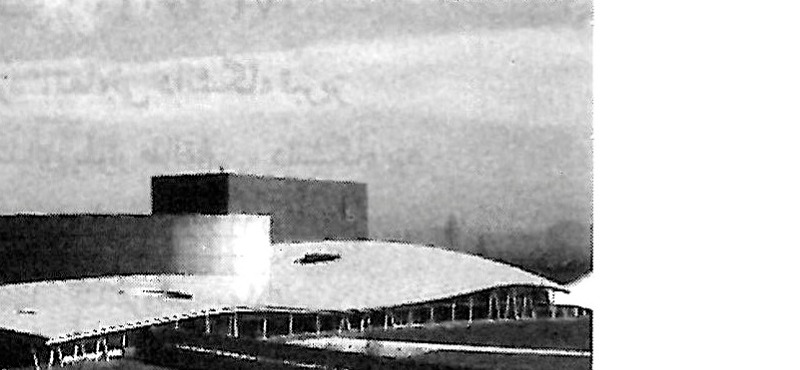
General view of Nagaoka Lyric Hall from the southwest, showing the low-profile building with its gently curving roof and the protruding concert hall volume
General view from the southwest. The low-profile building hugs the landscape, its gently curving roof echoing the surrounding hills, while the egg-shaped concert hall volume protrudes above.

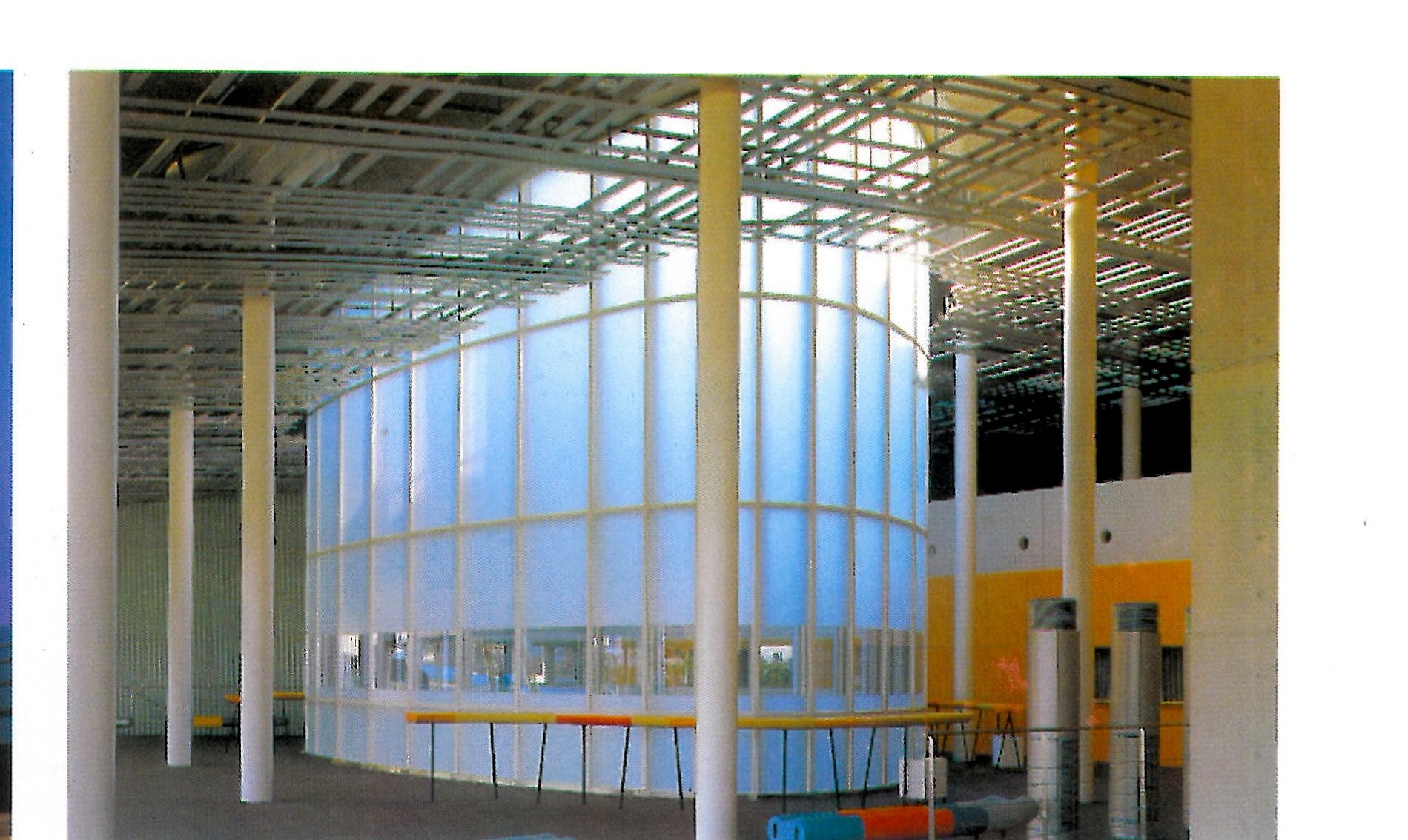
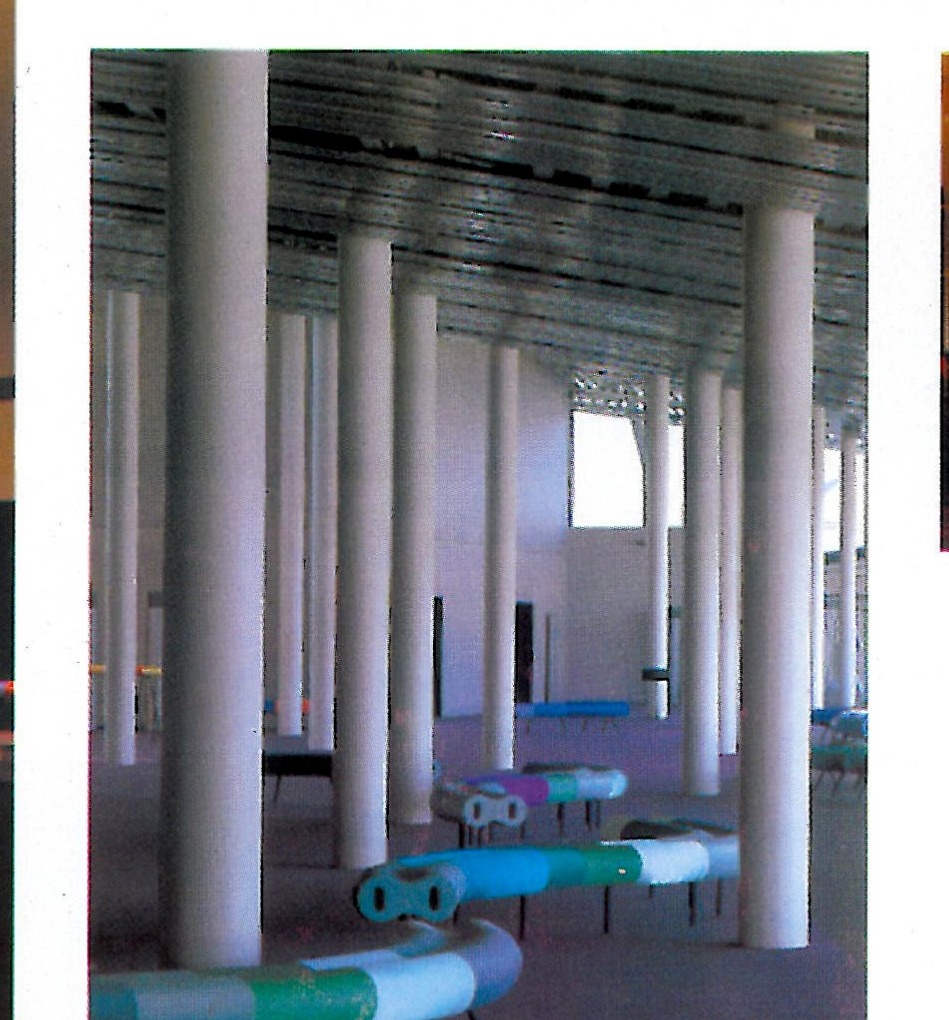
The lobby, studios, waiting hall, information area, and other public spaces are covered by a flat roof structure, creating a garden-like interior space through the irregular placement of columns and the introduction of natural light from skylights in the ceiling. The funnel-shaped concrete columns, which widen at the top to support circular skylights, are a defining feature of the interior, lending the lobbies and circulation areas a sculptural, almost forest-like quality. At certain points, enclosed courtyards with glass walls bring additional daylight into the heart of the building.
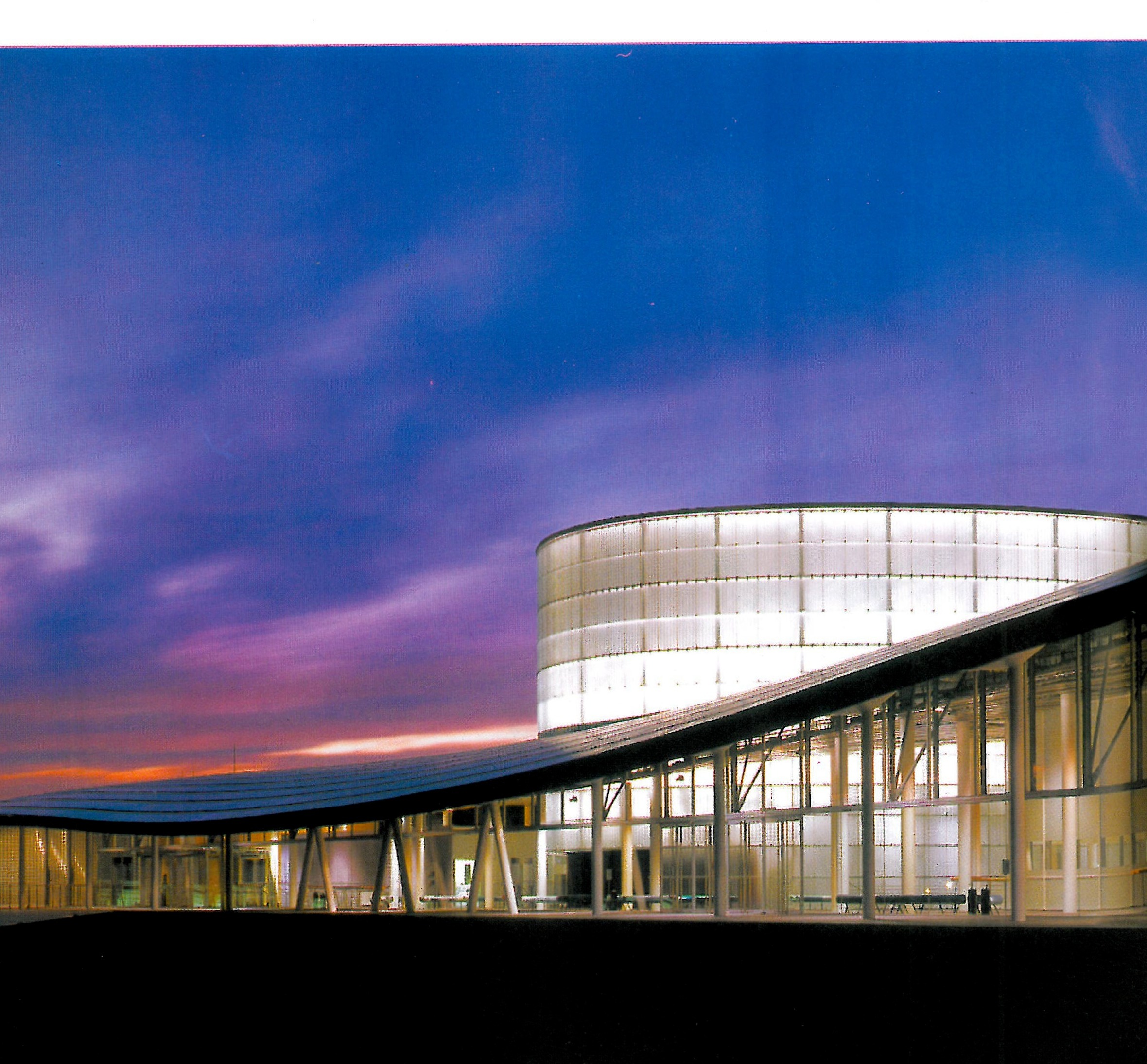
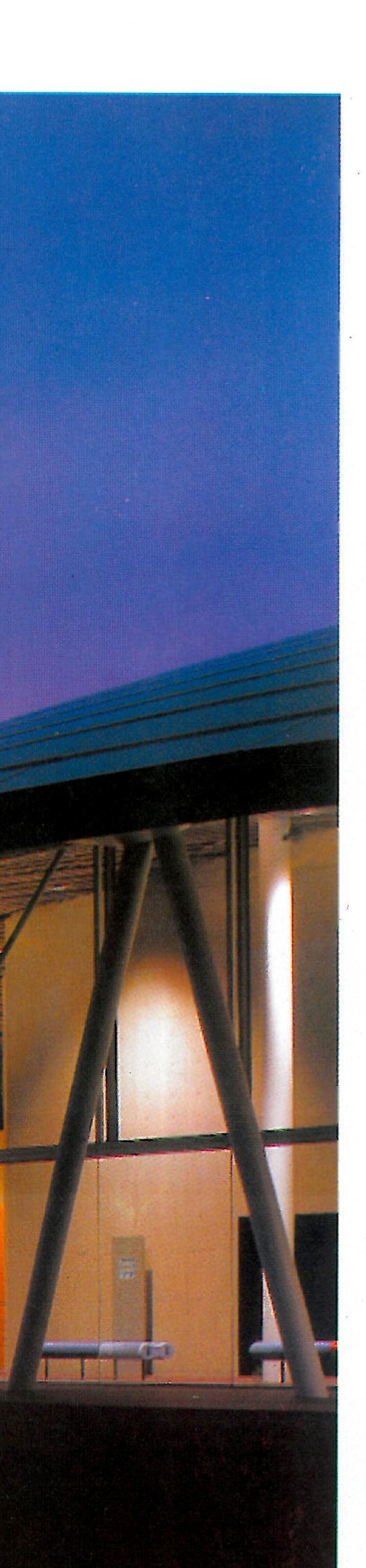
Night panorama of Nagaoka Lyric Hall showing the illuminated building with the cylindrical concert hall glowing against the twilight sky
Night panorama. The cylindrical concert hall glows against the twilight sky, its translucent upper walls radiating light outward while the low-slung roof stretches across the landscape.
◆ ◆ ◆
Southern facade of Nagaoka Lyric Hall at night, showing the illuminated glass walls and the sloping lawn entrance
Southern exterior at night. The glazed facade reveals the interior activity while the sloping lawn creates a welcoming entrance.
Central courtyard of Nagaoka Lyric Hall enclosed by glass walls, with the curving ceiling visible above
Courtyard at the centre of the lobby, enclosed by glass walls, bringing daylight into the interior.
Lobby of Nagaoka Lyric Hall with irregular columns, curved benches, and colourful furnishings
The lobby with its irregular columns, curved benches, and playful furnishings beneath the skylighted ceiling.
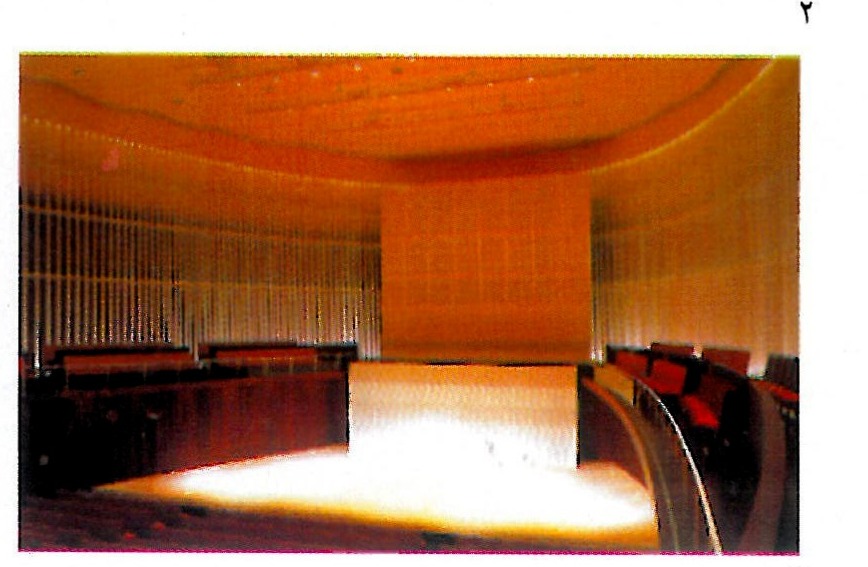
Interior of the 700-seat concert hall at Nagaoka Lyric Hall, showing warm wood panelling and curved seating
Interior of the 700-seat concert hall, with its warm wood panelling and enveloping acoustical surfaces.
◆ ◆ ◆
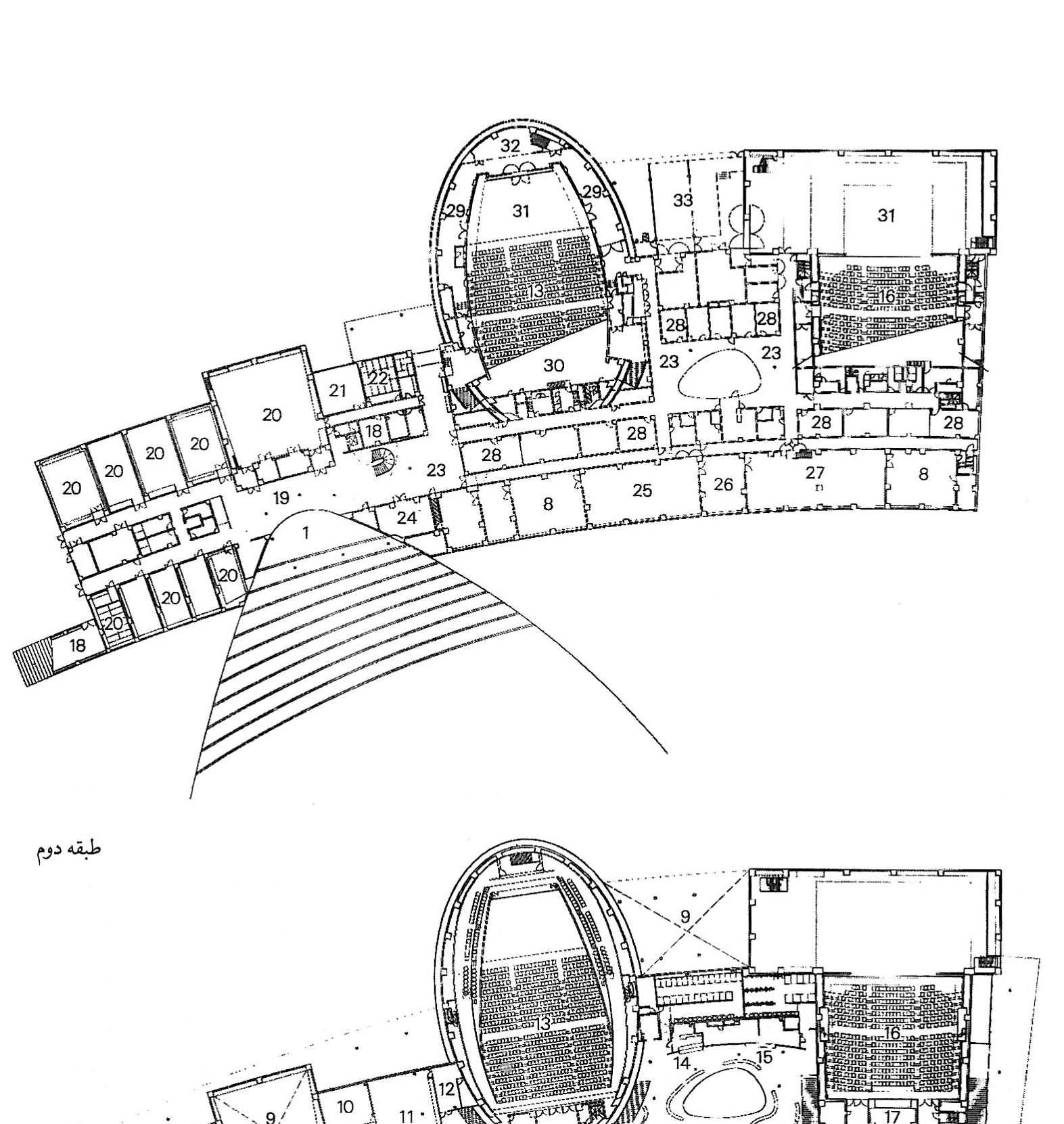
First and second floor plans of Nagaoka Lyric Hall at 1:1200 scale, showing the egg-shaped concert hall, rectangular theatre, studios, and lobby spaces
First and second floor plans (scale 1:1,200). The egg-shaped concert hall and rectangular theatre are clearly legible amid the organic plan of lobbies and studios.
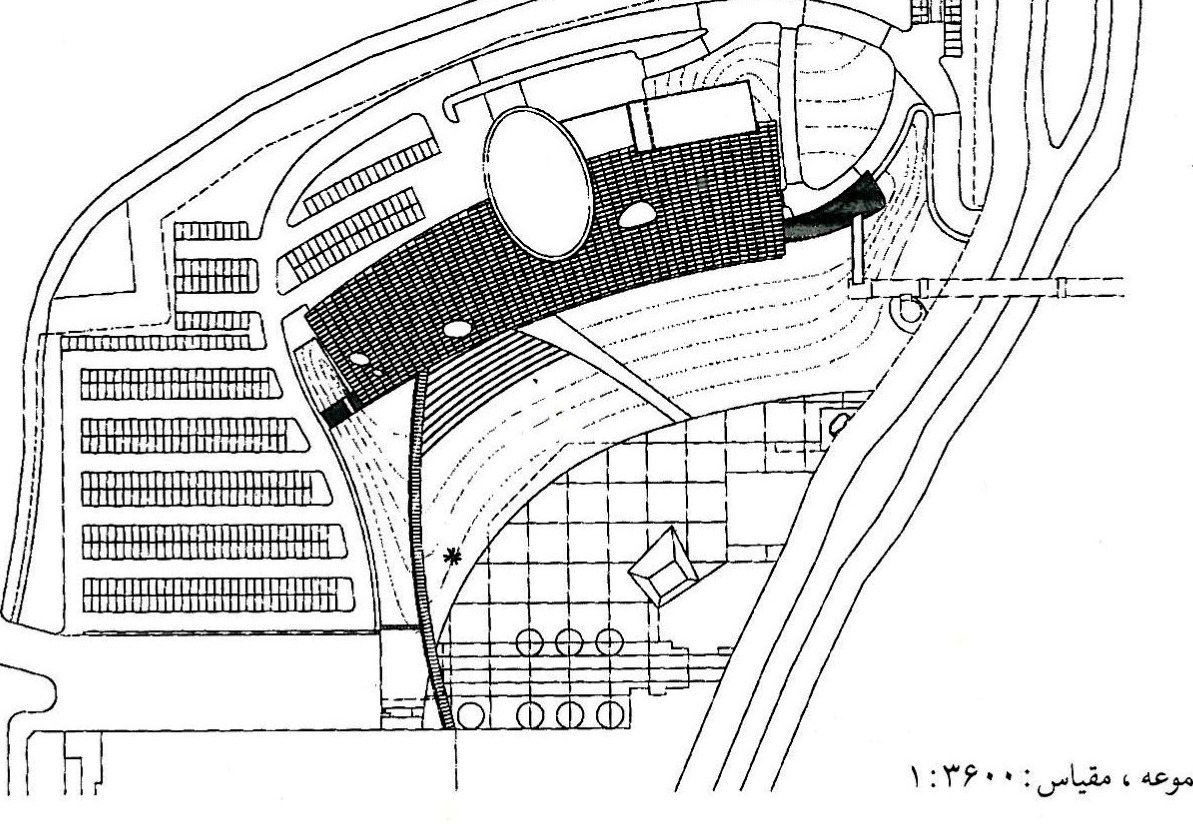
Site plan of Nagaoka Lyric Hall at 1:3600 scale, showing the building within its educational zone and surrounding landscape
Site plan (scale 1:3,600). The complex is set within an educational zone, with parking to the west and the approach lawn to the south.
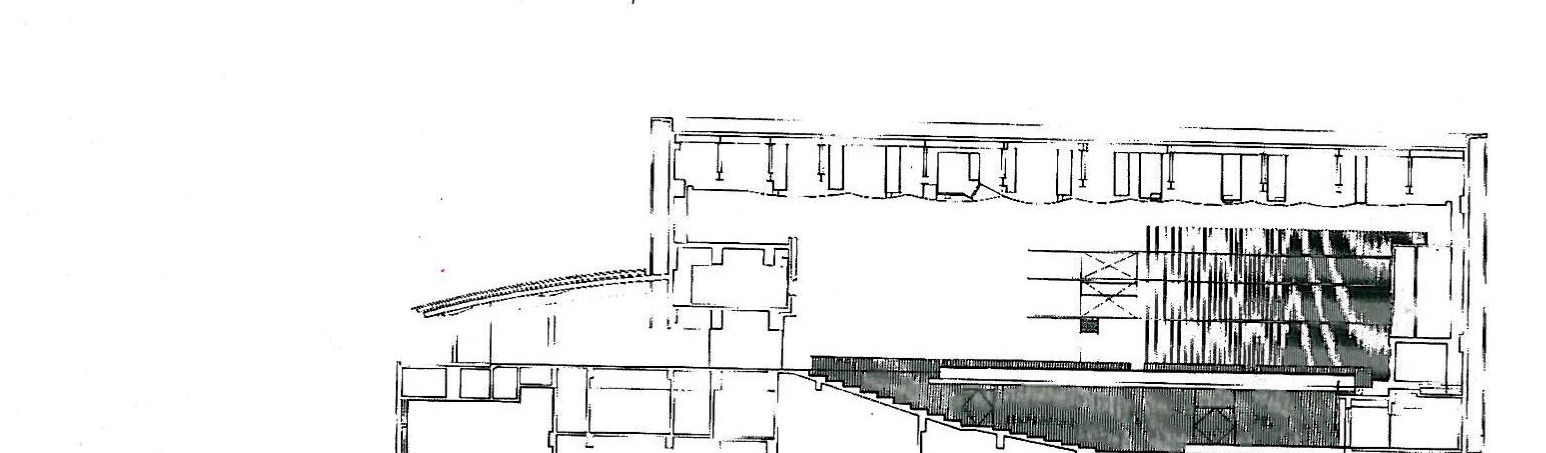
Architectural section through the concert hall of Nagaoka Lyric Hall at 1:600 scale
Section through the concert hall (scale 1:600)
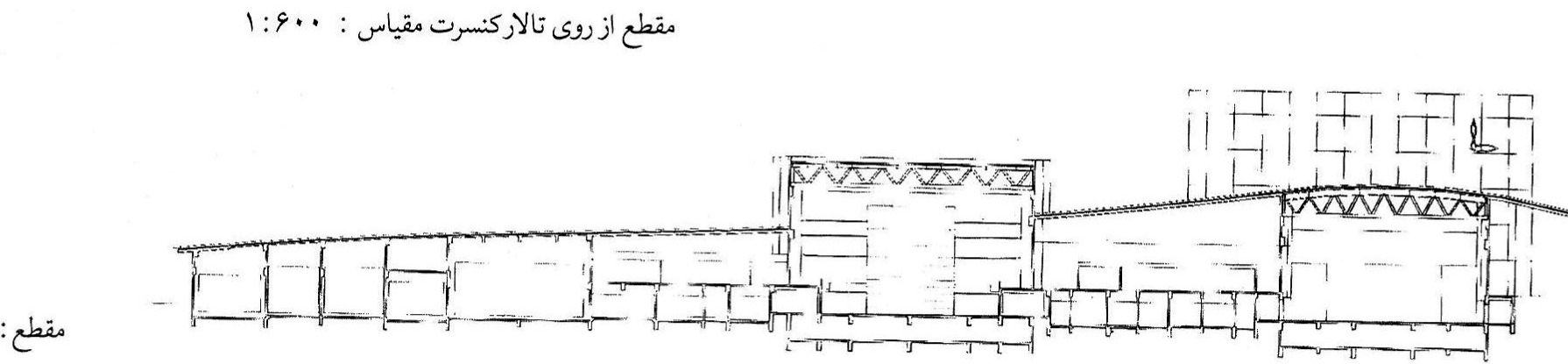
Overall building section of Nagaoka Lyric Hall at 1:1000 scale
Overall section (scale 1:1,000)
◆ ◆ ◆

Odate Jukai Dome

Project Data

Architect: Toyo Ito and Associates, Architects + Takenaka Corporation

Location: Odate, Akita Prefecture, Japan

Structural Engineers: Toyo Ito and Associates + Takenaka Corporation

General Contractor: Takenaka Corporation

Site Area: 110,250 sq m

Building Area: 21,910 sq m

Total Floor Area: 23,218 sq m

Structure: Wood (superstructure) and reinforced concrete (substructure); two stories

Completion: June 1997

Programme: Stadium, restaurant, and exhibition hall
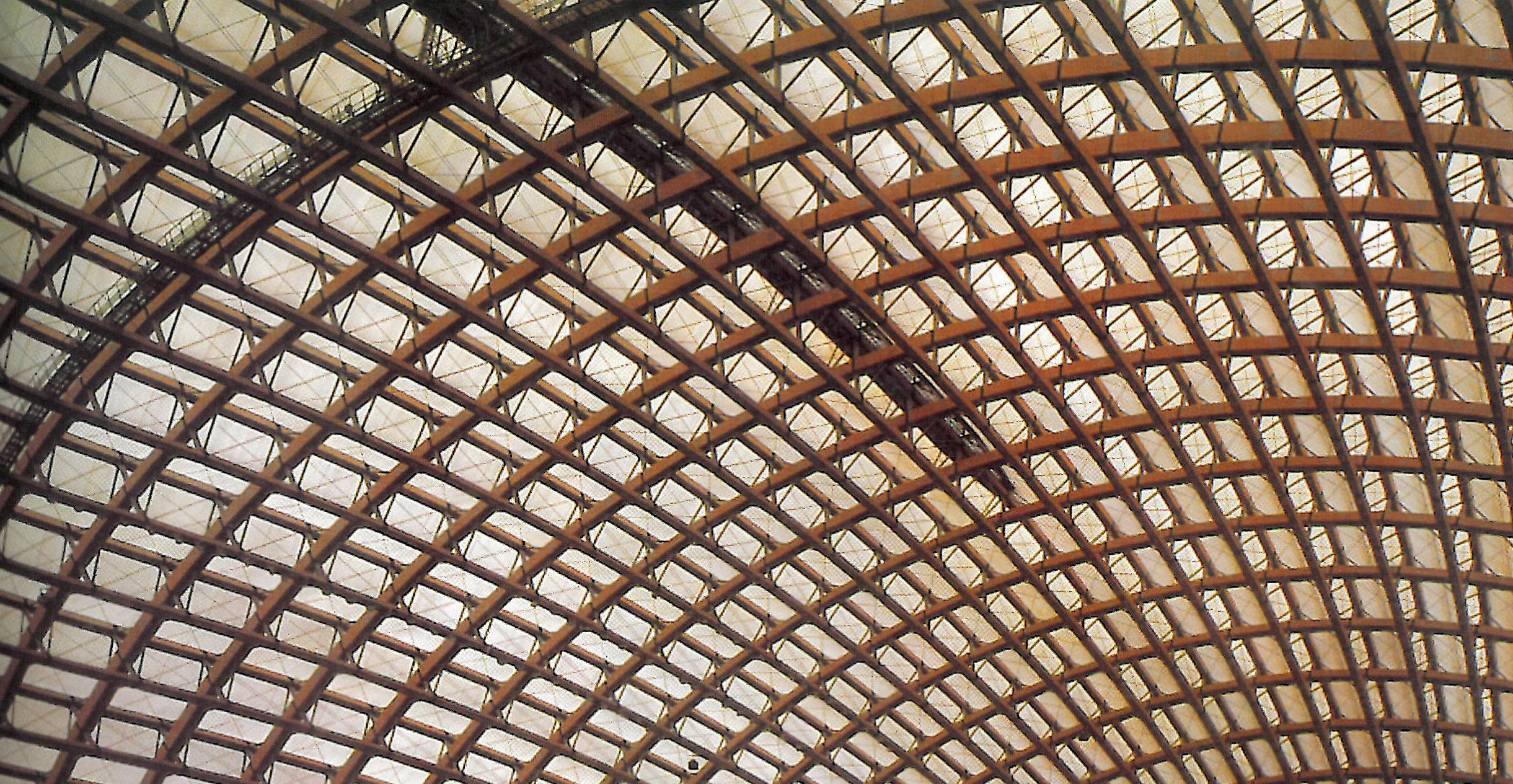
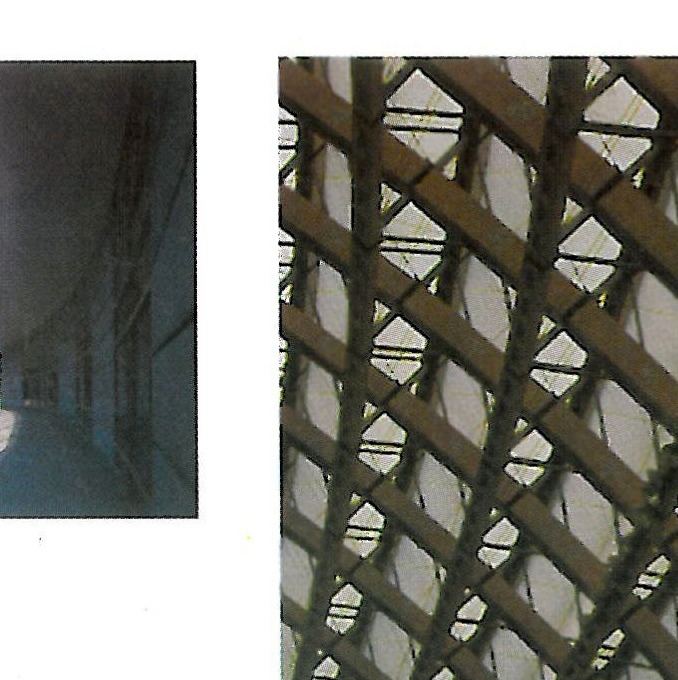
Interior of Odate Jukai Dome showing the magnificent Akita cedar laminated lattice roof structure spanning the arena
The sweeping timber lattice of the Odate Jukai Dome. Laminated Akita cedar plywood boards form a lattice grid that spans the entire arena, creating one of the largest timber domes in the world.

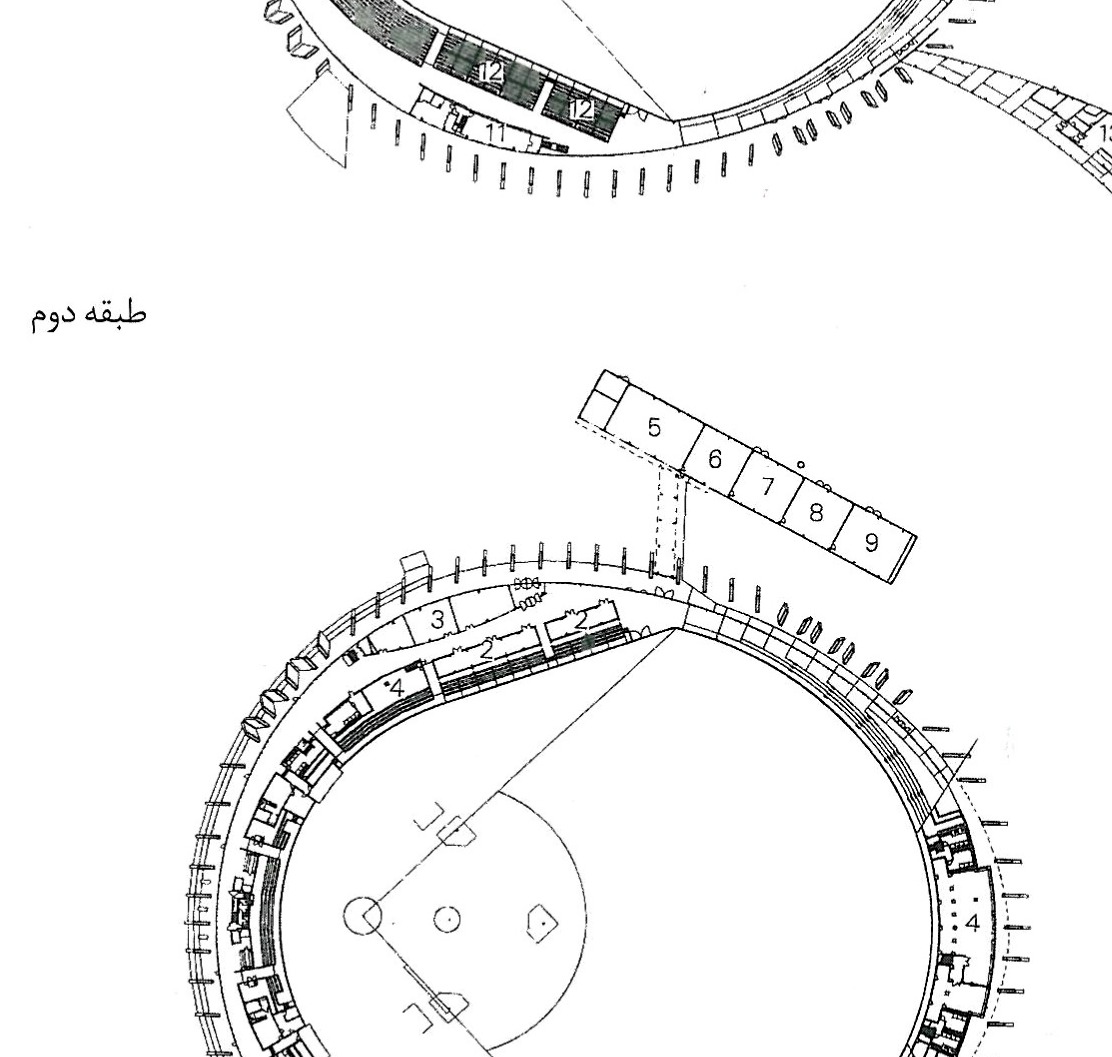
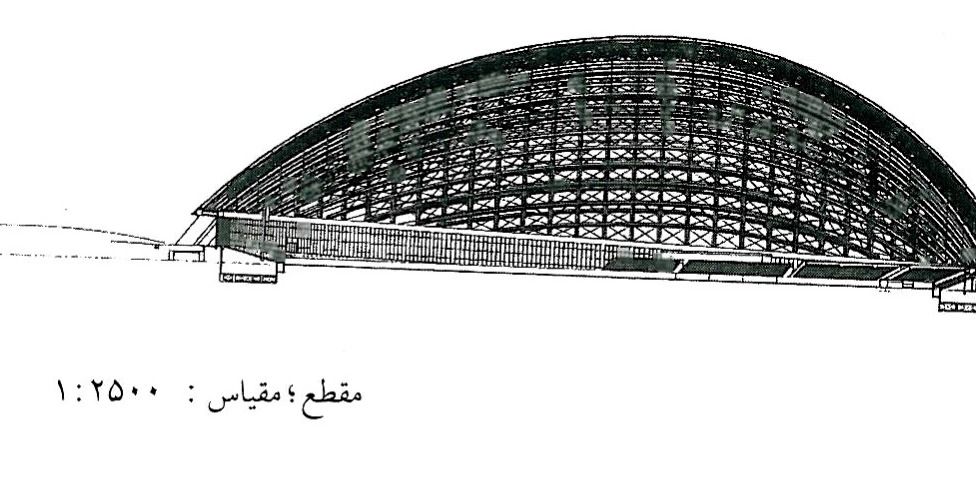
This multi-purpose dome is a covered stadium originally designed for outdoor sports such as baseball, football, and the like. A distinctive aspect of the dome’s structure is that the centre of the hemisphere has been shifted to create an egg-shaped roof. Another distinguishing feature is that laminated plywood boards of Akita cedar have been employed as the primary structural material for the dome, cut into lattice-like members that intersect to form a spatial framework. In effect, the dome’s form is generated by the revolution of a parabola about its axis.

Furthermore, the roof structure rests on a reinforced concrete tension ring, elevated five to ten metres above ground level, so that the ground-level spaces open to the exterior through glass walls, dissolving the boundary between inside and outside. The timber lattice grid of the roof creates a breathtaking interior, with the natural warmth and grain of the cedar visible from every vantage point within the arena.
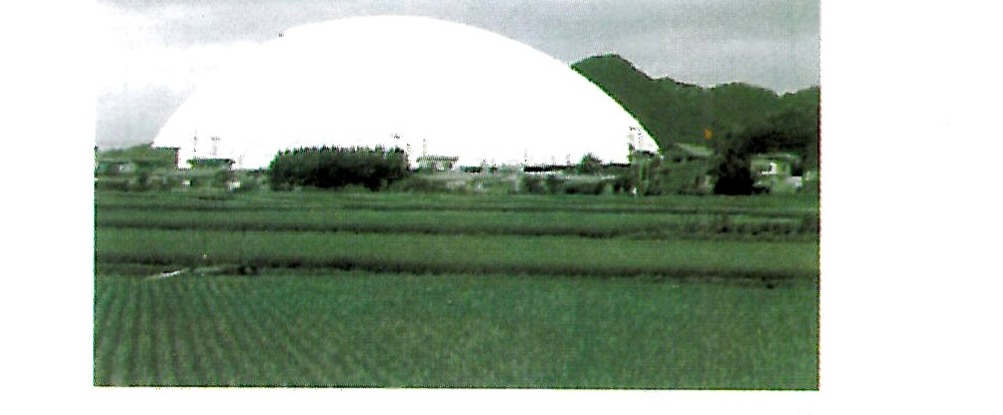
Exterior view of the Odate Jukai Dome showing its white dome rising above the surrounding landscape
Exterior view. The dome rises gently above the flat landscape of Odate, its white form set against the surrounding mountains.
Close-up detail of the Akita cedar laminated lattice structure inside the dome
Close-up of the Akita cedar laminated lattice. The timber members intersect at regular intervals, creating a rhythmic structural pattern.
Interior view of Odate Jukai Dome showing the glass curtain wall at ground level with the timber dome structure above
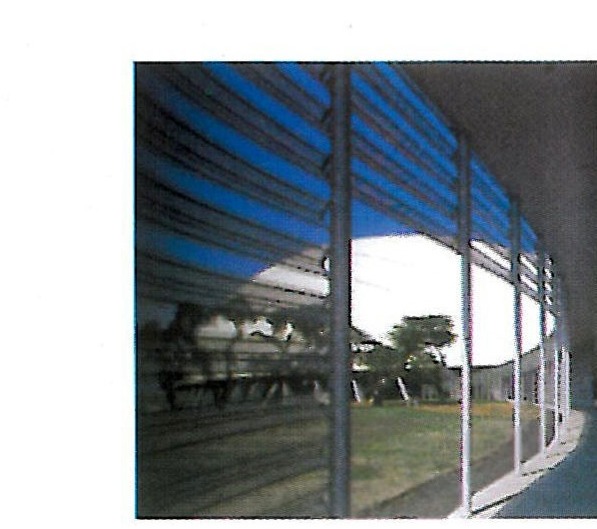
The glass curtain wall at ground level, with translucent blue panels filtering light beneath the timber dome. The tension ring where the roof meets the glass walls is visible at the transition zone.
◆ ◆ ◆
First floor plan of Odate Jukai Dome at 1:2500 scale, showing the circular arena, service spaces, and entrance
First floor plan (scale 1:2,500). The circular arena dominates the plan, with service spaces arranged along the perimeter ring.
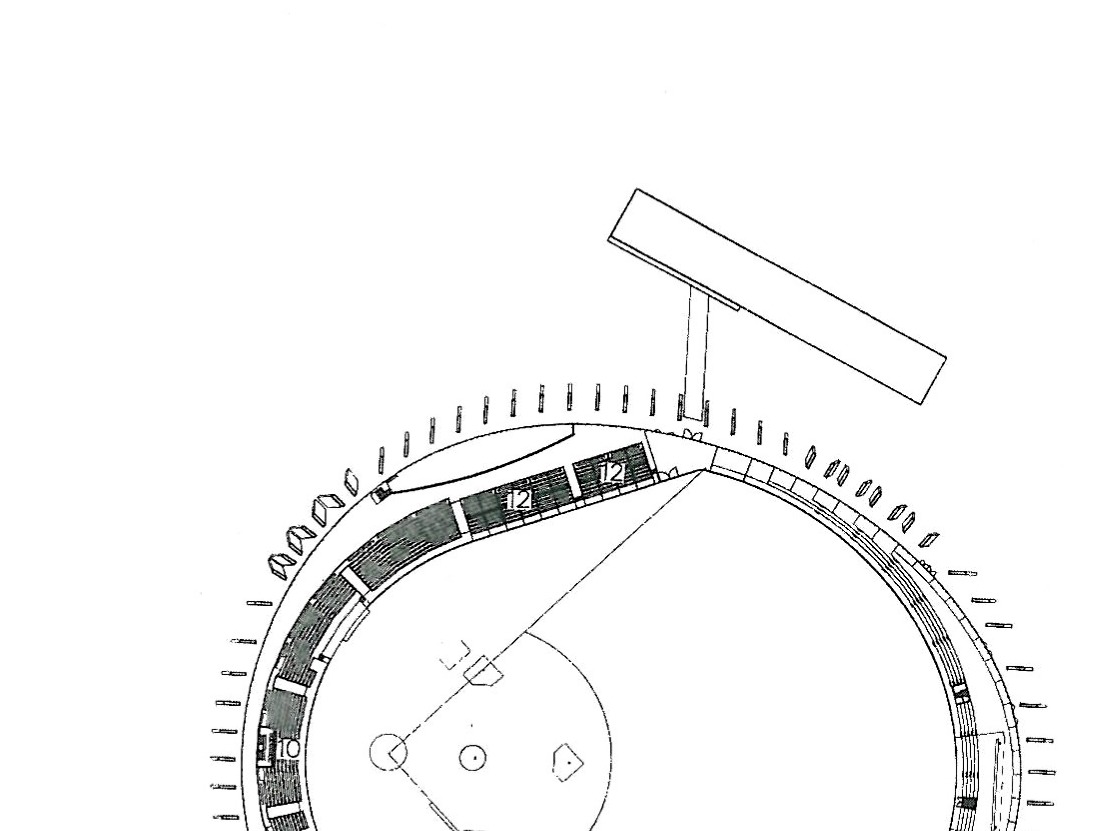
Upper floor plan of Odate Jukai Dome showing the baseball field, adjustable seating, and ancillary spaces
Upper floor plan. The baseball diamond is visible within the egg-shaped dome, with adjustable seating sections and ancillary spaces at the perimeter.
Building section of Odate Jukai Dome at 1:2500 scale, showing the parabolic dome profile and the concrete substructure
Section (scale 1:2,500). The parabolic profile of the timber dome is clearly visible, resting on the reinforced concrete tension ring elevated above ground level.
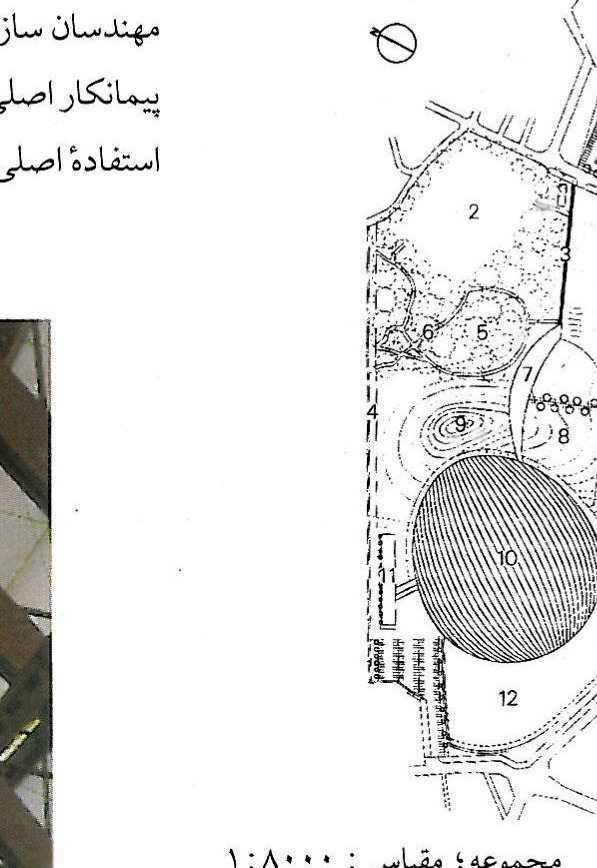
Site plan of Odate Jukai Dome complex at 1:8000 scale, showing the dome, swimming pool, playground, and parking areas
Site plan (scale 1:8,000). The dome is set within a larger recreational complex including a swimming pool, playground, and landscaped gardens.
Memar Magazine
Issue 02 · Fall 1377 / Autumn 1998 · Source: The Japan Architect No. 28, 1998

Related in Architecture Database