Loading...
← Back to Architects
Biography
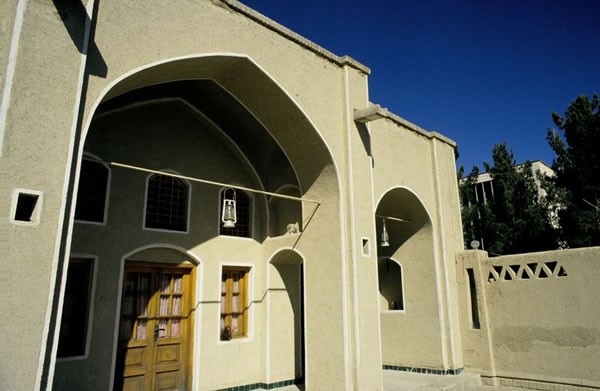
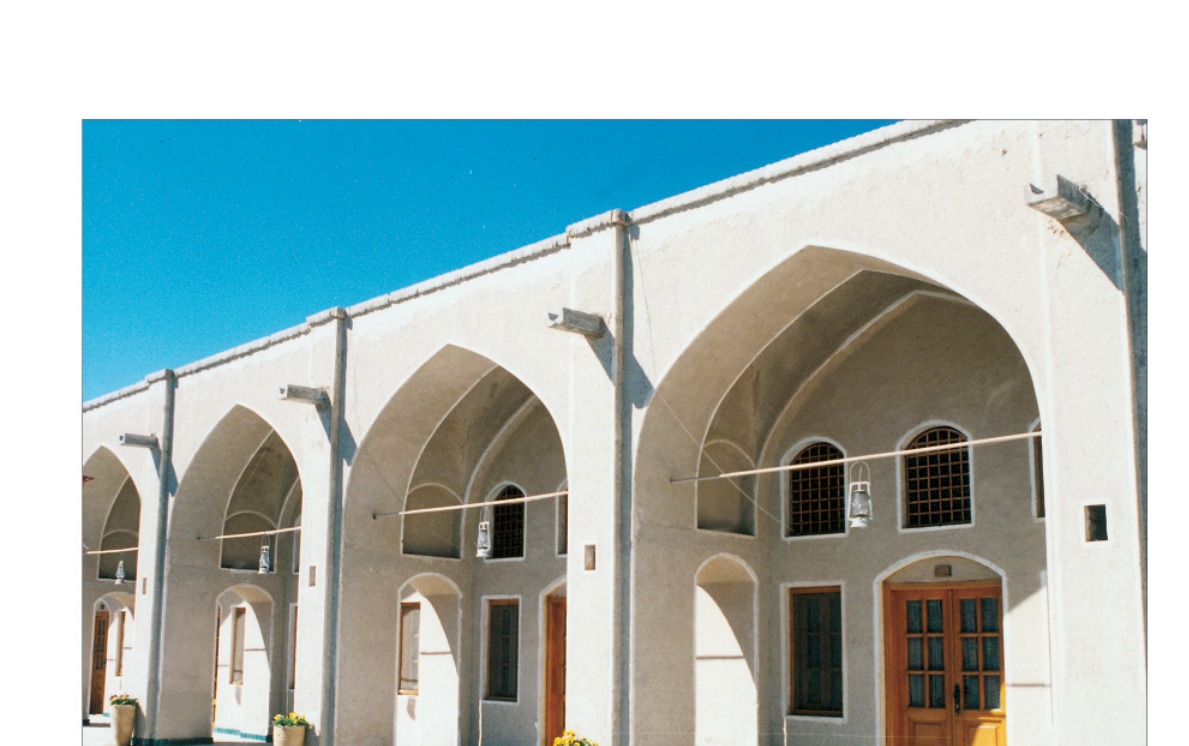
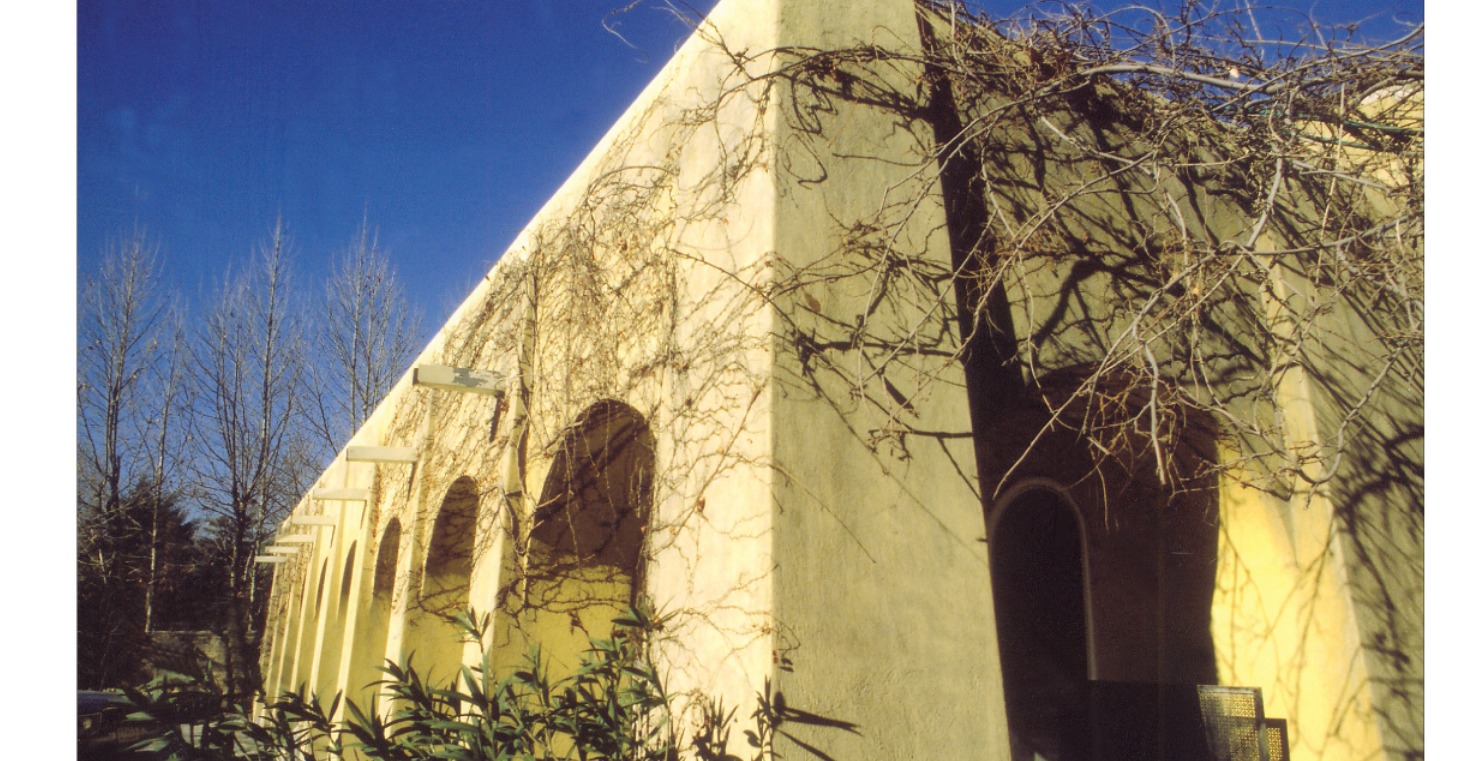
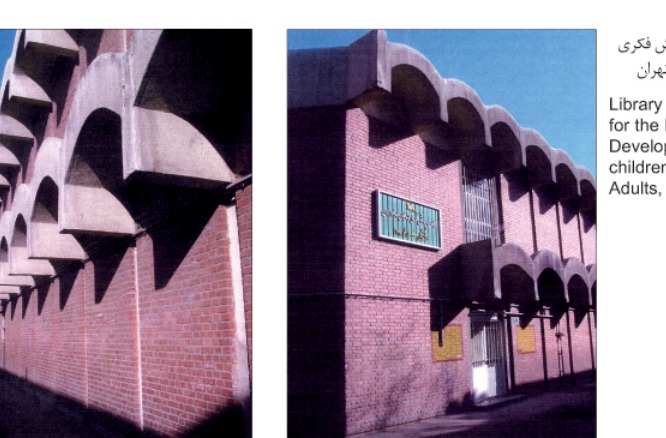
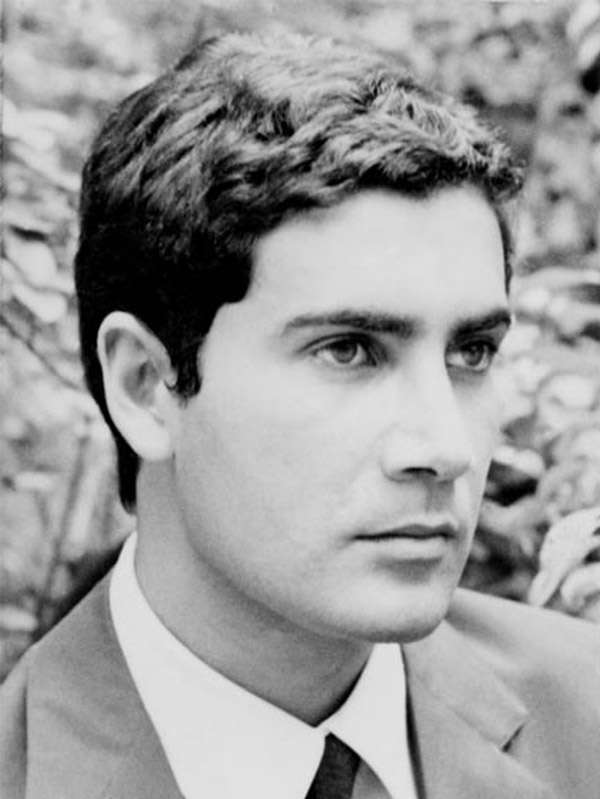
Keyvan Khosrovani was born in Tehran in 1938 and earned his Master's of Architecture with high honors from Tehran University in 1962. With a scholarship from the French government he went on to study for two years at the Ecole Superieure Nationale des Beaux-Arts. In 1964 he had his first solo exhibition at the Maison Internationale de la Cite’ Universitaire of Paris. He collaborated with British architects Jane Drew and Maxwell Frye on the University of Sheffield’s project in 1965 and spent a year at the Faculty of Architecture in Rome specializing in the restoration of ancient monuments. After his return to Iran in 1966, he was involved in the first festival of arts in Shiraz: “Persepolis.” He was the lighting designer for the illumination of Persepolis and Hafezieh and designer of the amphitheatres for the festival. His deep appreciation for Iranian culture led him to promote classical Persian music for Iranian television, providing the network with nine solo concert programs of Iranian artists as unpaid producer. For 13 years he was again the unpaid creator of the official wardrobe of Empress Farah Pahlavi and was instrumental in reviving Iranian handicrafts and fabrics, bringing them to the level of his creation of The Exclusive Royal Haute Couture. Simultaneously he created the first boutique for young men’s wear, Elegant 27, a shared project with Kamran Diba in 1966–1967, and then his own famous boutiques Number One and Miss Number One, through which he revolutionized the Iranian young generation’s look. Four creations of his Royal Wardrobes were donated by Khosrovani as part of the permanent collection of Musée de la Mode of Paris at the Palais Galliera. His architectural work includes the Mehmansaray Nayin for the Ministry of tourism. He was also unpaid architect for a library in the Gowd Zanbourak Khaneh, a slum area of Tehran, and for Kanoon Pavaresh Fekri Koudakan va Nojavanan. In addition he designed his family’s residence in Farmanieh. His decorative work includes interior design for the Iranian Consulate in San Francisco (1968), interior design of all his architectural