Semifinalists — Public Buildings
The Editor

Dhaka · 1982

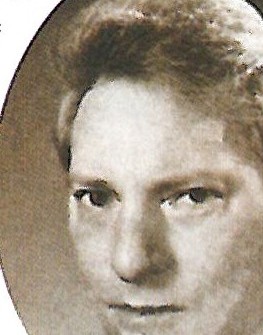
Louis Isadore Kahn was an Estonian-born American architect based in Philadelphia. After working in various capacities for several firms in Philadelphia, he founded his own atelier in 1935. While continuing his private practice, he served as a design critic and professor of architecture at Yale School of Architecture from 1947 to 1957. From 1957 until his death, he was a professor of architecture at the School of Design at the University of Pennsylvania.
Paris · 1987

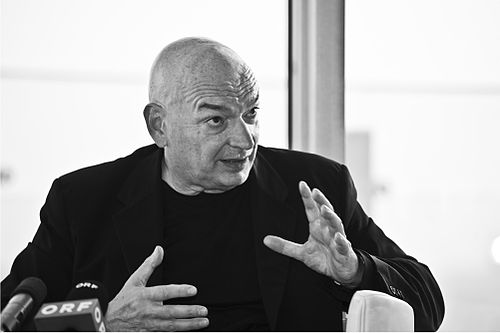
French architect known for buildings that respond innovatively to their context. Notable works include the Institut du Monde Arabe in Paris, the Louvre Abu Dhabi, Torre Agbar in Barcelona, and the Philharmonie de Paris.

Riyadh · 1984

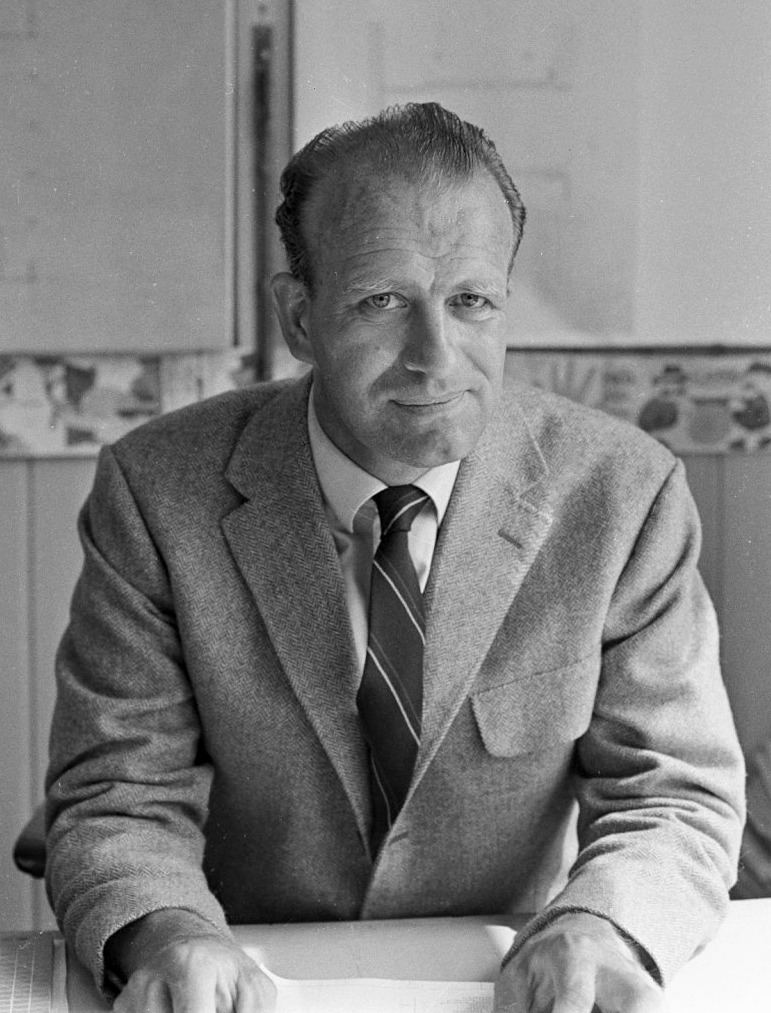
Henning Larsen was a Danish architect. He is internationally known for the Ministry of Foreign Affairs building in Riyadh and the Copenhagen Opera House.

Nobel Peace Prize-winning economist and founder of Grameen Bank, awarded the Aga Khan Award for Architecture in 1989 for his housing program. The initiative enabled impoverished Bangladeshis to build low-cost, durable homes using microfinance models.

Çanakkale · 1984
Turgut Cansever was a Turkish architect and city planner. He is the only architect to win the Aga Khan Award for Architecture three times. He is known as "the wise architect." He played a significant role in urban planning, zoning, and protected area projects across various towns. He is credited with designing Beyazıt Square and authored the first doctoral thesis on art history in Turkey.

Jeddah · 1986

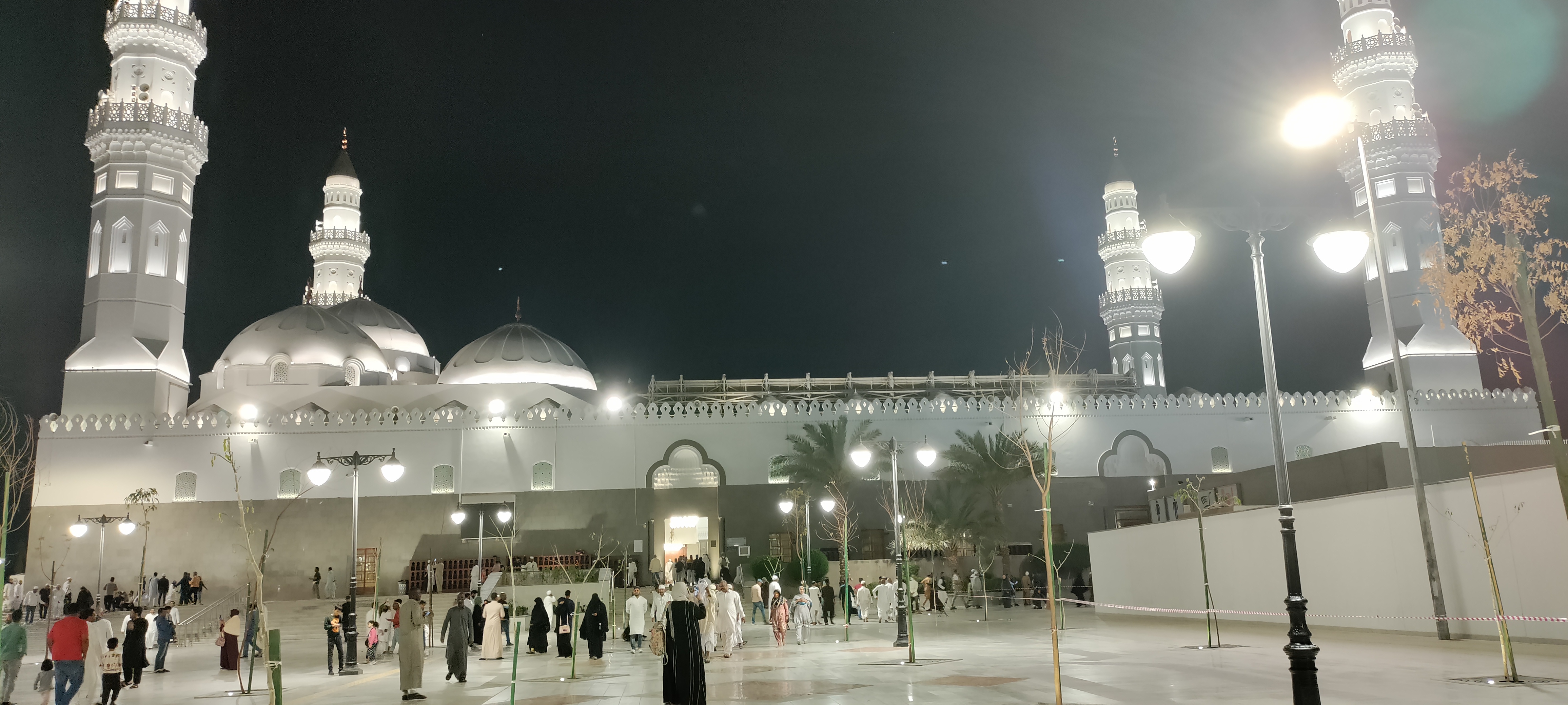
Abdel-Wahed El-Wakil is an Egyptian architect who designed over 15 mosques in Saudi Arabia and is considered by many as the foremost contemporary authority in Islamic architecture. For designing in traditional styles, he is also a representative of New Classical Architecture.

Asilah

Riyadh · 1986

Samarinda · 1987

Riyadh · 1984

Tunis · 1984