9th Memar Award Jury Report
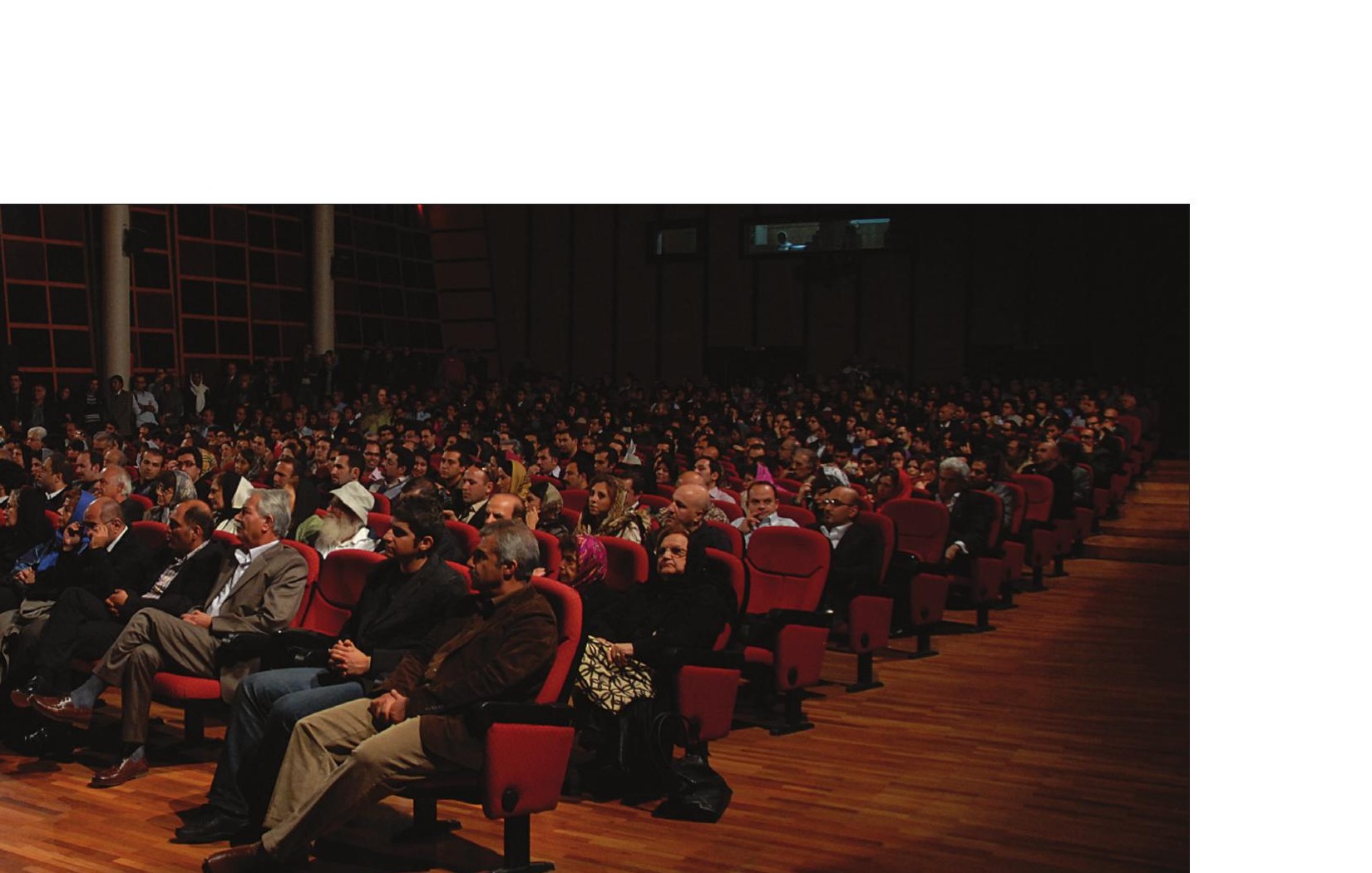
Audience at the 9th Memar Award ceremony, Tehran, November 2009
The Jury Panel
The jury panel for the 9th Memar Award consisted of four members: Hossein Sheikh Zeineddin, Kamran Afshar Naderi, and Reza Daneshmir from Iran, joined by Franco Micucci, an Italian-Venezuelan architect who graduated from Harvard and teaches at Simón Bolívar University in Caracas.
The original plan had included two additional international jurors: Robert Ivy, then editor-in-chief of Architectural Record, and Bjarke Ingels, founder of BIG (Bjarke Ingels Group) in Copenhagen. Neither was able to attend due to the political situation in Iran at the time.
Submissions and Process
A total of 94 projects were submitted to the 9th Memar Award, of which two were disqualified for incomplete documentation, leaving 92 eligible entries. The submissions broke down as follows:
- 51 residential and 41 public building projects
- The majority were located in Tehran
- 12 projects in Isfahan, 10 in Mazandaran, 6 in Karaj
- The remainder spread across 12 other cities, plus one entry from Seoul, South Korea
Judging sessions took place on November 18–19, 2009 (27–28 Aban 1388).
Elimination Process
The judging followed a multi-stage elimination process:
Elimination Round (Round 1): In the first pass, the jury eliminated 8 residential projects and 24 public projects. A second pass removed 24 more residential projects and 6 additional public projects.
Semi-Finals: After elimination, 30 projects advanced to the semi-finals — 19 residential and 11 public buildings.
Finals: From the semi-finalists, 10 projects reached the finals as short-listed works receiving positive jury votes.
Of the 10 finalists, the jury ranked 6 winners — first, second, and third place in both the Residential Buildings and Public Buildings categories. The remaining 3 finalists were designated as Jury Selections (finalists who received positive assessments but were not ranked among the top three).
Jury Criteria
Hossein Sheikh Zeineddin
Sheikh Zeineddin sought innovation in problem-solving — projects that proposed new spatial configurations matching the sensibility of international expert taste. He valued works that demonstrated a clear conceptual framework and showed the architect’s genuine engagement with the design challenge, rather than relying on familiar formulas.
Kamran Afshar Naderi
Afshar Naderi clarified that in the elimination stage, he was not value-ranking projects but rather identifying which ones merited further discussion. He retained projects that attempted to break predetermined patterns — works showing an impulse toward experimentation, even if imperfectly realized. For him, the effort to transcend convention was itself worthy of recognition.
Reza Daneshmir
Daneshmir prioritized internal consistency — projects whose plans were fully resolved, whose parts formed a unified composition. He looked for coherence between concept and execution, between the architectural idea and its material realization. A project needed to demonstrate that its formal decisions followed logically from its spatial ambitions.
Franco Micucci
Micucci, the international juror, eliminated confused residential projects and those that he felt remained trapped in a 1980s–90s aesthetic. He actively sought projects that showed a meaningful connection to contemporary international architecture — works that engaged with current global discourse while responding to local conditions. As a foreigner, he was also particularly attentive to expressions of Iranian cultural identity in the designs.
Winners — Residential Buildings
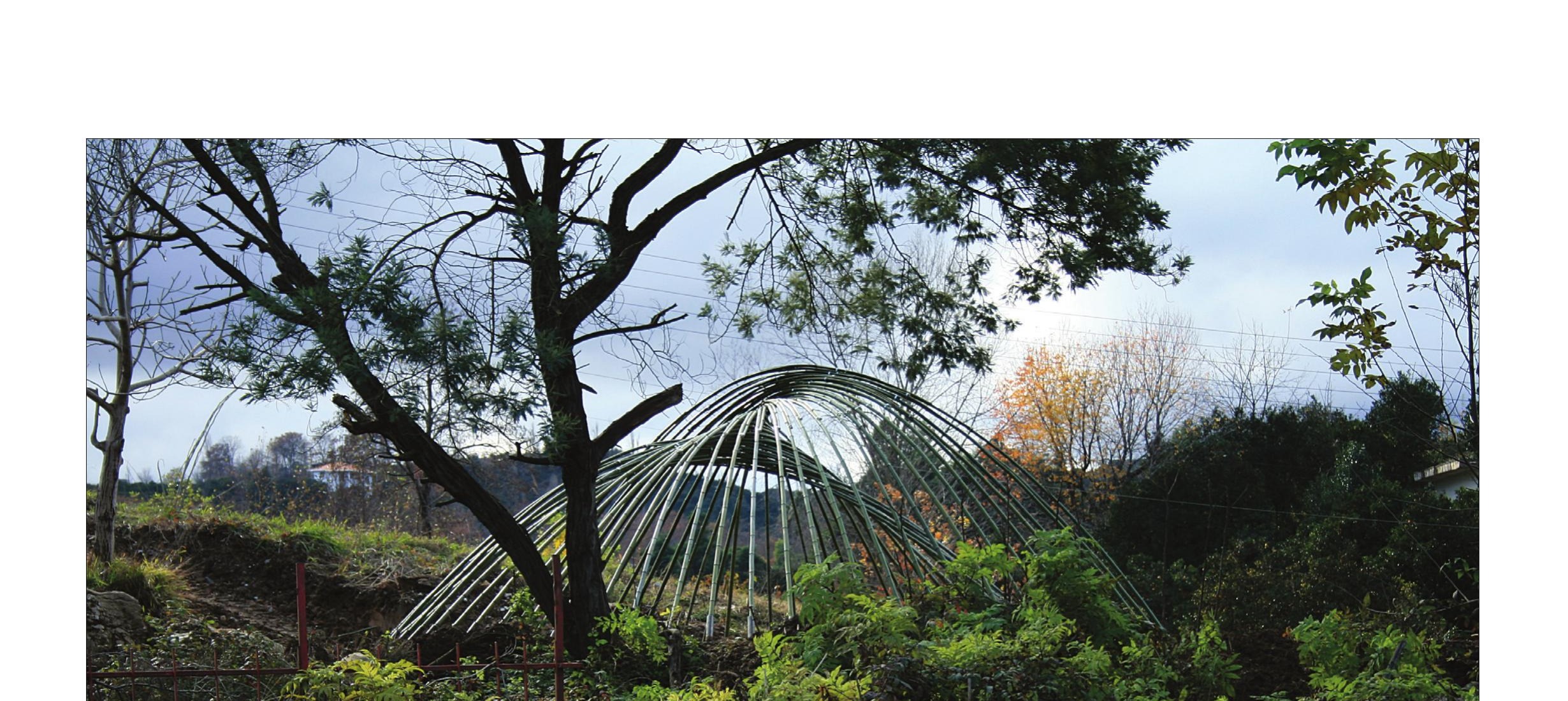
First Place: Bamboo Structure
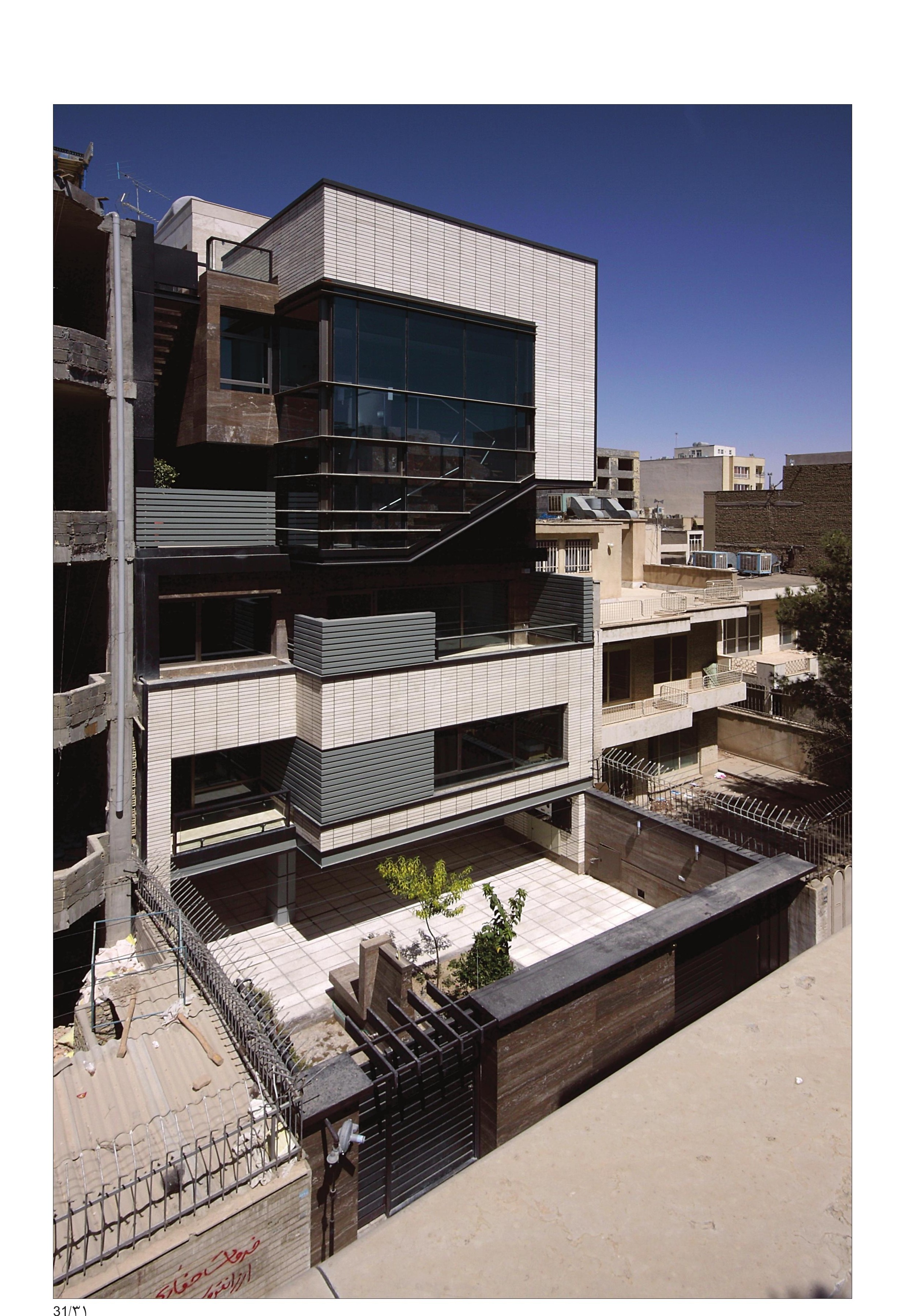
Second Place: Yarmand Building
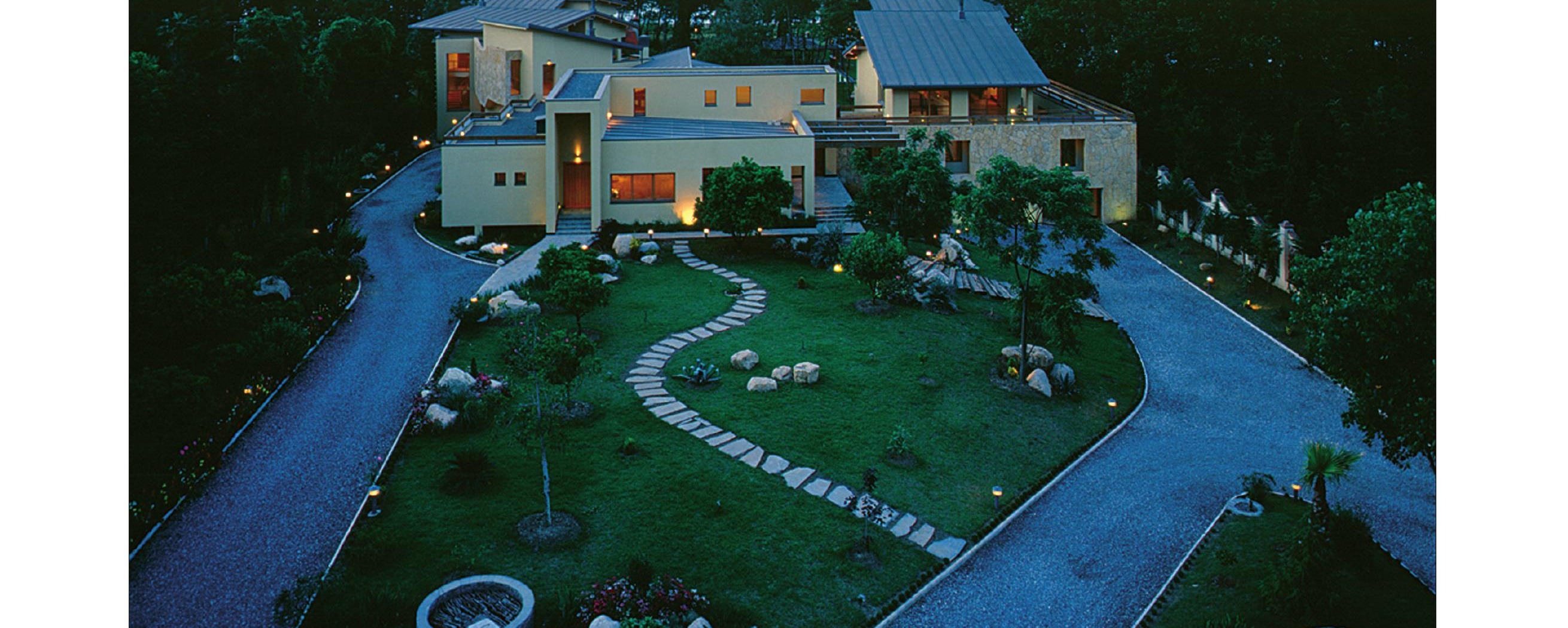
Third Place: Khalili Family Village
Winners — Public Buildings
First Place: Valiasr Commercial-Office Building
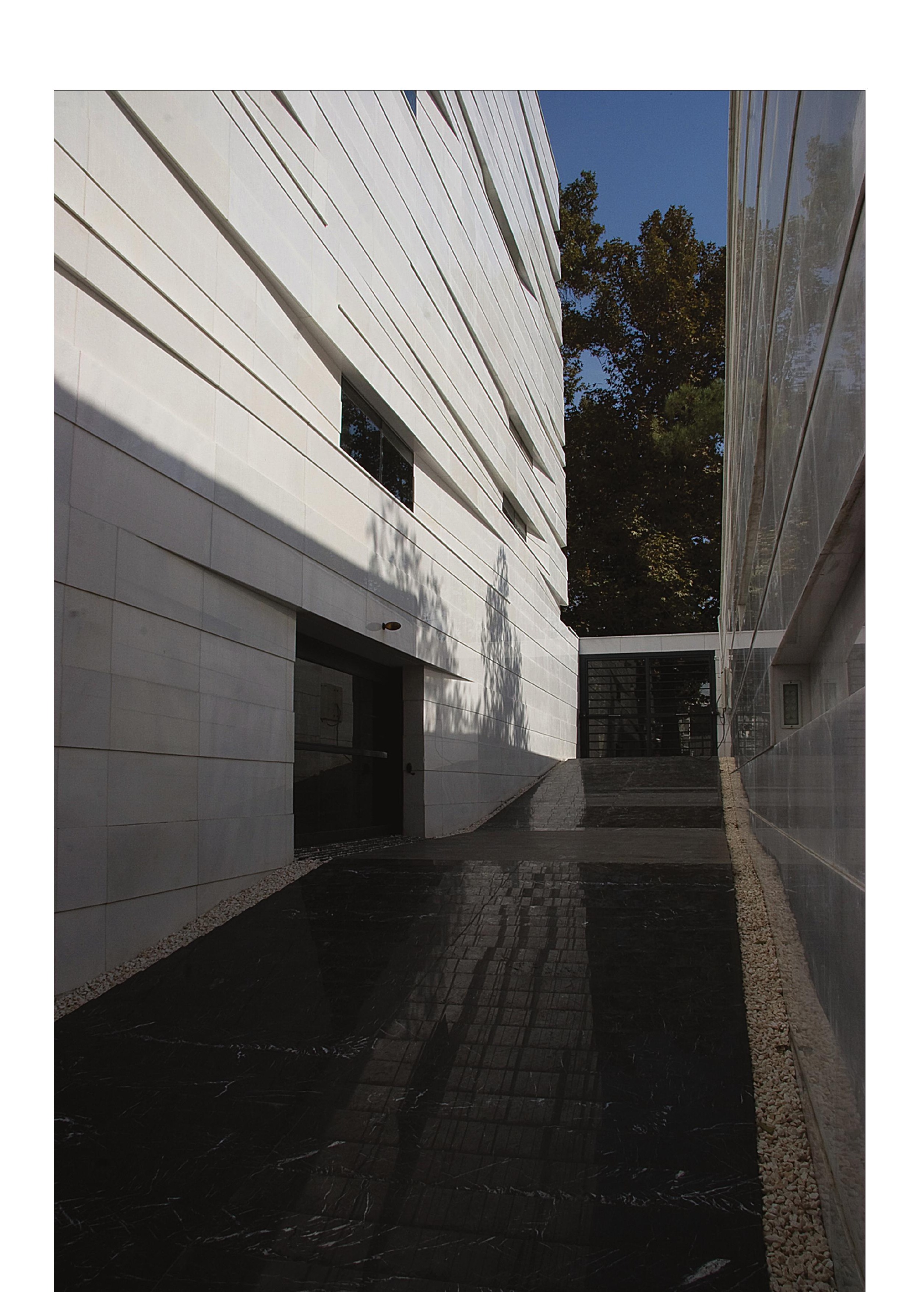
Second Place: Khorsand Office Building
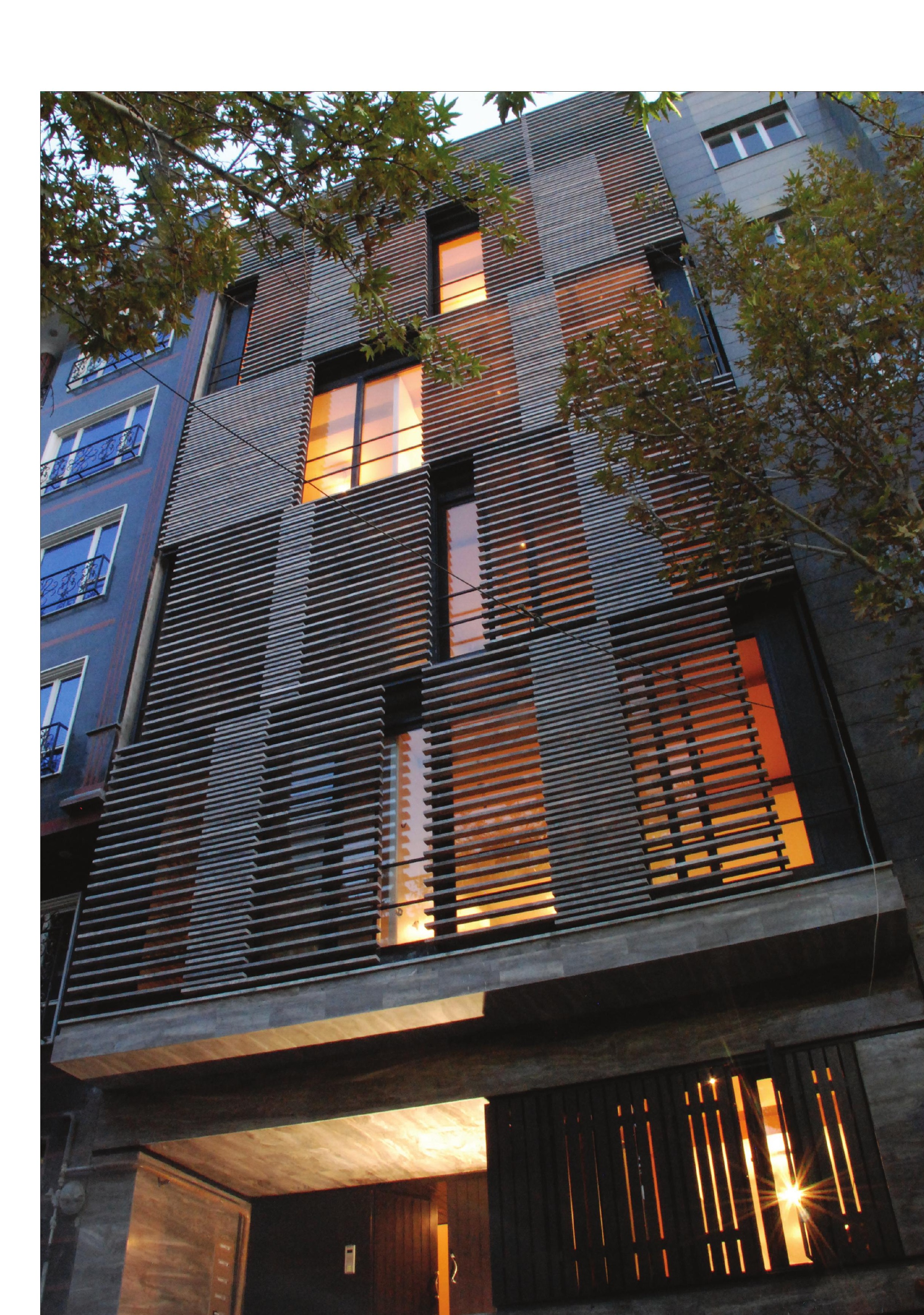
Third Place: Isfahan Science and Technology Park Laboratories and Pre-Incubator
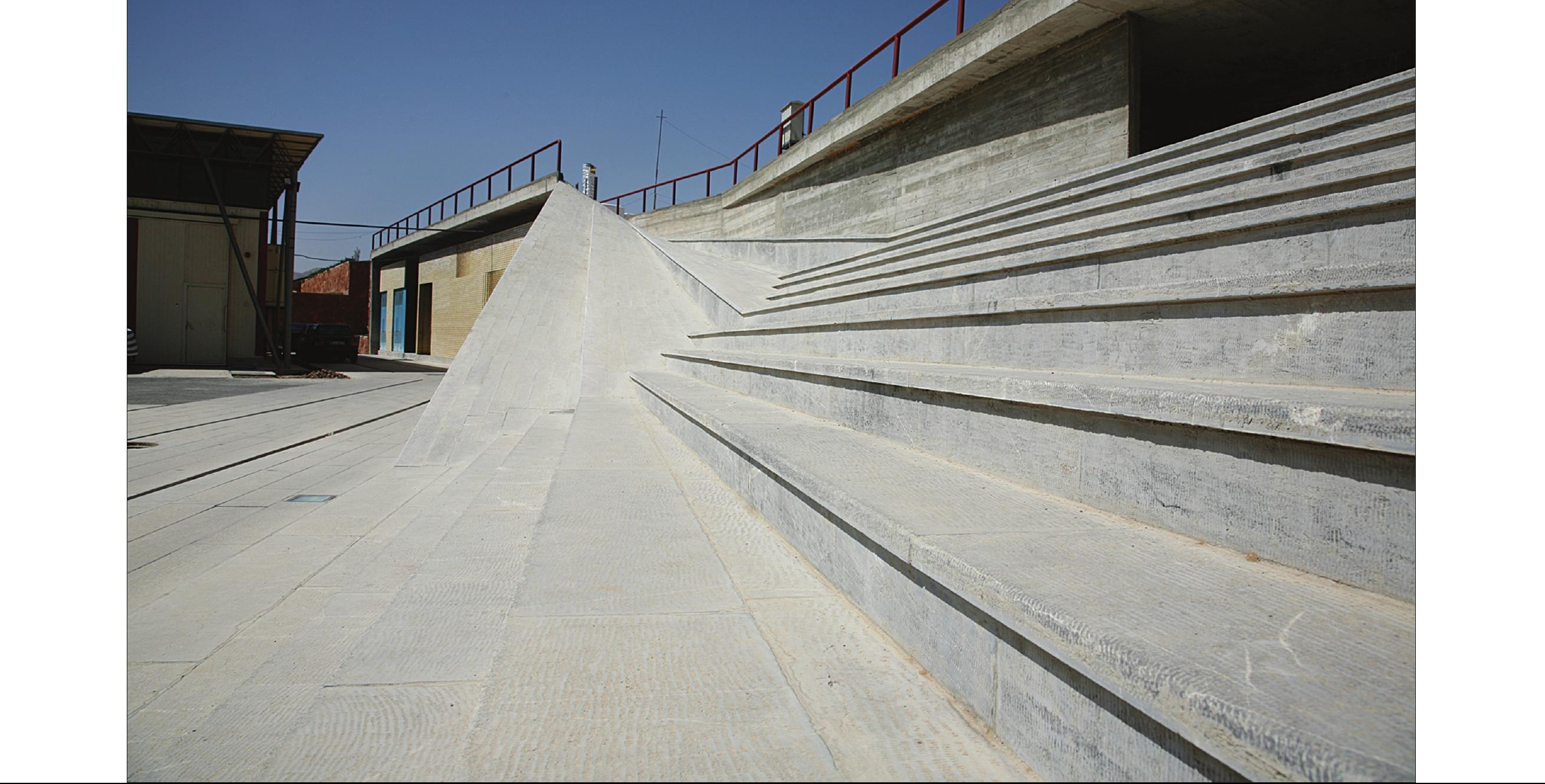
Special Honor
At the ceremony, Mohammad Athari, a veteran structural craftsman and master builder, was honored for his decades of contribution to Iranian construction. His recognition underscored the importance of craftsmanship and building expertise alongside architectural design in shaping Iran’s built environment.



