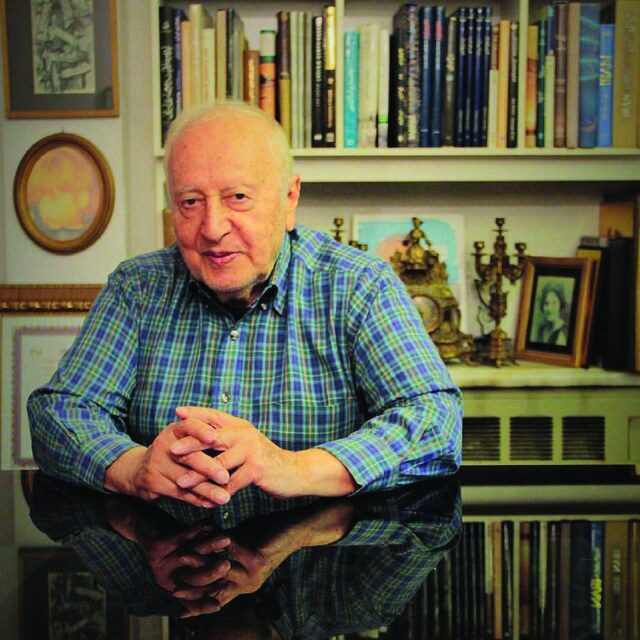
In this short piece I will try to answer this question. Of course, his biography, works and activities are set out in detail in the book Asrar-e Sheydaei, published by the Society of Iranian Architectural Luminaries and Yushij Publishing. But this summary is for interested readers and young people who know less of Dr. Etesam. Dr. Etesam is certainly one of the most prolific and active contemporary architects and urban planners of Iran, who throughout his life worked in various fields of architecture and urban planning: teaching and research, preparing architectural and urban designs, supervising their execution, organising and taking part in individual seminars in this field and, naturally, a great deal of travel.
Teaching
After studying architecture at the University of Tehran (Fine Arts) and architecture and urban planning at the University of Florence, Dr. Etesam returned to Iran in 1339 SH (1960) and began teaching at the University of Tehran (Fine Arts) and the National University of Iran. He was first an assistant to Engineer Foroughi in the Foroughi - Farmanfarmaian atelier. After Engineer Foroughi left, he became head of the same atelier, and when Dr. Mirfendereski joined, they continued their work under the name of the Etesam-Mirfendereski atelier.
Two or three years after the revolution Dr. Etesam taught for a time in America, at the University of California, Berkeley, and the University of Washington in Seattle (Islamic architecture at Berkeley and Third World urban planning at Seattle). But he returned to Iran again, and this time, besides the University of Tehran, he also taught at Azad University (Science and Research Branch) (housing planning), and was also head of the architecture department of that faculty. For a time he also taught at Pars University, and every fifteen days at the Kish faculty. He supervised the theses of many students, and this work continued almost to the end of his life (in the last two years online, because of the doctor's residence in California).
Design and Executed Works
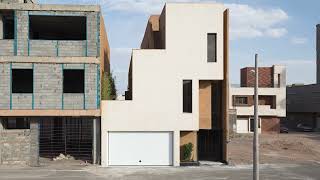
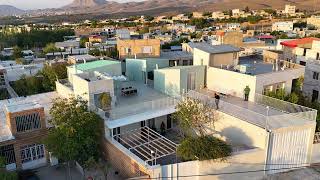
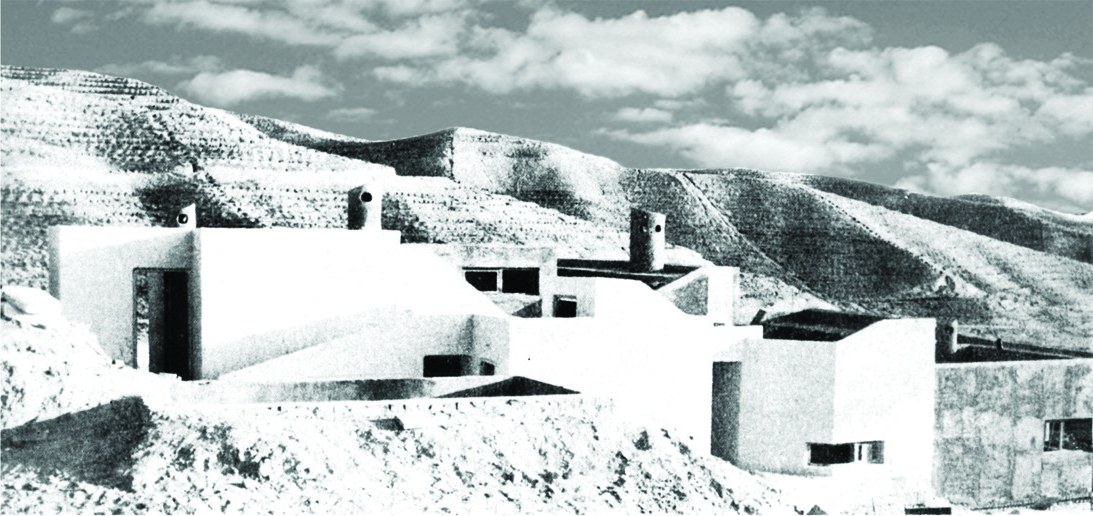
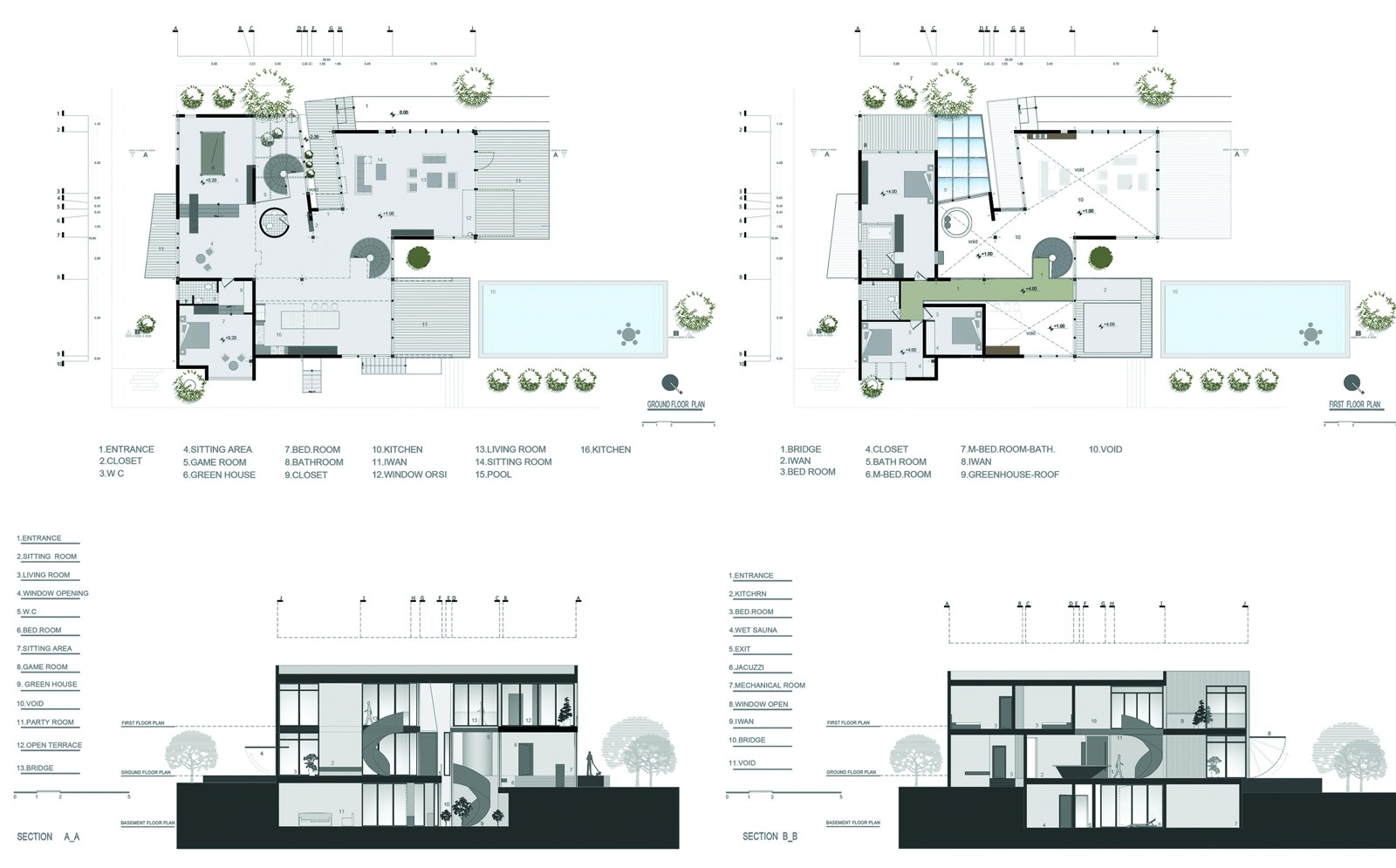
At the same time as teaching at the university, Dr. Etesam took up the design of architectural and urban planning projects. He first established his own office, under the name of Emco Consulting Engineers, with other colleagues in Tehran, and designed and executed many projects in this office, the best of which are as follows:
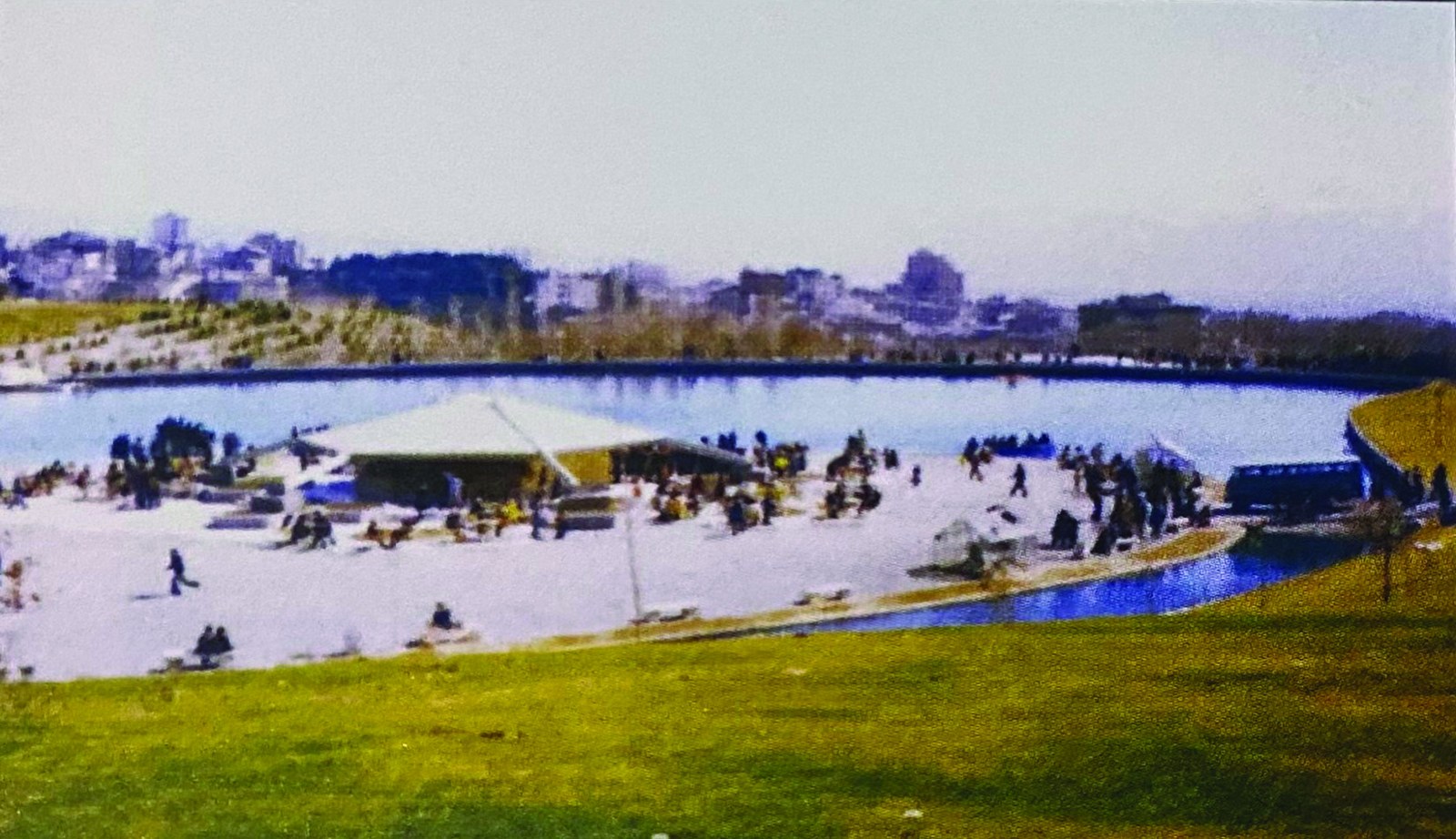
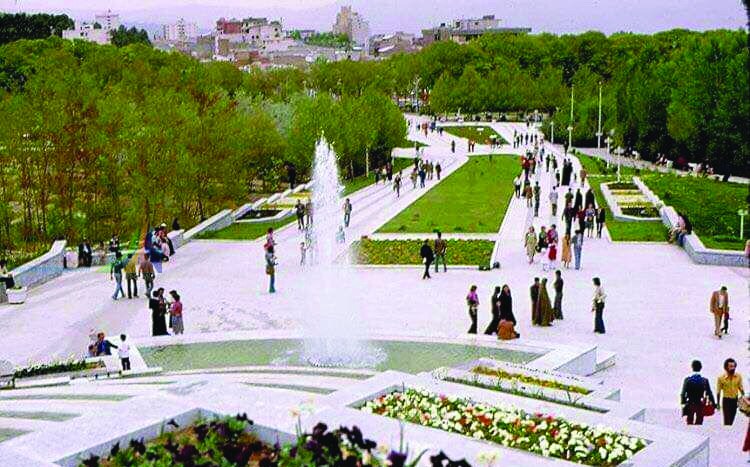
- Mellat Park (Tehran)
- Shah Cheragh Pilgrimage-Religious Complex (Shiraz)
- Lavasan New Town
- Regional-tourist plan for the Caspian Sea shores (in collaboration with the Doxiadis Institute, Greece)
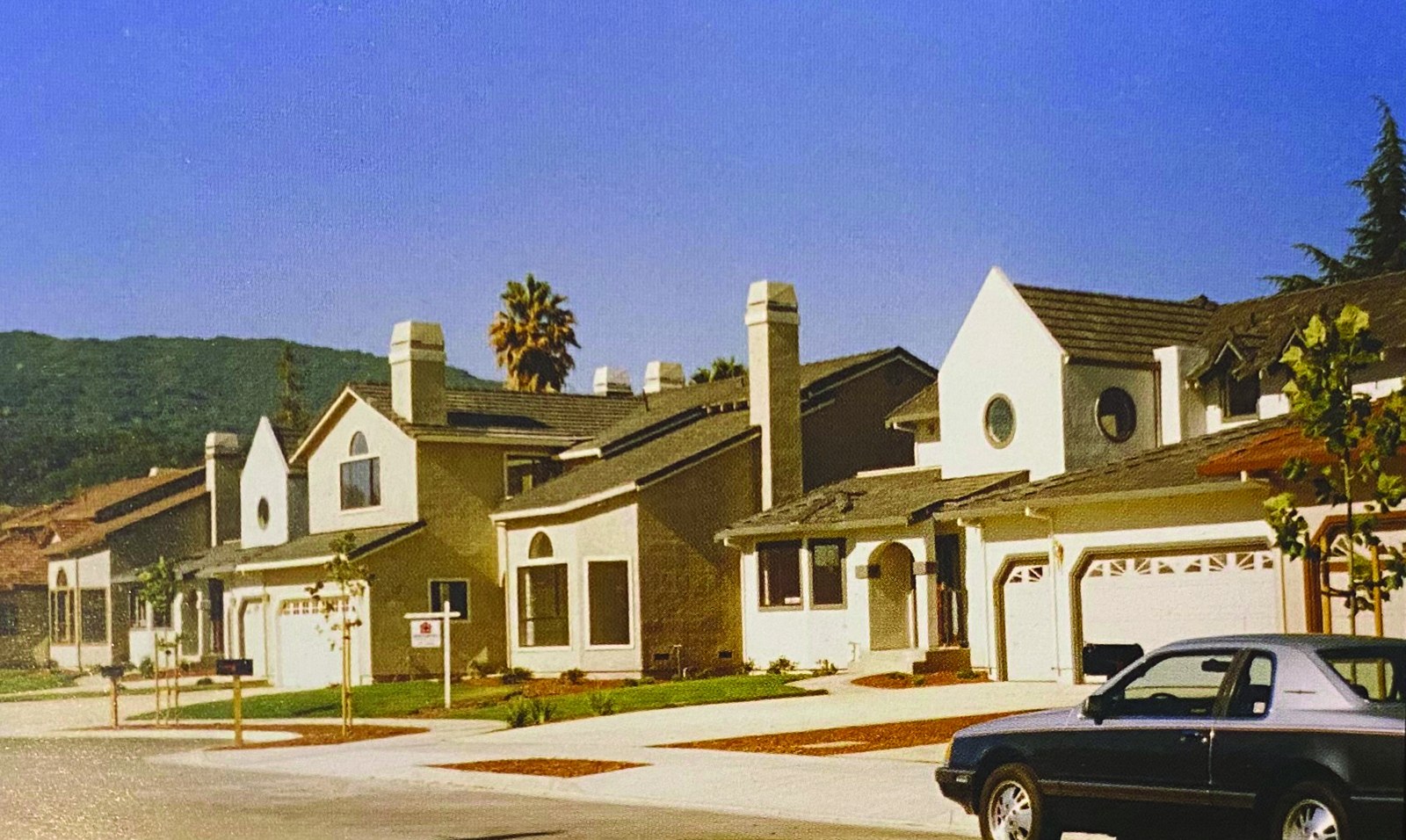
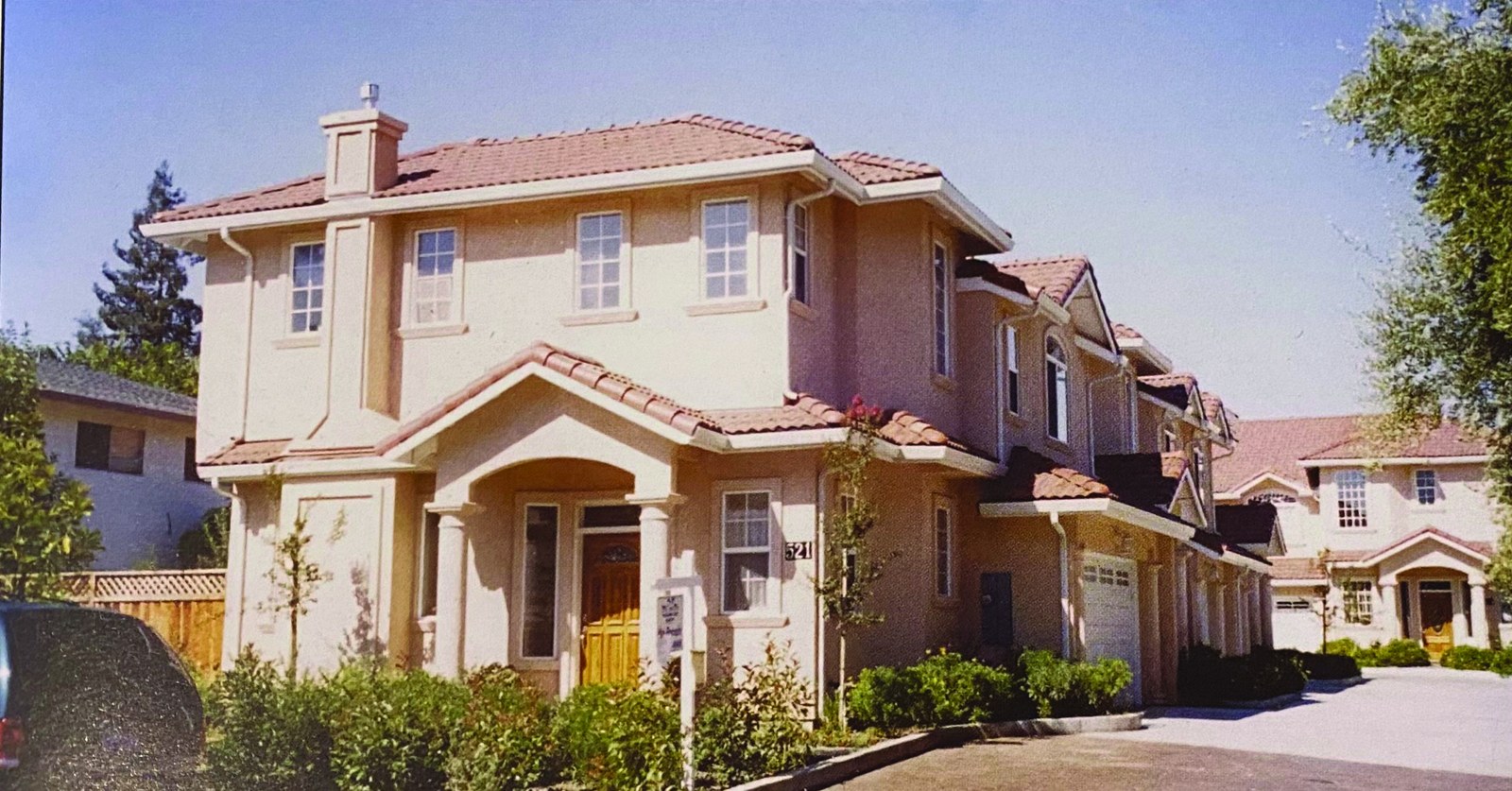
Dr. Etesam also designed and executed numerous projects outside Iran (California), including several villas and housing complexes in San Jose and Santa Cruz.
After the revolution he was also an adviser to the Ministry of Foreign Affairs and supervised many of this ministry's projects outside Iran, which required many long journeys to different parts of the world.
He also designed and executed some of them himself.
Research Works
Alongside his other work, Dr. Etesam also pursued research, some of which has been published as books, including:
- three volumes of the book Contemporary Architecture of Iran, 20 Years of Experience in Public Buildings - Iraj Etesam, with the Mirmiran Architecture Foundation
- and his most important work, which is being published, the four volumes of A Comparative History of Art, Architecture and Urban Planning, the first volume on antiquity, the second on the middle period, the third on the contemporary period (1) and the fourth on the contemporary period (2)
Besides research and writing, Dr. Etesam also translated several books, including:
- The Double-Headed Eagle: From the Past to the Future of Mankind, by Constantinos Doxiadis
- Islamic Architecture: Form, Function and Meaning, by Robert Hillenbrand
and many and varied papers for seminars all over the world.
Finally, I must turn to the most important part, namely Dr. Etesam's personal qualities, which are very special and significant. He was a very patient and tolerant person and treated everyone around him with great kindness and gentleness. Even in problems and hardships he did not lose heart, and gave others encouragement, hope and optimism. Working with him was very instructive and lovable.
Another of his prominent qualities was his boundless energy in his work and on long journeys; even into the last years of his long life he never stopped working and being active, especially teaching; taking part in various seminars in different parts of the world required long journeys, and because his family lived in California he travelled to America twice a year, until in 1399 SH (2020), because of heart disease, he was forced to leave Iran and live with his family. But until the last months of his life (28 Azar 1401 SH, 19 December 2022), he worked online with students in Iran who were writing their theses with him (mostly at doctoral level), and took part online in their defence sessions.
His fruitful life is an important model for all of us; may his memory endure and his name last.