“But the seizure of part of the only park in the Sohrevardi, Seyed Khandan, and Shariati district for the construction of a district municipality's administrative building is the municipality's own doing. May one ask who issued the permit for this appropriation?” (From Memar 32)
After the publication of Memar no. 32 (Mordad and Shahrivar), we received a reply concerning a reference made in the “Almost No Comment” section of that issue. In it, mention had been made of the restoration of two beautiful buildings in Palestine Square (the work of the Cultural Spaces Development Company, Tehran Municipality), a Disney-like, London-esque structure opposite Tehran's railway station, and finally the seizure of part of the only park in the Sohrevardi, Seyed Khandan, and Shariati district for the construction of a municipal administrative building. The reply below concerns this last item:
To the esteemed editor of Memar magazine
Greetings. With respect, following the publication of the item titled “The seizure of part of the park on Shariati Street by the district municipality” in the Mordad and Shahrivar issues of your magazine, page 126, while enclosing this reply, we request that, in accordance with the Press Law and in order to enlighten public opinion, it be printed on the same page.
1. The site now being excavated on the south side of Shahid Qandi Street (Helal Ahmar Park) was previously the location of the old, worn buildings of District 4 of Region Seven Municipality, the municipality's motor-pool unit, and the school cultural-centre building; it is being renewed in order to make optimal use of the occupied land and to expand cultural, leisure, and building opportunities of higher capacity, and it has never occupied the park's green space.
2. The district municipality has always given priority in its programmes to developing green space and expanding cultural and sporting spaces for the welfare of citizens; thus, with the implementation of this scheme, the expansion of the green spaces and the Helal Ahmar park (from thirty-two thousand square metres), an increase of the park area by 15.6 percent, the use of the capacity of unused spaces by removing the single-storey buildings, the unification of the park, the qualitative improvement of the park's planted areas, an increase of the cultural centre's built area by 53 percent, and the elimination of scatter and the creation of concentration in the various parts, are among the other aims of this scheme.
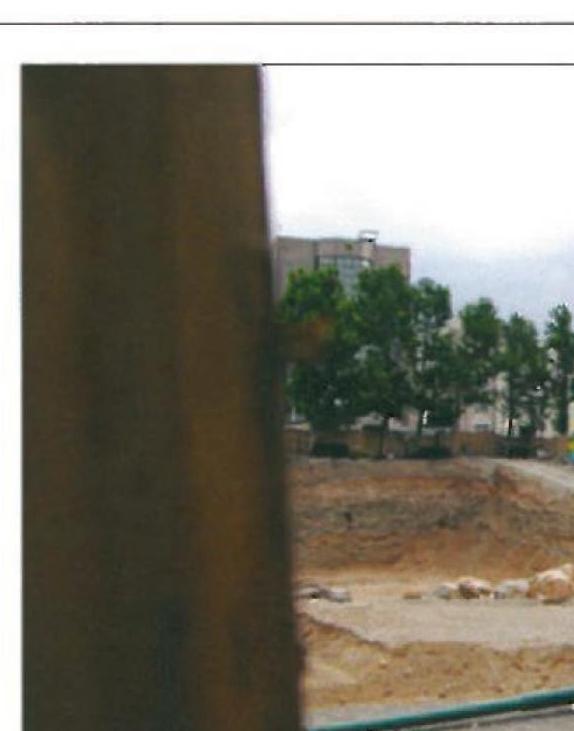
3. The new cultural-centre building is planned as a beautiful structure with suitable facilities and capacity, and the old, worn buildings on the eastern side of the park, which mainly occupy a great deal of the park's space, are being demolished and added to the existing green space. Among the features of the cultural-centre building under construction — a structure of six thousand square metres over four floors — one may cite the building of Region Seven's best-equipped library over four and a half floors, an amphitheatre hall with a capacity of five hundred, an indoor pool and sauna, a gallery, various educational units, a Quran centre, and a mosque.
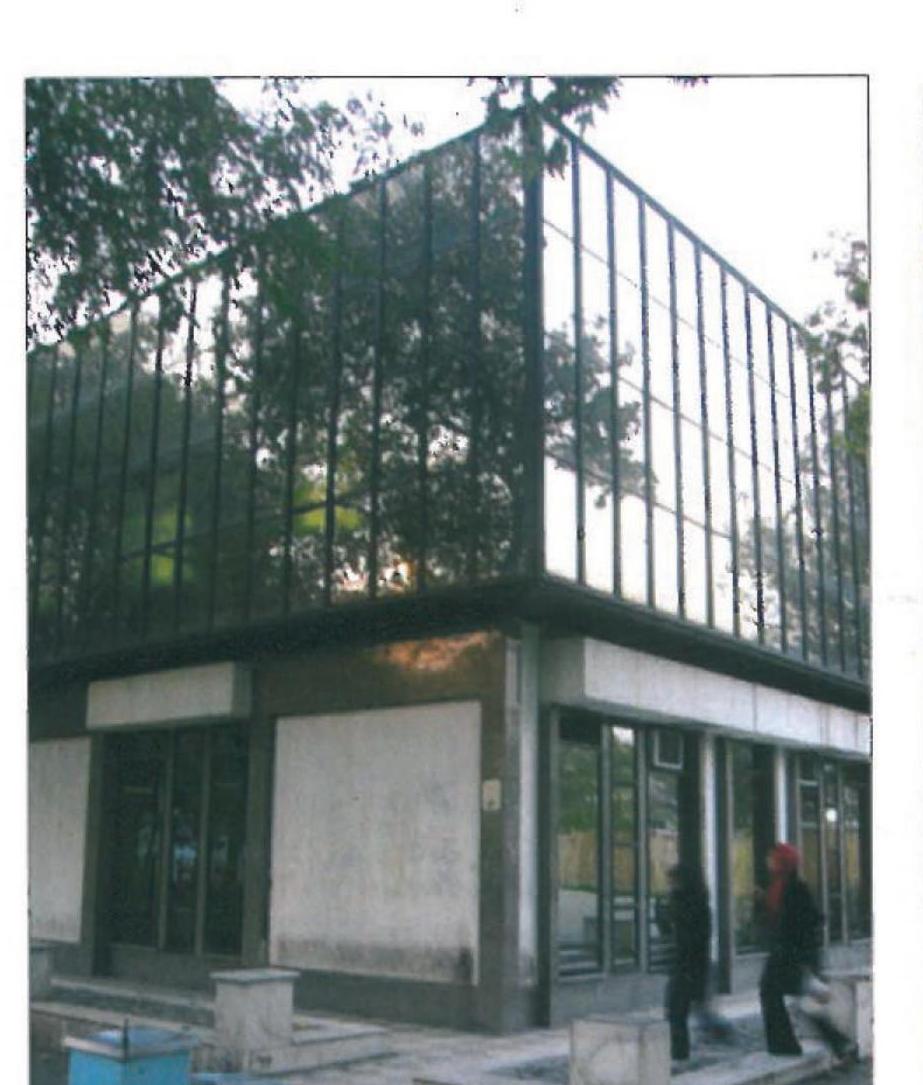
4. Region Seven Municipality, drawing on the views of architecture and urban-planning engineers and the guidance of the region's planning council, and after an expert review, has proceeded to demolish the old, scattered buildings within the park and to replace them with a new, durable and beautiful building with the capacity for cultural and recreational spaces.
In closing, it must be noted that Memar, a specialist engineering journal, is expected — before raising such ambiguity-provoking questions — to follow up in order to obtain a comprehensive and complete answer from the district municipality's officials, and to broaden its store of information, so as not to tarnish the specialist standing of that weighty journal and public opinion. — Mostafapour, Public Relations Manager of Region Seven Municipality
We first thank the public-relations office of Region Seven Municipality for having responded. A response on the part of responsible bodies, whether public or governmental, is, as a good practice, none too common, and this alone suffices to commend the public-relations manager of Region Seven Municipality. At the same time, it was very strange to us that in his letter he made no reference at all to the fact that this building — or at least an important part of it — will be a municipal administrative building.
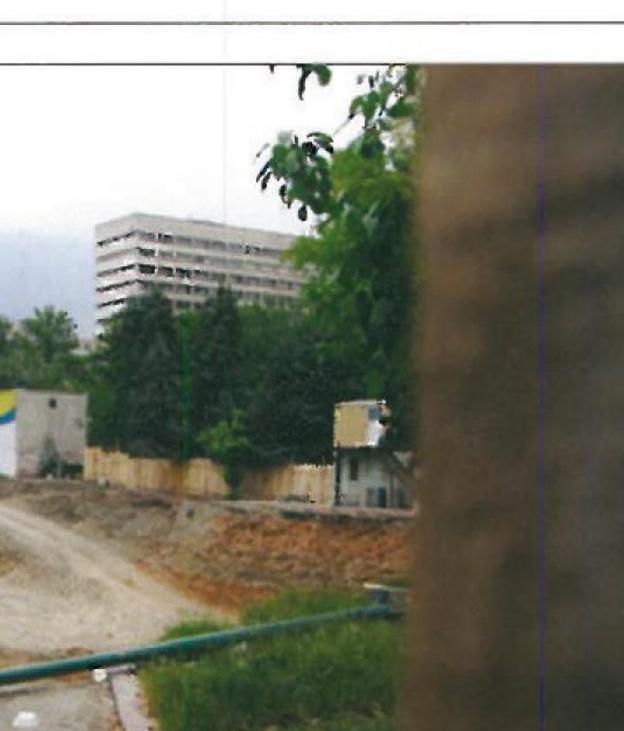
As stated in the letter, the site now being excavated was the location of the old buildings of District 4 of Region Seven Municipality, the municipality's motor-pool unit, and also the school cultural-centre building and, naturally, its surrounding grounds, which counted as part of the park. The fence around the excavated area clearly shows that a part of the park that lay on Shahid Qandi Street (the eastern side, not the southern, as stated in the letter) has now been separated from the park, and so, with the construction of the new buildings, a part of the park that lay on Shahid Qandi Street will come to be occupied by buildings.
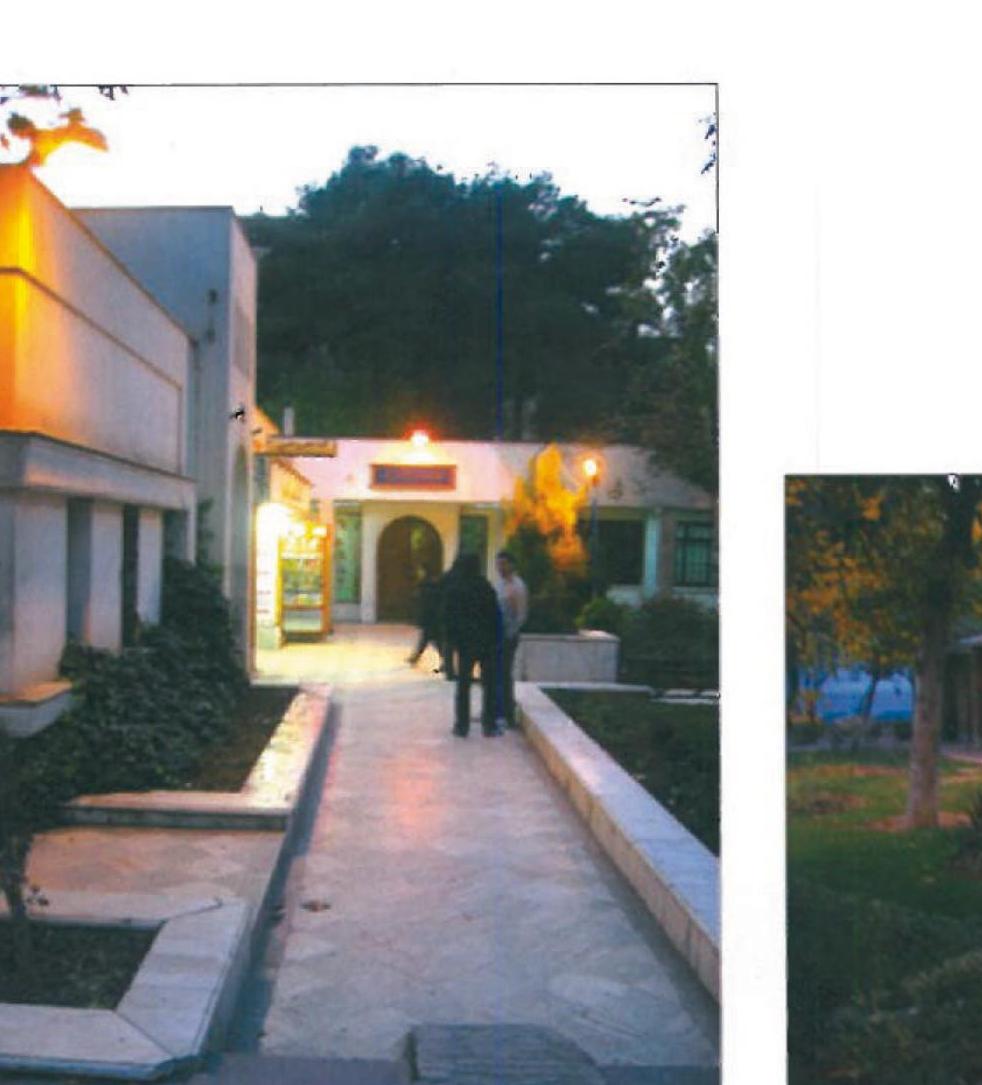
The question that naturally remains, even after the reply from Region Seven's public relations, is this: what unavoidable necessity justifies demolishing the school cultural-centre building and its surrounding grounds for the current excavation, and the planned future demolition of the single-storey buildings in the park — buildings that people frequent, that are known throughout the district, and that are still usable? How far apart are they, that in a one-page letter the scatter of the existing buildings (which stood along only one side of the park, over a length of about a hundred paces) is referred to several times?
We all know that Tehran Municipality constantly complains of a lack of budget for essential matters, including keeping the city clean, and right now around Helal Ahmar Park, as across the whole region, the sight of rubbish in the garden beds is deeply distressing. Apparently the contractors doing business with the municipality — who mostly employ Afghan labourers — cannot carry out their duty of collecting rubbish from the streets and from the gutters and street garden beds.
So, given the general financial difficulties of municipalities, what has been the necessity of demolishing the existing cultural-centre buildings, which with a little restoration could be made fresh again? We do not know how much of the park's green space has been enclosed in the area now excavated and around it.
We wish that the esteemed public-relations management, instead of repeating a few points over and over in a several-page letter and repeating these explanations, had provided a copy of the permit for the new building and its intended use, so that it might become clear how large the municipality's administrative building's share of this new structure is.