



Jury Discussion
Gisue Hariri: We all know where this project's architectural language comes from — I mean Zumthor and Scarpa. But it is placed in a different context.
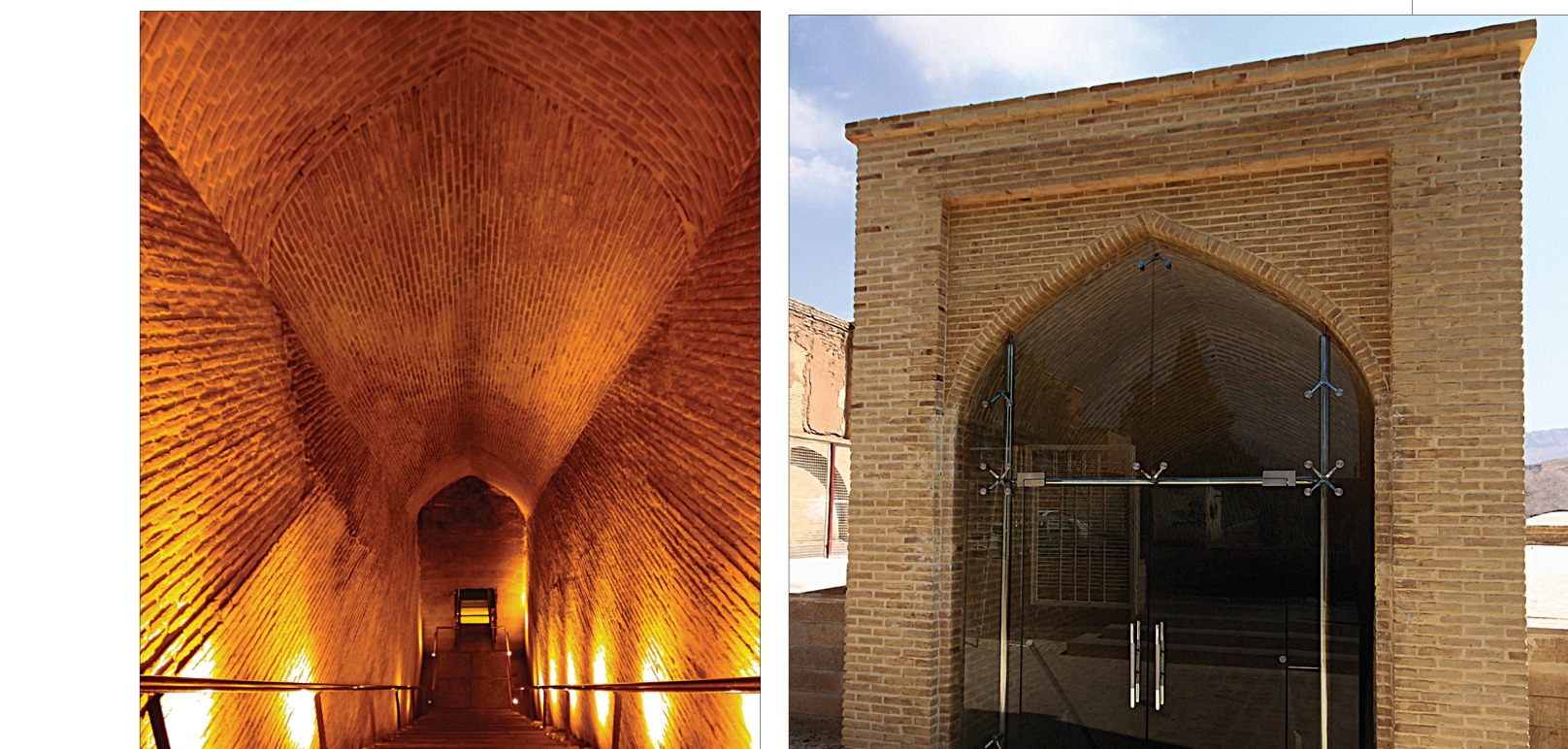
Nader Tehrani: It is important to distinguish between Scarpa's language and strategy. One can use his strategy without imitating his architectural language. The important point is that the designer of this project has understood that in restoration projects, maintaining the difference between old and new architecture is very important — not only to respect what is old and historical, but also to give importance to the new parts. If you look at it carefully, it is not a Scarpa project at all. It has different materials and technology and is most likely much cheaper.
Hadi Tehrani: Yes, it is not as passionate about elaborating details as Scarpa. It has given a perfectly appropriate response to the problem — not too much and not too little.
Nasrin Seraji: In my opinion, its strength lies precisely in the fact that it is not just pursuing excessive elaboration of details. It has given importance to space, which is why for me it is more reminiscent of Zumthor's work.
Gisue Hariri: It has a kind of continuity in architectural language that reminds me of Scarpa, and it is not only a matter of strategy. The metal details of the display cases and other parts are not as good as Scarpa's work, but overall it is a successful and beautiful project.
Mojgan Hariri: It is a very successful restoration and renovation that has simultaneously created a completely new space. The selection of photographs is also beautiful and successful compared to many projects. The project is clear and legible, and although it is completely Iranian, due to its high level, it could have been anywhere else.
Nader Tehrani: It is just a pity that they could not better conceal the lighting details. Demonstrating how to hide details is better than showing them openly.
