



An opening
In the ever-increasing process of new-form valuation, substantiality, context, materiality, and, in general, the material part of architecture was reduced, reaching its minimum; and a world of weightless, abstract forms was created — as in Gehry's works — reminding the works of modern painting's founders.
The priority of sight over the other senses
As Neil Leach once said, we live in an era where visual perception, being the most abstract feeling, assumed an importance far greater than any other human feelings. As a side-effect of this phenomenon, architects pay lesser attention to actual life and the need of the users. Architects impose a new life-style on their employers stemming only from formal requirements.
The elimination of architectural elements
Another problem is the elimination of architectural elements in favour of a kind of complicated and integrated space, where there is no differentiation between floors, ceilings, walls, doors, windows, storeys and connecting systems. Architecture exhibits problems rather than providing a solution thereto.
When forms become architectural elements
When forms have come to take the place of architectural elements, the human mind, in a way, returns to the time before the perception of space — continuously meeting images that bear the names of buildings, but lack those simple, recognisable signs that, in the past, made architecture readable as a play of clear parts and clear uses.
The Virtual Guggenheim, Asymptote
The Virtual Guggenheim Museum, 1999-2002: a striking example of this approach, in which the body of the building is wholly cut off from physical experience, and the museum-space enters a purely virtual ground.
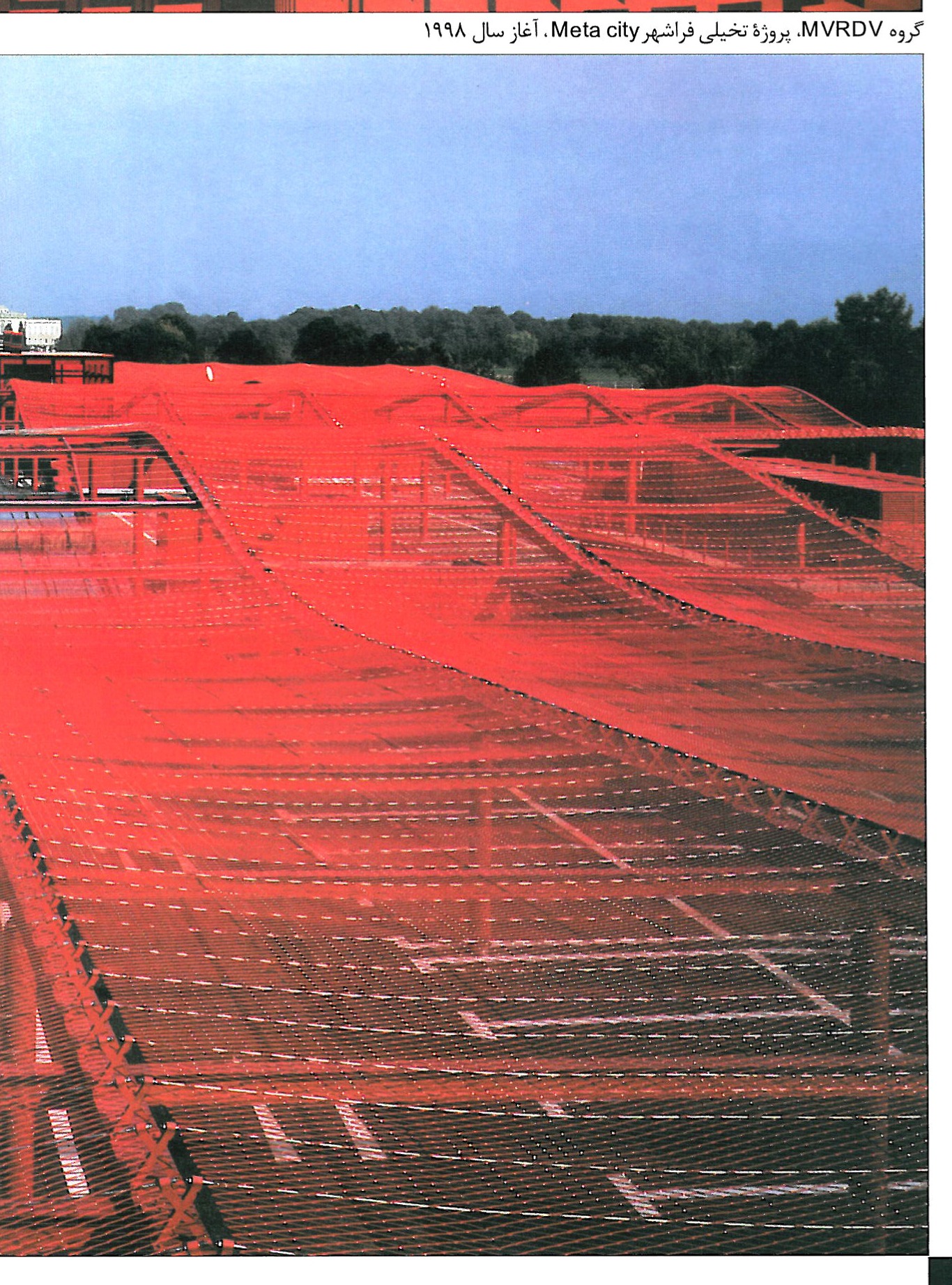
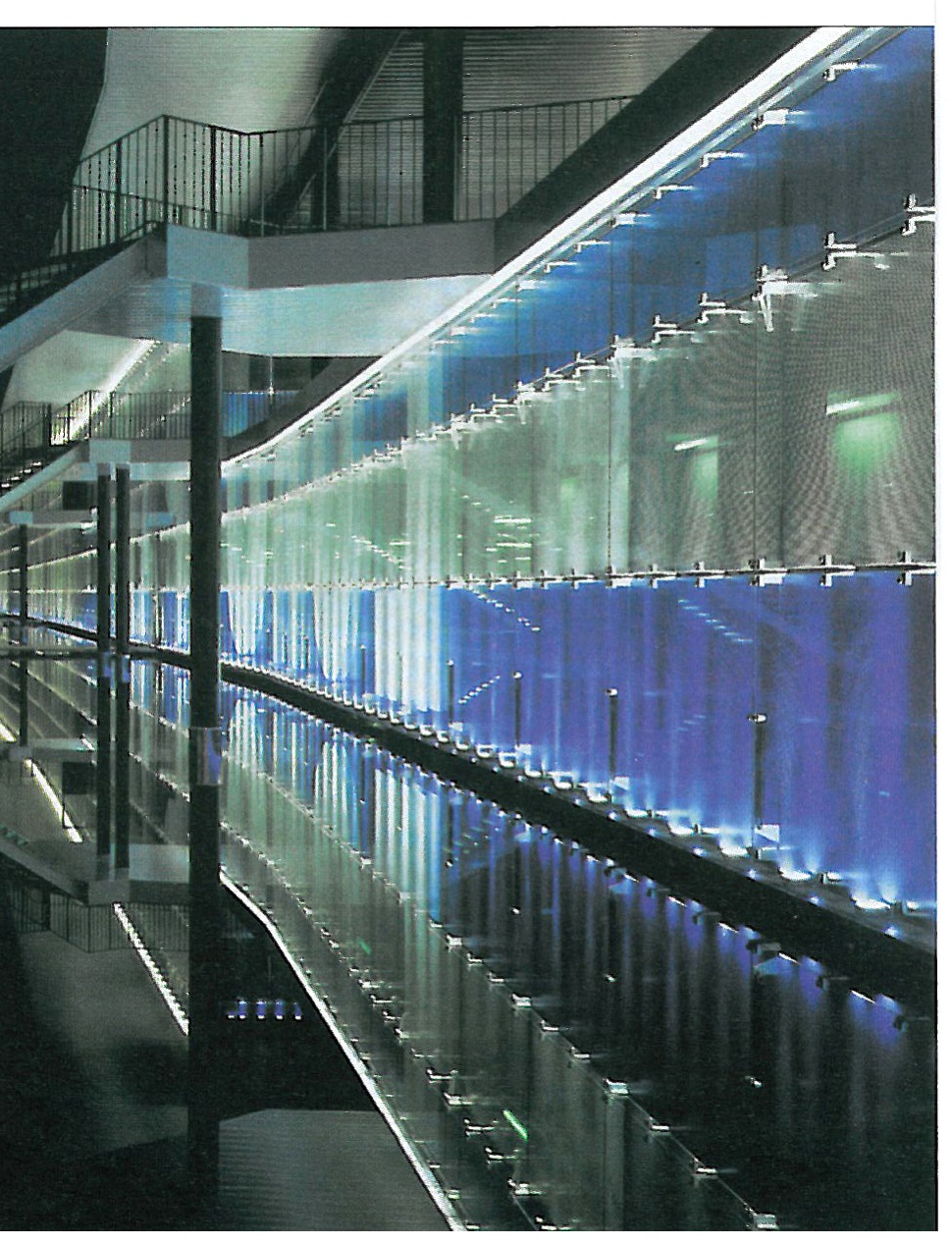
The Asymptote group, Virtual Trading Floor for the New York Stock Exchange, 1998-99: another instance of the approach, in which the working space is moved into virtual space.
Toyo Ito
Toyo Ito, Nagaoka Music Hall, 1993: the curving and fluid volume of the building shows architecture's distance from simple geometric volumes.
Frank Gehry, Experience Music Project
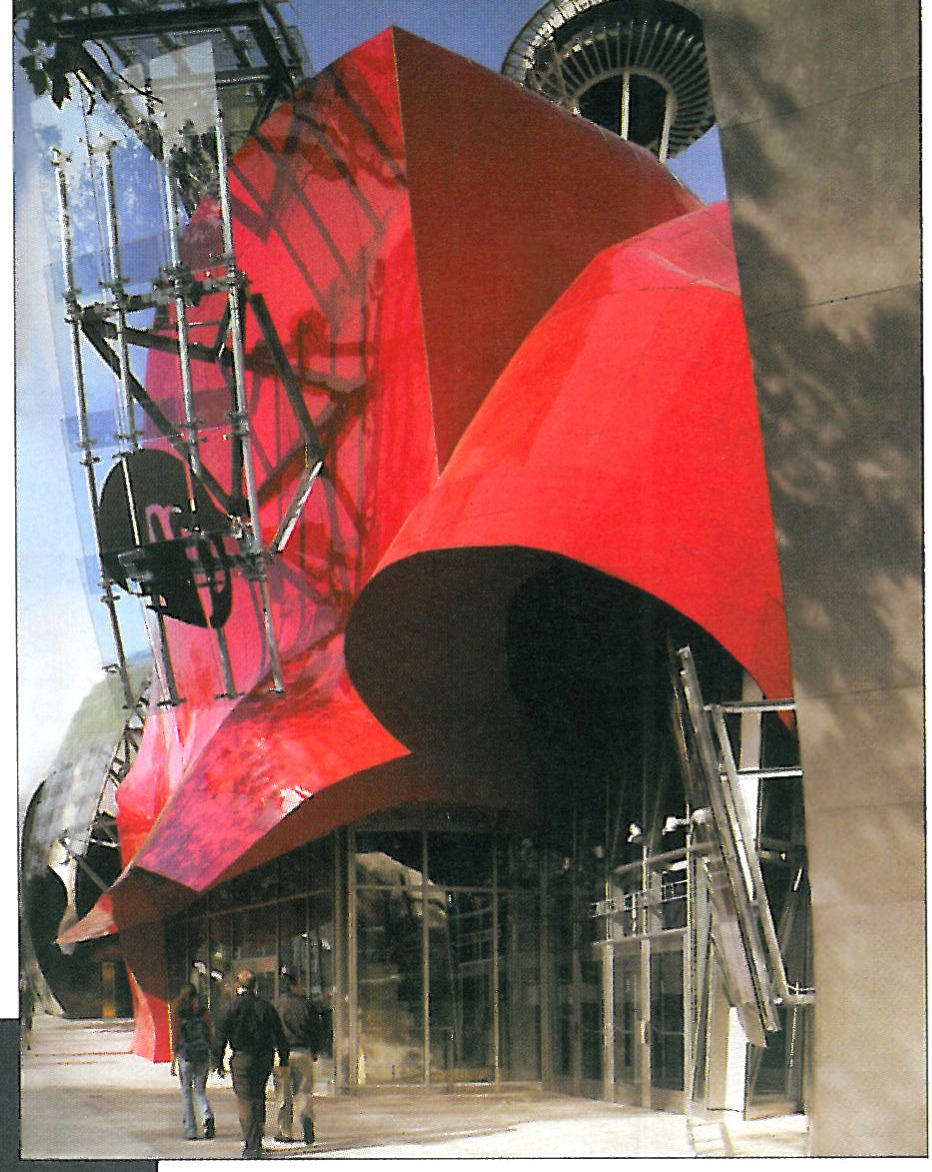
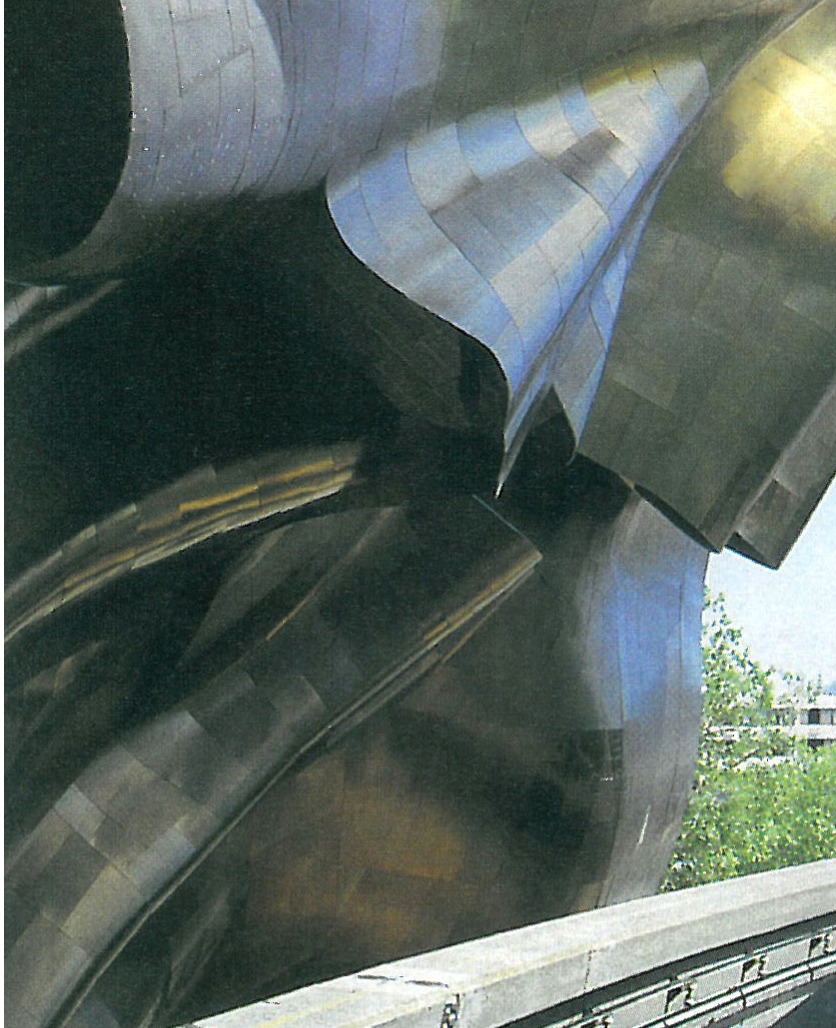
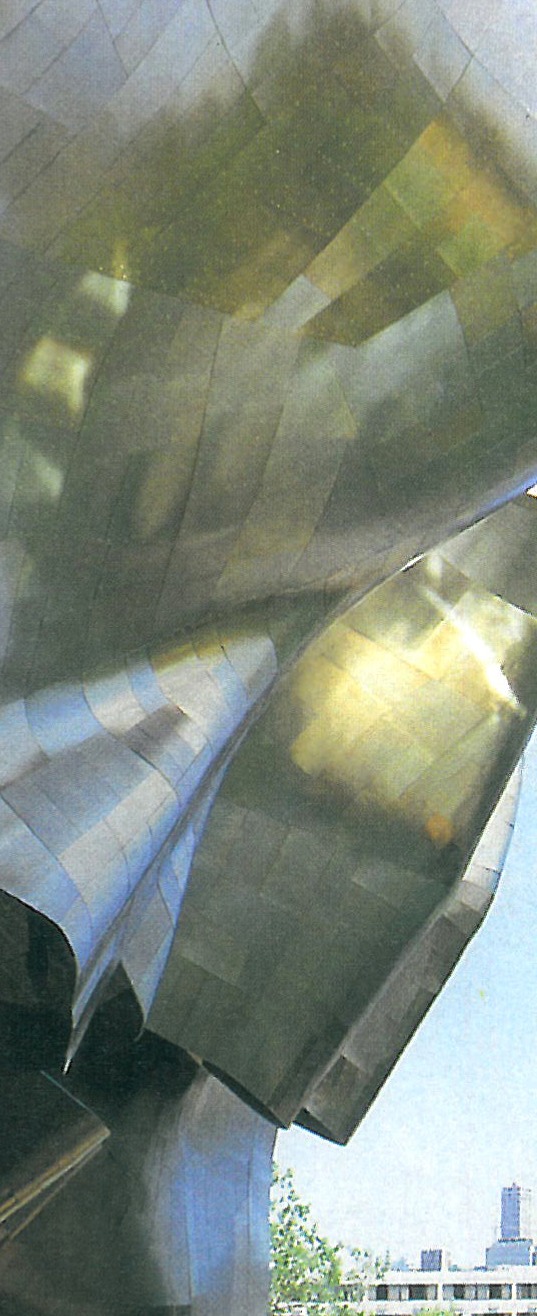
Frank Gehry, Experience Music Project, Seattle, Washington, 1995-2000: a striking example of this approach — a complex volume in titanium cladding, lacking known architectural elements, which itself resembles a modern painting. The building weaves itself into the music-clamour of the city of Seattle, entertaining its visitors and at the same time marking a kind of architectural disorder.
Video art, liquid-crystal technology, the laser
Video art, and the entry of liquid-crystal technology, the laser, and computer image-making into the field of architecture, have, in some leading works, gradually filled the place of form with various and unstable images. Although these experiments are attractive and instructive, there are difficulties that we shall, sooner or later, meet.
Modern aesthetics has emptied the true values of architecture from culture and tradition, and does not include in its calculations man's emotional reactions, which arise from familiar experiences and the inheritance of the past — as if these reactions were obsolete for present-day man, while in fact they are older than the twenty- or thirty-thousand-year civilisation of mankind, going back to the depths of our hundreds-of-thousands-of-years animal forebears.
Koolhaas in Karlsruhe
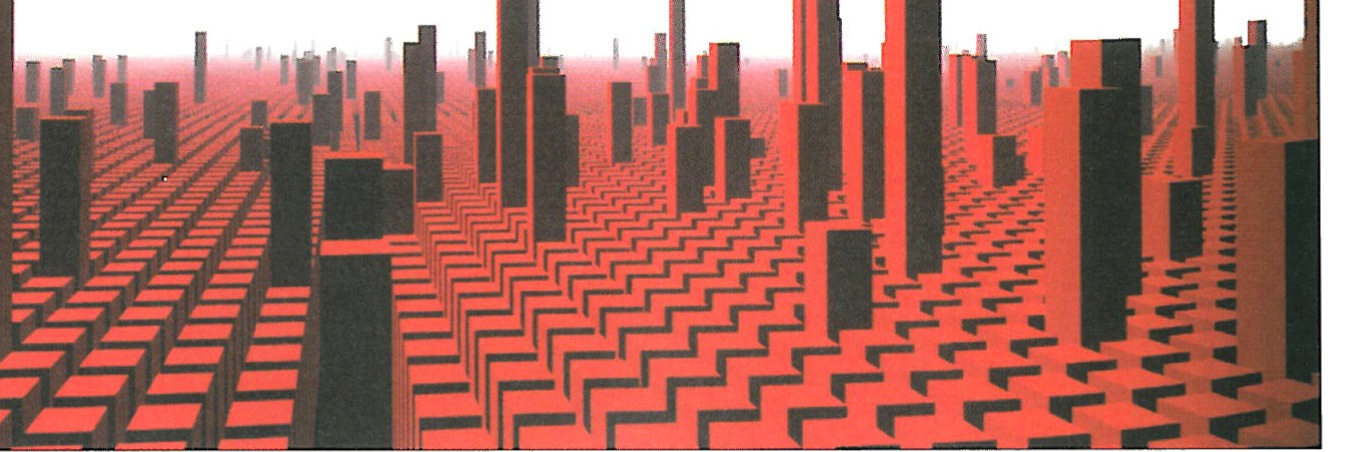
Koolhaas has designed an exhibition in Karlsruhe in which the images of various arts are combined with one another, and, by drawing on the possibilities of the computer in the body of virtual space and the transient images that take the place of known architectural elements, he stages a report of architecture's increasing turning-away from itself, toward the image.
Libeskind, Felix Nussbaum Haus
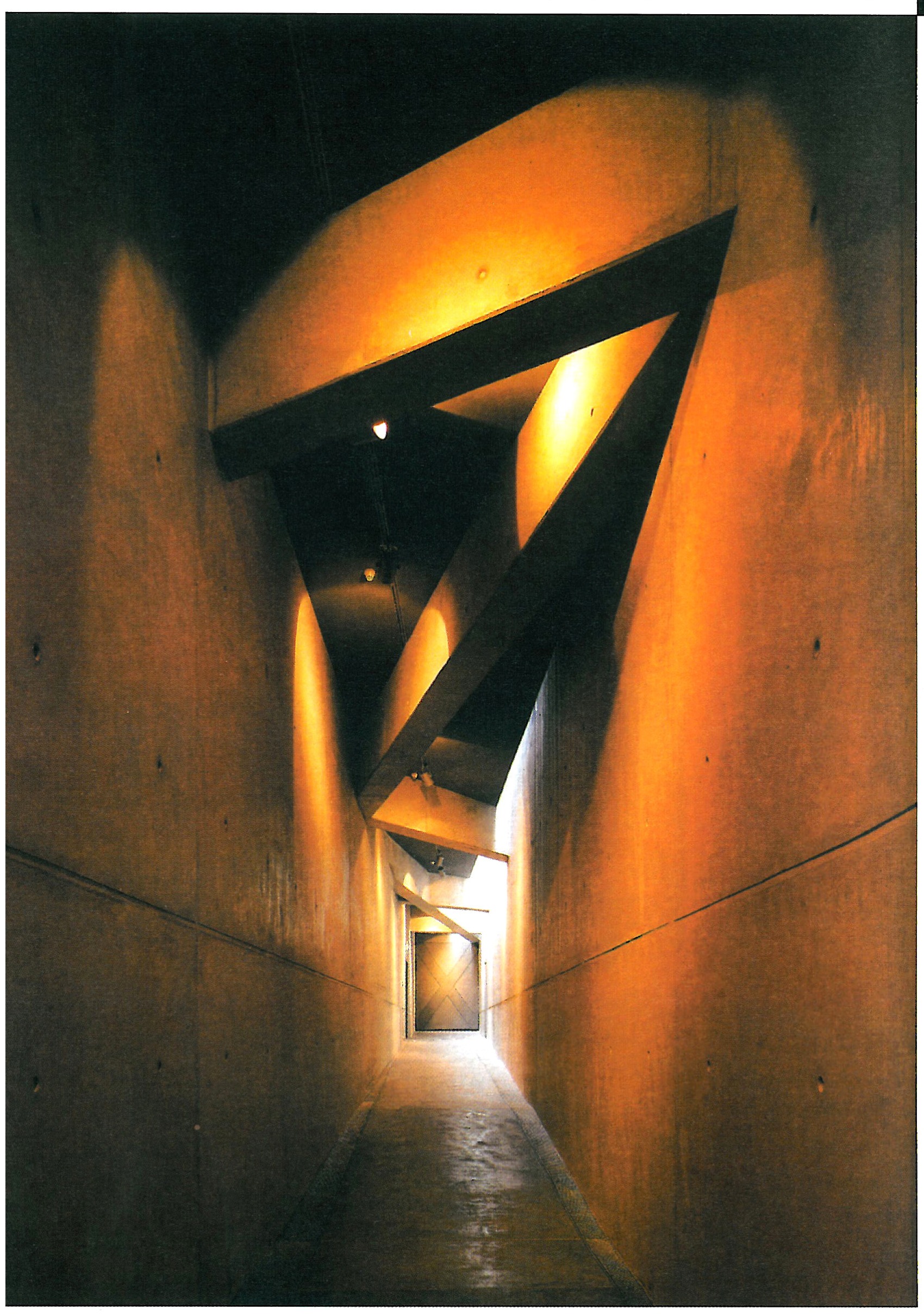
Daniel Libeskind, in his Felix Nussbaum Haus in Osnabrück, Germany, has made a slim, compact volume, with indirect light and a singular space. This scheme, even as it distances itself from the language of modernism, displays the power of bringing the complexity of the human soul and historical sufferings into architectural space.
Silent Avant-garde
As Puglisi (Luigi Prestinenza Puglisi) writes in the book Silent Avant-garde: 'The complex world of the practical master, of research activity, becomes ever more layered. This research activity takes a fresh form, a fresh meaning, and a fresh extension every day. The links between architecture, technology, and project are cut from the familiar chain of the past.'
These silent pioneers, in the basement of the official referent of architecture in the world, lay the foundations of the building of the concepts and tastes of the future — not on behalf of the architecture of the past, but on behalf of its abduction.
Footnote: following this discussion, in a series of articles in coming issues, drawing on the history of their development, the causes bringing them about, the techniques and concepts of architecture, the architectural elements (door, window, storey, floor, ceiling, connecting systems) will be reviewed.