In this article the writer makes the point that the high artistic quality of architecture in Austria in the 'pre-modern' period, the 'early modern' period, and also specially in the second half of the 20th century is not achieved just by the efforts of a few well-known architects. On the contrary a great number of architects and specialists have participated in doing so. But since this brief writing tends not only to introduce architects, but also to take a glimpse on the most well known theories and trends of Austrian architecture as well, it has to point out only the highest points of this artistic trail. The writer then discusses the Austrian architecture of the 20th century by dividing its line of evolution into seven periods, pointing out the remarkable events, characters and viewpoints of each one.
A glance at the modern architecture of a country such as Austria, with its experienced architects and prominent theorists, and to summarise it in a few pages is no easy task. The history of this country's architecture — in the 'pre-modern', the 'early-modern' and especially the second half of the past century — has been rich at the international as well as the national level. What we recall is the fruit of the work of a wide community. But because we wish here not only to introduce Austria's architects and their works on this soil, but also to glance at the dominant theories and views of its currents, we are obliged to confine ourselves to the highest peaks of this artistic trail.
1. The start of the twentieth century — pre-modern new thoughts
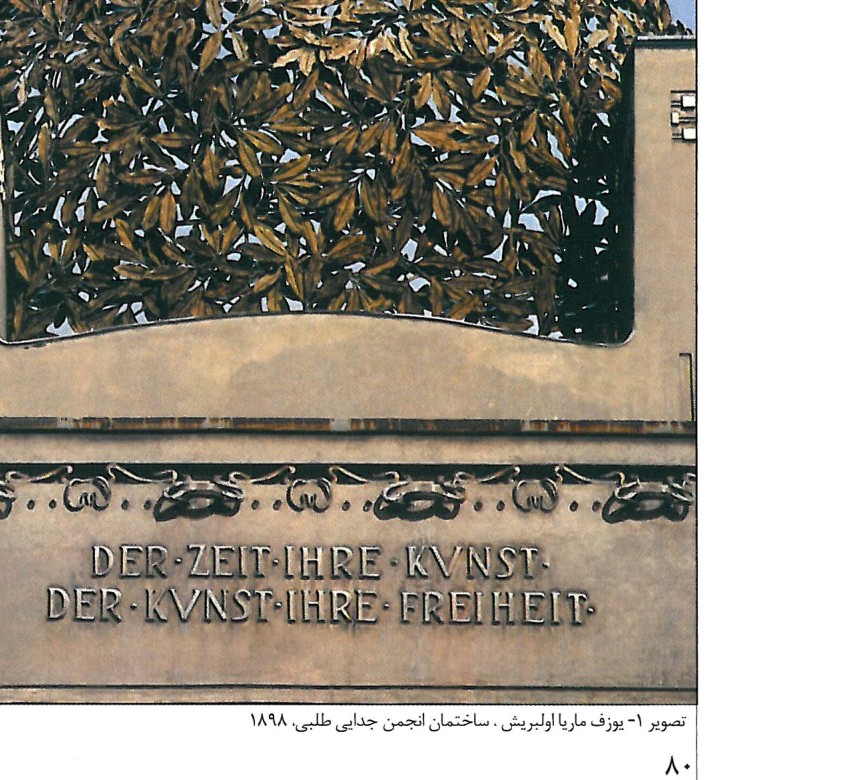
'Die Zeit ihre Kunst — Der Kunst ihre Freiheit' ('To our time its art, to art its freedom') was the sentence inscribed above the doorway of the Secession (Sezession) building, expressing the programme and aim of Austrian modern architecture at the beginning of the twentieth century. In 1897, a number of young and prominent artists left the Vienna Artists' Union and founded a separate association under the name Secession.
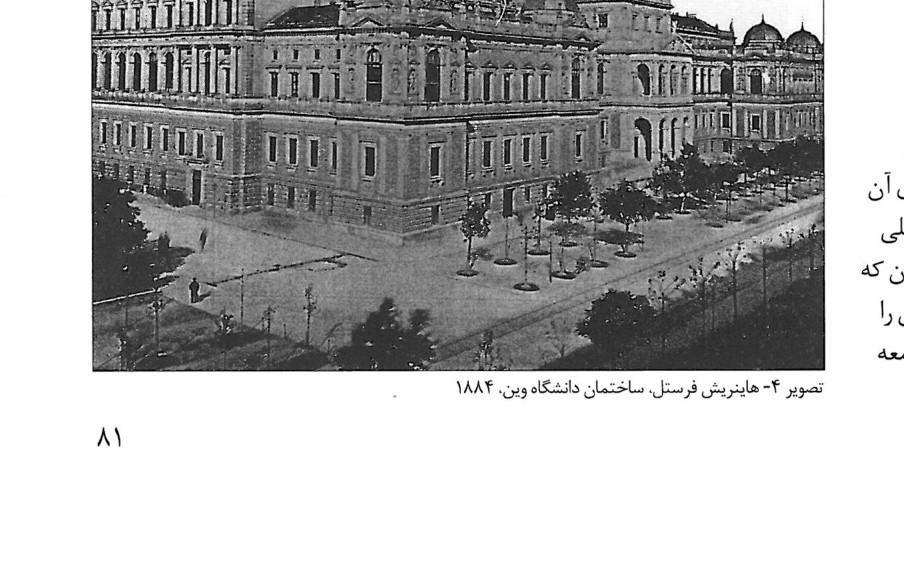
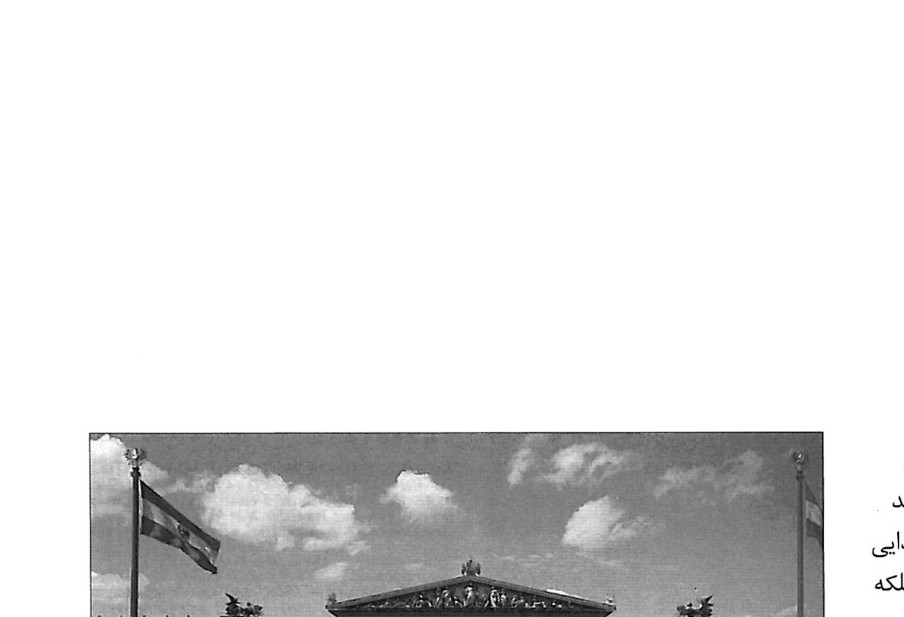
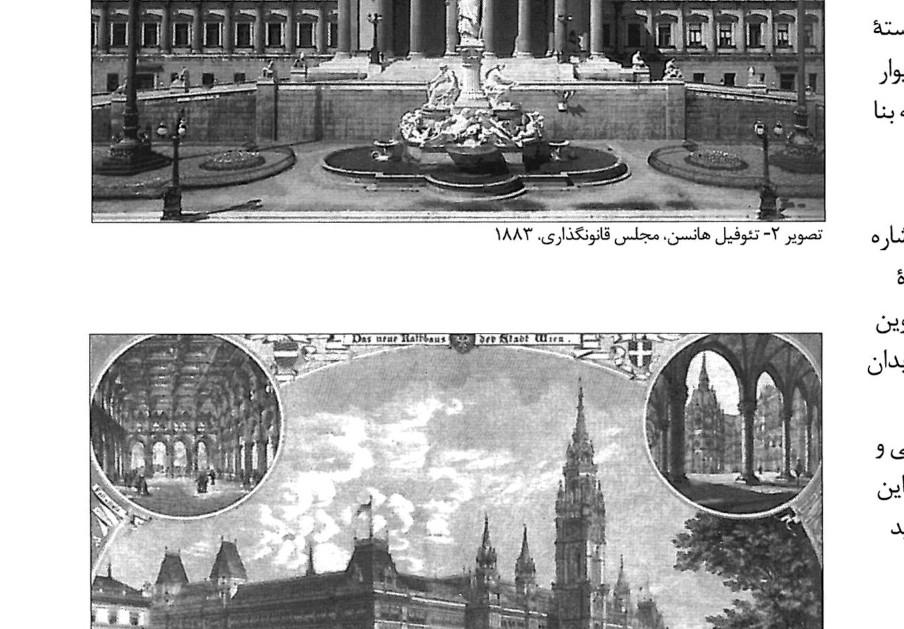
The members of this nascent association, led by Gustav Klimt, held that the Vienna Artists' Union was too bound to the past to produce a new art that could meet the requirements of the new age. Their separation amounted to a doctrinal and artistic break from the existing solutions — in particular from the dominant Vienna style of the second half of the nineteenth century, namely Historicism. From 1857 onward, the demolition of the city's main core and walls had been undertaken, and the Ring, like a ring road, took the place of the old wall. Beside it, buildings were erected with façades drawn from past architectures: the Parliament Building (1883) by Theophil Hansen, inspired by ancient Athens; the City Hall (1885) by Friedrich Schmidt in Gothic; and the University of Vienna (1884) by Heinrich Ferstel in Renaissance.
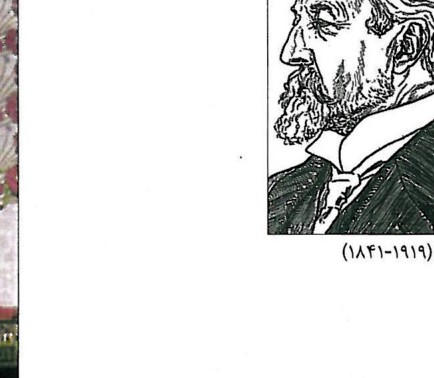
With its slogan 'To our time its art', the Secession in fact drew a line through Historicist thought in architecture. Otto Wagner, who had himself worked for some years in Historicism and joined the association in 1899, wrote in his 1895 book Moderne Architektur: 'This kind of architecture is mere fraud, and it seems they wish to convince the people that they have been exiled to a precious city.' Wagner held: 'From now on, Historicism can be used only as a basis for today's efforts. The fundamental changes are so great that we cannot speak of a revival or a Renaissance, but rather of a fresh birth — a Naissance — that will issue from this current.'
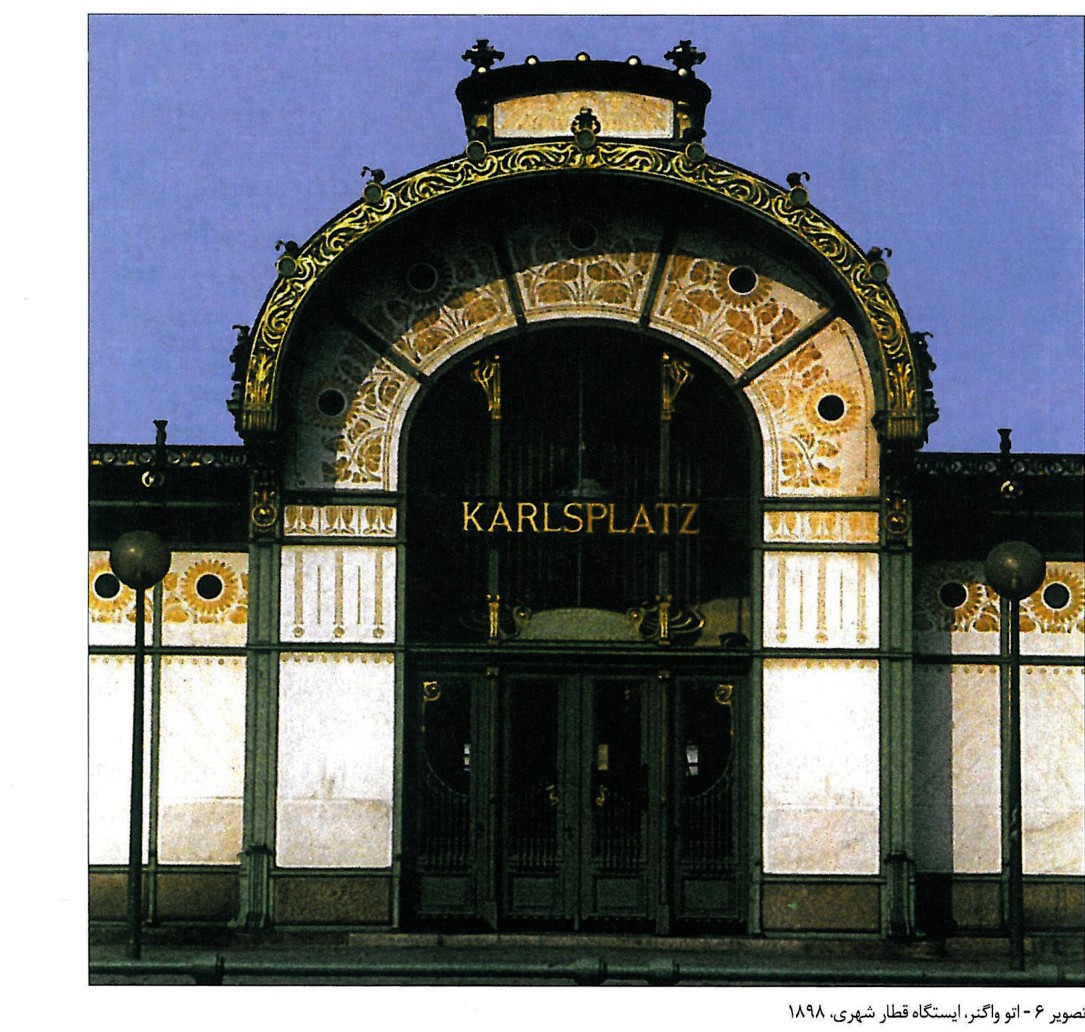
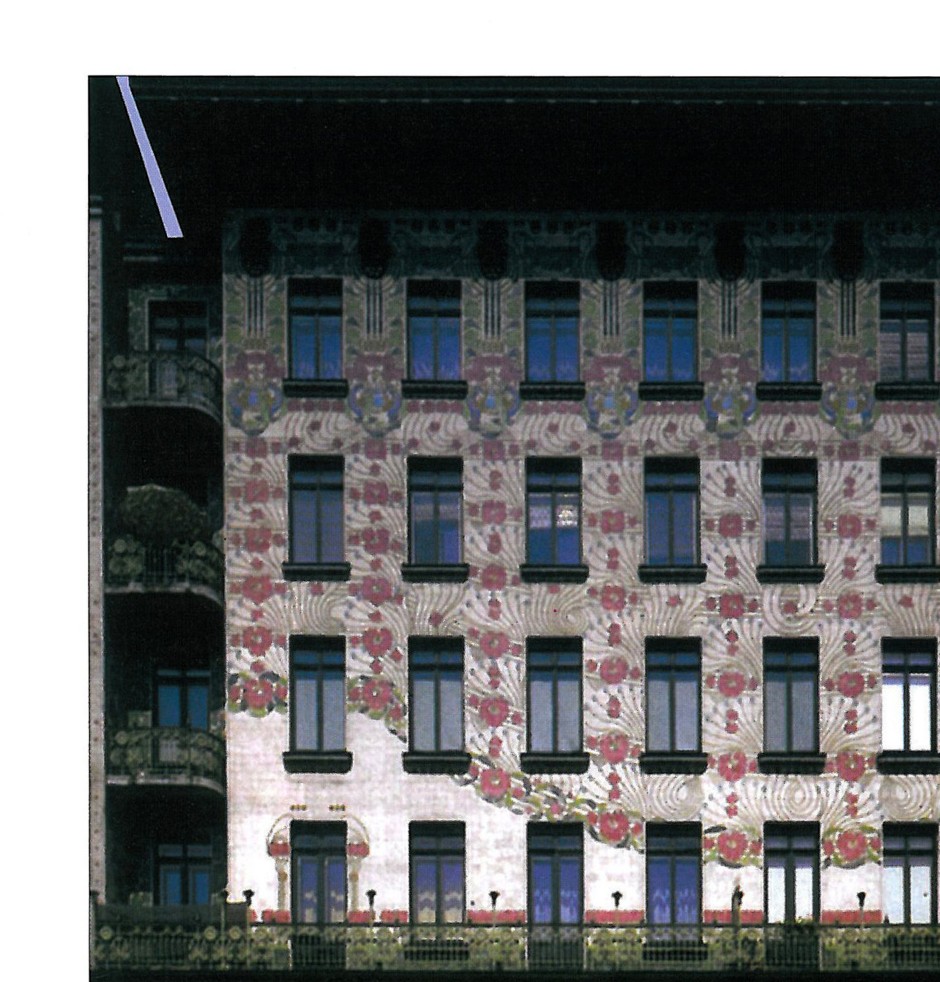
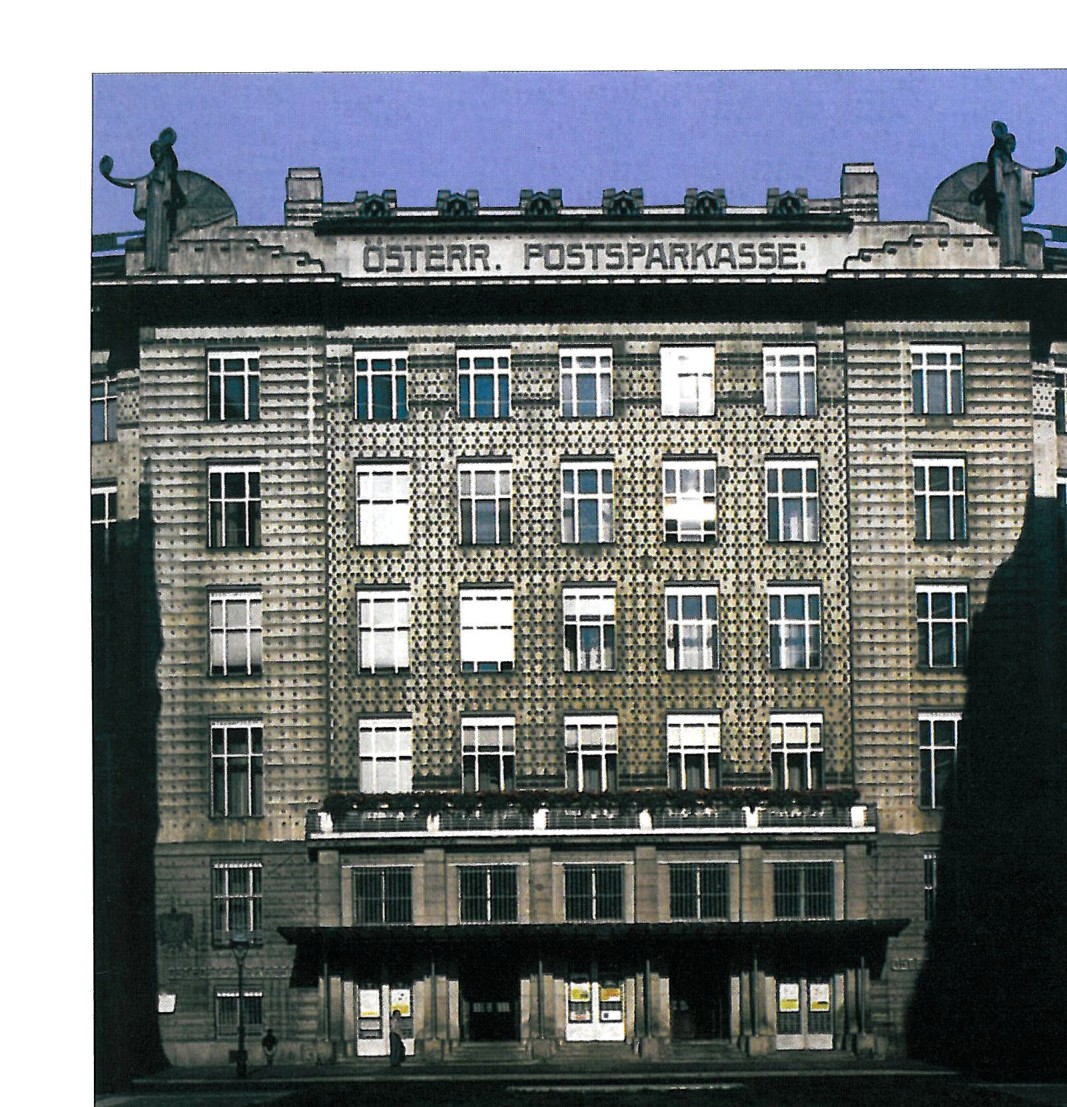
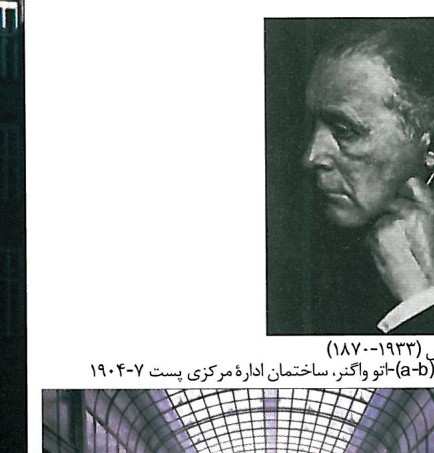
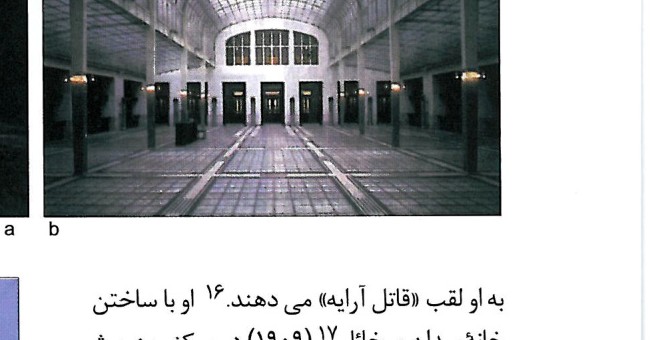
Wagner laid out his architectural theories at the Majolika House (1898-99) in Vienna. None of its storeys or units enjoyed any particular hierarchy over the others; only the third-floor balcony marked the principal storey, recalling his earlier Historicist work. The façade, faced with majolica tiles, showed a uniform composition of vertical and horizontal axes. The Stadtbahn stations (1898) and the central Postal Savings Bank (Postsparkasse, 1904-07) precisely embodied Wagner's commitment to Jugendstil. In the first decade of the twentieth century, with the mass-industrial production of goods on the Jugendstil model, the use of ornament was put in question among artists, and the use of decoration came to be regarded as the enemy of modern architecture.
2. The first decades of the twentieth century — Adolf Loos and the first steps toward Modernism
The Austrian architect who, from 1898 onwards, in the framework of his functionalist convictions, profoundly avoided ornament — whether of the old kind (Historicism) or of the new kind (Jugendstil) — was Adolf Loos. His opposition to ornament was such that he was given the title 'killer of ornament'. By building the Looshaus on Michaelerplatz (1909) at the centre of Vienna he became the pioneer of Austrian modern architecture.
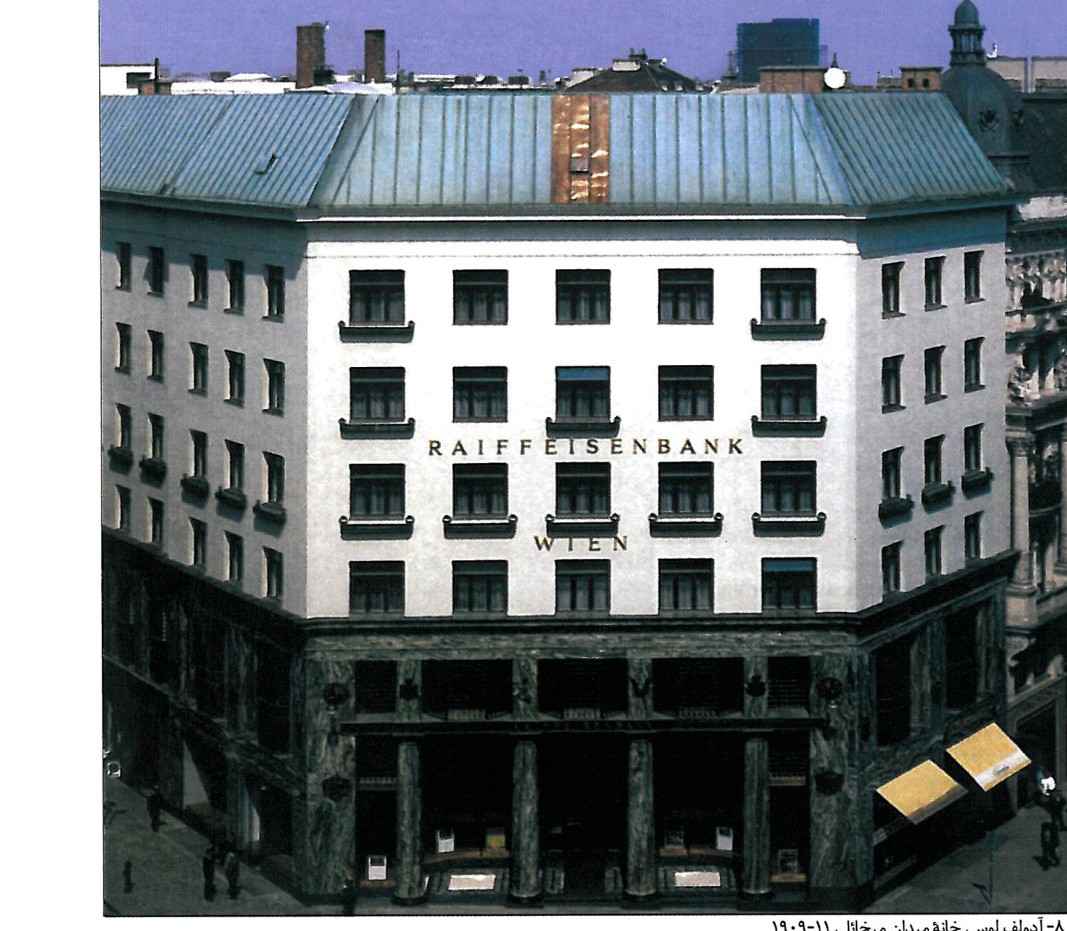
Loos held: 'Modern man, with modern nerves, not only does not need ornament, he detests it. All the things we count as modern are without ornament.' His six-storey building at the centre of Vienna consisted of two horizontal parts: two retail floors below, with a façade of figured marble, and four upper floors clad in a very plain stucco. On its completion the building was so plain that the Vienna municipality held a competition to bring its façade into harmony with the city's general aspect, in which window-boxes were finally approved and the building saved from demolition.
3. The 1920s and 1930s — international social and architectural projects
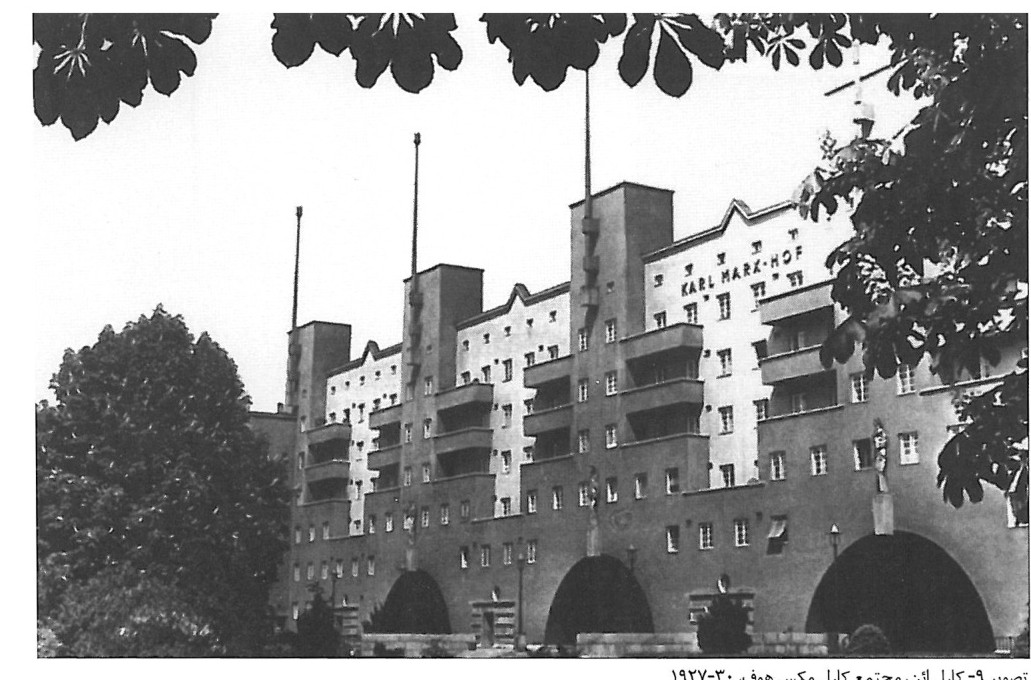
From the assassination of the Austrian crown prince in Serbia and the start of the First World War in 1914 until the end of the war, no particular new movement took place in Austrian architecture. After the First World War, with the establishment of the First Republic and the housing crisis brought on by poor economic conditions, the Social-Democratic Austrian government turned special attention to building housing for the poorer classes. From 1923 to 1933, in Vienna alone, more than sixty thousand housing units were built. Most of these units were concentrated in vast residential complexes; one of the most famous, Karl-Marx-Hof (1927-30) by Karl Ehn, comprised 1,400 housing units, a kindergarten, a school and shops within the complex. The expressive composition, with massive bodies and large gates onto interior courtyards, was destined for the working class; the units were mostly two- or three-room flats with kitchen, bathroom and lavatory.
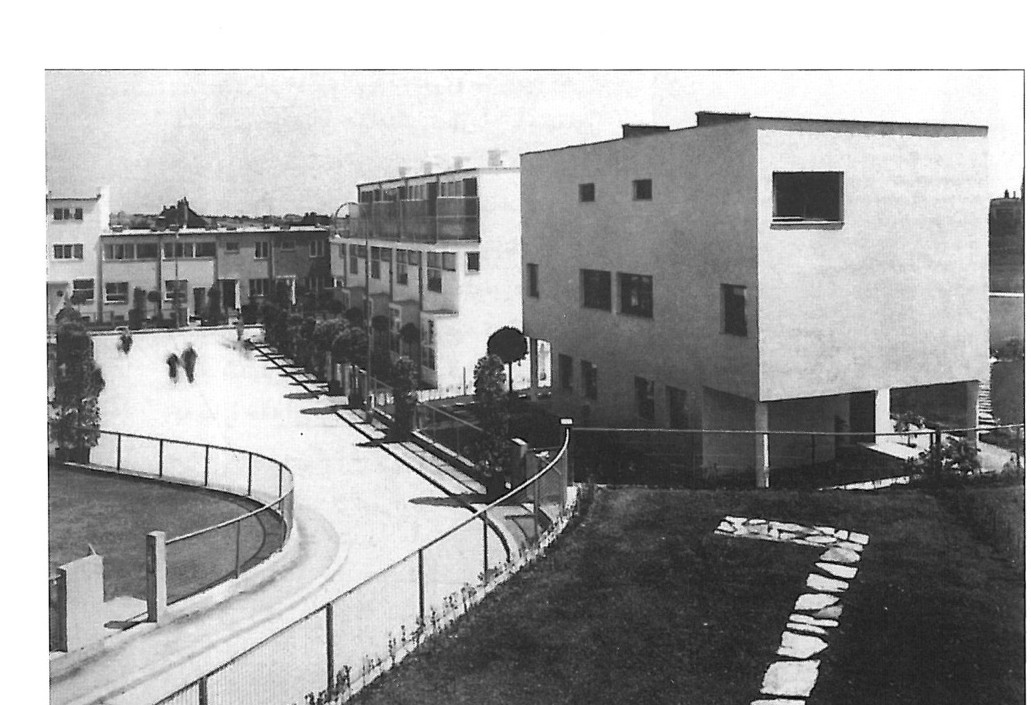
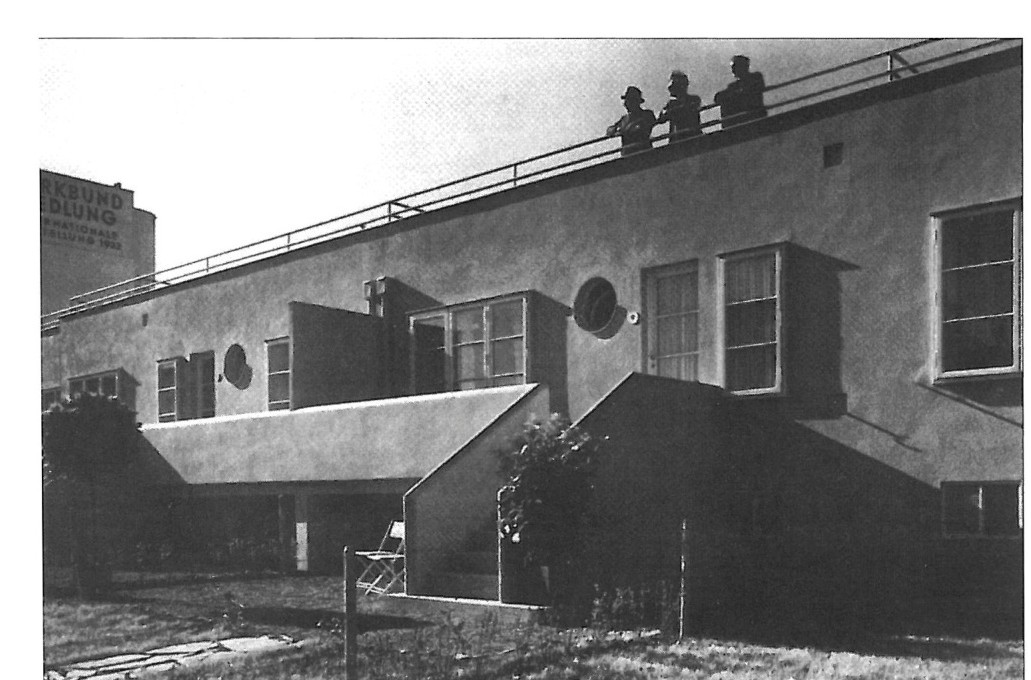
Alongside these state projects, in the 1920s and 1930s, with the growth of the International Style, much work inspired by it was carried out in Austria. Among the prominent figures of this style are Josef Frank, Josef Hoffmann and Oskar Strnad. One of the best-known projects of the period was the Werkbund Siedlung in Vienna (1930-31), led by Frank, in which more than thirty international architects built seventy houses. Le Corbusier, Henri Sauvage, Oskar Strnad, Peter Behrens, Adolf Loos, Josef Hoffmann, Gabriel Gorgian and many others took part.
4. The 1940s and 1950s — the stagnation of architecture
After the annexation of Austrian soil into Germany under the Third Reich in 1938, and through the hard years of the Second World War, no notable movement took place in Austrian architecture, and many of its cities suffered damage. Austria's leading architects in this period were forced to leave the country, and a number of them never returned. After the war, the country fell to Allied occupation and was divided into four military zones. Artistic activity in this period remained stagnant. With the country's independence in 1955 and the establishment of the Second Republic, the decision was made to rebuild; however, owing to the professional weakness of the architects in place, even the framing of a temporary functional and social programme for architecture and urbanism was not possible. In Vienna, between the post-war years and the 1960s, more than twenty thousand buildings were rebuilt or restored, of which only a very few succeeded in attracting critical attention.
5. The 1960s — the revival of architecture
In this decade, two currents grew in parallel: one which followed Modern Classic and was led by experienced Austrian architects such as Roland Rainer and Karl Schwanzer; and another, the work of a younger generation, the 'Arbeitsgruppe 4', which sought to extend the conception of architecture from a critical viewpoint.
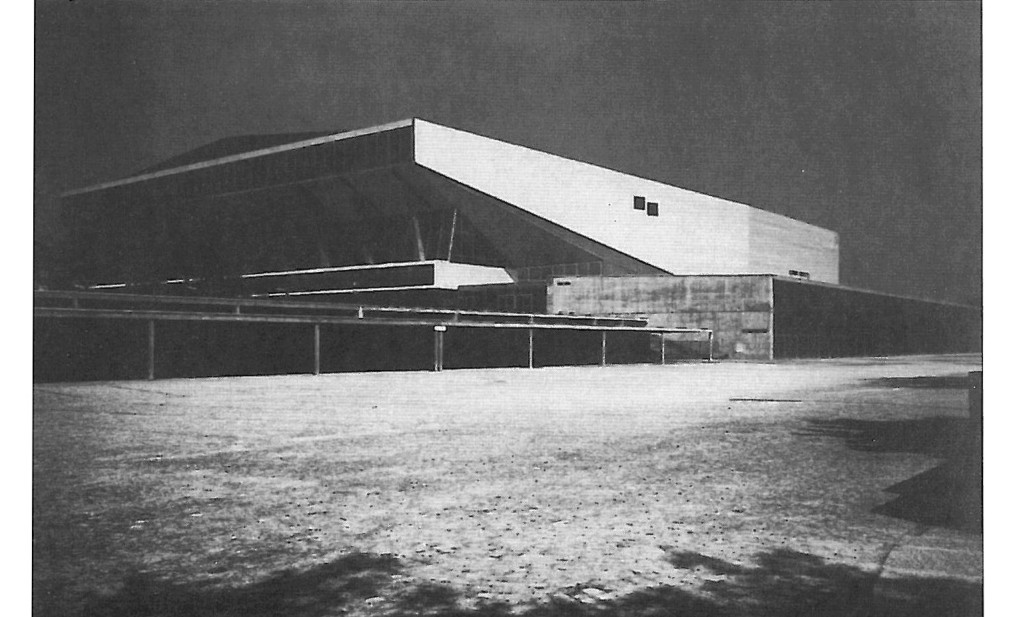
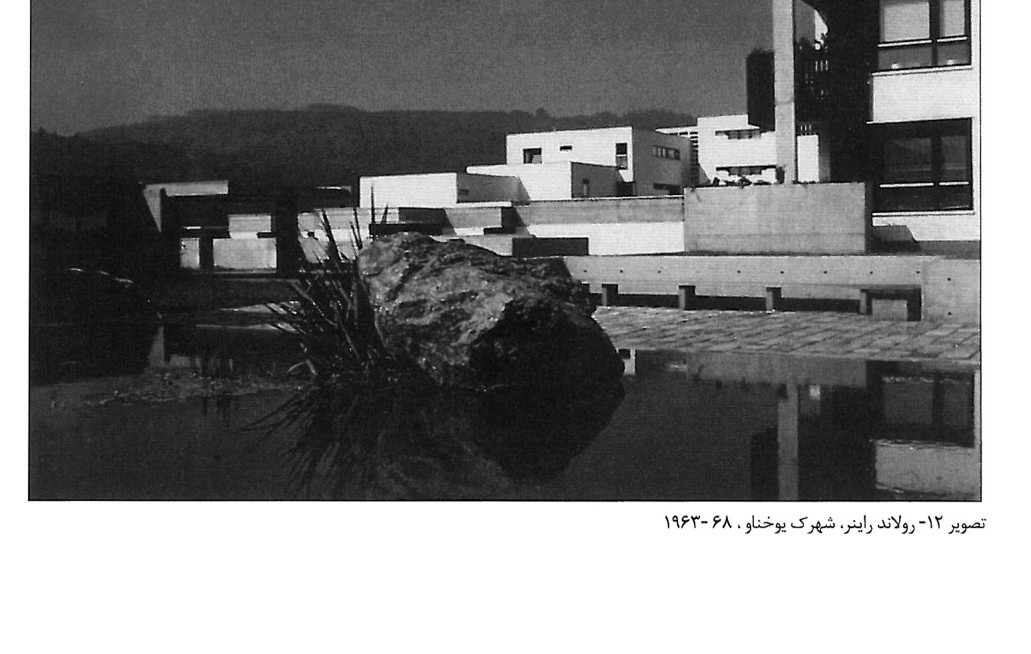
Roland Rainer — architect, university teacher and writer — was the first Austrian artist after the Second World War to put forward, from the late 1950s, both a theory and a practice of architecture. He sought to build a spiritual relation with the architecture of the 1930s and consolidate its theoretical position in his own time. While holding to the functional convictions of Adolf Loos, Rainer believed: 'Functional equipment is the complement of functional buildings.' His best-known work, the Vienna Stadthalle (1955-58), is a multi-purpose public complex of exhibition and sports halls. Among his other famous works in Austria is the Puchenau garden city (1963-68), in which the influence of Loos's theories is plainly visible.
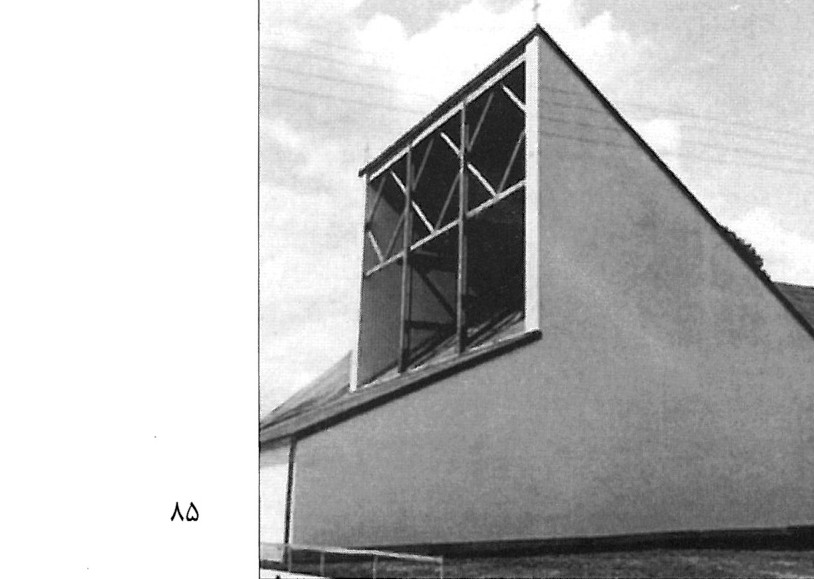
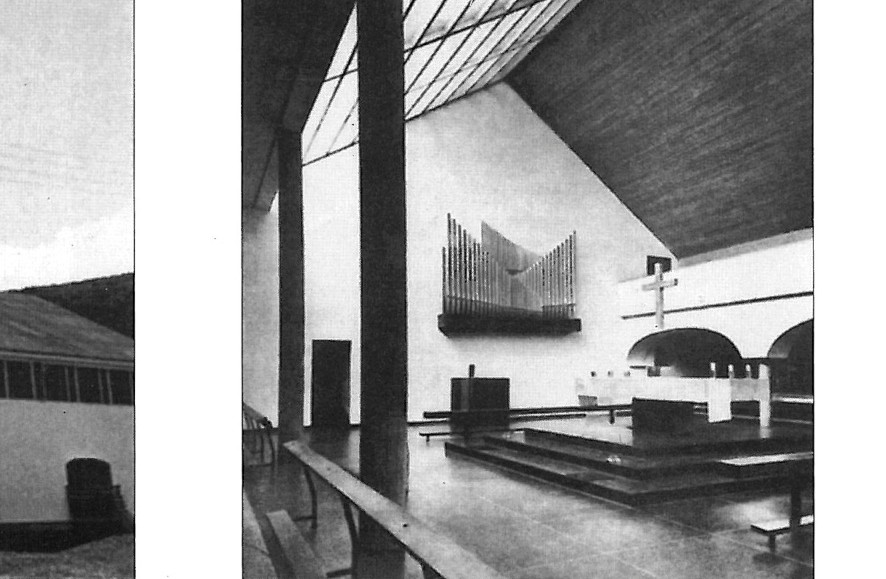
In 1950 three young Austrian architects — Wilhelm Holzbauer, Friedrich Kurrent and Johannes Spalt — formed 'Arbeitsgruppe 4'. All from Clemens Holzmeister's school, their aim was to enter into relation with international architecture while preserving an artistic relation with Austrian architecture of the late nineteenth and early twentieth century. Their first realised work was the Parsch Church (1952) in Salzburg; they turned a rural house, with the simplest possible means and without essential changes to its built form, into a place of worship, and by adding a tall glass wall created a luminous sanctuary. In 1966 Wilhelm Holzbauer left Group 4 and went to the United States.
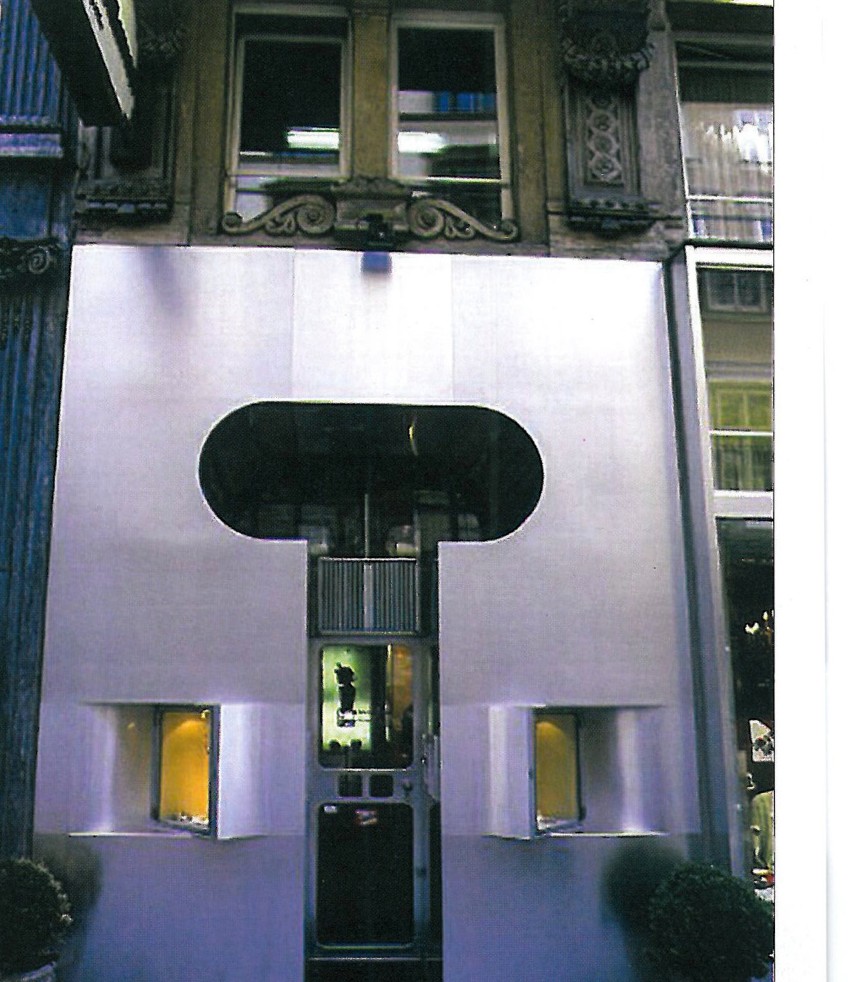
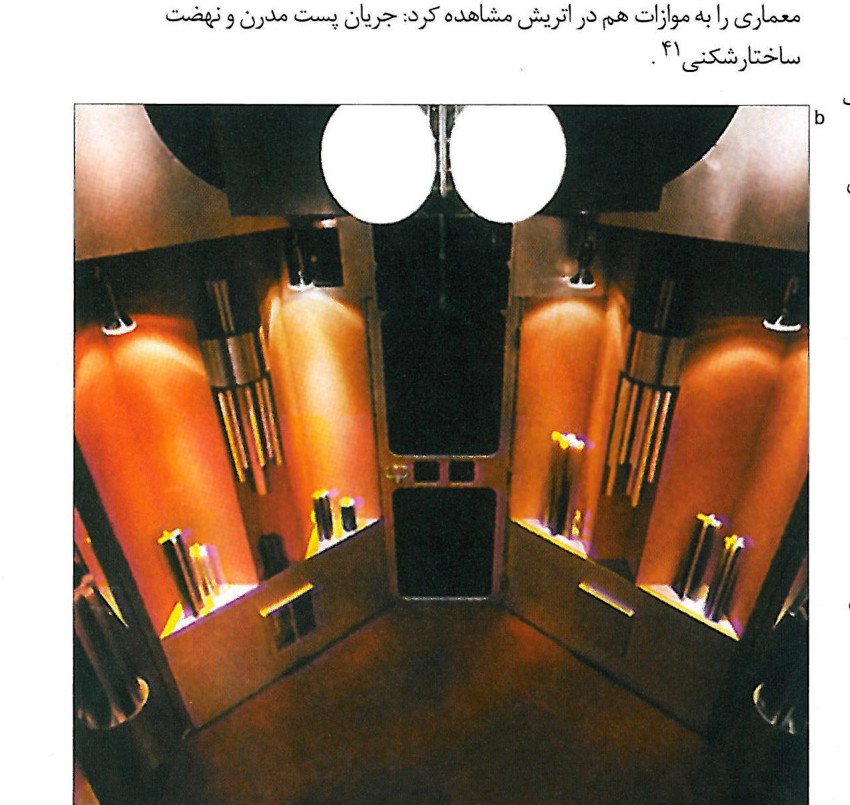
While Austrian architects were searching for a new path within modern architecture, Hans Hollein took a different road with the Retti candle shop (1964). With this design he broke the traditional mould of retail-shop design. Combining traditional building materials with the most modern, he made a simple cube glow like a jewel; instead of a direct relation between shop and street, he forced the buyer to pass through a narrow corridor to reach the interior. The work has its place in the history of architecture as a pioneering one, since on the one hand it set up a fresh relation with early modern Vienna — especially the works of Jugendstil and Loos — and on the other showed a wholly different artistic stance toward the past.
6. The 1970s and 1980s — return to the international scene
After a thirty-year pause, from the late 1960s onwards Austrian architecture returned to the international stage. The theoretical and practical movement of architects in this decade and afterwards has gained a particular place in the history of European modern architecture. From the 1970s onwards two parallel currents can be observed in Austria: postmodernism and Deconstruction.
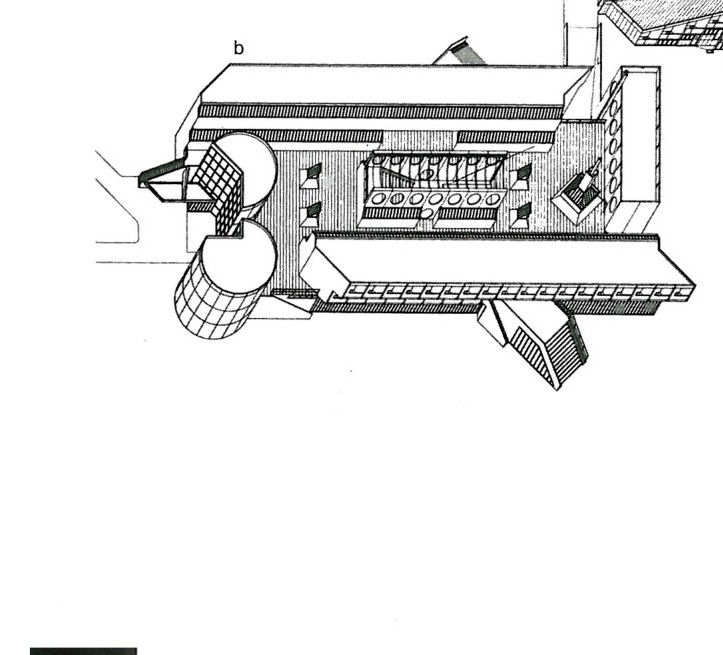
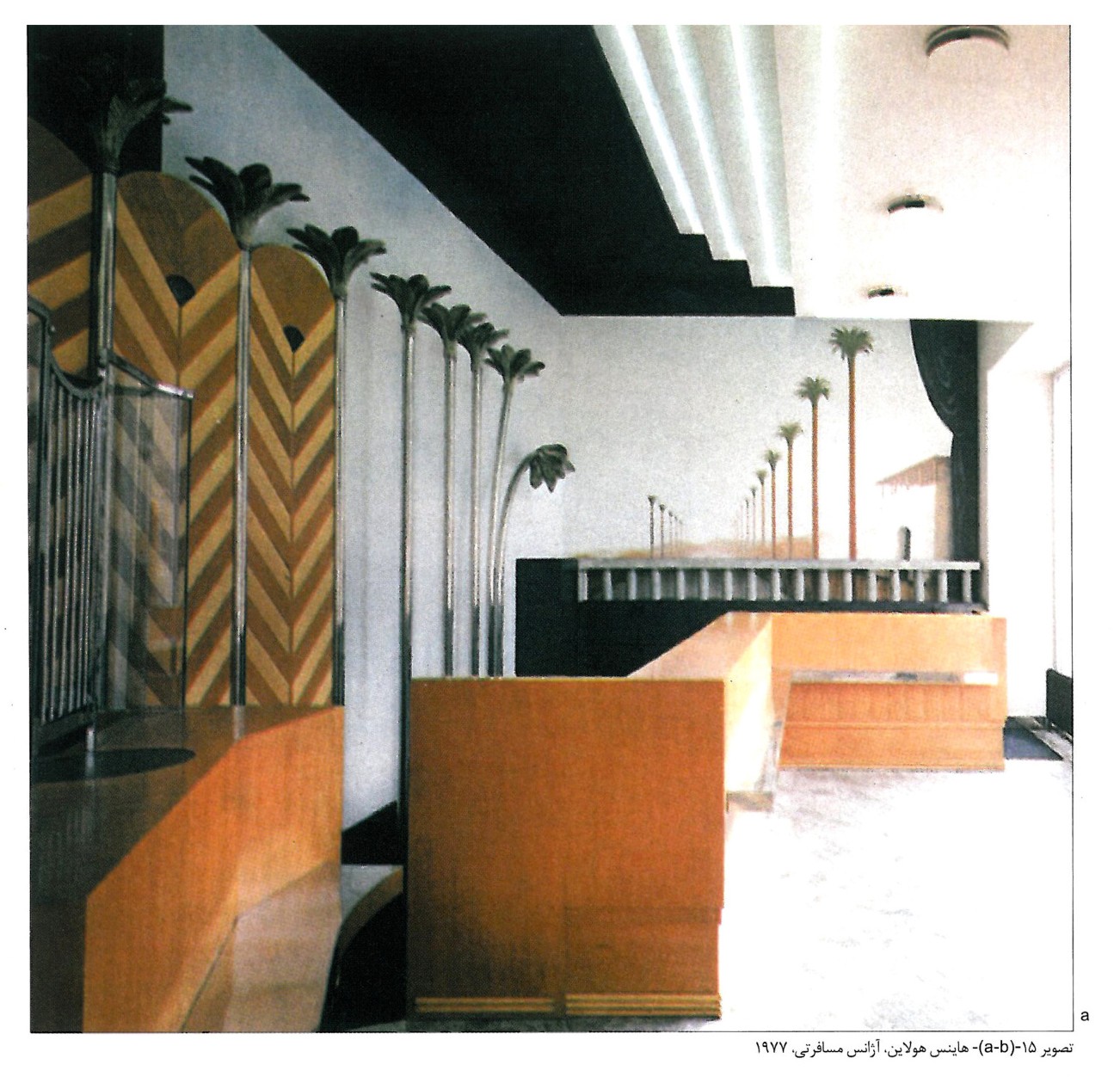
Hollein, with small but striking works, had won a notable place in the postmodern style. He himself, in interviews and writings, expressed his opposition to what he called 'being placed in the postmodern drawer'. Among his works one may point to the design of an Austrian travel agency in Vienna (1977). With a pavilion, palms and patterned walls he set the place out like a stage so that the visitor would feel a traveller from the moment of entry. In 1966 Hollein wrote: 'The real architecture of our time seeks not only to redefine its existence but to extend the range of its possibilities.' He then offered his most famous sentence: 'All are architects. Everything is architecture.'
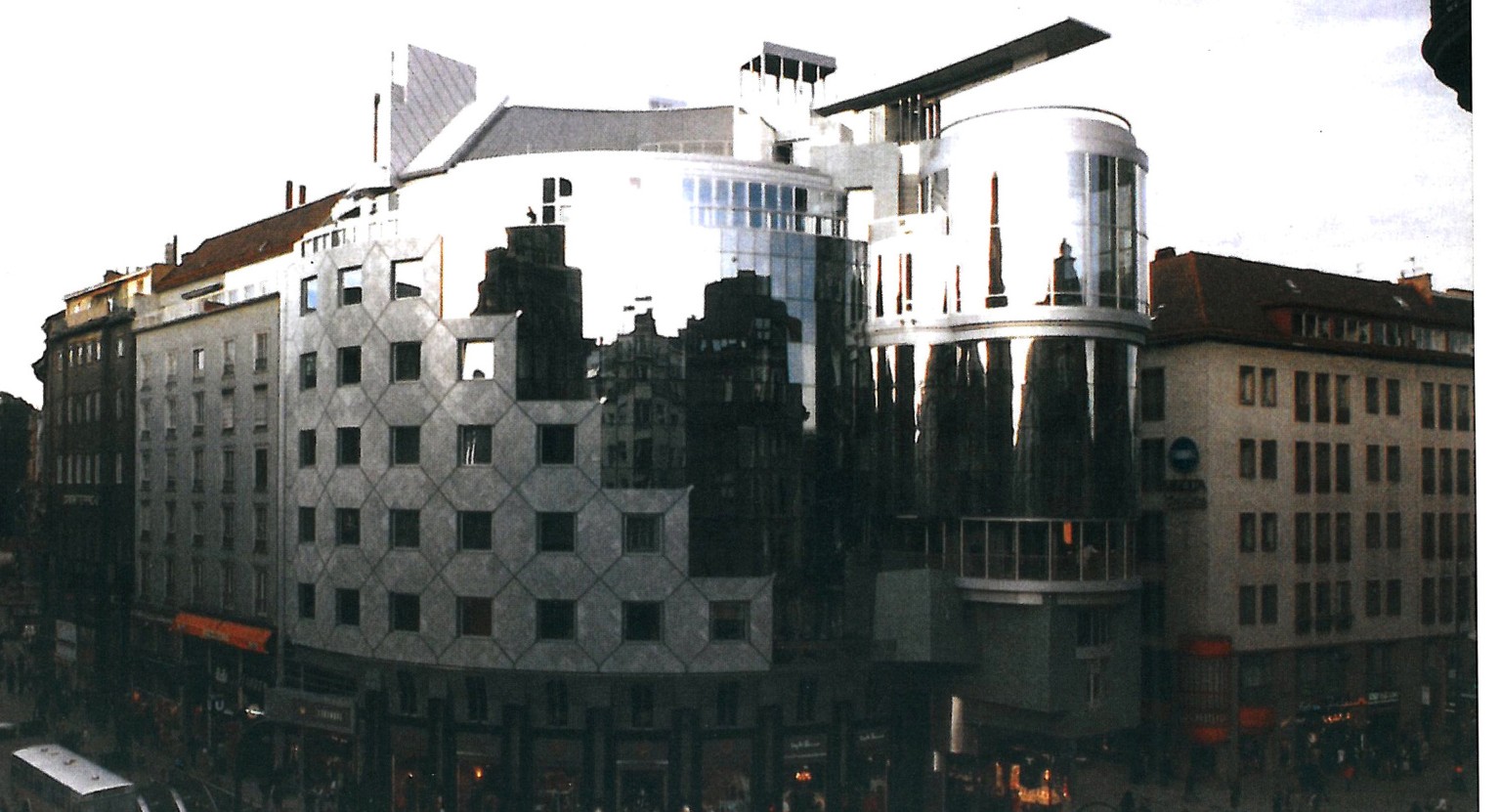
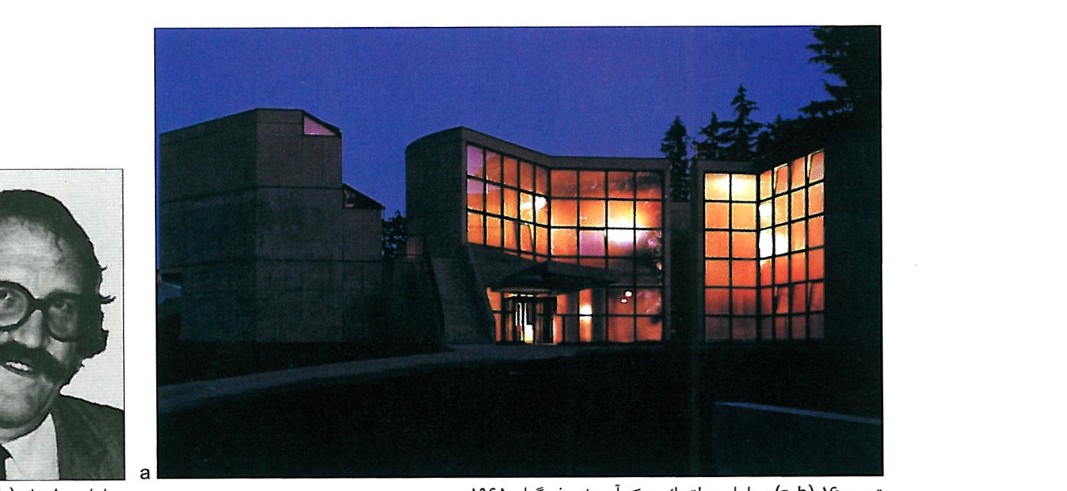
Holzbauer, the founder of 'Arbeitsgruppe 4', after returning from the United States, designed under the inspiration of American postmodern tendencies. He wrote: 'I believe in an architecture whose principles rest on realism, free from idealism.' In 1965 he designed his first new project, the Virgil education centre in Salzburg. A complex of educational buildings, classrooms and dormitories was bound, in a complex architectural organism, into a modern teaching centre. Simple geometric forms — cubes, squares, cylinders — in relation with one another created particular plays of light and shade.
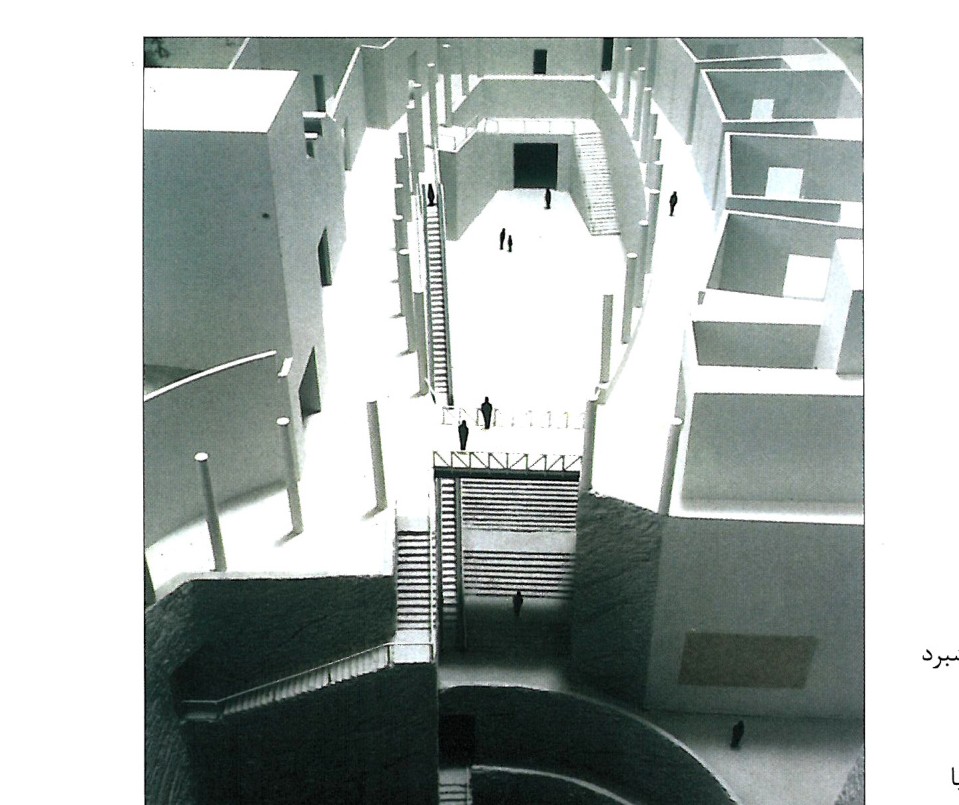
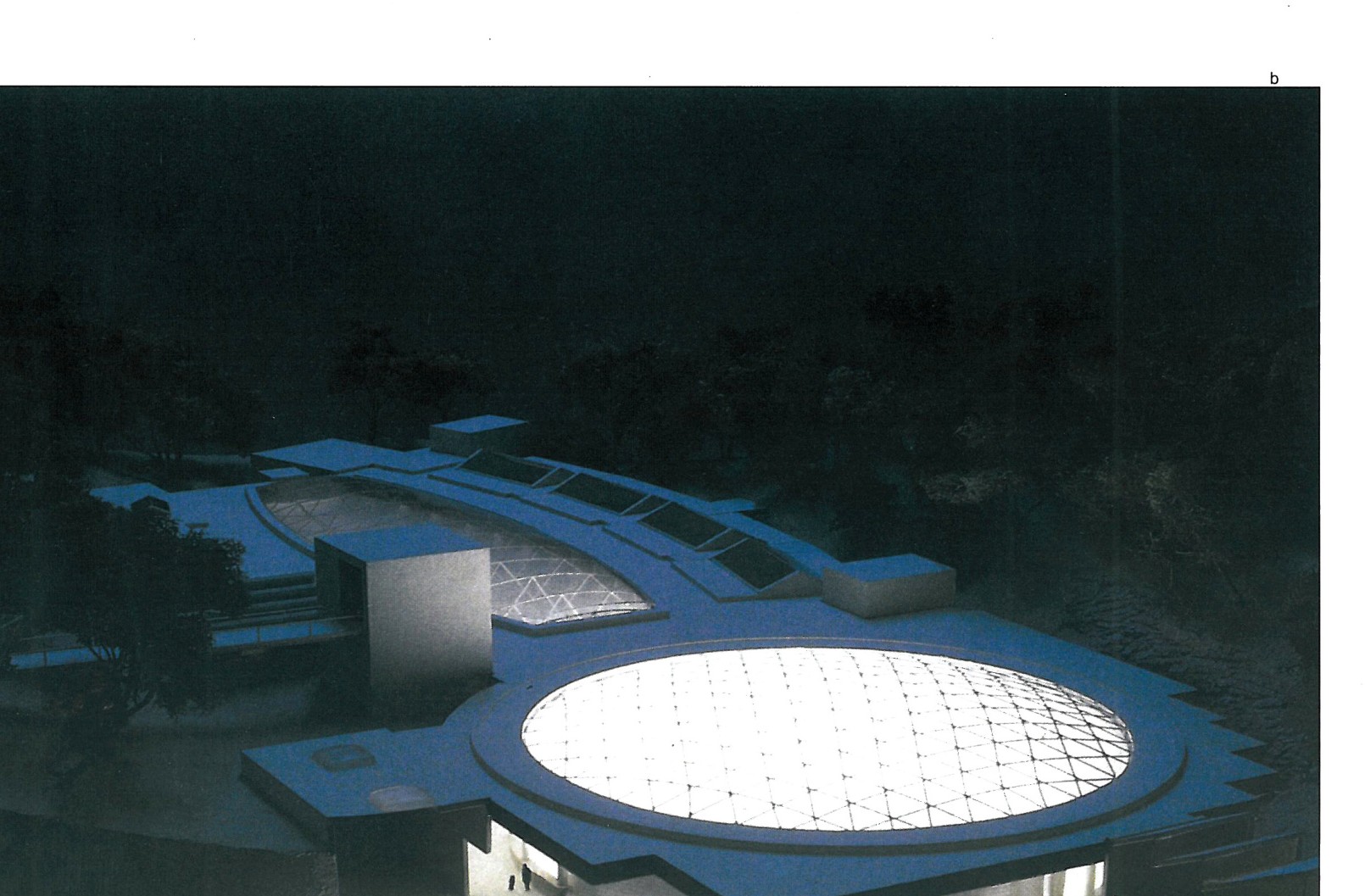
One of the most famous postmodern buildings carried out at the centre of Vienna, opposite the Gothic St Stephen's Cathedral, is the Haas Haus. Hollein designed it in 1987 in the place of an older building by Carl Appel. No building of the 1980s was more debated, since the Viennese on the one hand feared that this building would draw attention away from the cathedral, and on the other wished to express their dislike of placing the symbol of luxury and fashion at the heart of their city. This ten-storey commercial-and-office building, designed in materials such as costly stone and glass, was completed in 1990. Among its striking features is the independence between the outer skin and the structural frame — though the elements of the façade have a logical relation with the interior. Hollein broke with the tradition by hiding the differing uses behind a single skin. The use of glass in parts of the façade, especially in the rounded turret — recalling Otto Wagner — reflected the cathedral's image into a modern work.
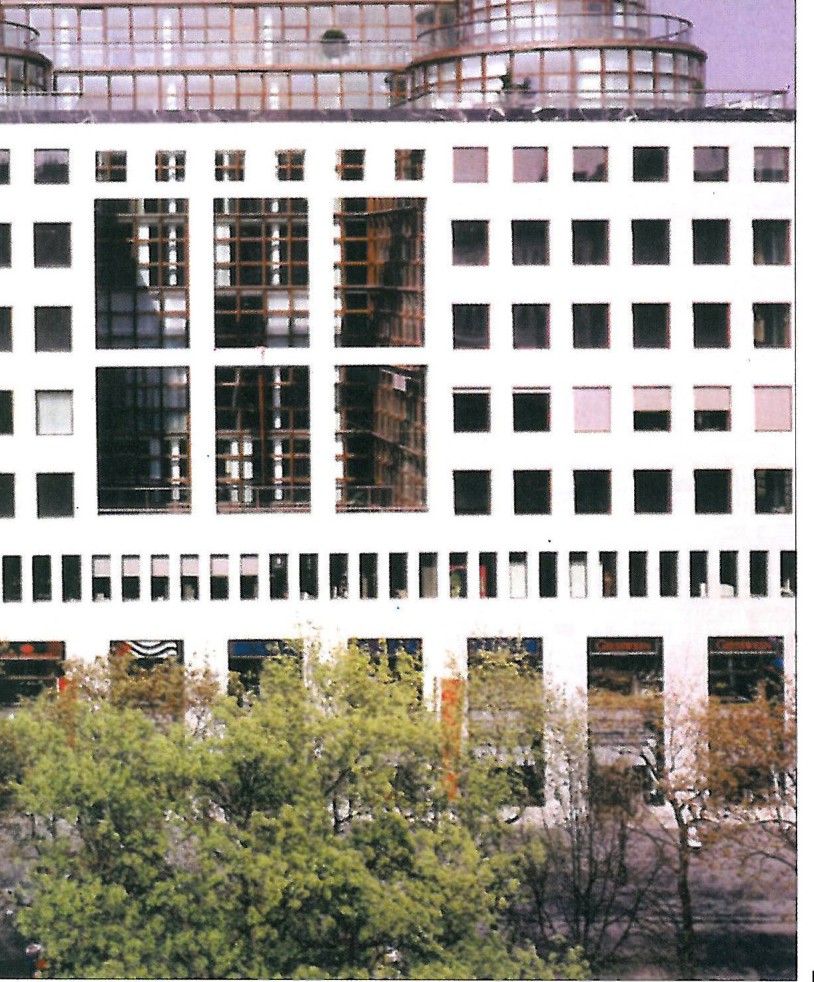
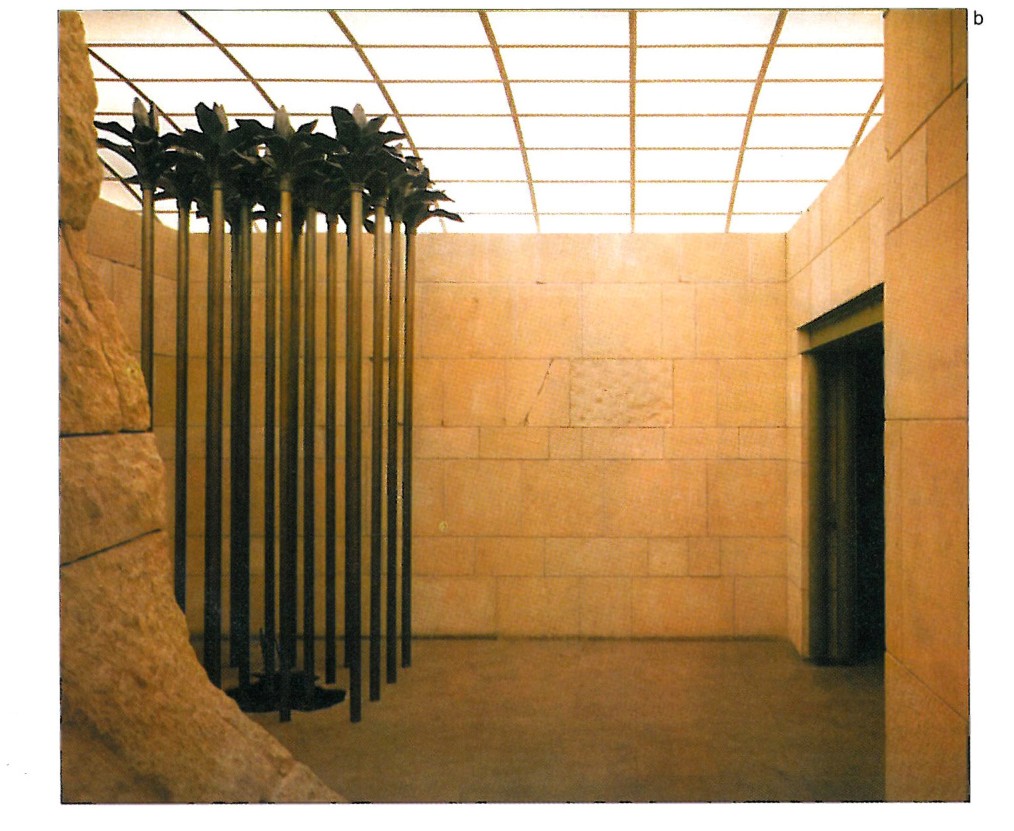
A year after the Haas Haus, in 1989, Hollein presented his design for the Guggenheim Museum in Salzburg (still unbuilt). The museum is designed as a cave within the side of a mountain; the halls are housed inside the rock, and the museum has no outer wall. For the architect, the creation of light within the spaces is as important as the shadows. He writes: 'Inside the earth is not the same as a basement — a sad and dark place; rather, this space has its own dimension, which gives the architect the possibility of producing an interesting space.'
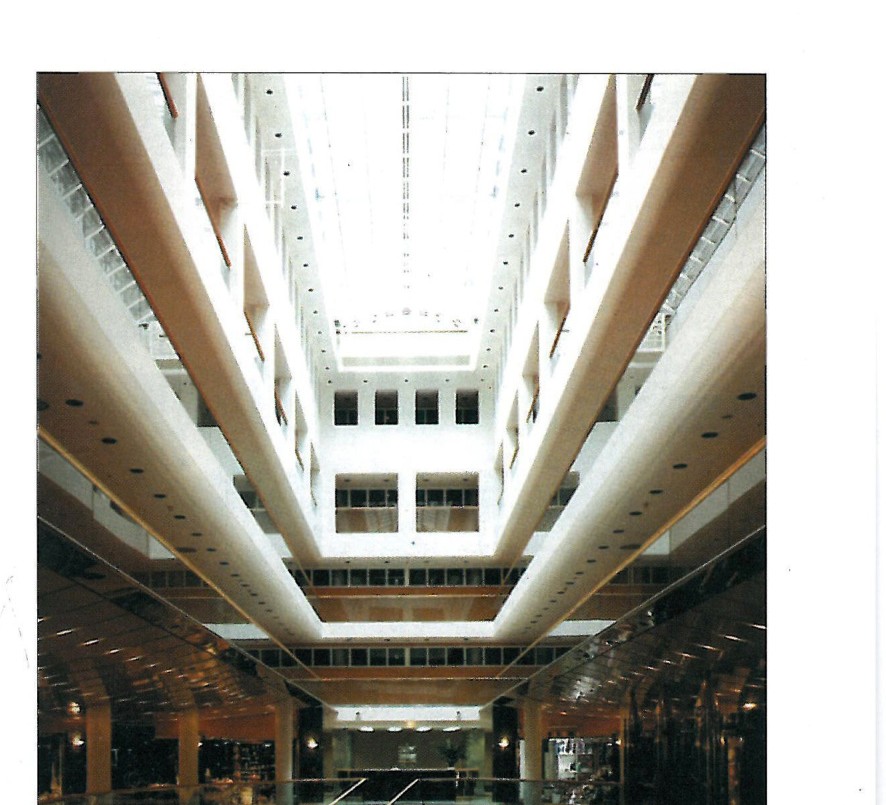
Around the time of the Haas Haus, Holzbauer, in 1987, with simple geometric elements, designed the Kärntner Ring office-and-retail complex. The building was raised on the very street on which Austrian Historicism had reached its peak in the nineteenth century. He set up a nine-storey building — the upper two storeys glazed — without conforming to its neighbours. In all these works, postmodern thinking — the retreat from functionalism, the turn to a free play with the architectural forms of past ages — is evident.
Deconstruction — Coop Himmelb(l)au
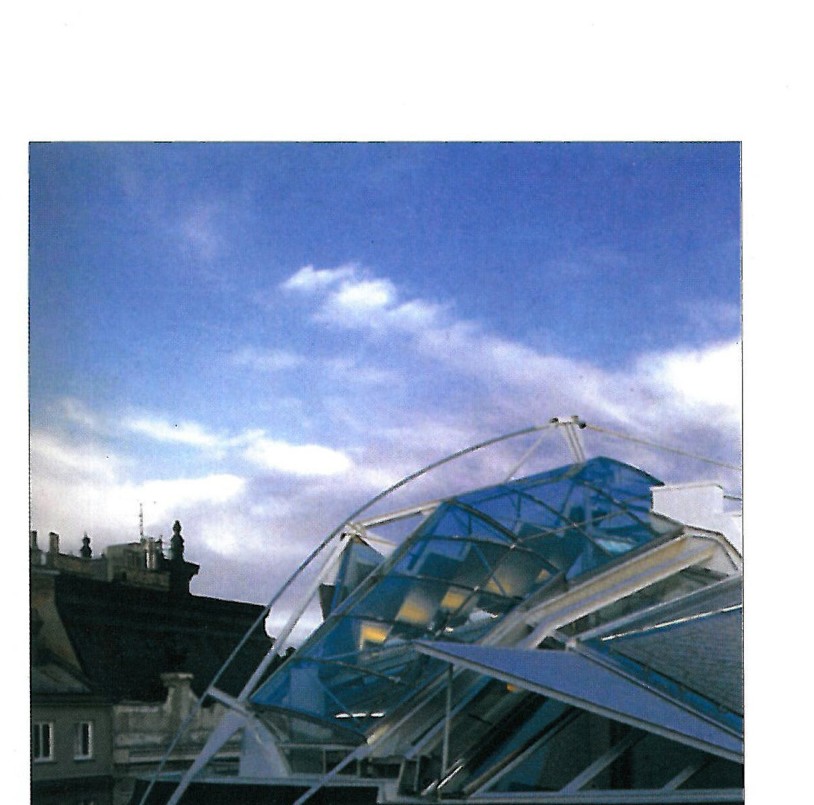
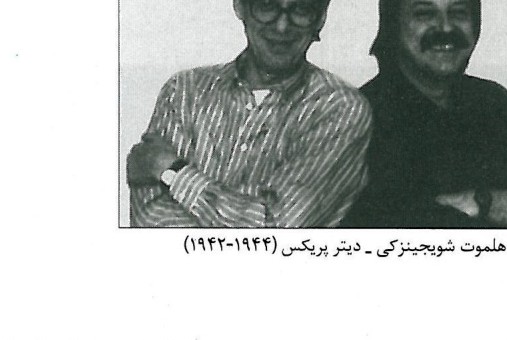
Beside the postmodern approaches, another current — Deconstruction — was actively present in Austria. In 1968 three architects, Wolf Prix, Helmut Swiczinsky and Rainer Michael Holzer (the last only until 1971), formed an architectural group. They chose for themselves the artistic name 'Coop Himmelb(l)au' (literally 'sky-blue cooperative' / 'sky-building cooperative'). They wrote: 'Coop Himmelb(l)au is not a colour; it is an idea, that with the power of imagination would make architecture a light, changeable cloud.'
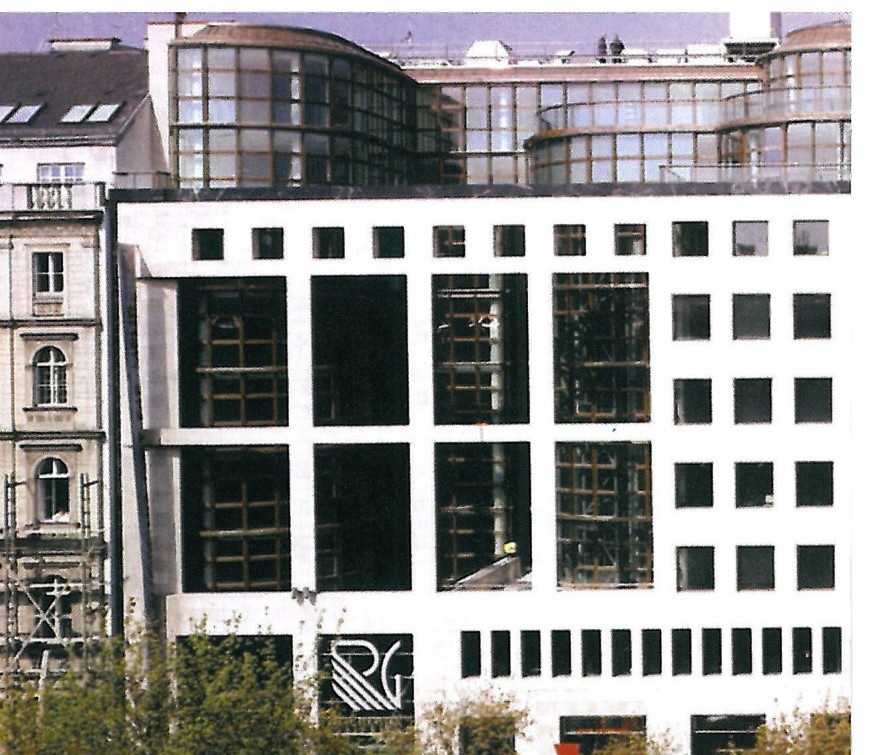
The kind of architecture they pursued was one they called 'open architecture'. Open architecture, in their view, did not mean an unfinished, transparent or door- and window-less building, but rather an architecture that, at the moment of its design, was not dedicated to any specific use and did not limit its inhabitants in their use. They wrote: 'We thought of Loft buildings, the large industrial-and-commercial halls that, after refurbishment, find a fresh use. From the start we drew inspiration from these large empty halls without a specific use.'
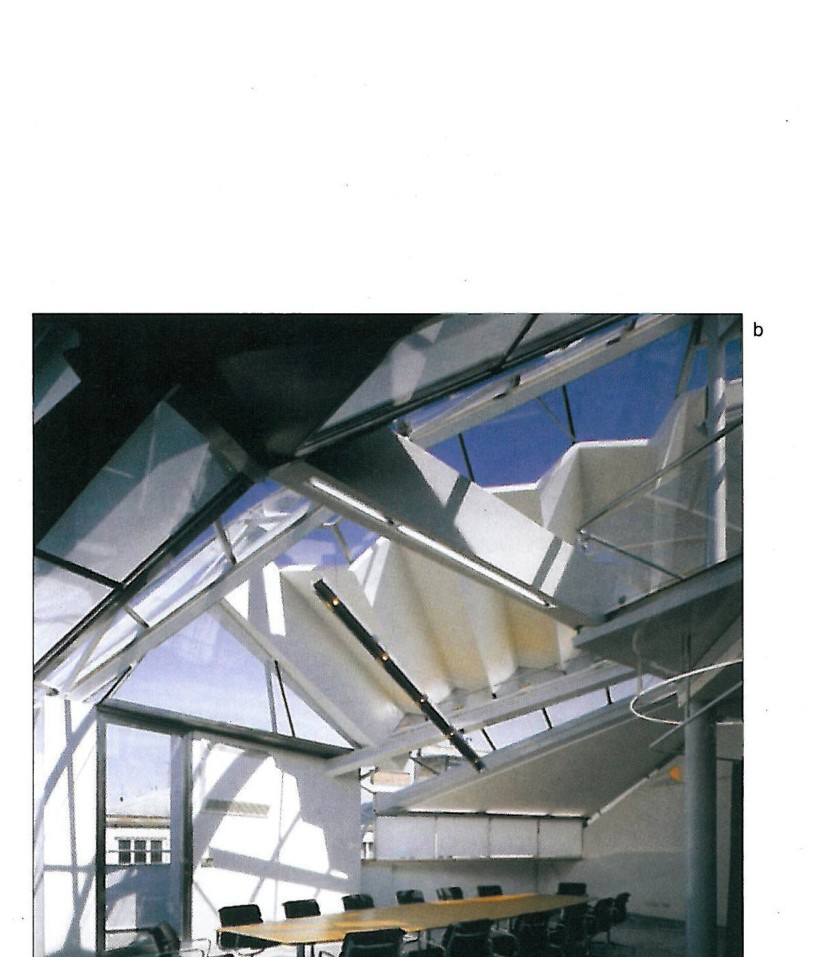
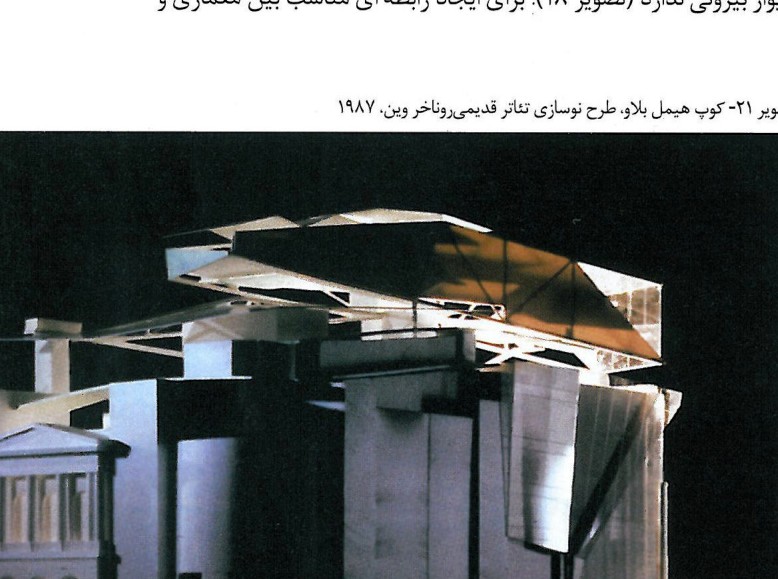
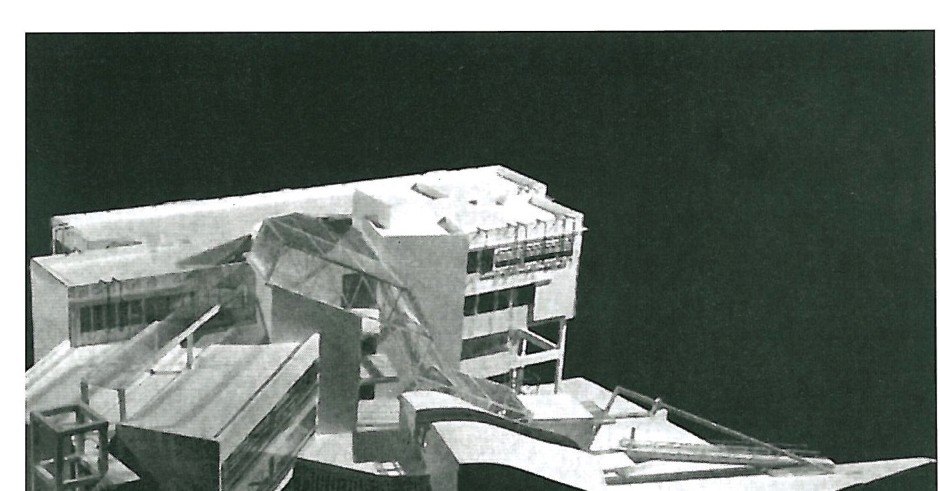
The 'Hot Flat' (Burning Surface) project was designed by the group in 1978 for the centre of Vienna: a twelve-storey building whose fifth and sixth storeys are cut by a steel cube like a burning arrow. The making of changing forms can be counted among the group's hallmarks. From their most striking works in Austria — the renovation of the old Ronacher theatre (1987), the rooftop attorney's office on a traditional Vienna building (1984-89), and Workshop No. 3 of the energy centre at St Veit (1989) — we see this transformation push to the verge of inverting and even rotating the form of each individual element.
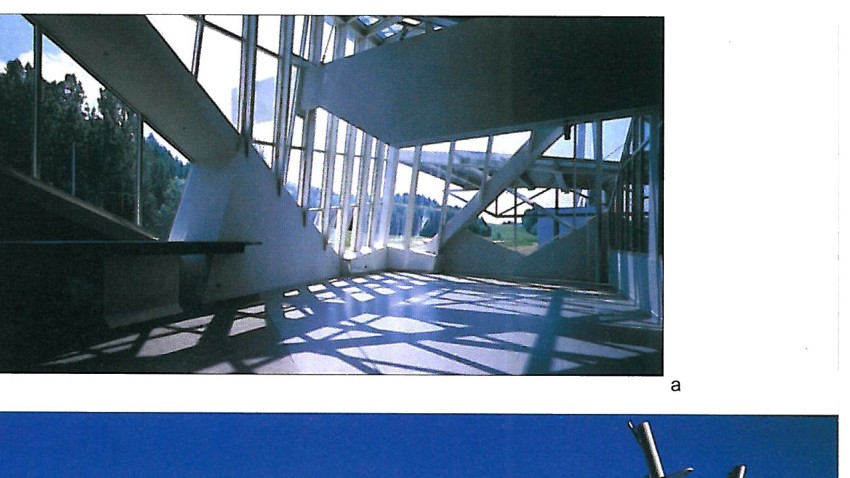
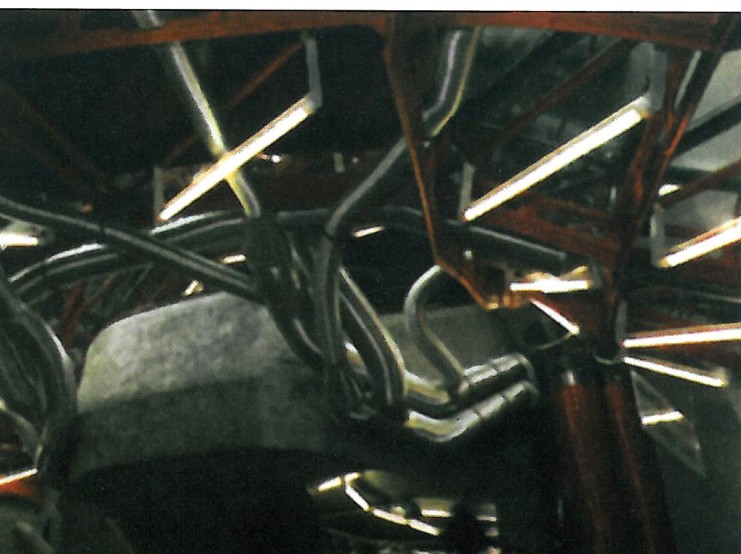
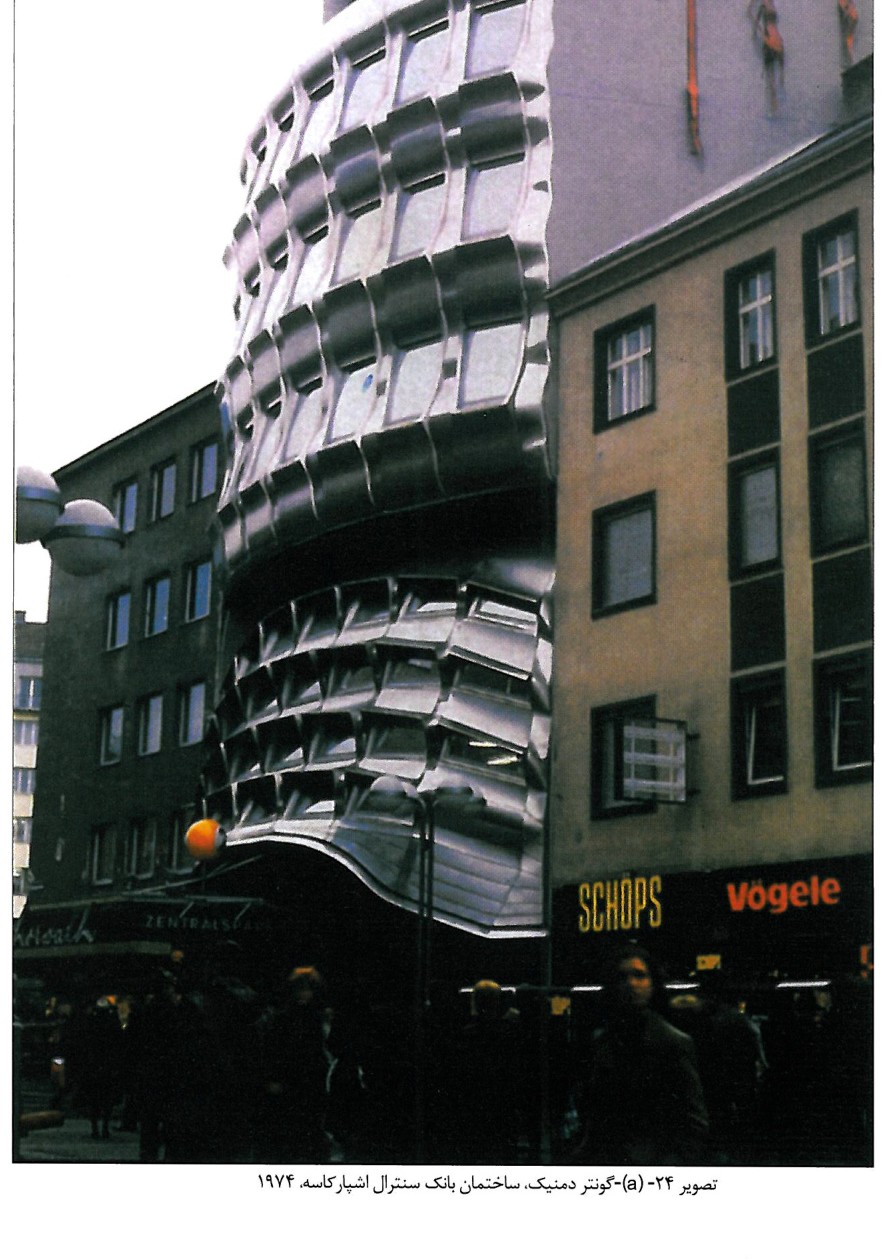
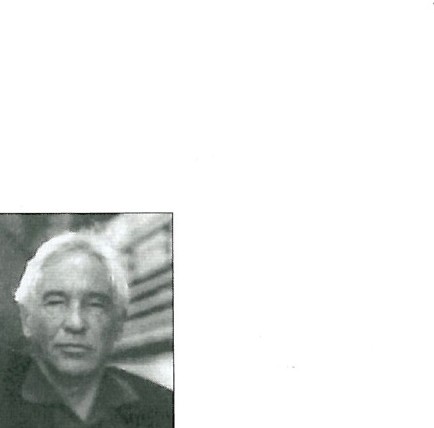
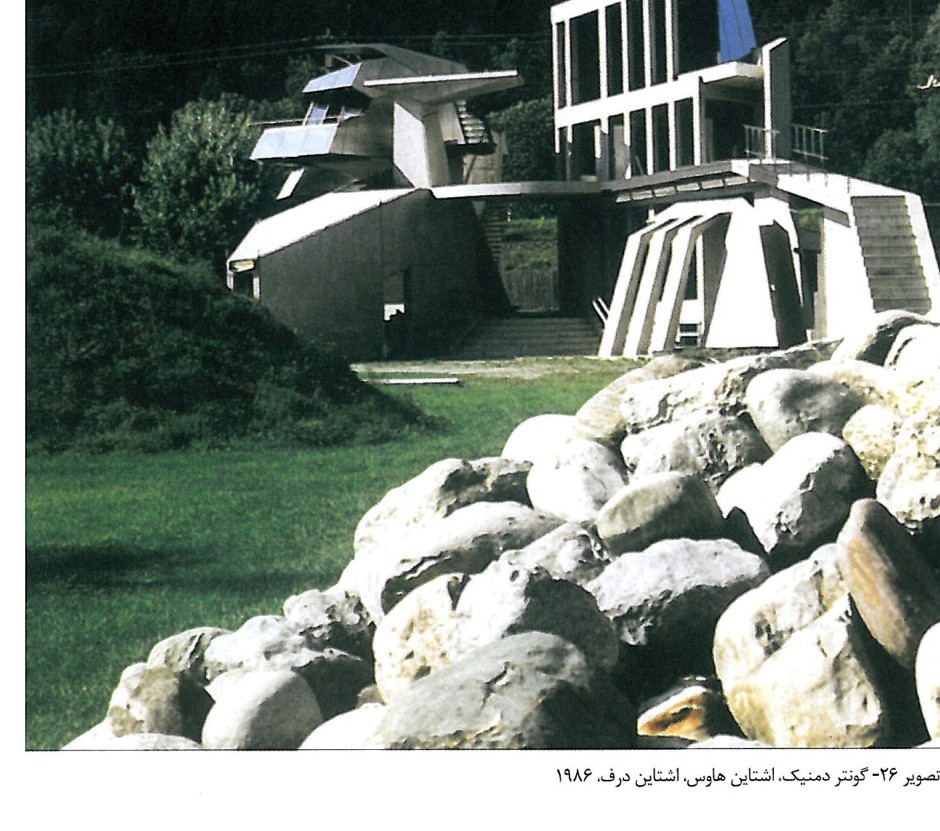
Günther Domenig (born 1934) is another Austrian architect active in Deconstruction. Among his best-known works is the Zentralsparkasse Bank in Vienna. Hans Hollein mockingly nicknamed it 'biological concrete'; Domenig designed it in 1974. The two-part façade has a wave-like structure throughout, clad in metal sheets. The corrugated sheets of the first and second storeys meet, in a compressed manner, the upper-storey façade and produce particular non-geometric, free forms. The architect defines these free forms on the basis of his mystical thought; one such addition was a vast concrete hand inside the building. The Faculty of Architecture and Civil Engineering of the Graz Technical University (1983) and the Steinhaus at Steindorf (1986) are further works by him.
7. The 1990s to the end of the century
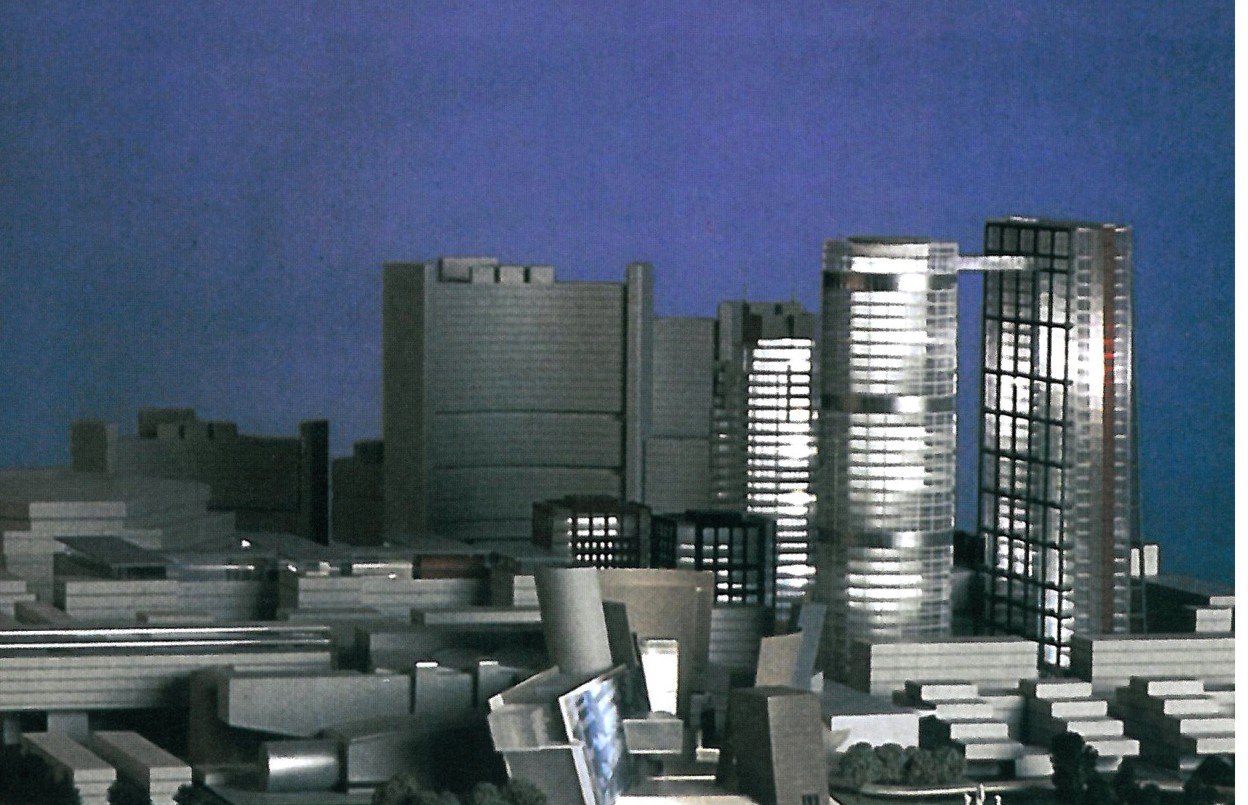
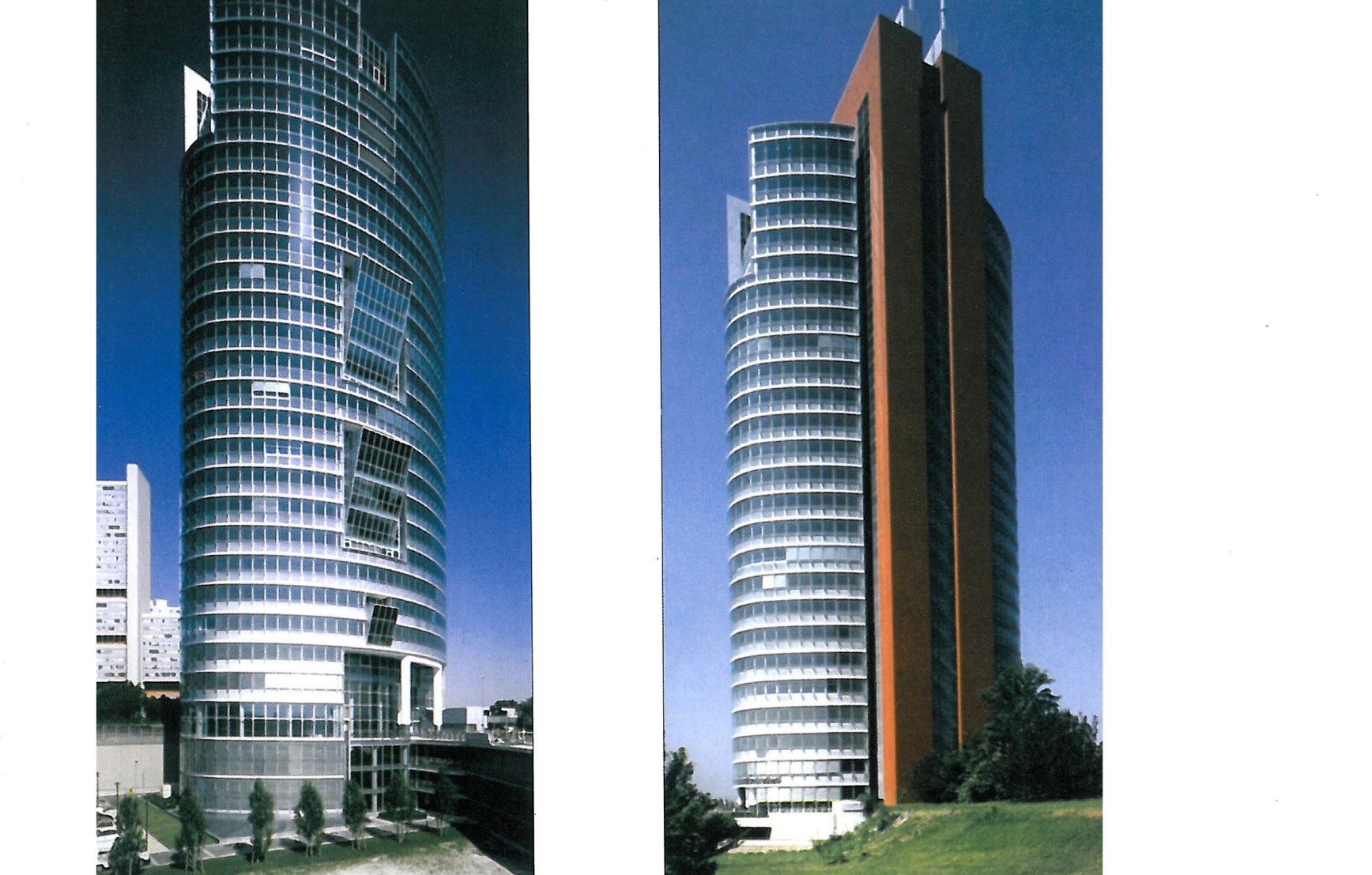
In this decade, building in Austria — especially in Vienna — flourished. In the newly built quarters of Vienna, on the other side of the Danube, on the basis of a master plan, a new complex was laid out between 1990-93 in the south of Donau City. In this complex, still unfinished, Austrian artists — Gustav Peichl, Hollein, Holzbauer, Hermann Czech and Elke Delugan-Meissl — design alongside foreign architects such as Arata Isozaki. Among the completed projects is Holzbauer's Andromeda Tower, with an oval section.
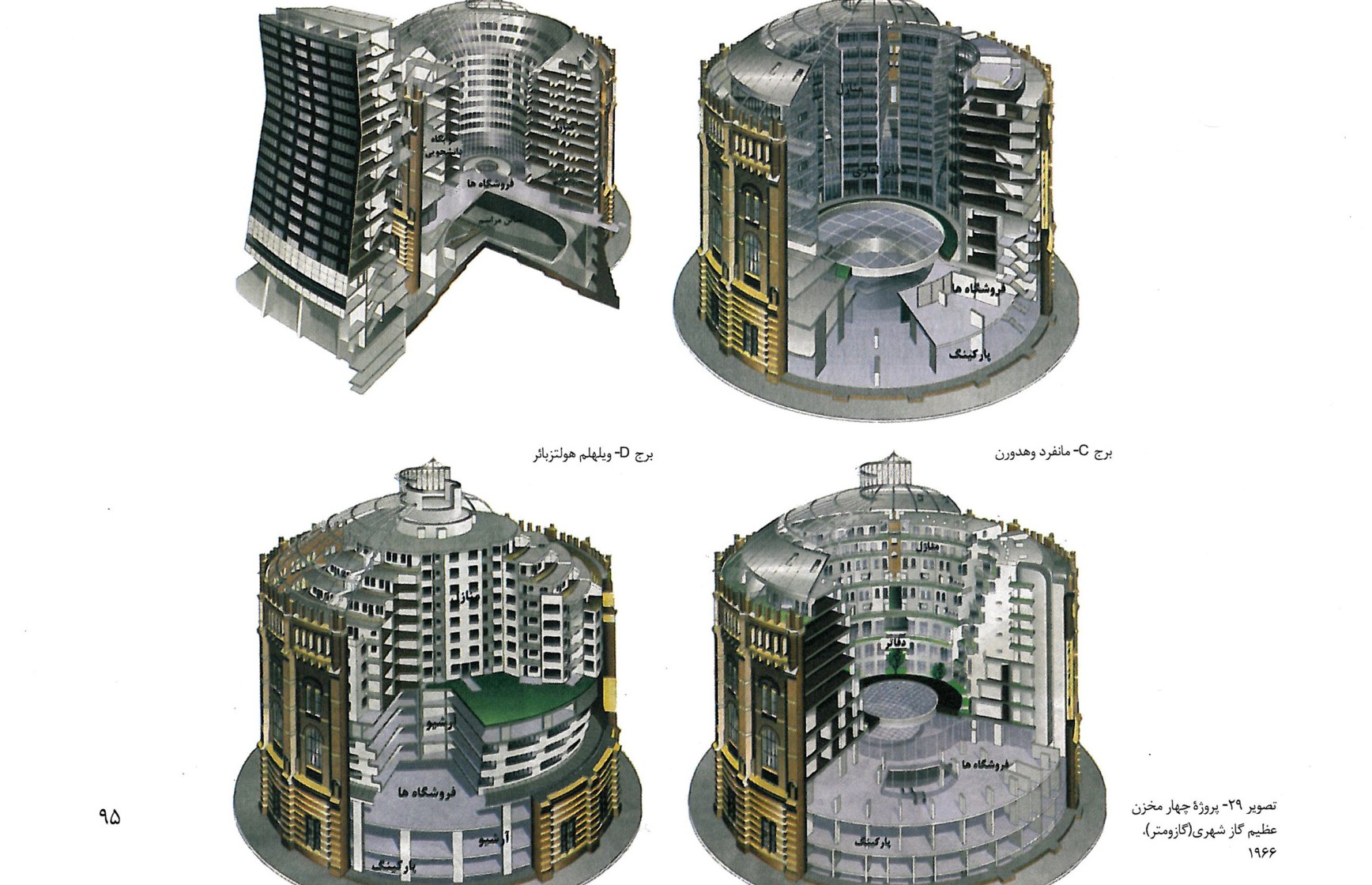
Another striking project of this decade in Vienna was the decision to refurbish and reuse the four vast 1896 gas-holders (Gasometer) which had stood unused for years. A competition for the reuse of these tanks — counted as part of Vienna's heritage — was held in the 1990s. Wilhelm Holzbauer, Coop Himmelb(l)au, Jean Nouvel and Manfred Wehdorn won. The interesting feature of the project was the combination of different solutions beneath the four historic shells, with the construction of new dwellings, offices and commercial complexes.
It was the first time in Vienna that the preservation of a historic monument was carried out together with refurbishment and a different use. Prix says of this: 'It was not just a matter of showing the old against the new, or of an economic use of historic monuments. Vienna had hitherto blocked the realisation of most modern architectural movements within modernity, and this scheme was an opportunity to set up a relation between tradition and modernity in Vienna.'
The movement that, with the breakaway of a small group from Austrian Classicism under the slogan 'To our time its art, to art its freedom' began at the start of the century, in spite of encountering vast difficulties — two devastating wars and the economic chaos that followed — succeeded in attaining a particular standing on the international stage.