Alvar Aalto, the great Finnish architect, was born in 1898 and died in 1976. The centennial of his birth brought events in his homeland and a major exhibition of his works in New York. It may seem surprising, but his works — probably due to their richness and complexity — have not been fully recognized as they deserve. Curtis, the English critic, has placed in our hands the key to unlocking the mysteries of these works and understanding them, reminding us of Paul Cézanne’s important words: “In order to paint a landscape well, one must first discover its geological foundations.”
Alvar Aalto is an architect richer and more interesting than the relatively narrow categories into which historians have sought to place his work. The further his oeuvre recedes into the past, the more clearly the long-term qualities and resonances of his creative world emerge. Although Aalto was undoubtedly a central figure in the history of modern architecture, the precise nature and extent of his contribution remain something of an enigma. Much work remains to be done to discover the guiding principles of his architecture, to analyze his individual buildings and their contexts in depth, and to measure his wide and varied influence on architects throughout the world. At the same time, one must free him from the oversimplified narratives that have been imposed upon him: standardized heroic accounts of the modern movement; the claims of postmodern eclectics; the myths of Finnish nationalism. There is no doubt that Aalto extended a modern tradition and shared in building it; no doubt that he drew inspiration from many sources; and no doubt that he responded deeply to the social and natural conditions of his homeland. But at the same time, he was able to transcend his time and place, and even in terms of the conditions of architecture and the human situation, to become universal.
A Metaphorical Landscape
A personality of these dimensions must be examined at several historical scales. There was the Aalto of reality, who sought to crystallize the changing social realities around him and respond to the contradictions that modernization, industrialization, and reconstruction placed before him in Finland. There was the Aalto of international modernist culture, who so quickly grasped revolutionary concepts and turned his peripheral position into an advantage through a selective and critical synthesis entirely his own. There was the Aalto who gathered together the threads of Scandinavian architectural culture — including neo-classicism and national romanticism — during his formative years, later incorporating them into a metaphorical language. There was the Aalto who drew upon abstract painting and cubism while also deeply understanding vernacular architecture. And there was the cosmopolitan Aalto who could bridge East and West, seeing that traditional Japanese tea houses and ideas related to “primitive” culture were connected to his own search for roots in nature. It is the synthesis that matters, not the sources. And in the end, Aalto created a new world with a language worthy of it.
Beyond these various absorptions and transformations, there existed a core of values he considered immutable — values best perceived in the works themselves, which he recognized in buildings and objects of many cultures and periods. Aalto learned by looking, analyzing, and sketching; the examples he admired might be humble or heroic. Some of his richest solutions were inspired by the simplest things: how light might enter a hospital room without striking the patient’s eyes; the effect of a boat’s prow on waves; the sensation of a hand placed on a stair railing; the manner of sitting in a sauna bath. But these fragments found their place within a hierarchy — a structural system of abstract relationships. A kind of “myth” lay at the heart of Aalto’s architecture, arising from his intuitive perceptions of institutions, nature and the city, nature and technology, and the fundamental sense of being human in the world. And the expression of this myth was an ideal image of society, the idea of place, and a kind of metaphorical landscape.
Hieroglyphs and Ideograms
The natural world animated Aalto’s universe — forces that he perceived in a mythical-poetic manner, for their spiritual qualities as much as their physical ones. In his search for a fluid order, he found primary inspiration in the forces of gravity, sound, and movement through air, water, and matter — and in the geometry employed to describe these phenomena. In the human body and its interactions in space, Aalto discovered sources of proportion, dimension, and scale that governed his buildings at every level, from railings, benches, and shelves to terraces, courtyards, and the surfaces of the natural landscape.
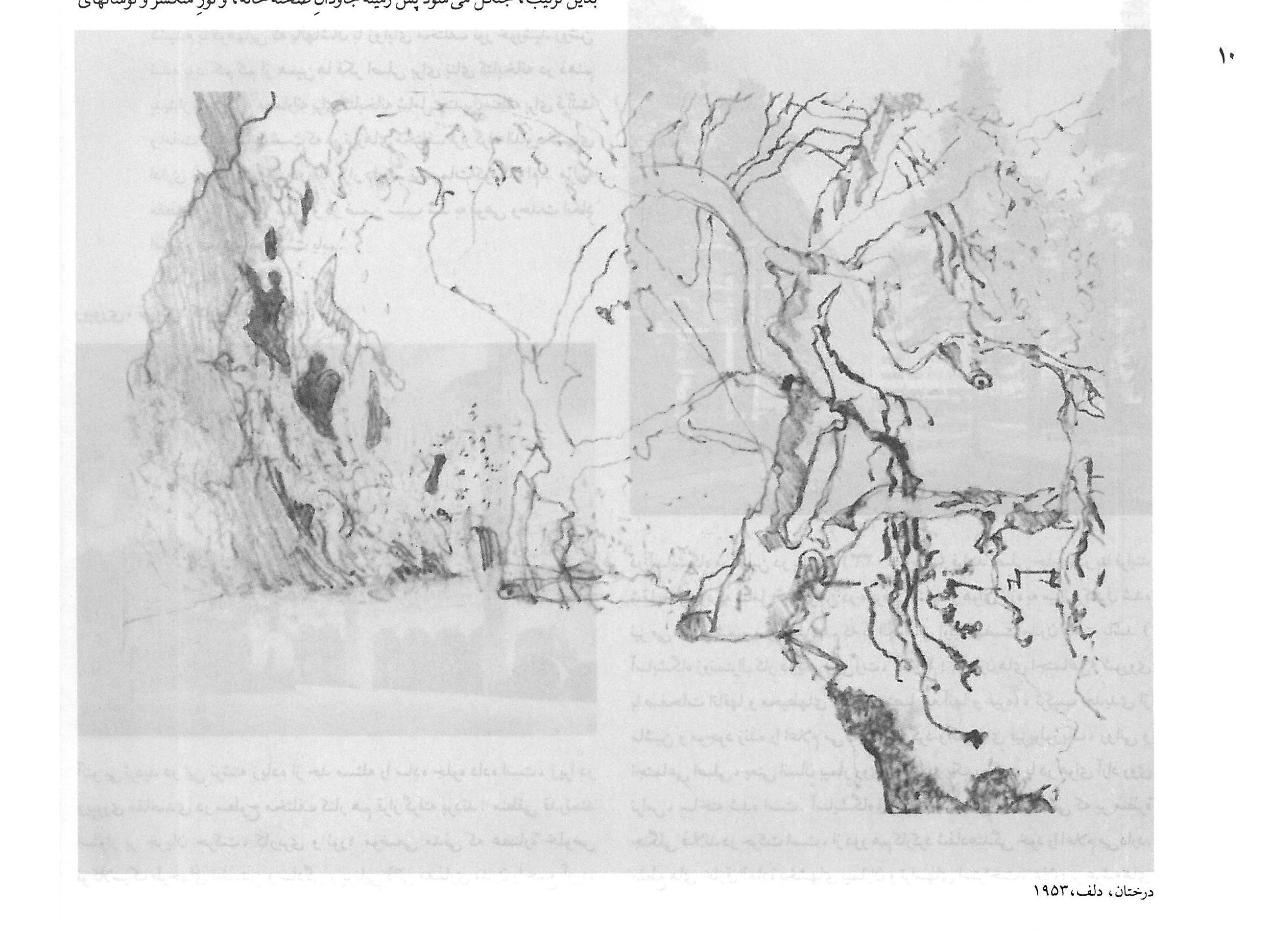
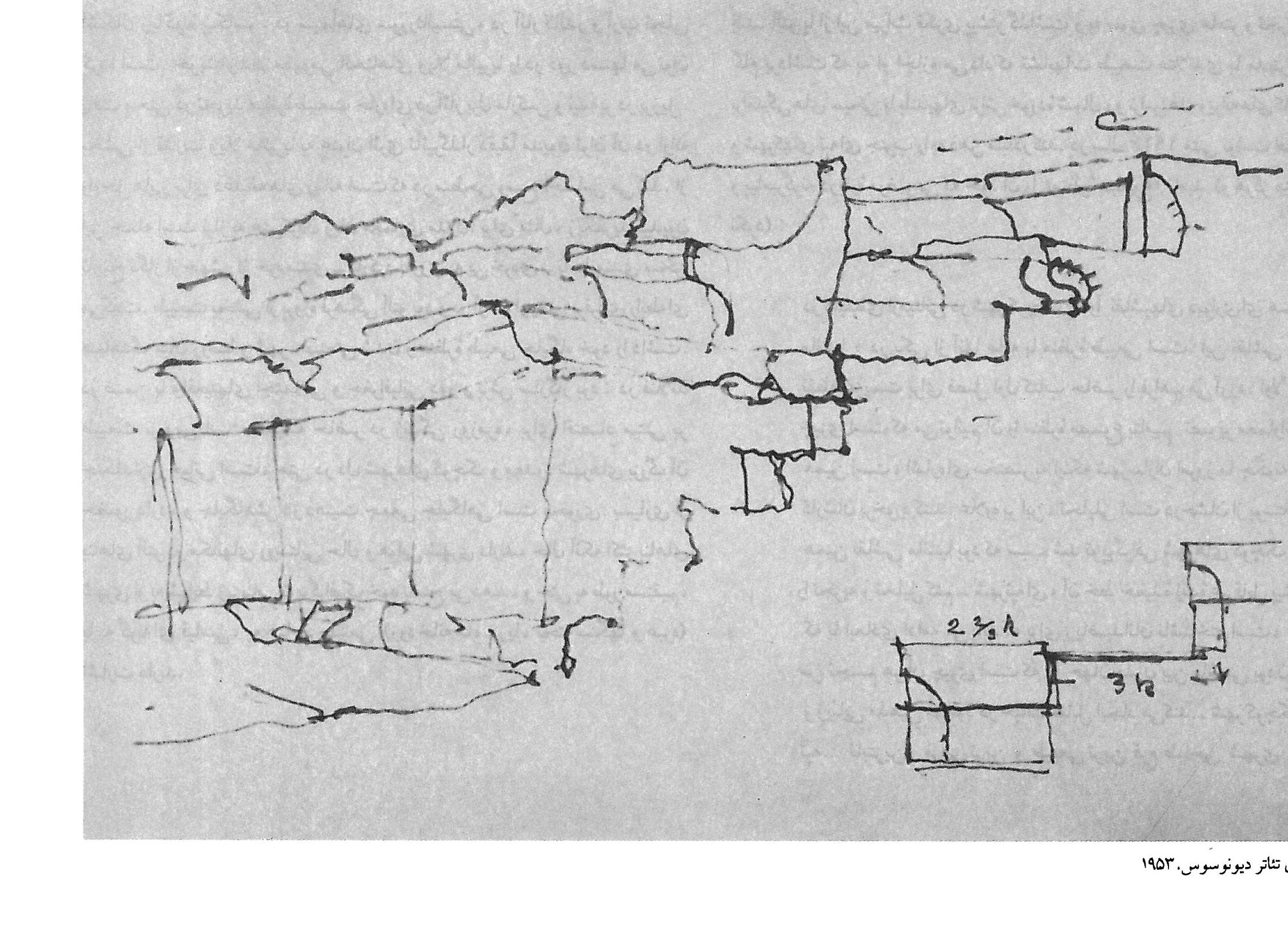
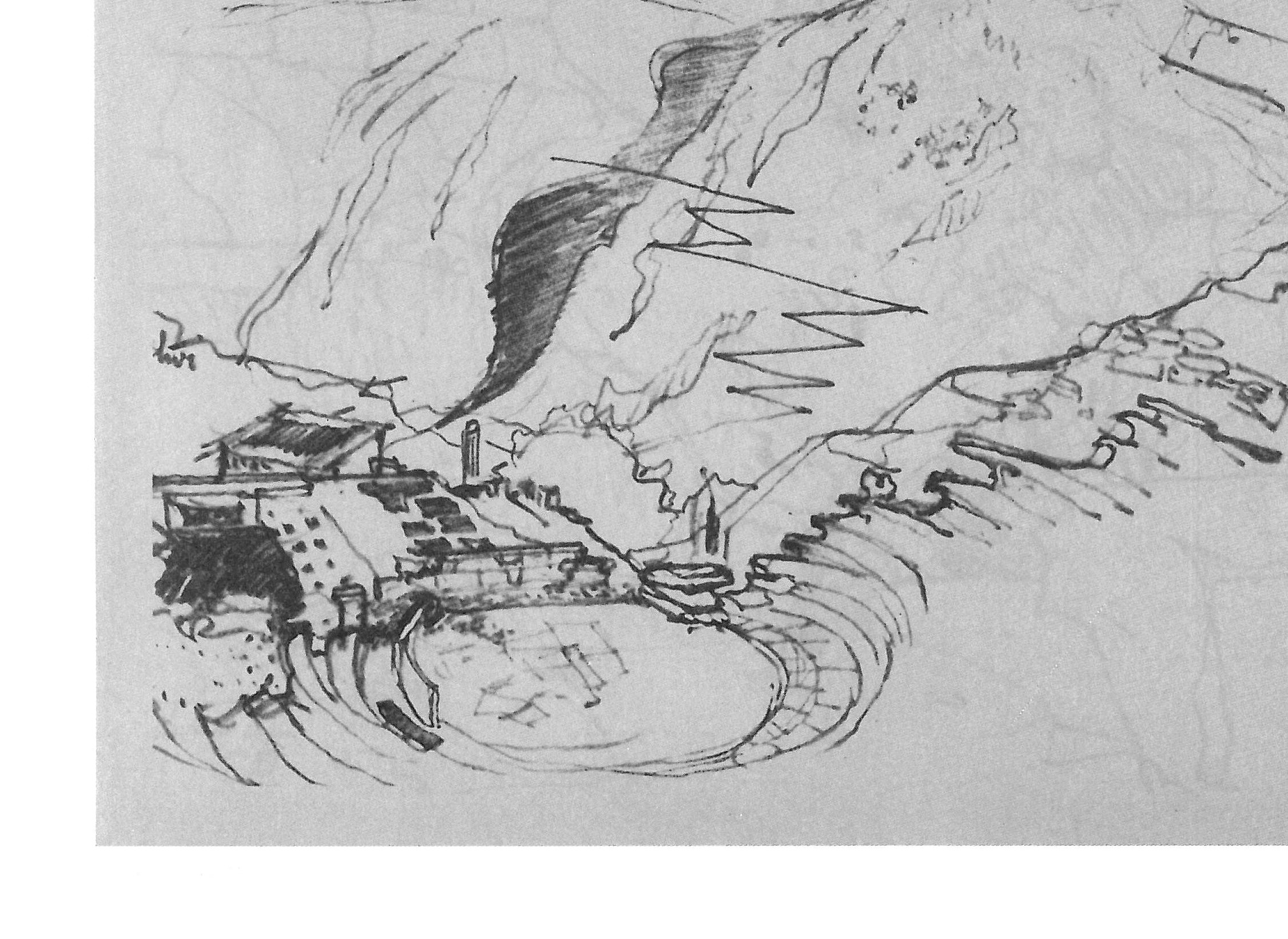
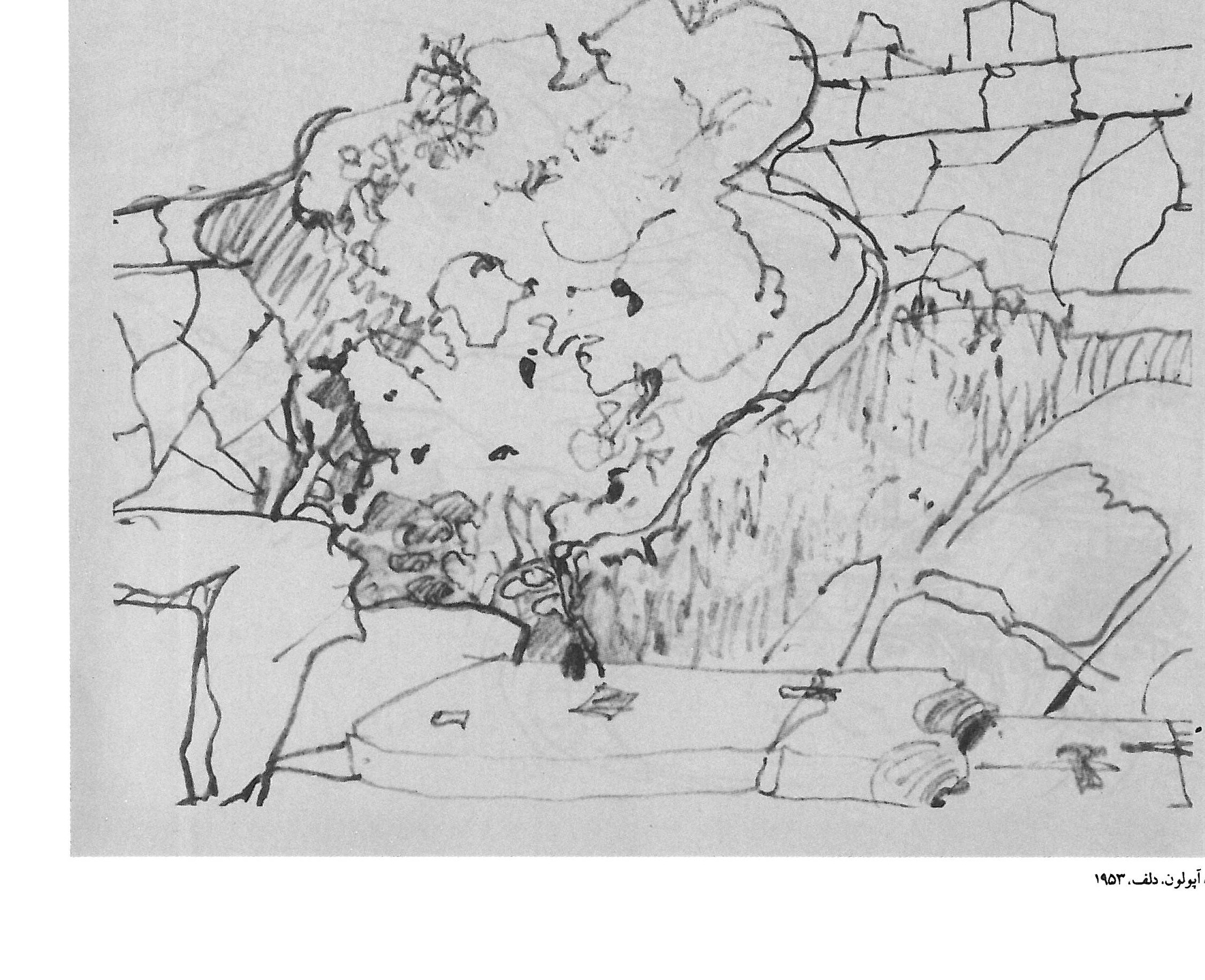
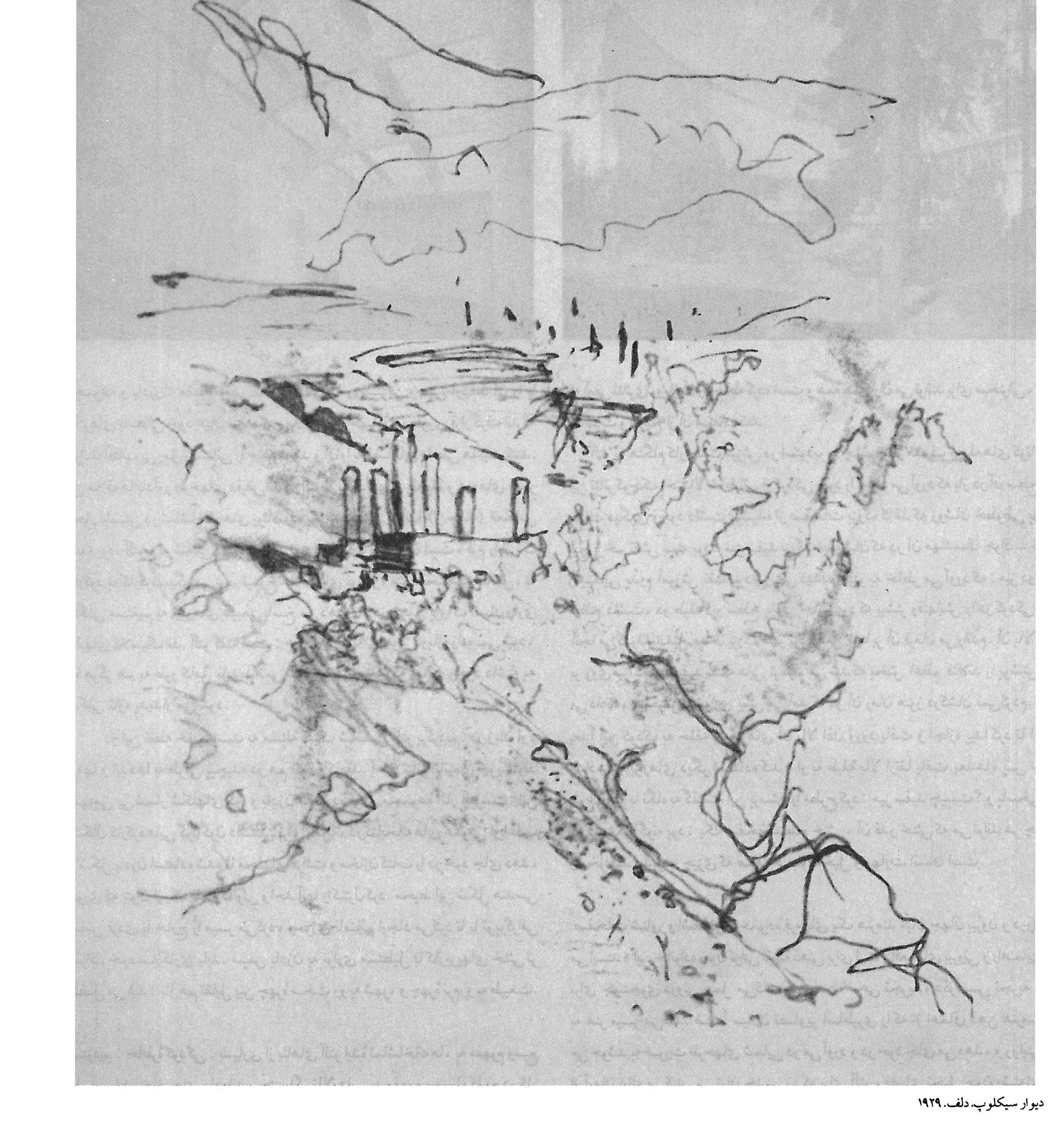
It is hardly surprising that Aalto was so fascinated by the ruins of ancient Greek theaters. His travel sketches from Delphi and the Theater of Dionysus in Athens convey his instinctive feeling for this most “democratic” of ancient building types: a building that is urban yet part of the natural landscape; collective yet scaled to the individual; creating unity yet connected to the wider world of nature.
Many meanings are densely compressed in both the overall order and individual details of Aalto’s buildings. These buildings are a kind of essence: function and structure, idea and form, matter and myth are fused together, affecting mind and senses at multiple levels. To grasp their meaning, one must pass beyond appearances to the realm of specifically architectonic thought — the territory of ideas. As we pass through the layers, both literal and metaphorical, we encounter a rich abstraction full of half-hidden echoes of history.
In a manner at once systematic and poetic, Aalto returned again and again to the same basic configurations in plan, section, and detail, each time breathing new logic and new life into them. One of the most interesting features of his work is the fusion of the typical with the particular, the systematic with the unique. In his search for an order that was neither arbitrary, merely personal, nor merely instrumental, nature was once again his inspiration — for in nature he found living types whose capacity for variety, individuality, and beauty was limitless.
Trout and Rapids
An inner and vivid image, a central force, lay hidden within Aalto’s most successful designs — driving its momentum through all forms and details, seeking its way through ruptures, planes, and layerings, completing itself in joints and cross-sections. Themes imposed themselves like a piece of music, arising from a deep underlying structure and repeating at various scales in slabs, walls, columns, stairs, and openings.
In his essay on the Finnish trout and the mountain stream, Aalto makes a brief reference to his creative process. He speaks of designing the Viipuri Library (1927–1935) — a very sensitive transition in which he succeeded in blending classical and modernist schemes into a single design:
Paimio: Sanatorium and Tree
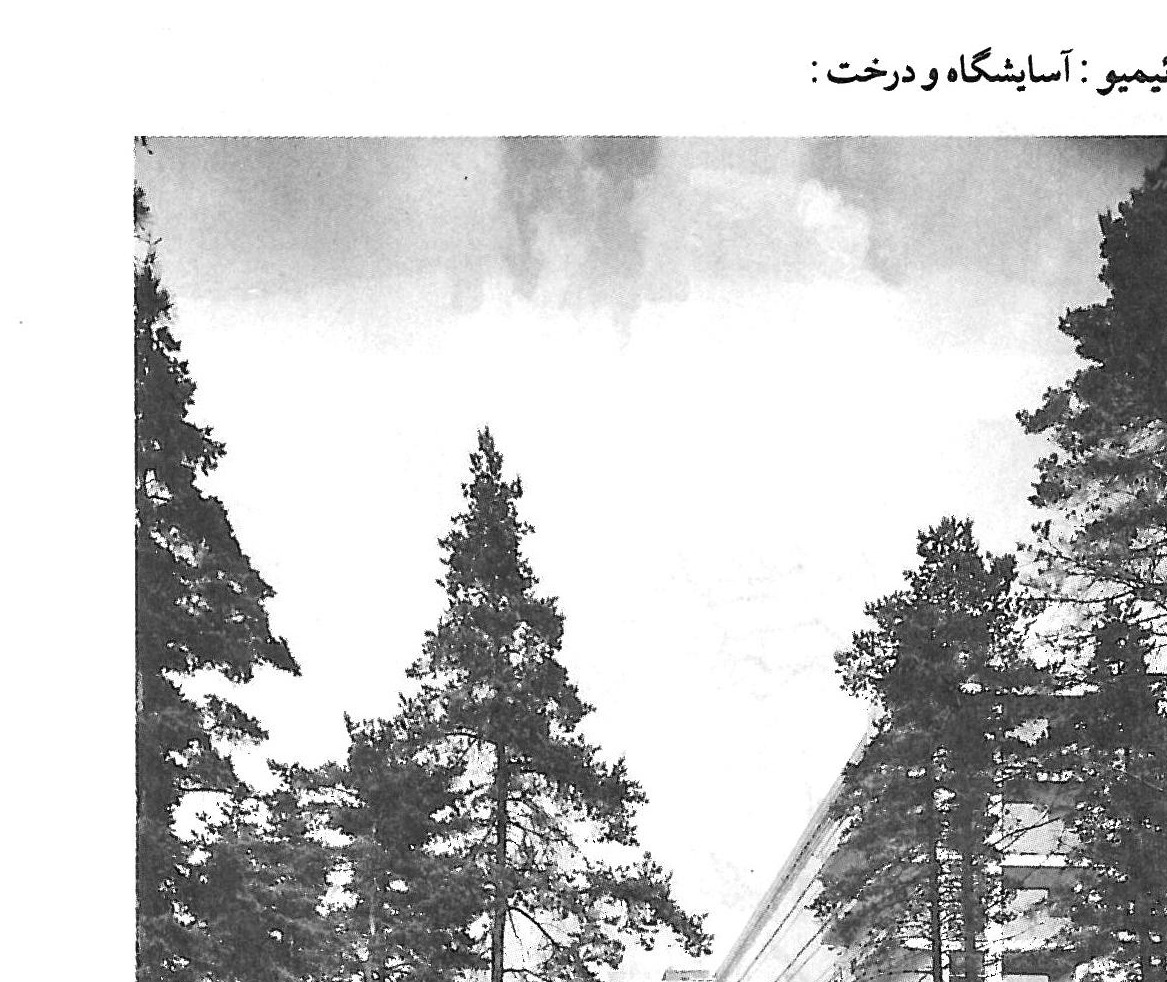
At the Paimio Tuberculosis Sanatorium (1928–33), the fundamental process at work was healing, involving controlled exposure to sunlight and fresh air. Whatever debts Paimio owed to early modern prototypes — Duiker and Bijvoet’s Zonnestraal Sanatorium, the Soviet “social condensers” — it announced a new synthesis of machine and living organism, built around the realities of the sick person in bed or outdoors on a terrace. The sanatorium was like a hospital ship sailing through the Finnish forest landscape, proclaiming its healing function even from a distance.
The extraordinary cross-sections of the patient wings and rest terraces, beyond being like the decks of an ocean liner, are reminiscent of the abstraction of a tree — a tree whose trunk is rooted in the earth, whose branches reach toward the light, and whose leaves breathe at the edges while filtering sunlight into the interior spaces. The tubular railings on the balconies recall classical moldings. The density of meaning here goes far beyond the simplistic formulations of the so-called “International Style.”
Viipuri: Library and Skylight
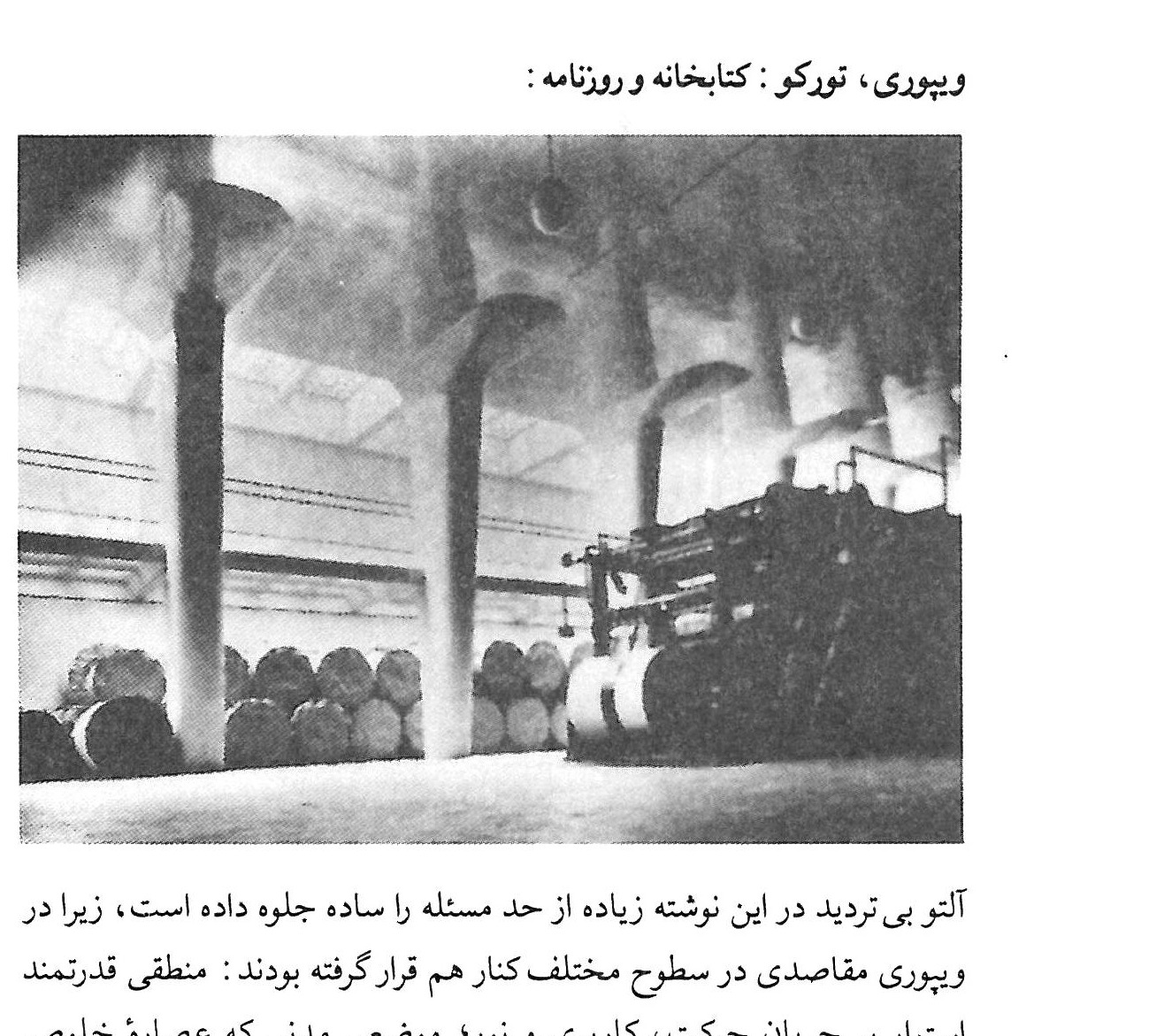
There was a kind of ritual sequence in moving through spaces of differing importance; a subtle response to the nearby church and surrounding park. Yet function, structure, and form had to come to life — for architecture is also about abstraction, inner images, and ideas. At times Aalto found the animating force of a design in the essential characteristic of the social process the building was meant to house. Even the production of a newspaper — the Turun Sanomat building in Turku (1927–29) — could be elevated to a kind of civic and secular ritual.
Mairea: Villa and Forest
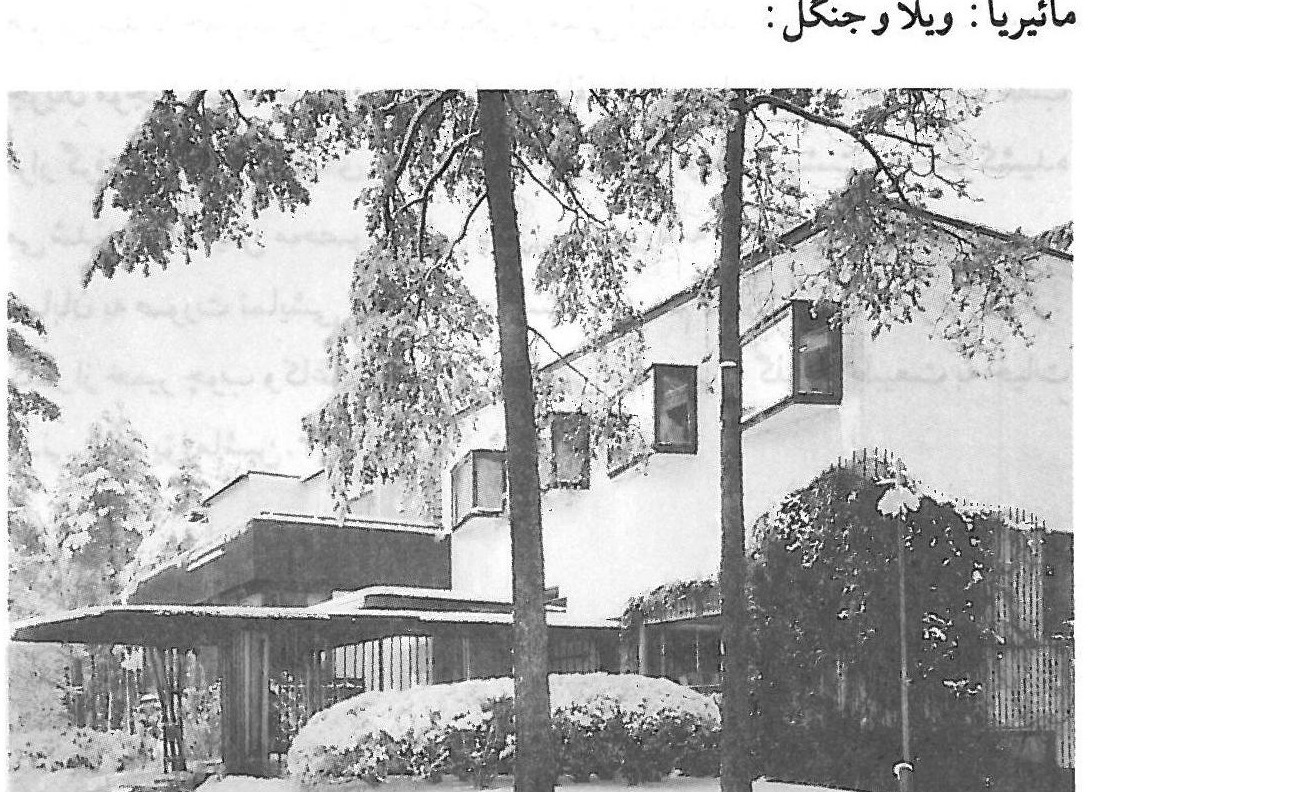
In order for the artist to represent “nature” — or, more precisely, to symbolize ideas about nature — rules are needed. Over the years, Aalto gradually developed a set of dualities and gradations to manage the opposition between “civilized” and “primitive,” “urban” and “rural,” “artificial” and “natural.” Villa Mairea at Noormarkku (1938–41) was a very important hypothesis — a work packed with ideas.
This house occupies its place in the broad sense of the “villa” — not a rural building, but a place where city-dwellers enjoy a civilized life in a natural setting. The gradation, as one follows a winding path from the front to the back, passing from a colonnade with reeded columns to concrete cylinders, then to rough wooden gateposts, and finally to the coniferous trees themselves, shows how the forest becomes the eternal backdrop of the domestic scene. The refracted light and oscillations of shadow in the timber spaces are repeated and reinterpreted in a manner beyond the simplistic formulations of any single style.
Mairea: Woman and Water
Aalto’s song in praise of the forest landscape goes further still. In his biomorphic abstraction, he creates a distant reference to the “flow” of water, the sinuous curves of lakes, and the “feminine” aspect of natural forces. The curves of Villa Mairea are a very intelligent metamorphosis of Le Corbusier’s free-plan geometry, but also equipped with a much wider awareness of the age — manifested in Picasso’s biomorphic forms, Surrealist figures, and the works of Calder and Arp. Nature was part of Aalto’s cultural horizon, and in his ideal of establishing a harmonious relationship between village and city, between industrialization and the natural landscape, it held its place.
North–South
In the 1940s and 1950s, Aalto repeatedly found himself inventing new types of town centers and social institutions — town halls, public libraries, churches, cultural centers — for communities scattered across the Nordic wilderness. These institutions needed to be informal gathering places during the long winters, and Aalto did everything possible to flood them with natural light that was scarce for more than half the year. He created “social landscapes” whose steps, terraces, and undulations connected to the surrounding topography.
The Säynätsalo Town Hall (1945–52) was a variation on this theme, with a courtyard raised above ground level reached via grass-covered steps. The civic center at Seinäjoki (1952–60), with its interconnected levels, was another example. One tenet of “national romanticism” held that the artist should draw nourishment from the natural landscape and indigenous culture. Aalto went further, moving toward something more universal and abstract that allowed him to suggest affinities between Finnish nature and the Mediterranean, between rocky prominences and sculpted northern heights, between classical ruins and hilltop settlements of the south.
From Village to City: Villa and Palace
In order to discover an informal grandeur befitting the institutions of Finnish social democracy, Aalto explored the full spectrum of village and rural types. He invented an architectural system: a kind of intermediate landscape merging village identity, urban identity, and topographic identity. In the city, he sometimes resorted to the Renaissance urban palace with its regular facade — always transformed through his own evolving vocabulary.
The Rautatalo office building (1952–55) in central Helsinki is a good example: a uniform street-facing facade with an atrium lit from above at the rear — a developed descendant of the Viipuri Library. The skeletal facade with its fully glazed ground floor sits within the tradition of the Chicago School, which had itself been influenced by the abstraction of Florentine palaces. Thus Rautatalo takes its place in a lineage stretching from Louis Sullivan back to the Italian Renaissance.
Pension Fund: Assurance and Foundation
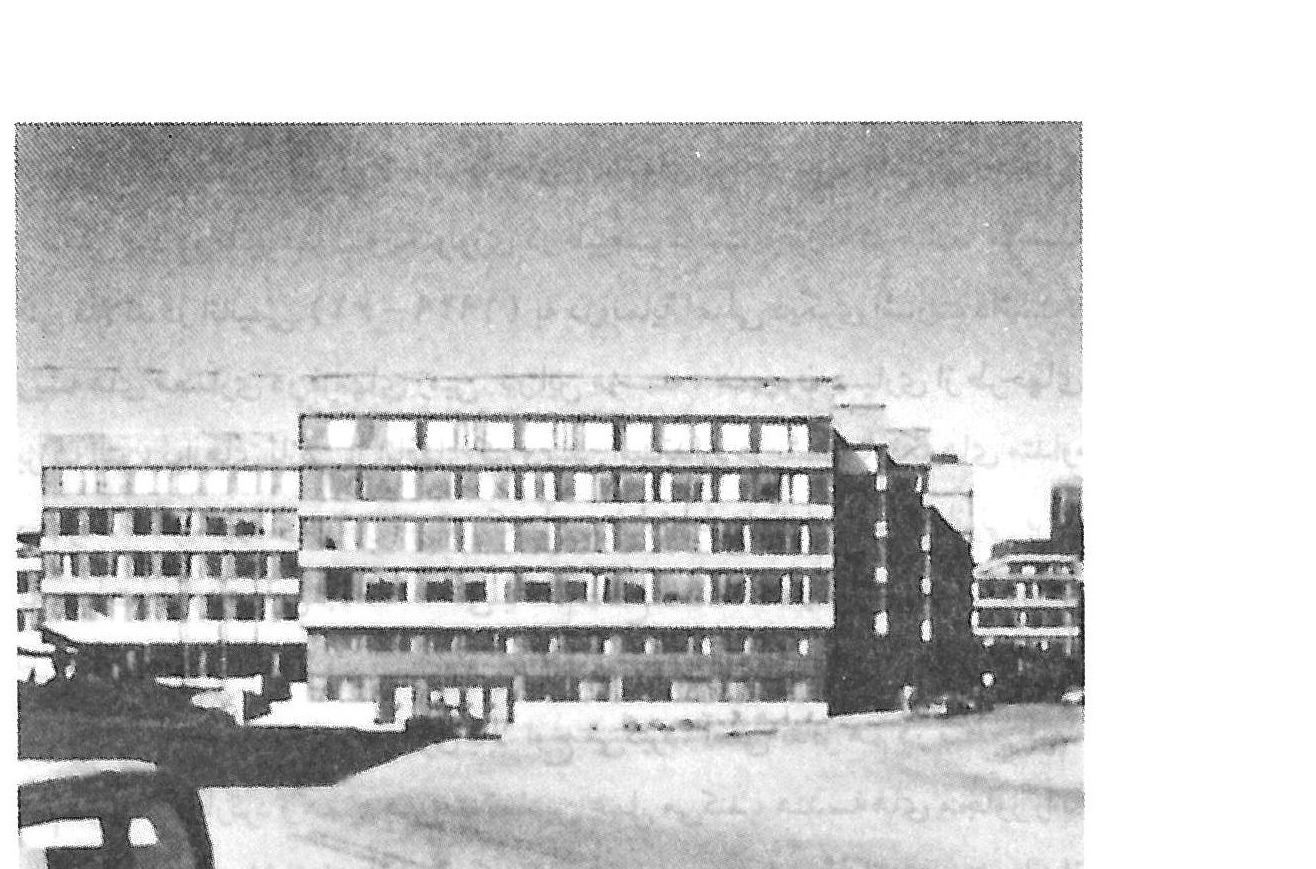
The National Pensions Institute (1948–56), also in Helsinki, demanded a more formal and public treatment. The building sits on a triangular site with a regular northeast facade toward the busy street and stepped surfaces facing southwest toward a tree-lined promenade leading to the sea. Several key themes converge: movement through stepped levels; an atrium lit from above; a courtyard; and a regular urban facade.
The public areas at the base are separated from the offices above by a horizontal gap in which the upper structure rests on cylindrical columns. The columns are “modern” but recall Doric columns. With the dignified horizontal bands of red brick and a dark granite base, this is one of Aalto’s most restrained designs — yet simultaneously one of the subtlest in its allusive depth. The regular facade alludes to fifteenth-century Florentine palaces, particularly Alberti’s Palazzo Rucellai. In the traditional stone palace, the base was rusticated at ground level. But Aalto inverts the arrangement, creating a glazed zone below.
Otaniemi: Openness
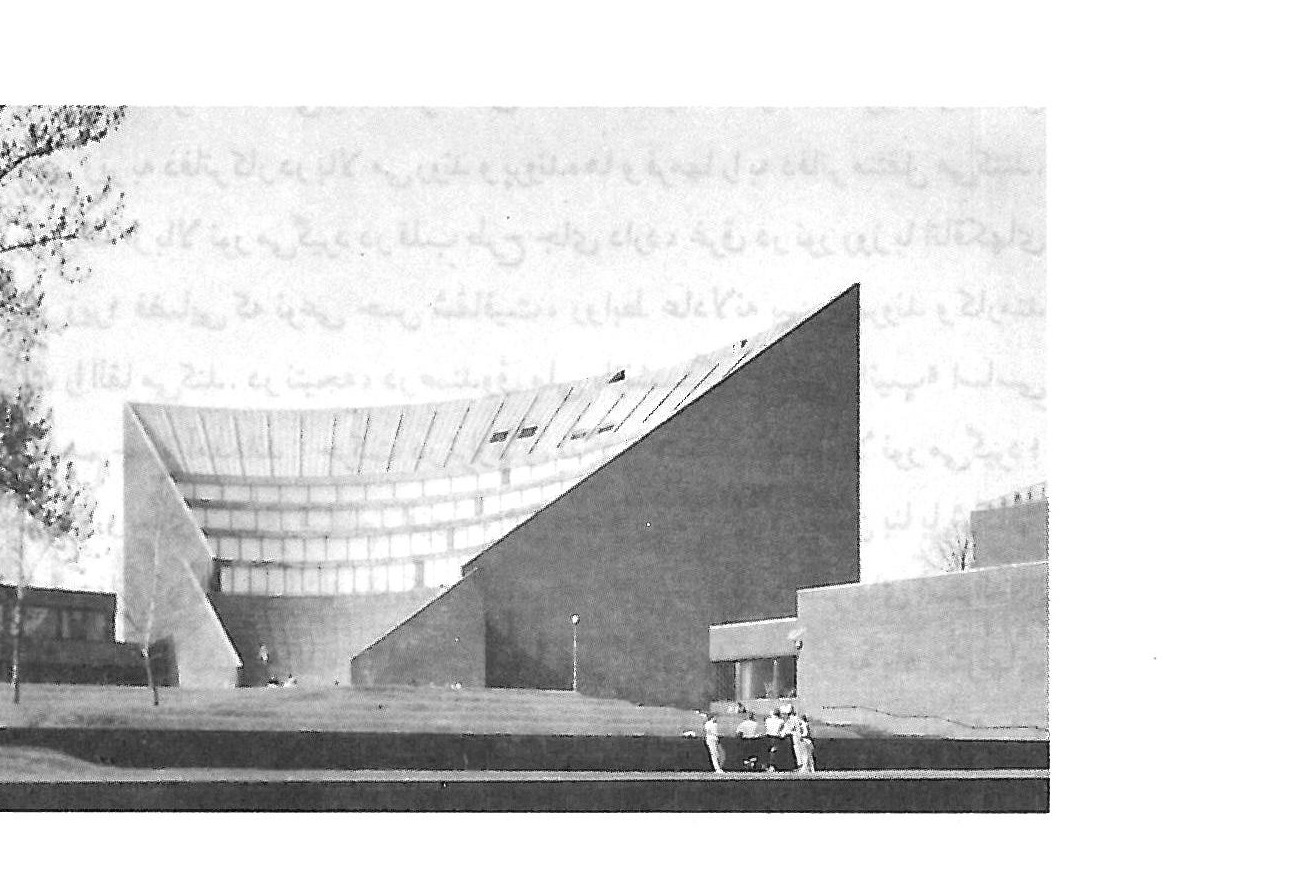
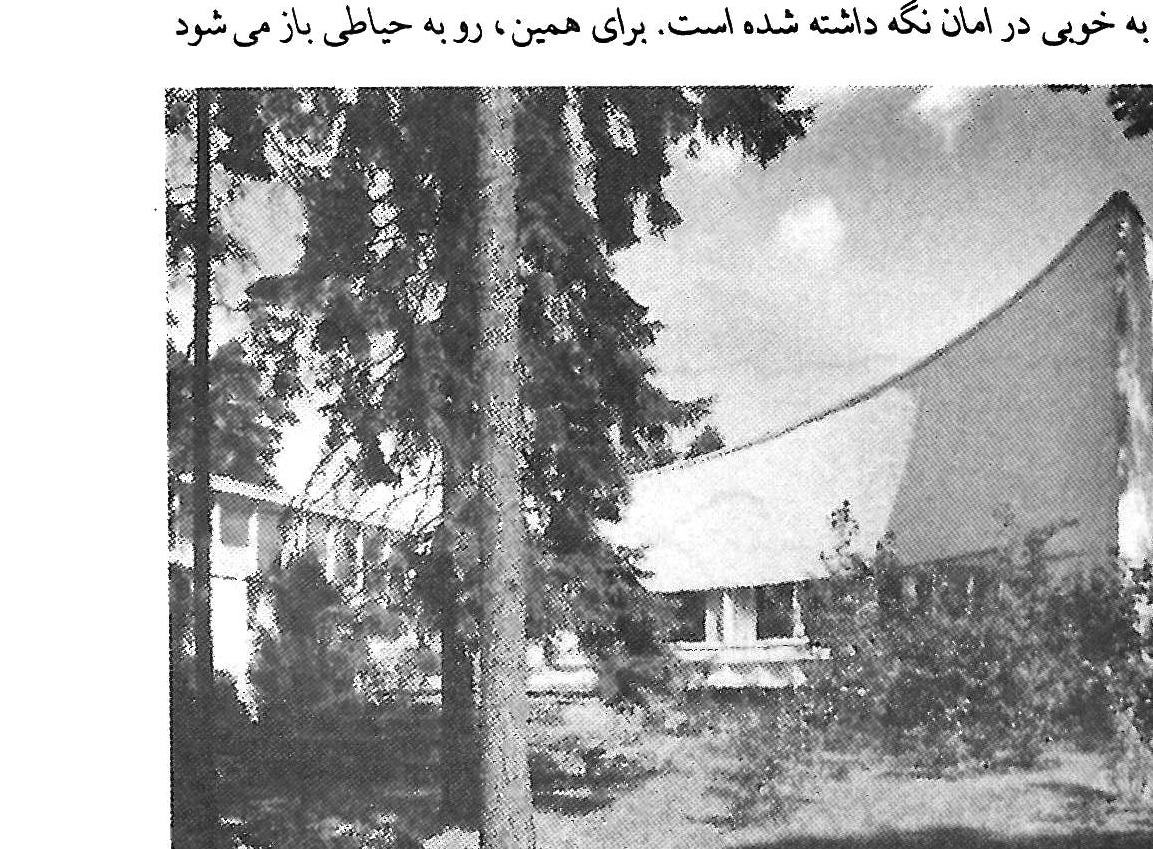
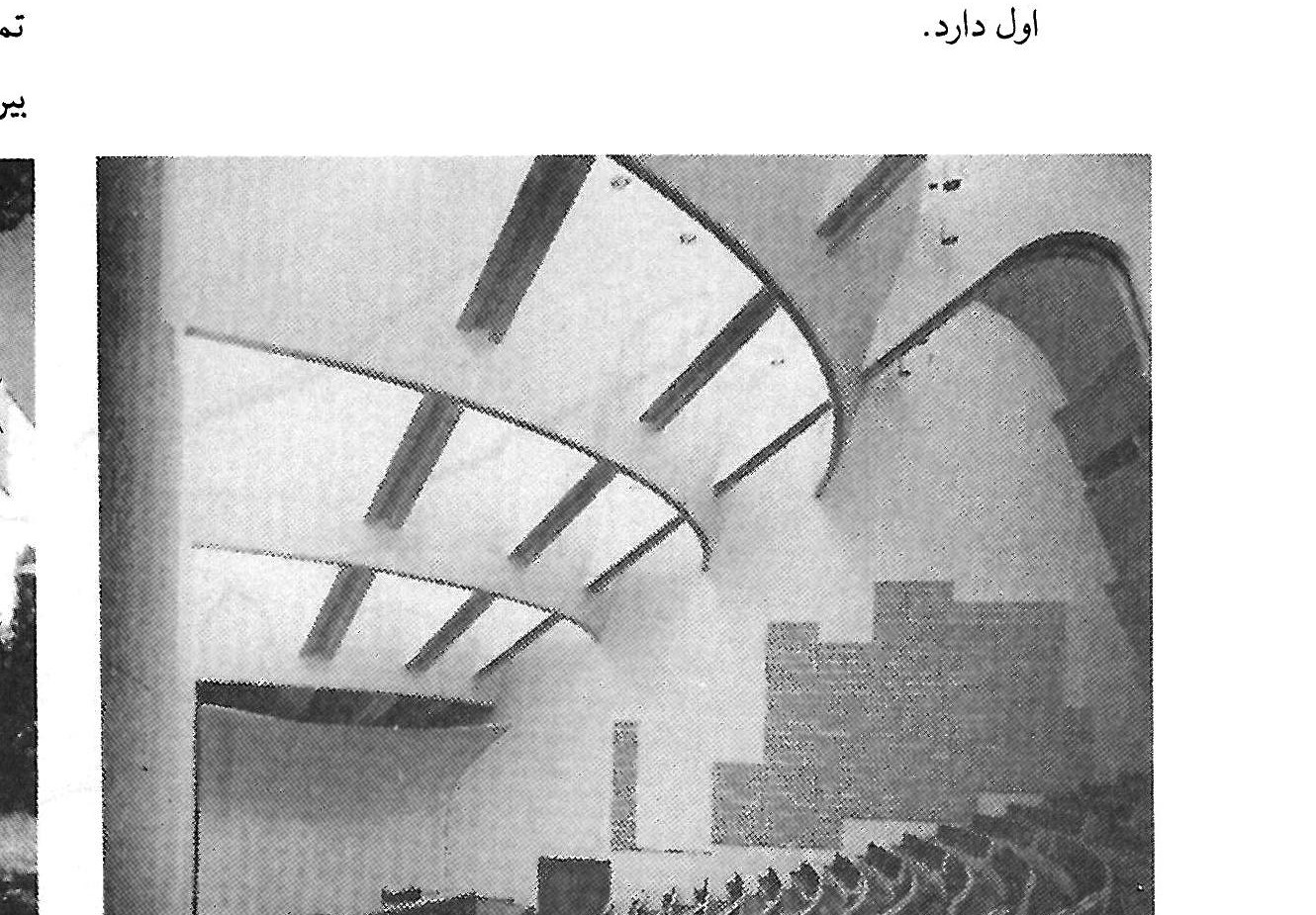
If Villa Mairea contained a manifesto about “the myths of the forest,” the Helsinki University of Technology at Otaniemi (1949–62) pointed to a different relationship: architecture’s roots in the forms of the earth itself. The organizing axis is the great amphitheater mound, which gathers surrounding lines and terraces and rises from interior halls toward the landscape. The amphitheater operates at both formal and symbolic levels, connecting earth forms with the social function of academic assembly — a sign of an open, egalitarian academy in the natural landscape.
Aalto understood that one of architecture’s primary tasks is to idealize institutions. At Otaniemi, the scale of objects themselves matters, because the exchange of ideas occurs informally in corridors or in the open view of nature. The curved light scoops recall his precise drawings of Greek theater edges — form transferred from one function to another, responding directly to natural forces while echoing classical forms.
Studio: Childhood Memory
Many of Aalto’s buildings contain theaters in the broad sense. Even where conventional auditoriums were not present, warm stairways and stepped terraces functioned as “social theaters.” It is no coincidence that at the heart of Aalto’s own studio in Munkkiniemi (1959) sits an irregular amphitheater — the ancient building type that most closely matched his mental image of the world. The studio was conceived as a community of like-minded individuals, a kind of extended family working on a protected island among trees.
Aalto, at his desk overlooking the small theater’s steps, probably recalled childhood memories — the great white table of the family home where young engineers learned surveying under his father’s guidance. He remembered: “The table had two surfaces, two levels, and the upper one was where I spent most of my childhood — it was like the great square of the town, over which I alone held sway.” Later, the child gained admission to the circle of elders and was allowed to use their pencils and instruments. Years later, Aalto posed the question: What is the white table? And gave an enigmatic answer: a flat, neutral surface — so neutral it can accept anything you wish — purely the product of human imagination and skill.
Floating Planes and Rays of Light
The family of an artist’s forms mediates between outer and inner worlds, acting as a mental map for recording external realities and guiding internal exploration. Through abstraction, it transforms experience into art — channeling the mythological images rising from the depths into schematic designs. For Aalto, the space of imagination was organized as floating, interpenetrating planes through which rays of light penetrated.
Perhaps this corresponds to an image of the mind itself — levels of consciousness that occasionally grant access to dim memories of origins. Aalto’s buildings are a kind of microcosm, like small pieces of an ideal society. His “utopia” was never expressed in words but is present in his buildings. In this utopia, social relations are re-examined from the root, and a longing for the lost framework of Enlightenment values can be felt. This utopia, progressive in some respects, was deeply imbued with nostalgia in others. In an age of mass industrialization, the individual and the democratic city of ancient Greece were idealized. This utopia represented a return to roots found in “natural order” and the inner landscape of the mind.
Source: William J. R. Curtis, “Alvar Aalto, paysages mythiques,” l’architecture d’aujourd’hui, février 1998.
Translator: Forouzandeh Taheri



