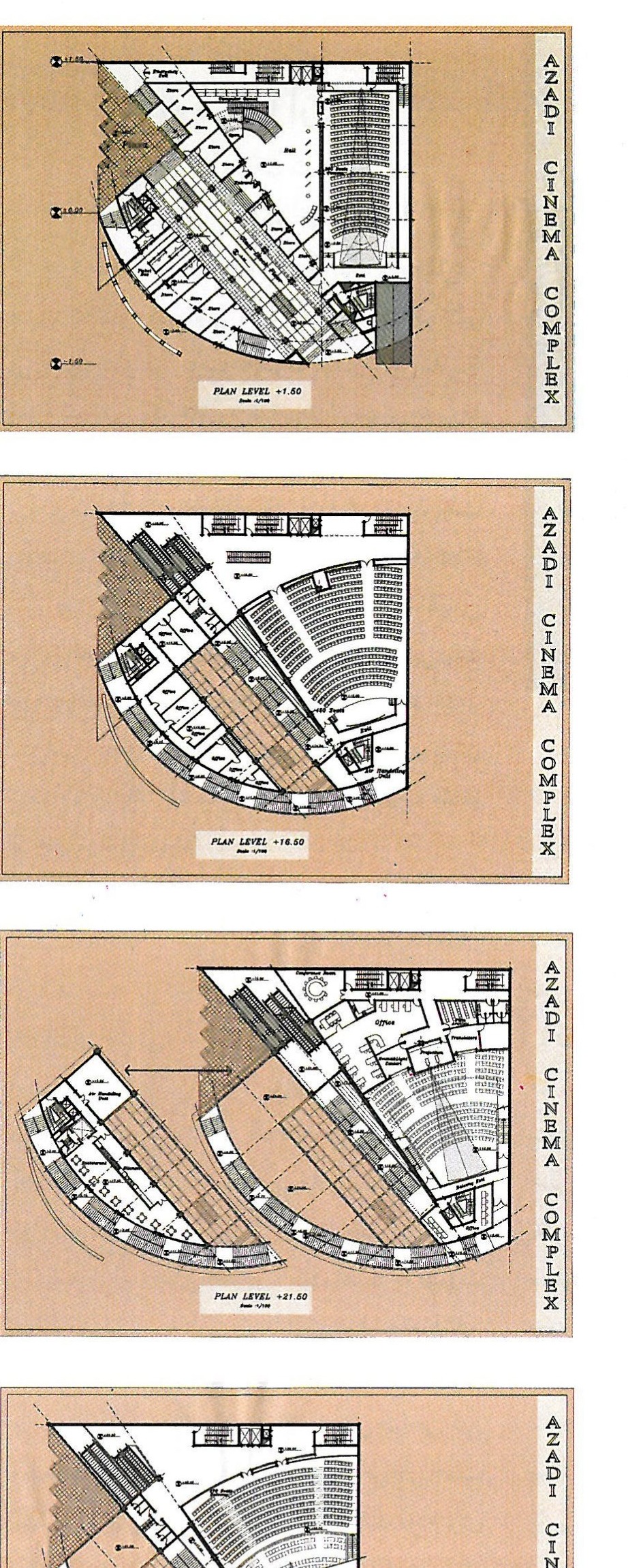
In the second phase of the Azadi Cinema design competition, organized by the Cultural Centers Department of the Art Division of the Islamic Propaganda Organization, two of the three designs selected in the first phase were declared the final winners by the jury panel. These two winning entries are introduced here.
Entry 1 — Azadi Cinema Project
Architects: Amir Alinoshahr, Gérard Pierre, Stéphane Rouvière, Hamid Imani Rad, Mohammad Gol Tabizi
Estimate: Jean-Luc Foral
MEP: Pernod Company
Acoustics: Pépoz and Partners
Scenography: An Morasi Office
Safety and Control: An Test Office
Structure: Anb Office
Glass and Operable Cladding: Akira Office
The new Azadi Cinema complex, in addition to its cinematic function, has been designed for hosting festivals and other artistic activities. The overall composition of this complex is based on two sections:
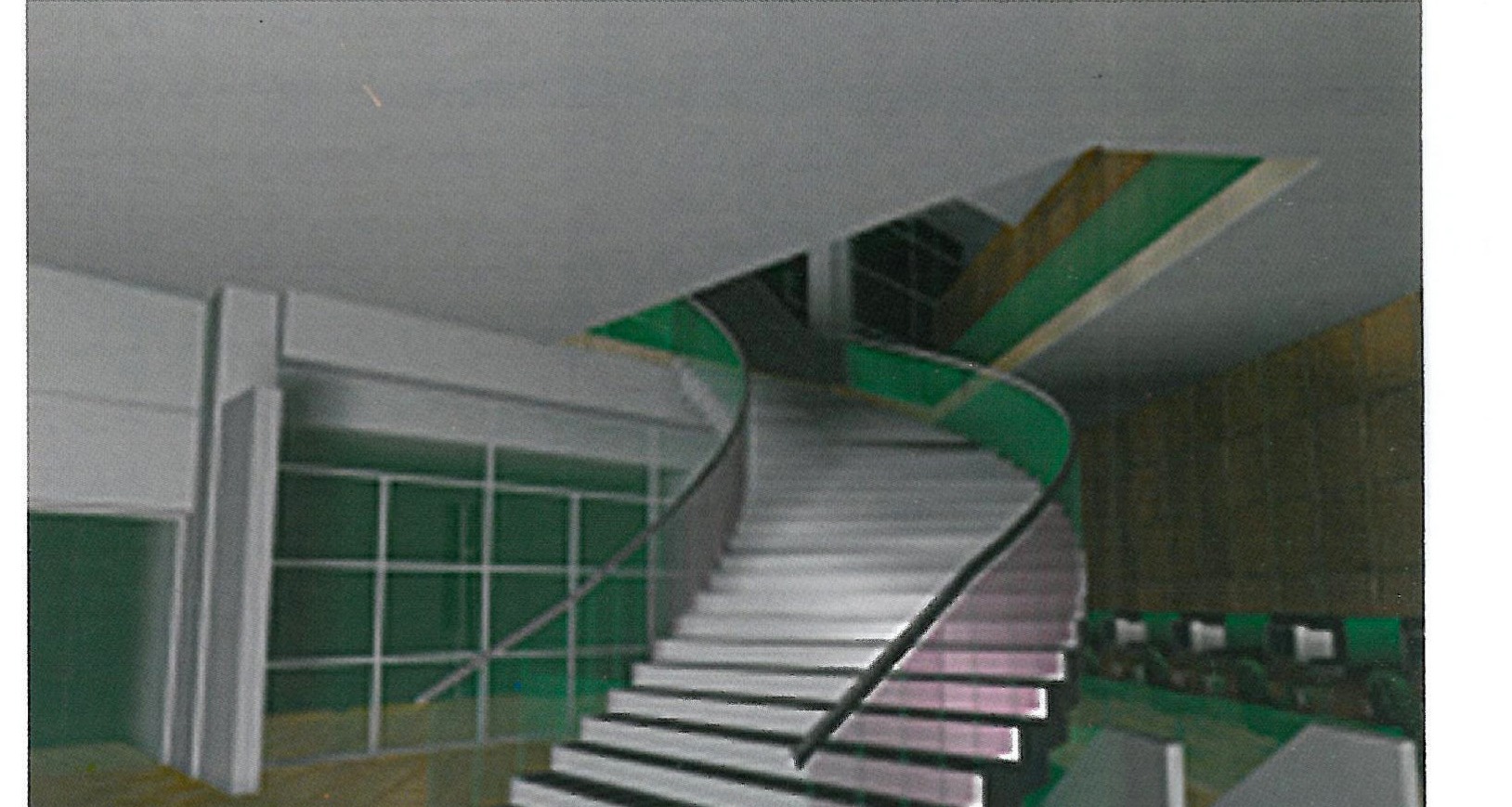
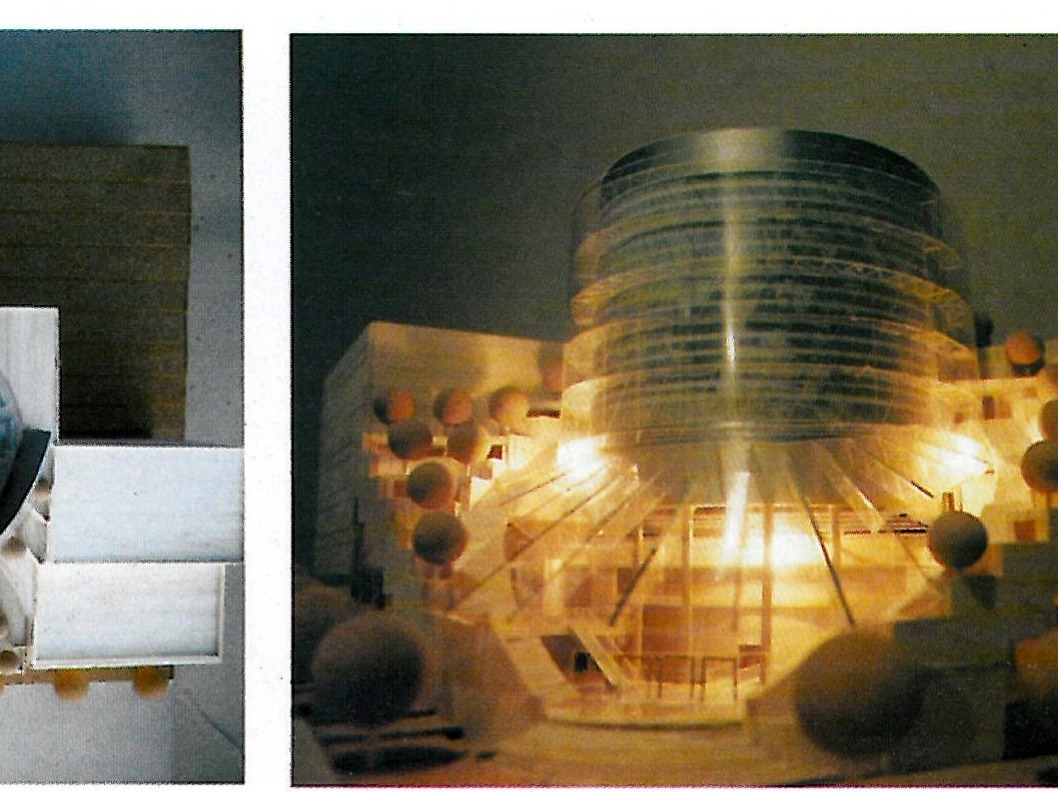
The form of circular, revolving stepped platforms — symbolic of the space of spectacle and befitting the position of an urban intersection — and the cylindrical volume enclosed among the steps, which evokes a screen facing the city and represents the performing art of the contemporary era, namely cinema. Within this screen lies a multipurpose performance hall with a retractable roof that is like an eye gazing toward the sky; and between these two, below, a glass vitrine has been conceived for the attractiveness of the complex and as an invitation inward.
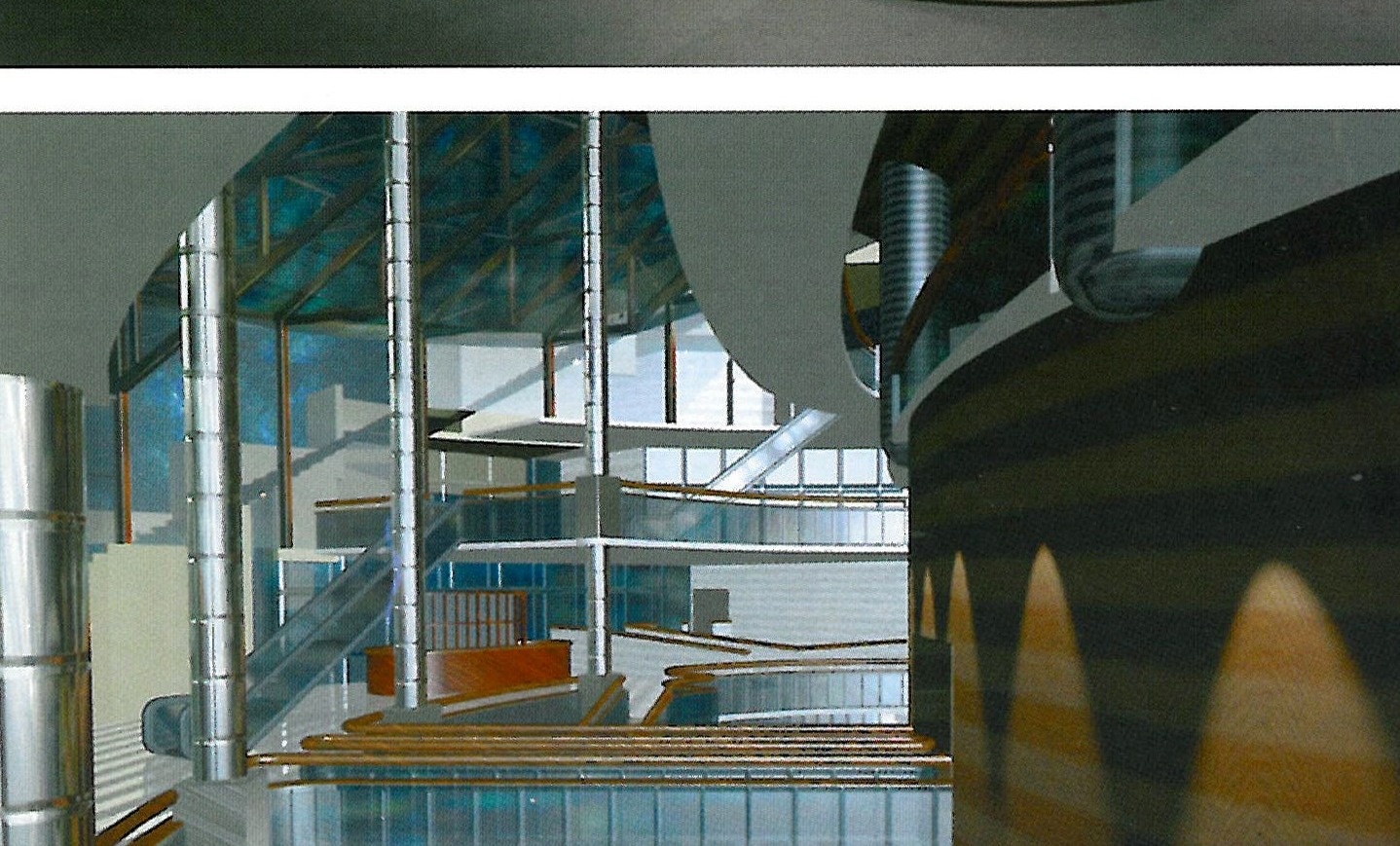
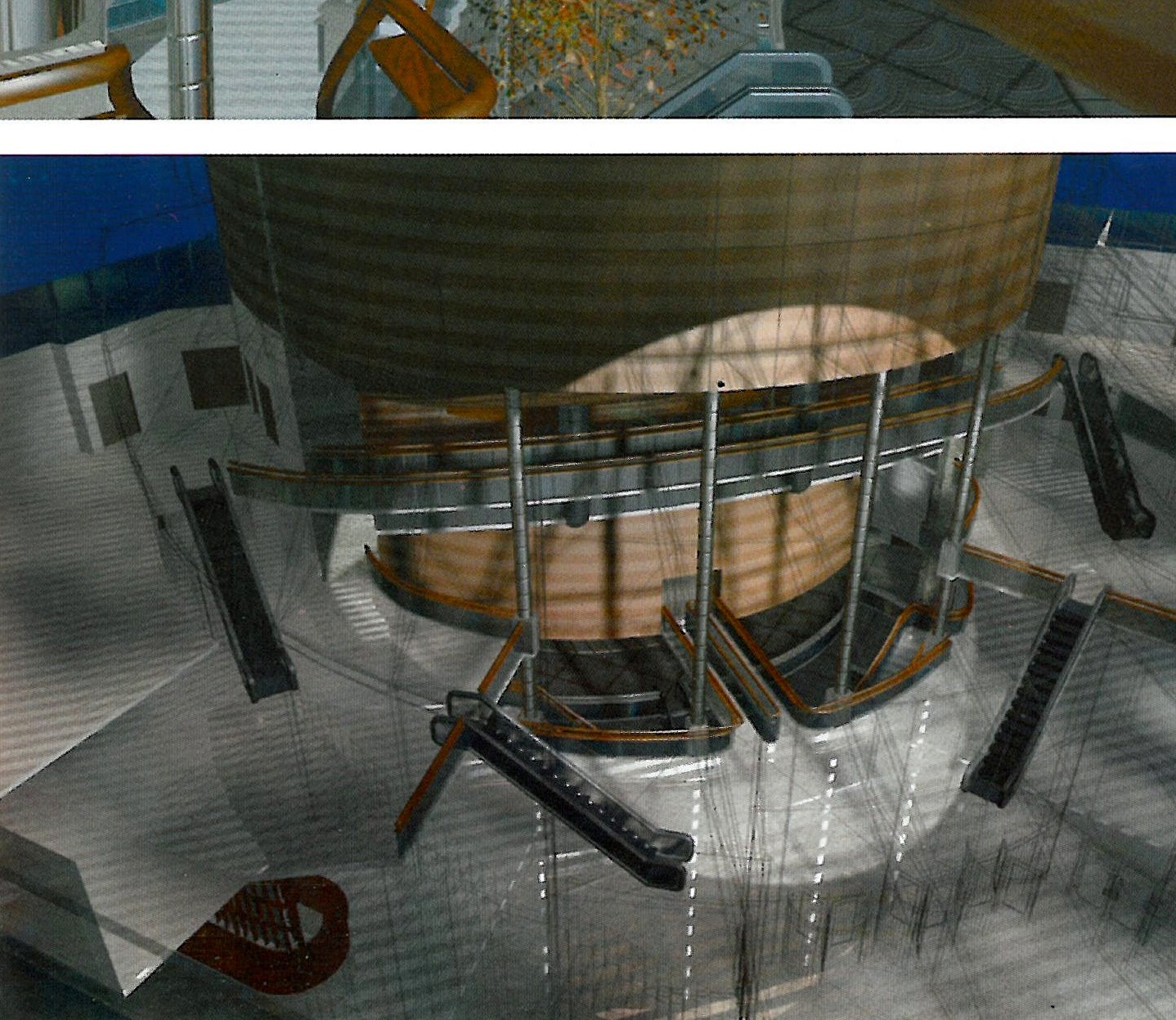
Between the two streets that pass by the complex, a commercial arcade has been designed. This arcade creates a powerful transit axis that separates the cinema halls from the commercial complex. Moreover, the void between floors provides visual connection between these two spaces. The commercial complex takes a circular form with the geometric character of an Iranian bazaar.
The main connection of the commercial complex is located at the half-level, and the entrance complex, waiting hall, and the exterior section form a large unified area. In this section, the opening of the void between floors both directs passage space to the perimeter and provides greater and better natural light in the interior levels.
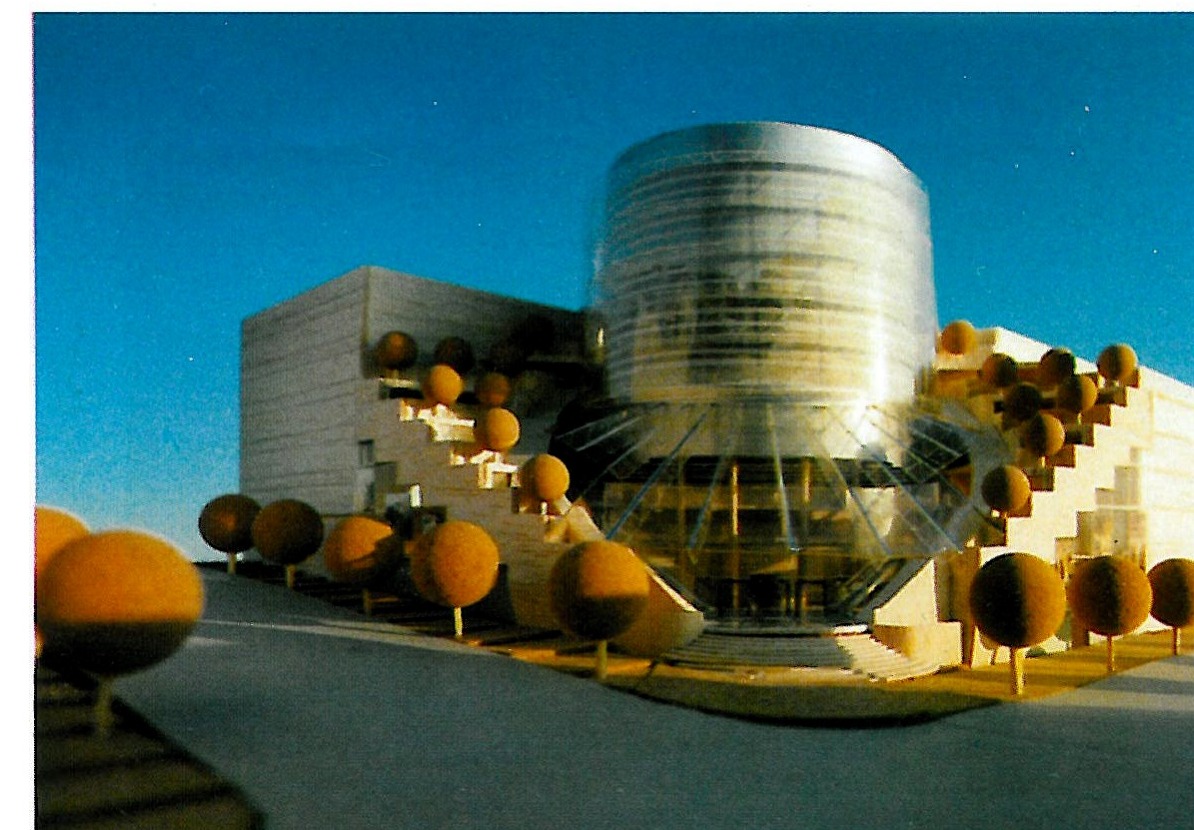
The glass cladding provides the necessary transparency for visual connection between the interior and exterior urban spaces. The glass is of the double-layer safety type, bonded together with a special interlayer and attached to steel mullions using a bolted connection. This type of connection is designed for seismic zones. On the other side, the louver blades, designed as a layer of sunshades between the glass panels, can be easily adjusted, allowing natural air to circulate.
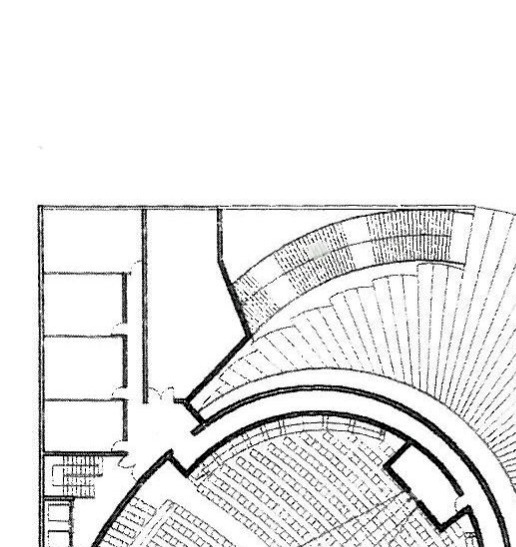
The area of the seven halls, excluding the specialized projection hall, is 3,700 square meters with a capacity of 2,280 persons. The hall also has the capability of being converted into an art exhibition space and accommodates private gatherings; for public screenings, it has additional capacity for several hundred more spectators. In all halls, ramp access for disabled persons has been provided.
A total of 2,500 square meters has been added to the project area compared to the first phase, bringing the net area to 14,600 and the gross area to 16,500 square meters. This increase has been achieved by adding height to the complex and projecting 1/20 on each side toward the street on the upper levels. Safety measures for fire protection and building evacuation have been taken into account, with international standards and fire-suppression systems — including sprinklers — incorporated in addition to observance of Iran's building codes and fire regulations.
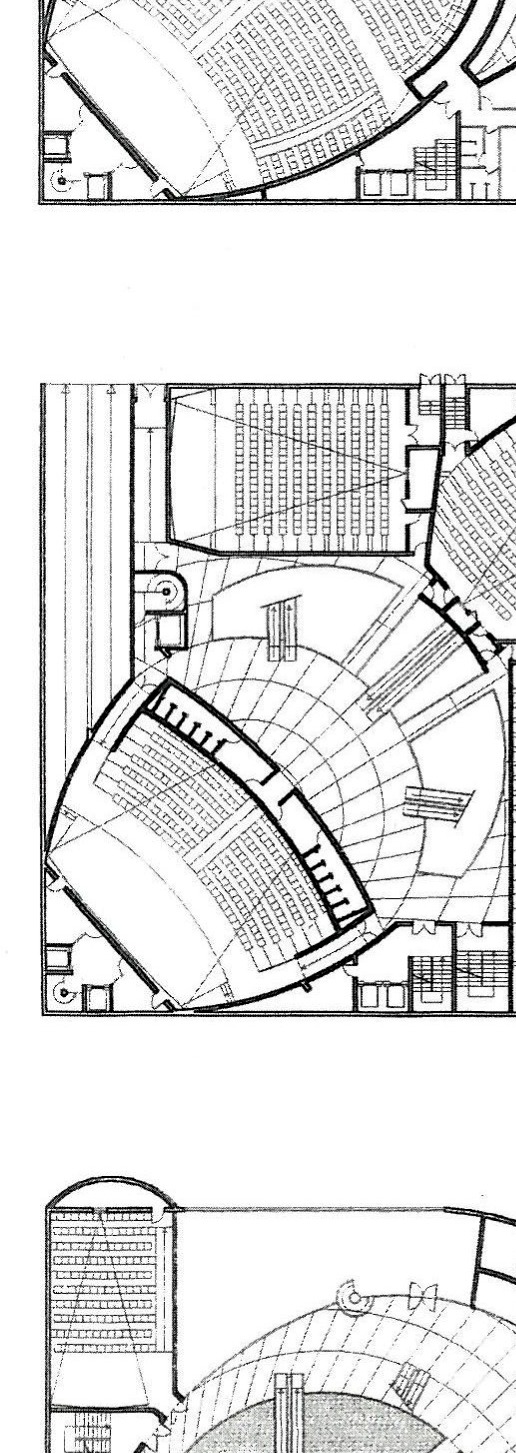
The retractable roof of the top floor, with a diameter of 18.5 meters and positioned above the 580-seat hall, consists of twelve metal panels with thermal and acoustic insulation. In the closed position, the panels rest on twelve central axial metal beams; opening is achieved mechanically and electrically.
Entry 2 — Azadi Cinema Project
Designer: Babak Shekoufeh (Tavan Consulting Engineers)
Structure: Hamidreza Jafarian
Mechanical and Fire Suppression: Ahmad Sabonji
Electrical: Hamidreza Sadat
Acoustics: Syed Hassan Derakhshan
Team: Mahshad Mohammadi, Neda Langarani, Pejman Baghchejai, Shirin Mazaheri, Mahnaz Ghodedaghi, Fatemeh Rahmani, Negar Farivar, Farshad Serati, Hamidreza Ashraf
Computer: Arash Zera'atian
Model: Ali Loqmani
Photography: Mohammad Navab Maryani
City and building exist in a tense and reciprocal relationship, influencing one another and absorbing each other's visible and hidden forces. The design of the Azadi Cinema complex has been carried out with the idea that, in addition to possessing architectural values as an individual building, it should also contribute to the enhancement of the quality of urban space.
Given the visual fragmentation and the fine-grained scale of the neighborhood fabric — which bears no proportion to the requirements of the central districts of a multi-million-inhabitant metropolis — the creation of a building and space of large scale has been among the design objectives. Achieving large scale is not accomplished merely by constructing a massive or tall structure; rather, spatial proportions, the manner of dividing surfaces and volumes, and the method of composing negative and positive spaces all play a role in achieving this effect.
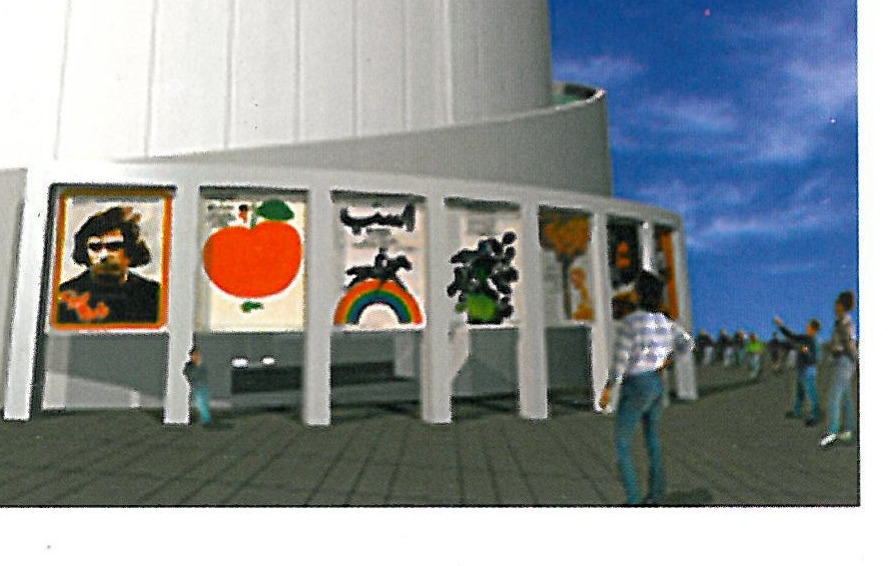
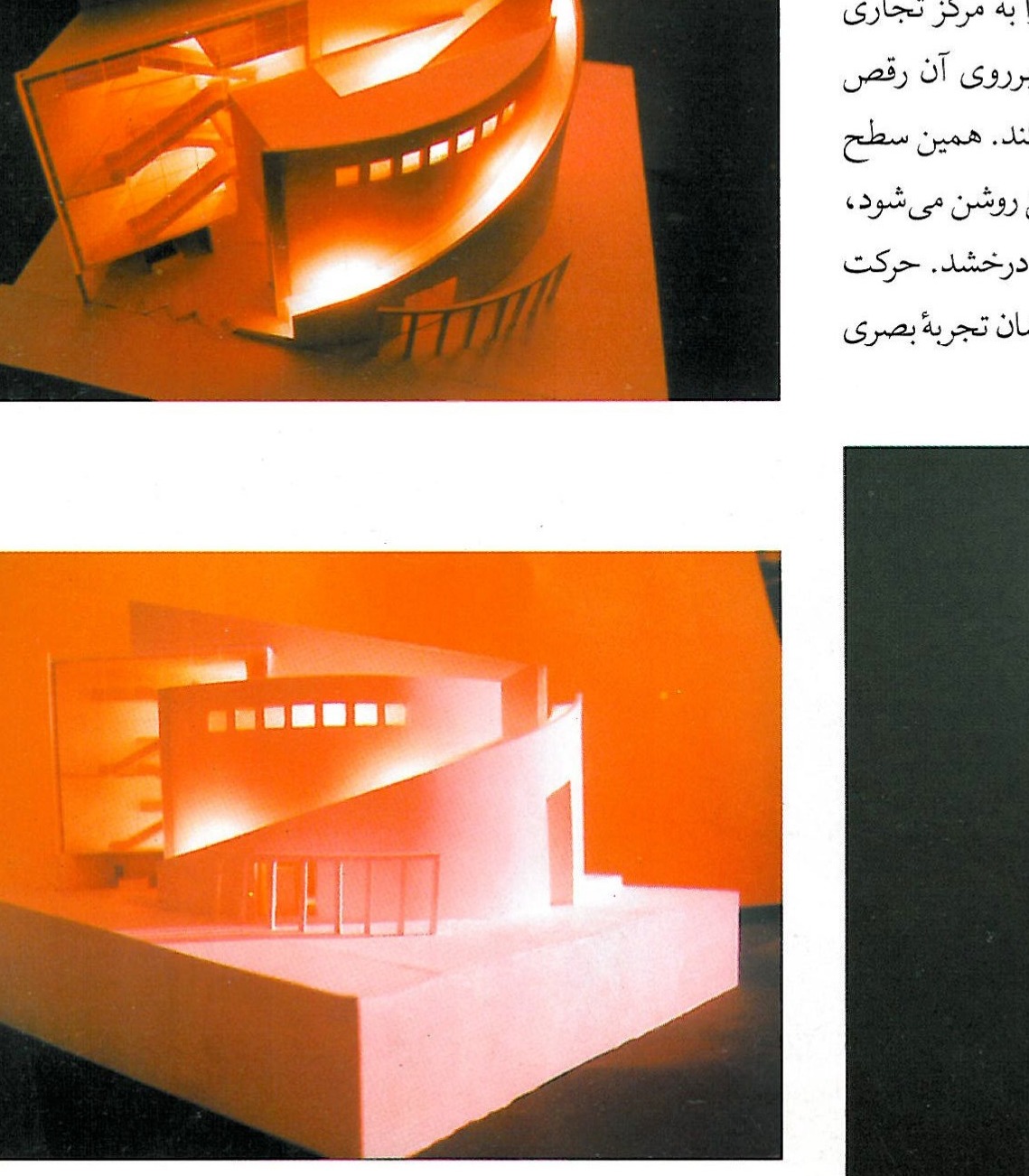
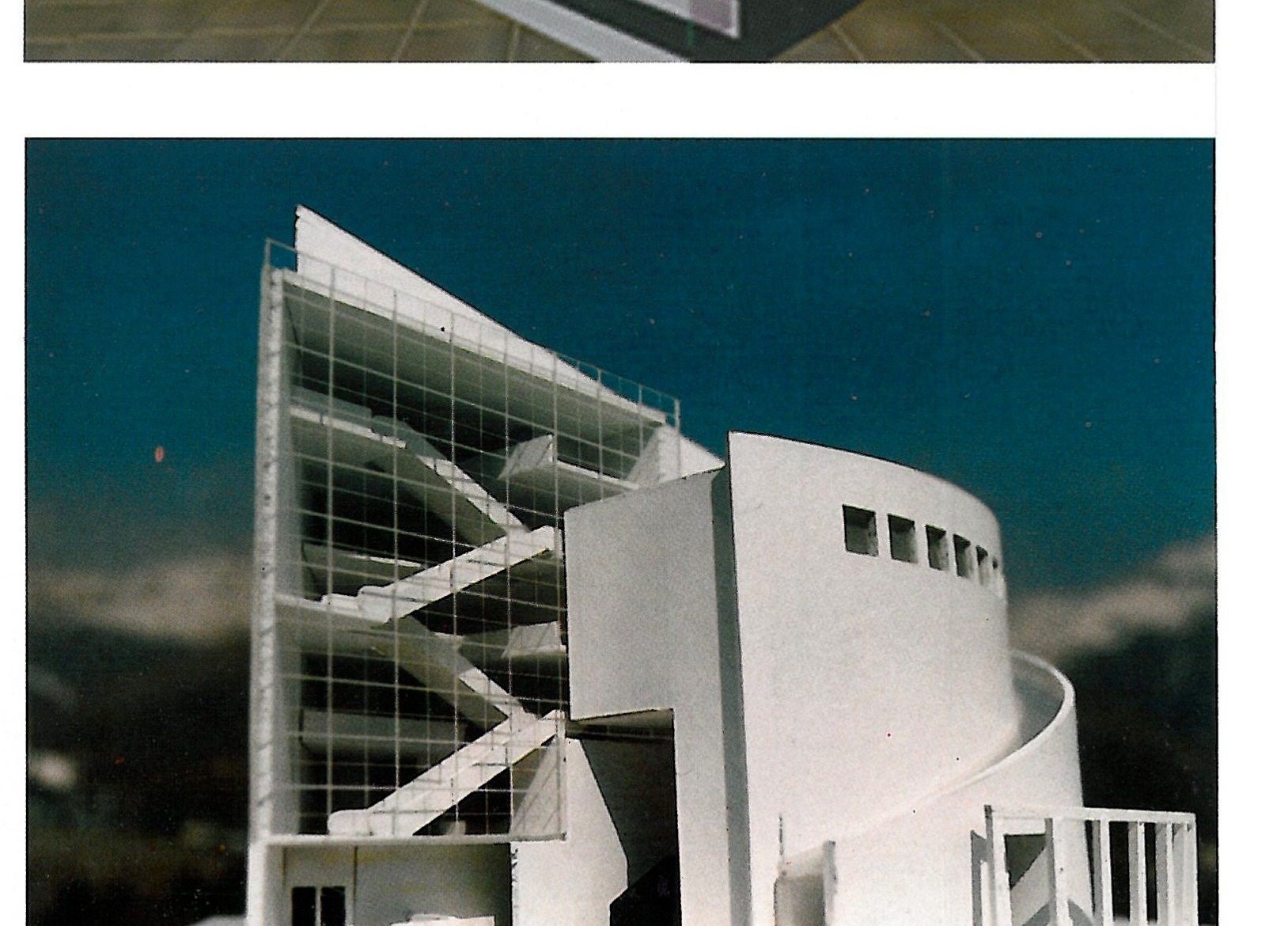
The most distinctive element of this building is a continuous gap that asserts its dominance over the entire structure with force. The bed of this gap is a pedestrian passage stretching between the southern and western streets of the site. This passage, functioning as an open public urban space, plays a fundamental role in connecting the complex with its surrounding fabric and ultimately leads to a small plaza at the northwest corner of the site. Entry to the complex takes place through this passage.
The cinema exit ramps — designed as two sloped bands drawn across the facade, one curving outward as exterior cladding, the other as interior — together with the continuous gap, address the most challenging primary design issue: the entry and exit circulation of seven cinemas. The movement of people entering the cinema on the escalators of the upper floors, occurring behind the wide glass facade on the northern side of the building, as well as their descent on the exit stairs attached to the building facades, constitute complementary elements of the building's form and body. In effect, subject and object have become one.
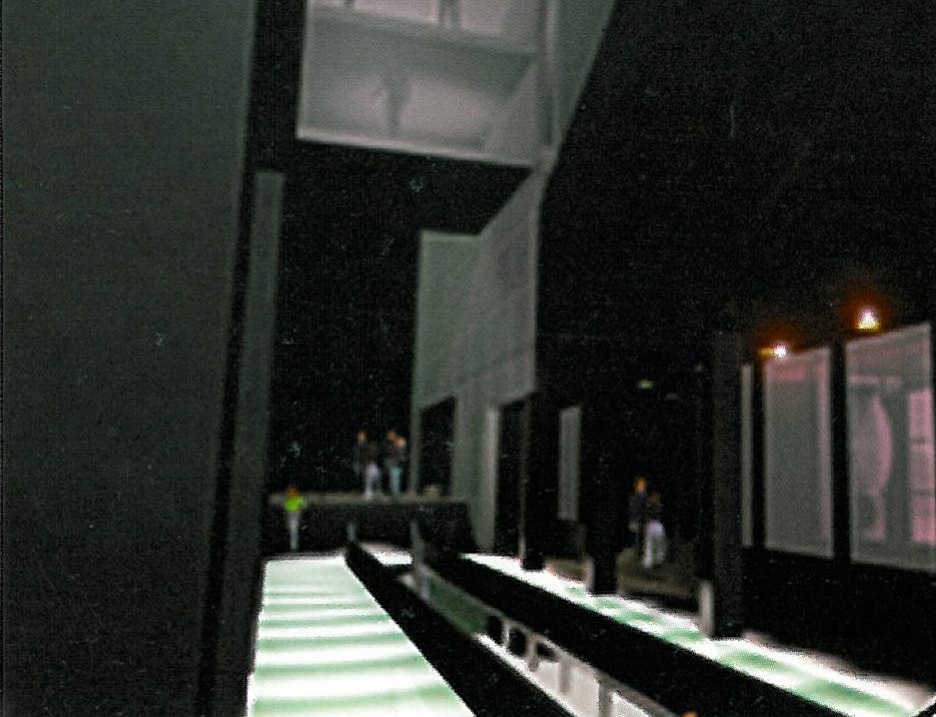
The surfaces and skins — open (glass) and closed (concrete) — placed adjacent to one another or intersecting, are the primary defining features of the geometric structure of the complex. The purity of volumes and the composition of lines, surfaces, and different volumes have contributed to the creation of a rich and fluid visual arena.
At the same time, the various surfaces have been positioned so that at night, the light from interior spaces radiates through the gaps between different surfaces, illuminating the rear surfaces from behind the darker front surfaces. It appears as though bright and weightless volumes have emerged from the depths of darker surfaces. Such a composition creates a multi-layered visual order.
The bed of the central gap conveys sunlight to the commercial center below and transfers the dance of human shadows moving across it to the lower spaces. This same surface shines at night as a luminous, glowing plane. The movement of people across this crystalline and radiant carpet produces a unique visual experience.