Archaeological excavations in Bandian, Dar-e-gaz, were begun in 1994 under the programmes of the National Cultural Heritage Organization, and four seasons of excavation have now been completed.
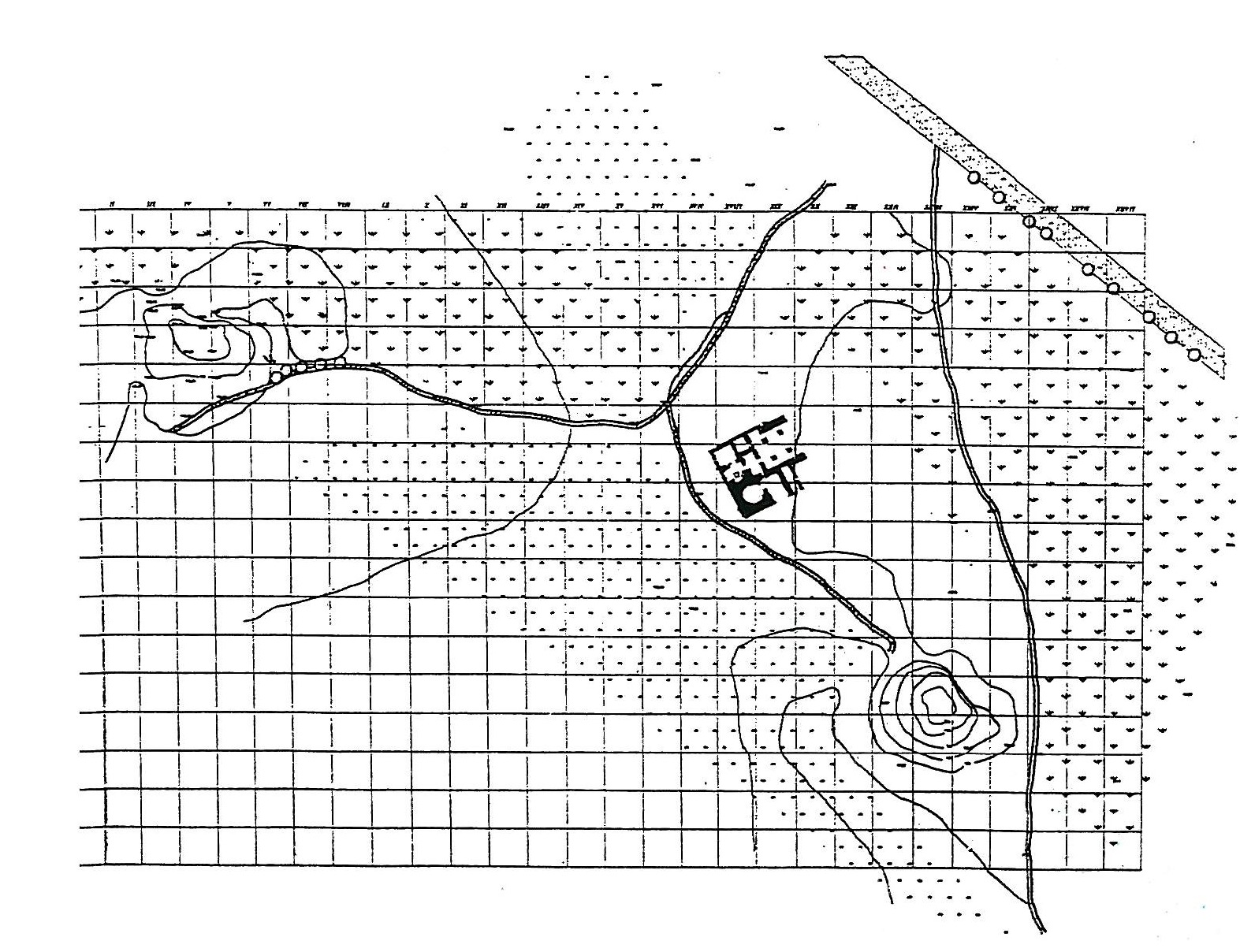
The ancient site of Bandian, with the approximate extent of the grid
The outcomes of these excavations were presented by Mehdi Rahbar — the head of the excavation group — at the Second Architectural Congress (May 1999, in Bam). Due to the significance of the issue, he has also published two articles in Dossiers Archéologie (1998) and Studia Iranica (1999, issue 227).
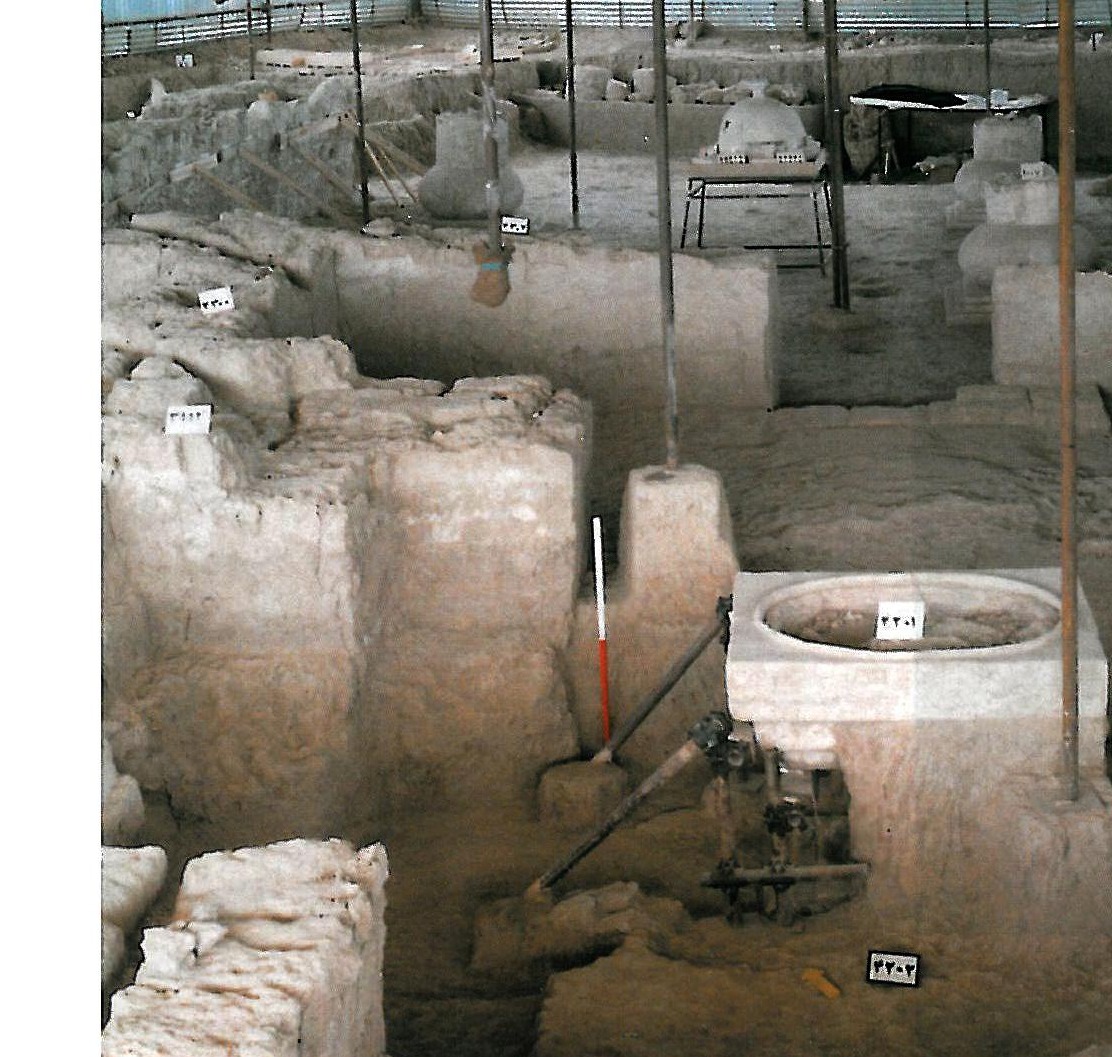
The fire temple with the plaster fireplace
Since all archaeological works in Iran have so far been concentrated in the western and southwestern parts of the country, findings in the north-east — an intact area — are very important.
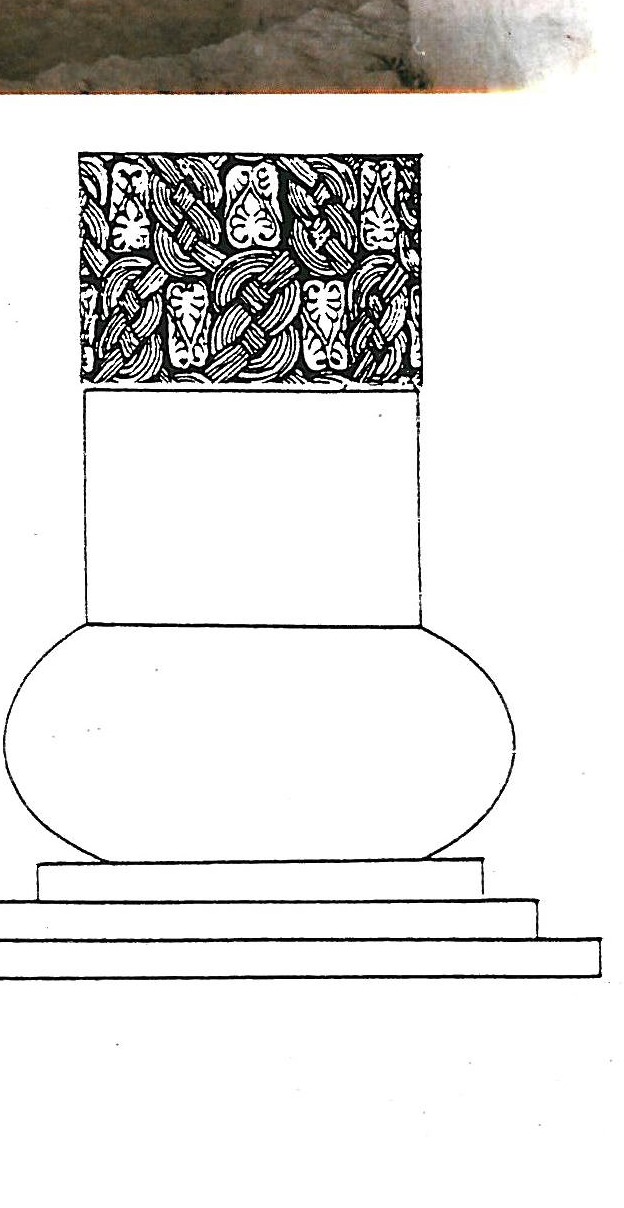
Plaster-work ornaments on the shafts of the columns
The historical site, comprising three ancient hills and extending over roughly 4,000 sq. m of land, is located near Bandian in the township of Dar-e-gaz, in the northern region of Khorasan Province, and belongs to the mid-Sassanid era.
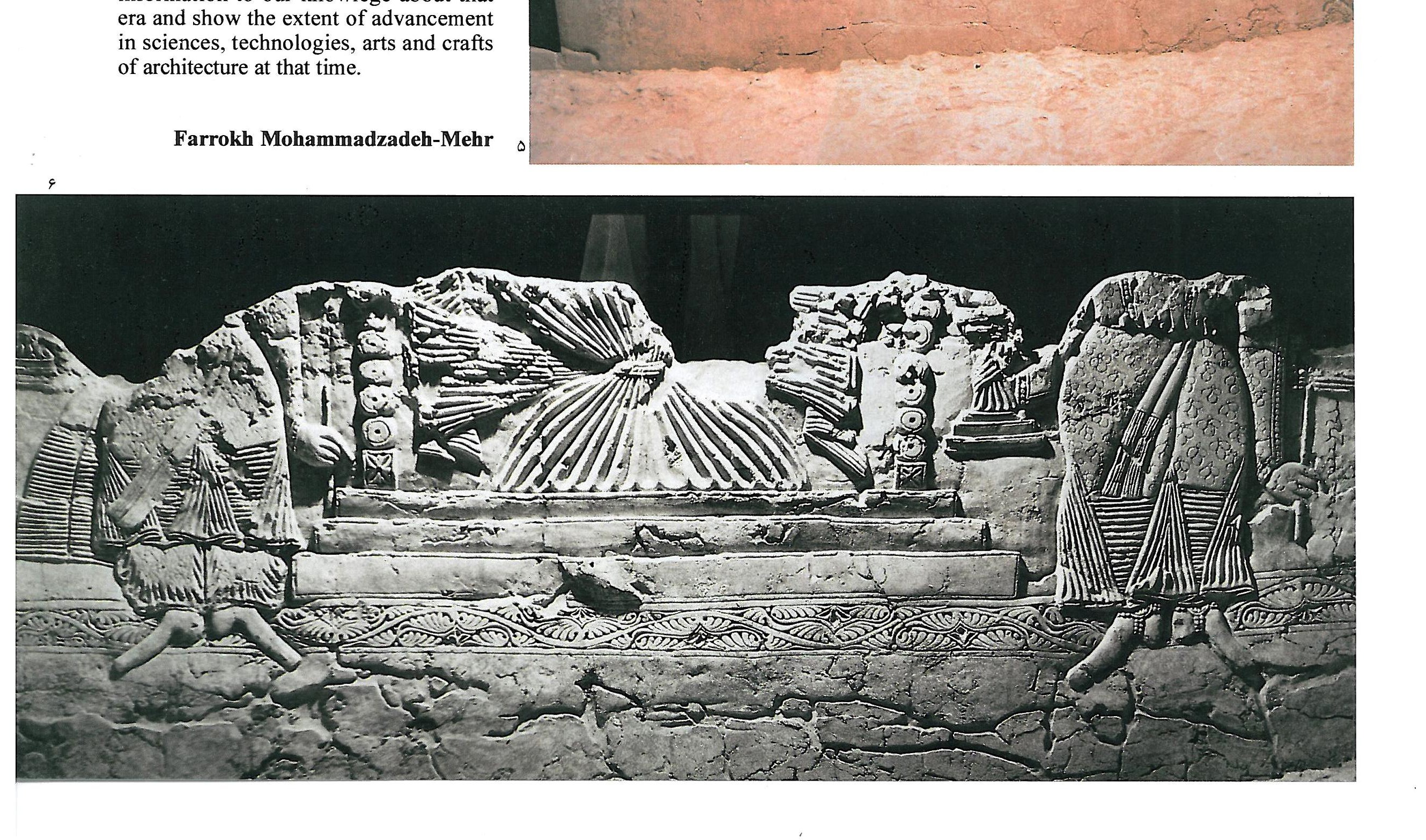
The battlefield of Bahram Gur and the Hephthalite kings
The monument is the remains of a “Dastoori” temple, a border area near the route of the Silk Road. Owing to its geographical and frontier importance, it was the place of temporary residence of Sassanid kings and princes dispatched to the region both to carry out military exercises and to guard the borders against attacking tribes. A number of violent incidents are thought to have taken place in the area, and these are believed to be the cause of its destruction. Surveying the physical structure, the use of spaces, and the details — motifs, plaster-work, building materials, and the dimensions of the spans — could add valuable information to our knowledge of the period and show the extent of advancement in the sciences, technologies, arts, crafts and architecture of that time.
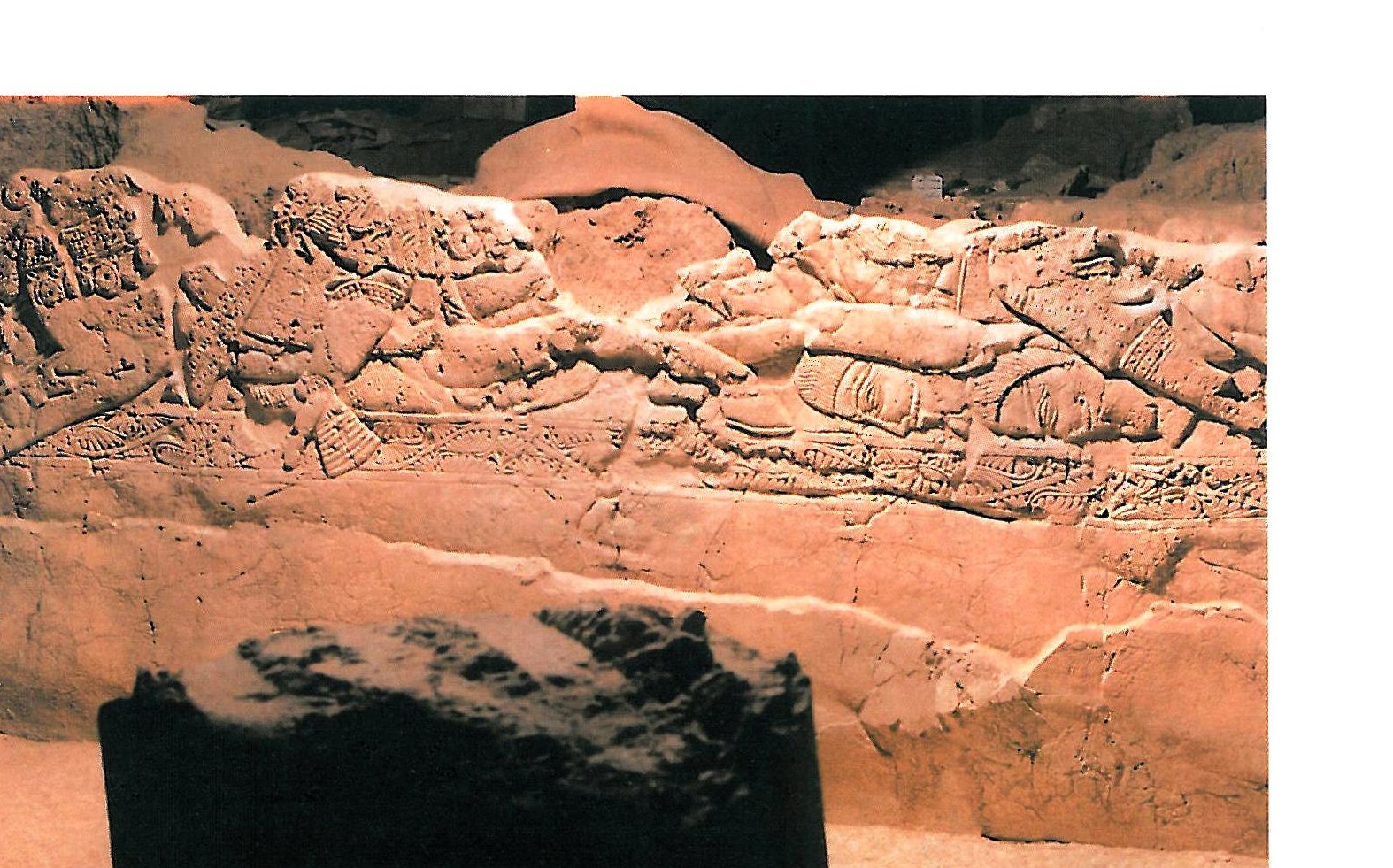
Plaster motifs on the western wall of the altar
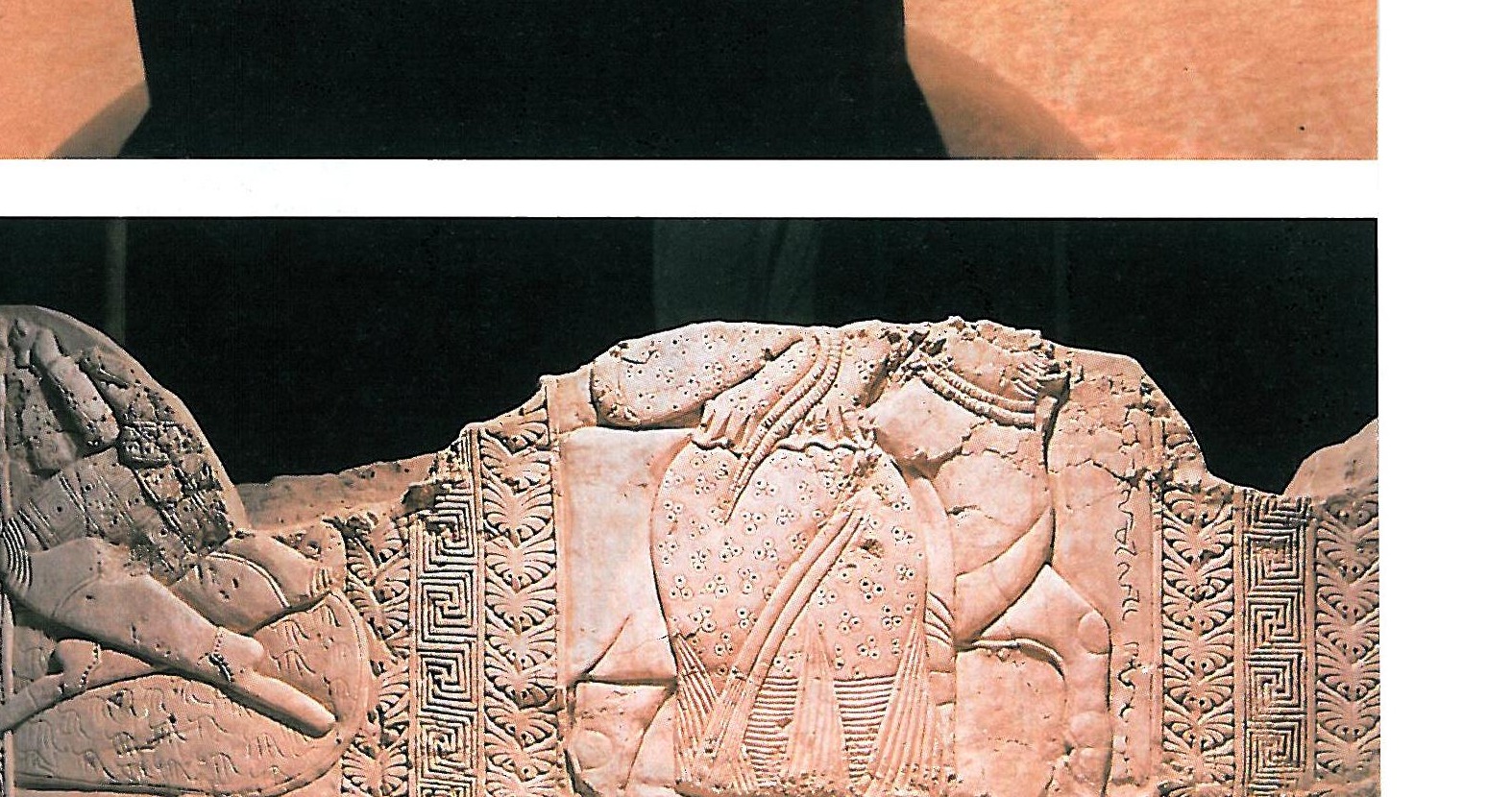
Two clergy with a firepot in hand