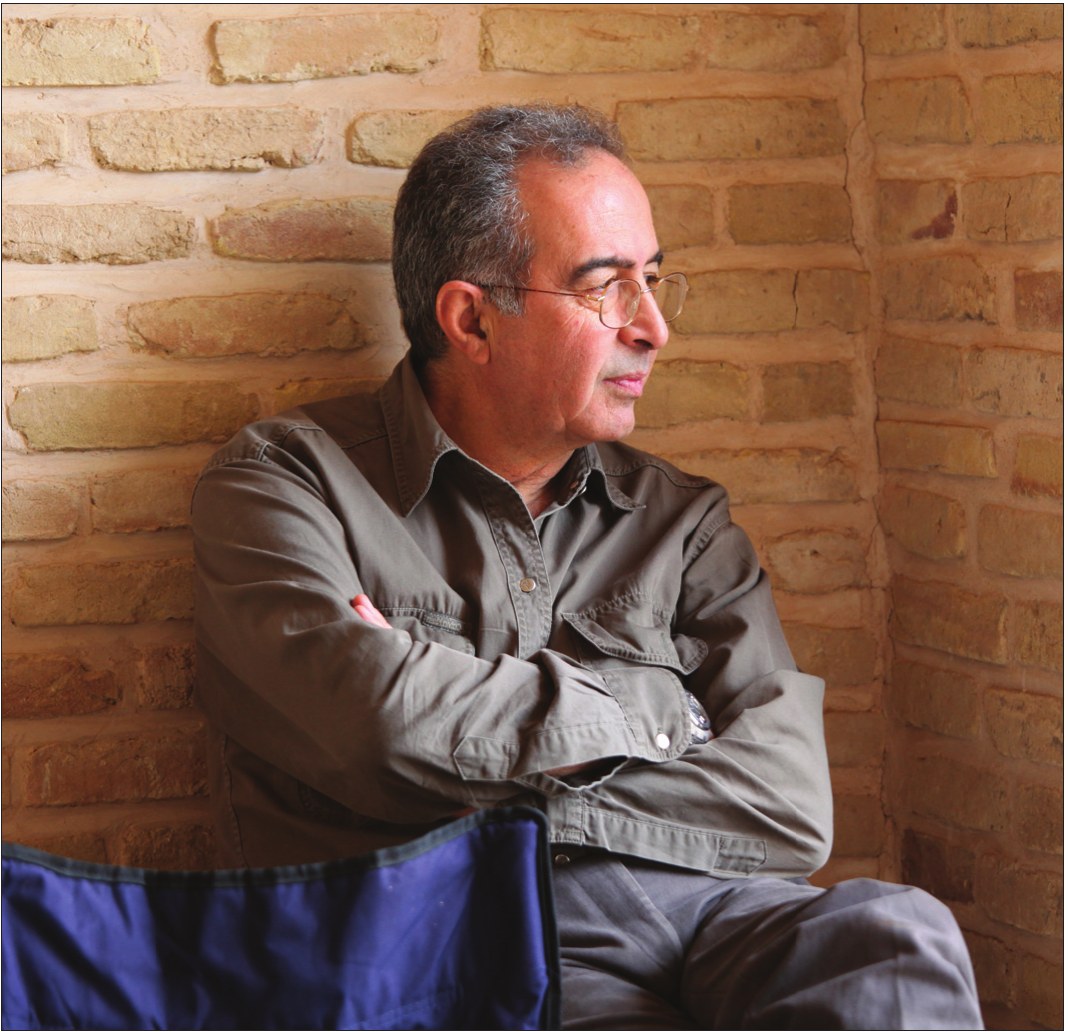
My acquaintance with Faramarz Sharifi goes back to my high-school years. Sharifi was a friend and university classmate of the uncle of my closest friend, and before entering university I had seen him at friendly gatherings and parties. His walking with head held high, his well-matched dress, his calm and beautiful smile, his attentiveness to people and his being a student of the architecture faculty always drew my attention in company.
In 1340, at the architecture faculty of the University of Tehran, I saw him in Seyhoun's atelier and was delighted at the thought of being in the same atelier as him, but I was met with his indifference.
That was how senior students behaved towards newcomers in the first years. While I was in my first year, Faramarz Sharifi and a number of his classmates, and perhaps students of years above him such as Teymouri, Touyserkani, Ardalan and others, were presenting their diploma projects in the atelier known as the diploma atelier, and for us junior students entering that atelier was like entering a sanctum without legal permission.
During the academic year, since the senior students also drew their projects in the atelier alongside us newer entrants, on some of the project sheets and sketches we saw very precise drawings of a car with determined lines that showed off the power of the draughtsman's hand; this reached its peak, and drew the serious attention of all the junior students and especially of my classmates, when a perspective of a Buick seen from the level of the car's wheel was drawn on the atelier door, large, precise and of unrivalled beauty, and it went on showing itself on the atelier door for years - a work by Faramarz Sharifi.
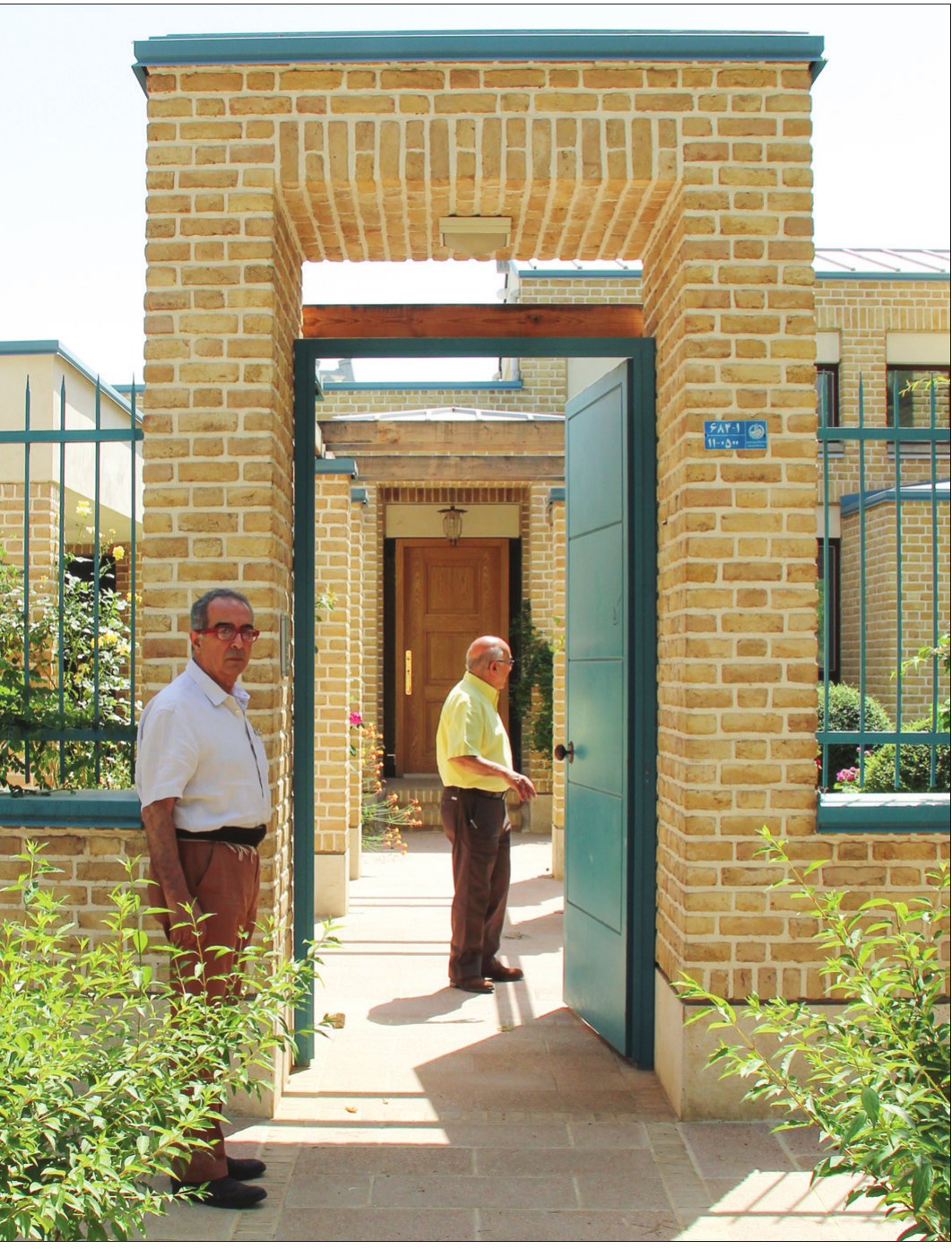
Helping with the seniors' diploma projects was my wish and the wish of all my classmates, but the seniors, worried about our carelessness and the chance of the diploma project board getting dirty (the projects were drawn on paper-covered boards), would not accept help from junior students and did not let them enter the diploma atelier. After much effort I managed to obtain permission to ink the title of Faramarz Sharifi's project beside his diploma board. In the end his satisfaction counted for me as a promotion in my education.
In the following years, through frequent travels with Seyhoun all over Iran and learning alongside the faculty's seniors, eminent figures such as Hossein Khalilian and Manoushan Zangeneh and others, and with the forming of an architectural eye in a student, the works of Sharifi, like the works of masters who had something to say in the architecture of that period (the 40s), caught our attention in corners of the city.
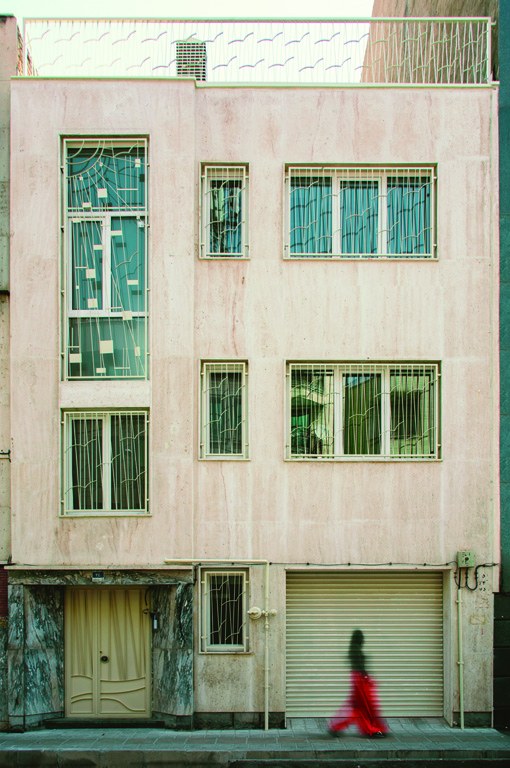
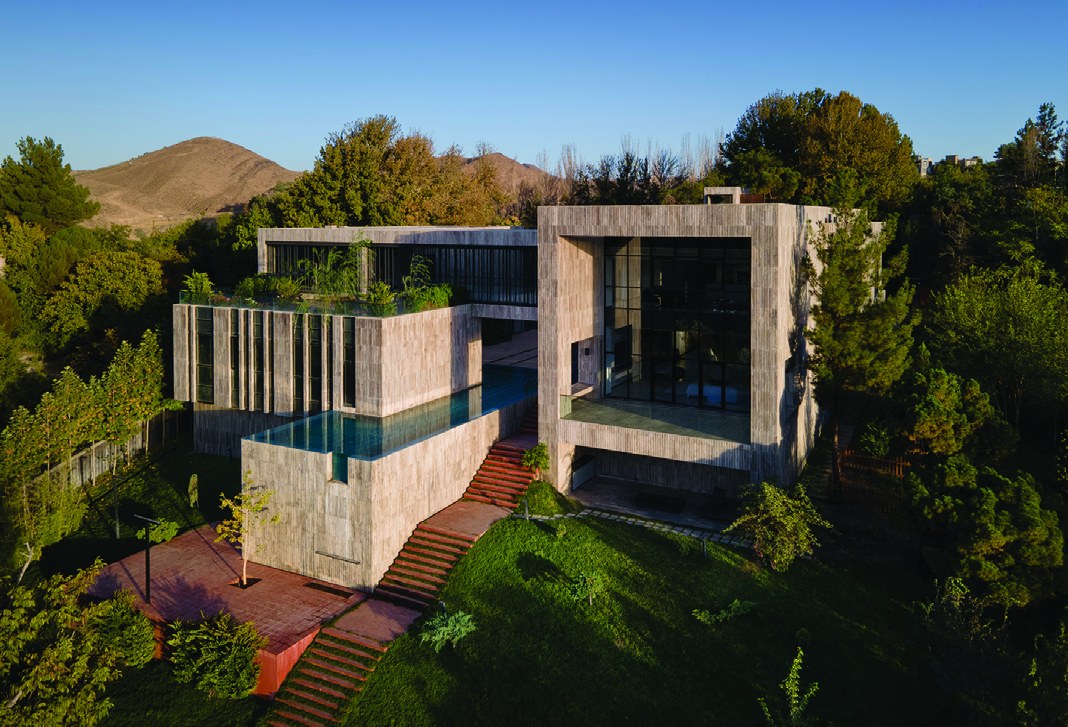
The first time, I saw the building Sharifi had built for the Samiei family on Ehteshamiyeh Street in Darrous, built with great care with a facade of travertine stone. The design of this two-storey building on that street was so delicate and attractive that whenever I passed along the street I stopped beside it because of the proportion of its parts and tried to learn from it. The two-storey building of Moshiri in a garden full of trees in Darrous, which expressed the architect's precision and power in choosing the building's position and in the relation between the garden space and the building, was another of the buildings he designed.
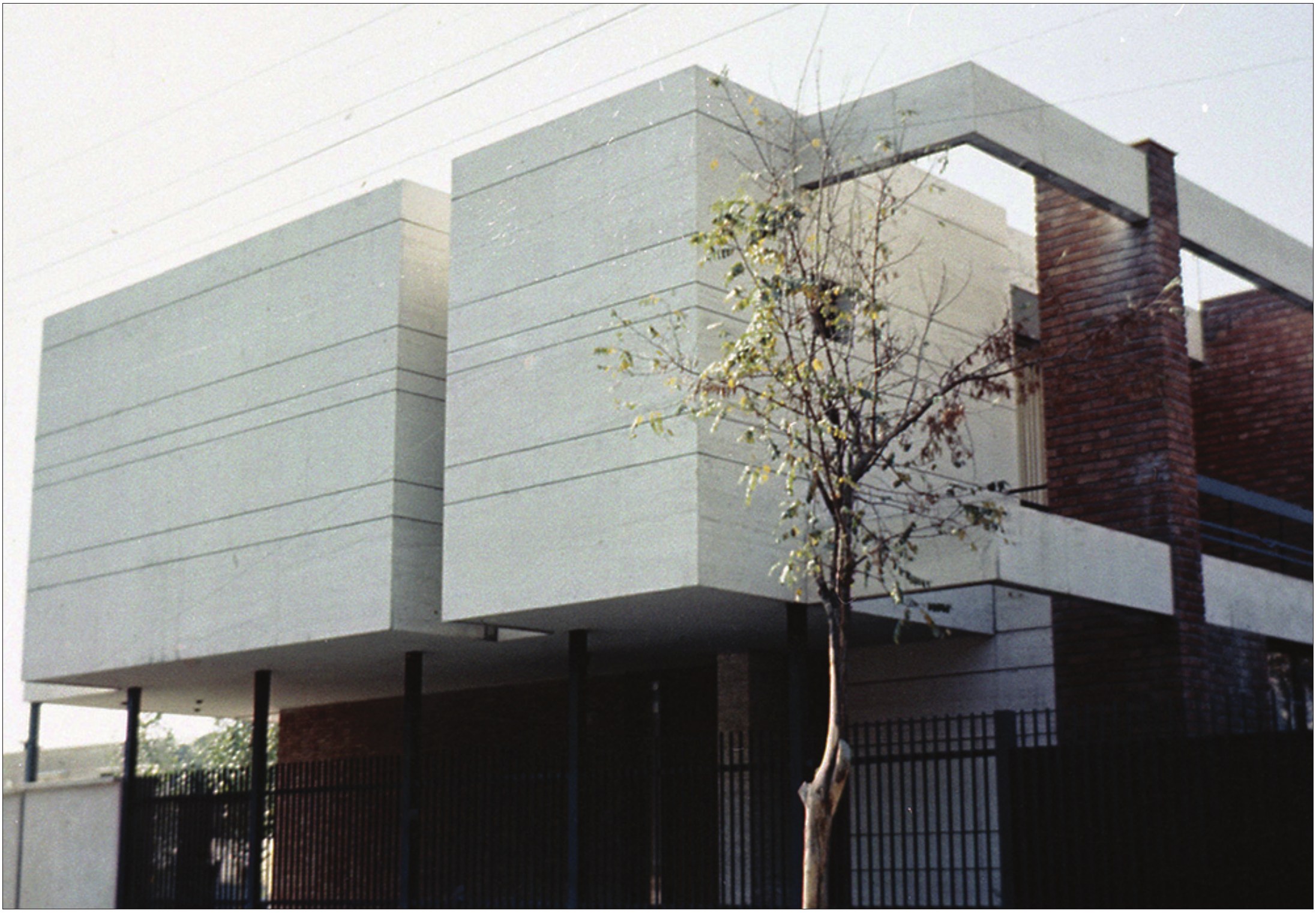
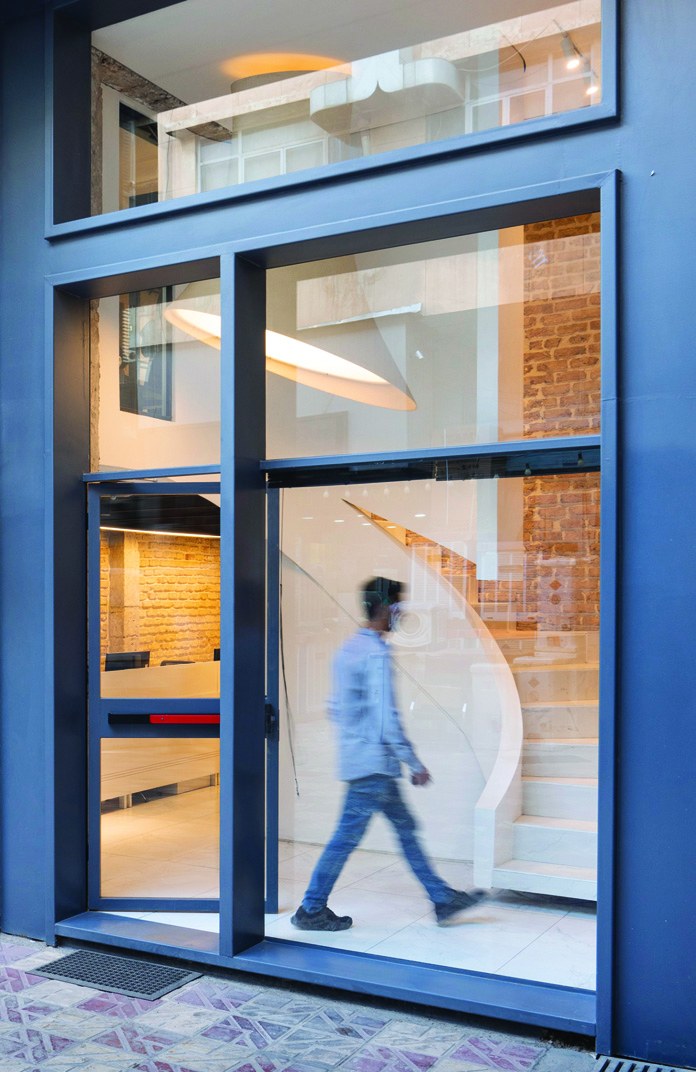
The transformation in the form of office buildings, the non-repetition of earlier patterns, the distinctive and different design of the automatic telephone exchanges, the modernity in the design of these exchange buildings, was such that, apart from the distinctiveness of the design, once one had visited one of them, anywhere else a building belonging to these exchanges was seen it was recognised as an automatic telephone exchange building without regard to the sign installed.
In the years after the 1357 Revolution, the Lashkari building on Sarvati Street and the Amiri building at the Farmaniyeh junction, and his other works such as public apartments, show the architect's power in grasping what exists in the meanings of national architecture and agrees with his modernist mind. These eye-pleasing works are in keeping with the spirit of this land and at the same time entirely modern.
As I understand it, Faramarz Sharifi considers it his duty, before taking up the pencil and starting to design, to review the books of past and present masters, look at new magazines and arrive at his own personal conclusion for starting the new work. His boldness in using new and suitable materials in his buildings is unrivalled. That is why in his works, while no repetition is seen, we witness the power of architecture, simplicity and beauty that are engraved beside the name of Sharifi. Faramarz Sharifi's perseverance, love of architecture and continuous work are admirable.
Another reason for the architect's success in building his designs throughout his professional career is his highly discerning choice of contractors and builders.
Faramarz Sharifi has always worked with the most precise and most experienced builders who understand construction, which shows the designer's power in guiding the course. Of course his confidence in the builders never made him forget continuous supervision and precise construction advice throughout the progress of the project, and full oversight has prevailed at all stages.
Sharifi, with all his ability, has never been reluctant to take advice from architect friends while work is in progress, and he has the ability to analyse any opinion towards improving the work with an indescribable magnanimity. Because of his experience and rich mind, in the end the opinions become an instructive lesson for the one who offered them.