
I have followed Faramarz Sharifi's works since my student days, and I liked them, and I still do. Even now, when I come across a work by Faramarz Sharifi somewhere, I stop and look at it for a long time. I look at the building as a whole and at its details. I believe one of the best residential designers in Iran is Faramarz Sharifi, and I am sure many of my colleagues agree with me; I have heard them say so many times. I have seen architects whose works bear no relation to Sharifi's living in a house he designed and built, or commissioning his projects for their relatives and friends. So praising an architect who has worked for so many years and been so influential is a worthy thing; but rather than praise and acclaim, I prefer to pass through Sharifi's projects to understand his world, and by understanding it and comparing it with the world in which we are engaged, to find a path for thinking and for carrying on.
Some time ago I was looking through a collection of documents of several of Sharifi's built projects. Although the documents were incomplete and insufficient, they were my reference for finding the answer to a question that had occupied my mind for a long time: what is Faramarz Sharifi's secret? How have his works lasted all these years?
By lasting I do not mean merely the outward durability of the building, which Sharifi of course achieves masterfully through the choice of suitable materials and correct details. I mean how, after all these years, the houses are still tempting as homes and places to live, how even the photographs of the projects still evoke a feeling of dwelling, and how they are still homes.
The feeling of dwelling, the feeling that this could be your home, is not a clear, measurable feeling that we can grade and so judge one project better than another. Let me in fact make a confession. I am certain of it from judging architecture competitions many times. Faramarz Sharifi's works would not win a place in any architecture competition. The jurors might admire these projects privately, but they would not win any competition. Why? How do we think? How does he work? What is the difference between us and him?
The difference in one sentence is this: we are idea-driven, he is work-driven, and this difference does not only make our works and his different. It makes the starting point and the end point of the work different for us. It makes our criteria different and fundamentally makes our worlds different. We and Sharifi work in two different "worlds".
In the world in which we work, the "explanation" of an architectural project is the main priority. The duty always falls on us to explain projects online, in meetings with colleagues or in magazines. This does not mean that we first work, draw and build a project and then explain it. The relation has been completely reversed. We first prepare the explanation of the project and then design the project on the basis of its explanation. The explanation of a project usually first presents itself as the "idea of the project". This idea is the main priority of architecture for us - an idea that can be explained, presented and defended. In fact opinion and theory come before practice and become the most important part of architecture, and all the other aspects of architecture stand at a lower priority and become of little or no importance.
Of course the importance of theory is not a matter for us architects alone but of our contemporary condition. Up to a certain time, art and non-art could be distinguished on the basis of criteria of beauty, techniques and craftsmanship. But in the contemporary condition, where these boundaries have been completely blurred, every work needs a theory to prove that it is art. In fact it is the theory that can separate art from non-art, not the work itself.
With this priority something else happens too. There is no room left for those parts of architecture that cannot be clearly explained. For example, you cannot talk about the pleasant feeling of dwelling, because this feeling cannot easily be explained and presented.
But Faramarz Sharifi seems to work in a world that lies more along the traditional definition of art and architecture. I have heard from various people that he gives no explanation of his works, of his way of designing or of how he arrives at a project's idea. I myself have not read anything by him anywhere explaining the idea of his projects. Because his work is fundamentally not idea-driven. I do not mean that he has no definite idea; rather, the focus is not on a distinctive idea.
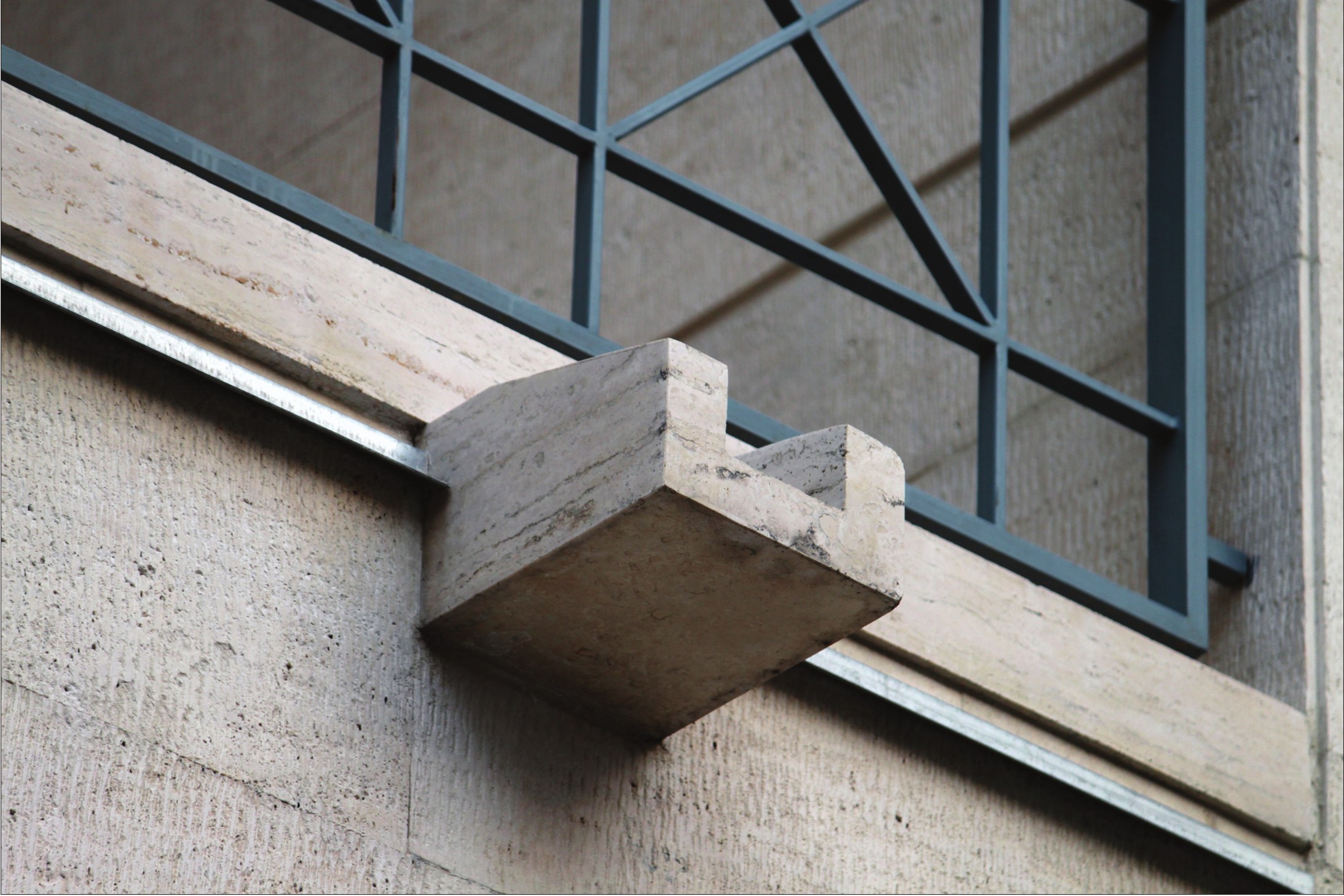
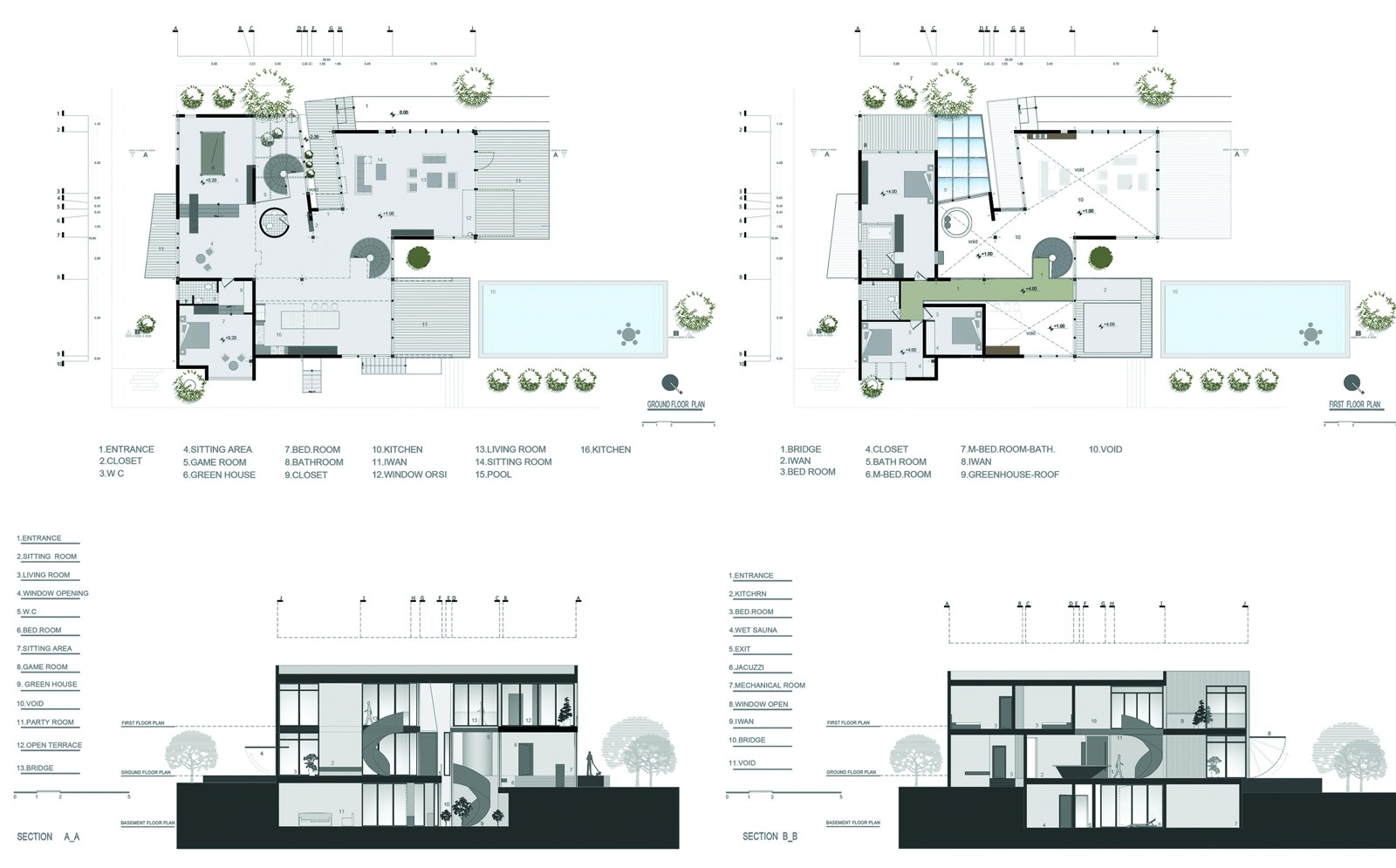
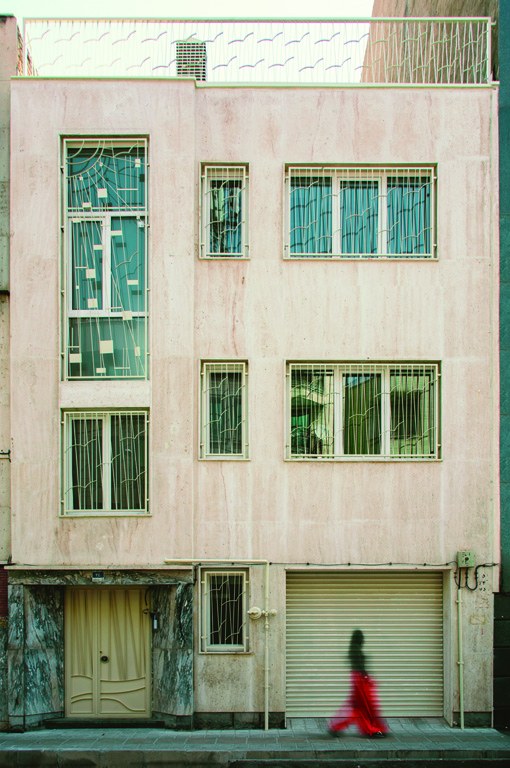
Not explaining is not merely a personal trait but a working practice. What distinguishes Sharifi's projects from others' is not a different and definite idea, though the organisation of spaces is entirely clear and definite. Separating the private and public parts of the house (andaruni and biruni), the definite placing of service spaces, or creating voids that stitch the common space together across the floors of apartment buildings, is a definite pattern that he repeats in his projects. In fact he is entirely clear about dwelling and the organisation of spaces, and that is what he builds. But Sharifi's distinction from others' works does not lie in this organisation or in other ideas. These structures are generally well-known arrangements also found in other people's projects. Indeed, if you look only at the plans of the works, while you see the architect's discipline and skill in organising and placing the spaces, there is nothing unique in them. It is the way this organisation is erected that makes the projects recognisable.
The characteristic of Sharifi's residential projects is generally that same pleasant feeling of dwelling, which cannot really be explained and can perhaps only be experienced over years of living in them.
Another characteristic of the world in which we design is innovation and creativity. An idea has value when it has something new to say, and something is worth hearing when it is new or is put forward in a new form and format. Quite apart from what novelty and innovation are, and whether this claim of innovation and change can be proven or remains merely a claim - how much new can one say anyway? The more fundamental question is whether innovation and creativity belong to "architecture" or to our contemporary condition and our particular relation to architecture. One of the fundamental and neglected experiences in architecture is "familiarity". In fact familiarity and growing familiar with the building in which you live go together with "repetition" and "habit". You grow familiar with a place you are used to. The word habitation, meaning dwelling, shares a root with habit. But in our world repetition is a word of little value. It is creativity and innovation that matter.
But in Faramarz Sharifi's works everything is repetitive. Innovation rarely appears, in details or in solving a problem, and is not emphasised at all, remaining hidden in the whole of the project. If you look at the body of his work, you see little change in it. He acts the same way he acted years ago. You cannot tell the sequence of the works from the events and trends of the day, but only from the newness of the materials or from the architect's mastery in making details. Sharifi, unlike his own generation, has even stayed clear of the powerful architectural trends of the day, has not given in to them and has not experimented in those areas.
He seems to know the answer to the question and gives that answer in every project, with that project's requirements. He has no need of trial and error, and if he does experiment, it is so small that it does not put his whole project at risk.
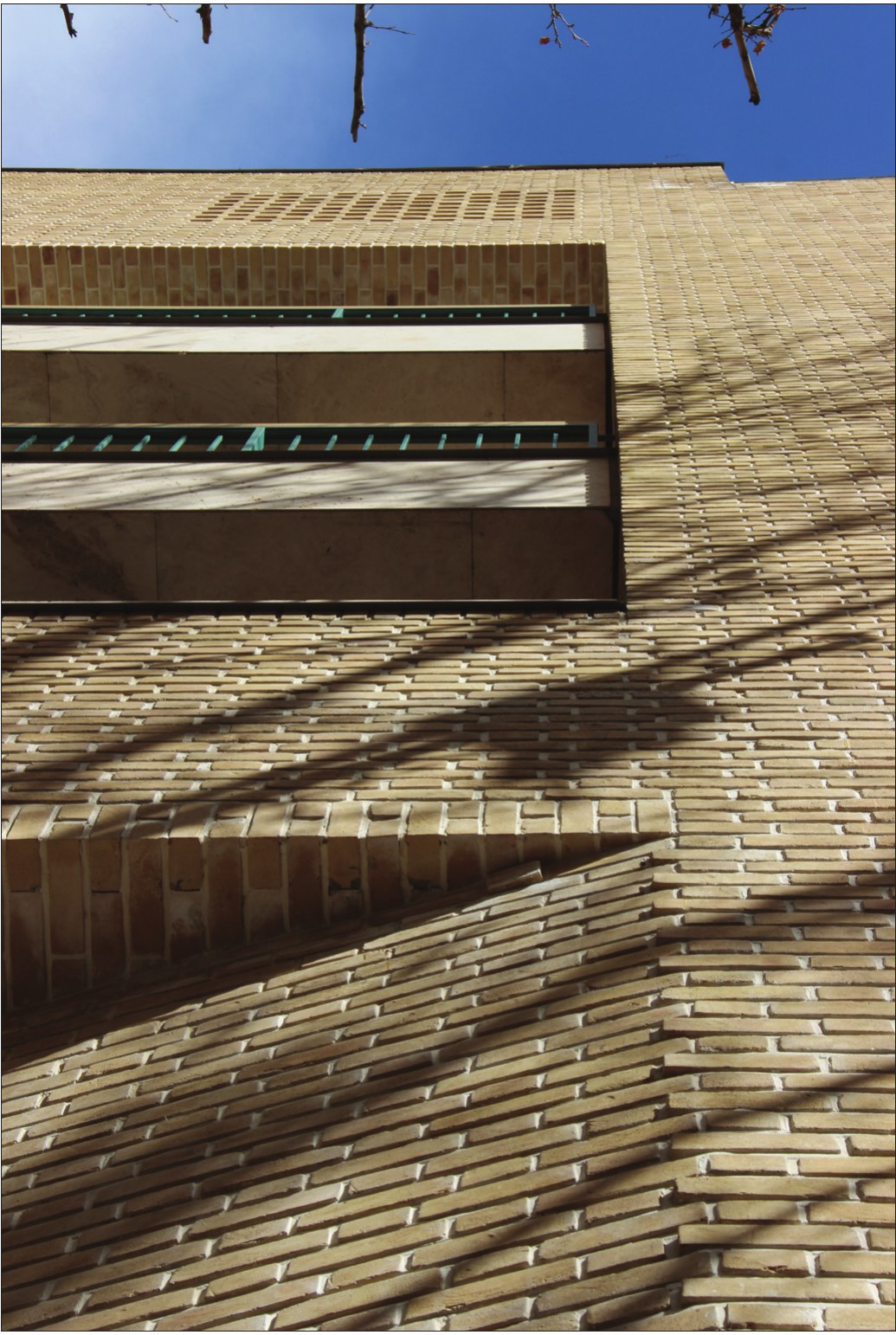
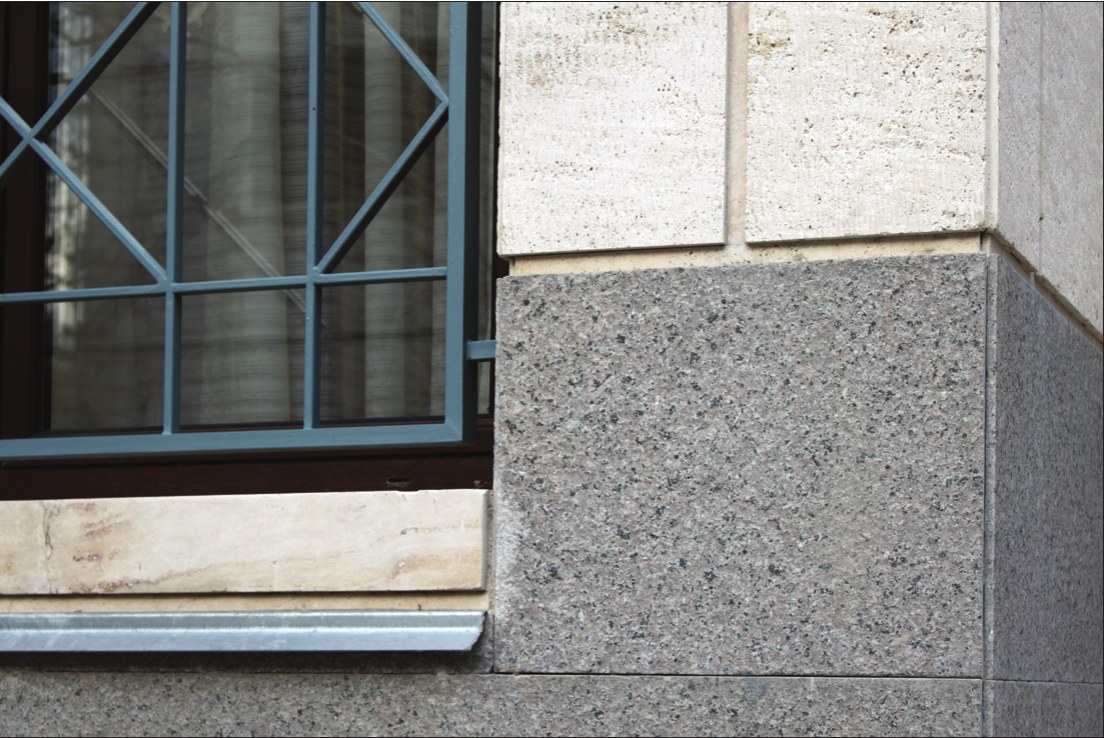
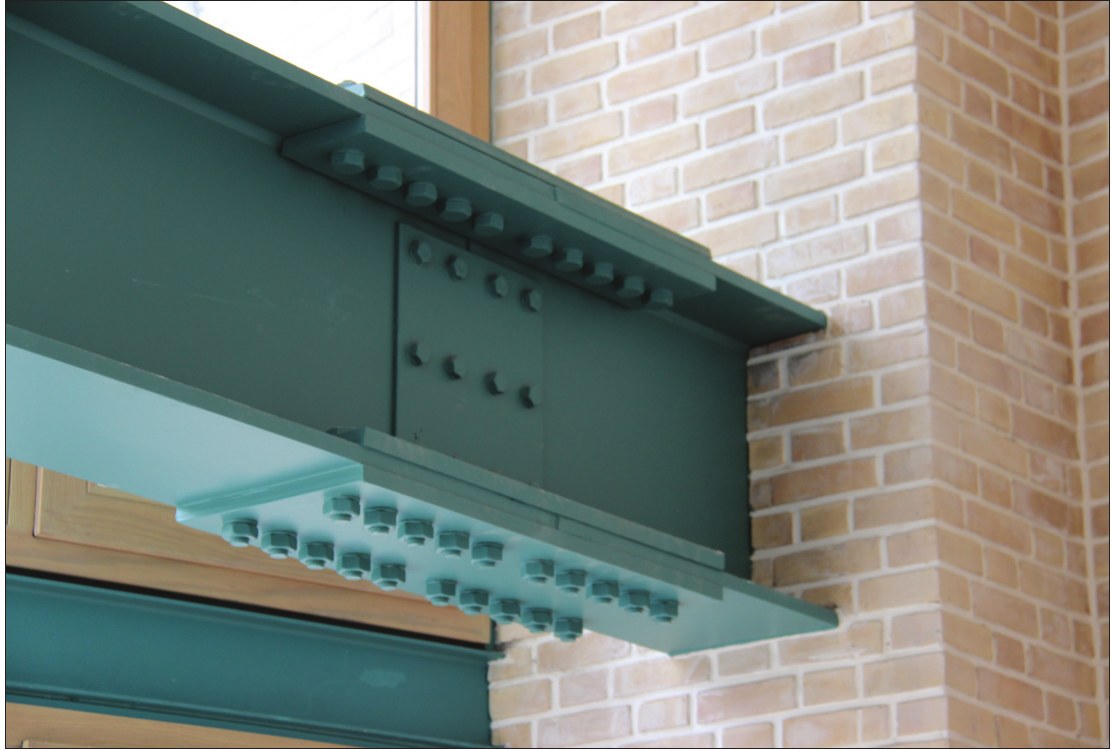
In the world in which we are engaged, the legibility of the architectural idea matters, and this legibility must be visible in the appearance of the project.
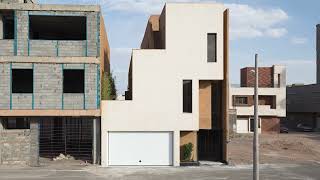
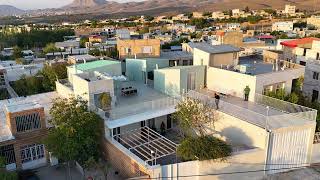
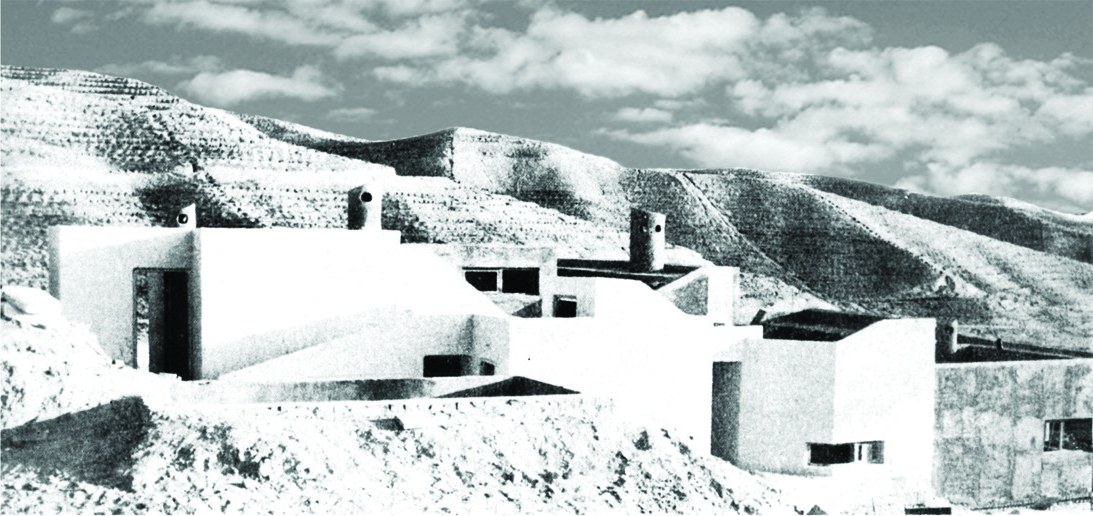
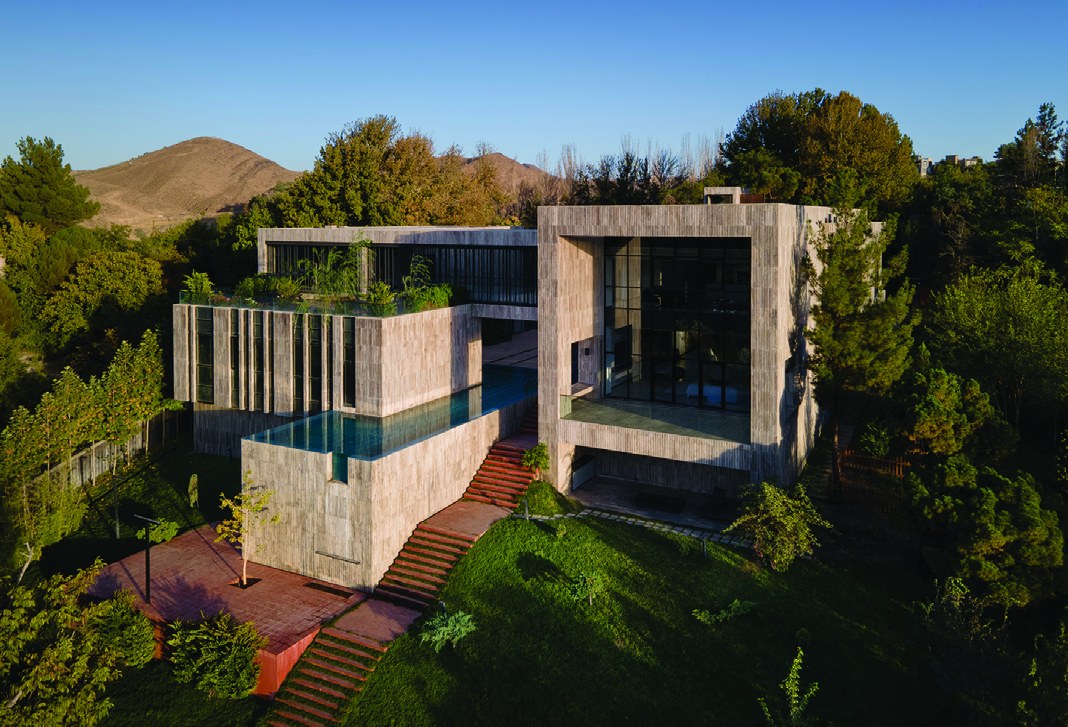
In fact the project is designed so that its idea can be grasped at a glance from what is usually an exterior image of it. So our works generally have definite, striking volumes. But for Sharifi the legibility of the project in its volume is not very important. I mean that a dominant, definite volume does not impose itself on the project; rather, it seems that it is the resolved, correct plan that has become a volume, and the volume has been controlled and worked out by the project's architect. More than the legibility and outward appearance of the building, it is the interior spaces that matter to the architect.
The project's legibility often confronts us with the danger of sloganeering and of architecture as message-bearer. Because to make the project's idea legible we have to exaggerate it so that it is seen and understood quickly. But Sharifi is not on this path and does not fall into this danger either. For example, in a project he may omit the stone skirting and settle for exposed concrete, or omit the finishing in part of the common space, or keep the bare concrete in part of a ceiling or wall. But he does not turn this into a slogan or message - that finishing should be eliminated in architecture - and does not extend it to the whole of architecture. Rather, in the same project, wherever he thinks it necessary, he applies finishing.
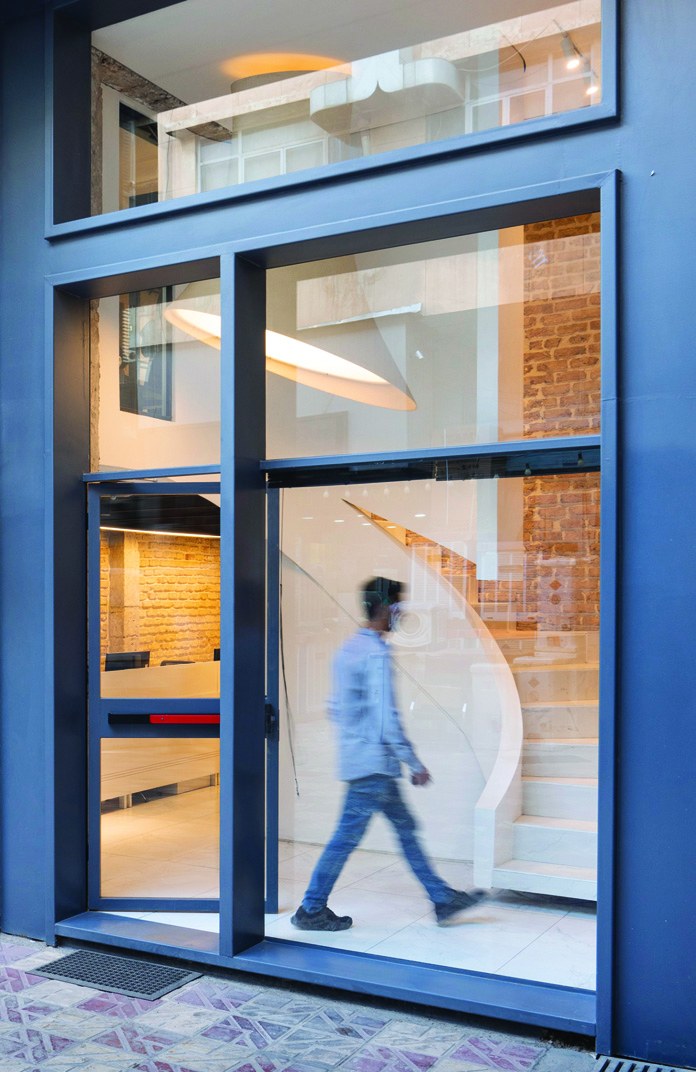
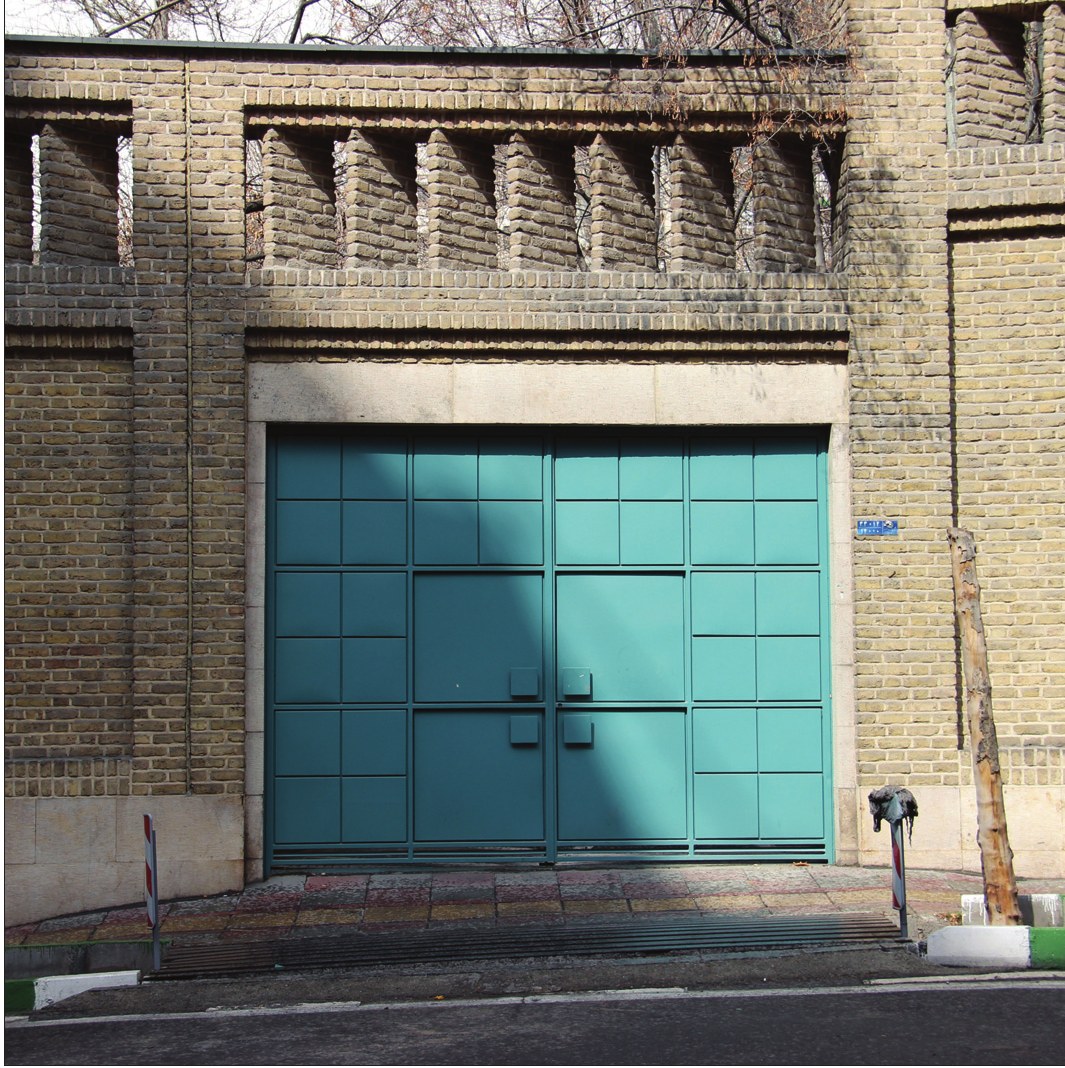
This practice means that the architect does not impose or attach himself or his message to his project. His project does not need the architect's explanation for one to stay and live in it, and does not always carry the burden of the architect's message - and perhaps this is one of the secrets of his works' longevity: they do not say anything in particular out loud but quietly provide a place for living for many years. Sharifi does not even connect his work to the history of architecture to justify what he does. For example, if he speaks of andaruni and biruni in organising a house plan, he refers to natural human behaviour, not to its historical background in Iranian architecture; and his use of brick, too, seems to be because he sees brick as a suitable and durable material for a building, not to make the project look like a historic building. This can be understood from his use of current materials such as lightweight walls, or in his industrial fine detailing.
In the world in which we work, where the idea has priority, the work of architecture can be finished at the ideation stage and on paper, and even if the project is not built, the architect has still done his work, and building the project is of little importance. Even if it has some importance, it adds nothing to architecture; it may even have far less value than the idea on paper. Our process in design and construction is in fact a declining one. The most brilliant part of the project is its initial idea, and when this idea is turned into drawings it suffers a fall and a reduction. When it enters the construction stage it is reduced again. But in Faramarz Sharifi's world everything is the reverse. The most brilliant and complete part of Sharifi's work is the project that has been built, and even after years have passed since it was built and residents have lived in it for years. All the project documents, drawings and studies come under what has been built and are of lesser importance. The project has a quality far higher than its visual and engineering documents. In fact Sharifi's working process is an ascending path, and what is finally built, brought into use and stands for years after its construction is the most important part of his work.
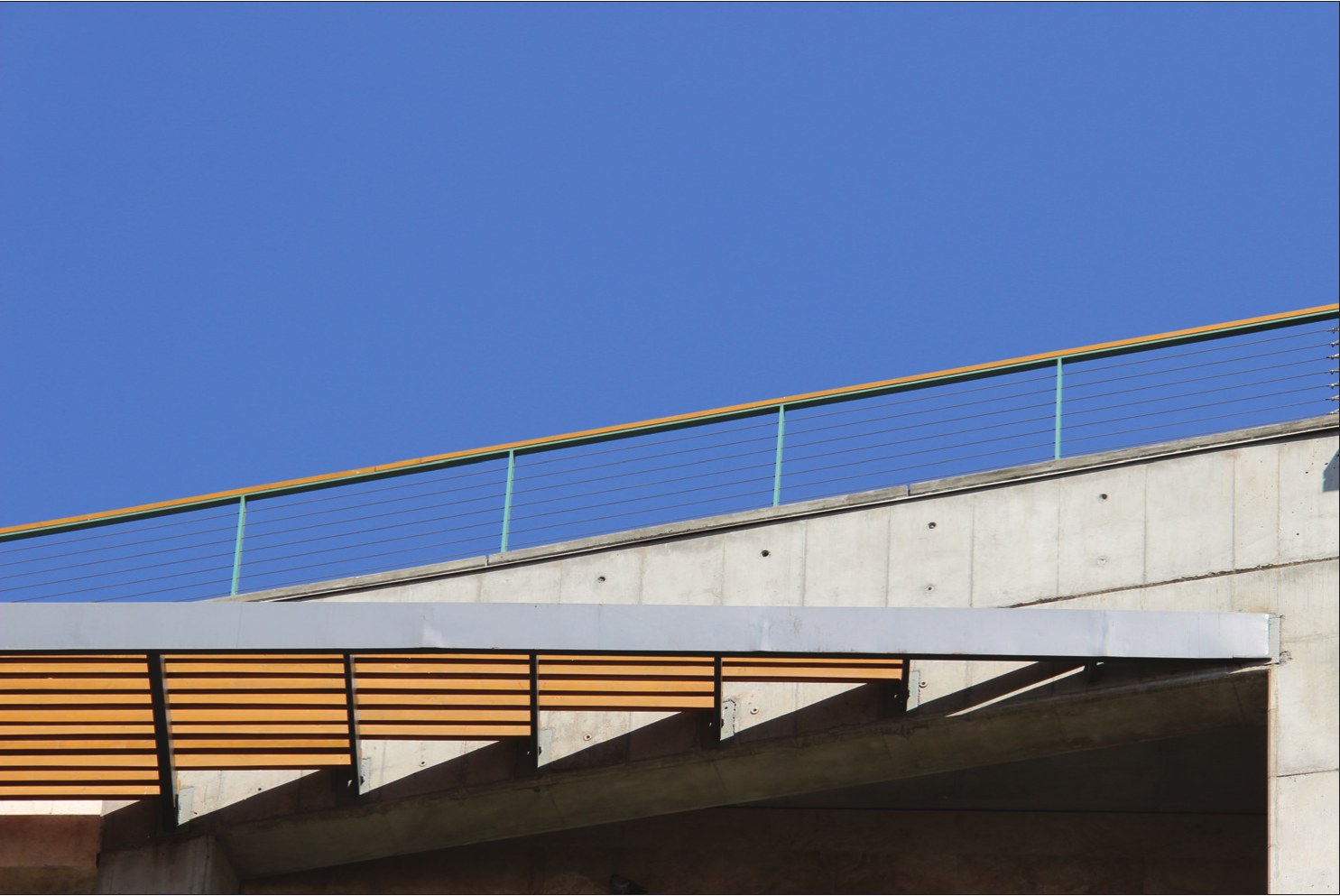
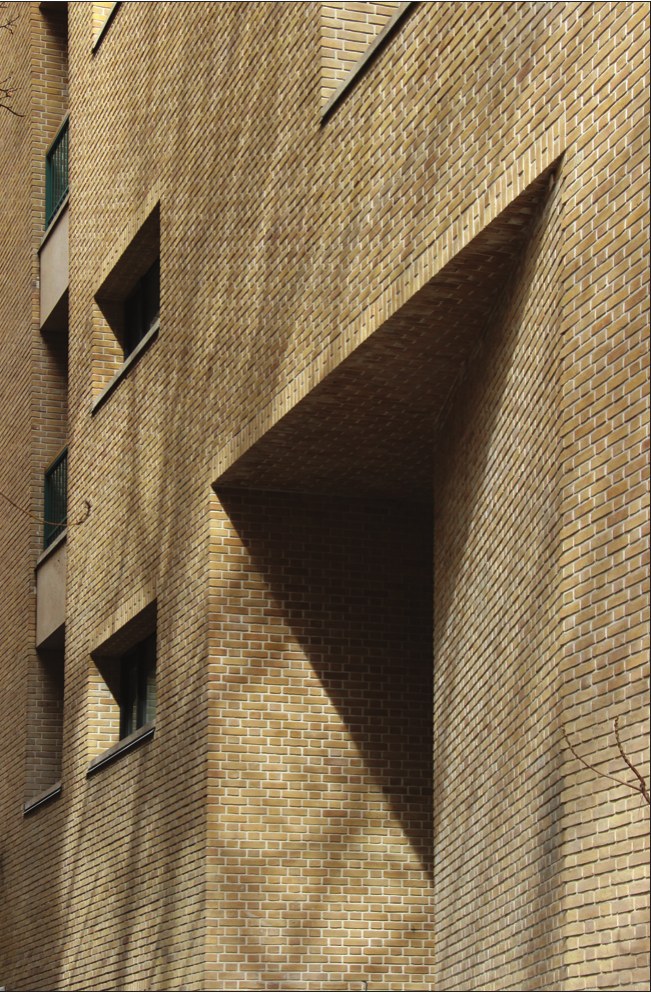
If Sharifi's projects are not built, their drawings and three-dimensional images do not convey the quality and character of the building. I think that if Sharifi wanted to show us one of his projects, he would not show its drawings or photographs; he would take us by the hand to the building, because "building" is a very important part of his work. That is why the quality of materials and details matters so much to him. How a drip is designed and made so that the facade stays clean is an important part of his work. That in part of a work he reduces the construction stages by omitting finishing, or builds lighter and faster by using plasterboard panels, does not stem from an attachment to industrialisation but from his ethical belief that by this method he builds a better house.
This is exactly the part that is of little importance in our world, because we get our mark of approval and acceptance from the idea of the work, not from what is built.
But Faramarz Sharifi belongs more to a traditional understanding of the architect, just as in rural culture the architect is probably the very person who builds the house. He too is like an "ousta" (master builder) in rural culture whose trade is architecture and who "knows" his work - like a baker who knows how to bake good bread, or a farmer who knows how to make the land fertile.
The quality of a loaf has nothing to do with the explanation the baker gives. It has to do with his skill in kneading the dough, the ingredients he uses and judging the right time - and Faramarz Sharifi "knows" architecture.
This may be the secret of his long endurance in this profession.
The difference between our world and Faramarz Sharifi's world reminds us that to understand and value his projects we must first understand his world, and that his projects cannot be valued by criteria that are valuable in another world. Although he is our contemporary, he does not design and build in a world shared with us or by criteria shared with us.
Although I believe that if there were more architects working like Faramarz Sharifi we would have a more liveable city than one that architects fill with noise every day with claims of creativity, innovation and trial and error, this comparison does not diminish the values of the world in which we work. Our relation to architecture has achievements that cannot be reached and experienced in Faramarz Sharifi's world. Ideation and experimentation bring us into line and alignment with the currents of the time and the contemporary condition, put new ways of living in a building before us and create an understanding of the contemporary home.
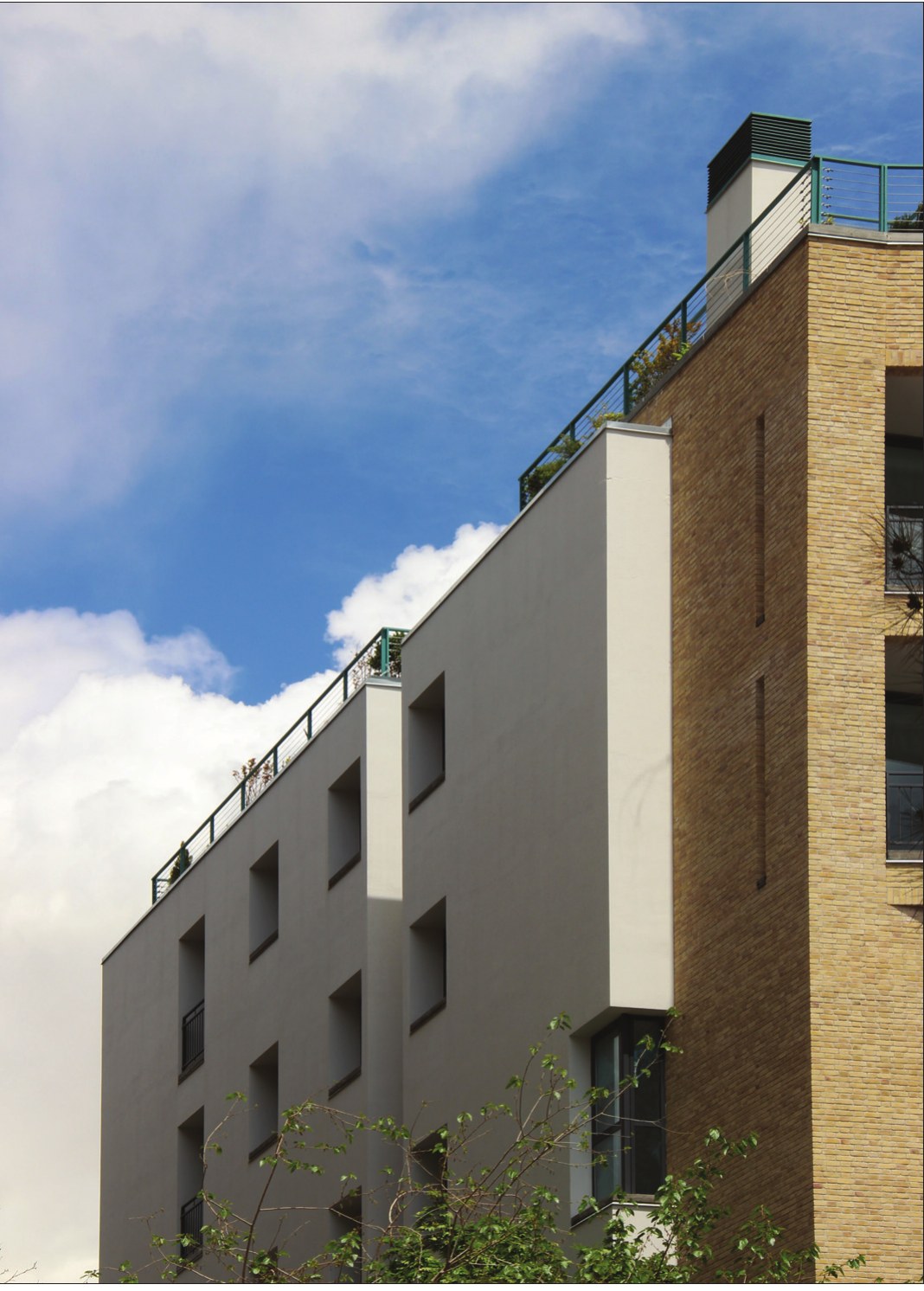
But understanding Sharifi's world reminds us of a part of architecture that does not change much over time and, instead of innovation, puts before us a deepening into the repeated patterns of life; it may be a balm for the wounds that the world of ideation inflicts on us and on architecture, and it protects us against "presentism". Although Faramarz Sharifi's world is older in time than ours, it opens windows for us onto thinking about the future of architecture.
All the photographs in this article were provided to the magazine by the office of Faramarz Sharifi.