Jury Discussion
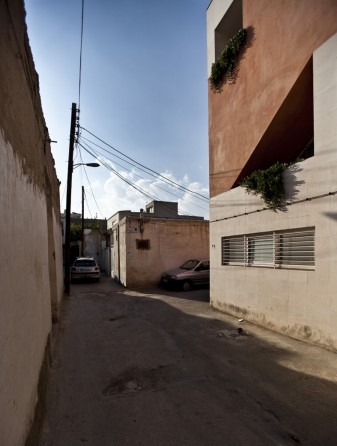
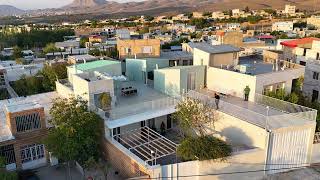
Nader Tehrani: What I love about this project is that it is truly unpretentious — it has no special materials and no special details, yet it is abstract. It is not like the Darvishabad Villa, but it is poetic. It is interesting to me how such a project has been built in a run-down neighborhood.
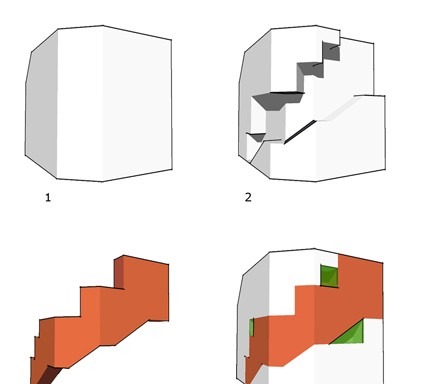
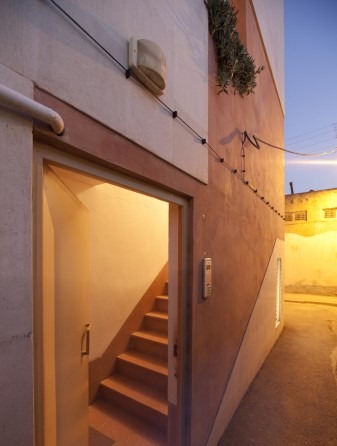
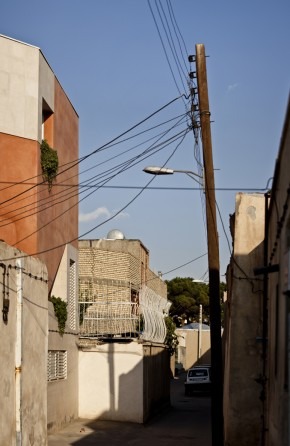
Nasrin Seraji: In my opinion, this project deserves to be ranked. The way the architect has turned a public alley or corridor into a private connecting staircase is highly commendable. It is a simple project, but with this simplicity it has created a strong architecture.
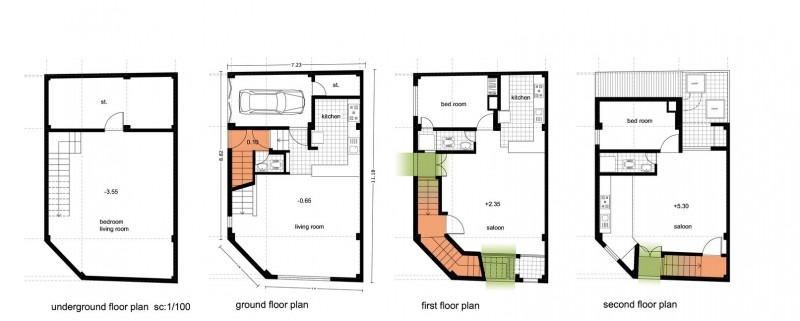
Nader Tehrani: Also, the transformation of an idea in plan into an idea in section. If it had a bit more space, the building's section could have been resolved much better.
Mojgan Hariri: I still do not understand why it was necessary to distinguish the building's staircase on the facade. Usually, if you want to show something on the exterior, you use transparent volumes.
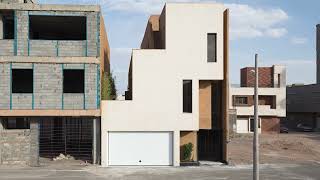
Nader Tehrani: The subject of expressing the interior on the building's exterior is a historical issue that has always been discussed in the Classical period, Renaissance, Modernism, and so on. Now, whether the red color is appropriate here or not is another discussion.
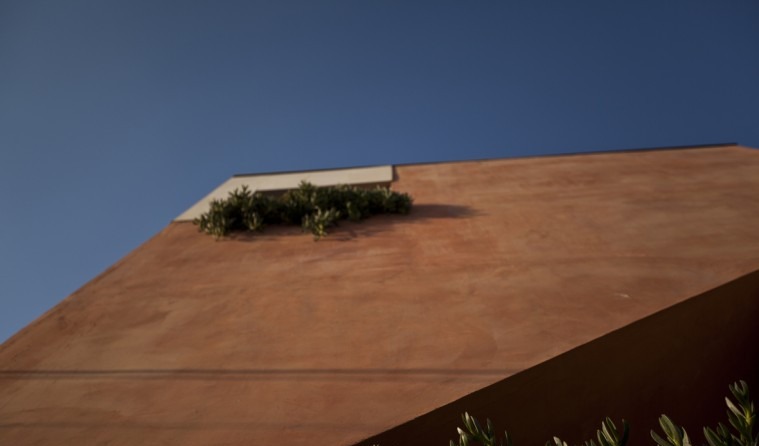
Gisue Hariri: The choice of red is for greater harmony with the old buildings surrounding the project.
Nader Tehrani: So in fact, the strange color in this building is the white! This makes the subject even more interesting.
Nasrin Seraji: For me, this is the strongest project. A project that has created architecture from nothing. With the limitations of built area and limitations in facade design and creating openings, it has disrupted the standards of the building's core and exterior, and has executed the core within the building's skin. I also really like the Mahallat project and find it very successful, but it has not addressed the issues that this project has successfully resolved through simplicity.
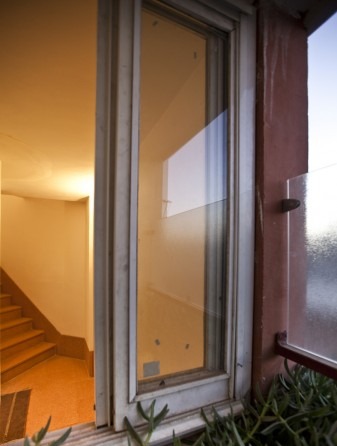
Mojgan Hariri: In your view, how has the staircase been transformed into a volume? In my opinion, it is completely an enclosed staircase that goes up and they have just painted it.
Gisue Hariri: For me, the way the project has solved the program is more interesting and important than the building's volume — creating affordable architecture for a family. But I do not understand why none of the floors have a volumetric connection with each other.
Nader Tehrani: Because it was impossible! Just look at the site coverage and the project's built area; if the designer had tried to connect the floors in section, they would have lost one apartment.
Gisue Hariri: You mean there is no room even for a small gap?
Nader Tehrani: I will give you a pen and let me see how you do it!