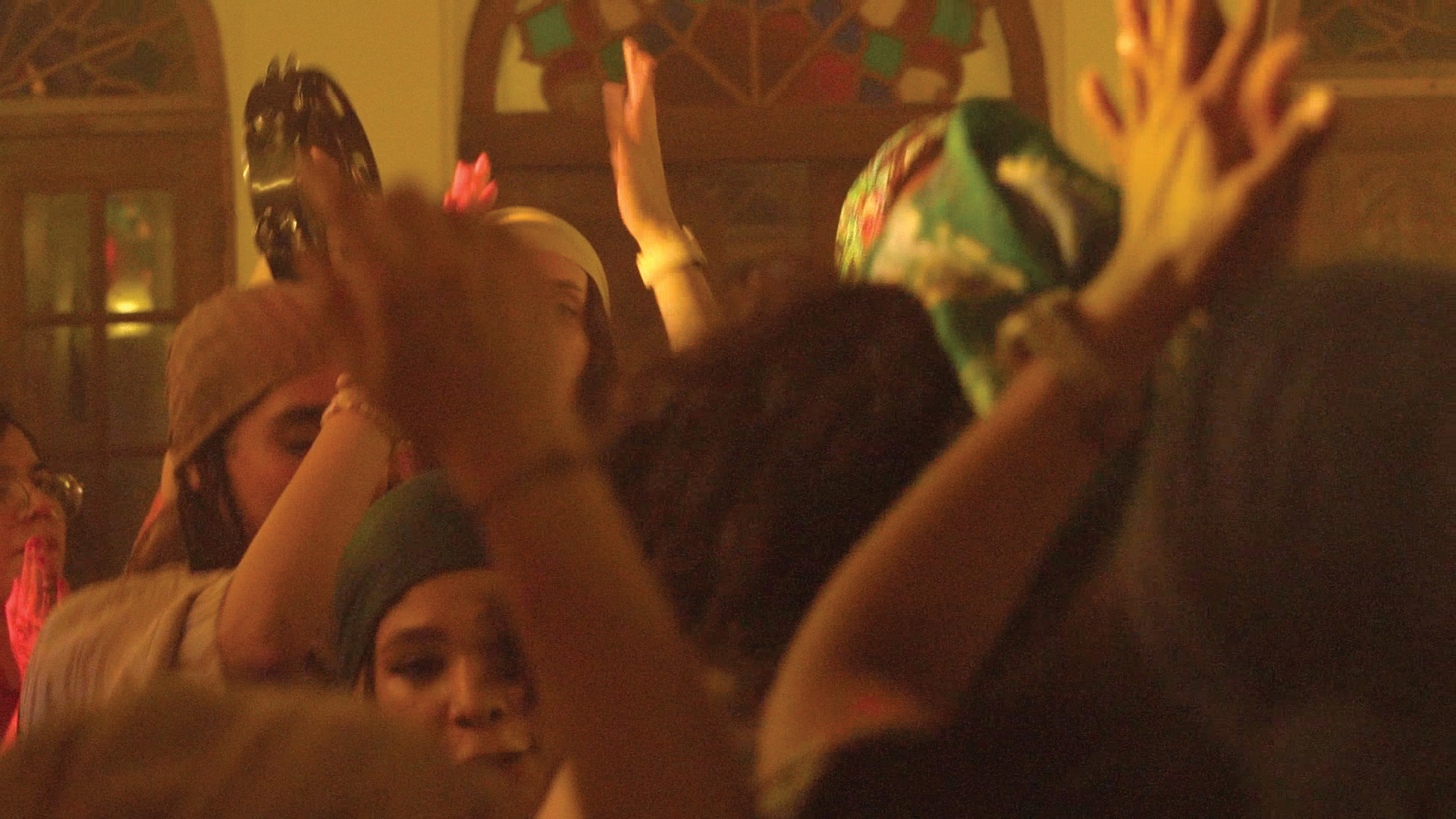
Bushehr is melodious; from its winding, narrow alleys to the surging sea; even the accent of the local people...
Bushehr dances in joy and sorrow...
The empathy of these people with Khayyam reminds them every day to seize the moment. Seizing the moment is the mantra of the Bushehris; in social gatherings it is repeated again and again: "Take this cash and let go of that credit..."
Everything dances there.
Fishermen have chanted nimeh on the water since ancient times. Nimeh is a collective melody that fishermen sing while hauling up the net, so that coordination arises in the collective work of pulling the net and efficiency is increased. While hauling the net and chanting nimeh, the fishermen stretch and bend their bodies so that the body moves in harmony with the nimeh.
These are people whose most authentic and indigenous occupation is accompanied by dance.
In this city, even mourning is accompanied by melody and dance; here too they seek the rhythm of collective movements. I want to say that dance is not limited to happiness; dance is always present; it trembles in joy and whirls in sorrow.
The people of this land live with the sound of music from birth to death. The function of music in Bushehr is like air for breathing; a soul that presides over the body of the city; a soul whose sound of instruments and drums, on the pretext of spring's arrival, tells the story that music is an excuse for the unity of Lors, Turks, Arabs, and Baluchis within Iran.
Beyond ethnic clichés...
The most dramatic part of the story is the presence of Afghans among them; Bushehr embraces the Afghans too. On a night dedicated to them, they sing of homeland and shed tears — a familiar exile — in Bushehr...
Bushehr; the city of dance and laughter and song
For warm and kind Bushehr
For the peninsula that is my homeland.



