History builds the town. Over the centuries, the different generations of the society have continued to add new layers and themes to this fantastic symphonic poem that forms the city today. Different generations have had their specific cultural, social, and economic references that characterise the significance and identity of the city. It has been one of the founding ideas of UNESCO to defend the cultural heritage and identity of each people, embedded in their built and natural environment.
The architecture and urban planning, which has developed from the early 20th century, has been based on the new social order, new technology, and new forms of life in society in an increasingly international and global framework. This has contributed to the development of an international movement which has emphasised functional efficiency and new spatial concepts benefiting from the evolving technical innovations allowing new formal experimentations. At the same time, modern architecture at its best can express the specificity of each place, and respond to the aspirations and needs of the community.
Modern architecture is a fundamental part of our common heritage, which has been fully recognised by international organizations, such as UNESCO and the Council of Europe, as well as professional organizations such as ICOMOS (International Council on Monuments and Sites). The International Working Party for Documentation and Conservation of Buildings, Sites and Neighbourhoods of the Modern Movement, DoCoMoMo, has started to identify and list significant expressions of this architecture in the different countries of the world. The World Heritage List of UNESCO has inscribed an increasing number of outstanding examples of modern architecture and urban ensembles representing Africa, America, Asia and Europe.
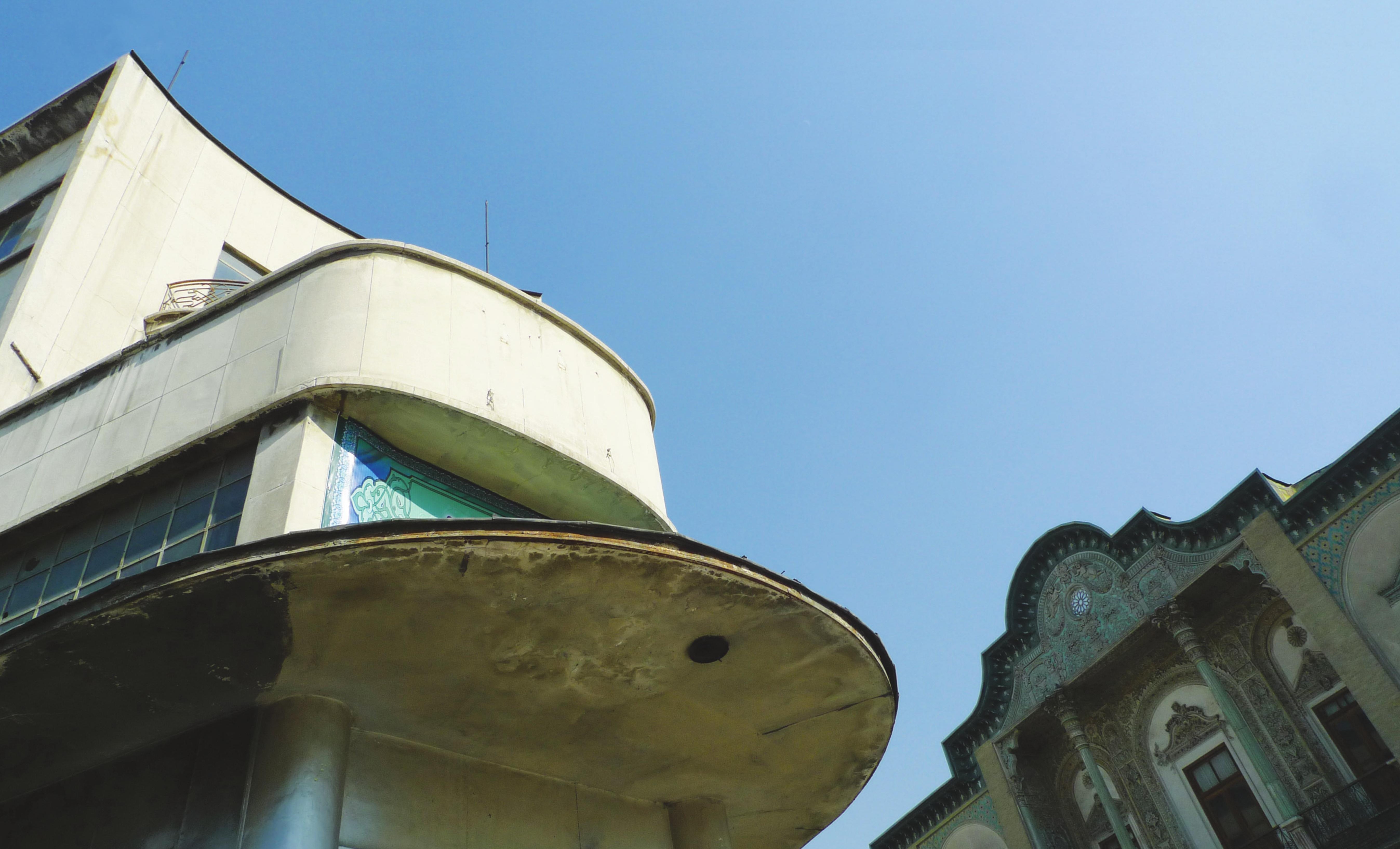
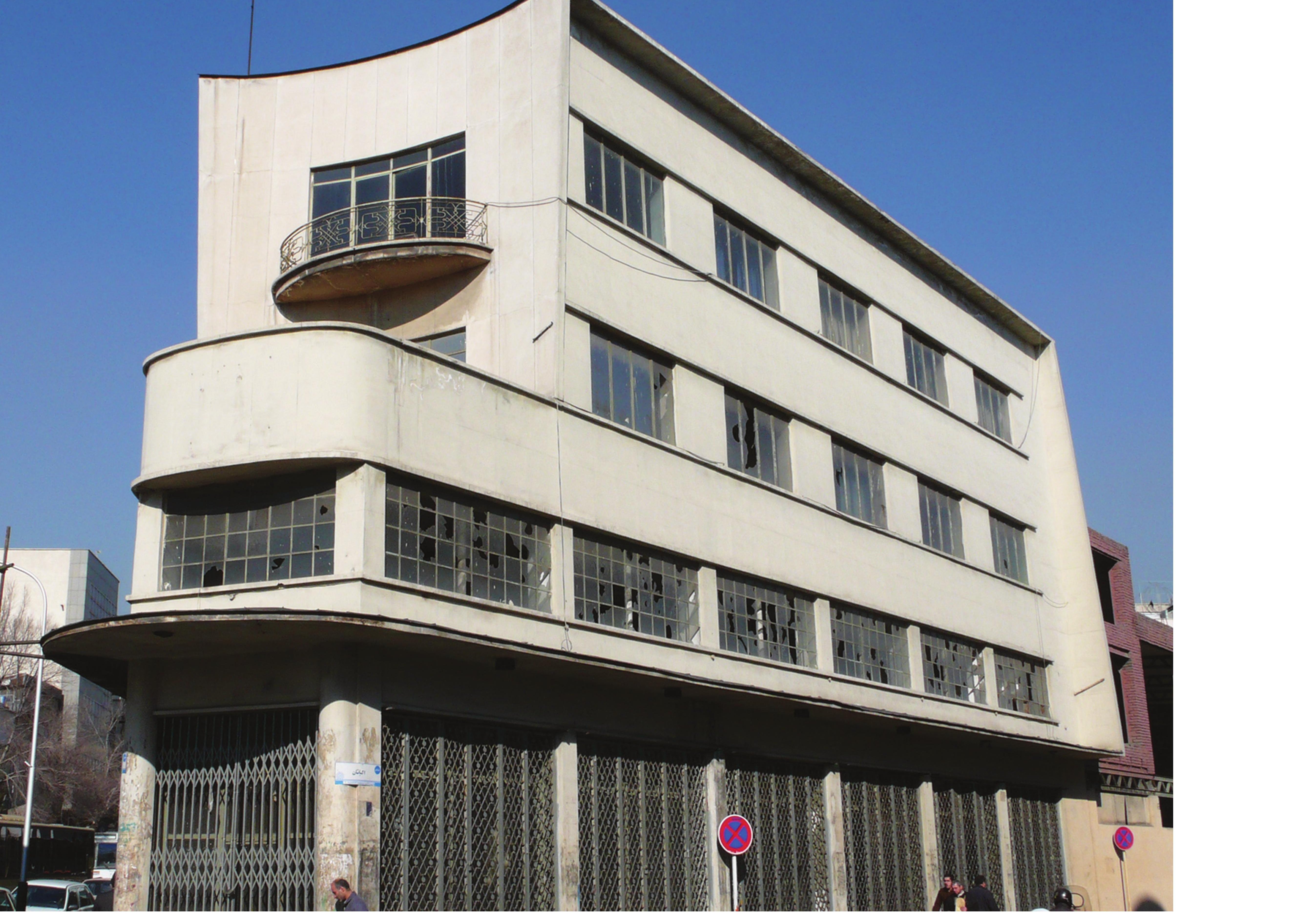
The people of Tehran can be proud of the significant contribution of the builders of their city not only in the past centuries but also in the 20th century, who have shared the ideas of the international movement, and who have been able to implement these inputs taking into account the local requirements and cultural framework. The buildings from the 1950s-1970s are indeed a significant part of this architecture of Tehran. It is with great sadness that we hear the news of the loss and demolition of this heritage, which has become part of the history of the city. It is important that this heritage should not be defined only with reference to its architectural forms, but taking into account the broad ecological, social, anthropological, economic and cultural framework which forms its whole. Even though the modern heritage differs in many aspects from the previous periods, it nevertheless forms part of the continuity, and becomes an essential phase in the overall history of the city. It is the responsibility of the authorities in making use of legislation already in force in the country to protect modern heritage, buildings and areas. Safeguarding this heritage also needs focusing on awareness raising within the community.
The first step is to STOP DEMOLITION, please!
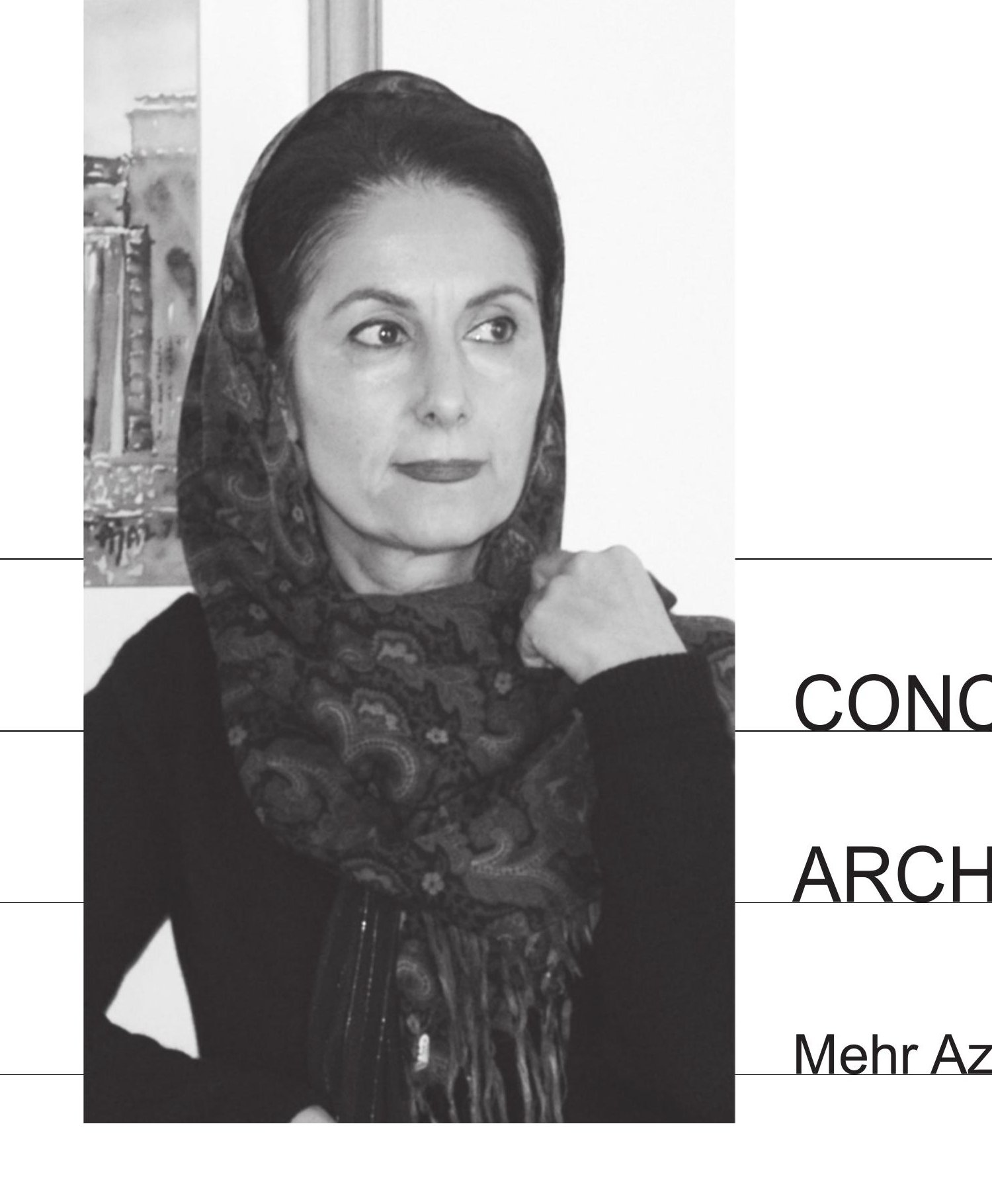
Mehr-Azar Soheil — based in Rome. Graduated in architecture from Tehran University. Attended the Architectural Conservation Course at ICCROM. Specialisation and doctoral degree in conservation from the University of Rome La Sapienza. Has written and lectured extensively on conservation. Participant in UNESCO World Heritage sites projects in different countries. Member of ICOMOS Scientific Committees on Training, and on Theory and Philosophy. Member of the scientific council of ARCo (Associazione per il Recupero del Costruito).