A new direction in architecture after the collapse of the Eastern Bloc — Hungary. Selected and adapted from Domus 804, May 1998. Farsi translation by Farzaneh Taheri.
Environment and Pastoral Themes in Today's Hungarian Architecture
Ákos Moravánszky
Imre Nagy was prime minister of Hungary during the 1956 uprising and was later executed. The public display of his exhumed body for ceremonial reburial on 16 June 1989 marked the end of more than forty years of Hungarian history and the chance to give Heroes' Square in Budapest a new face. Two architects, László Rajk and Gábor Bachman, hung the painted backdrop behind the temporary coffin with black-and-white drapes whose effect, against expectation, was not to cover the building but to strip it: the historicist ornament of the façade was hidden, the pediment with its triangular tile picture was made empty and black — a mood of mourning inseparable from the cleansing needed for a new beginning.
Hungary's contribution to the 1996 Venice Biennale was given over entirely to Bachman's work. In the context of that exhibition — entitled “The Architecture of the Nothing” — the decoration of Heroes' Square was shown as a white tablet, setting the stage for the colour of Bachman's subsequent (de)constructivist models. The world of technology, which in Bachman's earlier film-set work was covered and tied together by a layer of rust and dust, in the nineties appears thrilling, coloured — with, in truth, a Baroque exuberance. One might describe the new sense of the world after the political revolution as an “invasion of colour.” His world resembles above all that of the great cities, whose gradual decay has been arrested and turned into a field for the display of attractions.
Pre-1989 architecture was not stylistically uniform. It was a range of shades with concrete grey as its dominant tone. The great prefabricated housing estates of concrete panels and the functionalist taste for visible projecting concrete skeletons inevitably produced, in the public at large, a deep revulsion against bare concrete; it will probably take a long time before architects can convince their clients of the material's merits. The prefabricated estates are now a recognised problem, but how to treat them is rarely discussed.
Even before the revolution, the organic architecture of Imre Makovecz was the trend in Hungarian architecture best known abroad. This world of archetypal icons was welcomed above all as a symbolic revolt against the bureaucratisation and technologisation of planning — a Macbeth-like summoning of the forest against the forces of evil, which in the end did indeed fall. What remains is an “architectural equivalent of world music” that uses, in a pleasing combination of mythically charged signs, to satisfy the new client class with money to spend — and does satisfy them. Yet in this exuberance of forms the real problems of city and suburb are not even seen, let alone discussed.
A country such as Hungary, whose economy depends so heavily on tourism, tends to look at itself through the tourist's eyes. As the posters of past centuries are pressed into tireless and thoughtless duty to make it look picturesque, so too in architecture the strong pull towards “being different” has produced notable fruits — but at a high cost: above all the cost of slowing our grasp of the quality of everyday life, or of identifying quality with spectacle. Historic examples of everyday architecture of high quality are abundant; the architecture of the 1930s, above all, stands out — a domesticated modernism without avant-garde radicalism, exemplified by Gedeon Gerlóczy, Lajos Kozma and the office buildings of Hofstätter and Domány. Metropolitan Budapest was not its own spectacle; it was a city of thought-through details designed to minimise the roughness of everyday life.
When one comes into close physical contact with most of Budapest's new buildings that are trying to be metropolitan — the stone slabs, the bronze fixings, even the safety elements of ATMs that look like tents — the details reveal that this is architecture merely to be seen: an international business card carrying architectural semiotics. Architecture as mass-media operating solely through visual signs takes its revenge: a perceptible architecture, one that can be experienced with all the senses, has left the city.
In the country beyond the city the more successful architects are those who once again take up the dialogue between stylistic rules and “naturalness” that was opened at the beginning of the century and continued into the 1930s. Unlike the organicists, the others do not go hunting for symbols and archetypes from the collective unconscious that would necessarily fill a building with iconic elements. A “pastoral” world is built instead in the wilderness between the organic school and the technocratic great city; in place of icons, natural materials such as stone, wood and brick are used to make signs.
The search for a “third way” is important above all because of the existing polarisation, which in Hungarian culture takes the form of two poles — “urban” and “folk.” In that debate, questions of identity have a direct link with the ideologies of urban and rural planning. Attempts to find a middle position are rare. With a minor intervention in the fabric of Óbuda-Újlak, Gábor Turányi has insisted on the possibility of treating the city “acupuncturally” in a setting that grows daily more disorderly; he has confined himself to a few icons — a wall of brick and stone, and a steeply pitched roof.
I mentioned earlier the national Romanticism of the turn of the century and the regionalism of the twenties and thirties. At that time nature was still felt to be a safe point of reference, a model one could raise against the rules of academic style. Today, with nature turned into a highly charged political subject (especially in view of the reopened debate on the Danube barrages), the constructed character of our image of nature can no longer be ignored. The difficulty, for architects such as Tamás Nagy, Gábor Turányi, István Janáky or Gábor Gereben, is that they can no longer naïvely present nature as a “pure source” to be tapped for renewal: they have to join stone and wood into a poetic whole, while always leaving seams through which one can see the concrete and steel that hold up these “natural” icons.
Janáky's Regályi house in Budapest exposes the architect's devices teasingly: the appeal to nature and the impossibility of such an appeal come together in an almost surreal object. Tamás Nagy's Protestant church at Dunaújváros — an important step in limiting the Americanisation of the Hungarian suburbs, and the creation of focal points for the city, rather than placing a small, self-contained unit in the middle of the landscape — enhances the landscape itself. Leaving the city in search of a new beginning, midway between civilisation and nature — the very essence of the pastoral art — makes us more sensitive to the suburb. It is unlikely that these architects' work will transform suburban and small-town architecture, but we may hope that it will set a standard against which the planning ideologies now dominant in the country can be measured and revised.
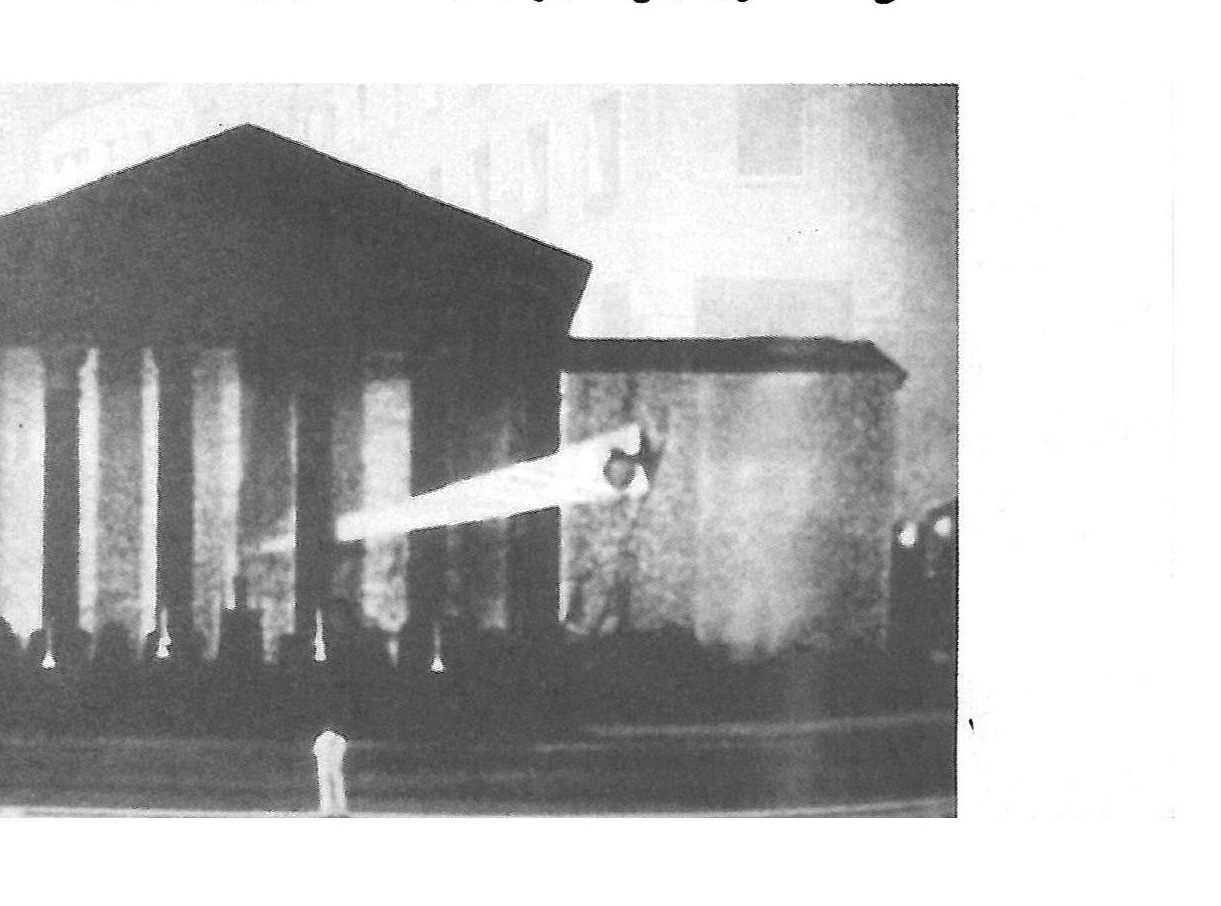
Preparation of Heroes' Square, Budapest, for the reburial of Imre Nagy, 1996 (from the 'Architecture of Nothing' catalogue, Venice Biennale)
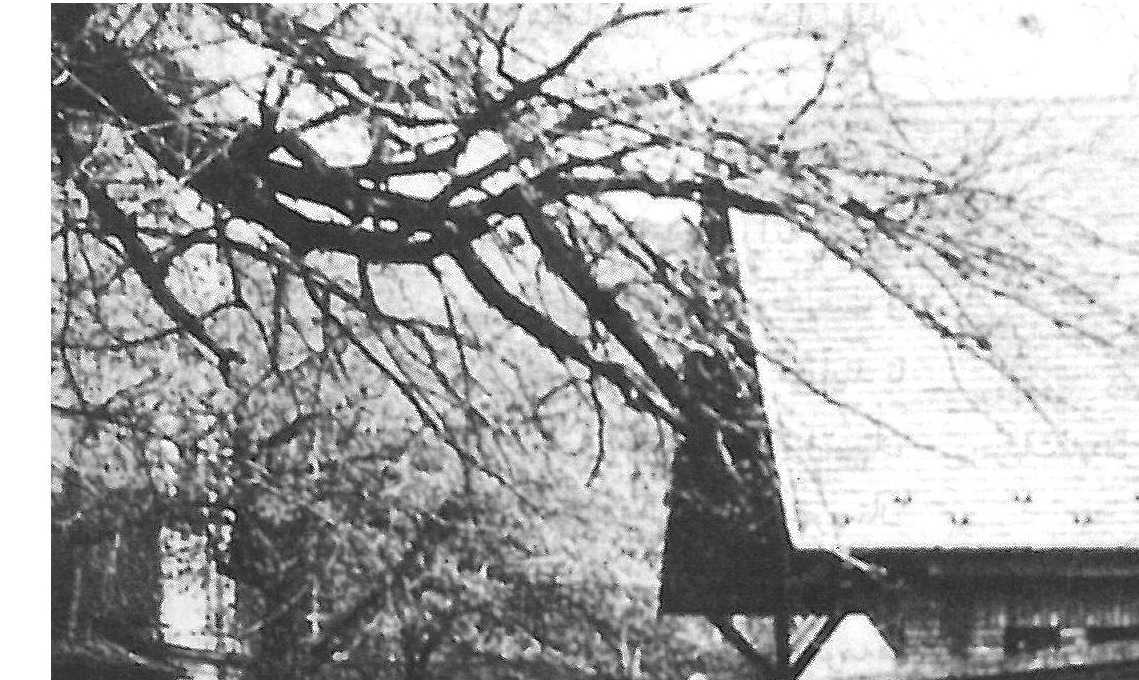
Gábor Turányi, rectory of the Óbuda-Újlak parish, Budapest, 1987
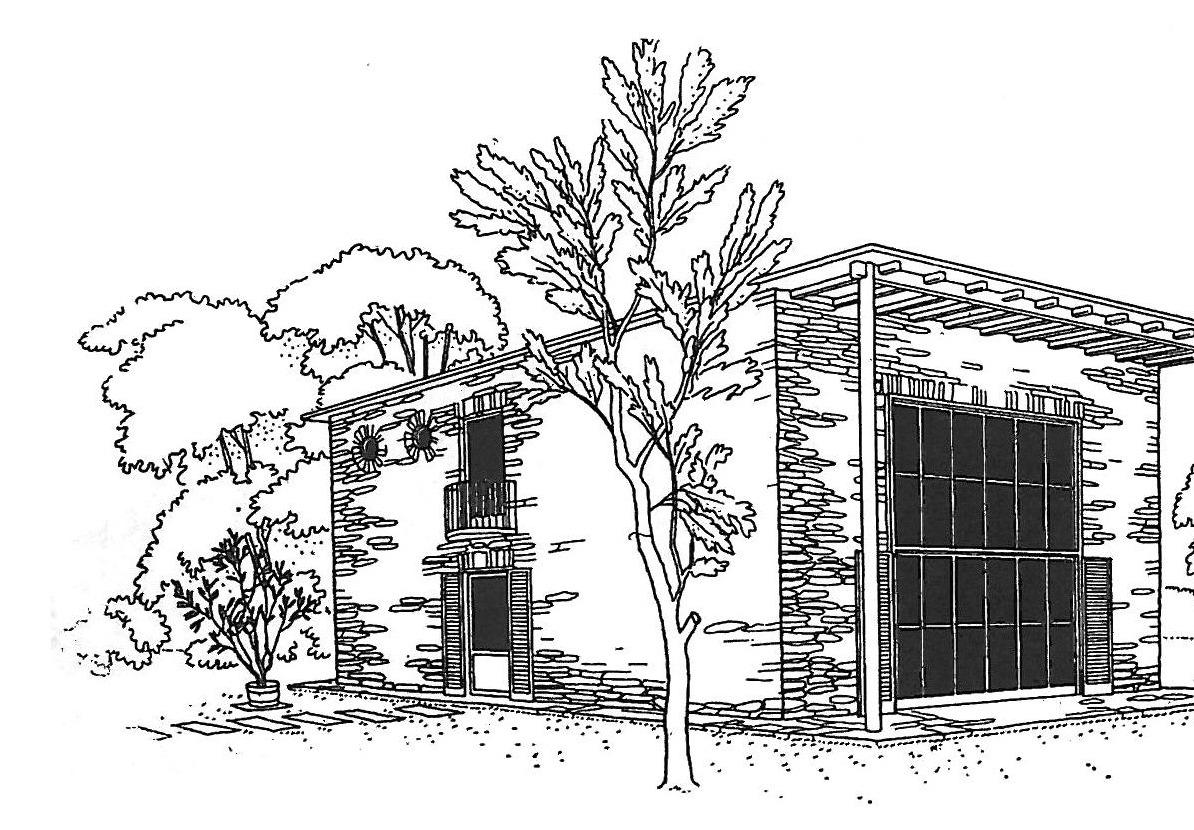
Lajos Kozma, villa of a factory director near Belgrade, c. 1935
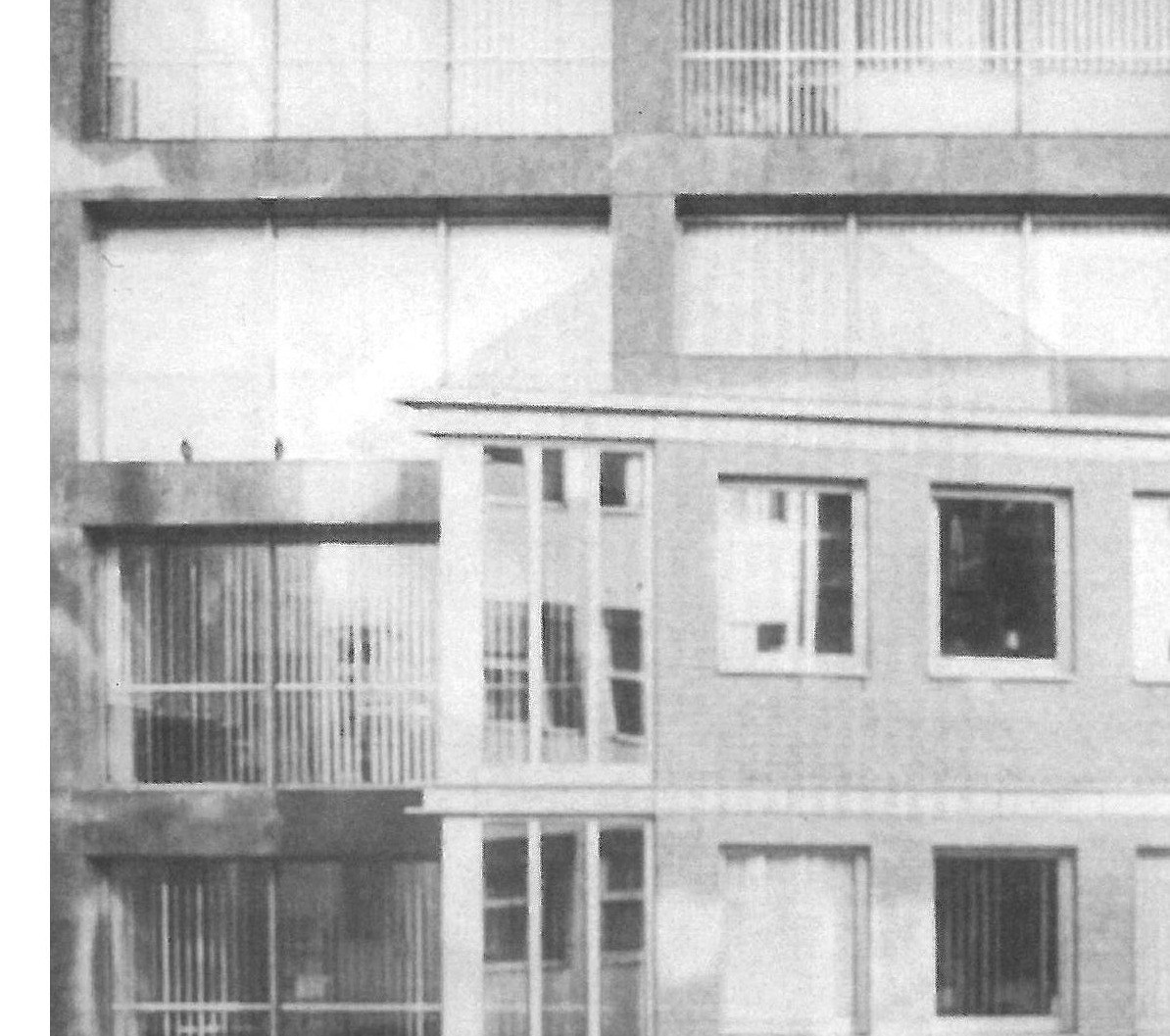
Gábor Turányi, office building on Asbóth Street, Budapest, 1993
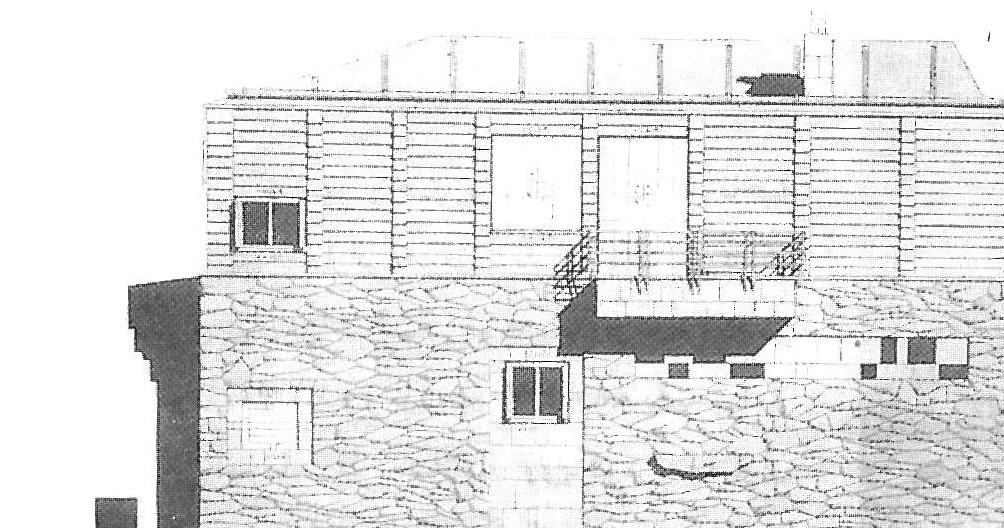
Regli house, Budapest, 1995 — elevation
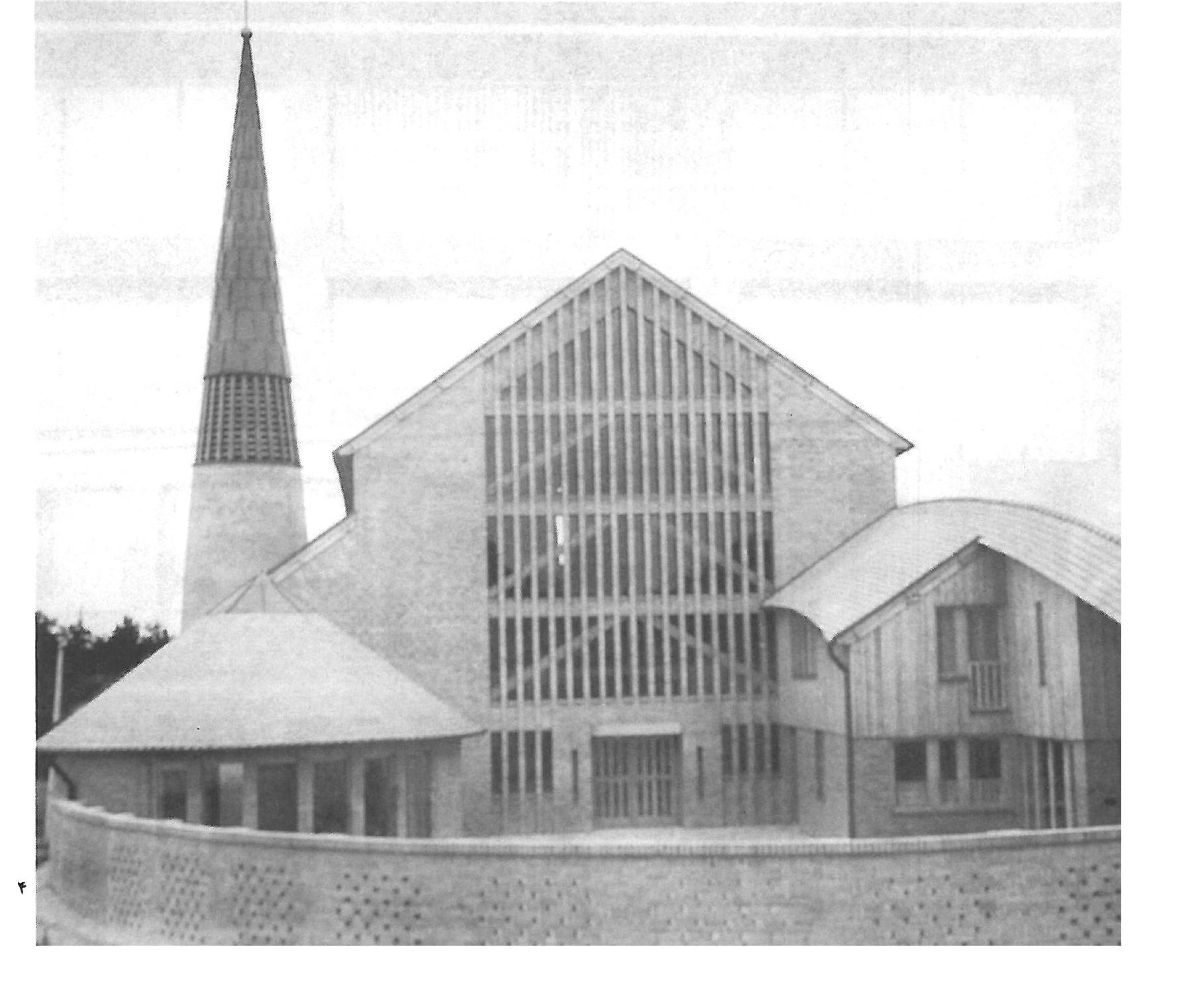
Protestant church in Dunaújváros, 1996 — front view
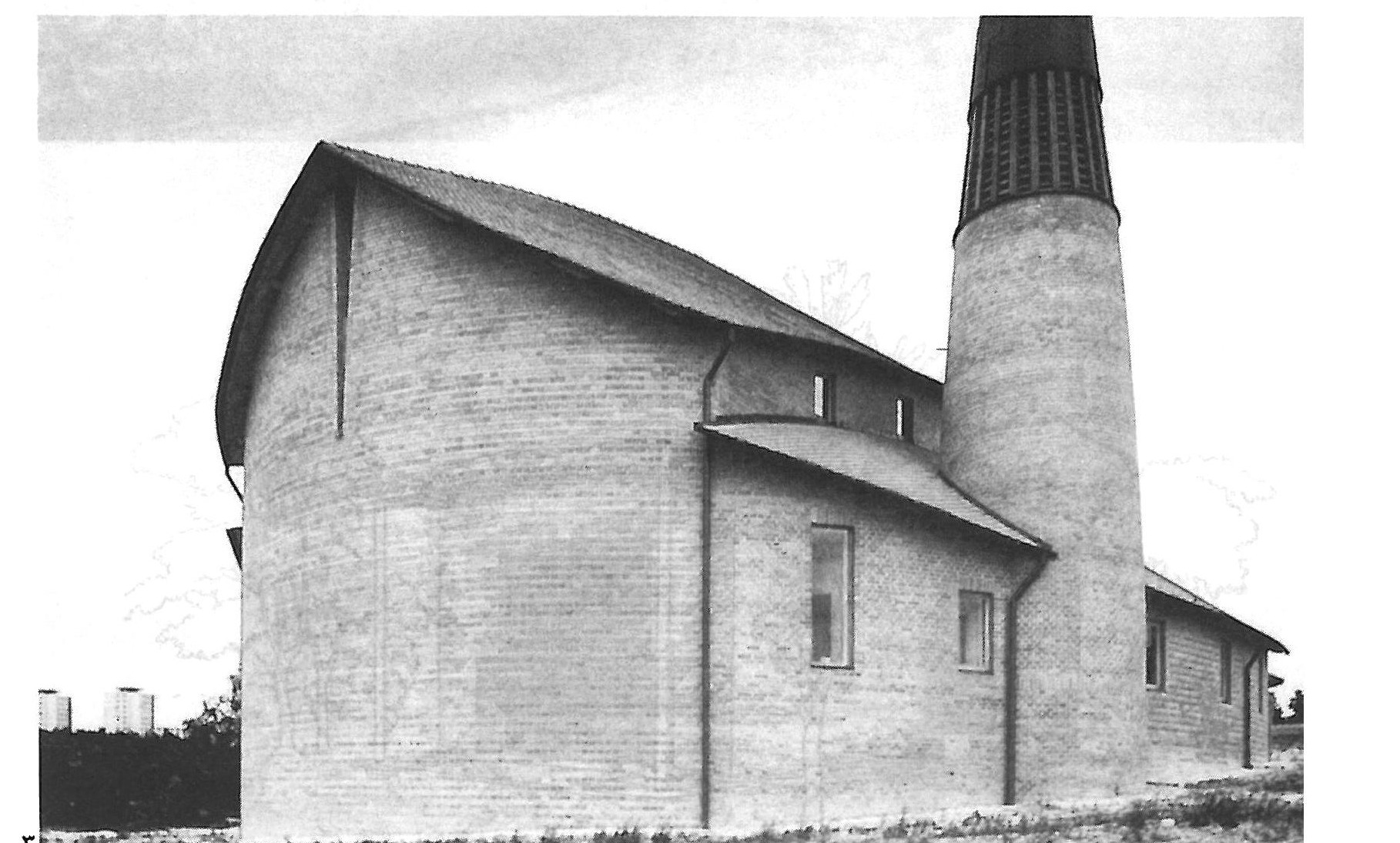
Protestant church in Dunaújváros, 1996 — rear view
Római-part Residential Complex, Budapest
Design: János Mónus, Zsuzsa Zsuki, Sándor Nádi. Structure: Kálmán Retati. System: István Bózsaszi. Client: TET Ltd. Text: Robert Ravi.
The scheme is made of twelve dwellings arranged in two rows of adjacent atrium houses. Most of the units turn their backs on an outside environment beyond the designers' control and aesthetically almost unappealing, and instead present to it a carefully controlled sequence of semi-private and fully private open spaces with great richness and variety, organised around a central longitudinal pedestrian way.
That way plays a further role as a small-scale social space for the inhabitants — much appreciated by them. The central space, with its solid walls on either side, is also the intellectual focus of the scheme: its aim is to reduce the isolation of the individual units by integrating them into something like a local community. (Cars are parked at the entrance of the complex in a semi-basement garage whose load-bearing wall, covered in grass, runs along the whole front of the site.)
The way continues inside the units: even the entrance to each house is through the atrium, which is the focal space of the dwelling and onto which the ground-floor living room also opens. The upper floor, set back, has two bedrooms and a quiet grass-covered terrace over the living room. The units are identical (though facing and adjacent units are mirror-reversed), with a useful area of 140 sq. m each.
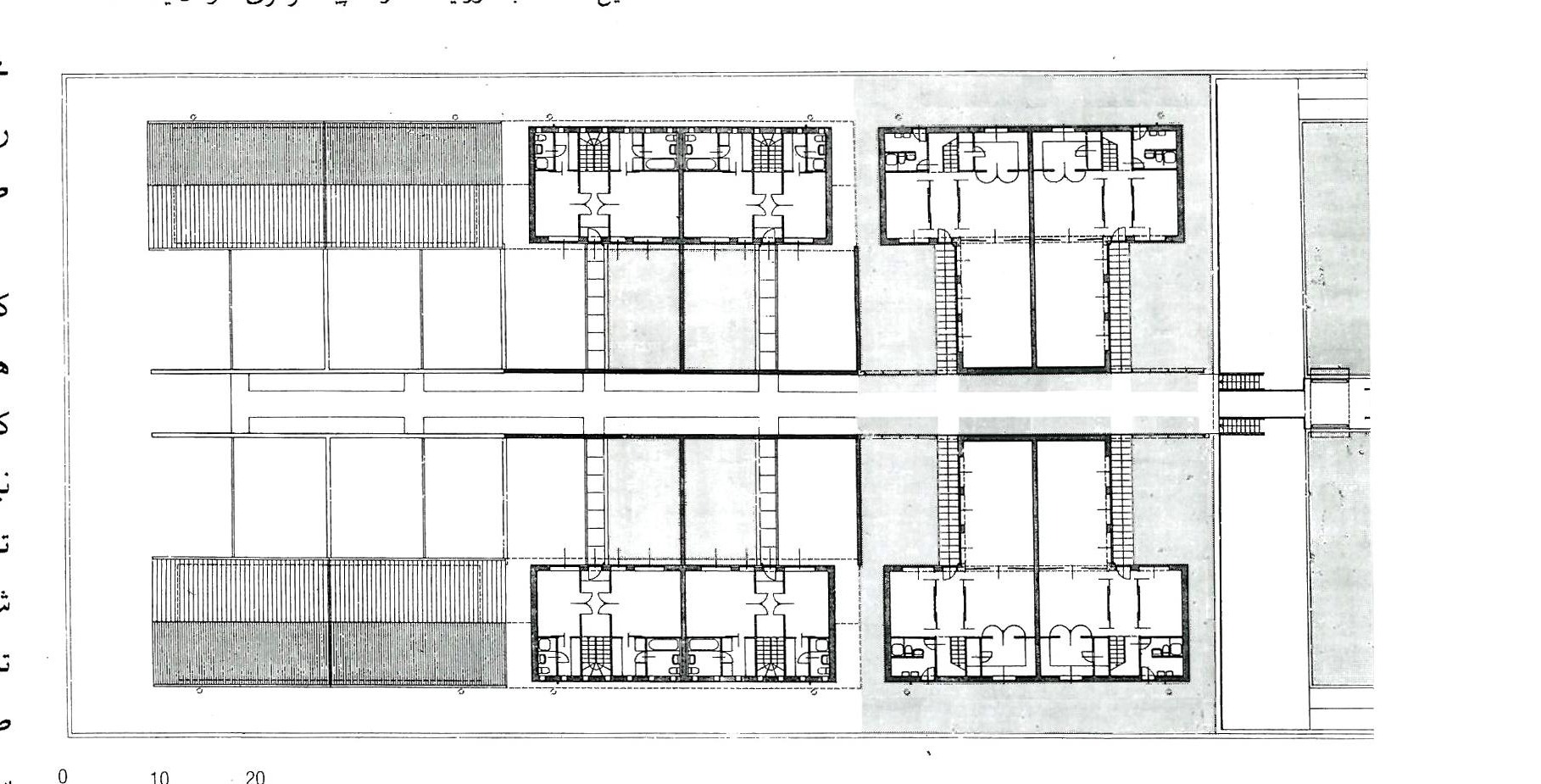
Római-part Residential Complex of Atrium Houses, Budapest — ground and first floor plans
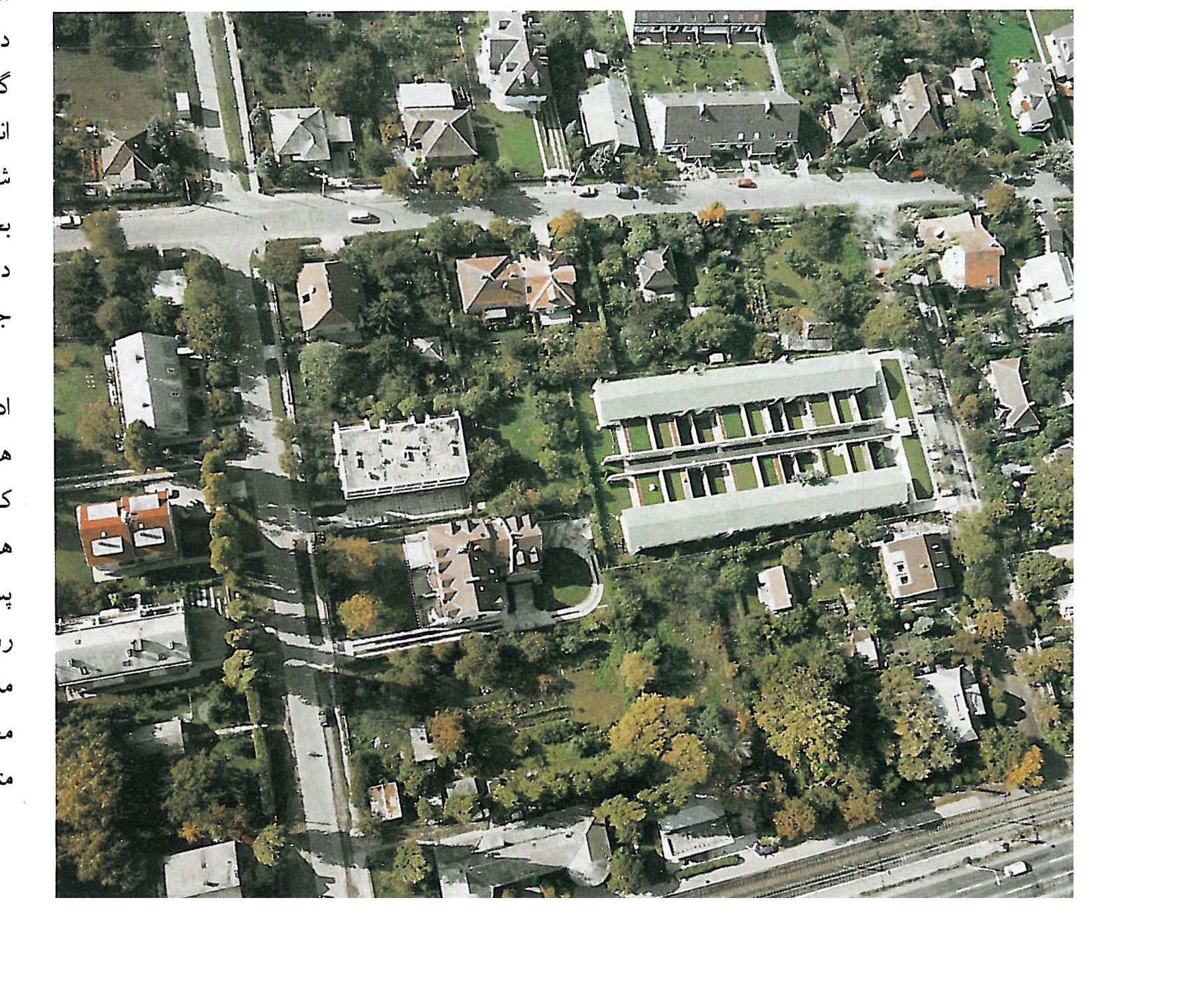
Római-part Residential Complex of Atrium Houses, Budapest — aerial view of the complex
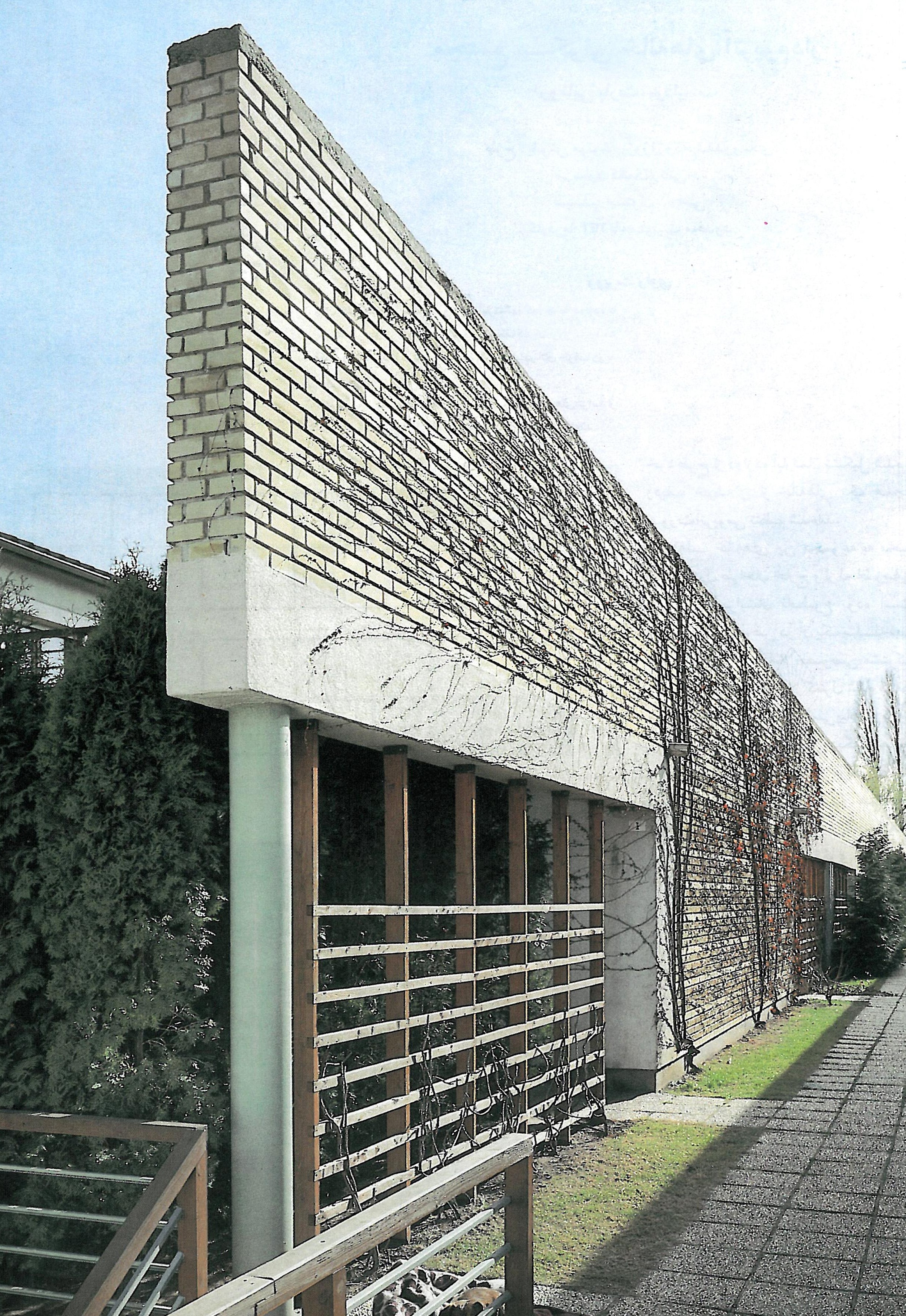
Római-part Residential Complex of Atrium Houses, Budapest — central pedestrian passage
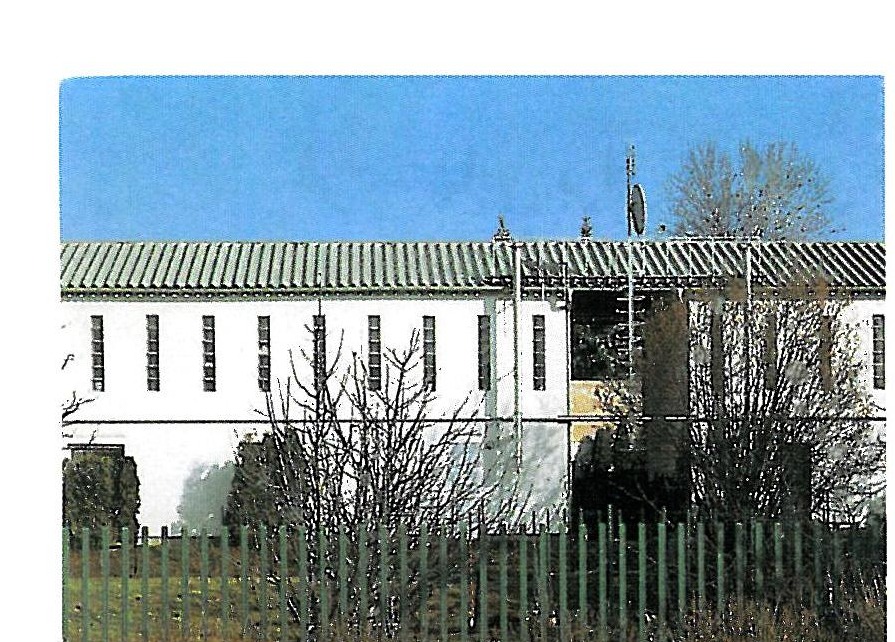
Római-part Residential Complex of Atrium Houses, Budapest — front of a residential block
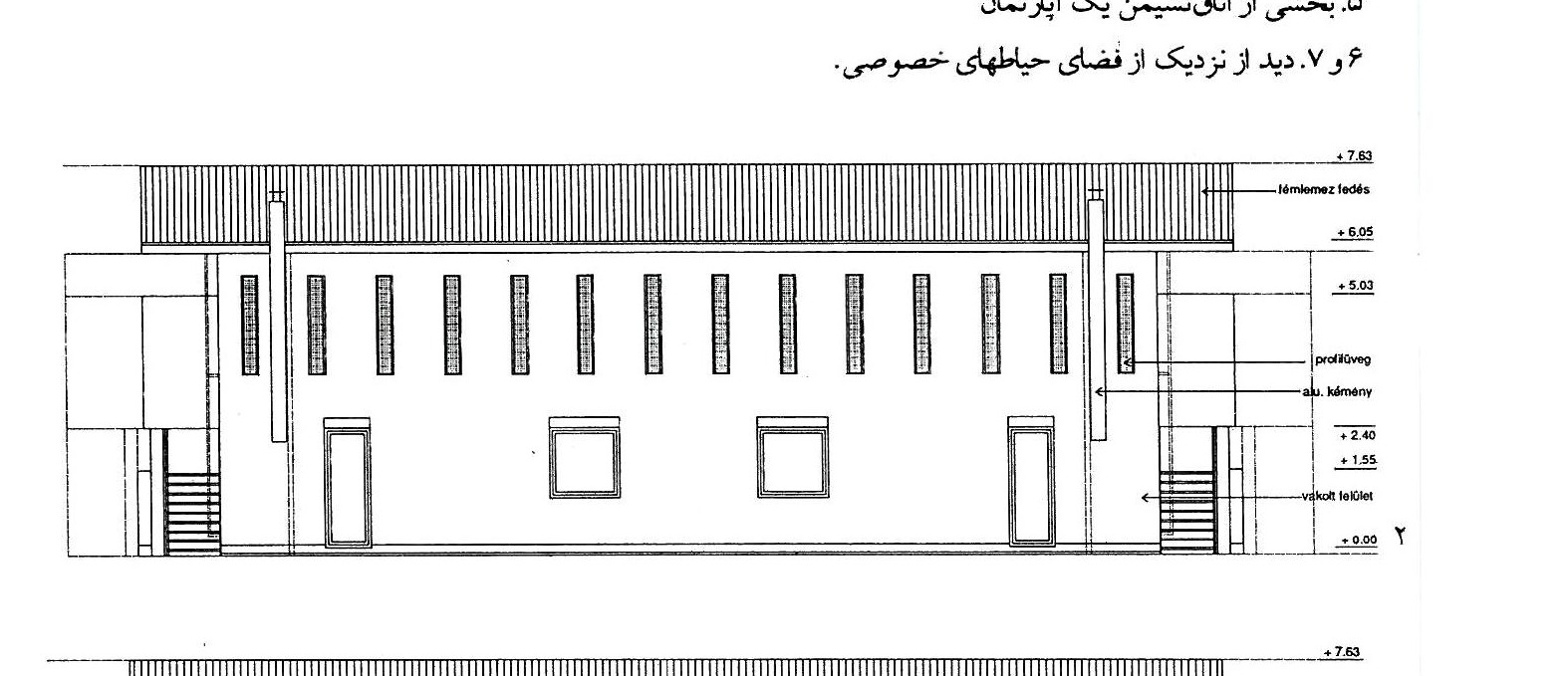
Római-part Residential Complex of Atrium Houses, Budapest — west elevation
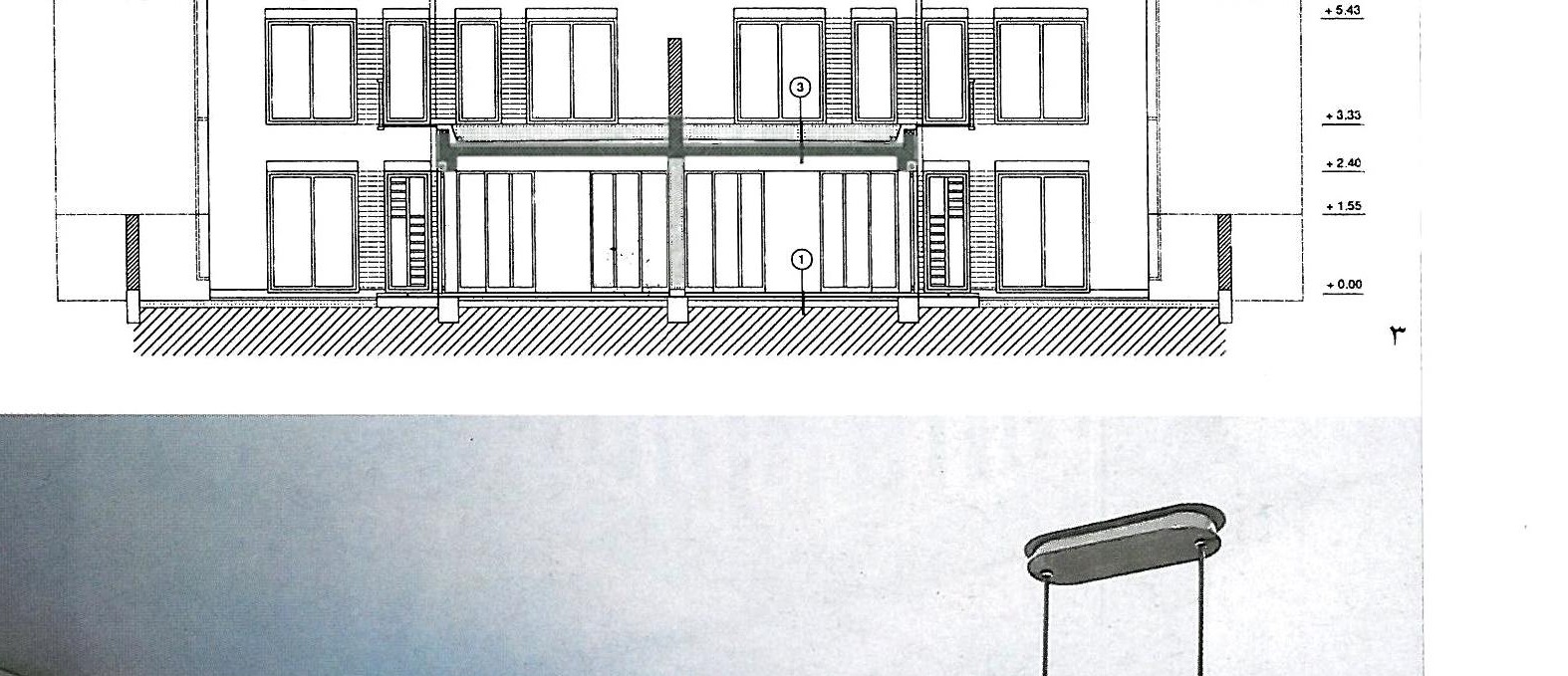
Római-part Residential Complex of Atrium Houses, Budapest — longitudinal section
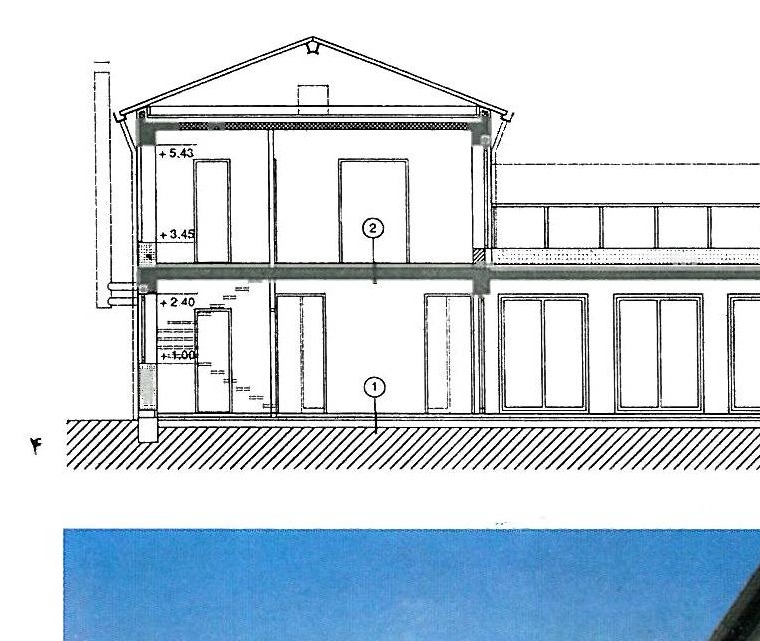
Római-part Residential Complex of Atrium Houses, Budapest — cross section
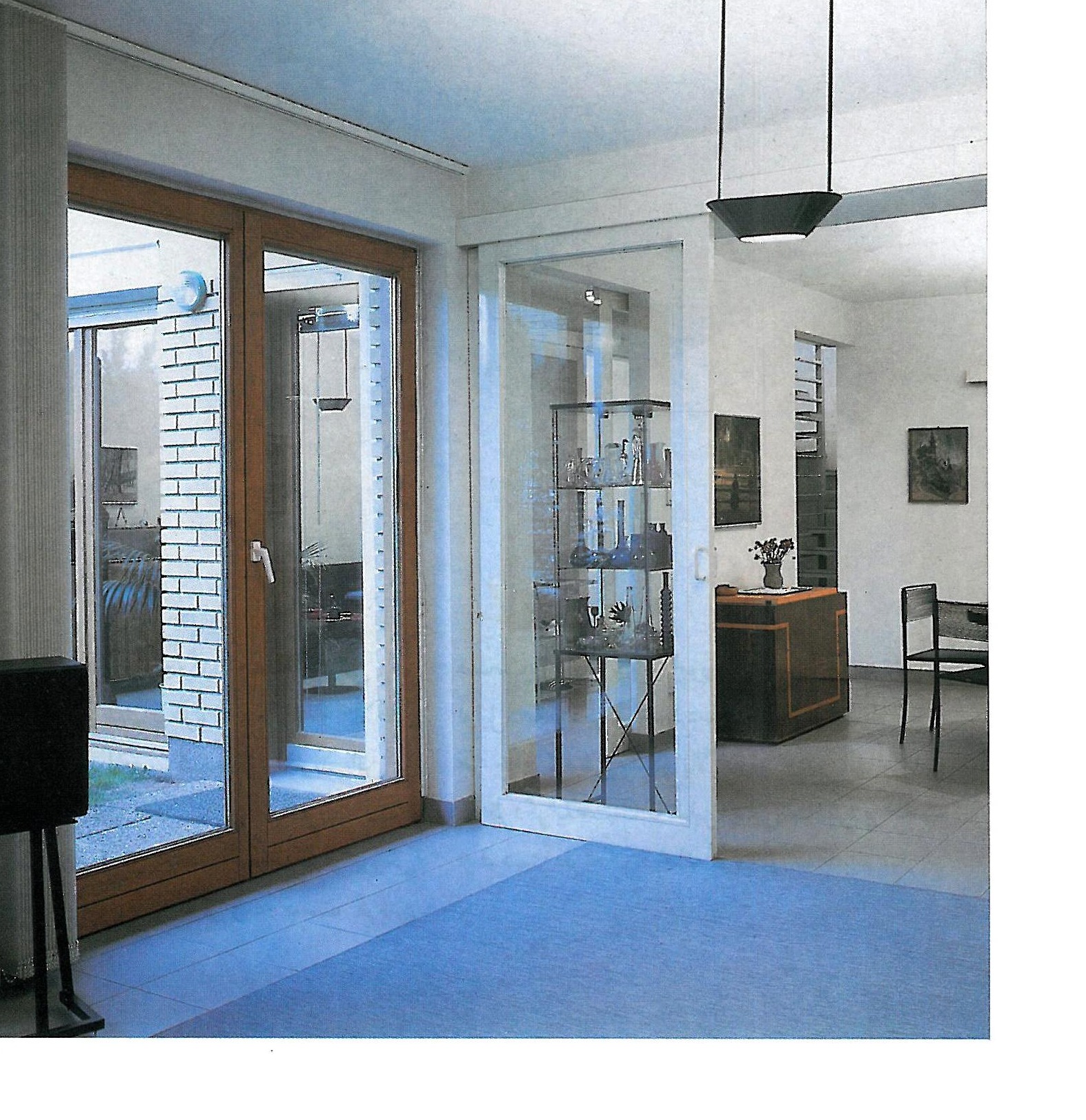
Római-part Residential Complex of Atrium Houses, Budapest — interior of an apartment
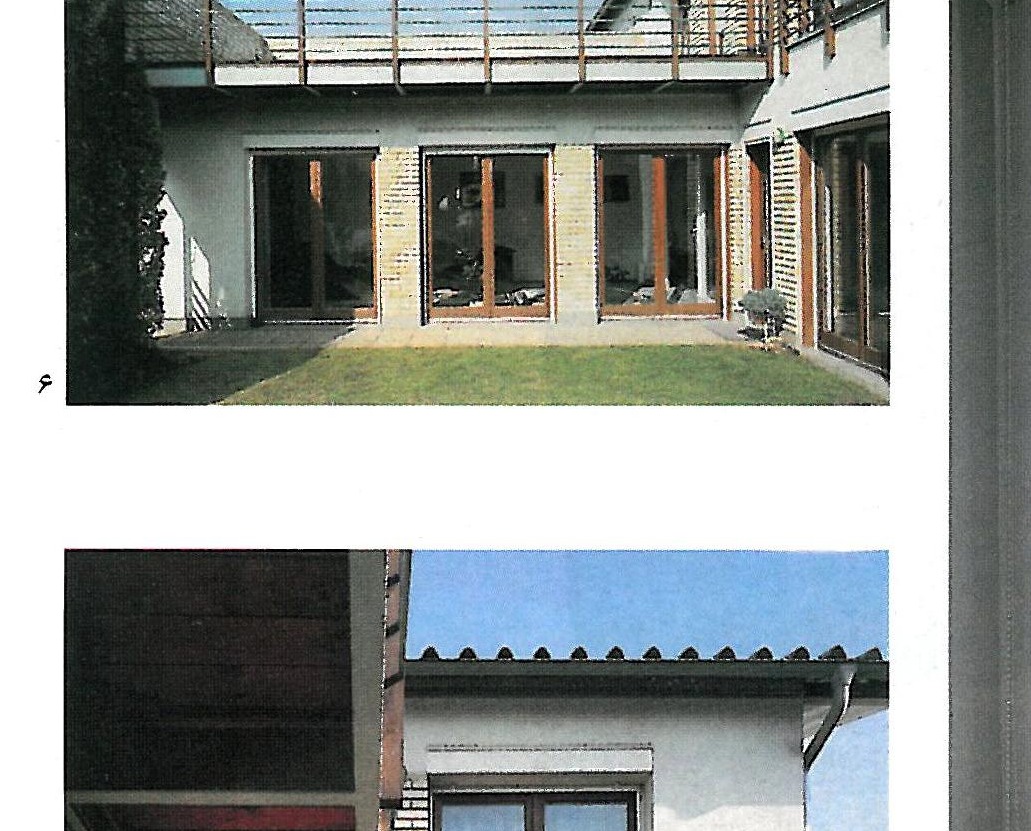
Római-part Residential Complex of Atrium Houses, Budapest — a private courtyard
Opportunities for Hungarian Design — Judit Brada's Work
Judit Brada creates her bags and boxes using traditional craftsmen's tanning techniques. Every one of her objects is a single, one-off, thoroughly original piece. Examples include a box in bamboo and leather (1996; 20 × 20 × 40 cm) and a box in leather and wood (1995; 13 × 85 × 40 cm).
Perhaps the closest expression of Hungarian design today is to be sought in objects that sit on the border between individual sculpture and design goods in the strict sense. That is indeed the niche that the great majority of Hungarian graduates have been able to carve out for themselves after the multinationals' invasion of the market and their take-over of industry, trade and finance in the eighties and early nineties. Brada's objects are nonetheless of very high quality, and in them the functionalist heritage of the tradition is tightly tied to the aesthetic distinction that comes from the individuality of the designers.
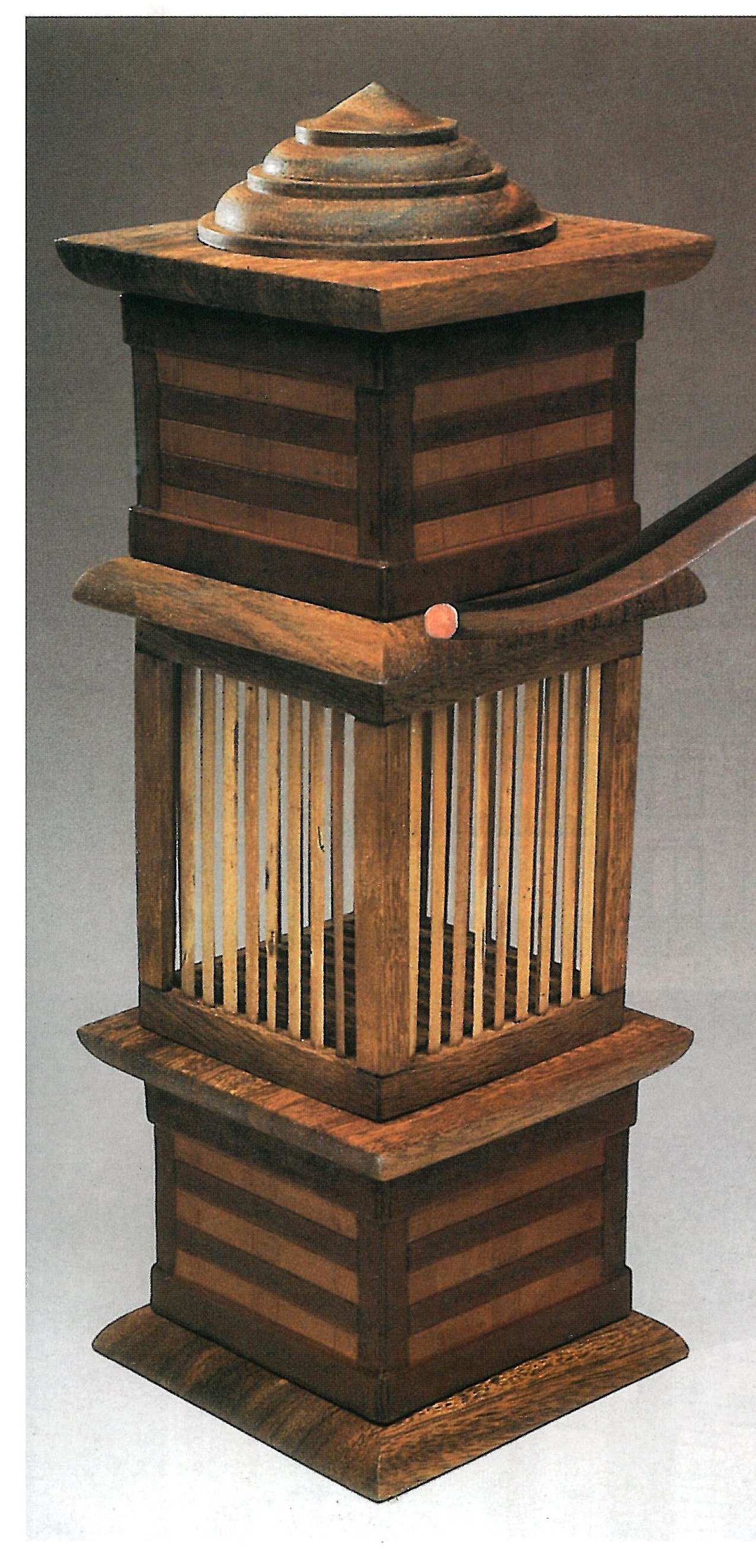
Judit Brada — box of okoumé, oak and leather, 1996
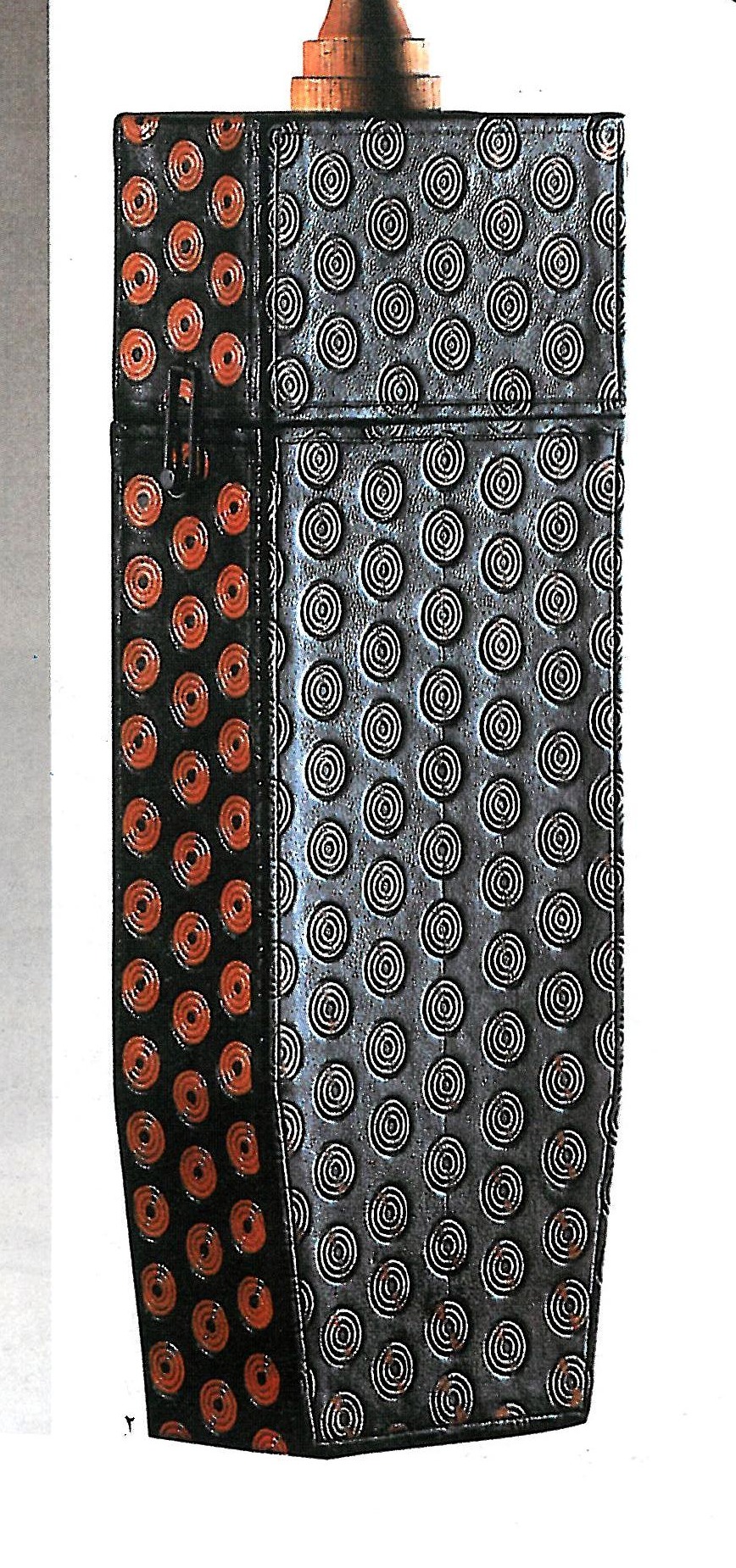
Judit Brada — box of burl and wood, 1995