A new direction in architecture after the collapse of the Eastern Bloc. Selected and adapted from Domus 804, May 1998. Translated into Farsi by Farzaneh Taheri.
Contemporary Slovenian Architecture and its Roots
Andrej Hrausky
A country's architecture cannot evolve outside the general currents of architecture. Yet its particular historical, climatic and geographic circumstances leave their mark on the culture of a people. In architecture, the tradition of a “school” probably matters even more. It is for this reason that the influence of Jože Plečnik and Edvard Ravnikar — each the chief teacher of the faculty of architecture in Ljubljana in his time — has left a stronger imprint on the particular character of Slovenian architecture than that of Max Fabiani, the functionalists or any other figures.
Plečnik, without question the outstanding Slovenian architect to this day, dominated the Slovenian scene in the interwar period with his classicist “immortal works,” but did not meet with universal acceptance. At the beginning of the twenties the architect Ivo Vurnik developed his own version of a national style, and later both students and advocates of functionalism set themselves against Plečnik. Little wonder, then, that in the eighties the postmodern architects, finding in him a forerunner of an unruly classicism, rediscovered him. Today his approach to the planning of Ljubljana is even more interesting than his designs. It was not scientific or planned in the modern sense, but “decorative”: by a very short yet premeditated gesture he stamped himself on the city, so that one can now speak of a “Plečnik's Ljubljana.”
This influence is most vividly seen in his scheme for the Ljubljanica river, where he tried — by detailing the banks, providing points of access to the water, and laying out bridges as urban piazzas on the water — to bring river and city together. The Tromostovje (Three Bridges) joins a large piazza on one bank to the narrow fabric leading to the Baroque fountain in front of the town hall on the other; the Šuštarski most is a broad piazza over the water with colonnades on each side; the Trnovski most is a tree-planted piazza in front of the church.
When we speak of the tradition of a school we do not necessarily mean a continuity of architectural forms; in fact quite the contrary, for the younger generation always wants to free itself from its teachers and stand on its own. Professor Edvard Ravnikar's particular contribution is to show how that problem can be resolved. A student of Plečnik who worked with Le Corbusier in Paris after his studies, Ravnikar became after the Second World War the most important architect and teacher in Slovenia. His buildings look modern at first glance, even with echoes of Alvar Aalto's Scandinavian work, but closer analysis reveals his close kinship with Plečnik. Even in his first large work — the town hall of Kranj, built in the late fifties — a modern architectural language is fused with a classical composition, and the building's setting and hidden programme give it more of the character of a classical temple than of a modern work. In his more mature Trg republike in Ljubljana, a canopy appears over the entrance and the façade panels are clasped by visible fixings — qualities that belong to Plečnik and Palladio. This reinterpretation of the old in a new way — rather than negating it, as Ravnikar's architecture does not — shows how the tradition of a school can be continued.
From this angle, at least, one should mention the building on Pulbalska cesta that Janez Koželj and Božo Podlogar designed in the late eighties. A few hundred metres from Plečnik's Peglezen — where the master resolved the problem of a narrow wedge-shaped plot — a similar plot exists; the architects consciously imitated Plečnik's idea while also having to contend with a curved road and a sloping site. It is no accident that abroad this building, more than any other, is cited as an example of modern Slovenian architecture.
Two other strands of the Ravnikar tradition are now apparent: first, the question of “contentment with the environment” — with the context in which the new building is placed — and second, attention to details and materials. This is the work of the middle generation, grounded in theoretical positions formed in the late seventies and early eighties in the circles around the magazine AB; it too is a legacy of Ravnikar's insistence that architecture needs a theoretical foundation together with international connections.
Slovenia, for all its openness, was for years part of Eastern Europe; it has always brought some aspect of its architecture before the world and kept its links with the world. But the younger generation is studying and practising there now: it is the first time they have had an equal start with other European architects. One may therefore expect them to take up a share of the current conversation in modern architecture equal to that of any other country.
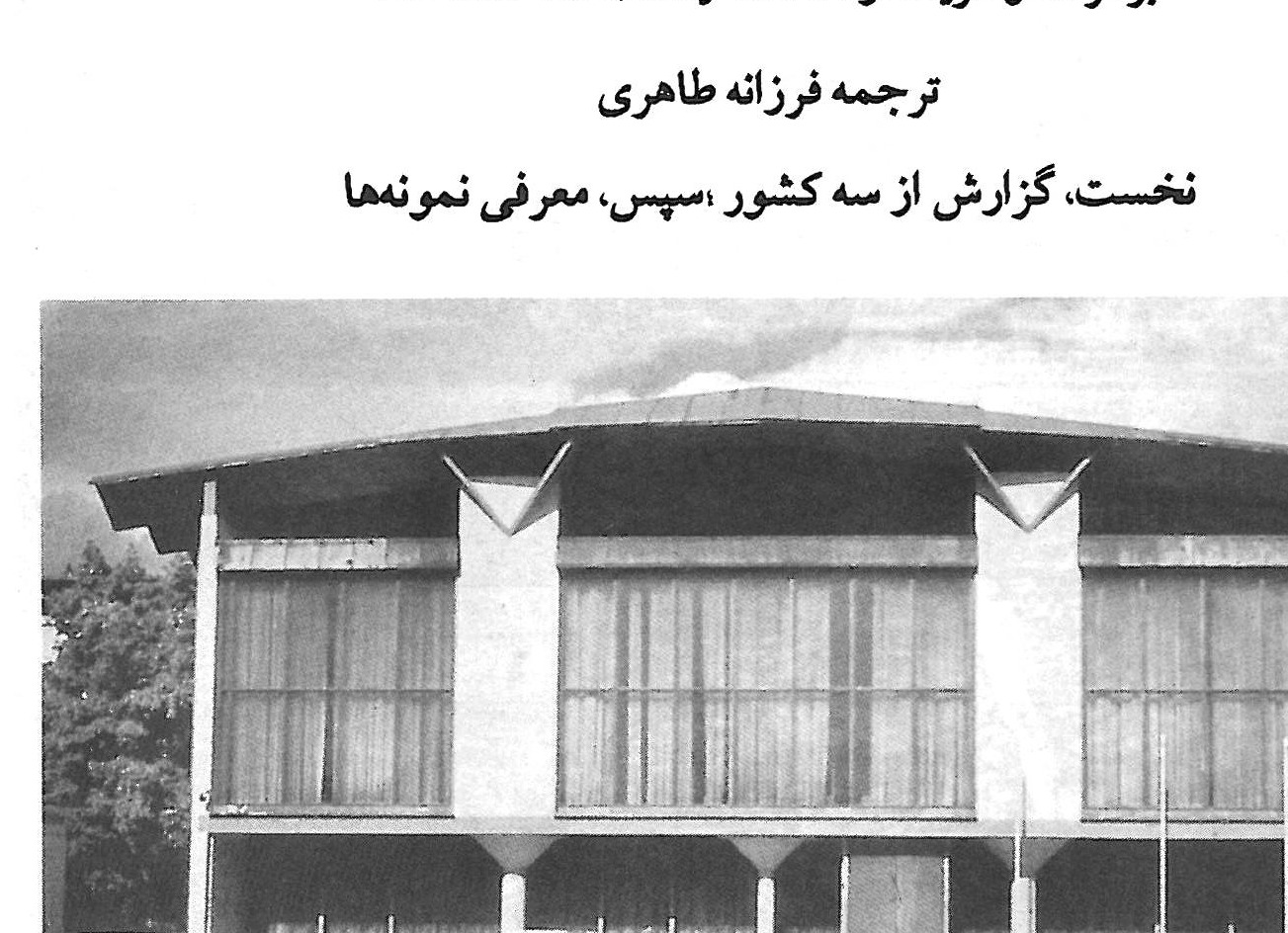
Edvard Ravnikar, Theatre in Kranj, 1958
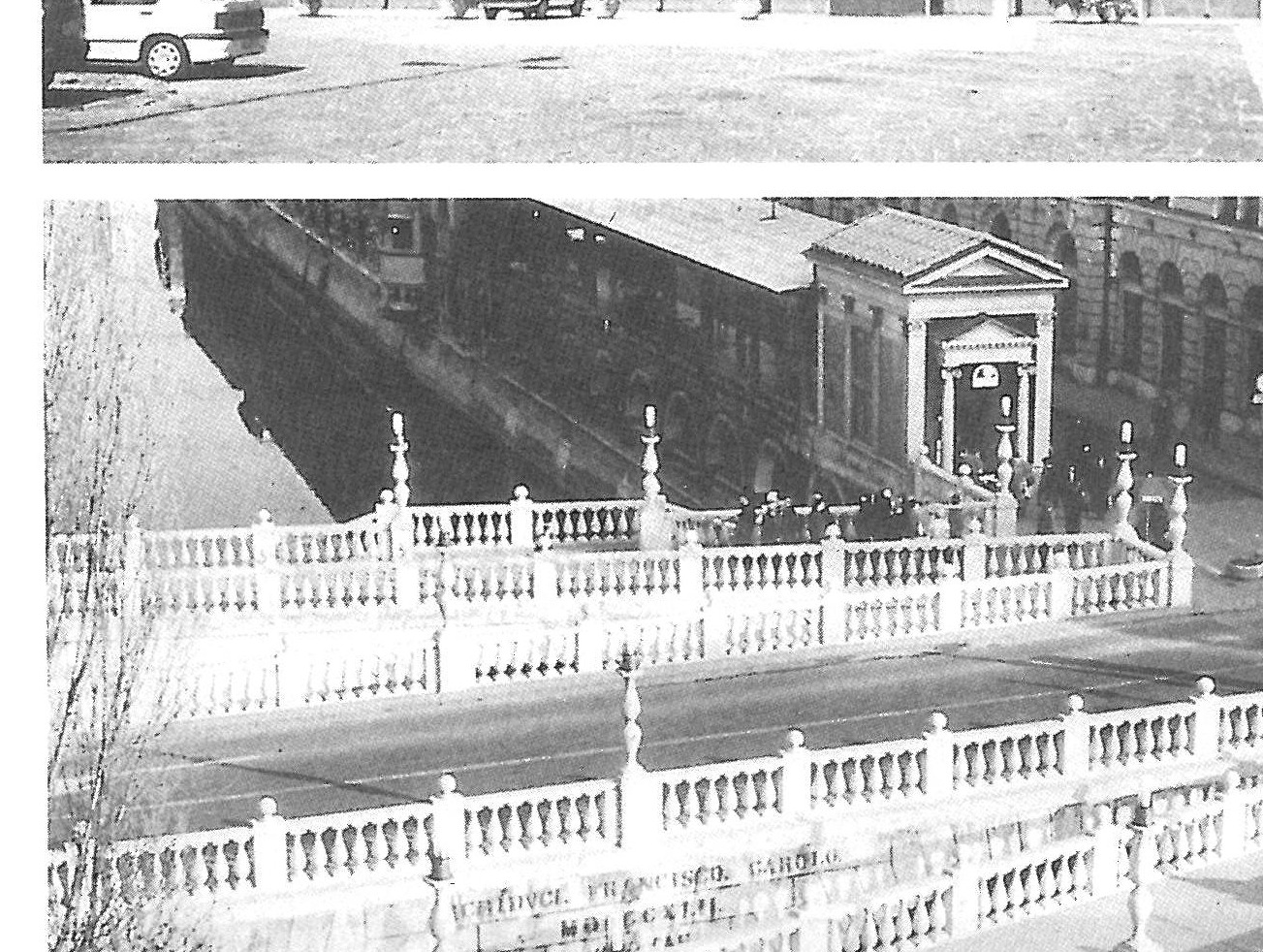
Jože Plečnik, the Three Bridges (Tromostovje), Ljubljana, 1929-32
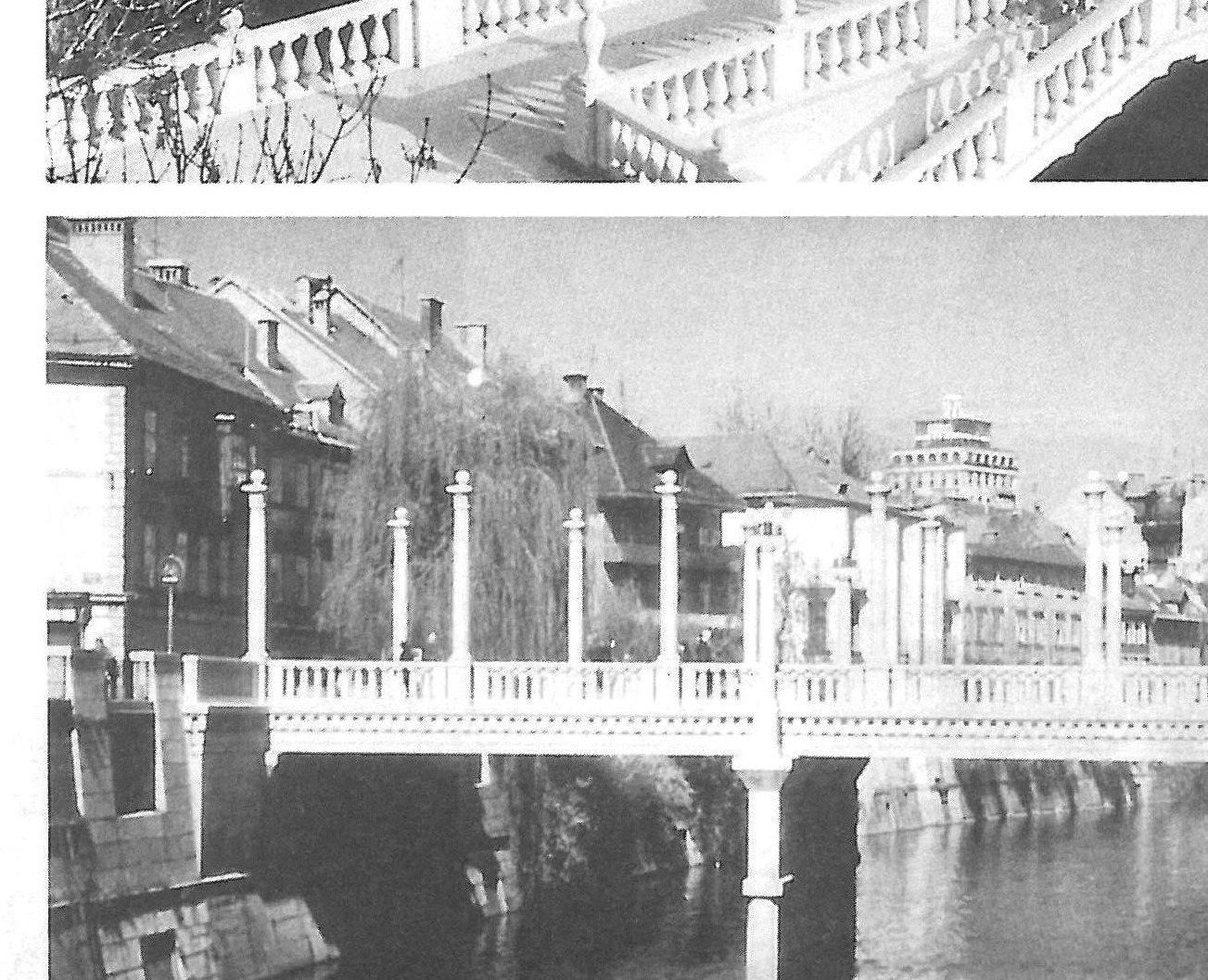
Jože Plečnik, the Cobbler's Bridge, Ljubljana, 1931-32
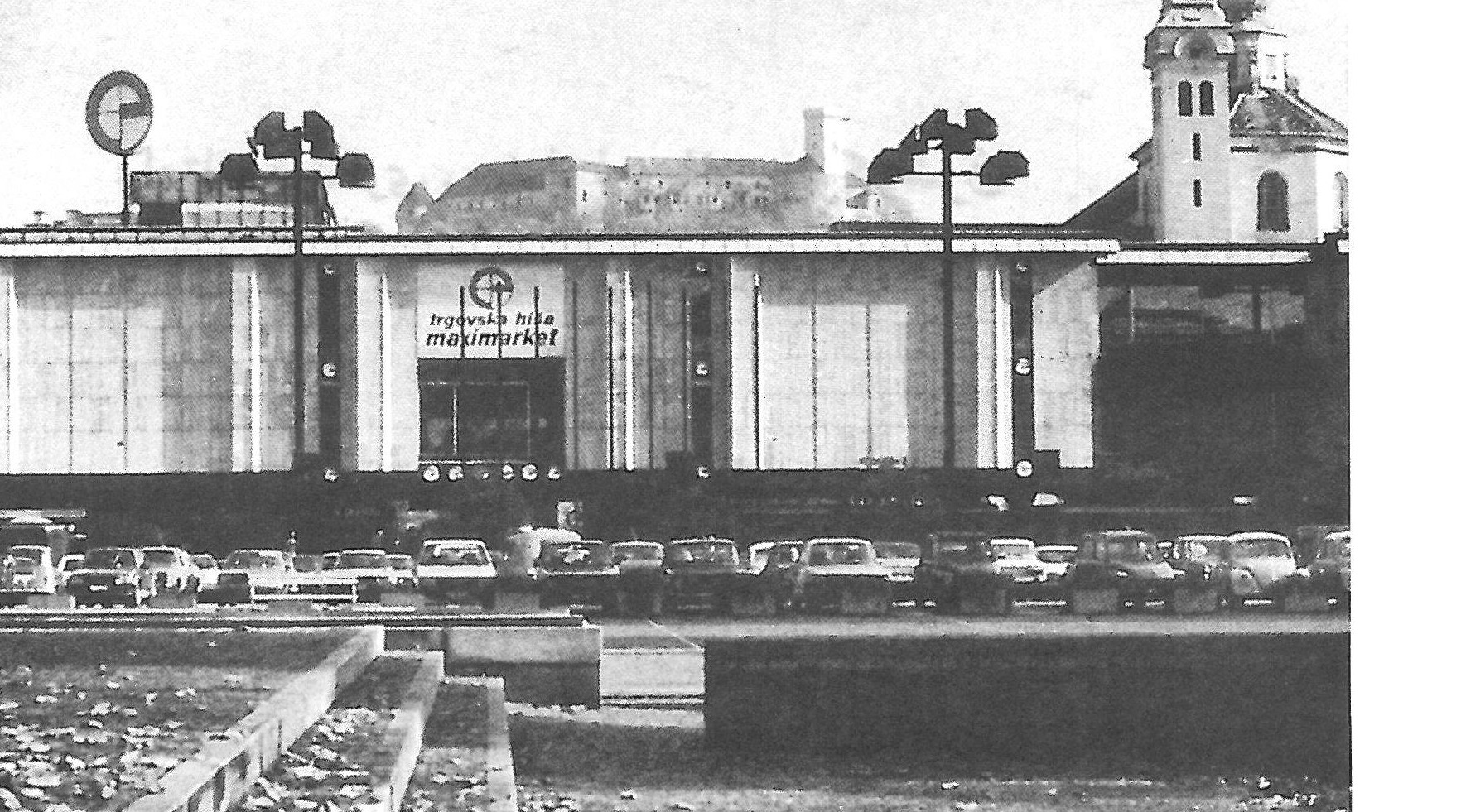
Edvard Ravnikar, Ferant Block (Trg Republike), Ljubljana, 1962-83
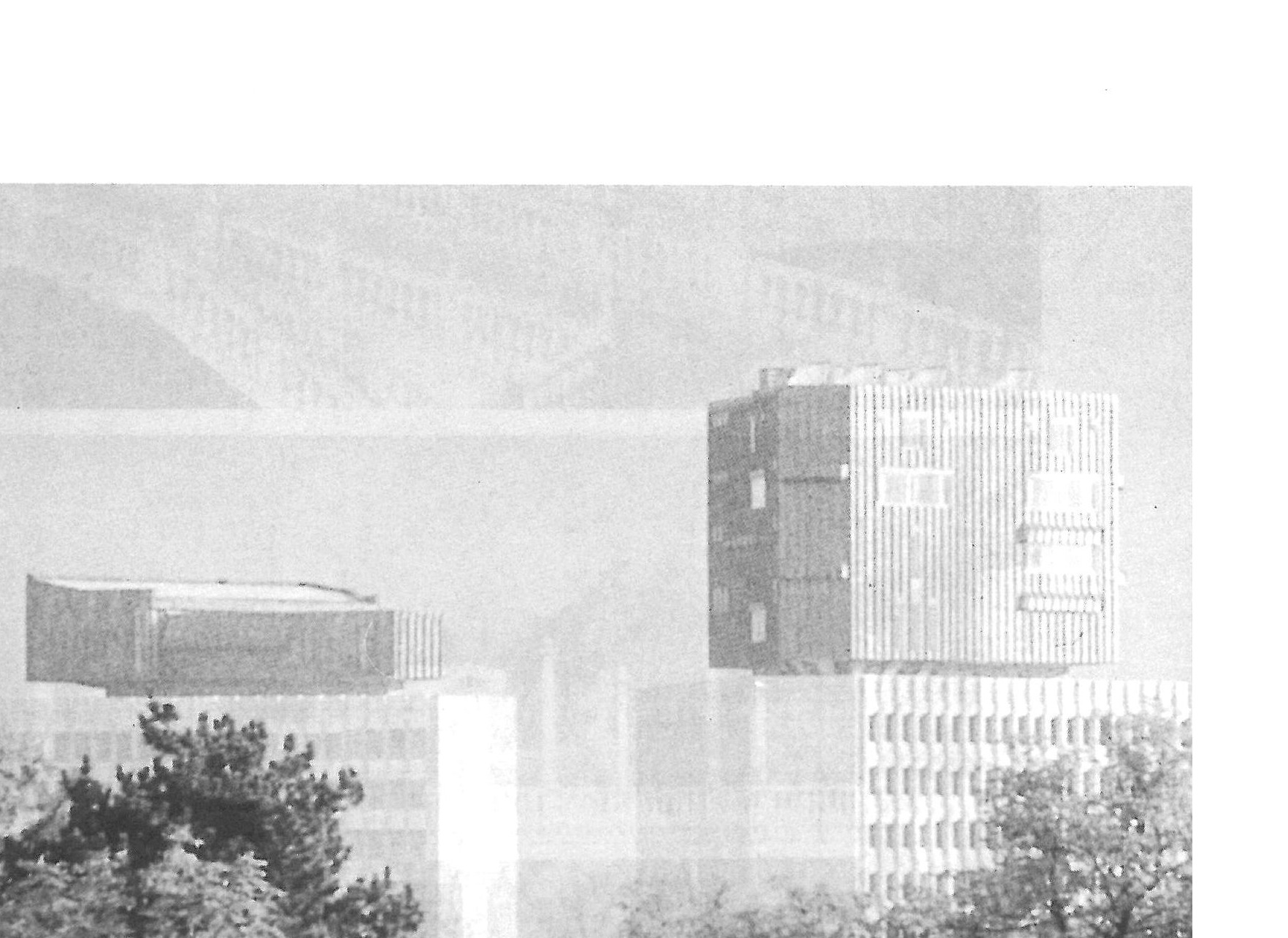
Peter Kozelj, Podlogar building, Ljubljana, 1987-88
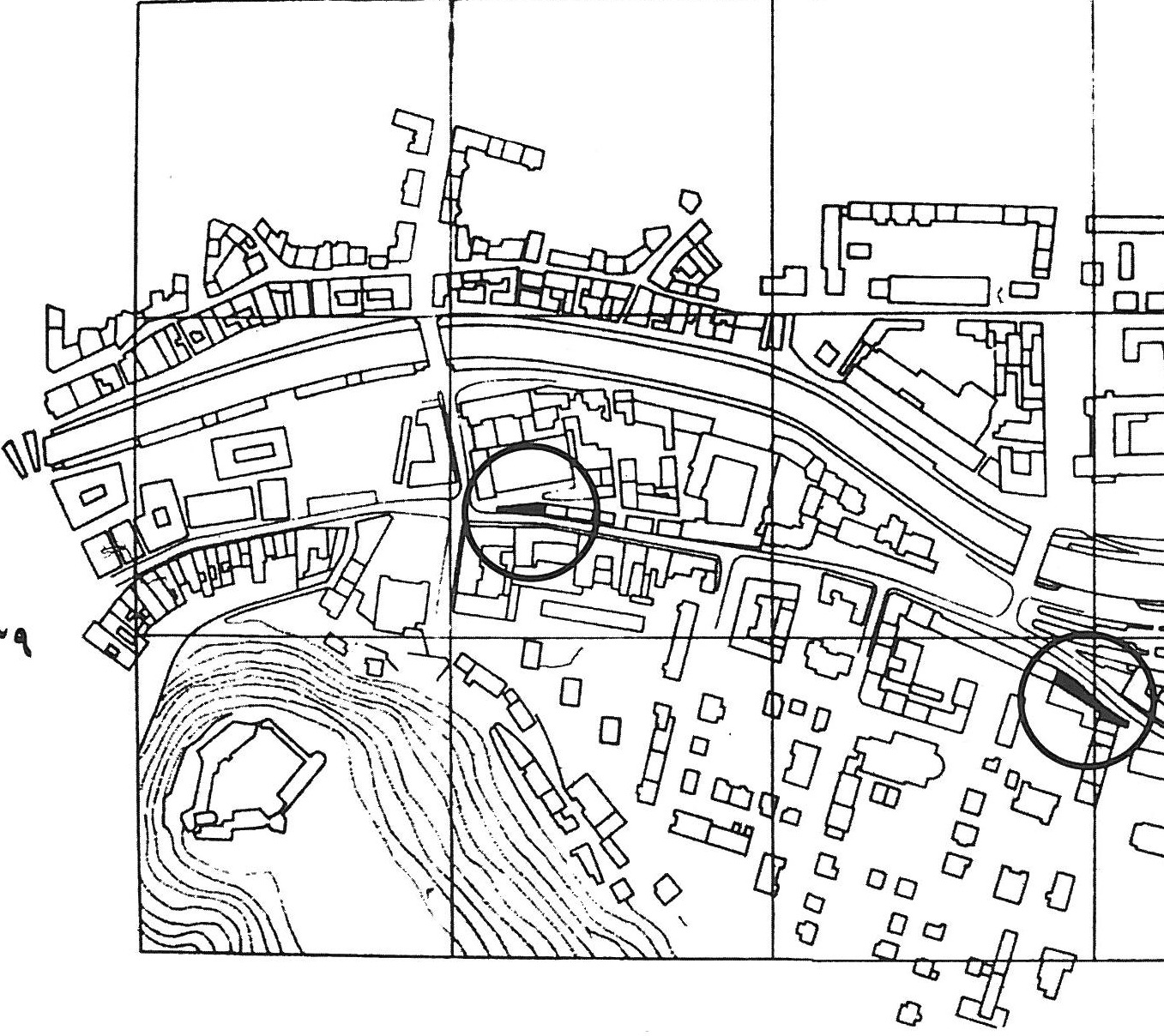
Plan of the historic centre of Ljubljana
Headquarters and Warehouse of a Pharmaceutical Firm in Maribor
Anton Lešnik, with Toče Turk
The building, in the suburbs of Maribor, is a regional drug warehouse and distribution centre. This quasi-industrial building stands in an edge-of-town site that offered no particular help to an ambitious architectural design. Even so, the architect has managed to set aside the expected model and deliver a scheme that is architecturally and technologically advanced. The building is split into an office zone and a warehouse with its packaging unit, joined by a covered loading yard. The principal face of the office building meets the main regional road at a right angle, so that visitors approach it from the side and see it most clearly in the strongly vertical articulation of its façade.
The defining quality of this building — as in all Lešnik's work — is an exceptional attention to detail and to craft, far above the standards of the locality. One should remember that the architect is self-taught, and that the local tradition has not bound his hands. The strongest influence visible in his work is that of the “Graz school” nearby, through which his design joins, indirectly, the running debate in architecture that is itself a further reworking of modernism; not, in this case, through the overt display of technology or imitation of thirties forms, but through the real opportunities of modern technology. The architect has acted as an active searcher for new technological possibilities.
On the office wing of the Pharmadent building, ready-made metal panels are used on the façade — and serve as heating elements as well. Glass forms the outer layer of the warehouse's long façades, and the thermal insulation, half-visible behind it, gives the glass a textured, lustrous role. This kind of use of technology lets each element of the building play several roles at once — daylight, insulation, heating and so on — while remaining very simple from the point of view of design. That same simplicity, in combination with flawless craftsmanship, gives Anton Lešnik's architecture its stamp of authenticity and an almost classical beauty that dispenses with any need for extra ornament.
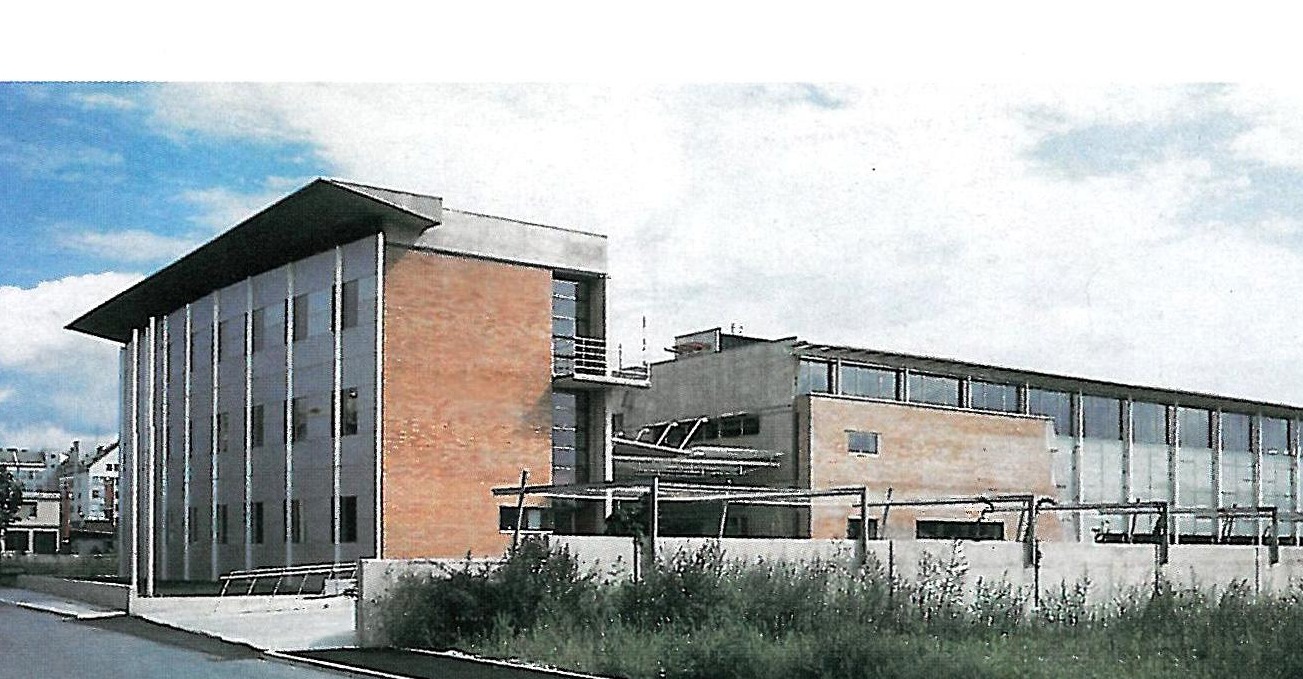
Central Offices and Warehouse of a Pharmaceutical Company, Maribor (Anton Lešnik with Tone Turk) — perspective view in the suburban context
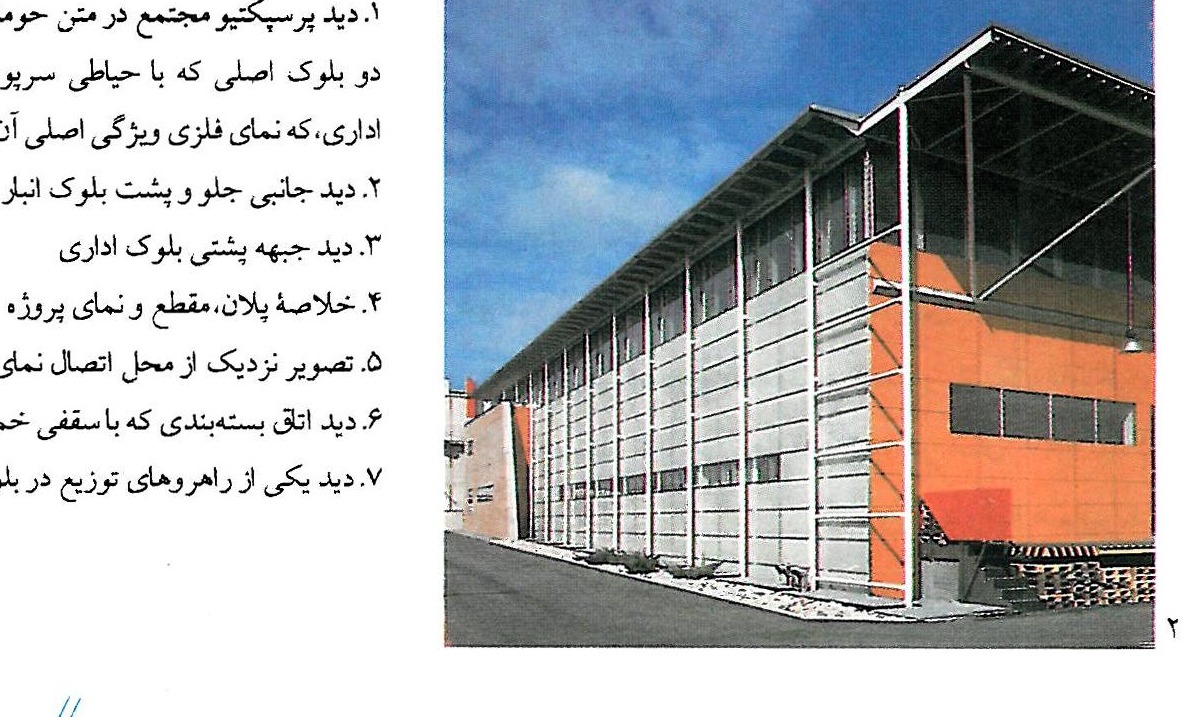
Central Offices and Warehouse of a Pharmaceutical Company, Maribor — front and rear of the warehouse block and loading dock
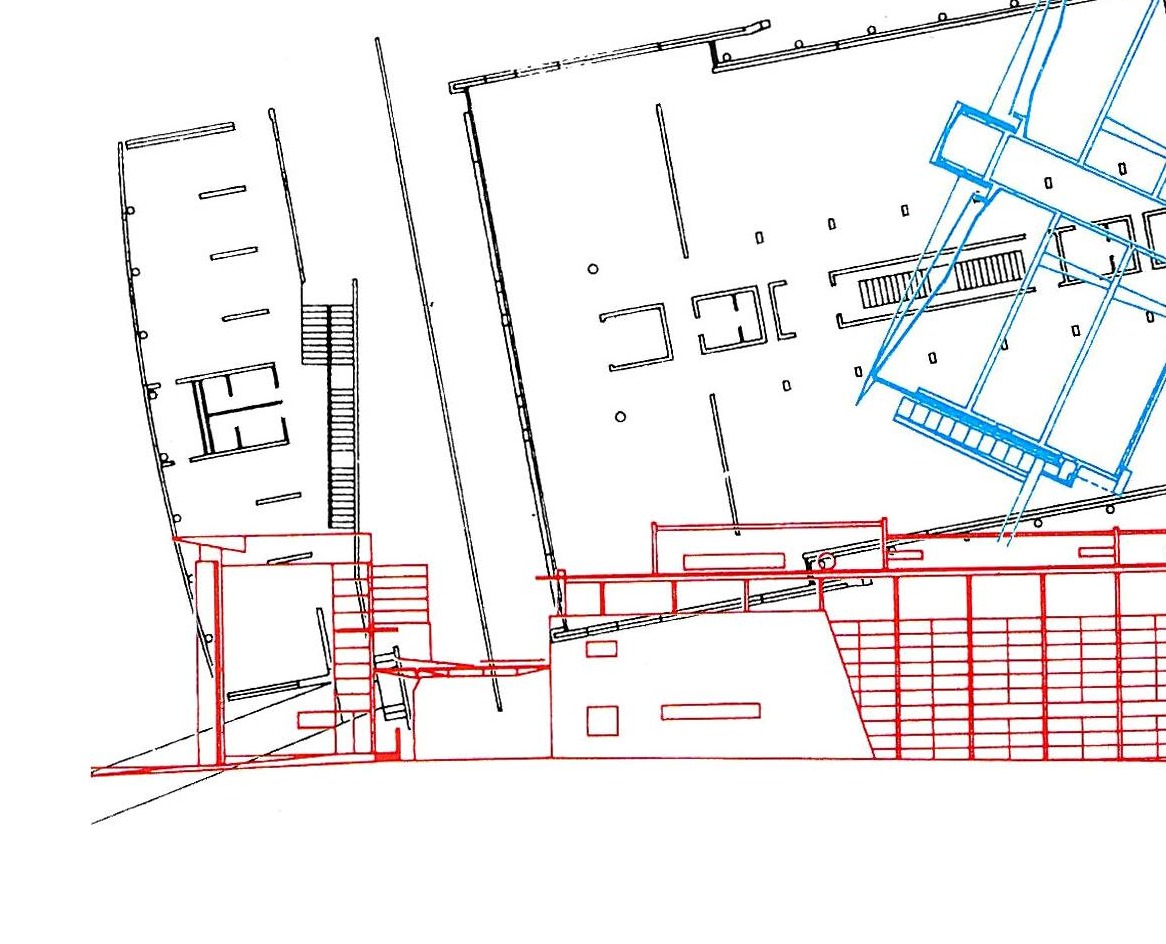
Central Offices and Warehouse of a Pharmaceutical Company, Maribor — plan, section and elevation
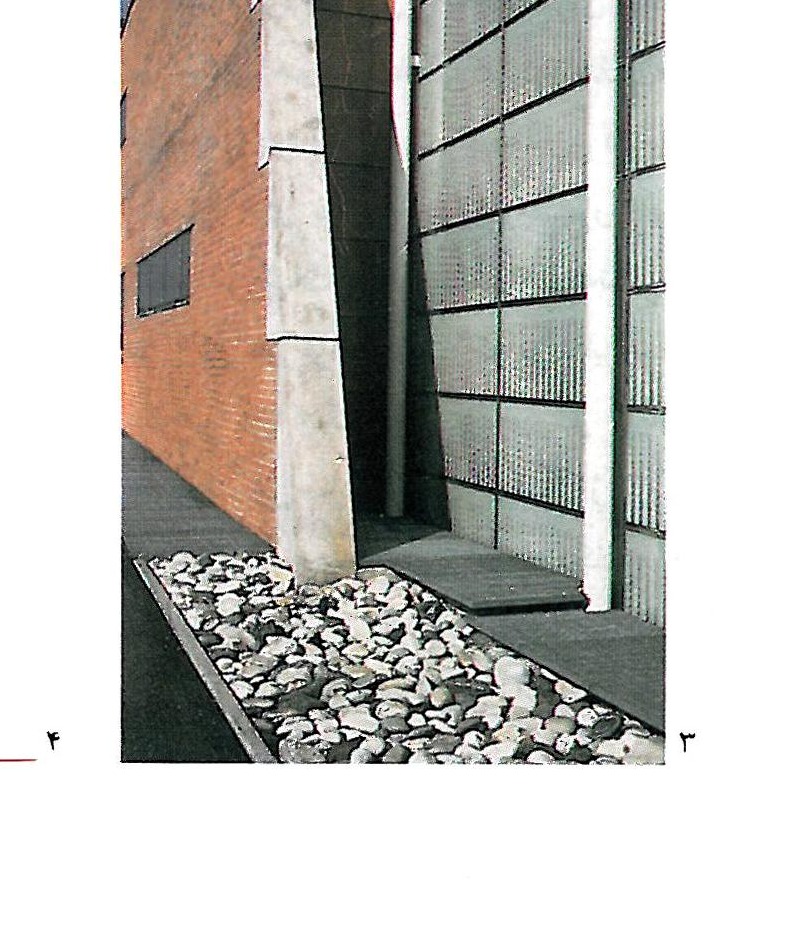
Central Offices and Warehouse of a Pharmaceutical Company, Maribor — junction of the brick and glass facades
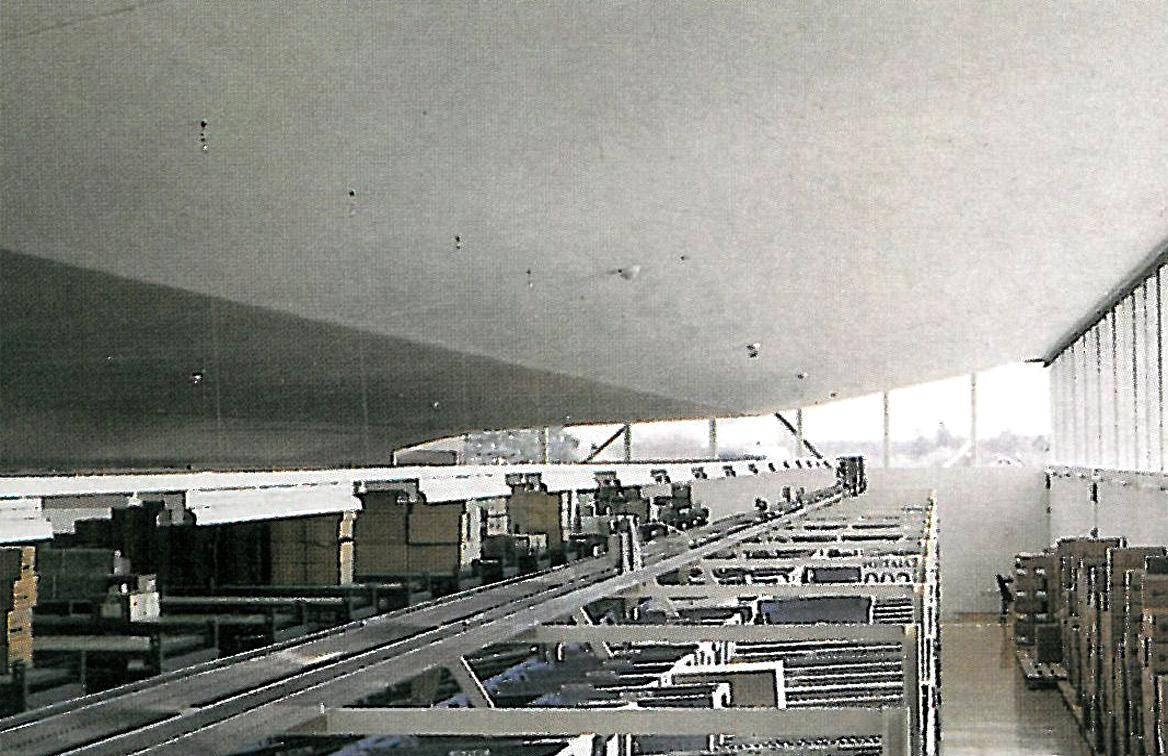
Central Offices and Warehouse of a Pharmaceutical Company, Maribor — a distribution corridor in the warehouse
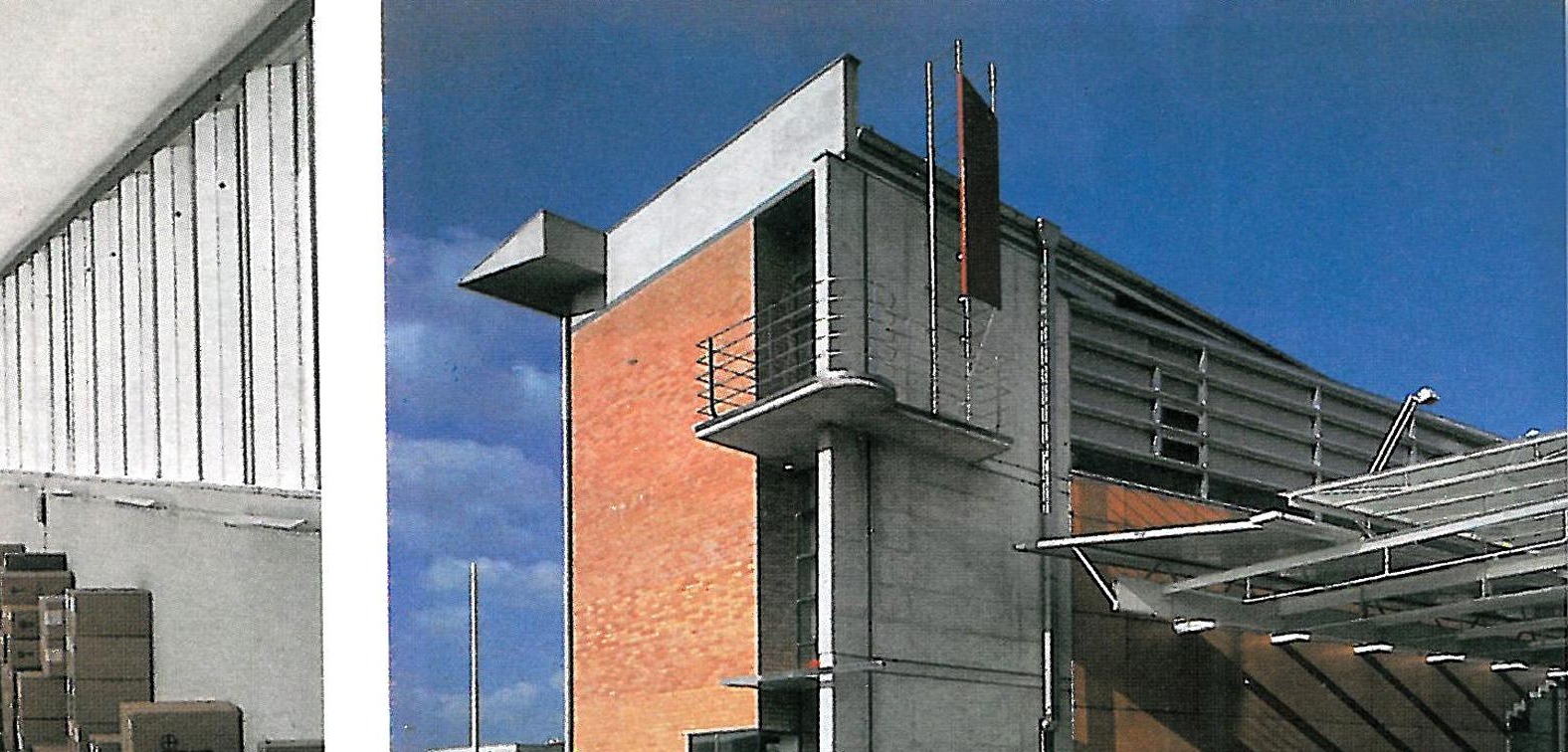
Central Offices and Warehouse of a Pharmaceutical Company, Maribor — exterior detail of the office block
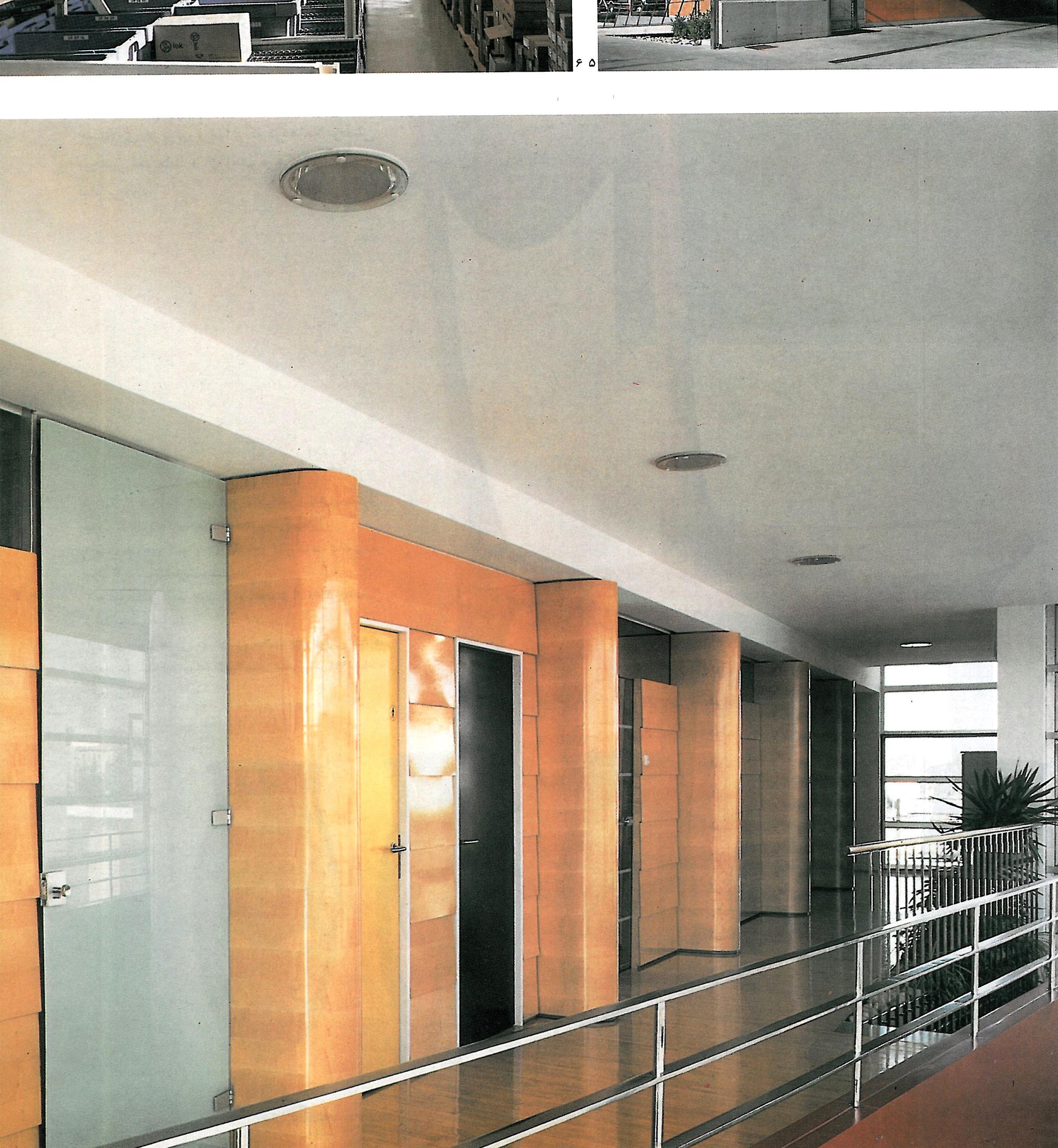
Central Offices and Warehouse of a Pharmaceutical Company, Maribor — corridor in the office block
The Design of Nature
Oskar Kogoj
The pursuit of the energy of objects is the driving force behind this Slovenian designer's effort to create things that form a “new nature” — sculptural objects and vessels in glass whose foundation lies in Slovenian culture. Kogoj pays his respects to that culture and borrows from it processes and techniques that have sometimes been forgotten. His search for form and function is not confined to his homeland; it reaches beyond his immediate time and place.
Among his works: Canal Grande, a table with a walnut-burl top and cast bases, made by Tarpak Data Luja; San Giorgio, a cabinet with four doors and two drawers in walnut burl; Venetia, a walnut-burl chair; and a set of goblets made in 1991 at the Rogaška Slatina glass school in Slovenia and presented to Master Sri Sathya Sai Baba at Puttaparthi, India.
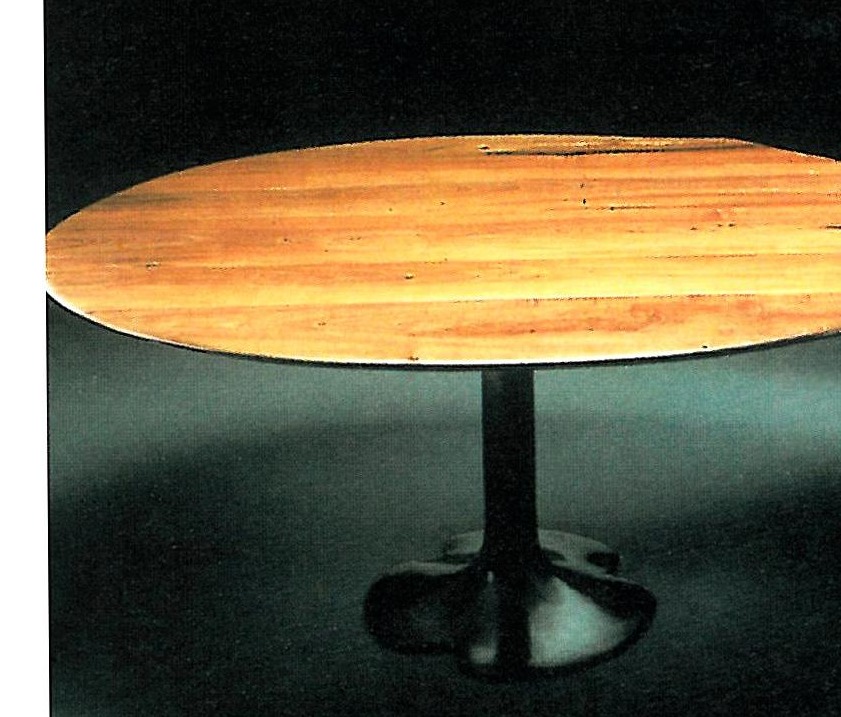
Oskar Kogoj — table with walnut-burl top and cast base
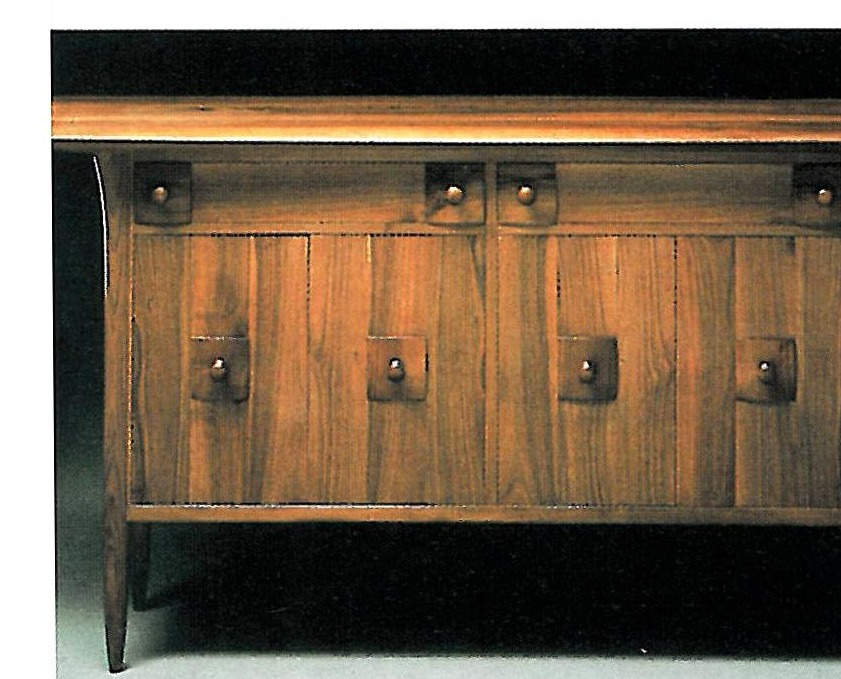
Oskar Kogoj — cabinet with four doors and two drawers, walnut burl
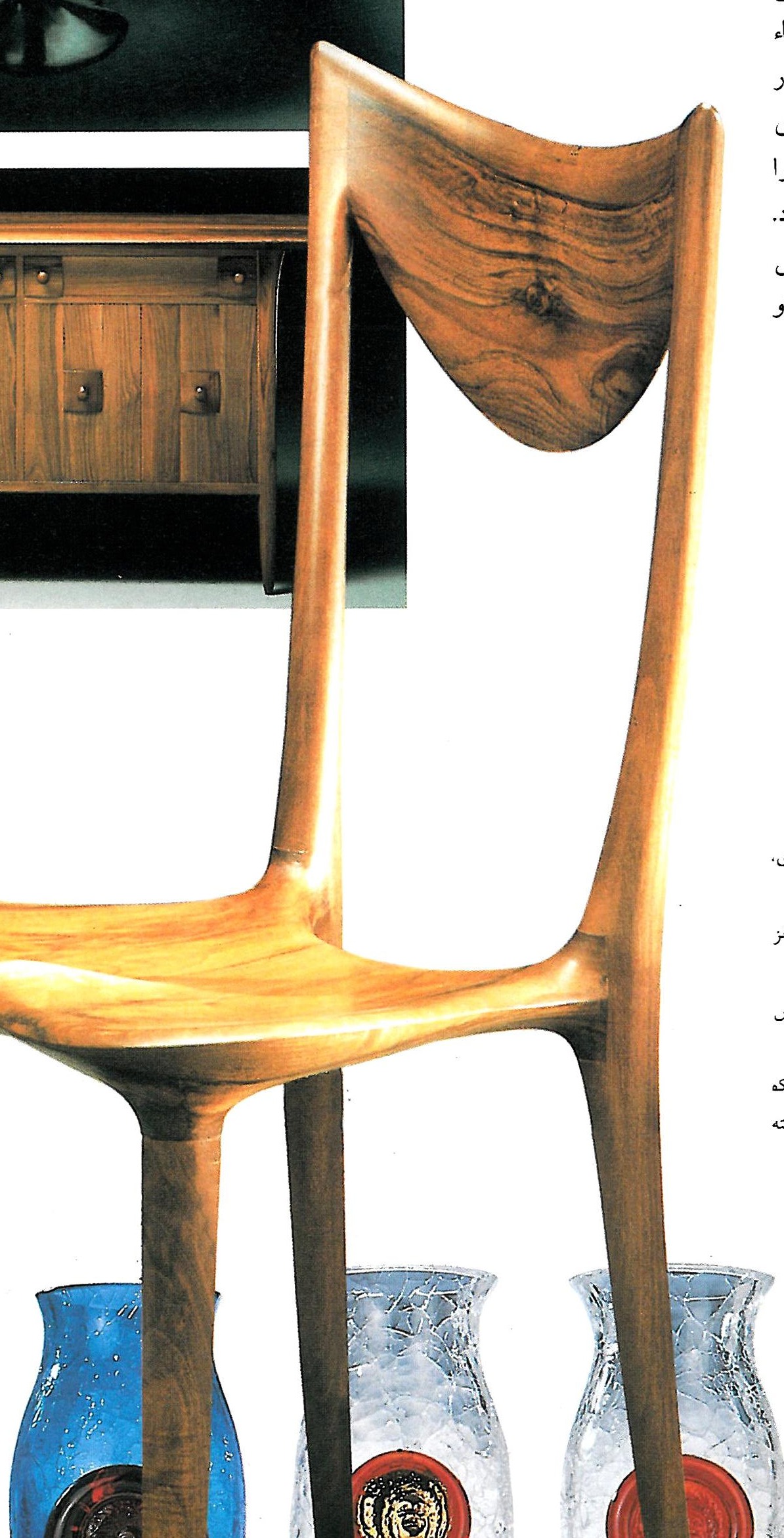
Oskar Kogoj — chair of walnut burl
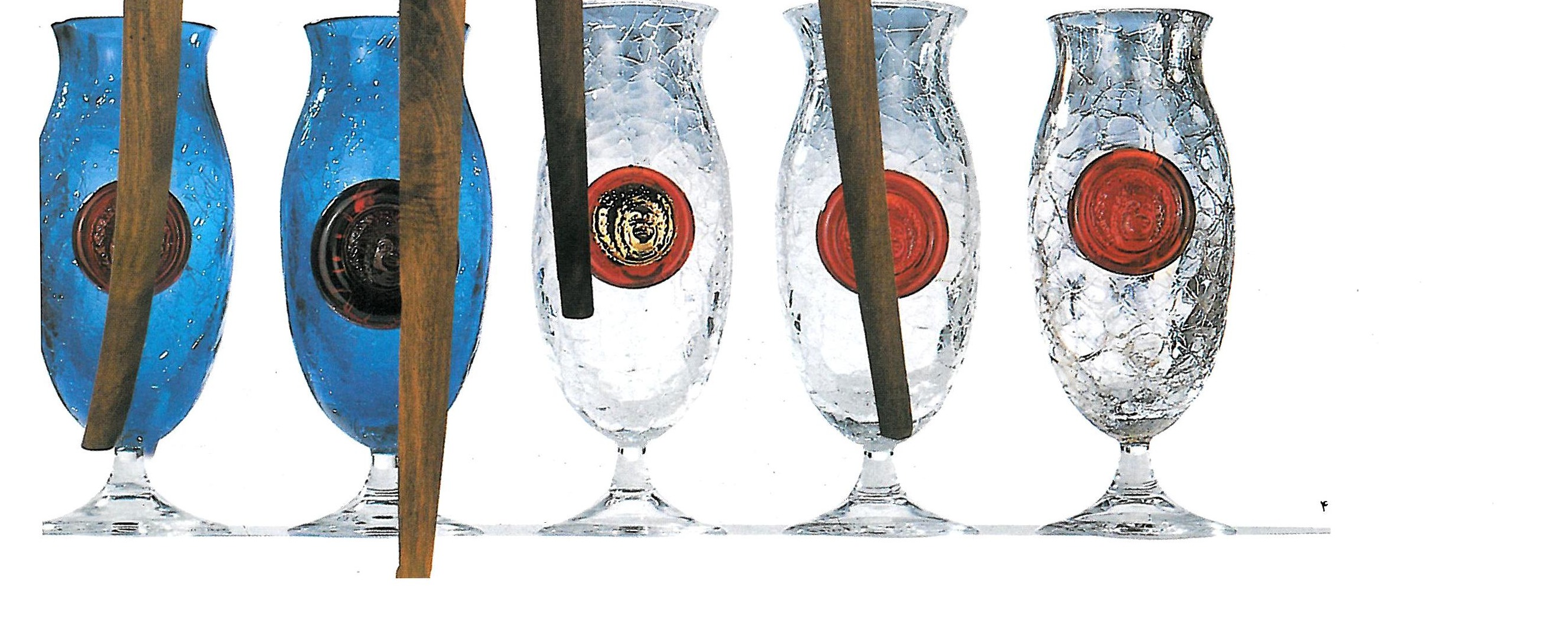
Oskar Kogoj — glassware made at the Rogaška Slatina glass school, Slovenia, 1991