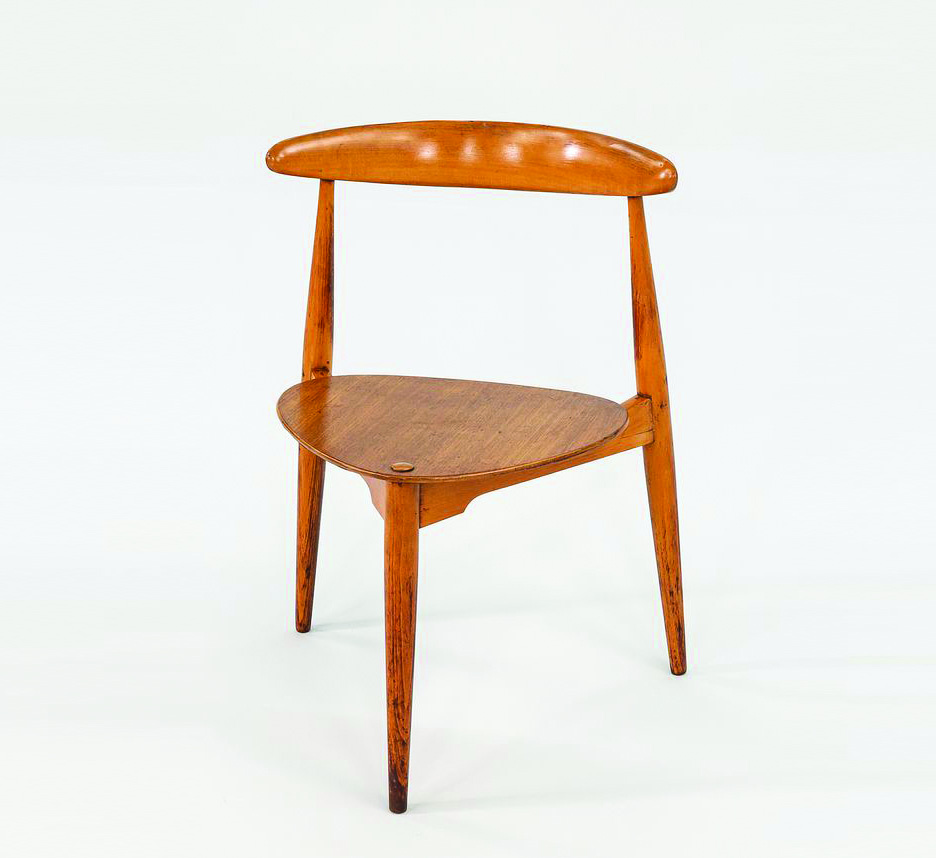
Fundamentally, modern furniture design can be likened to a captivating synthesis of aesthetics and function, where the designer, while pursuing a purpose in the process of crafting each piece, also keeps a narrative in mind. This is not merely about sleek lines or minimalist forms; it is the product of an approach and a vision that places the user experience alongside visual appeal as a priority.
It should be recalled that the majority of the world's population does not use furniture — perhaps a few stools or benches at most. Nevertheless, Western civilization has, for thousands of years, grown dependent on furniture in its most varied forms. Today, in the contemporary world, we are in contact with furniture at virtually every moment. We sit in chairs, work at desks and eat at dining tables, sleep in beds, and in daily life it is rare to be far from elements of furniture, whether good or bad. Today, furniture of all kinds is manufactured and distributed for homes, offices, schools, hospitals, and every other space in which human life unfolds. Despite this variety and abundance, the origins of the designs that are most widely sold and used remain obscure. Most of these furniture pieces are now products of factory mass-production lines, yet the designers behind them are largely unknown, their work the product of individuals who were primarily employed to develop variations on earlier designs whose origins have since been forgotten. In the modern world, we are only familiar with the names of those designers whose exceptional works we call classics: Breuer, Mies van der Rohe, Eames, Bertoia, Rietveld. If we look into the backgrounds of these celebrated figures, we realize that they were not trained to design furniture. They were architects, sculptors, or in some cases industrial or interior designers. When they turned to furniture, they were compelled to master prior knowledge of construction methods, materials, ergonomics and the anthropometry of the human body, and many other matters essential to successful furniture design.
But in what manner and context did architects design furniture in the twentieth century?
Three distinct contexts may first be considered. The first is furniture designed by architects themselves to furnish the buildings they were constructing. This category encompasses most of the designs and productions of Charles Rennie Mackintosh and Frank Lloyd Wright, whose works were not offered for sale during their lifetimes. It also includes a number of other designs initially conceived for specific buildings, such as the Barcelona Chair by Mies van der Rohe for the Barcelona Pavilion in 1929, or the Paimio Chair by Alvar Aalto for the Paimio Tuberculosis Sanatorium, which he designed in 1931 and which was named accordingly. Eileen Gray's designs were also initially produced in quantities of one or two for special commissions, and it was only after her death in 1976 that they were more widely manufactured and made available.
The second context involves architects designing furniture during their leisure from architectural practice, as a means of expressing their personal ideas. Most of the furniture by Erno Goldfinger, designed in 1930s London in the hope of earning income and fame, falls into this category. In the years following the Second World War, he devoted himself full-time to architecture, though he remained keenly interested in the details of furniture and its construction from both an aesthetic and ergonomic perspective. Goldfinger's plywood furniture designs were in fact put into mass production from the late 1990s onward by his grandson Nicolas. Among later generations, Ron Arad, who studied architecture at the Architectural Association (AA) in London, realized upon leaving in 1979 that his interest in furniture had coincided with a lack of appealing architectural opportunities.
The third context is furniture designed in collaboration with a manufacturer and distributor, with the primary goal of reaching the retail market or fulfilling a contract. Architects undoubtedly specify their own furniture for the buildings they construct, but their activity is indistinguishable from that of a non-architect designer. This category includes the furniture of Le Corbusier, Marcel Breuer, most of Alvar Aalto's designs, and the works of Charles and Ray Eames, as well as lesser-known designers such as Josef Frank, Finn Juhl, and Kaare Klint. Of course, not all modernist furniture designers were architects, and some only became architects after beginning their careers in furniture and interior design. Three of the most prominent influencers in architectural culture — Gerrit Rietveld, Pierre Chareau (co-designer of the Maison de Verre, Paris), and Jean Prouvé — were not in fact architects, yet they brought a novel set of ideas and priorities to the concept of buildings, ideas that stemmed from a designer's lateral thinking about materials and the realization of their expressive qualities. Jean Prouvé once said: "There is no fundamental difference between building furniture and building a house."
Adolf Loos was one of the great architects of European modernism, possessed of a superb command of his craft and its history. Yet he never insisted on creating everything anew: if a historically established product served his purpose, he would use it in the interior design of his projects, and alongside it, when necessary, he would also create new designs. However, he had no qualms about basing his designs on successful precedents or even using copies of others' designs in his interiors. His writings on design and interior decoration provide a lucid expression of his methods and thinking. This profoundly humanistic approach to life and living spaces, along with his use of soothing and enduring materials such as polished wood, leather, brass, and marble, and his deep respect for tradition, has made him one of the most compelling and lasting of the modernists.
Yousef Shariatzadeh may be counted among those modernist architects who produced numerous designs for furniture and lighting elements, of which fairly complete documentation survives. Nearly all his designs were created for buildings and for use in his architectural projects, and he may therefore be placed within that first group of architects mentioned earlier. In his furniture design, he can be seen as influenced by the Scandinavian modernists of the twentieth century, while in his lighting designs, commonalities with the design language of Frank Lloyd Wright are observable.
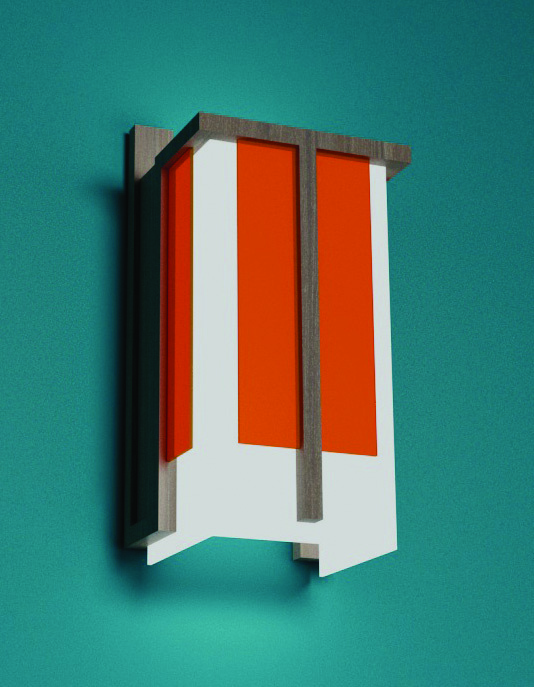
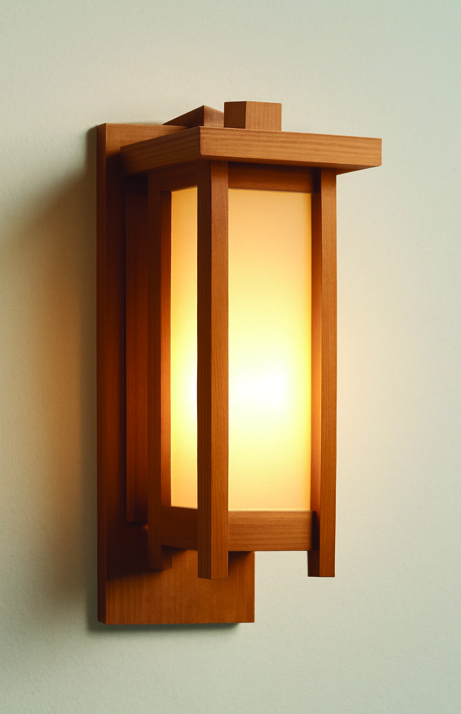
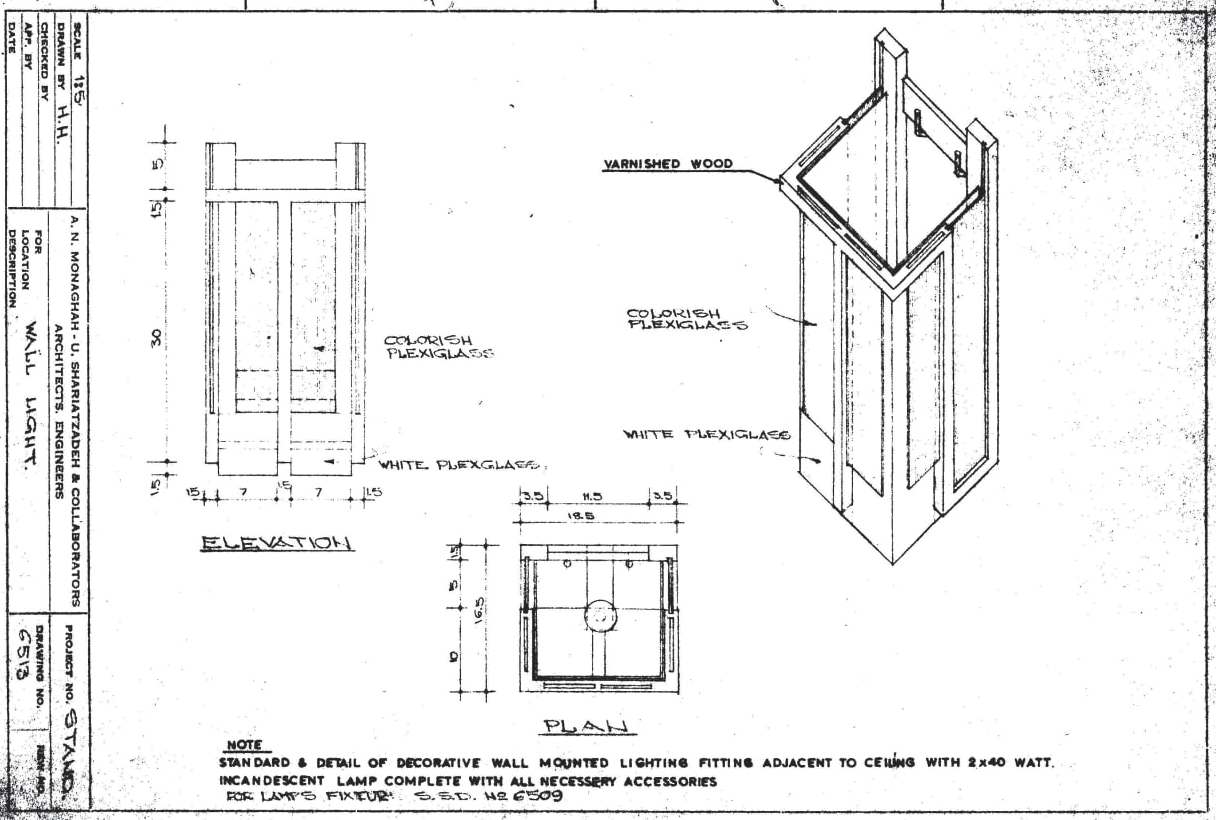
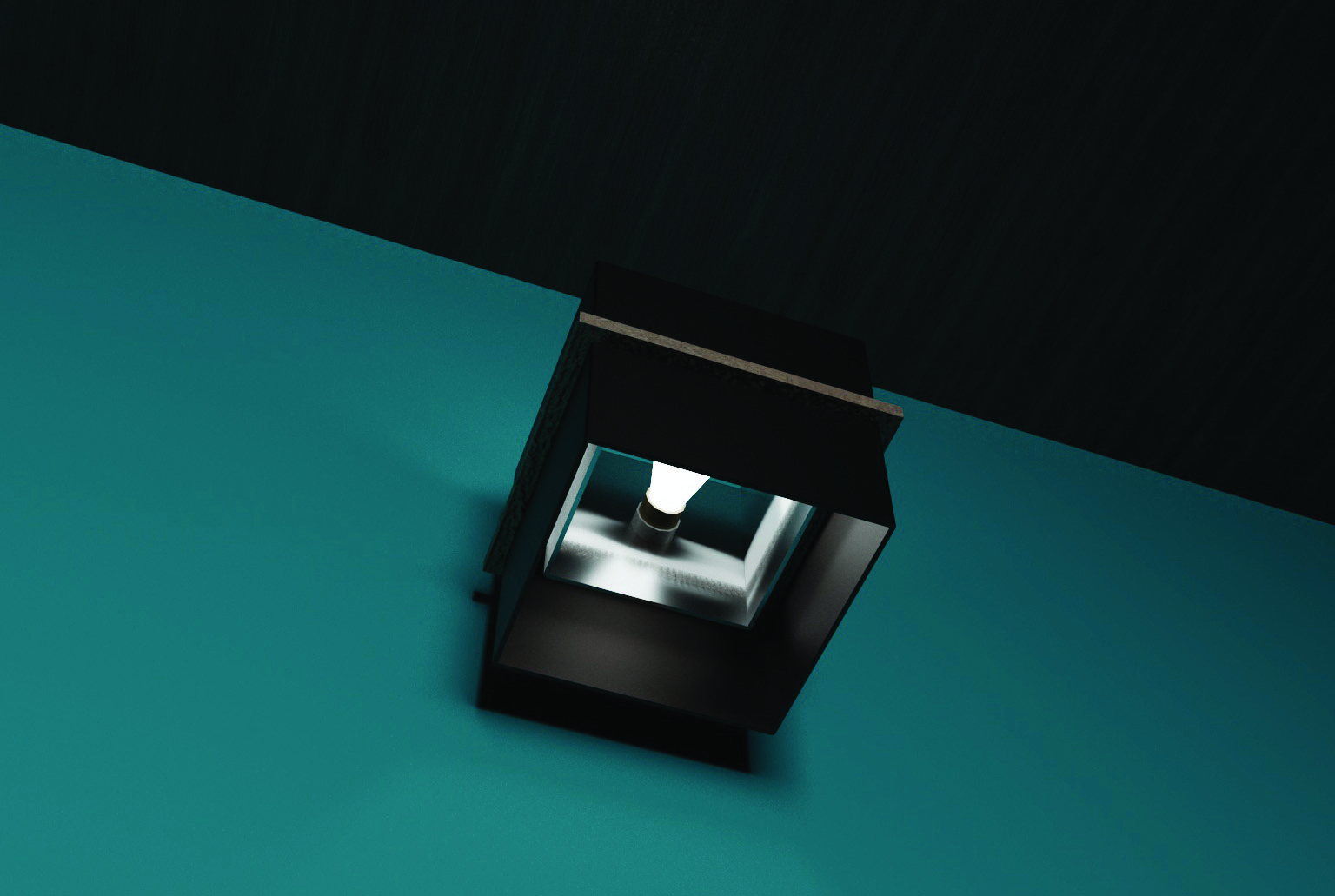
In the design of a pendant light for the Razavi House project and a wall sconce for what is identified in the drawings as the Tabriz project, the continuation of Wright's design trajectory is clearly evident. The use of flat surfaces, rectilinear geometry, and materials such as wood, sheet metal, and semi-transparent acrylic panels in their form guides the design toward Wright's lights from the first half of the twentieth century.
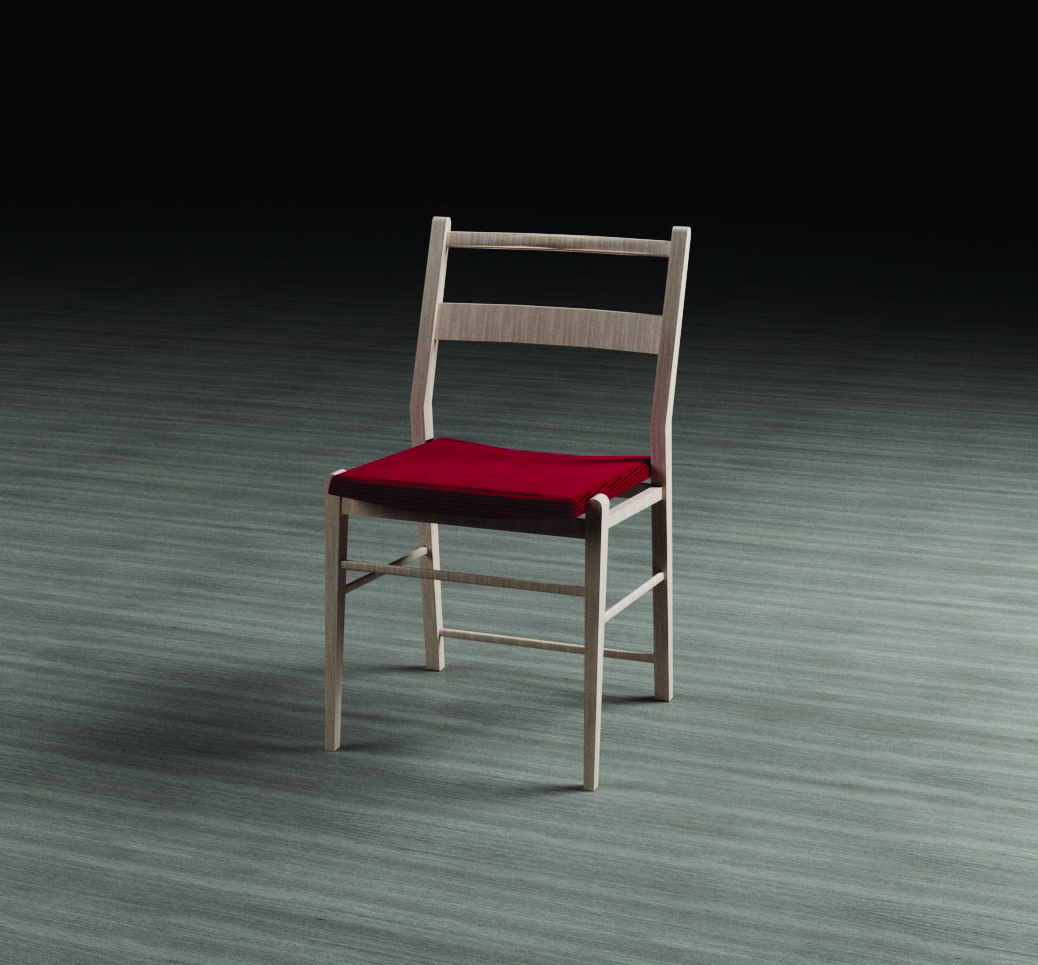
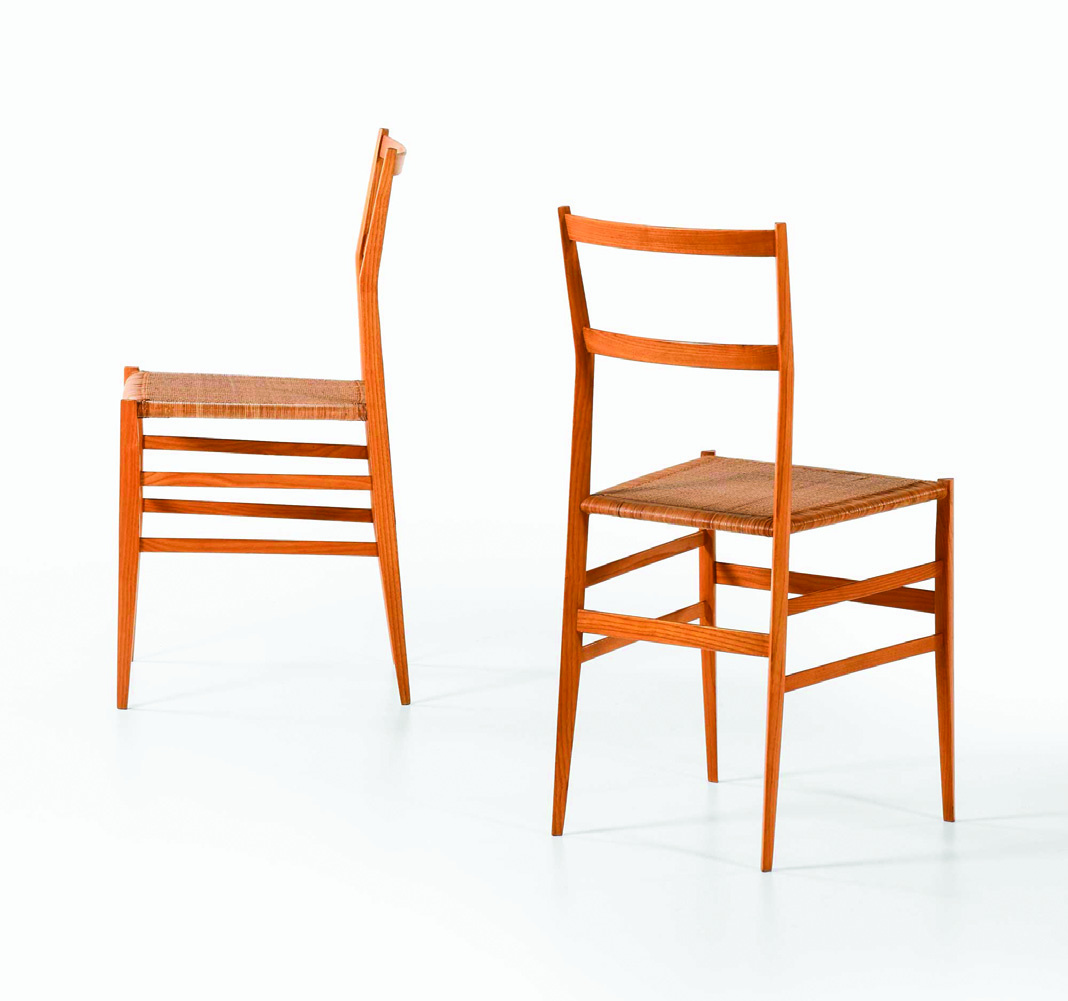
In the design of the library chair (likely for the Tabriz hospital), his influence from the Superleggera chair designed in 1957 by Italian architect Gio Ponti is apparent. The use of a wooden structure with delicate, thin elements in walnut makes this resemblance all the more evident.
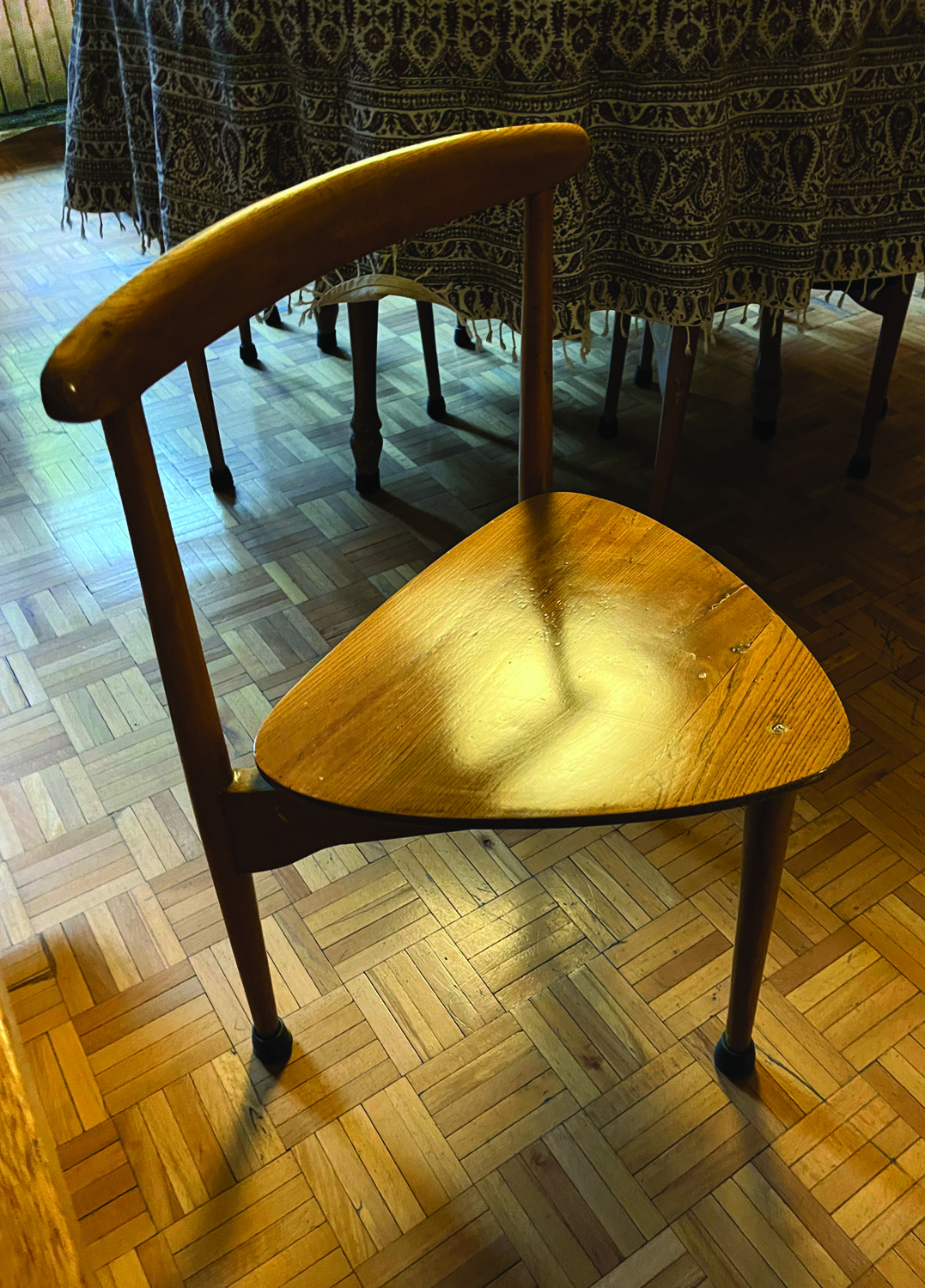
For the chair in his own home, Shariatzadeh turns to the renowned Heart Chair by Danish designer Hans Wegner. The choice of this design rather than one of his own for his home is a sign of the architect's perfectionism. This all-wood, three-legged chair is one of Wegner's most famous works, designed for small spaces, allowing several to be stacked when not in use to save space — a response to the shrinking of urban living spaces due to increasing population density in cities around the world, which has produced a notable shift toward maximizing efficiency without sacrificing beauty. Small apartments in which smart arrangements enable quality living within limited areas.
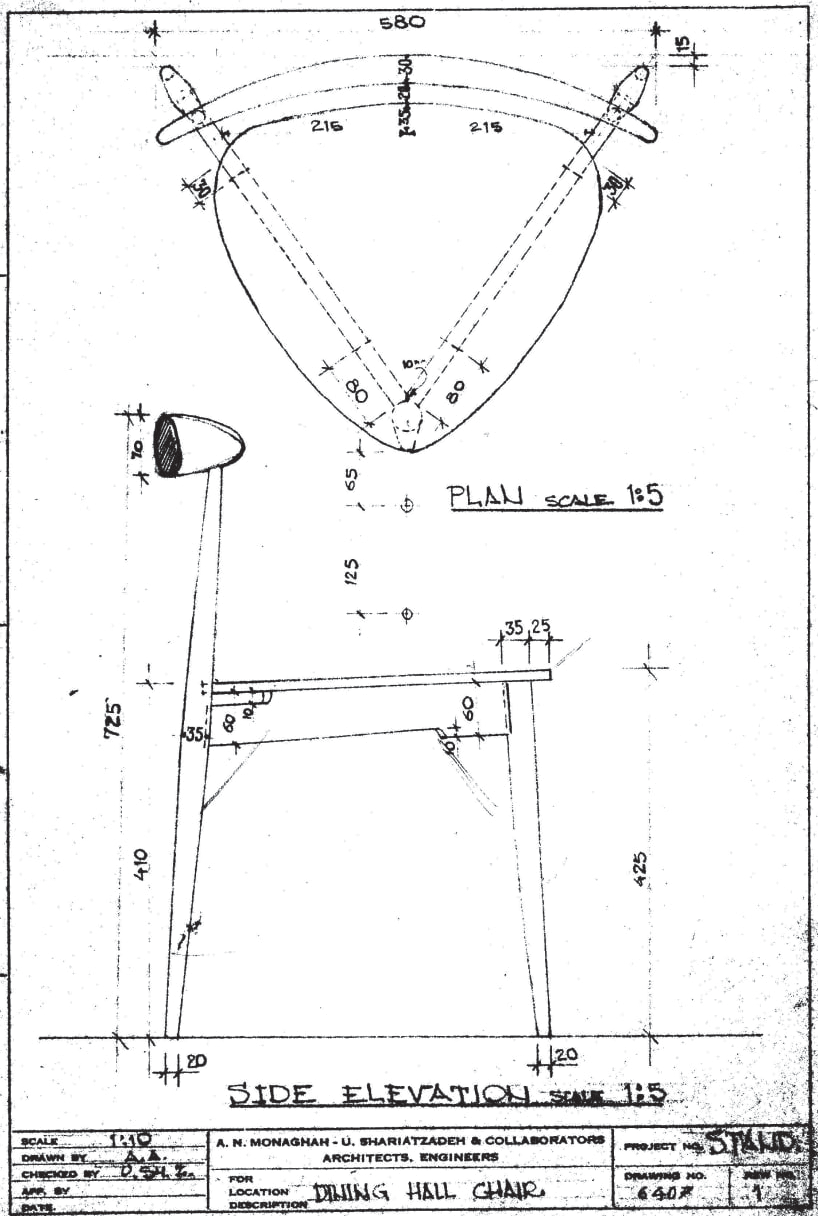
In another design, a ceiling light for the Tabriz hospital, Shariatzadeh once again moves toward minimal geometry, designing a highly modern and minimal piece using wood and acrylic sheet.
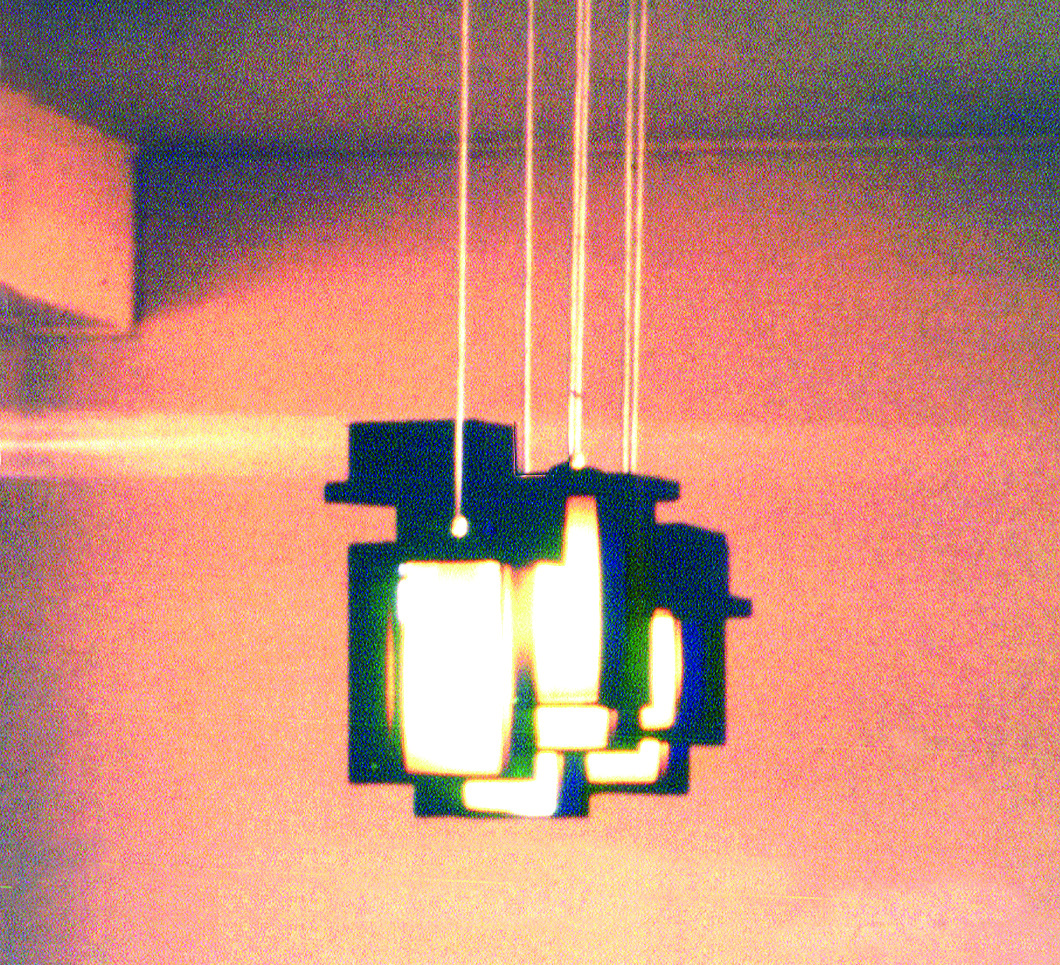
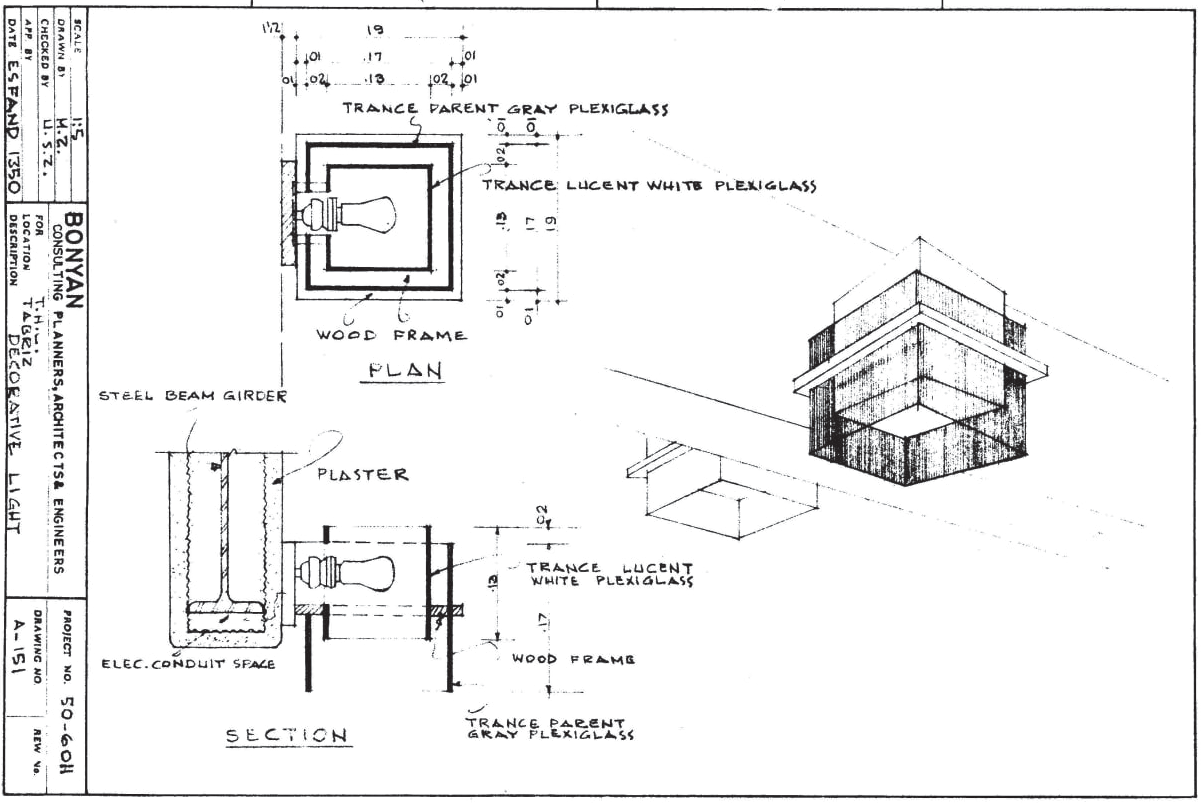
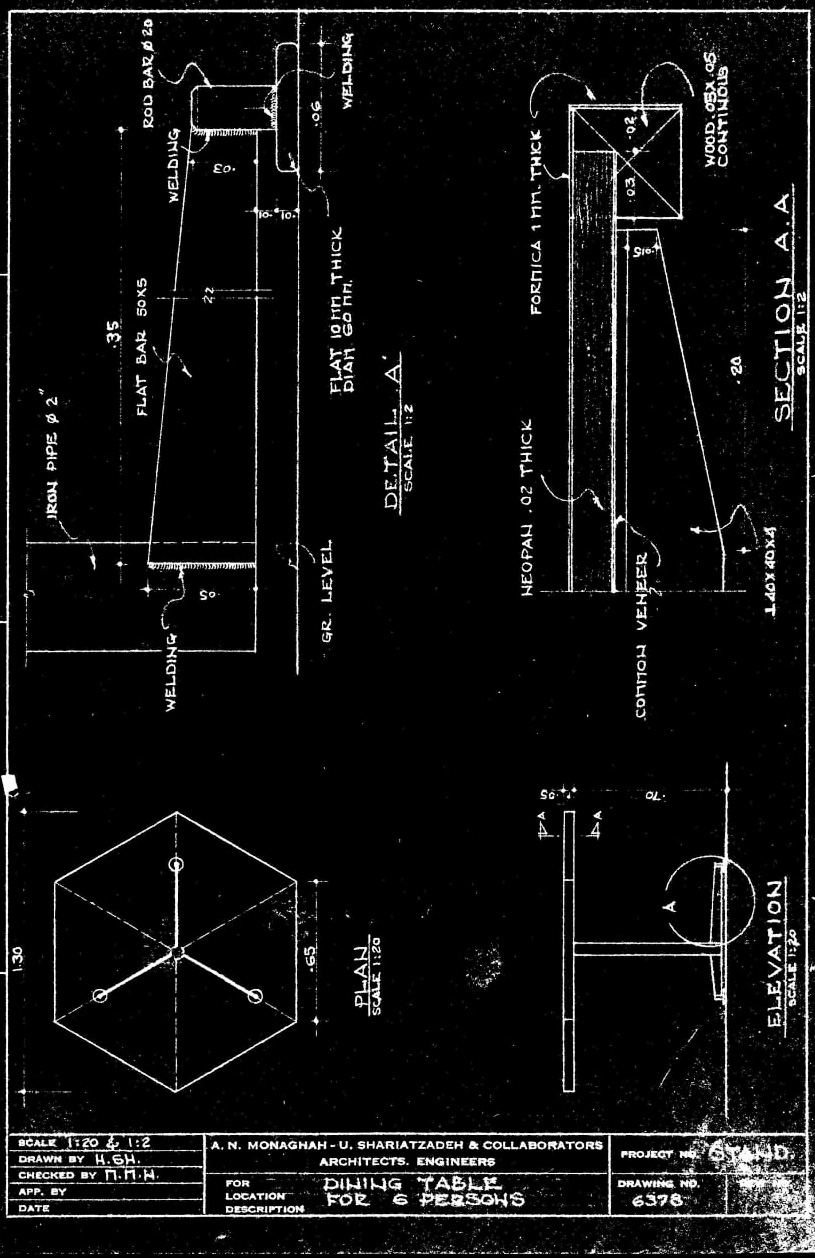
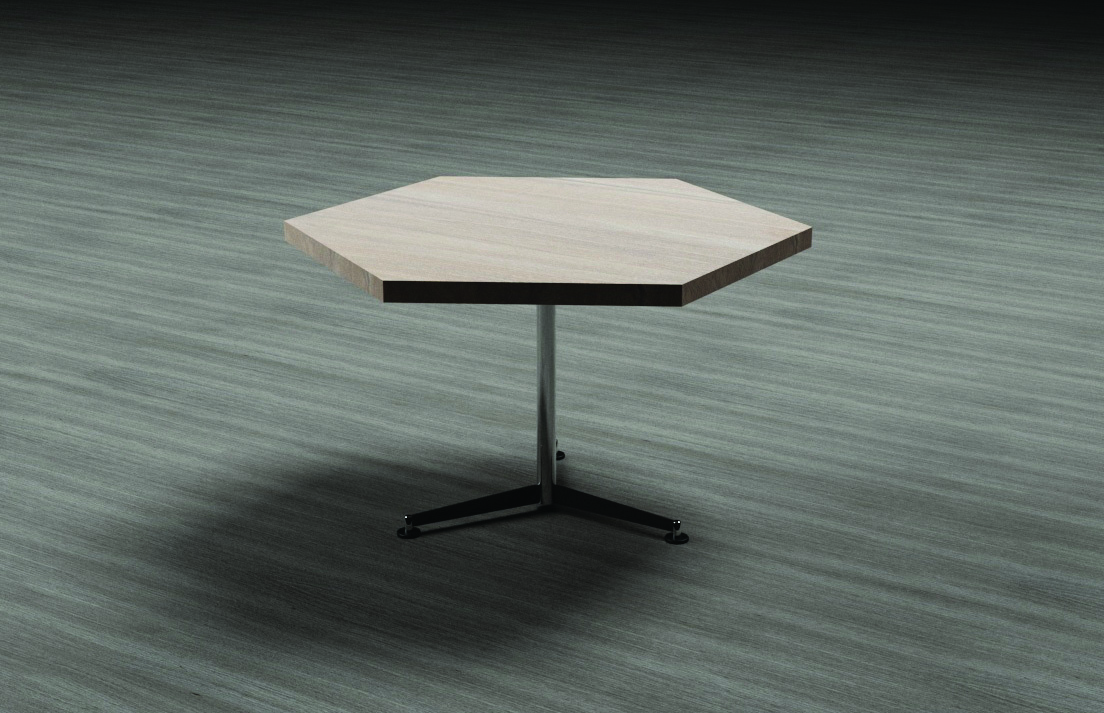
In Shariatzadeh's view, functionality while preserving the modern character of a design is the essential principle. This can be observed simultaneously in a large-scale architectural project, in the design of a residential staircase, or in a library chair throughout his works.



