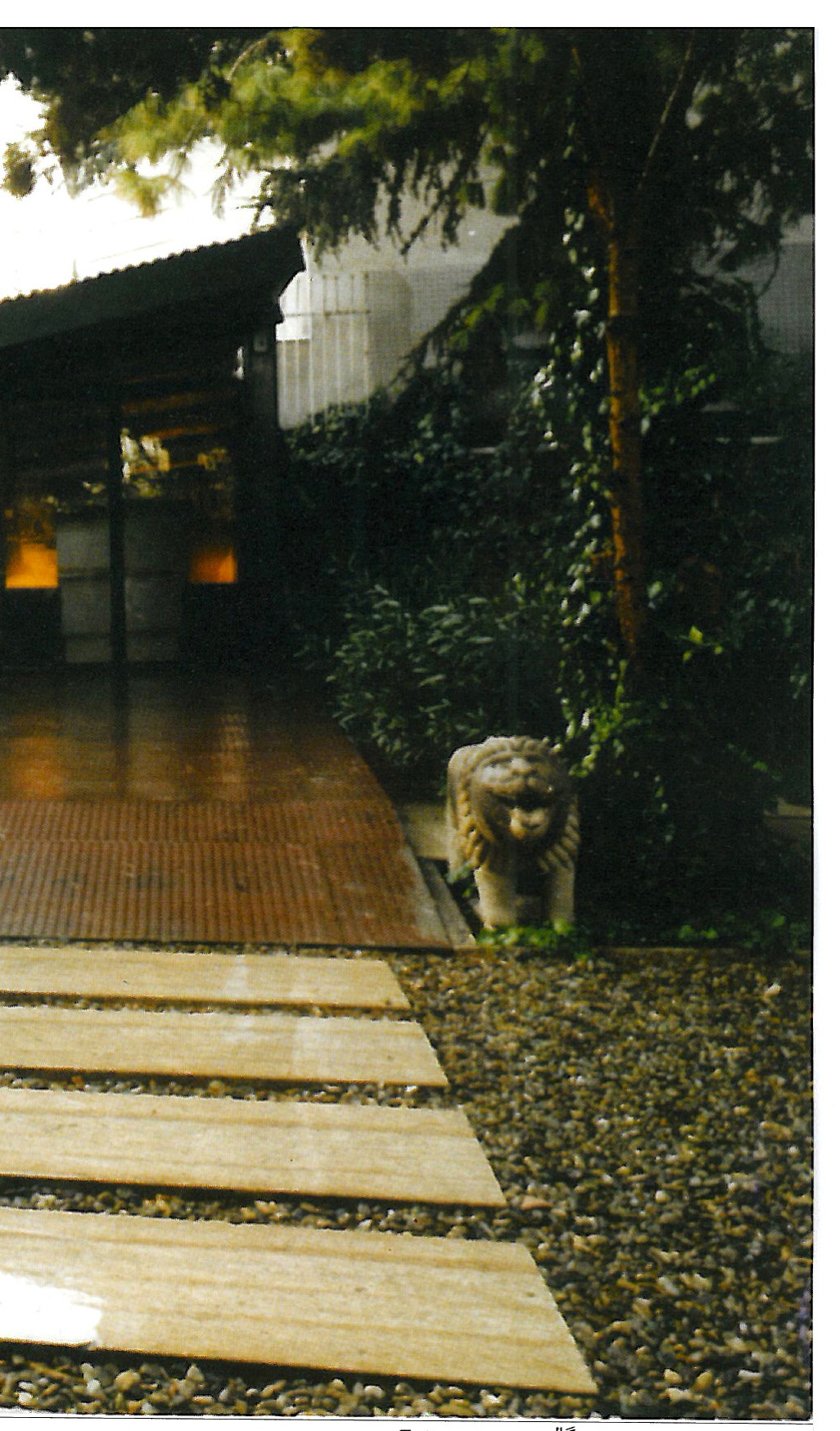
Salmaan Gallery — Furniture and Art Works
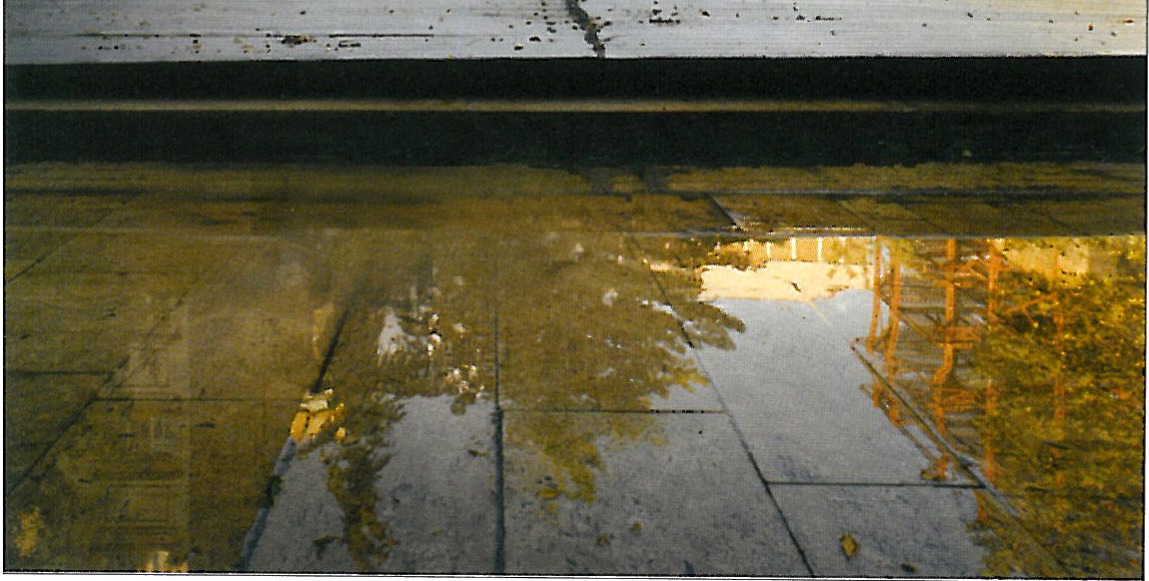
Architect: Reza Daneshmir, born in Mashhad in 1965; graduated in Architecture and Urbanism from the Iran University of Art and Architecture (1991); and post-graduate study at the Islamic Azad University Tehran (1995). Daneshmir teaches in the architecture departments of various universities while working on his own private projects, and on urban-design briefs in collaboration with several offices. Among his projects are a 25th place in the Japan National Library international competition (1997), and a sixth place in the Paris Municipality competition. In 1378 SH he opened his independent practice with the Salmaan Gallery as its inaugural project.
The Salmaan Gallery is a 2,000 m² building set within an 8,000 m² walled private garden, near Saei Park, central Tehran. Its main body is composed of several linked spaces — each at a different height and dimension and reaching a particular sequence — arranged so as to articulate a comprehensive three-dimensional setting for two distinct kinds of display (furniture and art works) under a single roof. The main body sits on a soft slope and is approached gradually.
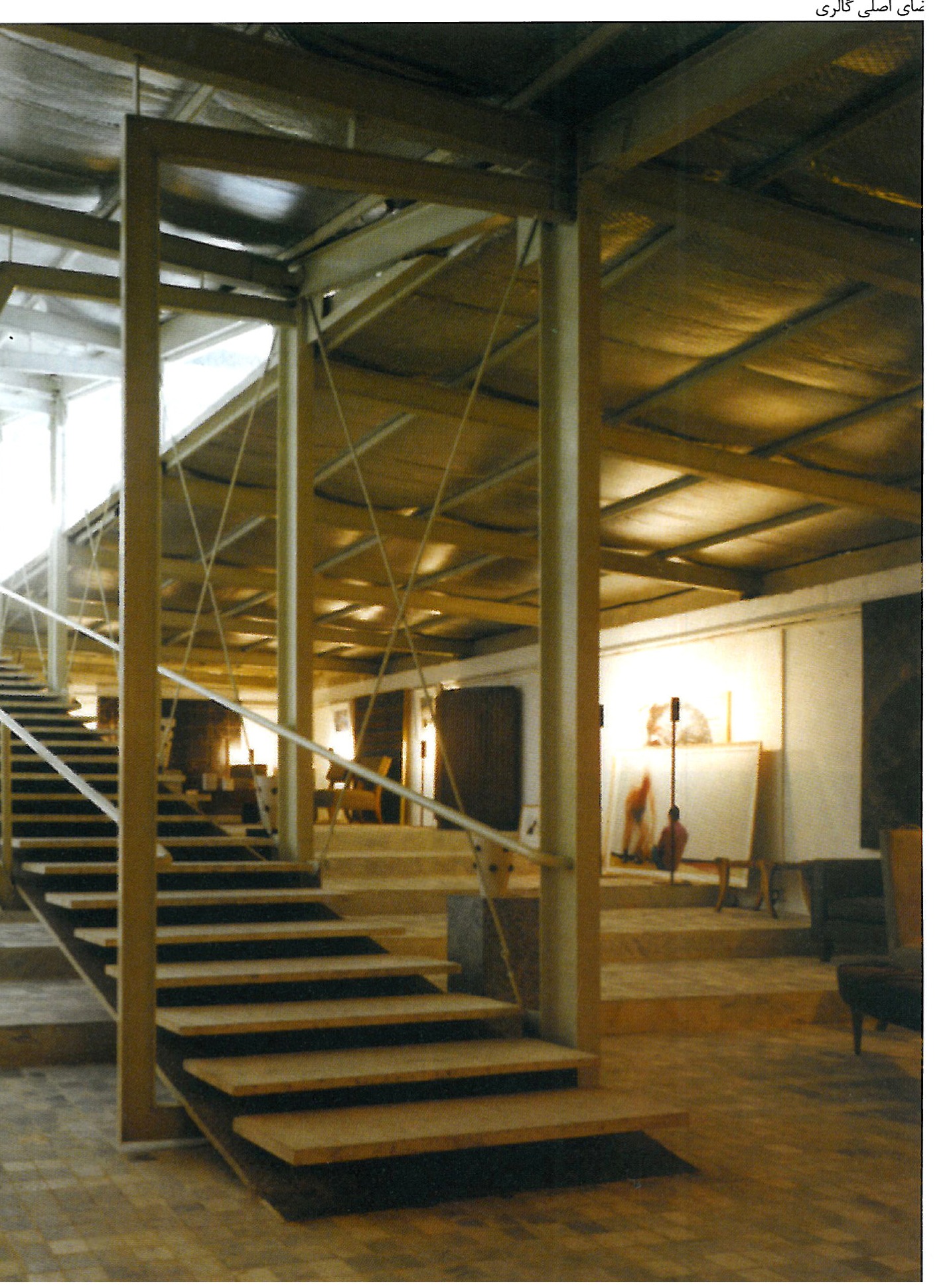
The principal structure, with an extroverted shape, links to its natural surroundings on one side through large horizontal dimensions and on the other through the full transparency of its glass walls. Inside, the sequence runs from entry to the main exhibition hall, then to the reading area and finally to the café space — a procession of distinct spatial sequences. All these spaces rise upon a half-metre podium above the garden, and every glance from inside outward passes through the three materials of glass, steel and timber.
The complex draws together a spectrum of functions: on the one hand, the industrial design of domestic spaces; on the other, the display of collections of paintings and sculpture. This multi-purpose approach calls for a complex spatial system, one that organises the visitors' movement and at the same time provides a calm, dignified setting for the works of art.
The main concept, visible in the conceptual sketches at the beginning of the project's drawings, becomes clear: the use of a generating curve that splits the interior into two halves — a lower half for the service spaces and an upper half for the exhibition spaces. This generator emerges, in turn, in the staircases, ramps and movable walls, and continues to play a continuous geometric role in the design of the interior.
The model, shown on page 25, presents the gallery seated among the trees of the garden. The roof structure — a composition of timber sections and a steel frame — is so designed that it spreads a wide, balanced light through the whole exhibition space. This natural light, together with task lights, supplies the conditions needed for the display of varied works of art.
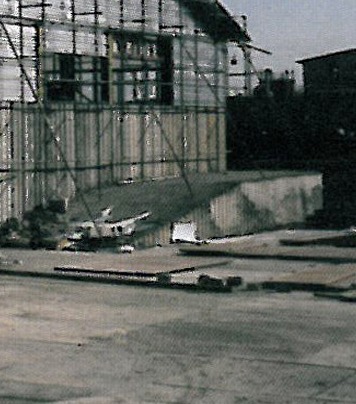
The interior of the exhibition, with its timber floor and clean white walls, is a space in which the works of art take centre stage. The asymmetrical arrangement of panels suspended from the ceiling brings variety to the setting and at the same time presents each work in its own right.
The roof structure, with its emphasis on technical and structural expression, plays a special artistic role in the interior. The curved steel beams, beyond their structural function, become themselves a visual artwork alongside the displayed works — as if the structure were itself invited inside the museum.
The exterior, with its composition of horizontal bands of glass and steel, makes a quiet presence within the private garden. In contrast with the surrounding trees and lawns, the elevation reads the gallery as an artistic pavilion — not as a building disturbing the garden.
Sheykh Bahaei Residential Complex, Tehran (under construction)
Clients: Grami, Ghaivervand, Tahmtan, Shahbzade.
Design: Arash Mozaffari Kakavand, Mehrdad Golmohammadi.
Team works: Faramarz Darabi, Ensiye Khamse, Arash Nasairsa.
Structure: Siyavash Samvar.
Mechanical / Electrical: Hassan Aziz Khorra, Amanullah Sammana.
Computer 3D and animation: Saman Moayer.
Area: 3,700 m².
Date of start: Winter 1379 SH (2000).
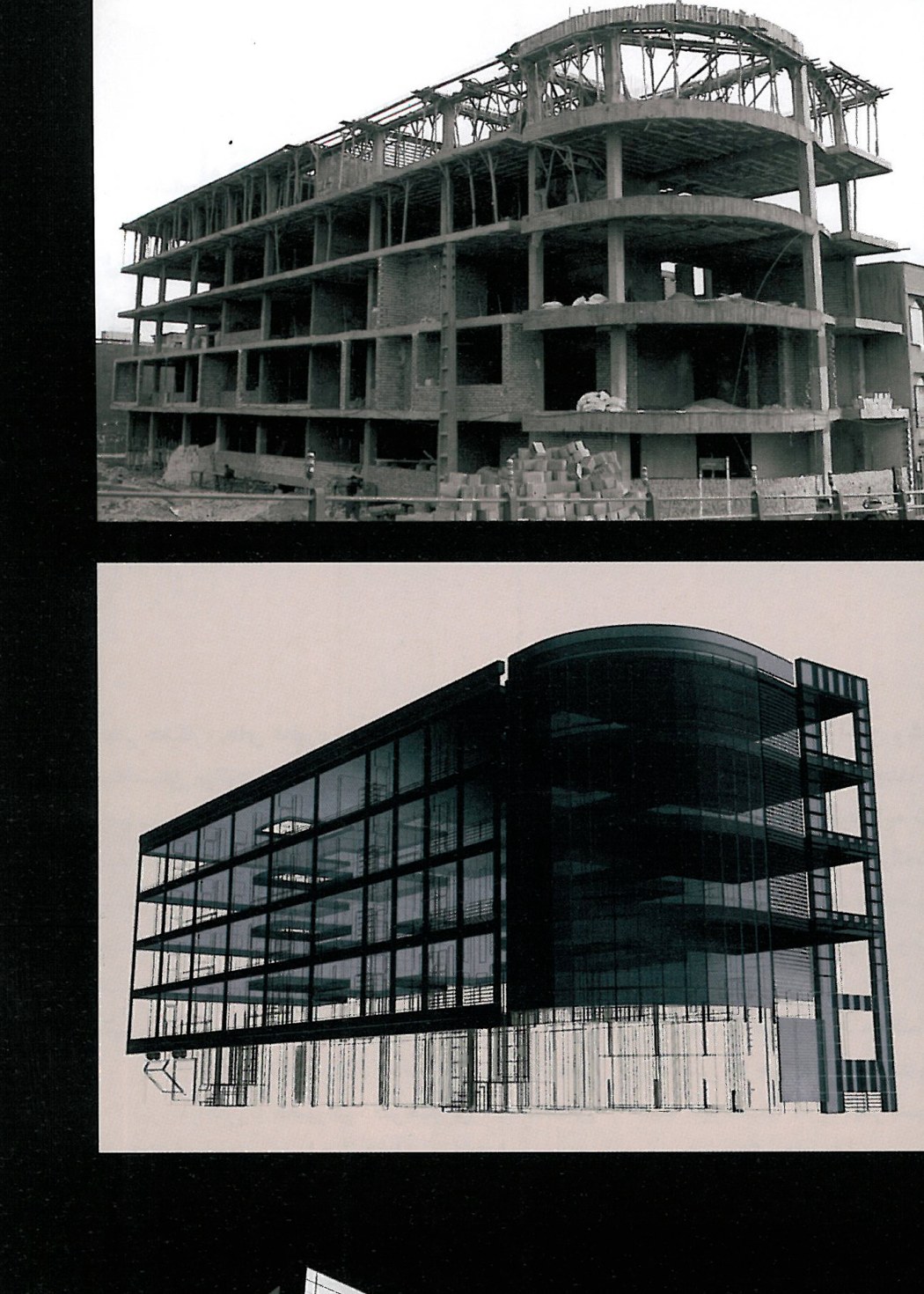
Status: structure and rough finish complete.
The Sheykh Bahaei Residential Complex sits in the south of the Velenjak quarter in Tehran. The project comprises 19 residential units in 3,700 m², with two parking levels, a ground floor as the entrance and the residents' service rooms, and the upper floors for the dwellings, each upper floor containing two independent units. In the design of this complex, while observing the land-use rules and outer formal massing, an effort has been made to lift the dwelling quality inside the units to a particular level — so that each unit, while preserving its independence, opens to the view of the garden and the mountains north of Tehran.
The elevations, shown in the opening pages of this section, set out a contemporary modulation of the overall composition: a play of simple volumes, horizontal bands of glass, and gentle setbacks at the upper floors to provide private terraces for the higher units. In the plan, the focus is on giving each unit a wide view to the north or the south, and on letting natural light and air flow throughout the living space.



