Memar Award 2022
The recent epoch-making events, which above all signal a deep and wide-ranging cultural rebirth, have affected every manifestation of social and cultural action, the Memar Award included.
This is not without precedent: the events of 1388 (2009) also disrupted the judging of the Memar Award, and in the end, to keep to the schedule, the judging was held with four jurors, unlike every other year, when it was held with 5 (an odd number of) jurors.
As always, the call for the Memar Award 1401 and the list of selected jurors were published in the Khordad–Tir issue, Memar 133. As in previous years, the competition of this edition was to be held in two stages. The first stage, an elimination round, was held on 12 and 13 Shahrivar 1401, and the result of the jurors' votes is shown in the table at the foot of the page.
Participants in the semifinal stage of the Memar Award 1401
| Category | Participants | Semifinalists | Documents submitted |
|---|---|---|---|
| Individual dwellings | 70 | 20 | 19 |
| Apartment buildings | 52 | 14 | 13 |
| Renovation | 108 | 22 | 22 |
| Public | 39 | 10 | 9 |
| Total | 269 | 66 | 63* |
*The three projects that did not submit documents belong to one architecture office.
About 12 days after the news of Zhina's death was published, in a telephone call on the evening of Wednesday 1401/7/6, one of the jurors put forward, as the view of all the jurors, reasons for not holding the second stage of the judging. These did not convince the editorial director of Memar magazine, and the answer was no. Following this conversation, on Saturday 1401/7/9 a meeting was held at the magazine's office with four of the jurors present; one juror followed the discussion by telephone. During the meeting we realised that at least one of the jurors was opposed to not holding the second-stage jury session. In any case, the same reasons given in the telephone call were repeated, and again they did not convince the editorial director. Because the meeting ran long and the arguments were being repeated, the editorial director proposed that, to make their views clearer, the jurors hold a meeting of their own and give the magazine their final decision in writing. To our great surprise, early on the morning of 1401/7/11 a letter addressed to the editorial director, titled "Special Announcement"!!, was published on some jurors' social-media pages; its broad lines were the same points raised in the telephone call and at the Saturday 1401/7/9 meeting. Our answer to this letter, or "Special Announcement"!!, is the same one we gave at the Saturday meeting, and for the readers' information it follows below:
1. In every edition of the Memar Award the jurors are invited as individuals, not as a group. Each juror expresses his or her own views and votes accordingly in both stages. As organiser, Memar magazine regards it as its duty to protect the vote of every single juror and to preserve the democratic atmosphere of the jury sessions. The judging and voting mechanism of the Memar Award is such that if one juror, or a minority of jurors, votes in a way that produces a ranking not to the majority's liking, the majority cannot take away the minority's right. If you review the discussions of the first Memar Award (Memar 15), you will find that this was perhaps the only edition in which the organiser's representative, Ms Beski, took part in the discussion, to recall the democratic character of the judging process. In fact the jurors are not a standing body, and the use of the title "Special Announcement" has no basis.
2. The "Announcement" argues essentially from the "present abnormal conditions". Were conditions "normal", at least over the last two decades in which the Memar Award has been held, and have "unfortunate events" made them abnormal? Clearly the recent events are the logical result of several decades of environmental crisis, bad and ugly urban architecture and cultural suffocation, and nothing has been fundamentally "normal". Moreover, as we explained at the meeting, holding jury sessions differs in no essential way from the "usual course" of work in the jurors' architecture offices; when the jurors were asked about continuing the work of their offices in the present "abnormal" conditions, all of them affirmed that work was continuing in its "usual course".
3. If the jurors are committed to holding the jury sessions, the award ceremony lies within the authority and responsibility of Memar magazine, and jurors attend the ceremony as they wish. As its history shows, the Memar Award ceremony has always been cultural and social, and the winners have been presented in a cultural and social setting; it goes without saying that, as always, the Memar Award 1401 ceremony will also reflect the recent cultural and social issues.
4. Finally, the letter says "let us postpone the judging of the final stage until further notice". To our question of under what conditions the jurors would consider it right to hold the final stage of the award, the answer was "when conditions are normal". When we asked whether "normal" meant the situation before the recent events, we received no answer.
In any case, as organiser, Memar magazine has the responsibility for, and the authority over, the planning of the Memar Award, and cannot wait to see when the jurors will declare conditions "normal".
We believe that, alongside all the parties involved in holding the Memar Award – Memar magazine, the jurors and the sponsors – the competitors are the most important pillar of the Memar Award, and the fact that almost all the semifinalists delivered their documents on schedule became the magazine's ground for holding the second stage of the judging. Once the new jury panel has been settled, we will hold the second stage of the judging and present the winners in the special issue Memar Award 1401 (2).
We have always believed that the very act of taking part in the Memar Award, and of submitting work to be judged, is in its own way a kind of winning. For that reason, in this issue, unlike the Memar Award special issues of previous years, we have published all the works that reached the second stage equally, in 2 pages each.
We must not forget that debate and dispute over concepts such as freedom of expression, rights and responsibility can never be suspended, under any conditions.
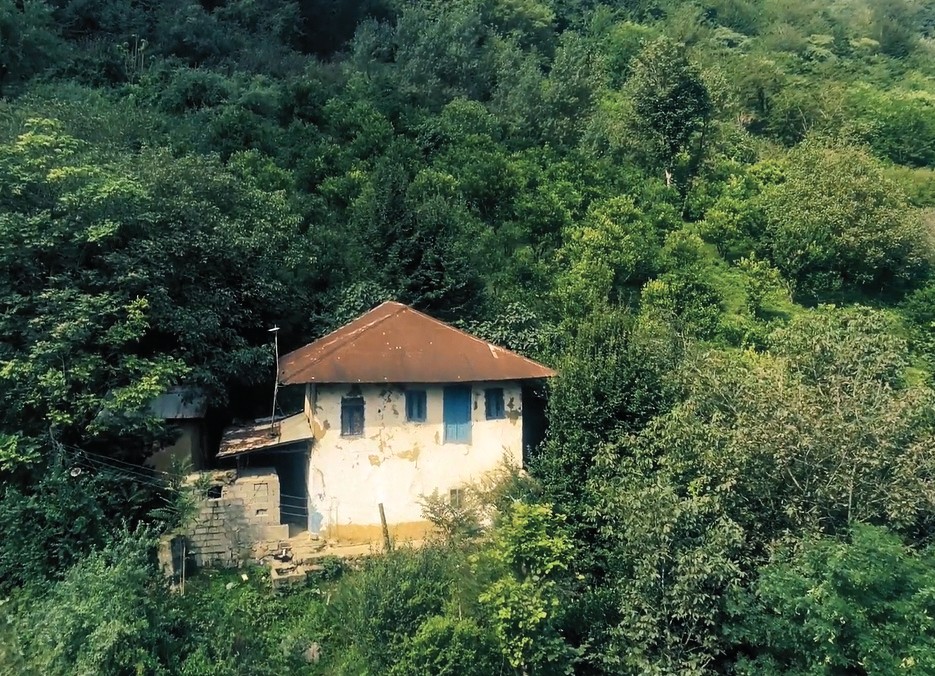
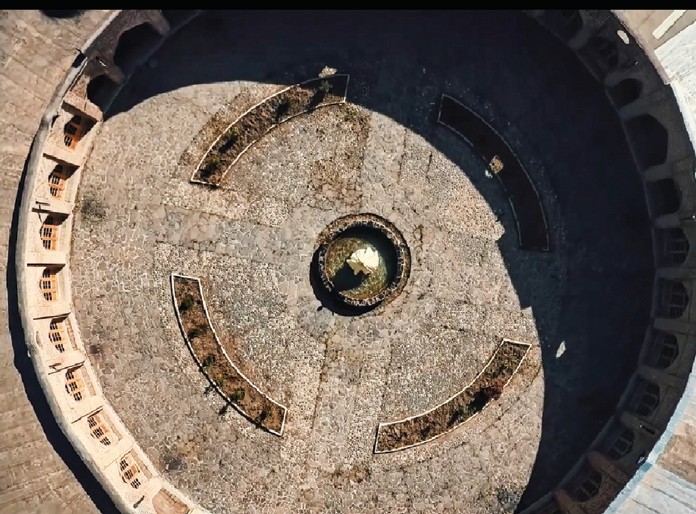
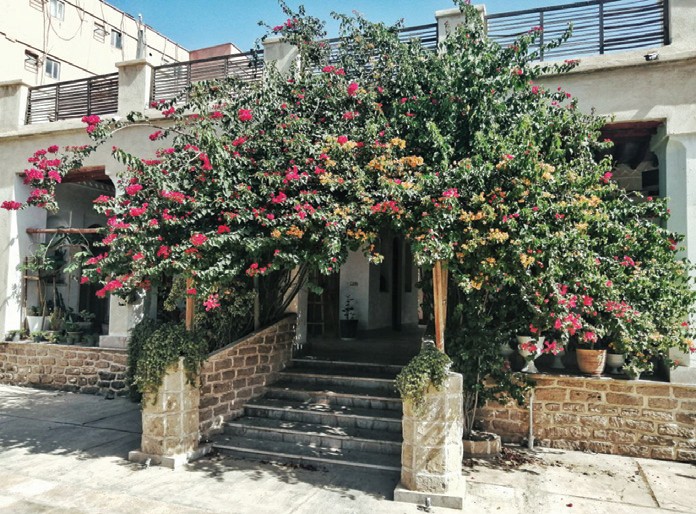
The short films below were screened at the Memar Award ceremonies of various years (except "Longing for the Wind", which was made for the 1401 award ceremony); see the Telegram or Instagram of Memar magazine.