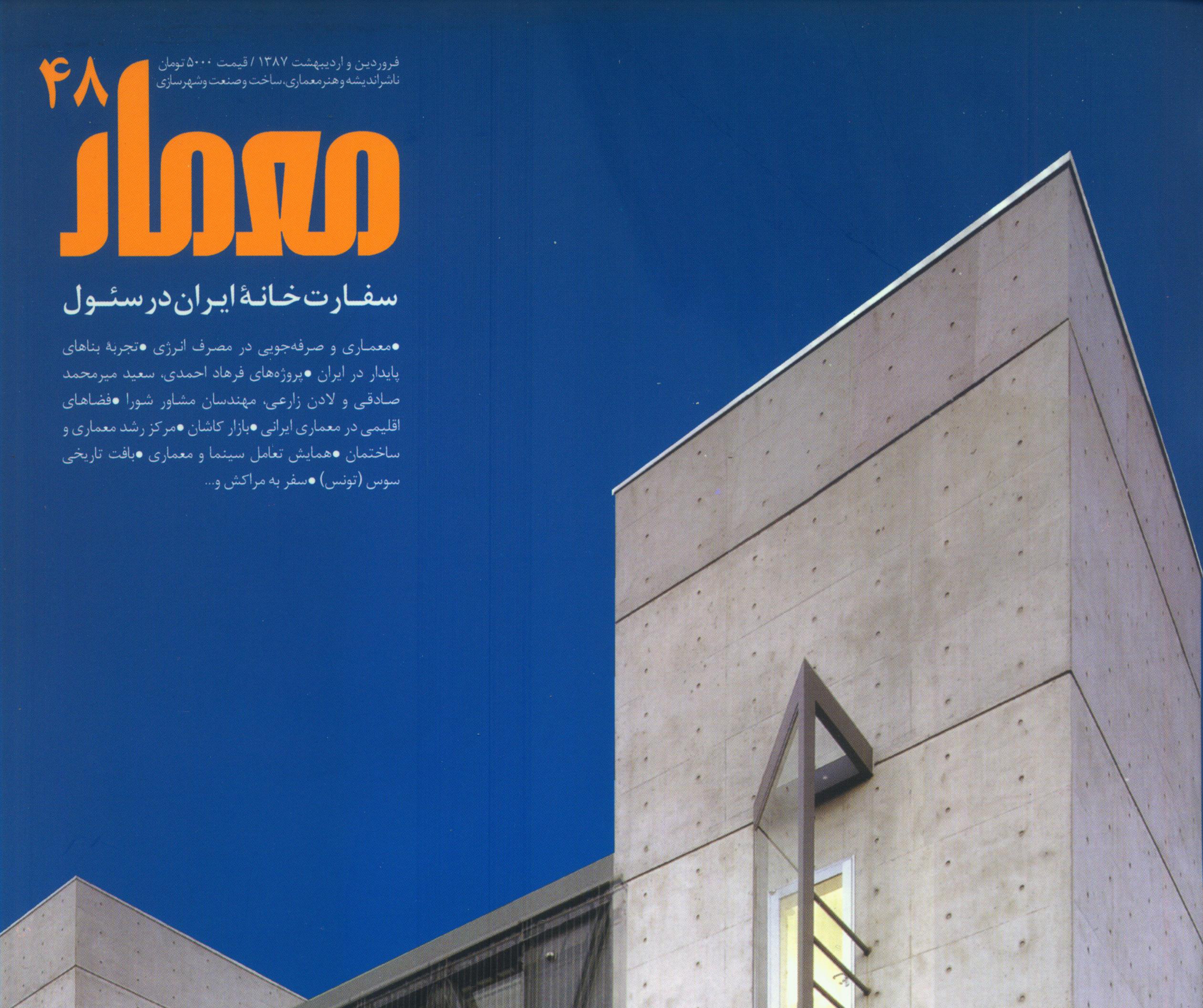
ENERGY IN BUILDING
The Role of Culture, Climate, Material and Architecture in the Optimal Use of Energy
This article briefly examines the consumption of energy in buildings from two different perspectives: (1) The “Realized” energy used in connection with the construction of a building prior to its use, and (2) the “Realized” energy used in the operation of the same building upon its completion. The first category is composed of all the energy consumed in turning raw material into usable building material (i.e. conversion of clay into brick, tile and ceramic; iron ore into steel structure; and clay and mortar into cement, etc.), in addition to the human energy consumed in the design and construction of a building, transportation of materials, etc.
The more energy used from the first category in the construction of a building, the more durable and resistant the building will become. In other words, material poverty goes hand in hand with energy poverty and vice versa. The nearly permanent dispersed fabric of urban and rural areas in Iran is a clear manifestation of these two types of poverty.
Discovery of steam power using coal, as well as development of oil and gas industries in the last century were the main pillars of industrial development in the west. Western nations launched an industrial revolution while countries in the Middle East and the rest of the world lived through energy poverty. After the nationalization of the oil industry in Iran and other oil-producing nations, new economic opportunities opened up and an enormous supply of cheap energy was at our disposal. Consequently, our lifestyle changed overnight, turning us from a highly energy-conscious society to a wasteful nation. Modern architecture of the past 60 years in Iran reflects this wastefulness.
For thousands of years, accessibility to affordable energy taught our people how to conserve the precious little energy available to them, in building construction and daily life. The energy conservation methods developed through thousands of years were so innovative and clever that they match the best criteria developed recently in the field of sustainable architecture and energy conservation. The very small and carefully designed windows with minimum use of glass, orientation of buildings in relation to the movement of the sun, use of wind catchers in hot climates, design and construction of box-like building units with an inward orientation which protects the building against the hostile climate outside, arrangement of pools and water channels to cool the building, covered pathways with high walls to protect people against direct sunshine, thick and massive walls to maintain the inside temperature — all of these represent a rich heritage of sustainable design now largely abandoned.
This article reviews the new techniques in energy savings and conservation, and recommends a reassessment of our architectural practice today, in light of new developments in energy conservation in modern industrial countries.



