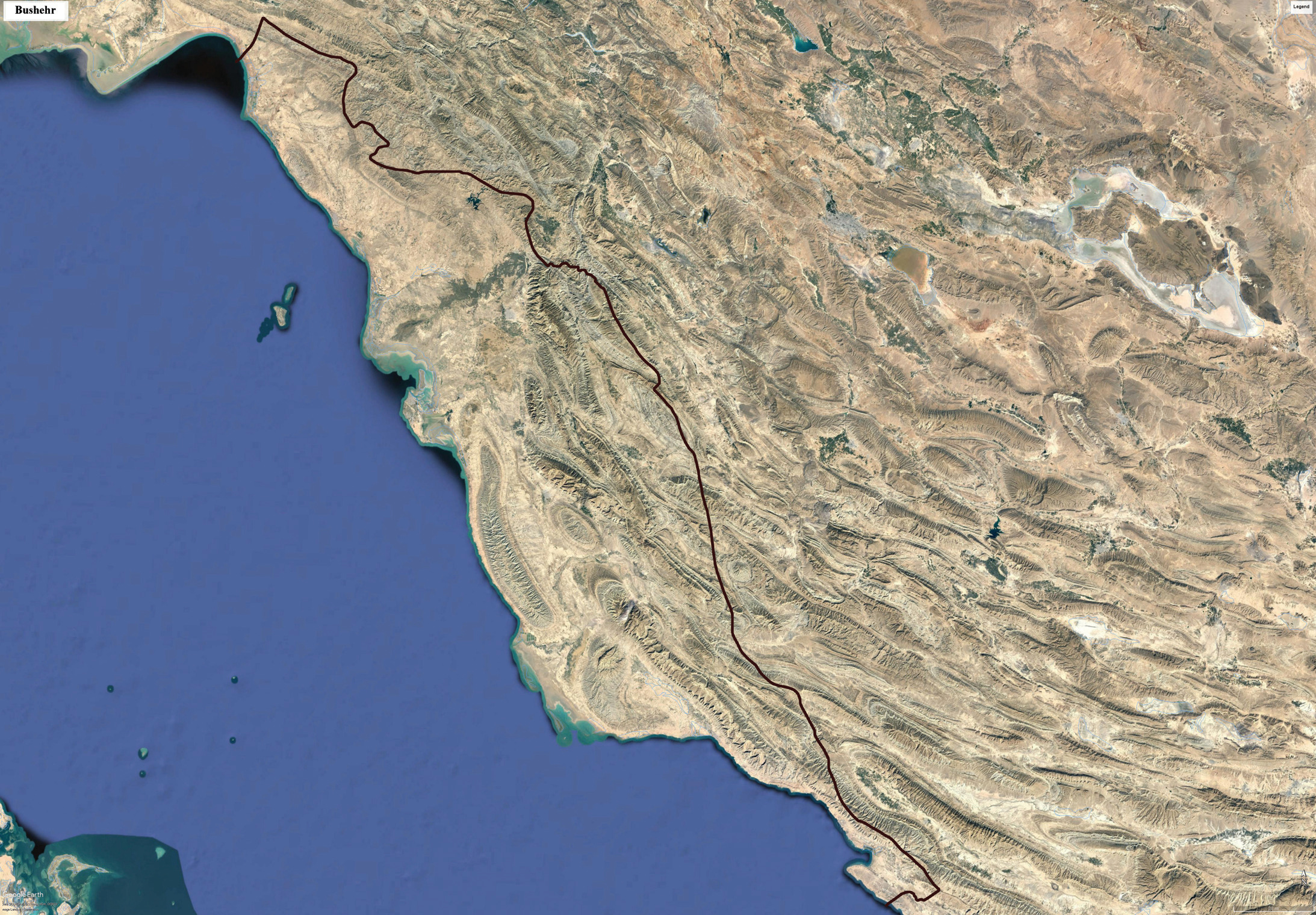
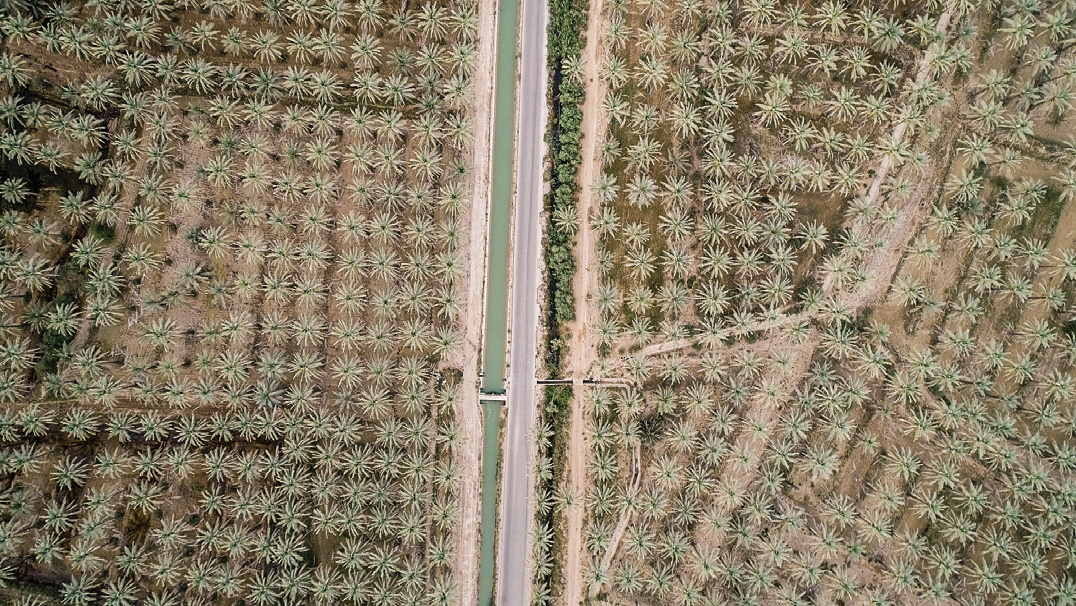
Except in the protected areas of Mond, Helleh Wetland, Nay Band, the Kuh-e Siah hunting reserve, and the tamarisk forests of Dashtestan, the mangrove forests — including the Nay Band mangroves — can also be counted among Bushehr's natural features. Other natural features of Bushehr include beautiful valleys such as Tang-e Eram, Tang-e Khosh, and the Zirah Waterfall. Bushehr's soil is not particularly rich; except in the green oases, its only vegetation consists of scattered thorny shrubs, heather, and tamarisk trees. Given the scant rainfall and mostly seasonal rivers, farming has been limited, producing just enough for neighboring towns. Among these, the palm groves of Dashtestan — the most extensive in Iran — may be an exception, as their dates have long been exported beyond the province.
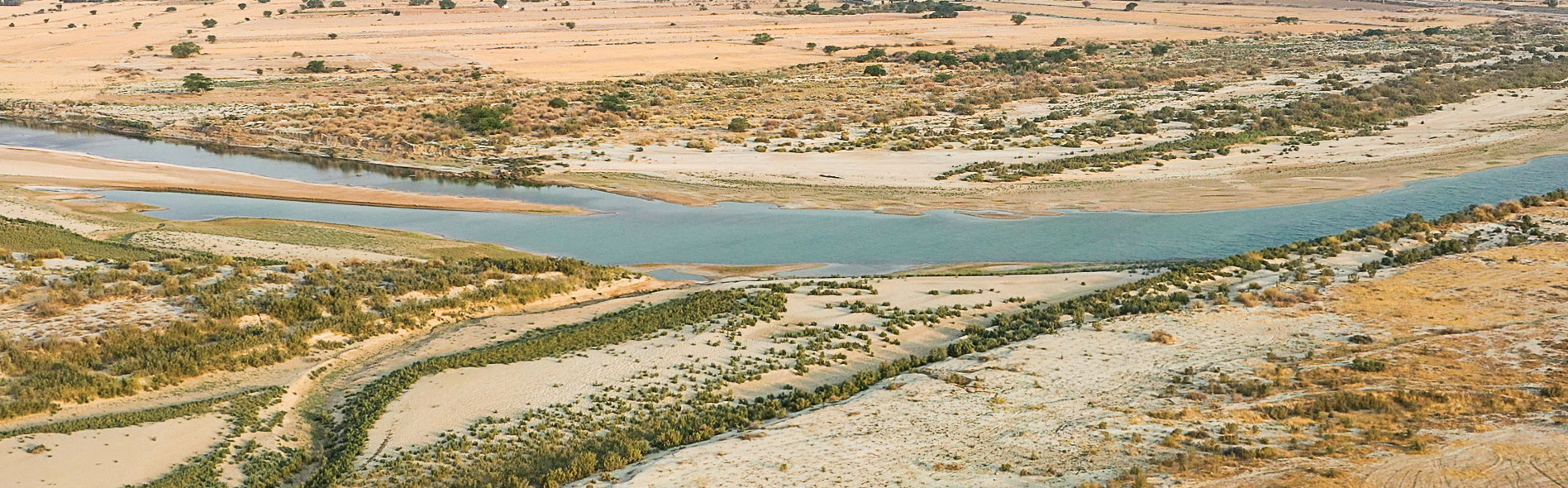
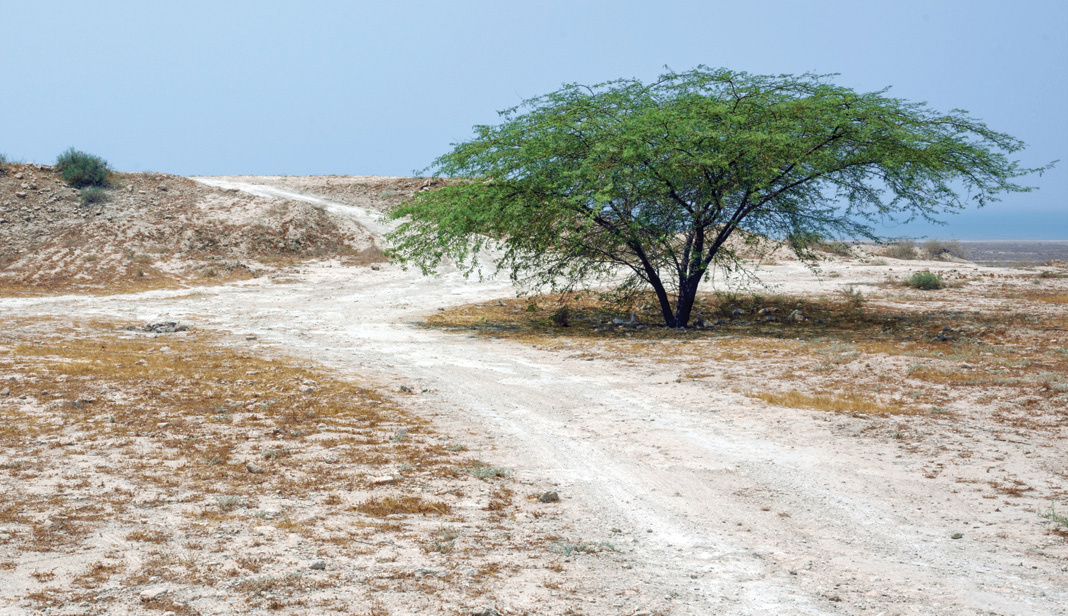
Bushehr has a hot and humid climate. The sun beats down harshly, and temperatures fluctuate between 6 and 50 degrees Celsius. Given the vast expanse of adjacent water, humidity is also very high, averaging 71 percent annually; in summer, the people of Bushehr endure an exhausting mugginess known as sharji. Of course, the sensation of heat depends not only on temperature, but also on humidity, wind speed, and breeze — other influential factors. As one moves closer to the foothills and farther from the coast, this sensation of heat eases somewhat. The highlands of Jam Township are perhaps Bushehr's only summer retreat — a surprising respite in this hot and humid climate. One could say that Bushehr, compared to the Iranian plateau and the north, essentially has two seasons: winter (which for non-Bushehris is a delightful spring) and a hot, muggy summer.
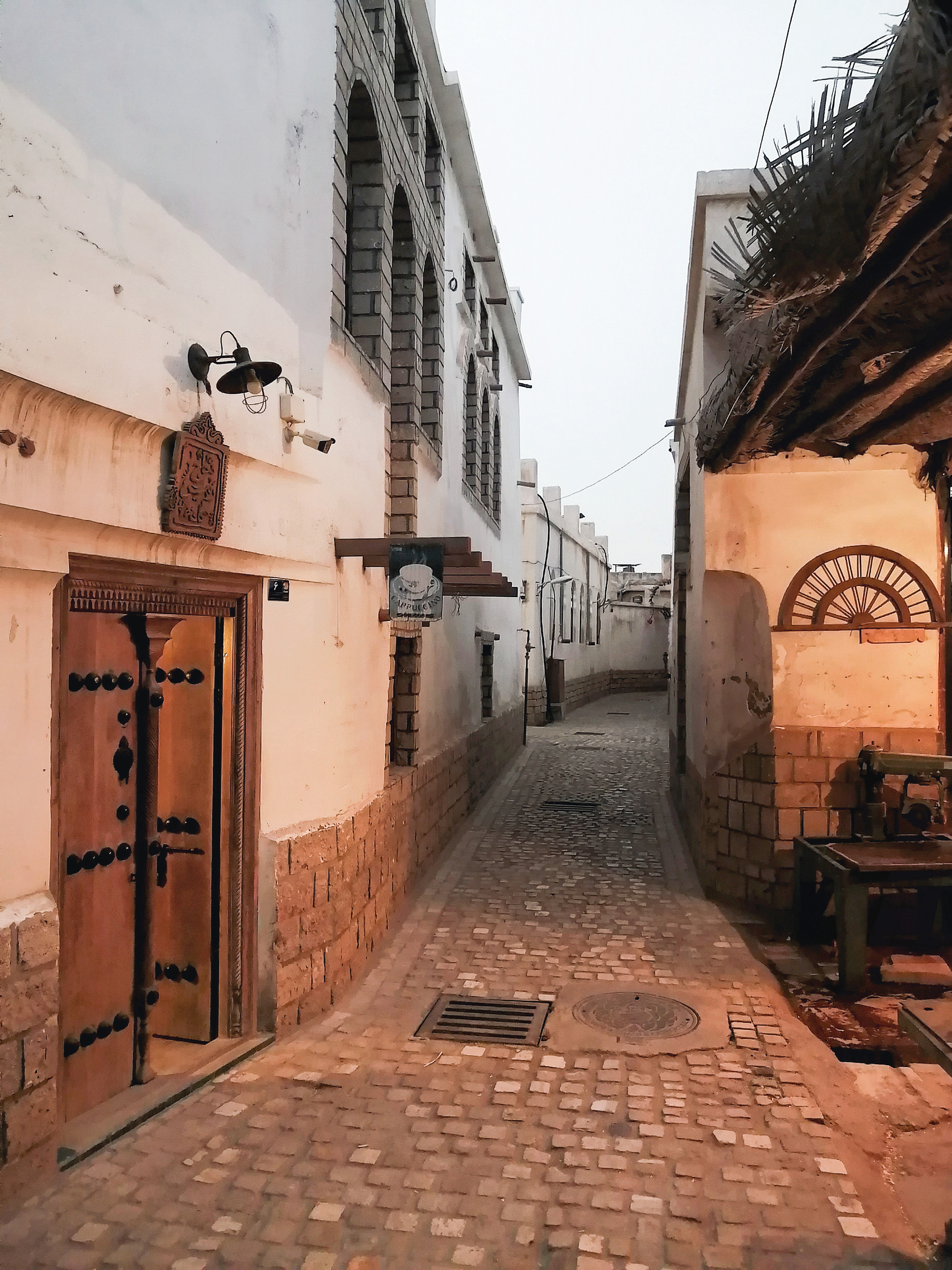
Under these climatic conditions, life would be extremely difficult, perhaps impossible, were it not for nature providing a lifeline: the currents of wind and breeze flowing between the sea, the coastal plain, and the mountains. One could say that for thousands of years, the architect of Bushehr's settlements has been the wind and the breeze. It is no coincidence that many of the narrow, winding alleys in Bushehr's old quarter are named "Nasim" — meaning breeze. The architecture of Dashtestan, however, tells a different story, long influenced by the architecture of Fars province, and in recent centuries shaped by the Zand-era style and Shirazi taste.
Ancient Roots
The first signs of civilization and urbanization on the coastal plain date back approximately five thousand years to the Elamite period, centered on the ancient port of Lian (meaning "radiant sun"). These signs appear on inscriptions and in the remains of a temple dedicated to Kiririsha,1 the Elamite goddess. The inscriptions are engraved on fired clay bricks; the temple itself was also built of fired clay — and though only brick walls remain, by comparing it with the ziggurat of Chogha Zanbil (another Elamite temple), one can make educated guesses about this structure.
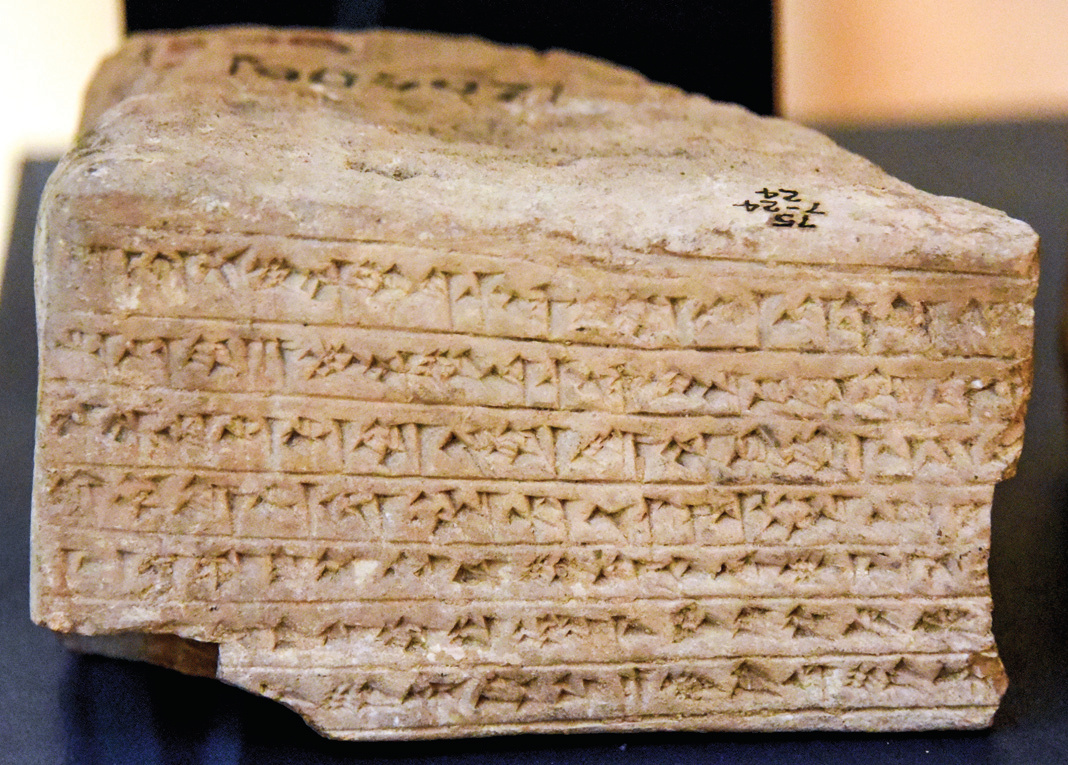
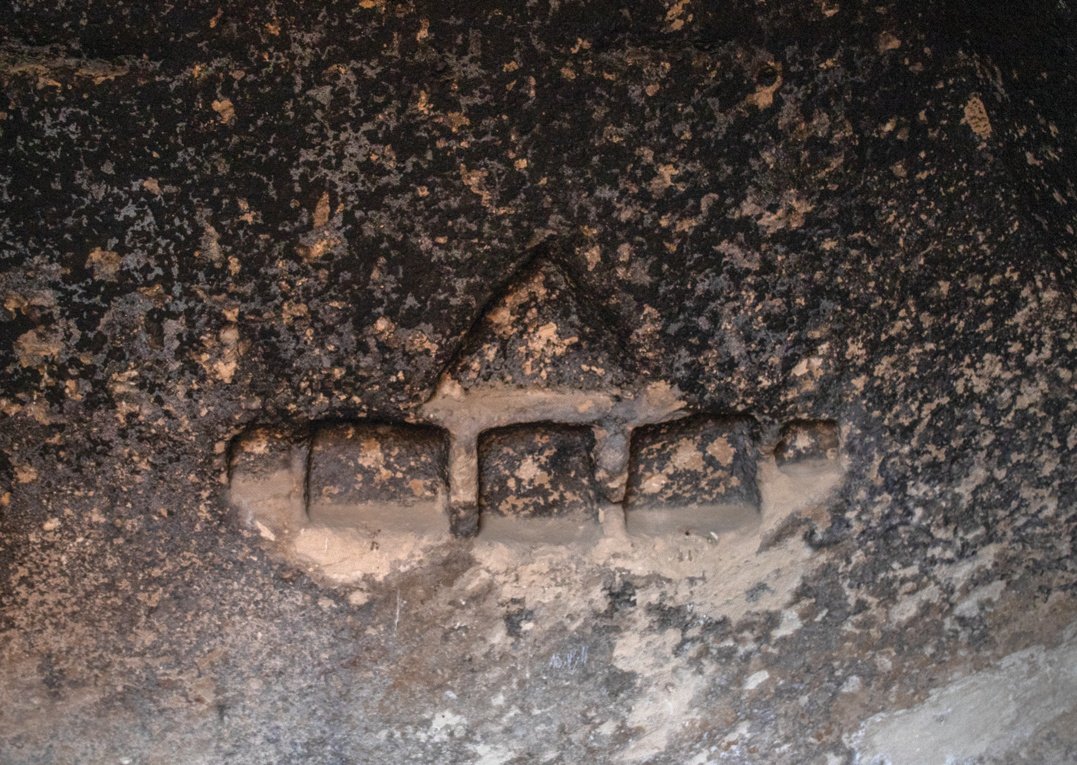
As with all historical events, behind the expansion of the Elamite state to this coastal plain lay motives of wealth accumulation. One can surmise that — given the climatic conditions — agriculture did not produce enough surplus to attract the attention of Elamite rulers. The Persian Sea was a vast reservoir for fishing, but given the climate and inadequate transport, this too did not generate much surplus wealth for rulers. Pearl diving, once abundant, may have attracted some attention. But the evidence suggests the strongest motive for the Elamite state's establishment at Lian was control of ancient maritime trade routes with the civilizations of India and China, Yemen and East Africa (Zanzibar), and the revenue from customs duties. This motive, from the Achaemenid Empire onward, continued to attract every state established in Iran right through to the modern era.
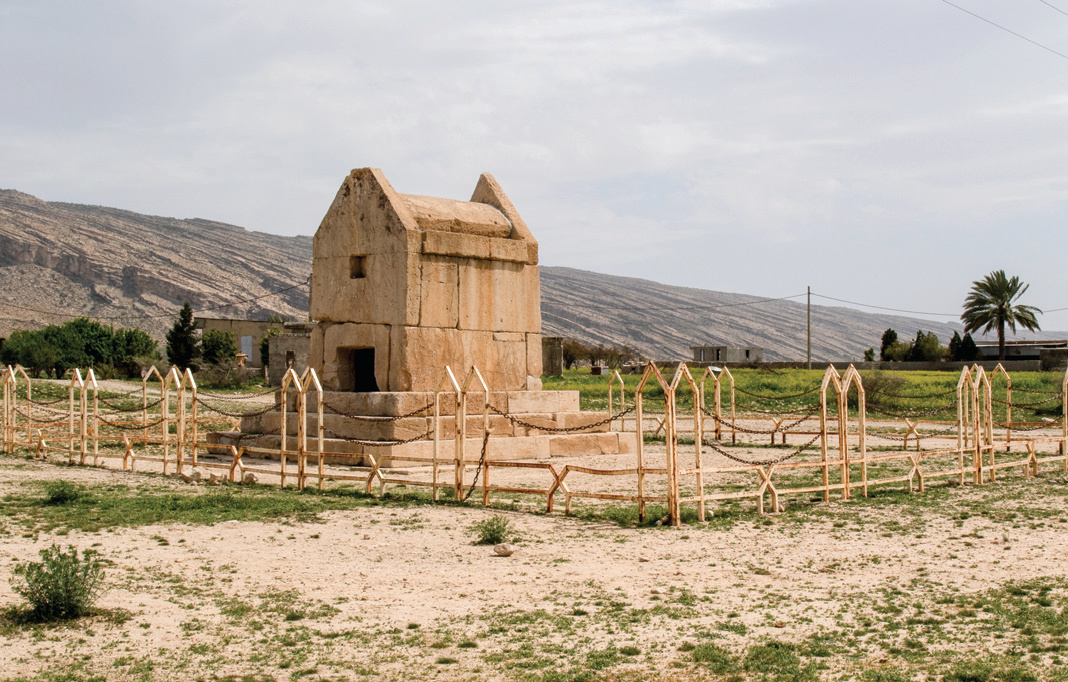
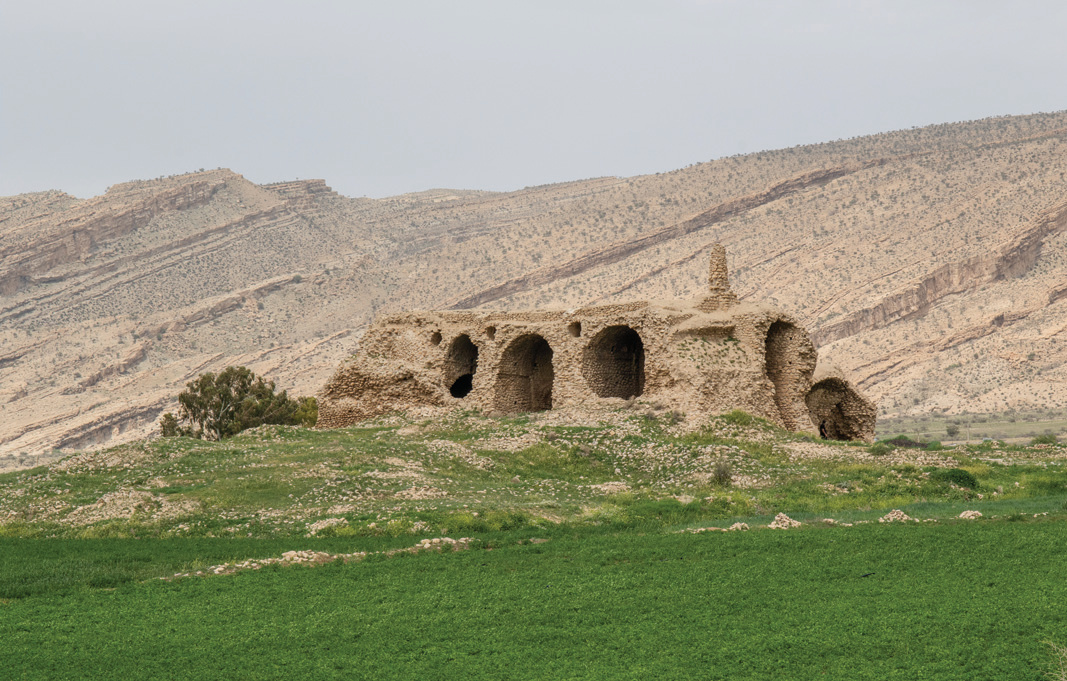
With the formation of the Achaemenid state and the unification of all Iranian peoples, and the construction of the Royal Road — a branch of which reached Lian, now called Rishehr2 — a vast opportunity emerged for goods from across the Iranian lands to be exchanged with the ancient world. In terms of inscriptions and architecture, stone replaced brick in the Achaemenid period. Most of the Achaemenid stone structures were built in Dashtestan, which had previously been the winter quarters of the Achaemenid people.3 Given Dashtestan's modest distance from the port of Rishehr and its position along the Royal Road to Rishehr, one can imagine that the Achaemenid state could easily manage trade with the outside world from its palaces there. The Sassanids continued in the same manner, constructing buildings in Dashtestan.
The Arab Invasion and a Millennium of Decline
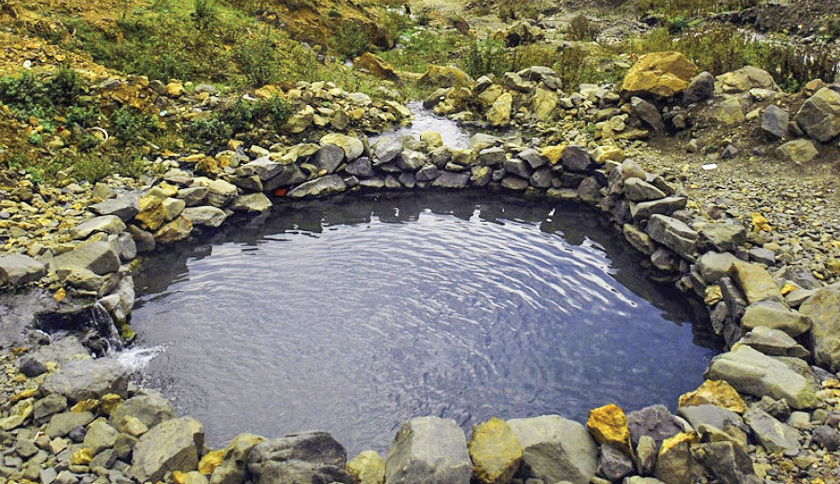
With the Arab invasion of Iran, a new chapter in the history of Iran and Rishehr was opened. The Iranians, under the command of the Persian nobleman Shahrak, put up a valiant resistance. The Arabs spent months trying to capture Rishehr. The historian Baladhuri writes: "Shahrak, the marzbān and governor of Fars, regarded the coming of the Arabs as a matter of great gravity and weight... and so he assembled a mighty army." After Shahrak was killed, Rishehr fell to the Arabs. According to Baladhuri, Tabari, and other medieval historians, "this war, in its difficulty and the abundance of spoils" that fell to the Arabs, "was comparable to the Battle of Qadisiyyah." The devastation that followed caused Rishehr to lose its centrality and importance for several centuries, remaining abandoned. The revival of Rishehr took approximately a millennium. Medieval historians and geographers referenced the former prosperity of Rishehr and the port of Siraf, which had flourished since the late Sassanid era.
Revival and European Encounter
About five centuries ago, during the Safavid era, Rishehr regained its former prosperity, continuing through the Qajar period, when it served as the "center of governance for all ports and islands of the Persian Gulf." At this time, Bushehr Province encountered a new phenomenon: whereas previously trade had been accompanied by cultural exchange with traditional Asian and African civilizations, now Bushehr faced European merchants, commercial and warships — first Spanish and Portuguese, then Dutch and English — and the influence of European culture, art, and architecture began. Ultimately, about two centuries ago, from the early nineteenth century, England gained control of the sea routes, and the English rulers of India and the East India Company imposed their political and economic dominion across the south of Iran. The European influence on southern architecture is striking.
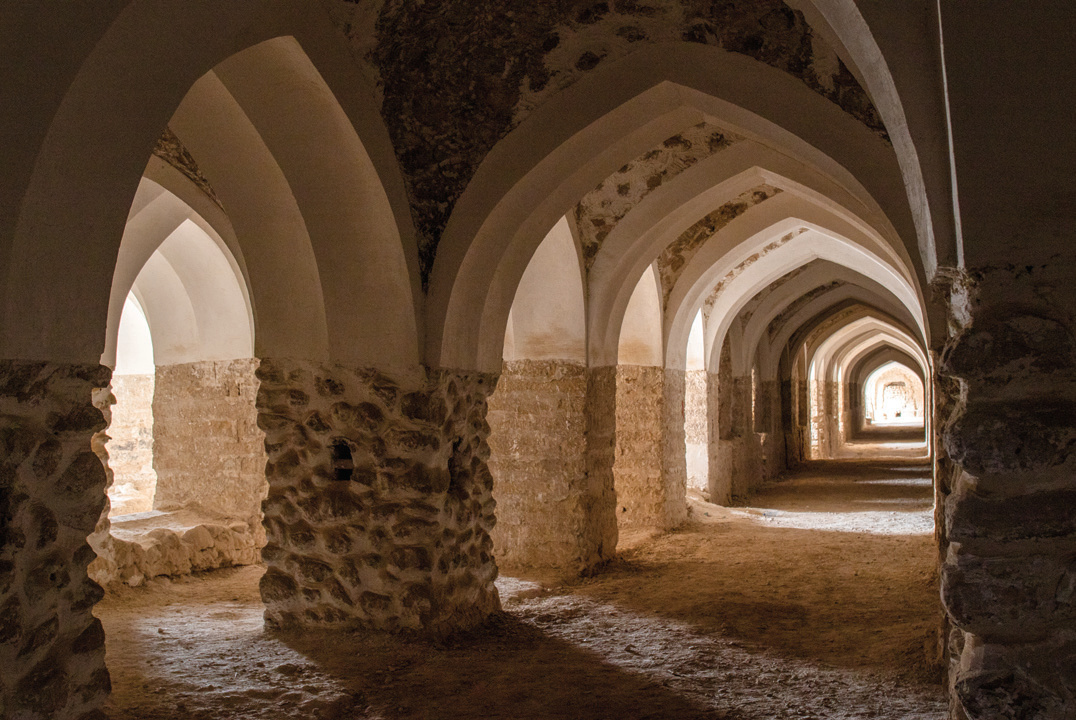
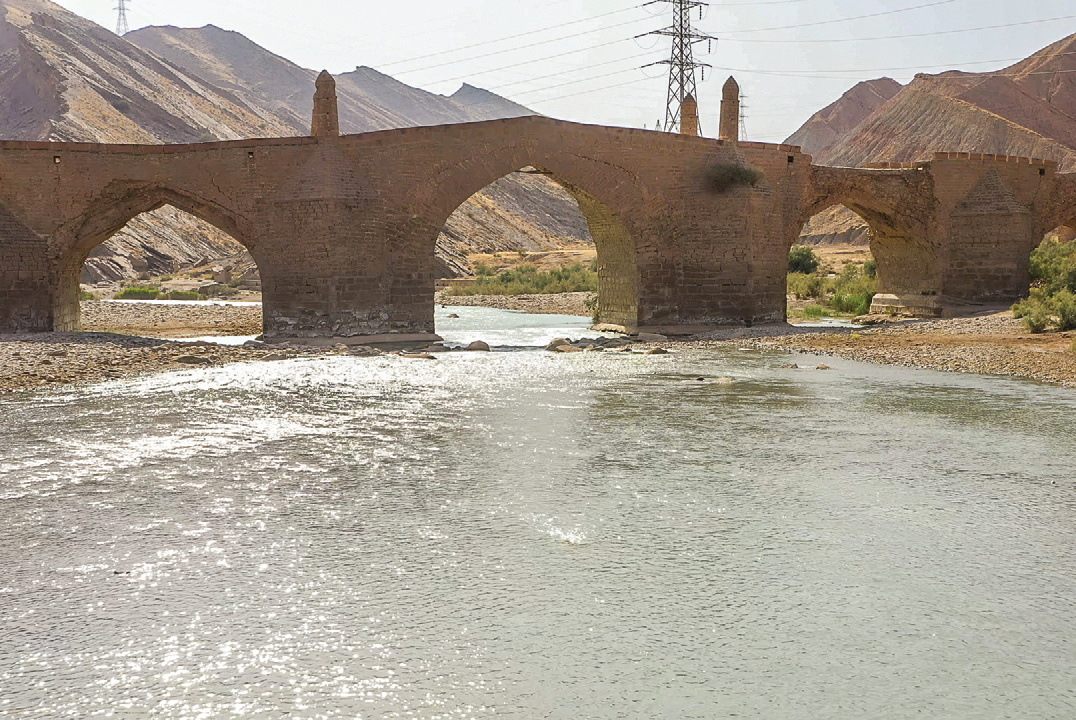
Another important event was Nader Shah's decree4 ordering the inhabitants of Rishehr to relocate to the present site of Bushehr. The port of Rishehr, or Lian, located eleven kilometers south of Bushehr port, was abandoned; the old quarter of Bushehr gradually took shape from this time onward. After several decades of turmoil following Nader Shah's death, and with the re-establishment of central power during the Qajar era and the expansion of trade with Europe, construction activity resumed along the old Bushehr road (the Royal Road): caravanserais and bridges in Dashtestan, and of course the beautiful edifices of Bushehr's historic old quarter.
With the spread of modern ideas of law and progress during the Constitutional era, parts of Iran with a rich culture developed an eagerness for modern education, leading to the founding of new schools. The Saadat School in Bushehr was a manifestation of this public aspiration, and since its establishment it has educated multiple generations of Bushehr's intellectuals.
Modernity and Transformation
Over the past century, especially after the rise of the Pahlavi state, the products and achievements of the Industrial Revolution increasingly transformed Iran, and Bushehr's status as a port changed: the Trans-Iranian Railway offered a faster and more convenient route for passengers and goods; Bushehr, already in competition with Bandar Abbas, now faced another rival in Khorramshahr. A look at European travelogues shows that before the Trans-Iranian Railway, Bushehr was the main route for travelers bound for the capital and other Iranian cities. The availability of refrigerated trucks and canning factories gave Bushehr's fishermen and farmers the ability to send their produce — previously destined only for local markets — to distant points as well. The construction of highways and the establishment of Bushehr Airport further accelerated the movement of passengers and goods. These new transportation options allowed Bushehr's farmers to export products beyond dates, including winter vegetables — especially tomatoes — to markets outside the province.
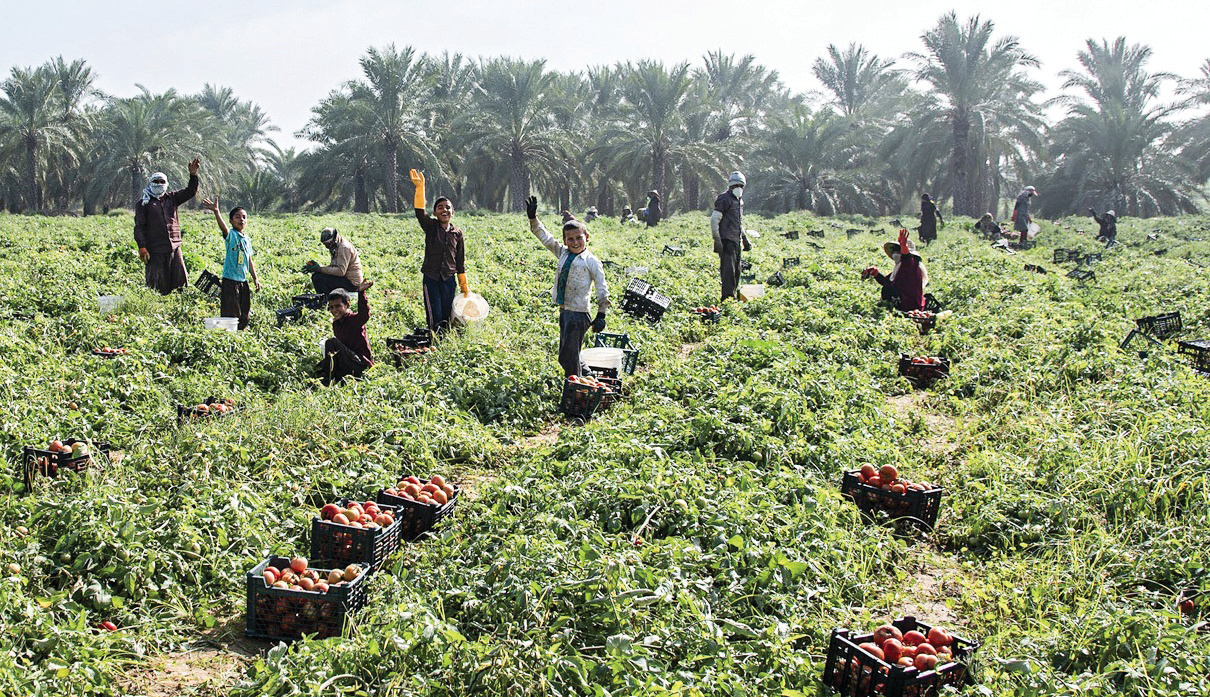
Of course, the greatest economic transformation in Bushehr was the discovery of gas reserves at South Pars and the establishment of refineries and petrochemical plants at Asaluyeh, which became the most important source of wealth generation in Bushehr — though their destructive environmental impacts cannot be overlooked.
A Crossroads of Cultures
Bushehr, as a port for commercial exchange, has been a hub for the exchange of goods and culture between the Iranian hinterland and the world. This position has also led to migration and the movement of peoples. For example, Iranian communities still live in East Africa, where in some cases the indigenous people refer to them as "Shirazis." Today in Bushehr and along the southern coast live groups of Iranian-Africans, among whose customs is the Zar ceremony — essentially an ancient form of healing dance. There are also Iranian-descended communities living on the southern shore of the Persian Gulf, Arabic-speaking Iranians in Bushehr's coastal plain, and Lors and Bakhtiari people of Bushehr. As a result, alongside the majority who speak Persian with a Bushehri accent, one also hears Persian with a Shirazi dialect, Lori, Bakhtiari, and Arabic; Bushehr's African-descended residents have forgotten their native language and speak Persian with the Bushehri accent.
The people of Bushehr, like the inhabitants of all port regions in the world, have daily encountered people from different cultures; and economic prosperity has demanded that they cultivate a culture of tolerance, open-mindedness, and acceptance of others. The tradition of Khayyam-khani (Khayyam recitation), unique to Bushehr — a blend of communal singing, music, and dance — is perhaps the embodiment of this cultural spirit.
Notes
- Kiririsha — the Elamite goddess to whom the temple at Lian was dedicated.
- Throughout history, this region has been known by many names: Lian, Mezambria, Liw-Ardashir, Ram-Ardashir, Rishehr, Zidhehr, Abu Shahr, Nadiryeh. In this editorial, we have used only Lian, Rishehr, and Bushehr, which correspond to the longest historical periods.
- Until 1953 (1332 SH), Dashtestan was part of Fars Province.
- Limited research has been conducted on the reasons for Nader Shah's decree, but one can surmise that Nader Shah, seeing the threat posed by European warships, chose to build the port on a peninsula that would be easier to defend. It should be noted that from that time until the late Qajar period, the central government regarded this port as the "center of governance for ports and islands of the Persian Gulf."



