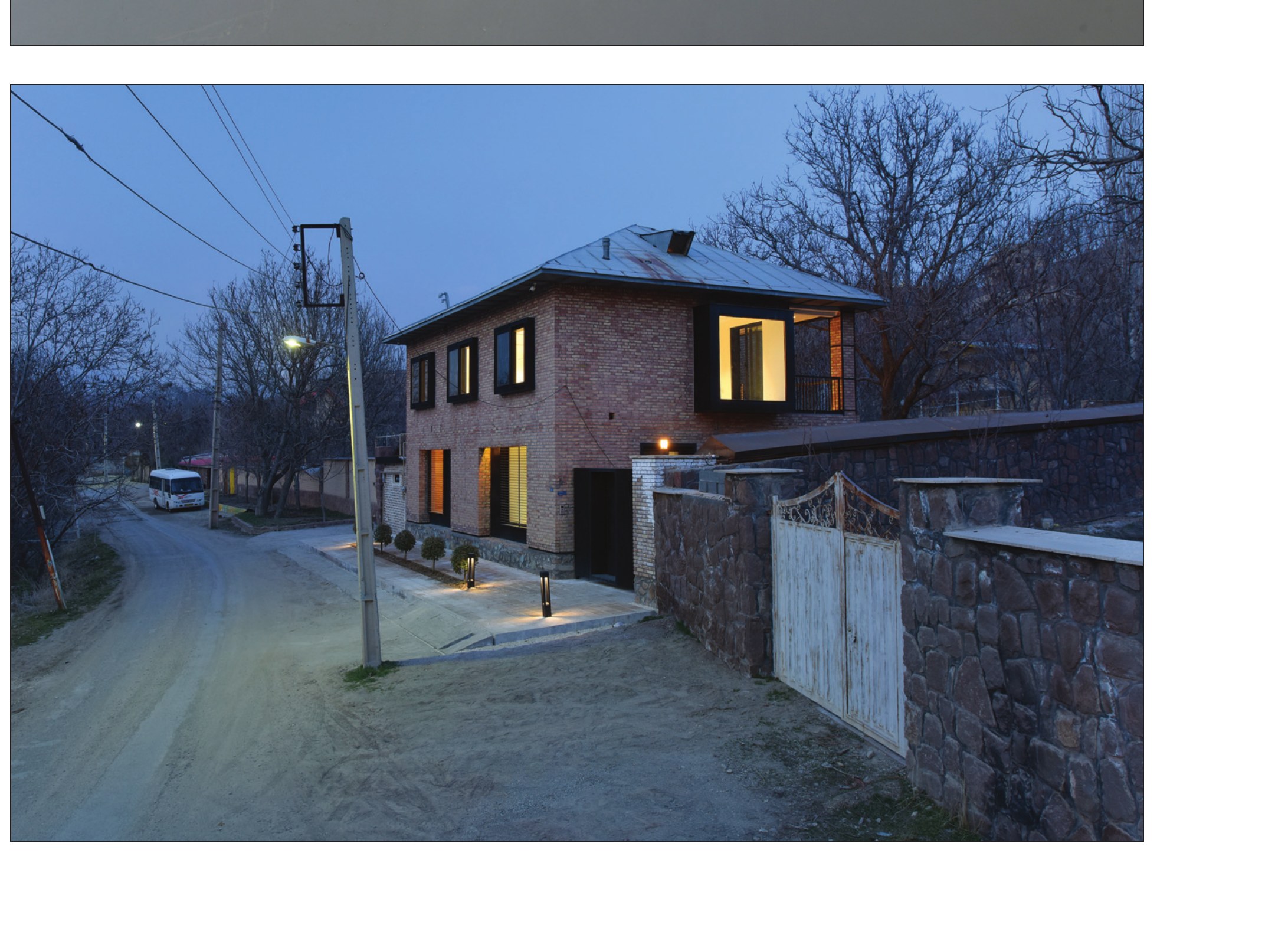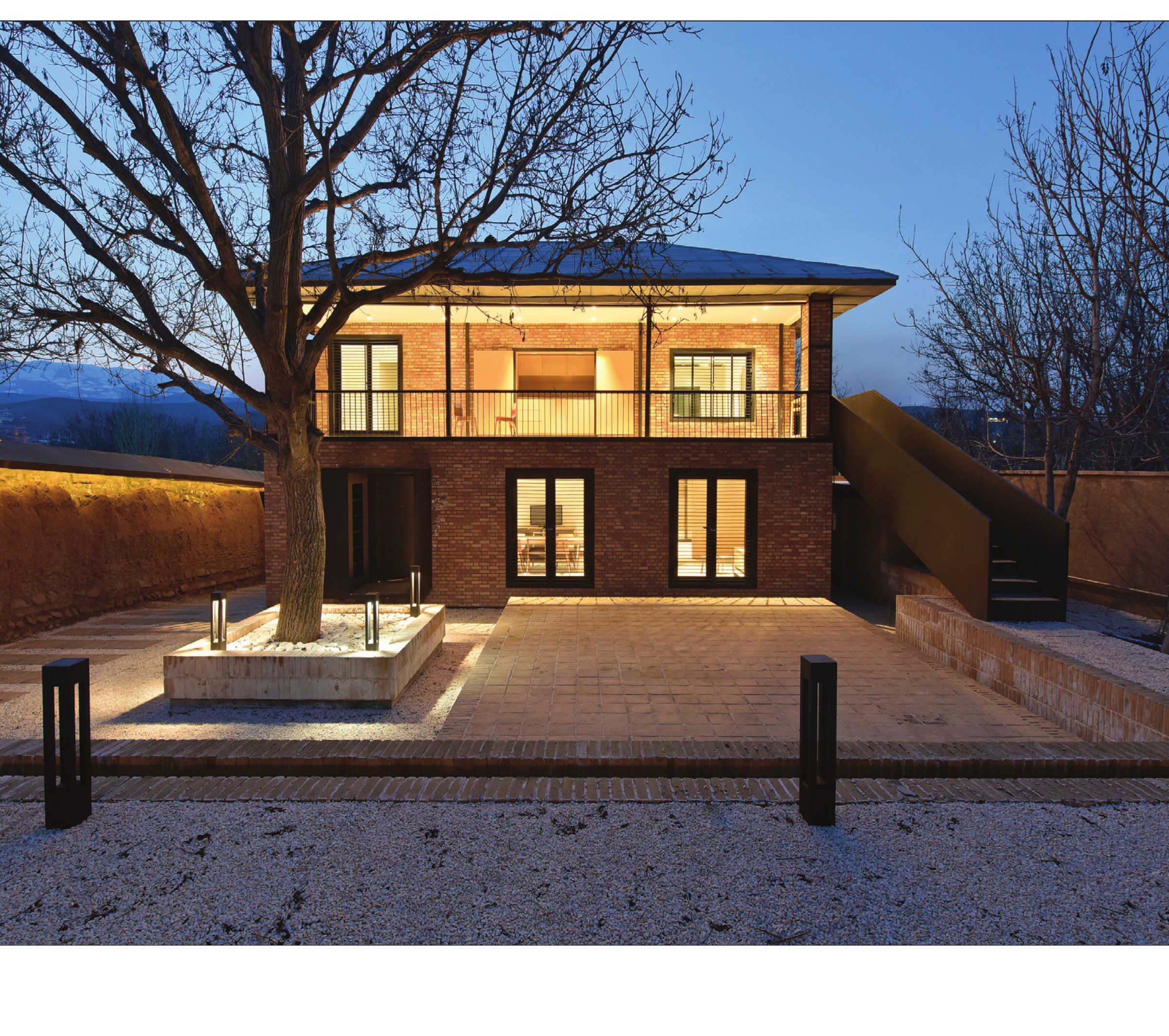
How can the characteristics of old buildings be preserved while making it possible for them to coexist and adapt with contemporary life? Emarat Jan is the renovation of a 60-year-old building in the outskirts of Tehran.
a) The second-house question — as a space for experiencing one's desired way of life — has become one of the unwritten necessities of city dwellers, the bulk of whom are middle-aged educated people.
b) Today's city dwellers choose the suburbs not only for pleasant qualities — such as distance from the crowded urban space and the experience of a different climate — but also for the possibility of experiencing the way of life they themselves desire. Given their physical features and the freedom of action they provide, the suburbs are a fitting ground for the fulfilment of this wish.
c) The old houses present in these areas sometimes have their own distinctive features and type, but because the worn-out, traditional spatial system of these houses no longer matches the lifestyle of today's city dweller, we are seeing the fabric of these areas demolished at an ever-increasing pace, and new-build buildings of many shapes and identities take the place of these works.
Our question in this project was: How, while preserving this local heritage, can we make it coexist with — and adapt to — the contemporary life of the project's client?
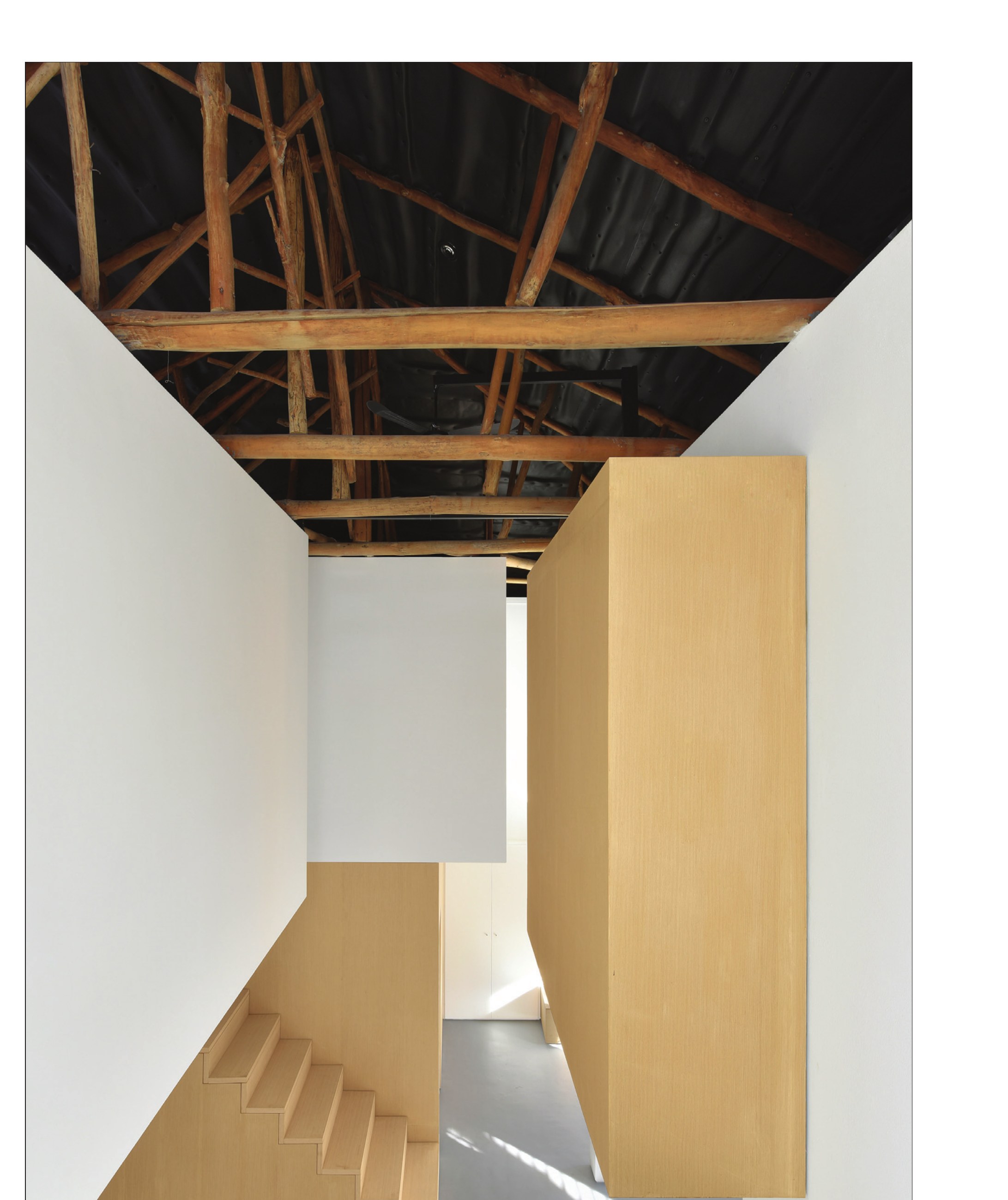
First) To this end, we identified in the first stage the elements that produce this building's character. It appears that the massive, load-bearing structure of brick walls, the sloped roof with tin cladding and the unfinished wooden trusses are among the elements common to the buildings of this fabric, and that while giving the building a distinctive character, they have also held the neighbourhood's memories within themselves over the years.
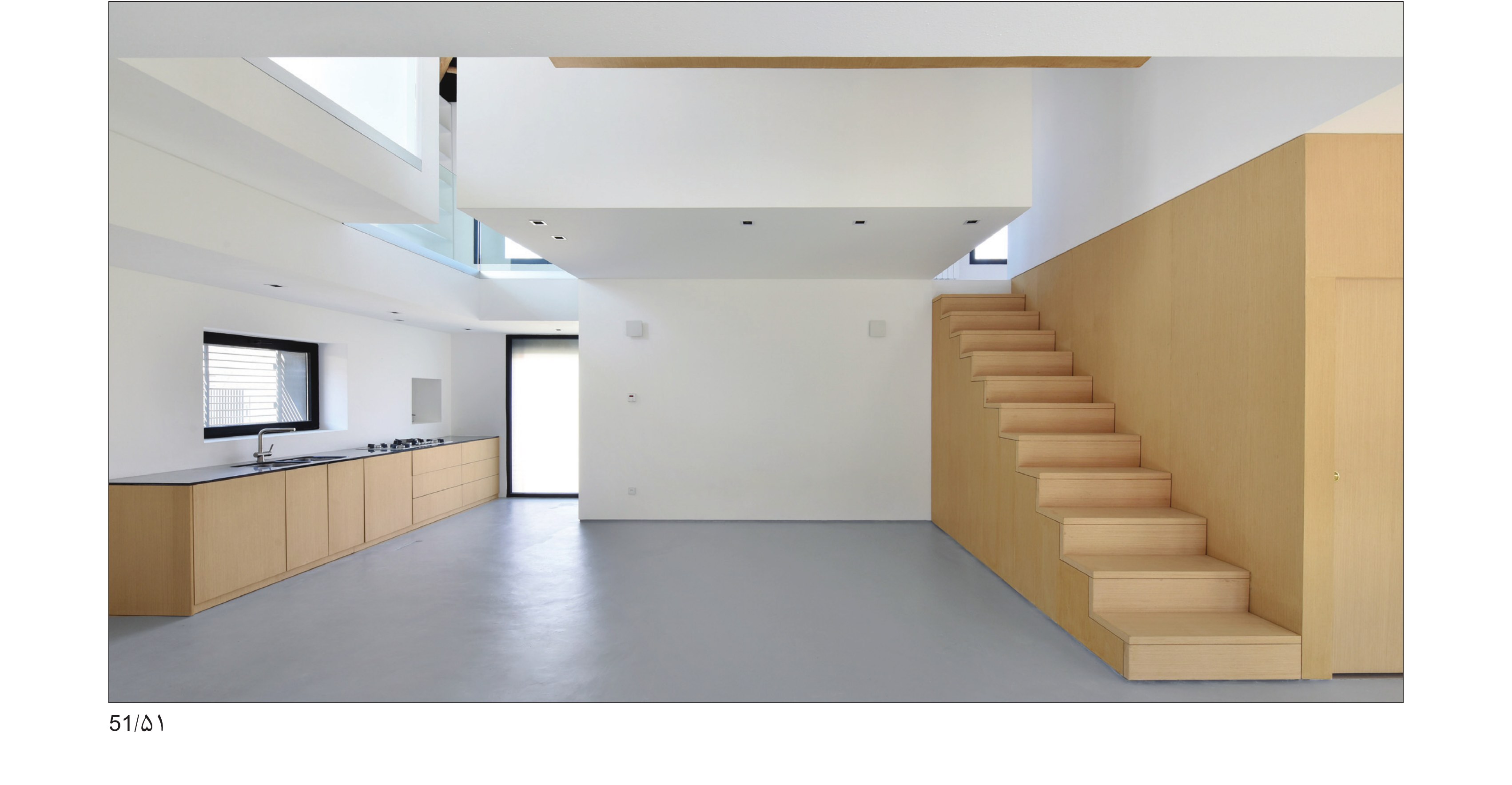
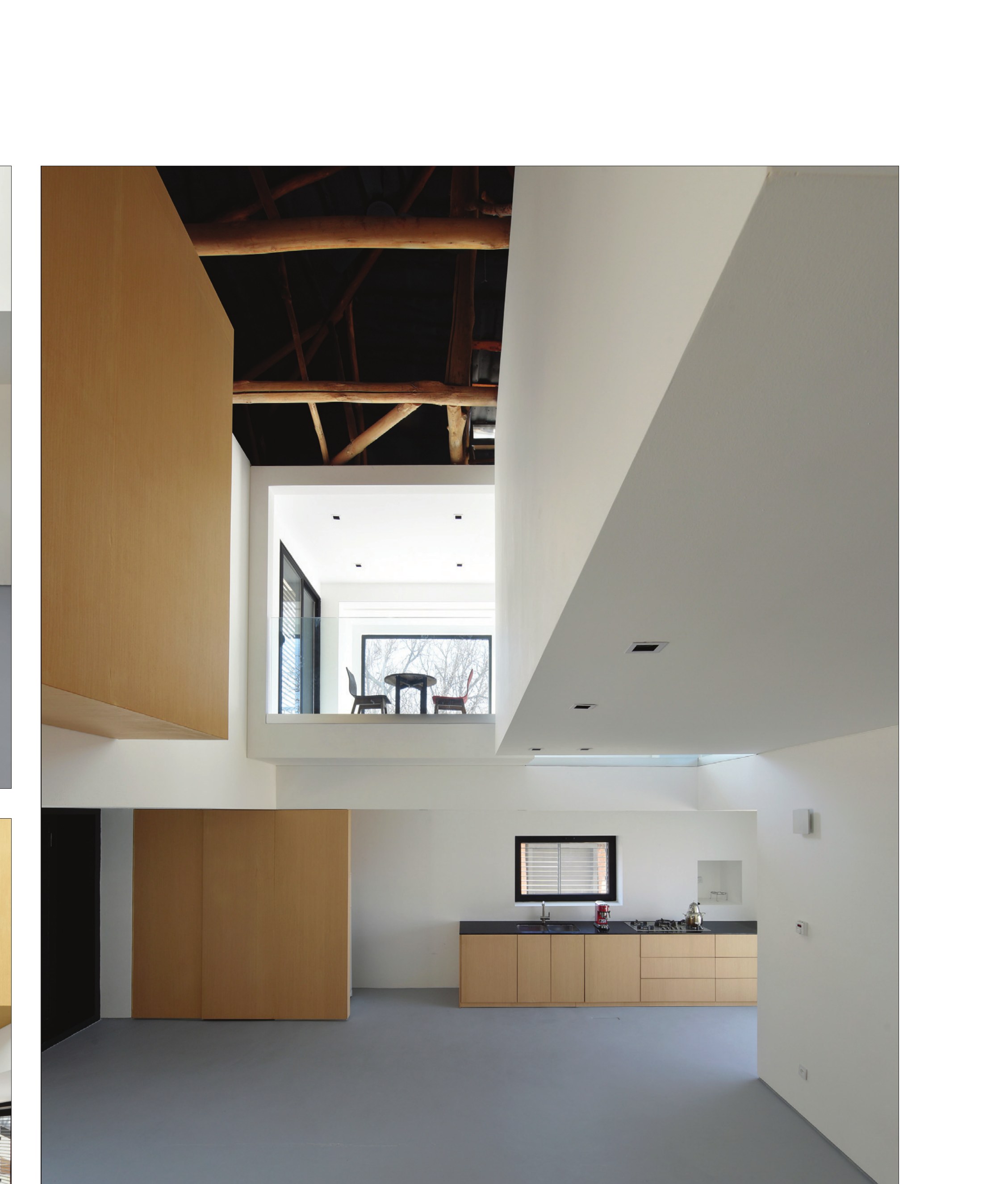
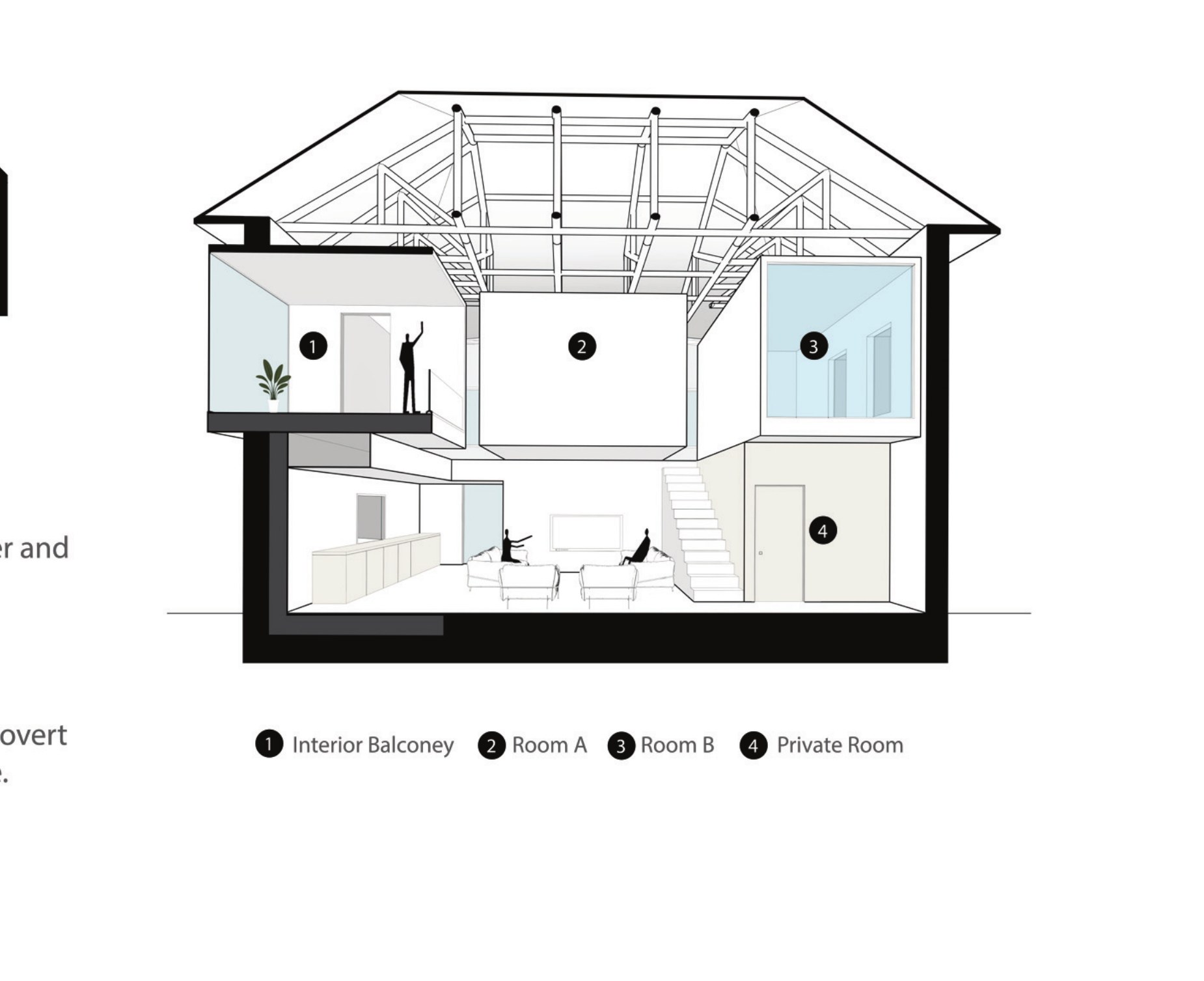
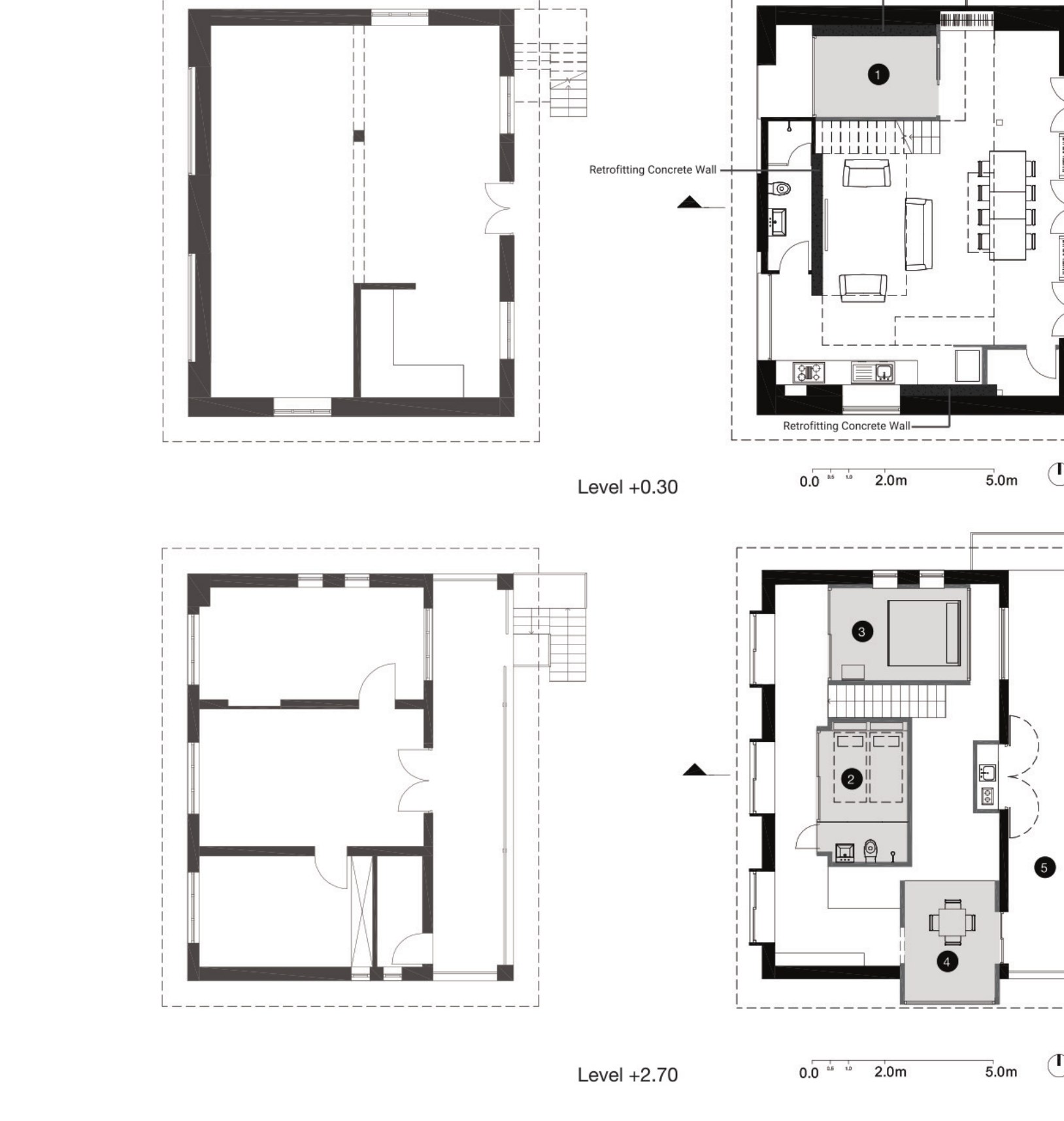
Second) The project, while preserving these elements, has shaved the building from inside and turned it into a vessel with unique spatial qualities, providing the possibility of loading a new spatial system upon it.
Third) In the third stage, after the removal of walls and partitions in relation to the change of programme, we placed the new volumes as lifestyle boxes that replace the previous spatial organisation. This coexistence between the old traditional structure and the added structure is such that, by being treated harmoniously with the totality of the building, it strengthens its spatial sense, and creates a unified space that emphasises the elements remaining from the building, which have accumulated within themselves much of the building's memories.