◆ ◆ ◆
Finalists — Renovation
01
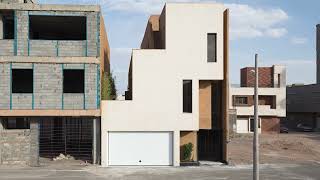
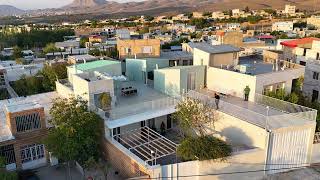
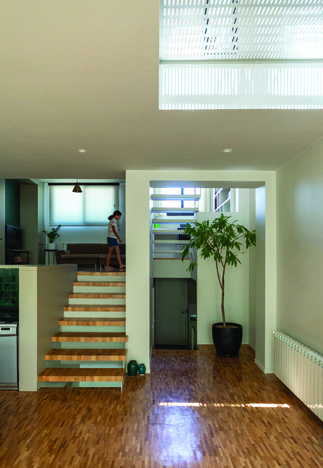
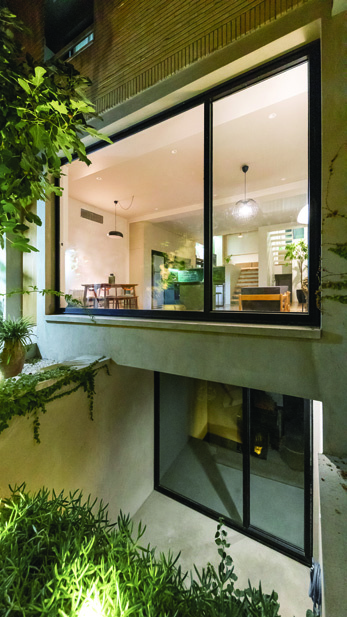
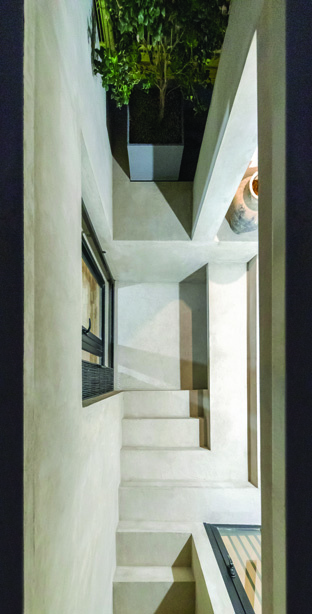
Location: Mehr Street, North Mehr Boulevard, Isfahan · Built area: 200 m² · Site area: 100 m² · Photo: Koroush Dabaghi
Mehr House, Isfahan
Hamaan Studio — Behrouz Shahbazi
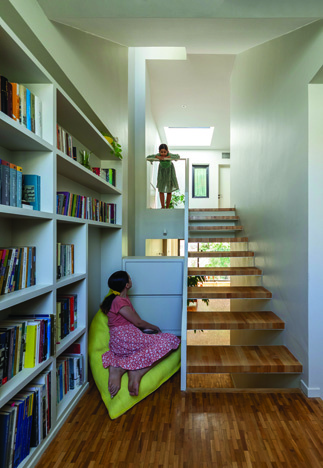
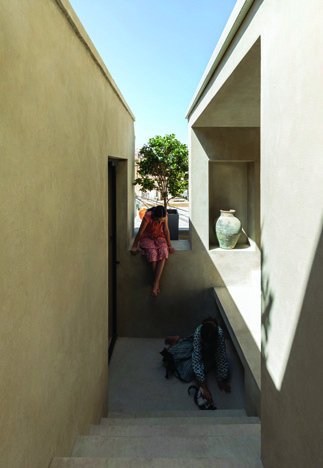
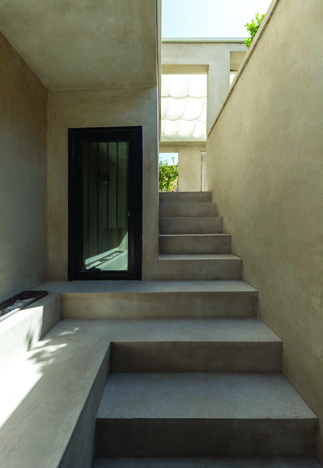
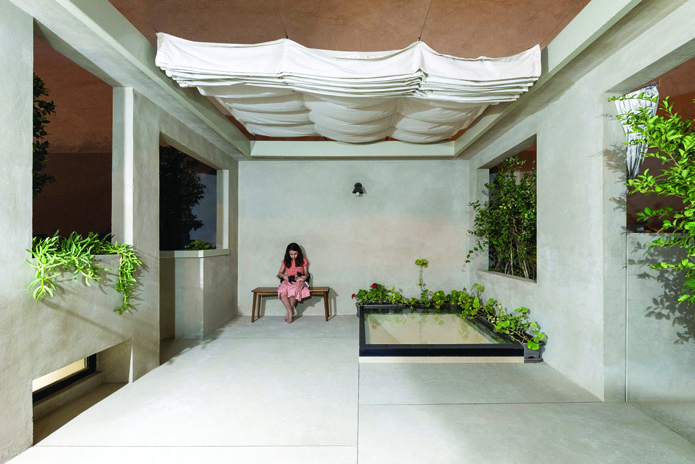
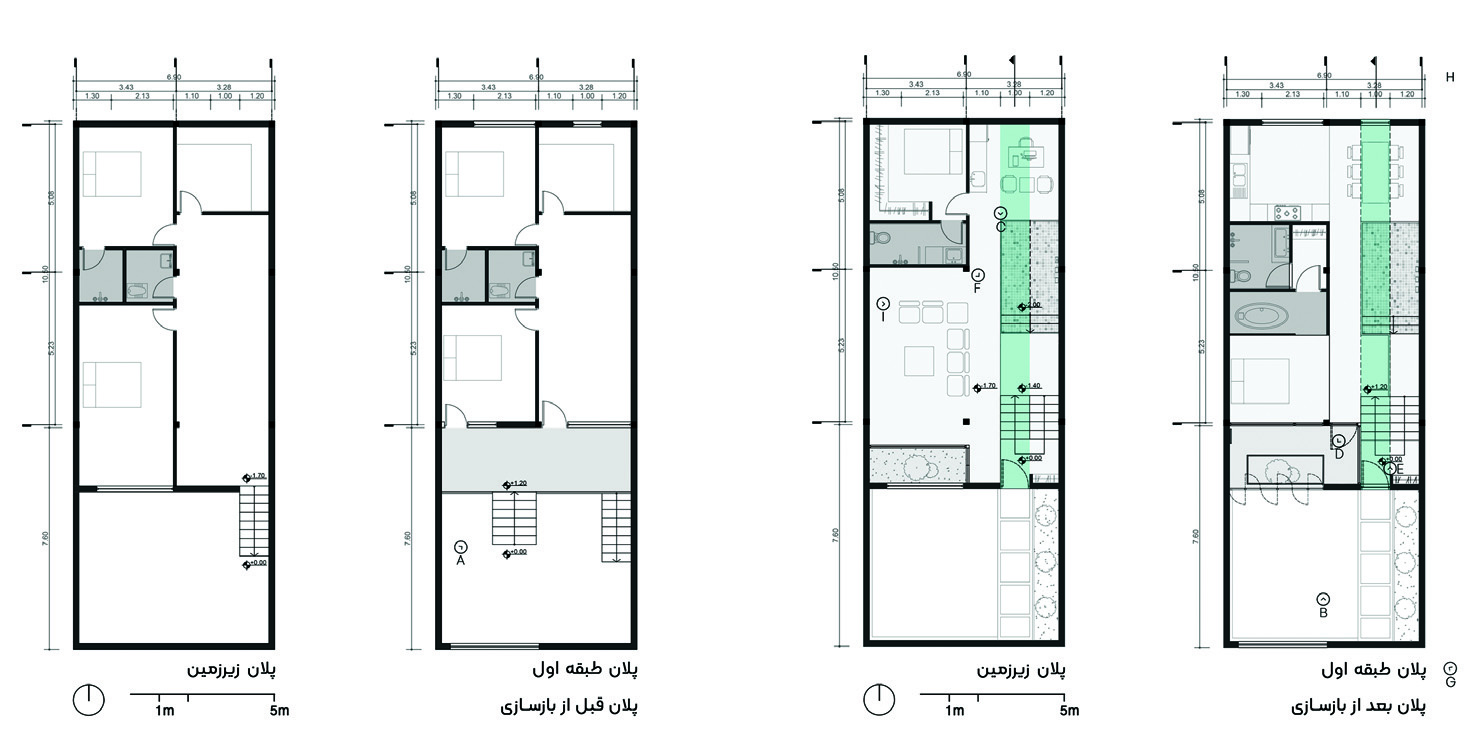
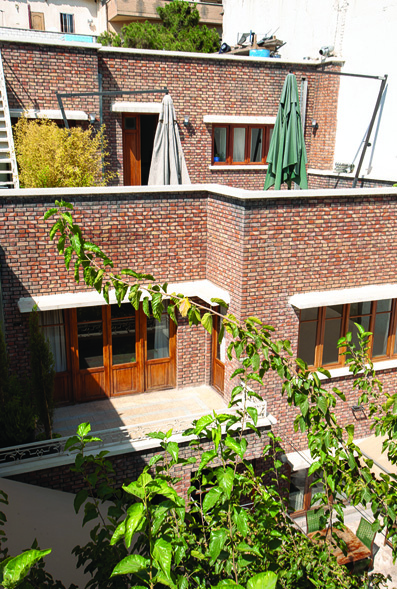
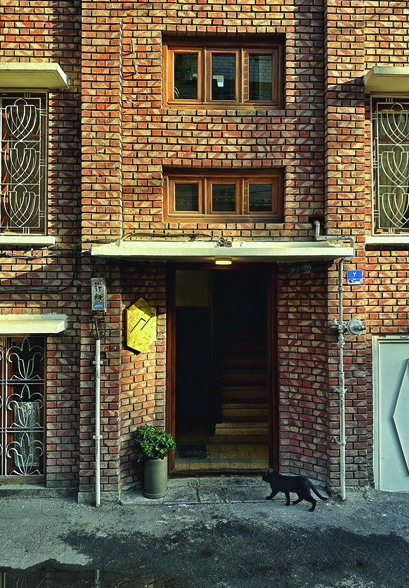
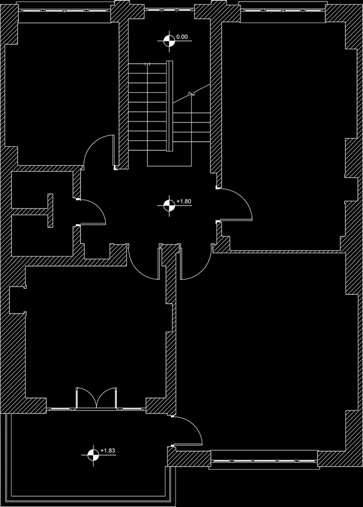
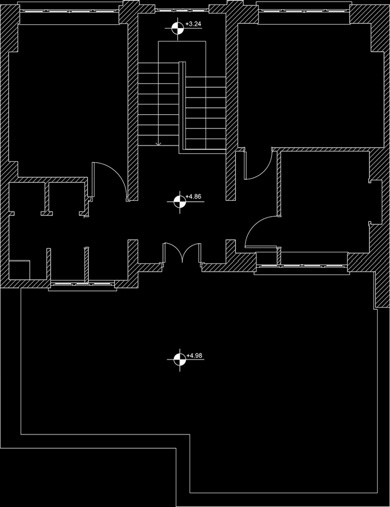
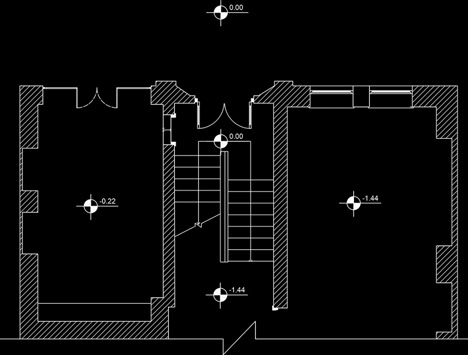
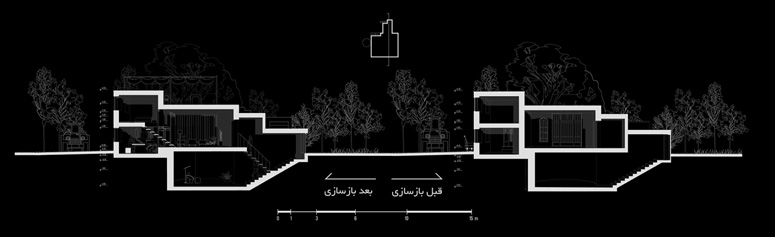
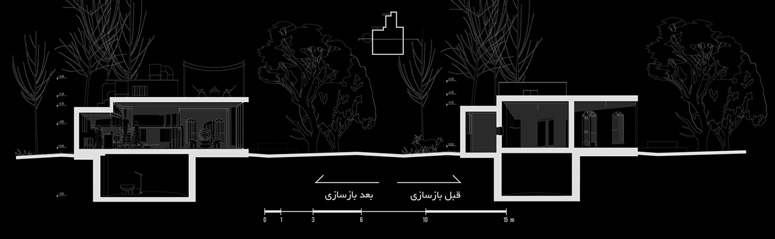
The renovation of Mehr House is the result of a collection of ideas in transversal relationship, integrated by everyday domestic life: living with the earth, living with the sky, and living in the house. The small courtyard with its fig tree became a private landscape, and a sunken garden dedicated part of its surface to the basement sculpture workshop. The rooftop was transformed into a courtyard for life with the sky. All transparencies and redefined intermediate spaces aimed at building a spectrum between public and private realms, enabling connections through light, sound, and sight.
02
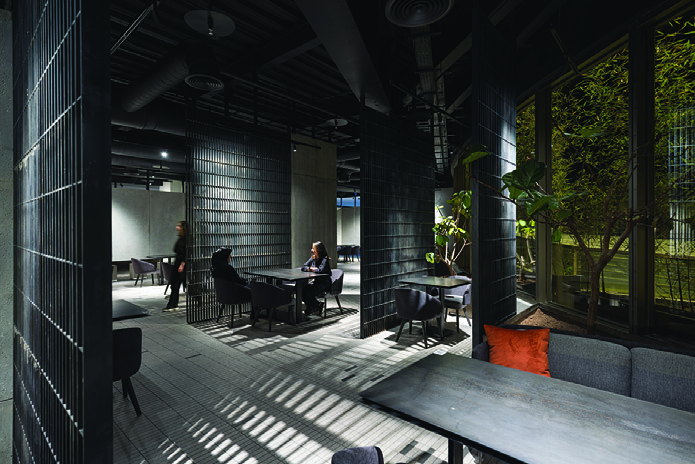
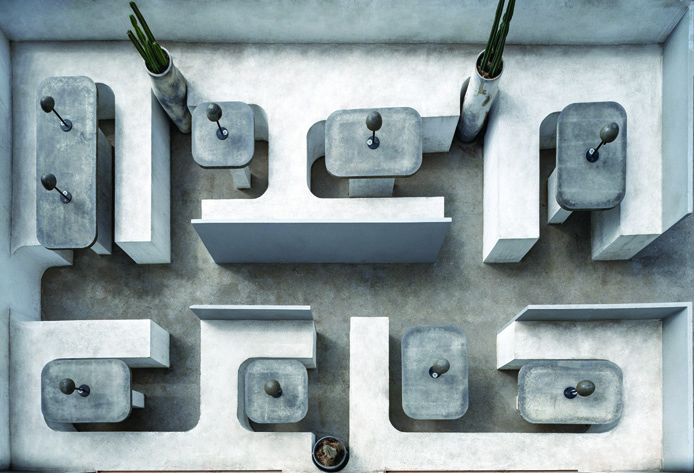
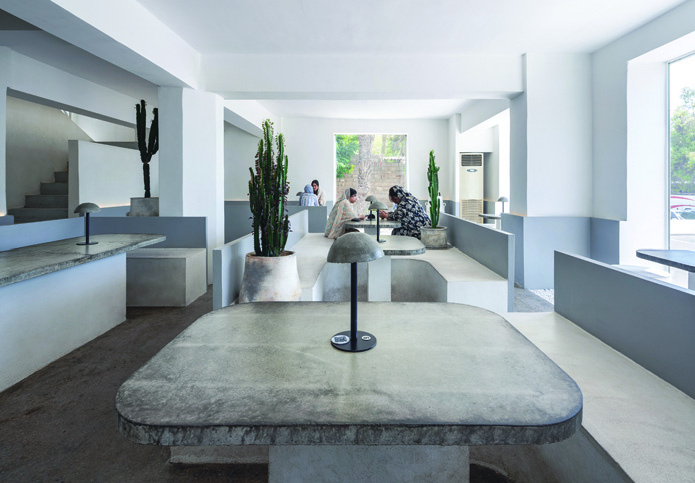
Location: Taleghani Boulevard, Bandarabbas · Built area: 390 m² · Site area: 390 m² · Photo: Deed Studio
Docharkheh Cafe, Bandarabbas
ON Studio — Omid Nikookar
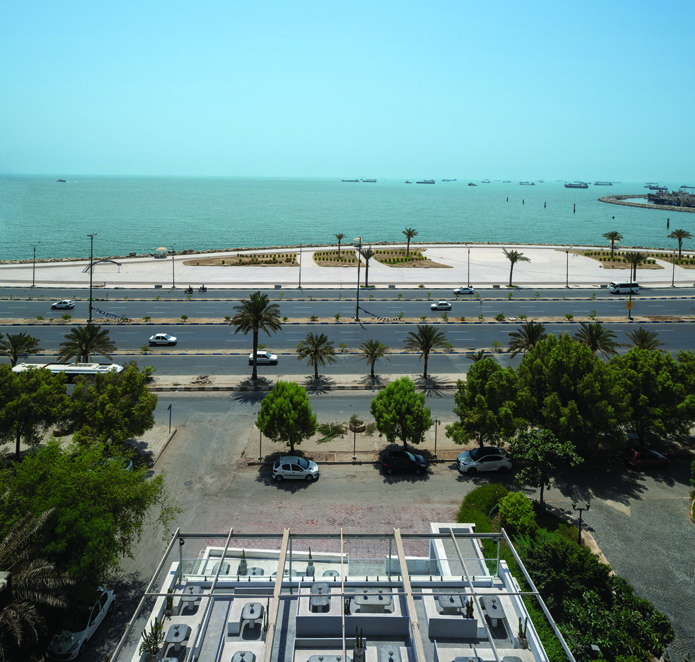
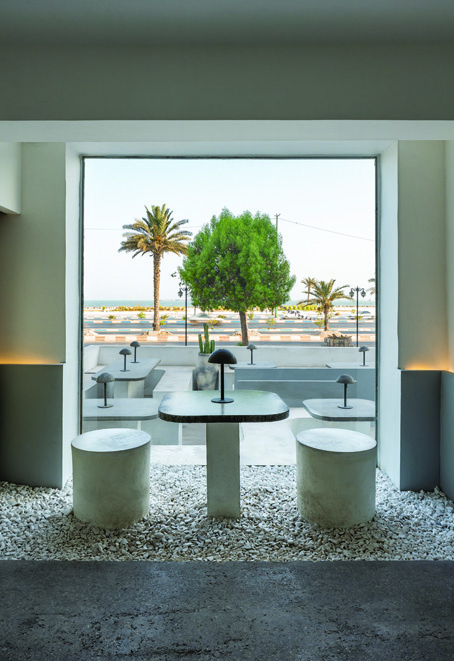
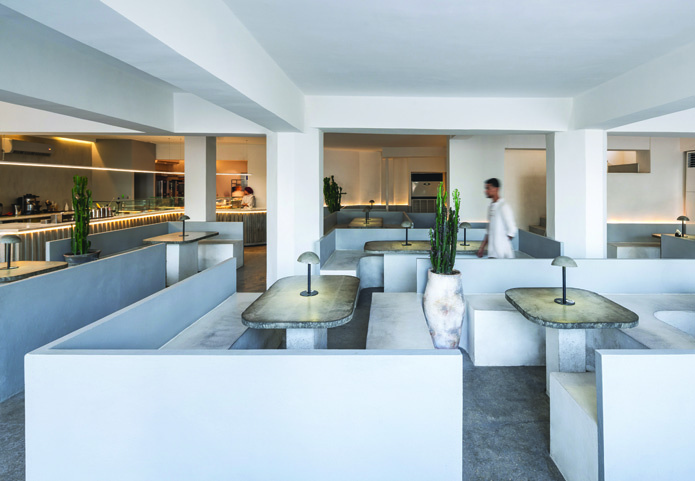
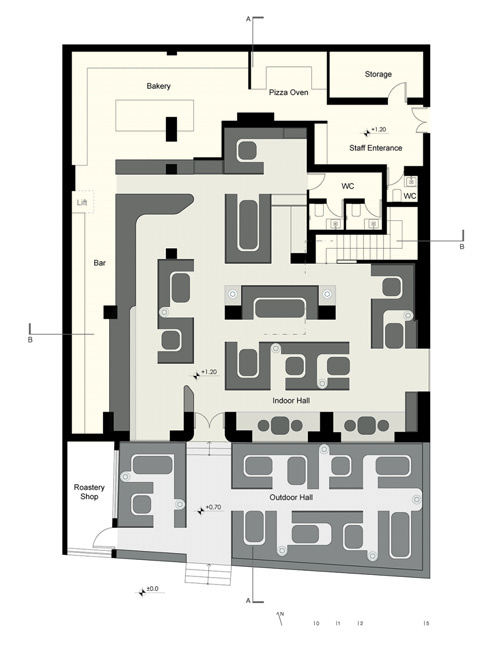
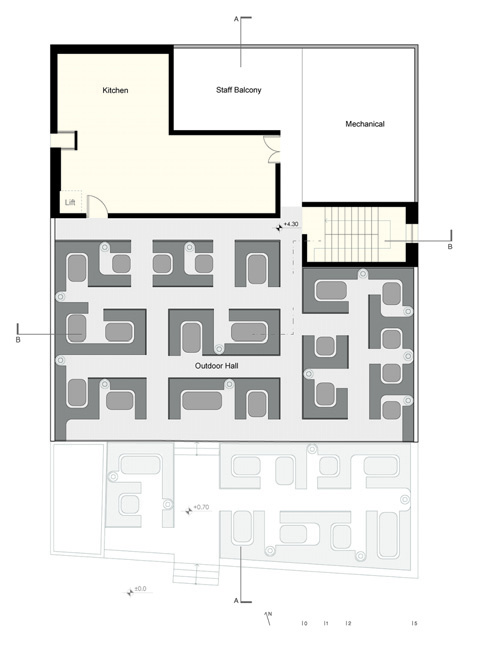
The design strategy is a view to the sea and creating an experience at different levels relative to the water. First, extra decorative elements of the old building were demolished to reach the core structure and maximize visual connection with the sea. All service spaces were organized on the north and west sides to free the south (sea-facing) side. In the main halls, all vertical elements were removed, floor surfaces were given 85-cm thickness to contain tables, chairs, lights, and pathways within them. A canopy was designed for outdoor seating to address the extreme heat and humidity of southern Iranian cities.
Home Gallery, Tehran
Ma Studio — Mozhgan Afsharfar
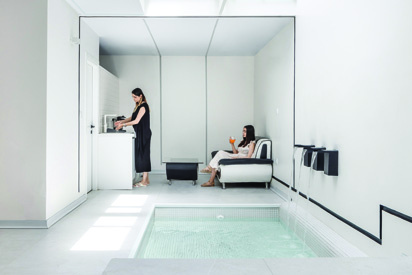
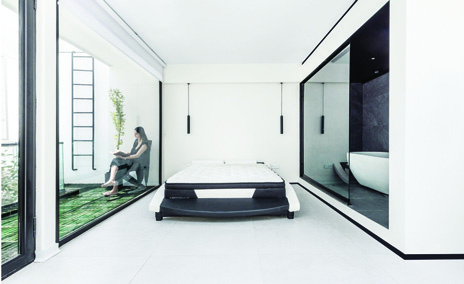
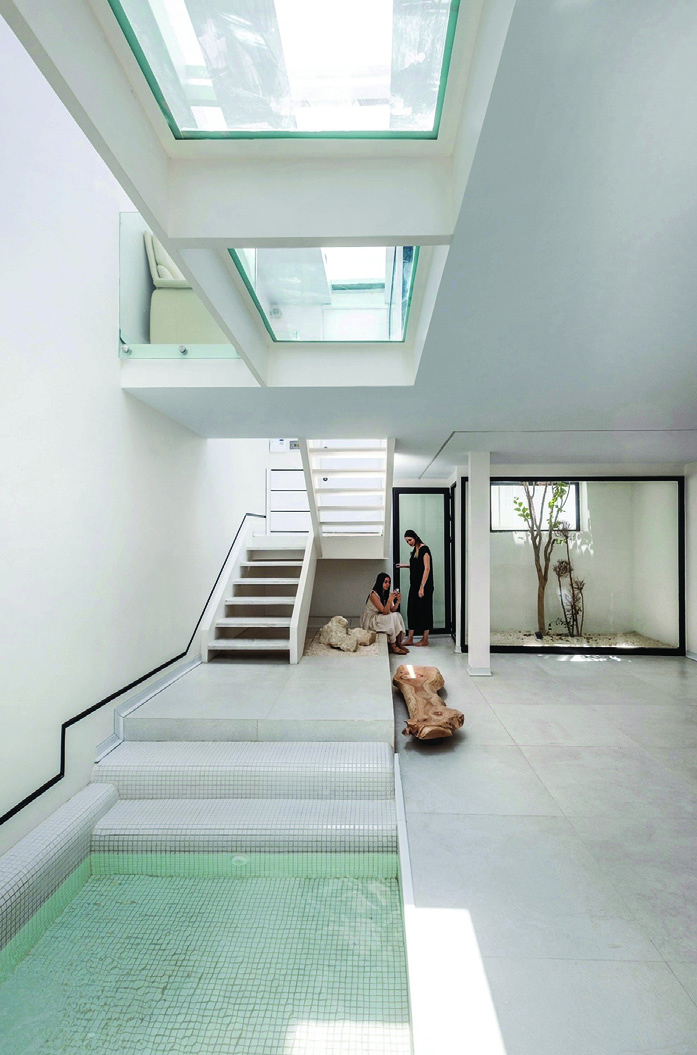
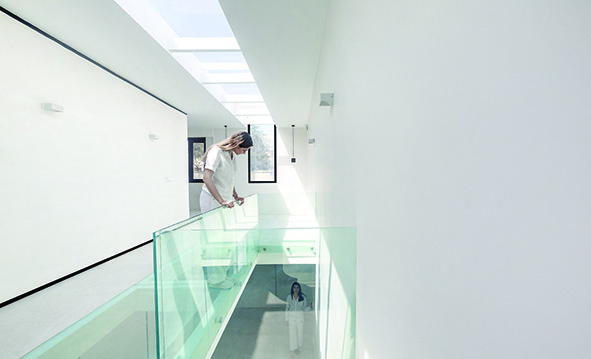
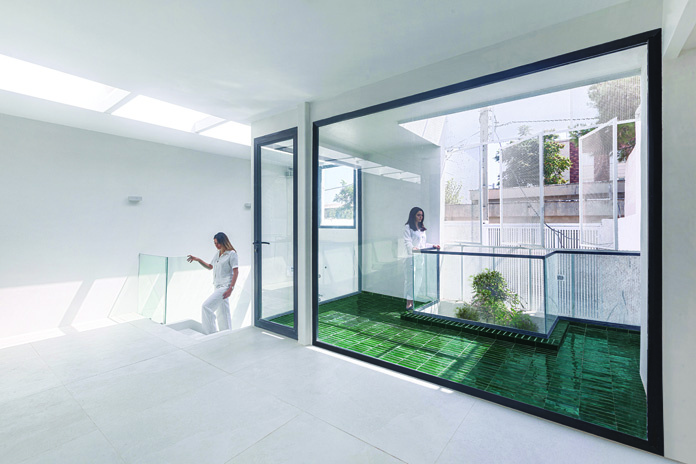
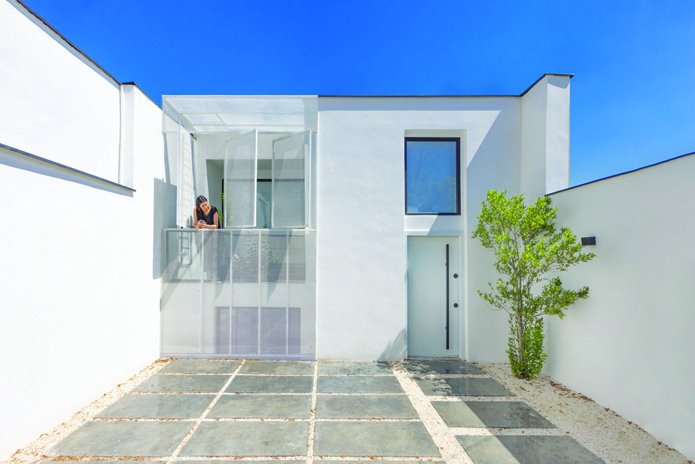
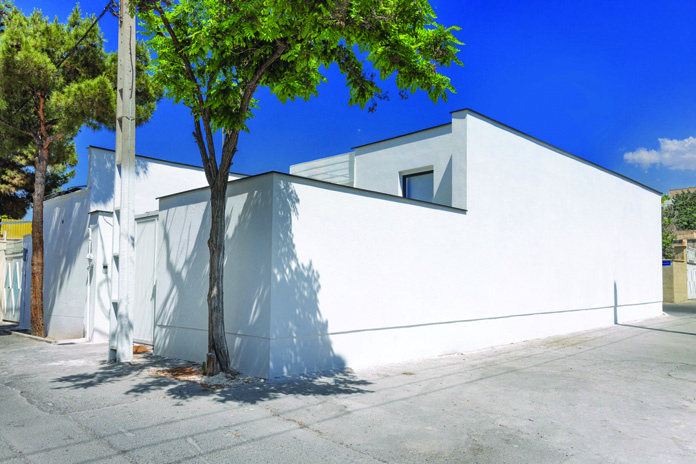
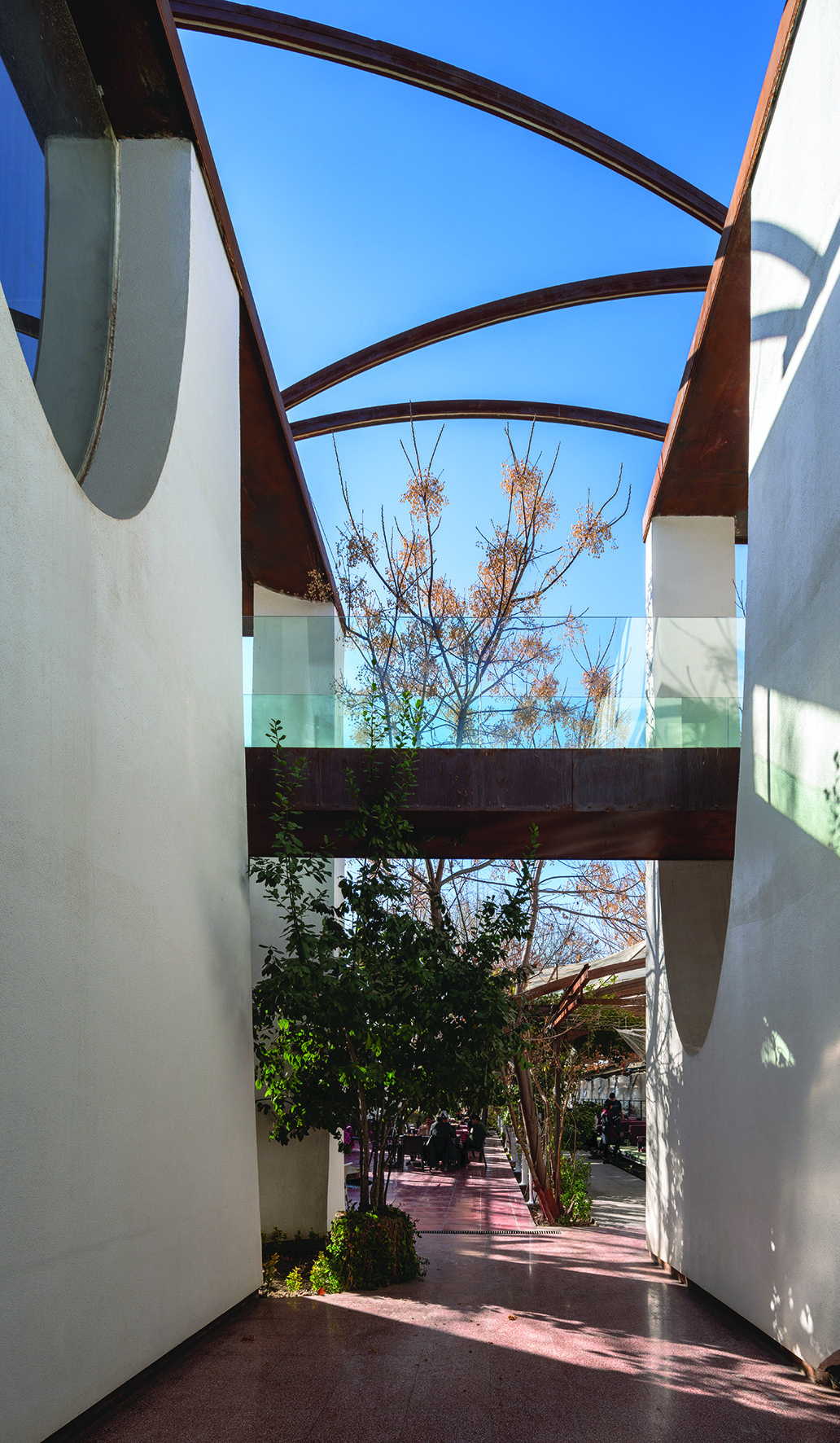
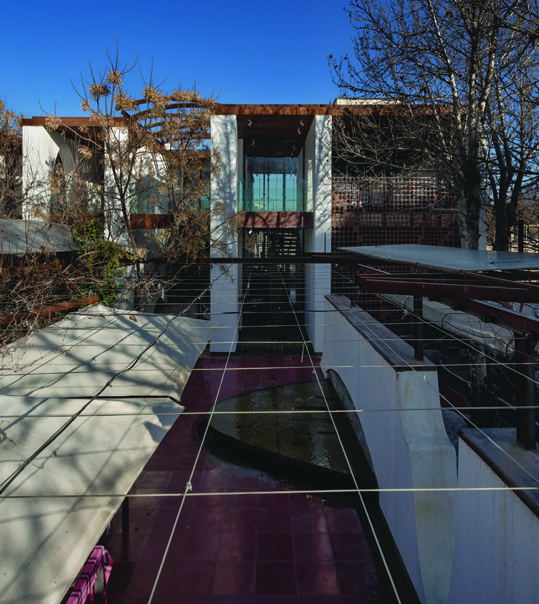
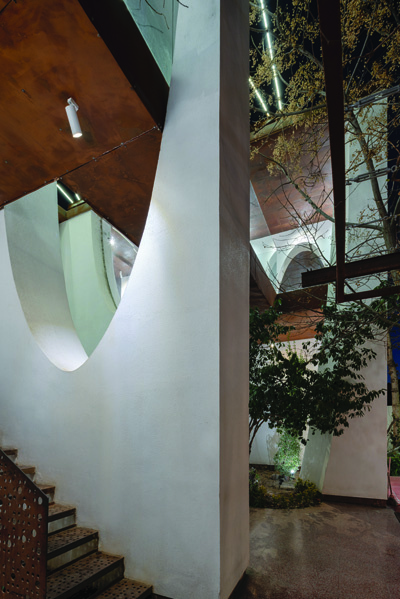
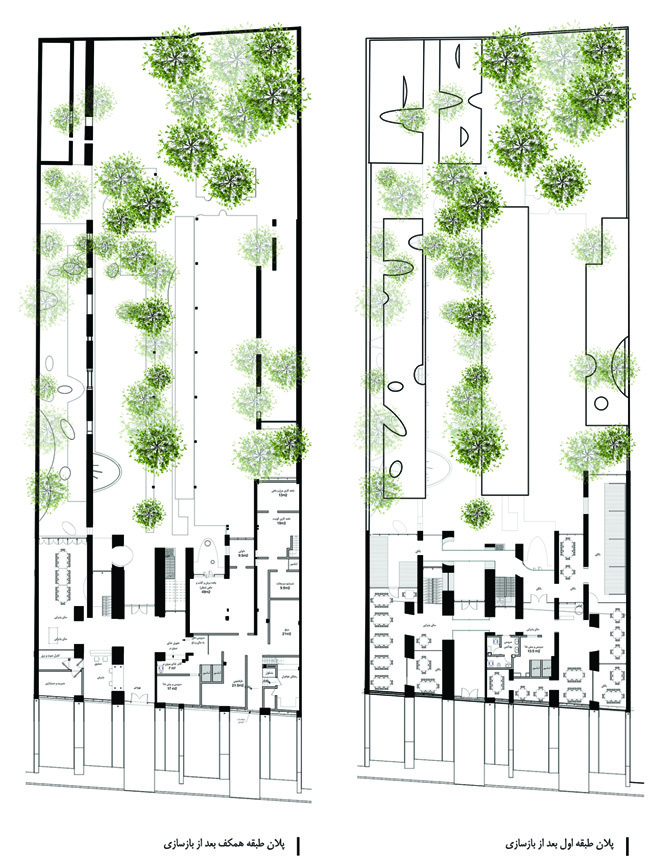
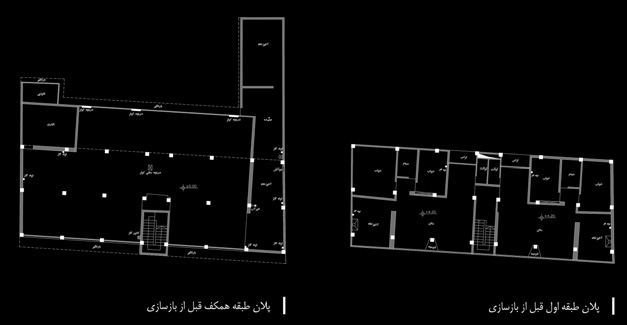
This two-story house with separate entrances per floor presented distinct dialogues. The client wanted to preserve the upper residential floor and use the basement for storing sculptures. Our office redefined the scenario: house and storage became unified content, the storage transformed into a gallery, and the project was named "Home Gallery." The answer to creating desirable space lies in how Iranian houses gift their residents: water pools, trees, and pleasant air. The exterior follows its context with calm simplicity, while the interior is energetic and vibrant.
04
Location: Dorcheh, Zayandeh Rud riverbank, Isfahan · Built area: 560 m² · Site area: 2,380 m² · Photo: Deed Studio
Mohammad Kebab, Isfahan
LP Office — Elham Geramizadeh Naeini, Ehsan Hosseini
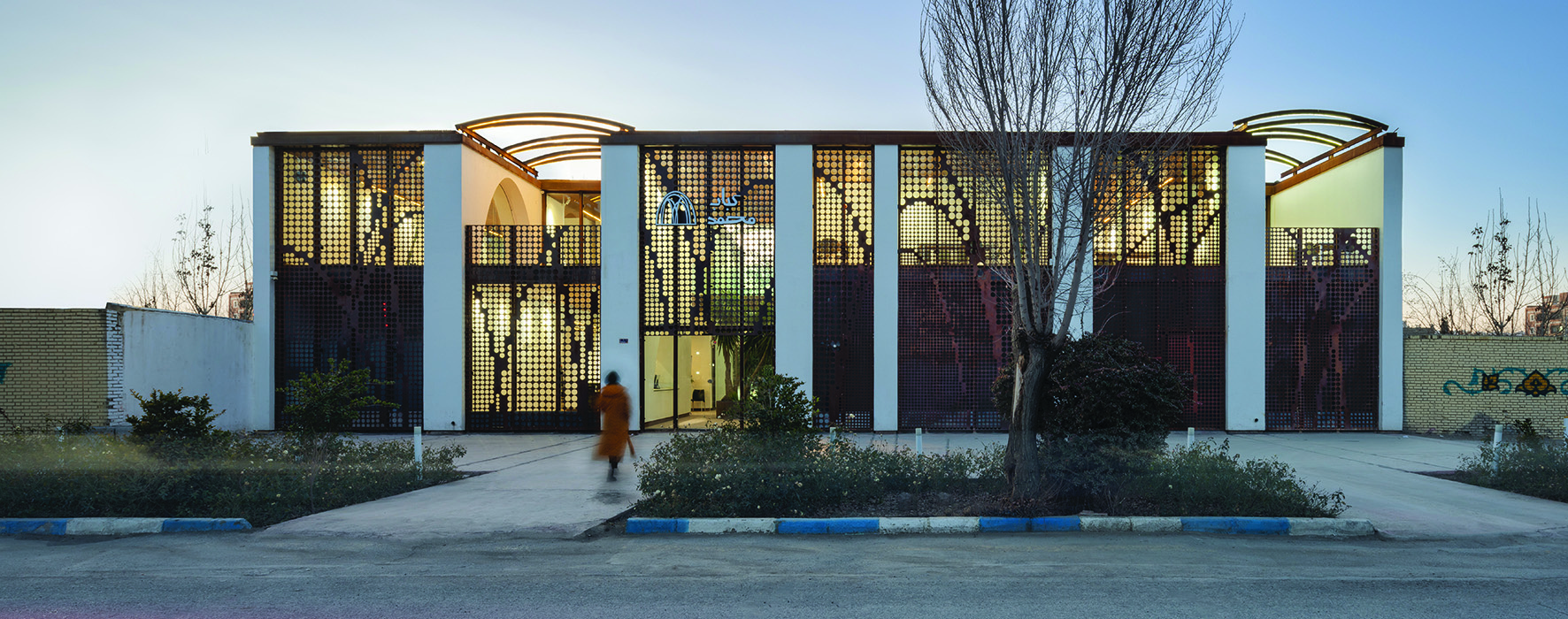
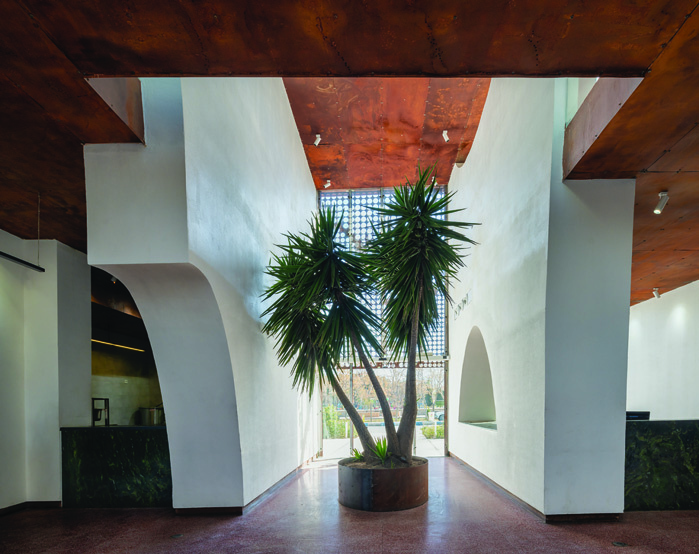
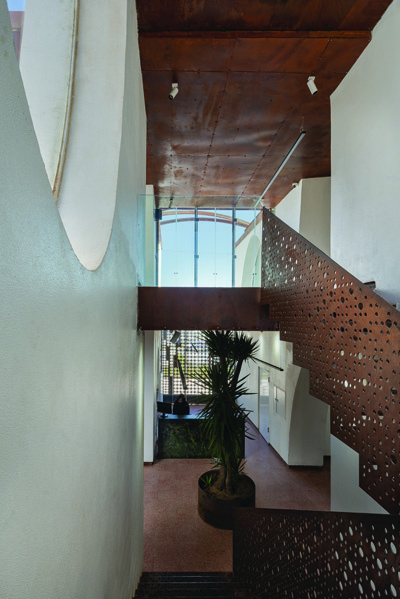
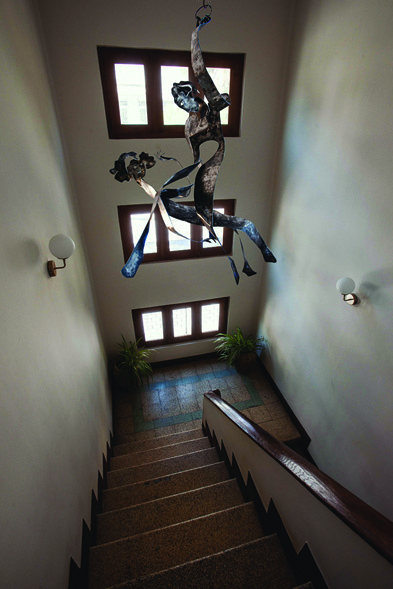
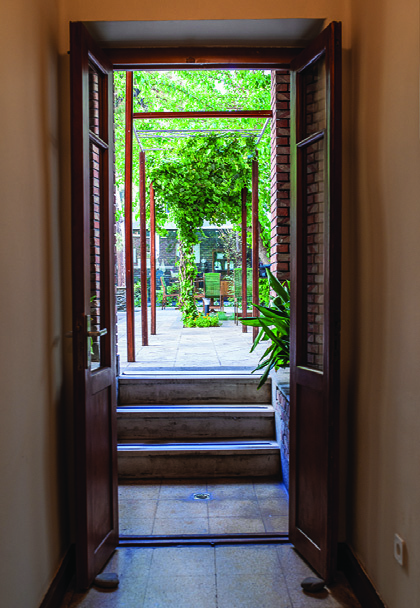
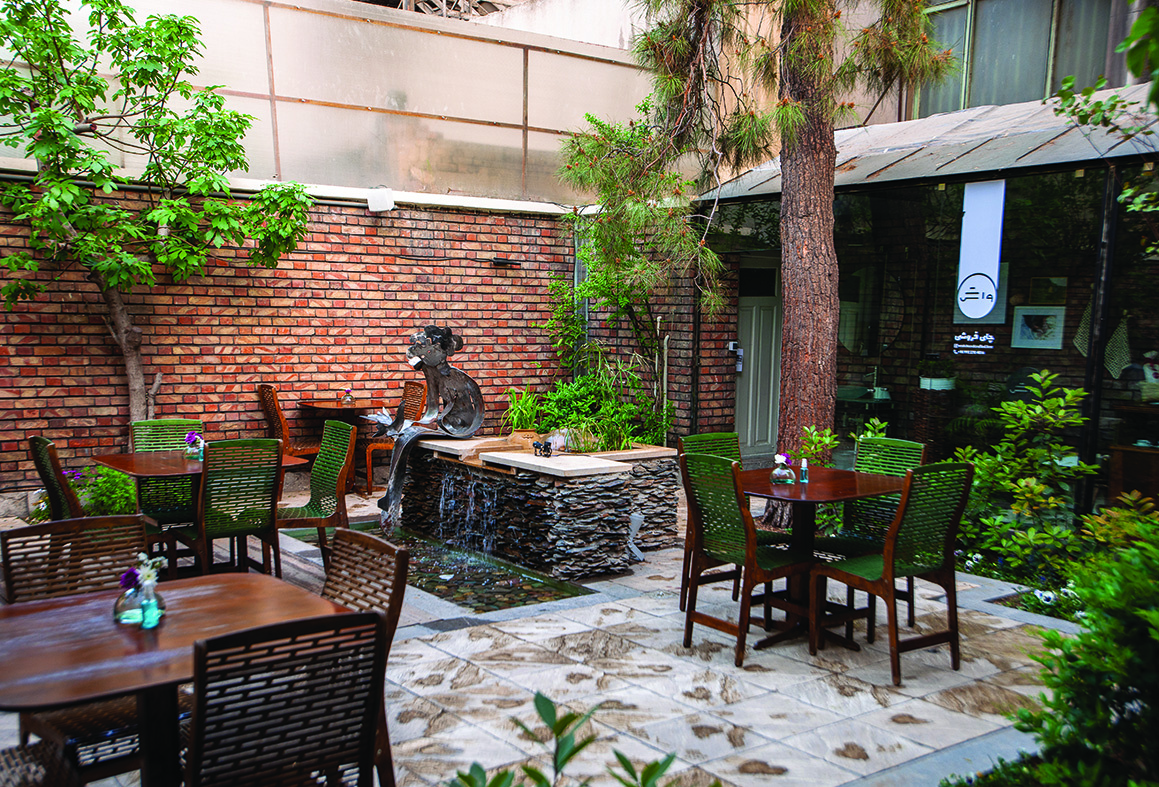
Mohammad Kebab is one of Isfahan's oldest and most beloved kebab houses, cherished for its food, location, and charming garden. The two-story building at the garden entrance had only served as a passage for years. Despite its unparalleled riverside position, nobody wanted to sit in its dreary interior. We demolished the walls and drew piers extending toward the garden to stitch the riverbank to the garden. The building became a transparent layer between garden and river — made of thick piers yet transparent like a curtain — so people could experience the garden quality with a river view.
05
Location: Karimkhan Zand Street, Kheradmand South Street, Tehran · Built area: 340 m² · Site area: 300 m²
Iraj Zand Foundation Building, Tehran
Sayeh Barimani
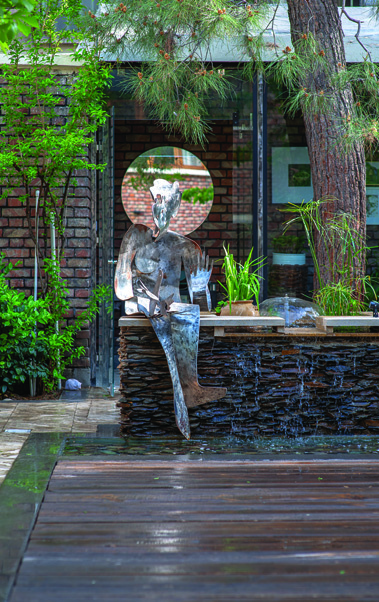
After Iraj's departure, we decided to establish a foundation in his name — a place that preserves his works and transmits his innovative spirit. Guided by Iraj's "Woman and Bird" sculpture, the courtyard became the center of life. Plants reminding of changing seasons were preserved and planted. The pool was covered for level movement, with two small water features added. A greenhouse at the courtyard's end recalls the greenery of spring during autumn. The design idea was the spirit of space in four seasons.
06
Location: Zob Ahan Road, Kelishad, Isfahan · Built area: 160 m² · Site area: 50,000 m² · Photo: Ehsan Hajirasuliha
Kelishad Farm, Isfahan
Se-Baer Studio — Adib Iravani, Mohsen Khazdooz
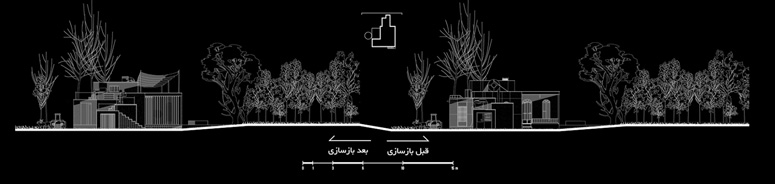
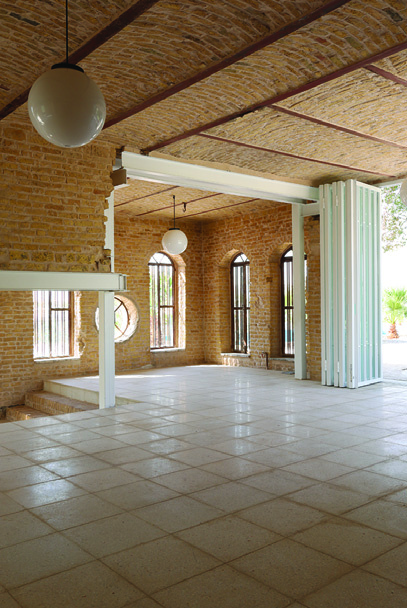
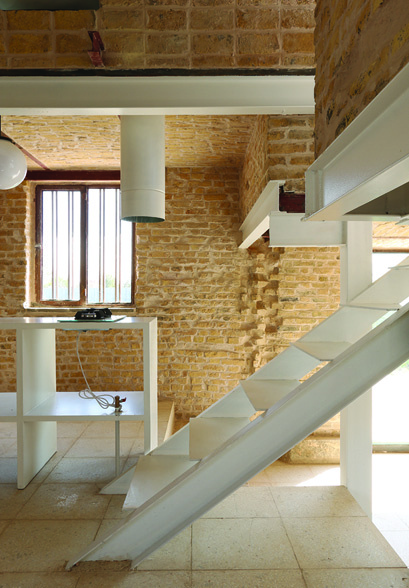
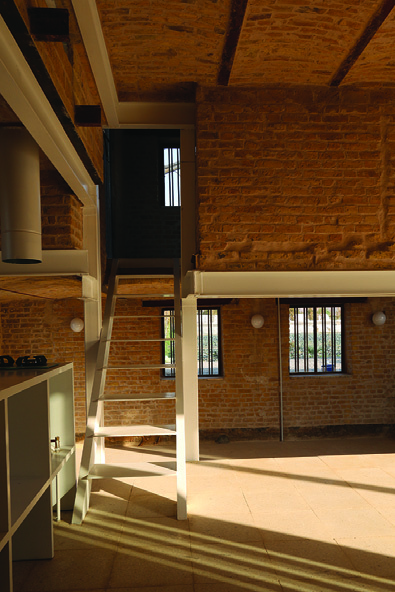
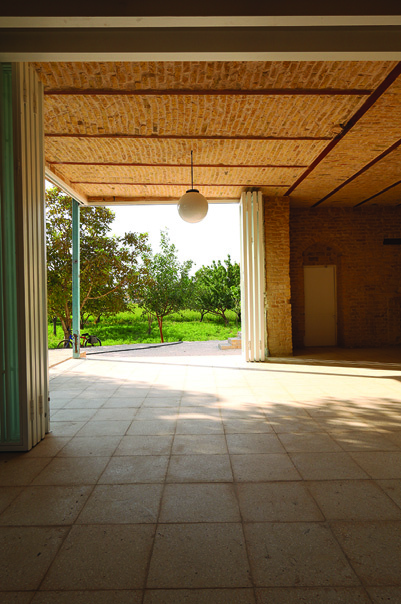
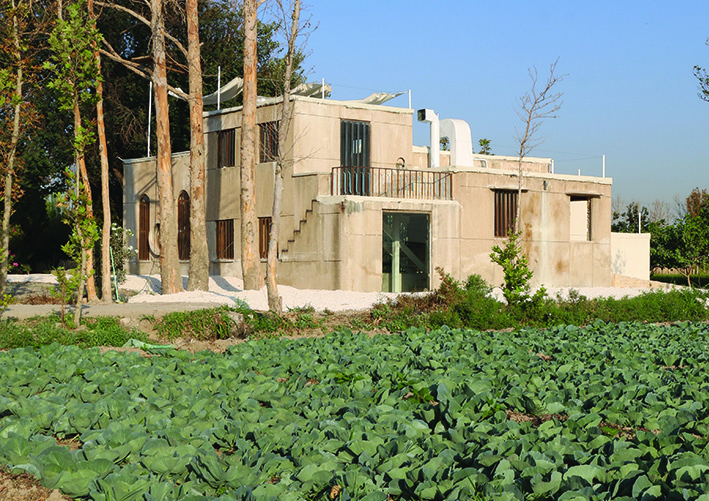
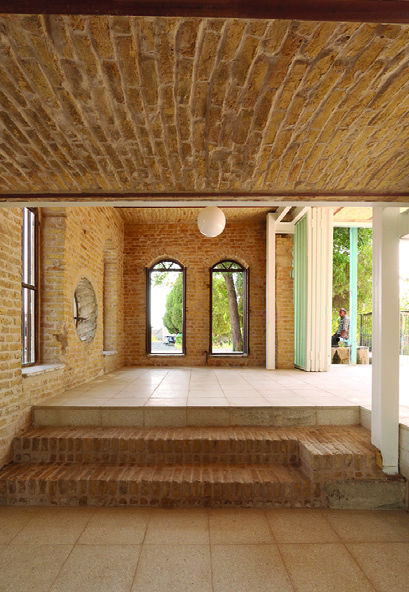
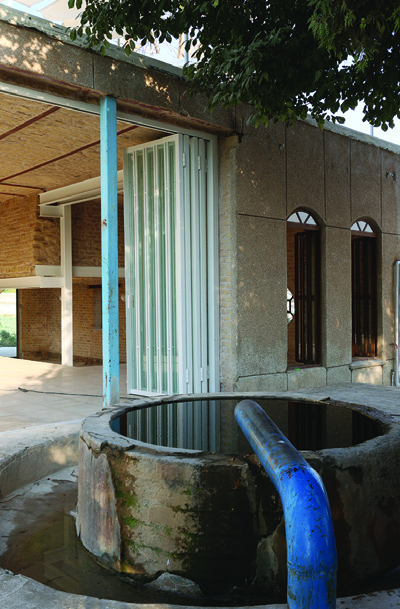
Built in 1969 on a 50-hectare farm south of Zayandeh Rud, this garden house had become abandoned over the years. Following three principles — reduce, reuse, recycle — we inserted a new steel structure inside the building to remove some load-bearing walls and transform separate rooms into interconnected spaces. Decayed plaster was scraped to reveal the building's tectonics. Outside, brick platforms and stairs created surfaces for public interaction with the farm. Inside, fully openable windows blended interior and exterior. On the facade, unnecessary additions were removed and corrected using our materials palette.
Aysan Furniture Showroom, Shiraz
Moshir Atelier — Mojtaba Hooshangian Shirazi
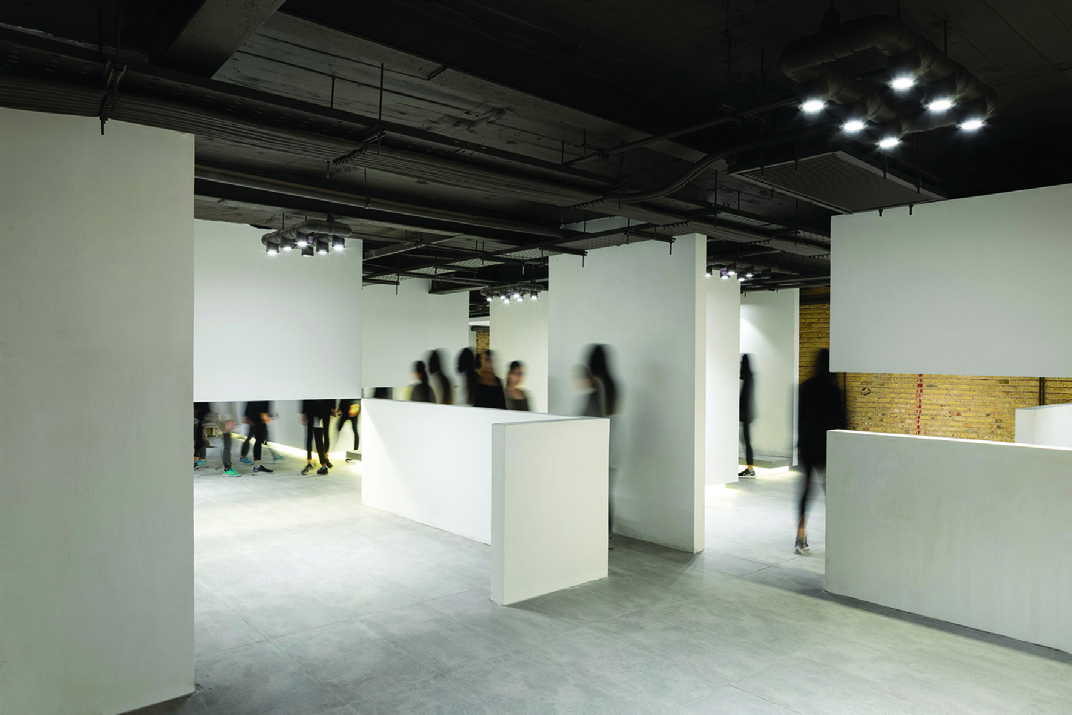
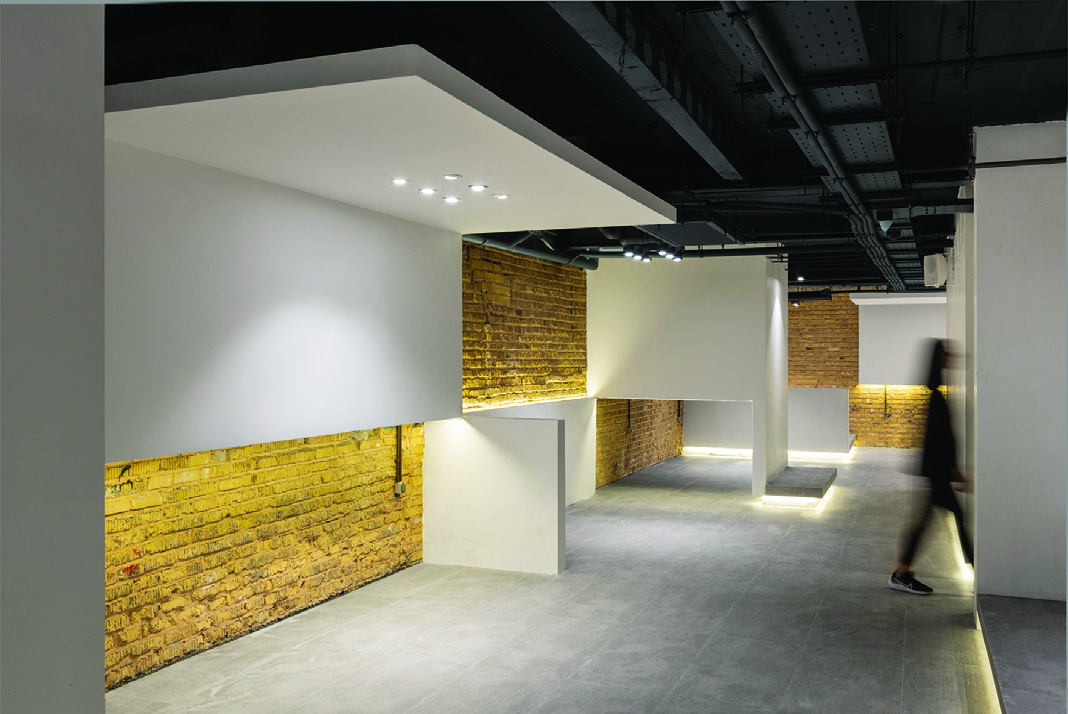
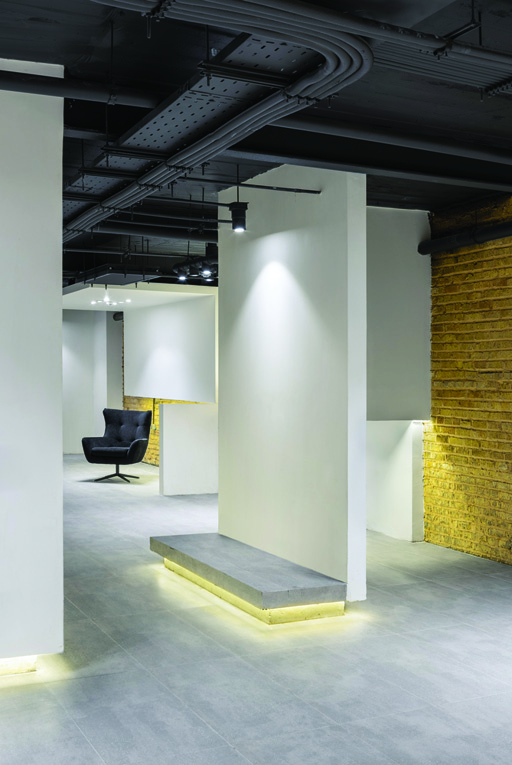
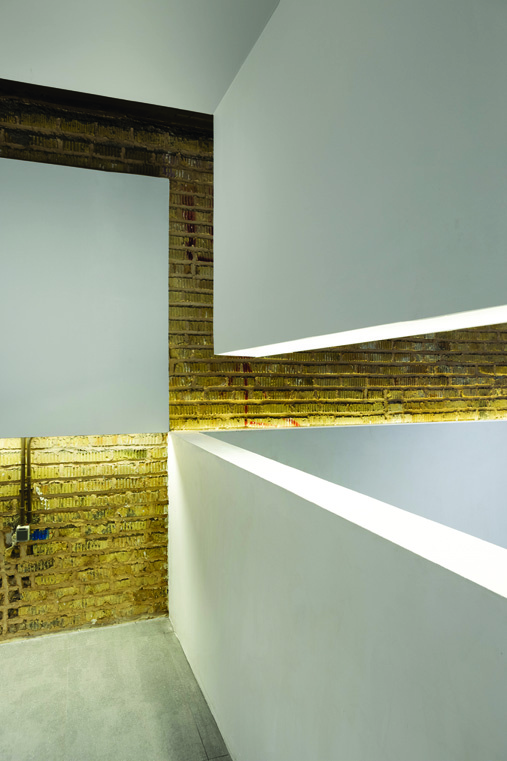
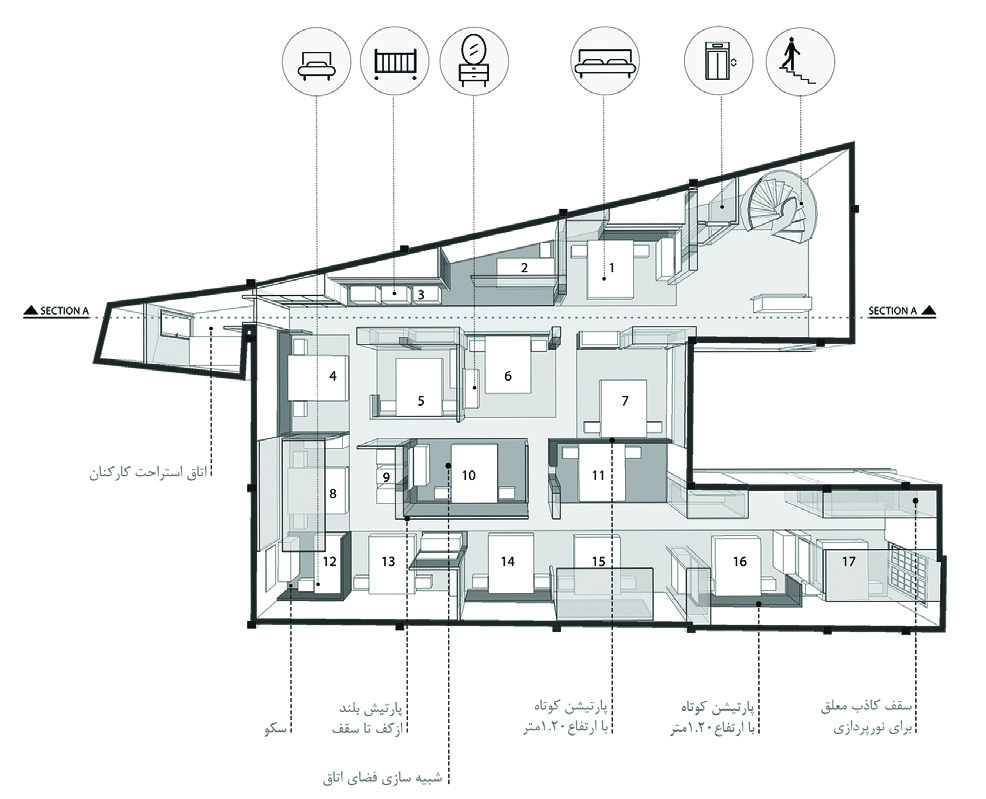
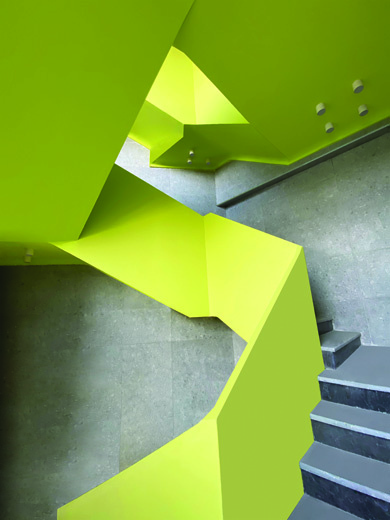
This project converts a bodybuilding gym into a furniture showroom in a 400-square-meter basement. A simple background in color and form serves as an appropriate setting for any furniture displayed. To create depth and encourage visitor discovery, folded panels replace conventional partitions. The furniture's nature allowed the designer to cut the space at a hypothetical 120-cm sight line: some dividing panels above and others below, creating alternating solid and void areas that draw visitors along a planned path without monotony.
08
Location: Moallem Square, Shiraz · Built area: 6,550 m² · Site area: 1,100 m² · Photo: Arash Akhtaran
Sama Medical Complex, Shiraz
Grid Architecture Office — Mina Saadatfard, Ali Arzaghi
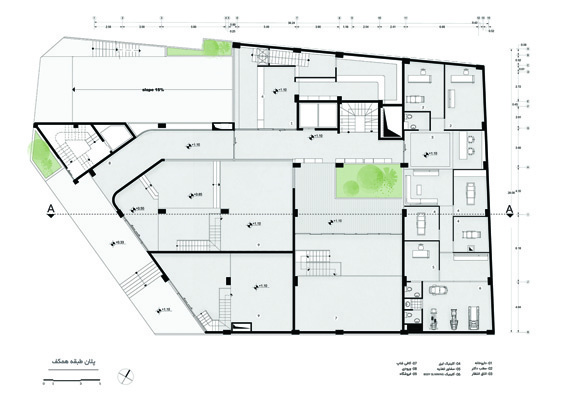
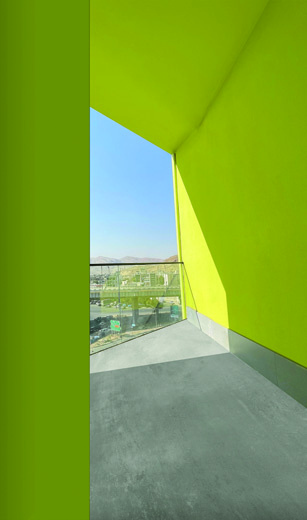
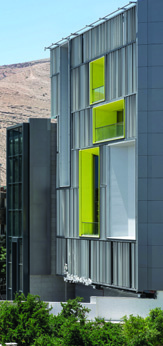
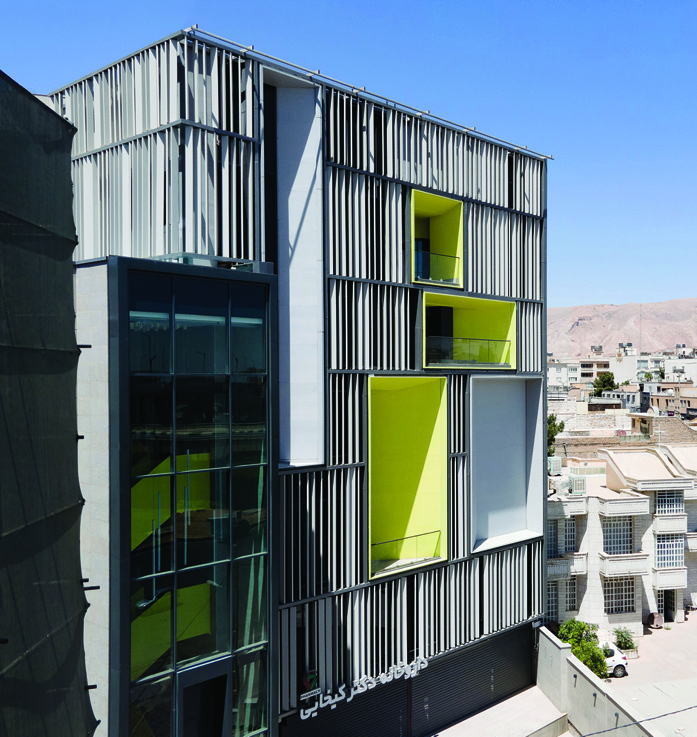
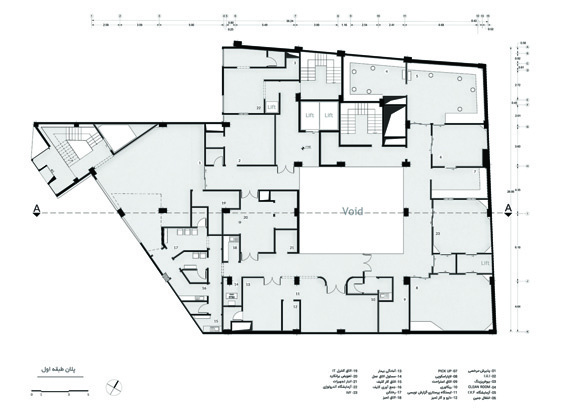
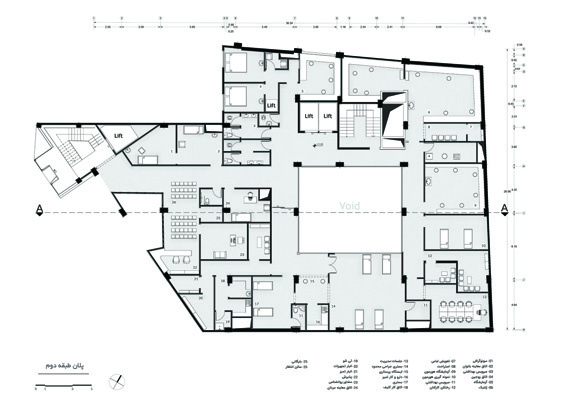
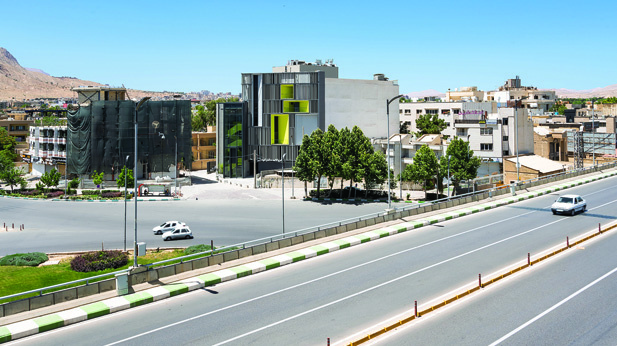
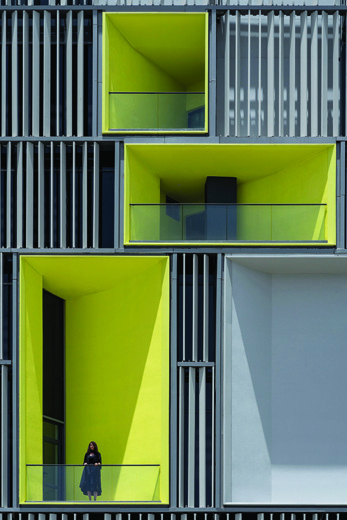
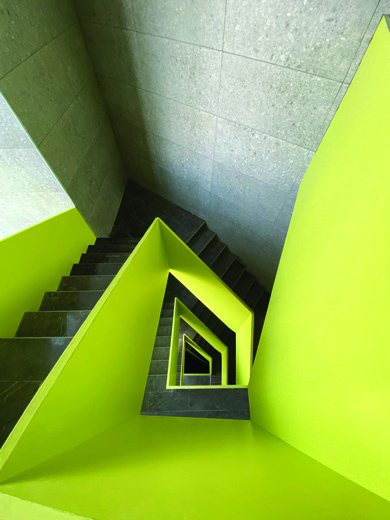
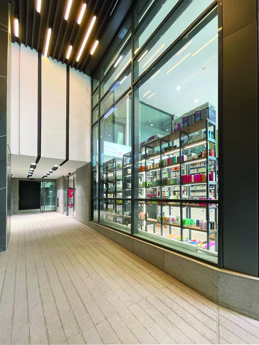
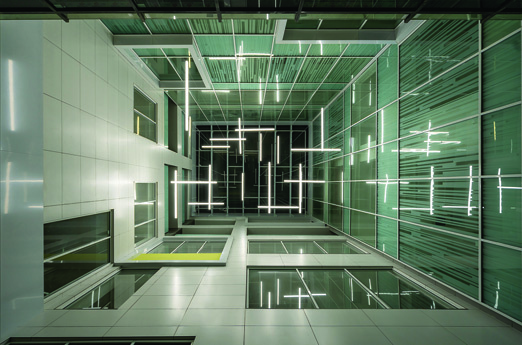
The project began as a medical complex centered on an infertility clinic. Located at a busy intersection (Moallem Square), the building's boundary has a 45-degree rotation relative to the main road. By pushing public spaces to the building's edge, deep angled voids are created relative to pedestrian and vehicular sight lines. Floors are organized around a central atrium due to density and a single light-receiving facade. The double-skin facade moderates southwest sun while adding depth. Color on a neutral background emphasizes the project's active connection with the cityscape.