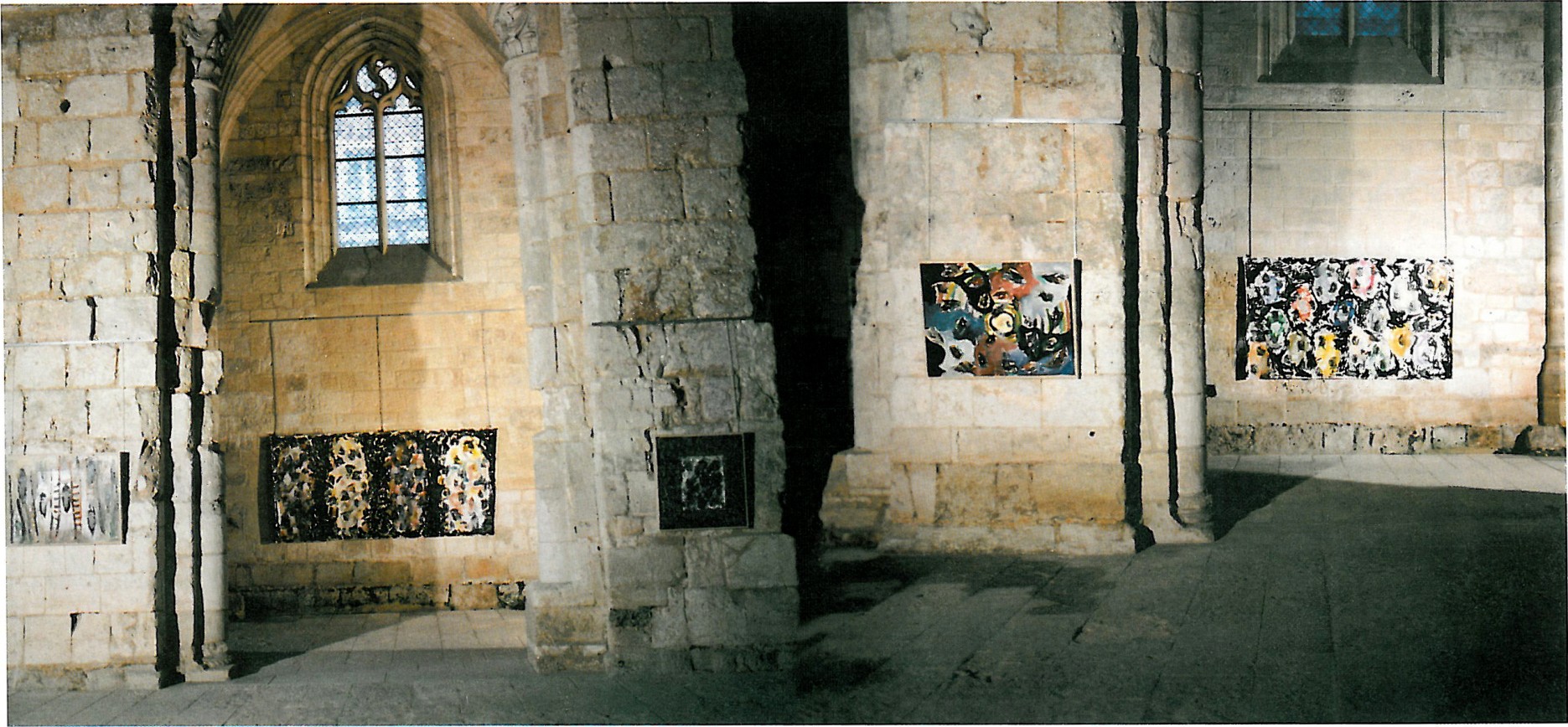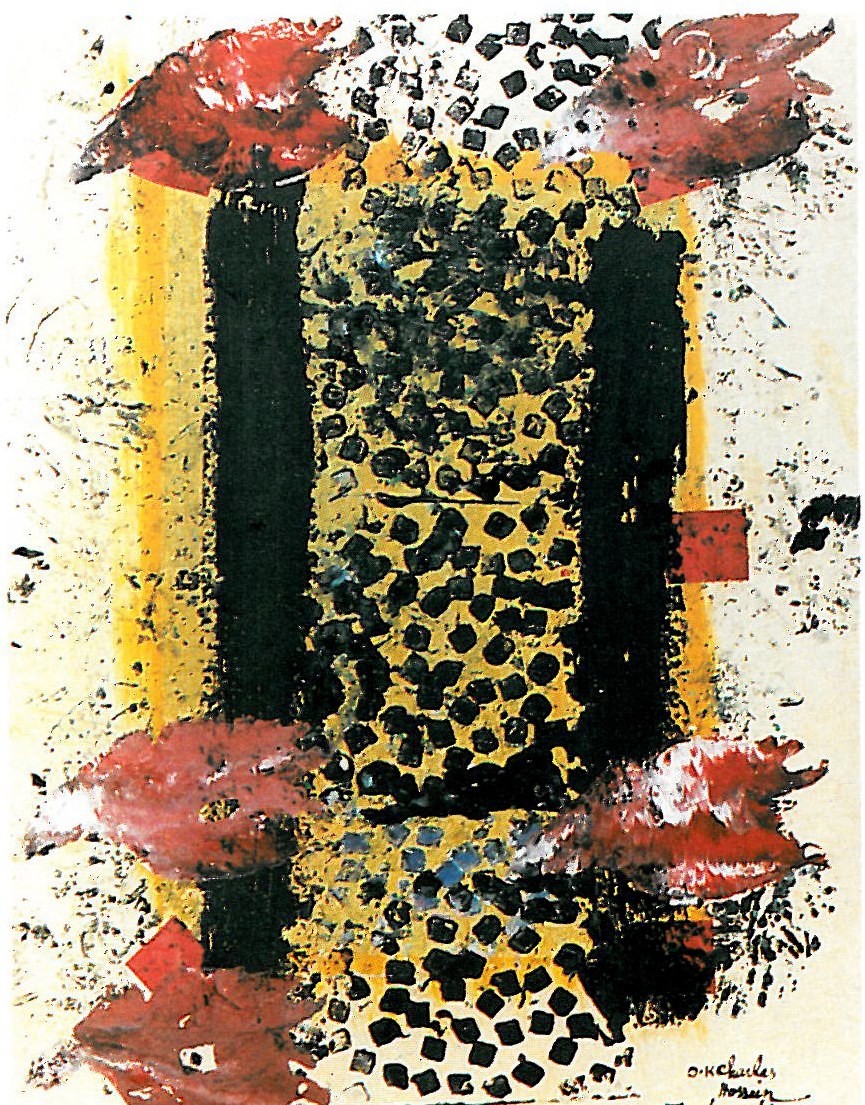
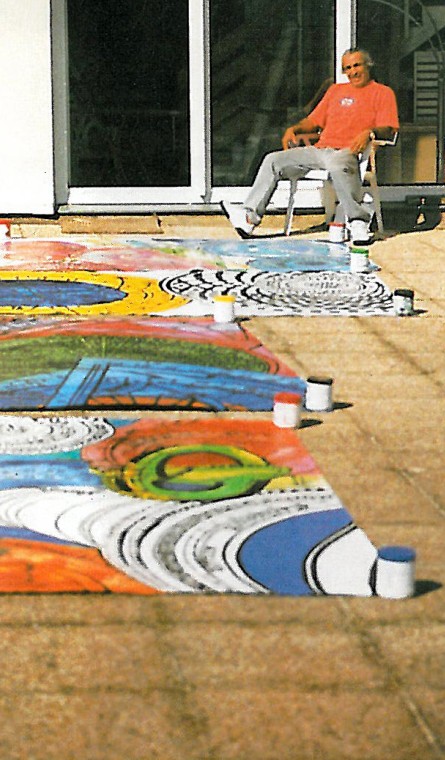
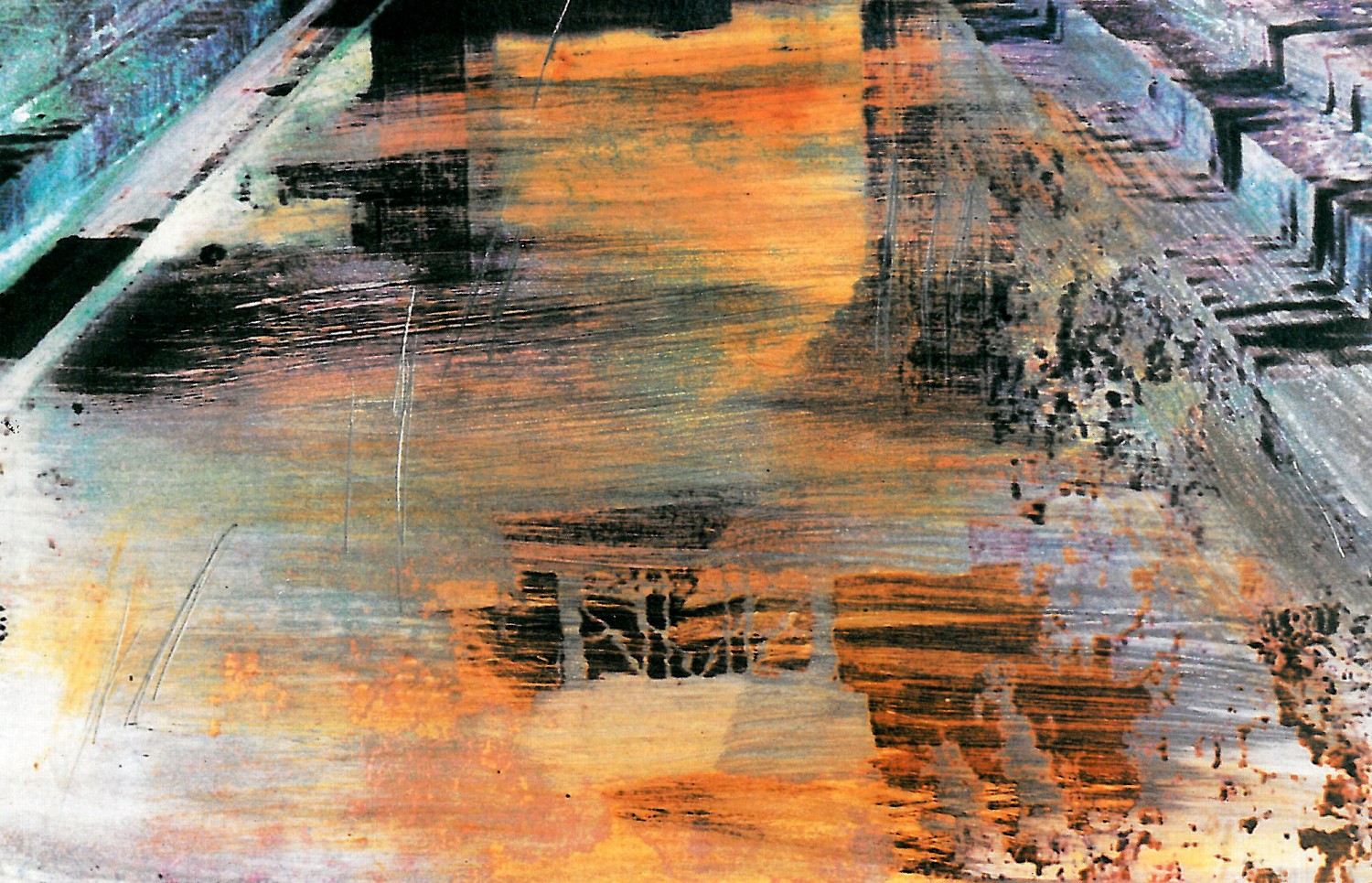
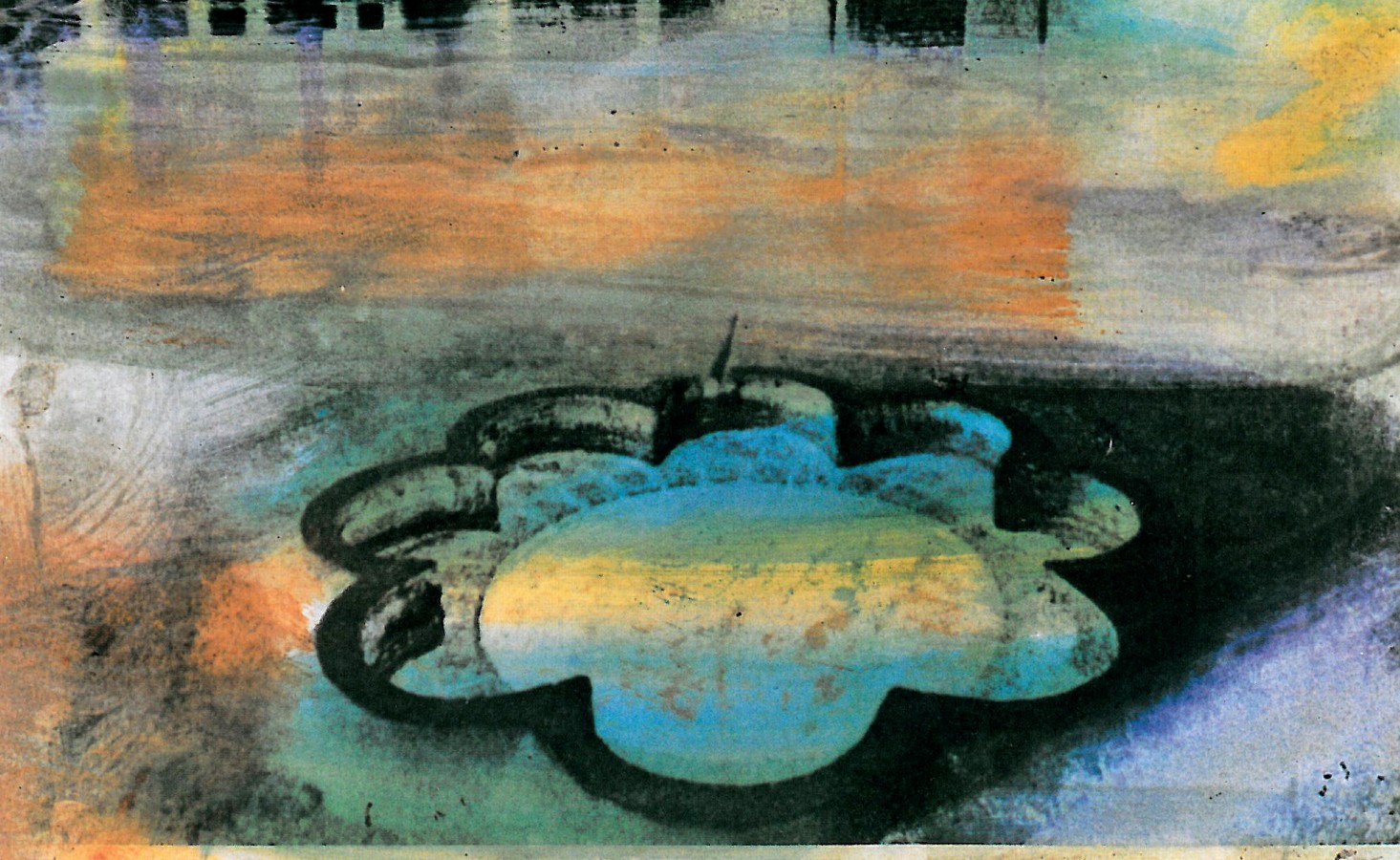
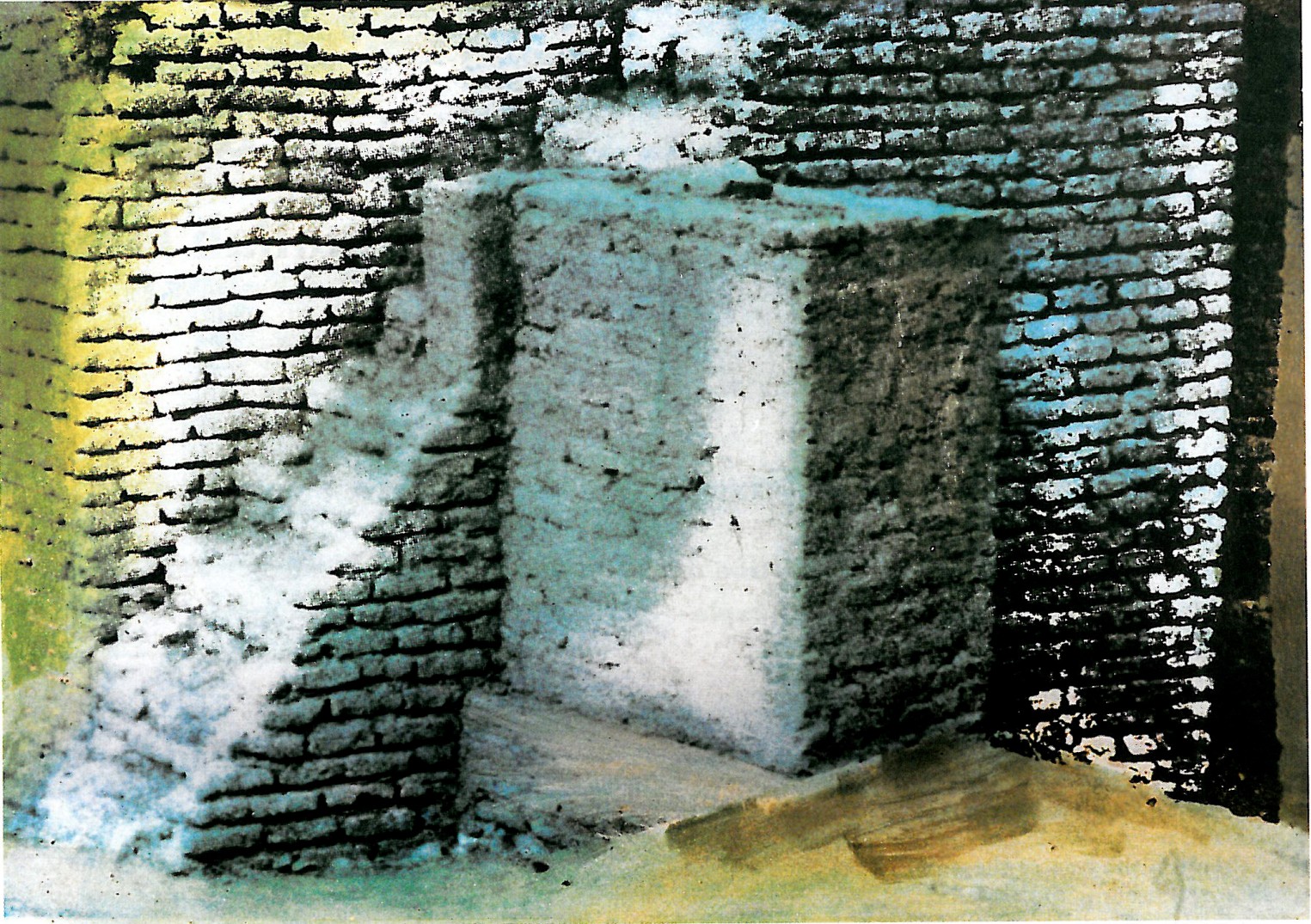
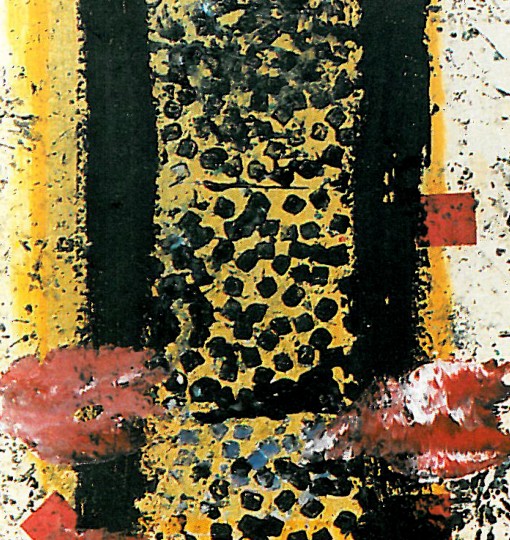
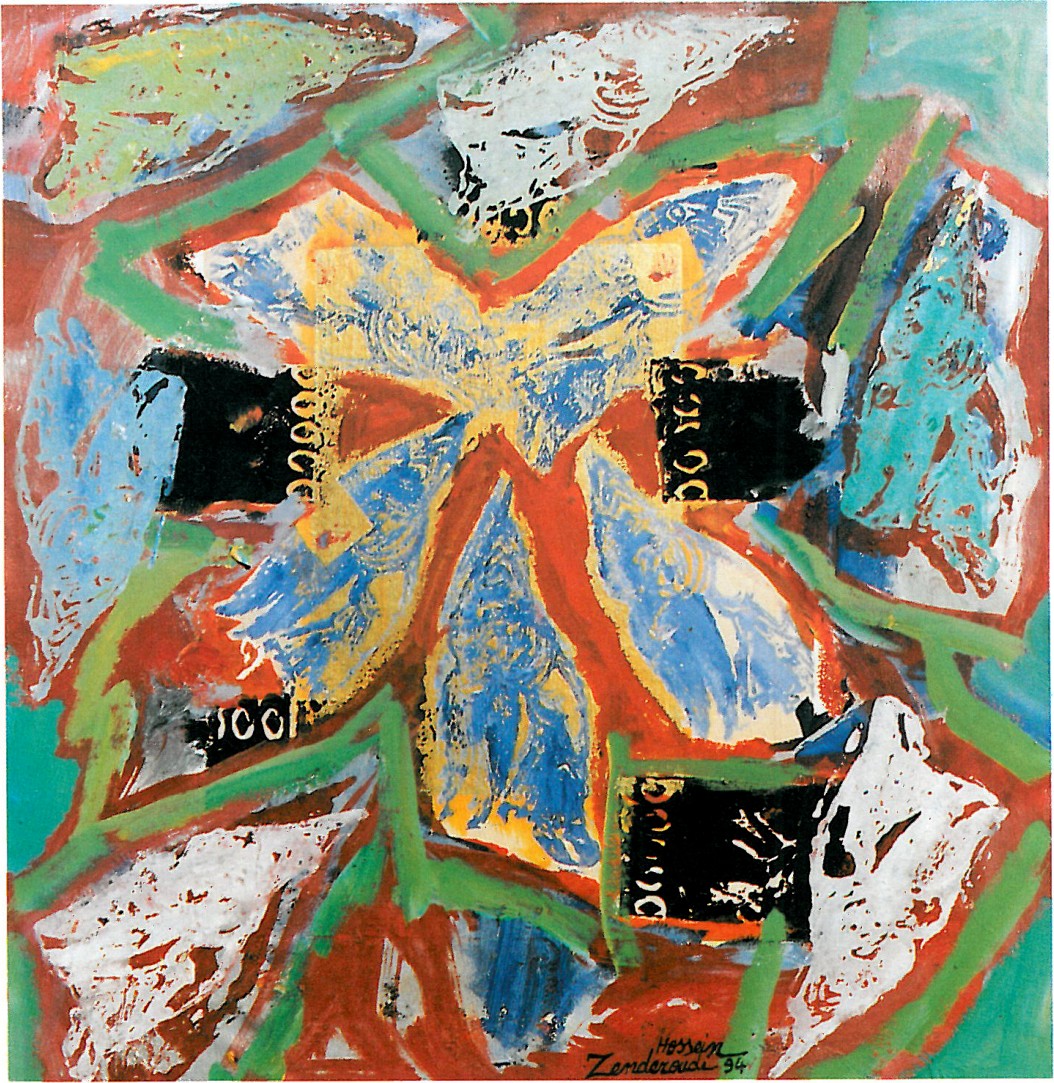
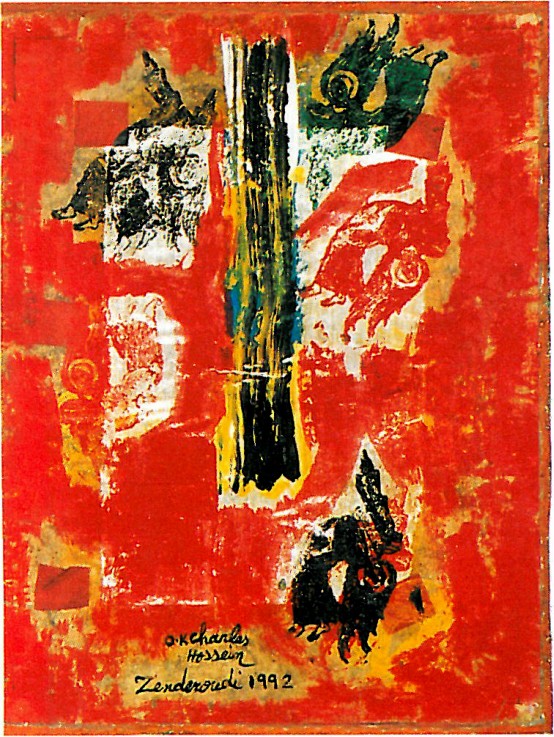
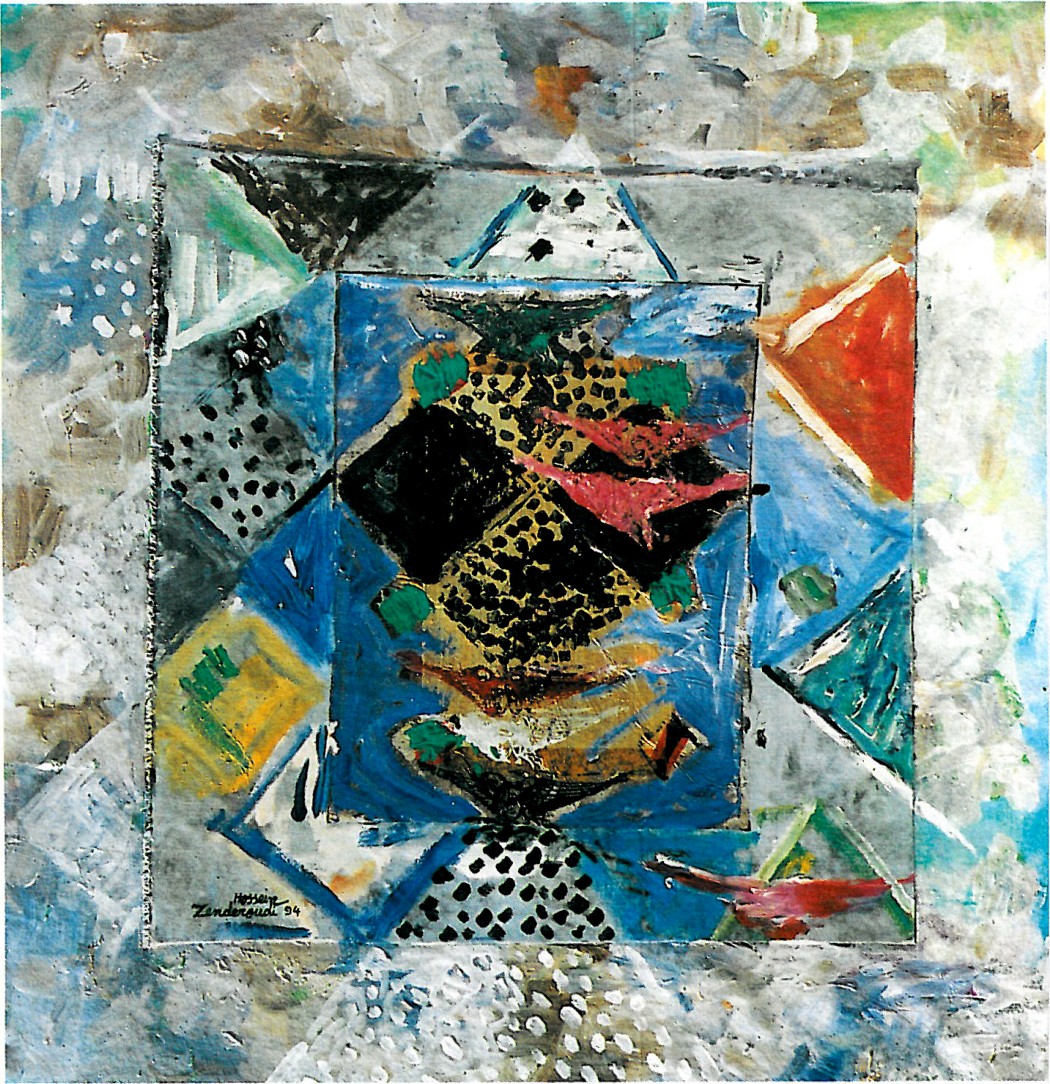
Huge paintings covered all over with signs or angel like creatures, paper canvasses that open towards strange scenarios, Zenderoudi, in his recent works diffuses spaces with complicated reflections. He uses contradictory materials — acrylic, paint and oil, charcoal pencil, pictures — without giving priority to one over the other. Zenderoudi has cooperated with several architects throughout the world to fulfill orders for public and private works.
Zenderoudi is capable of bringing together the context and embodiment traditions with operations quite contradictory and in conformity with each other, because he has a heritage from the Iranian culture and is living in the context of western life. As he happens to be at the point of convergence of two worlds of thoughts, positively explains the basis of the modus operandi of Zenderoudi and also the attractiveness of his work during the last 40 years.
Below, you will be reading the text of ME’MAR’s conversation with Mr. Zenderoudi:
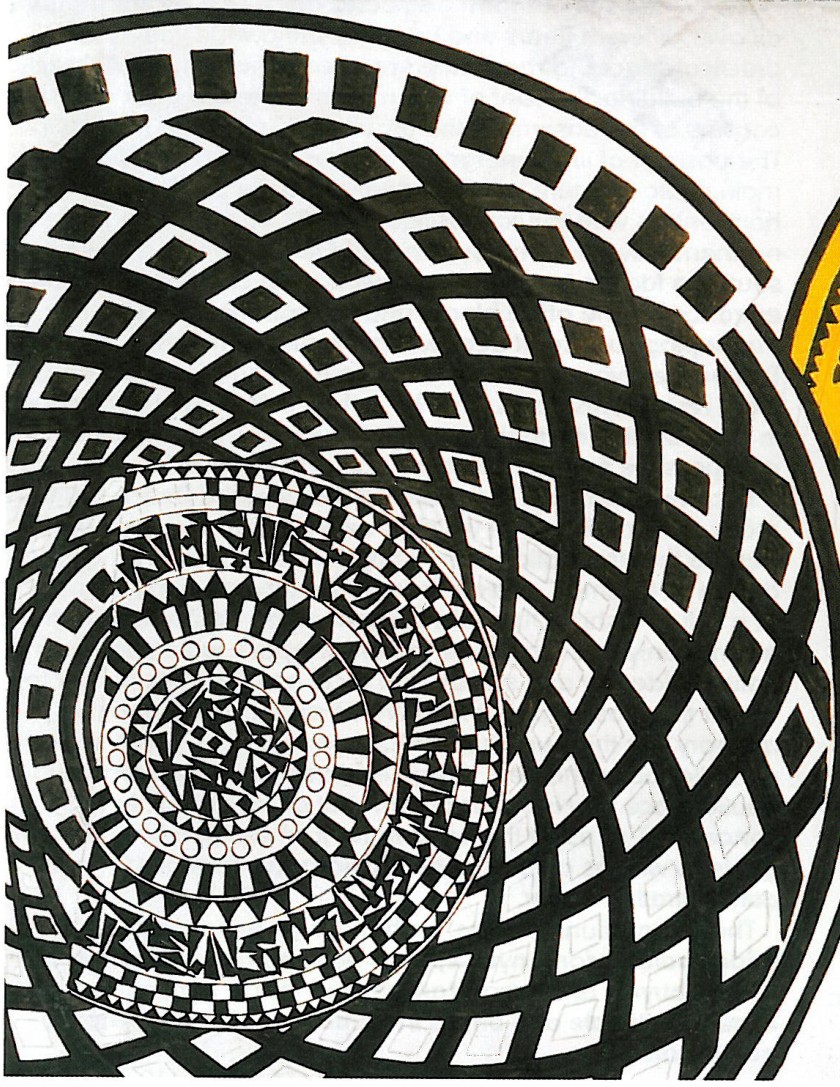
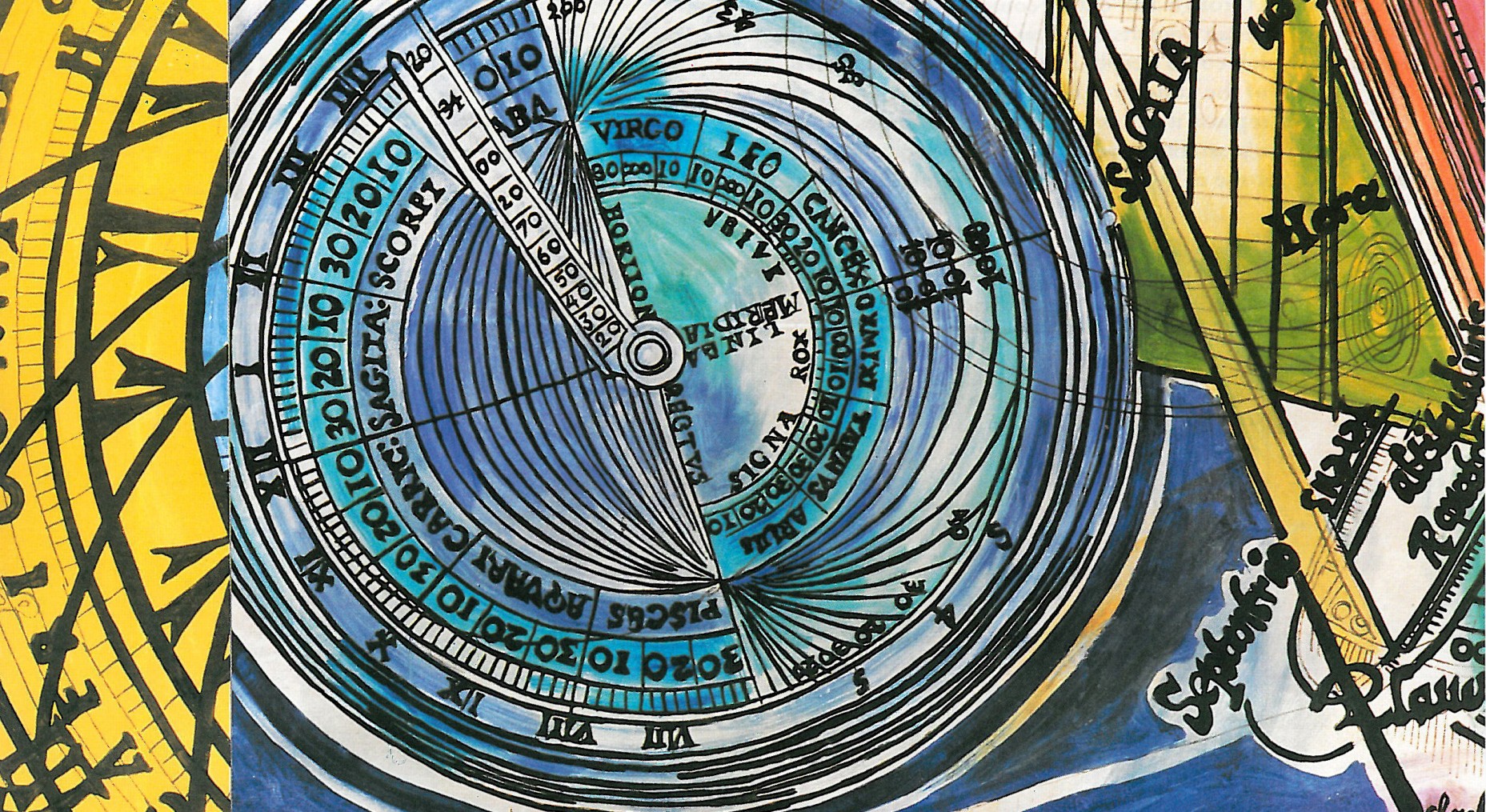
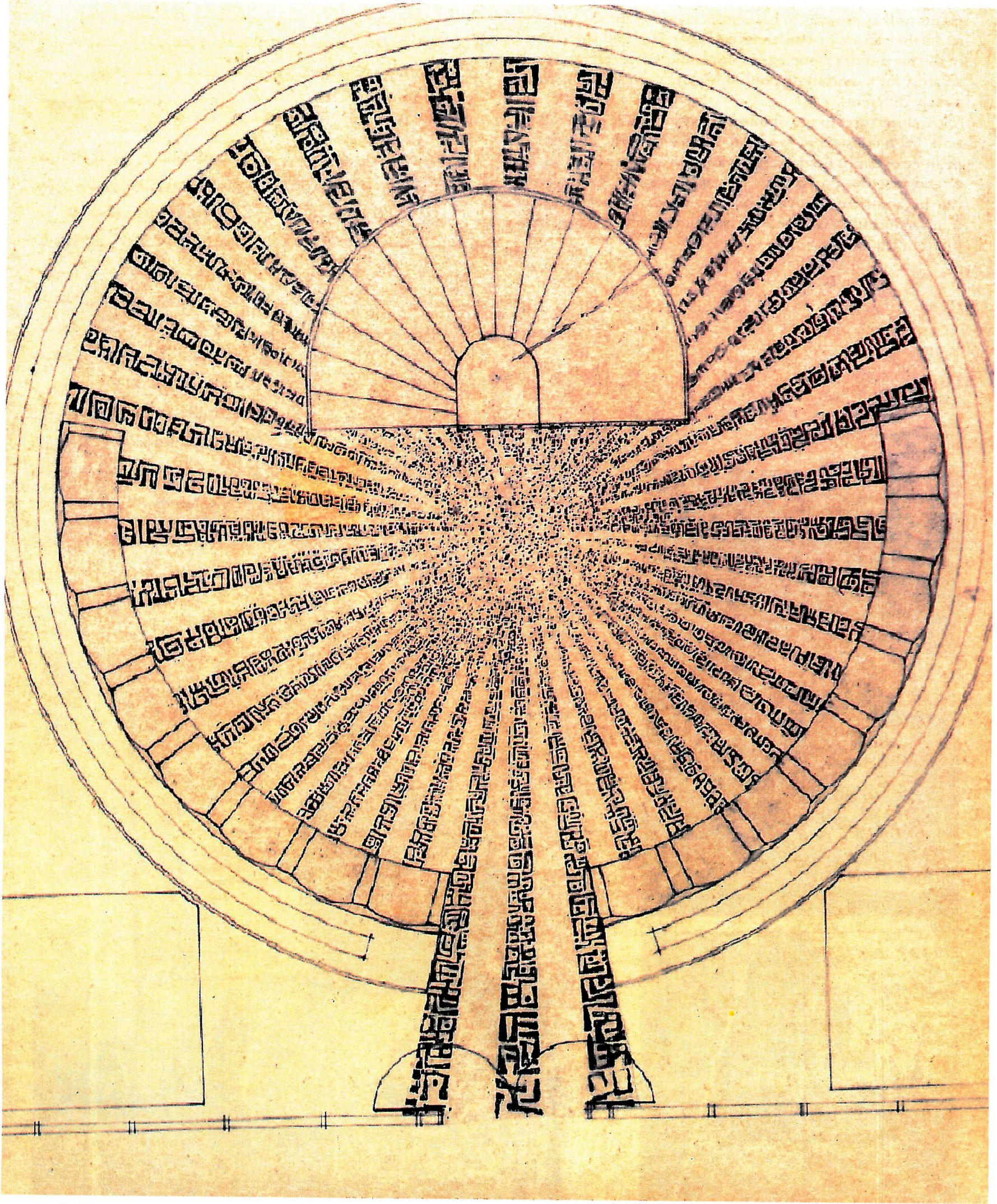
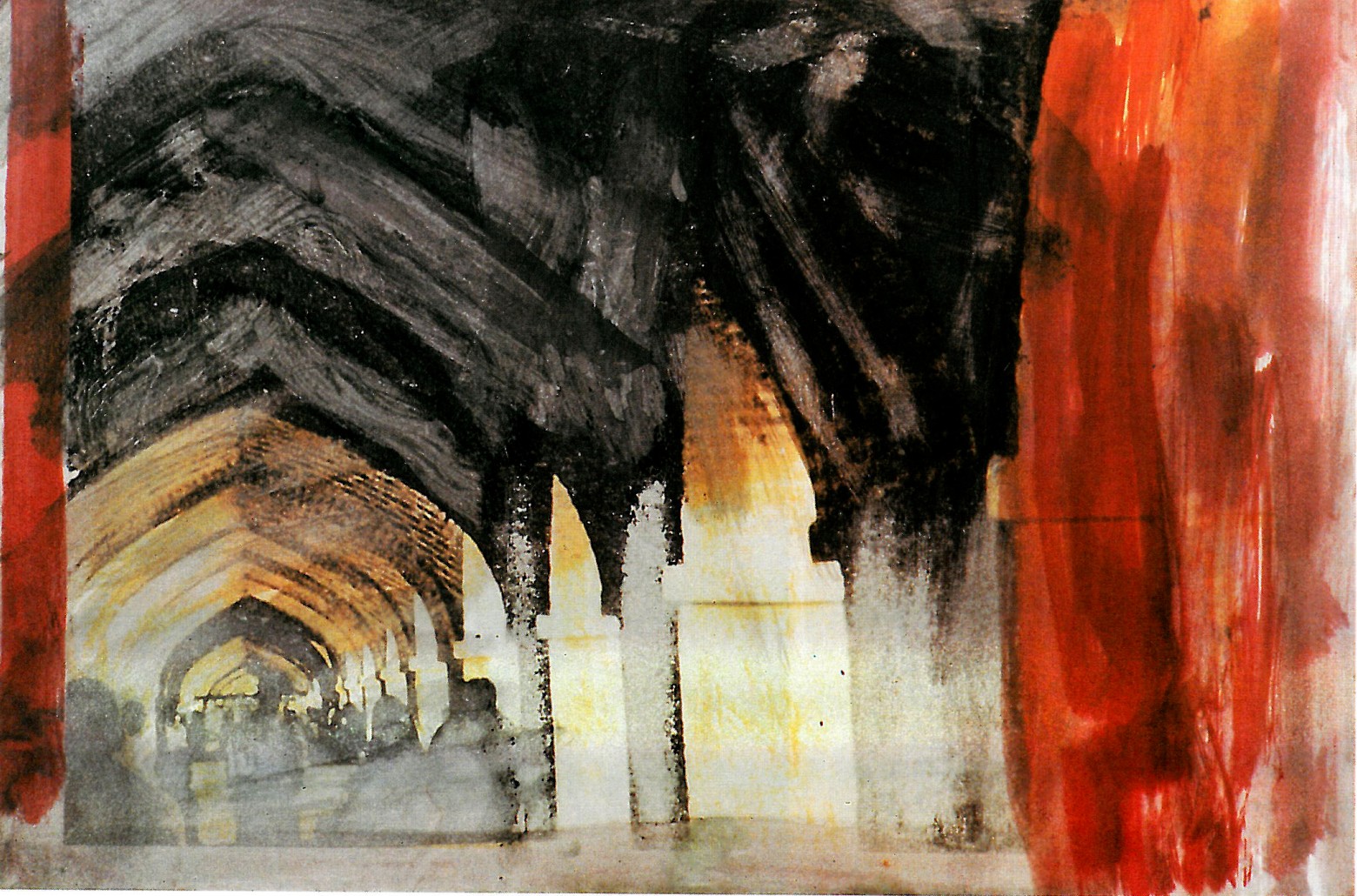
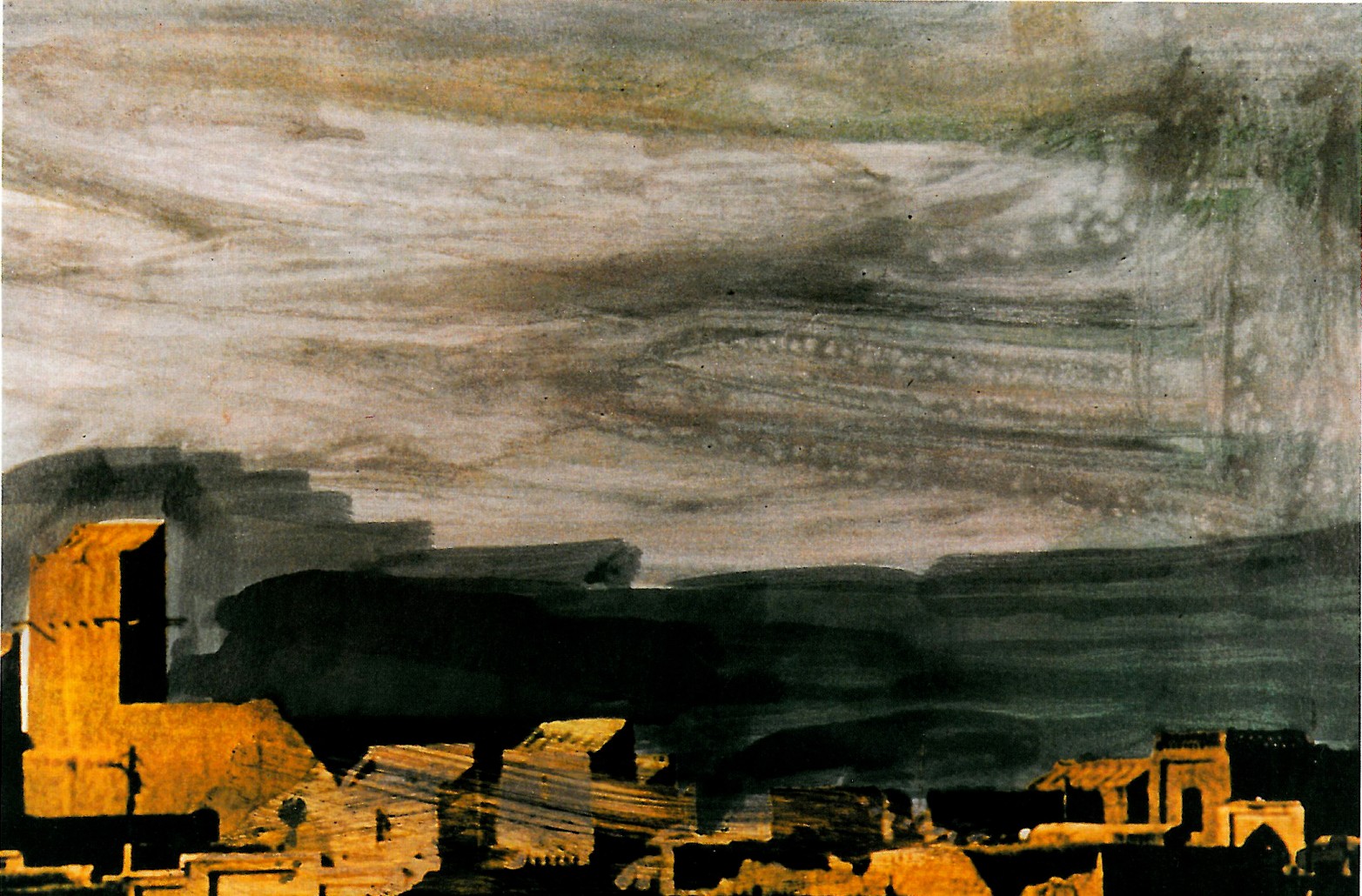
ME’MAR: The subject matter of structure and organization of space forms the basis and the central core of your creative work. This issue is quite clear as far as sculpture, composition of objects and installation in the architectural space is concerned. But in the latest issue of ME’MAR you had exhibited paintings which were covered with a constellations of names of the cities like stars in the sky, and you yourself said that those were ecological paintings.
Zenderoudi: In my opinion, no breakage or rupture exists in the space. Space, be it natural, civic, heavenly or earthly, is always a space; and I pin my eyes on it, create a space — and space is life.
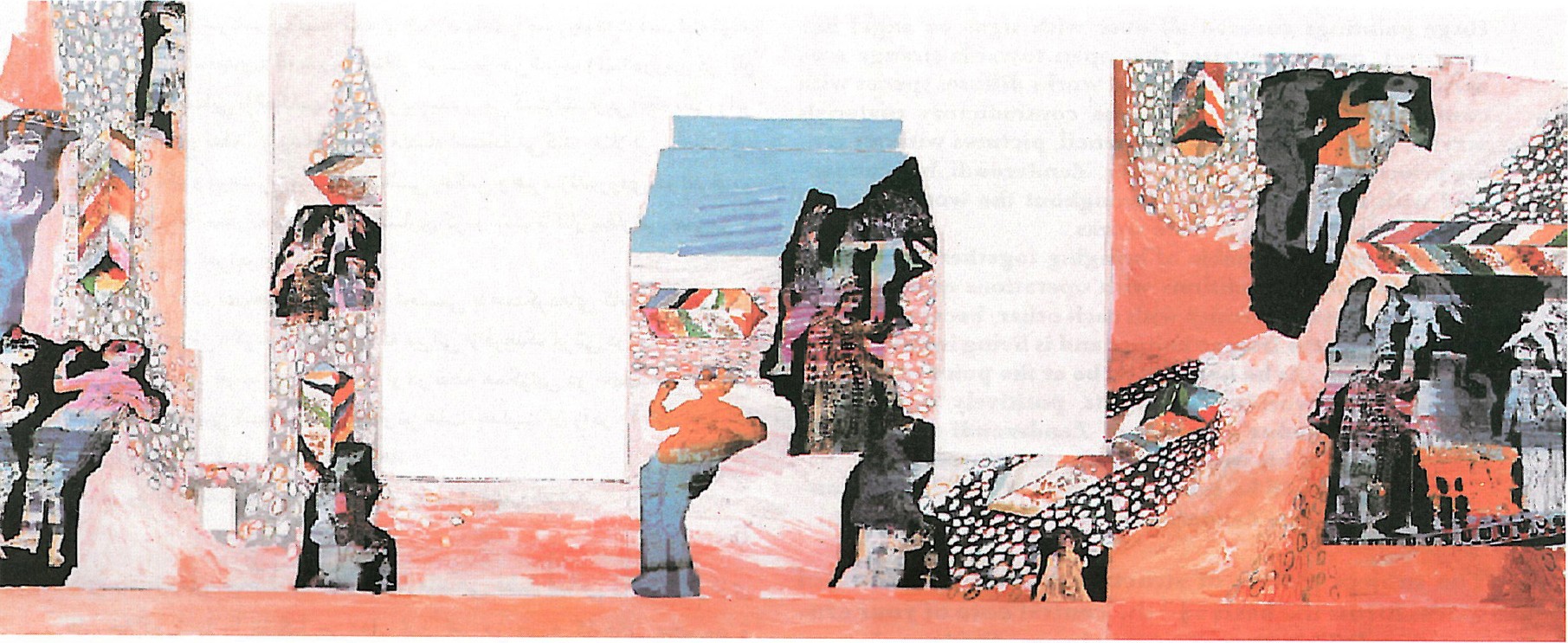
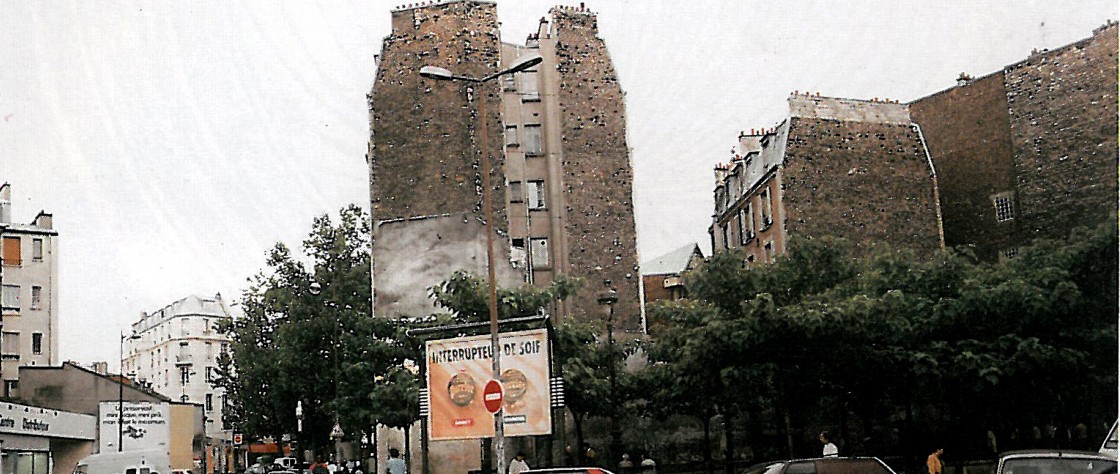
ME’MAR: Why is the subject of city so interesting to you?
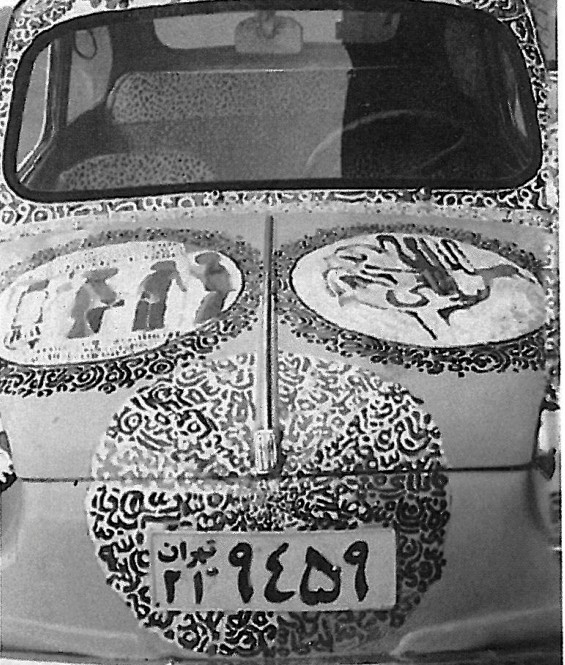
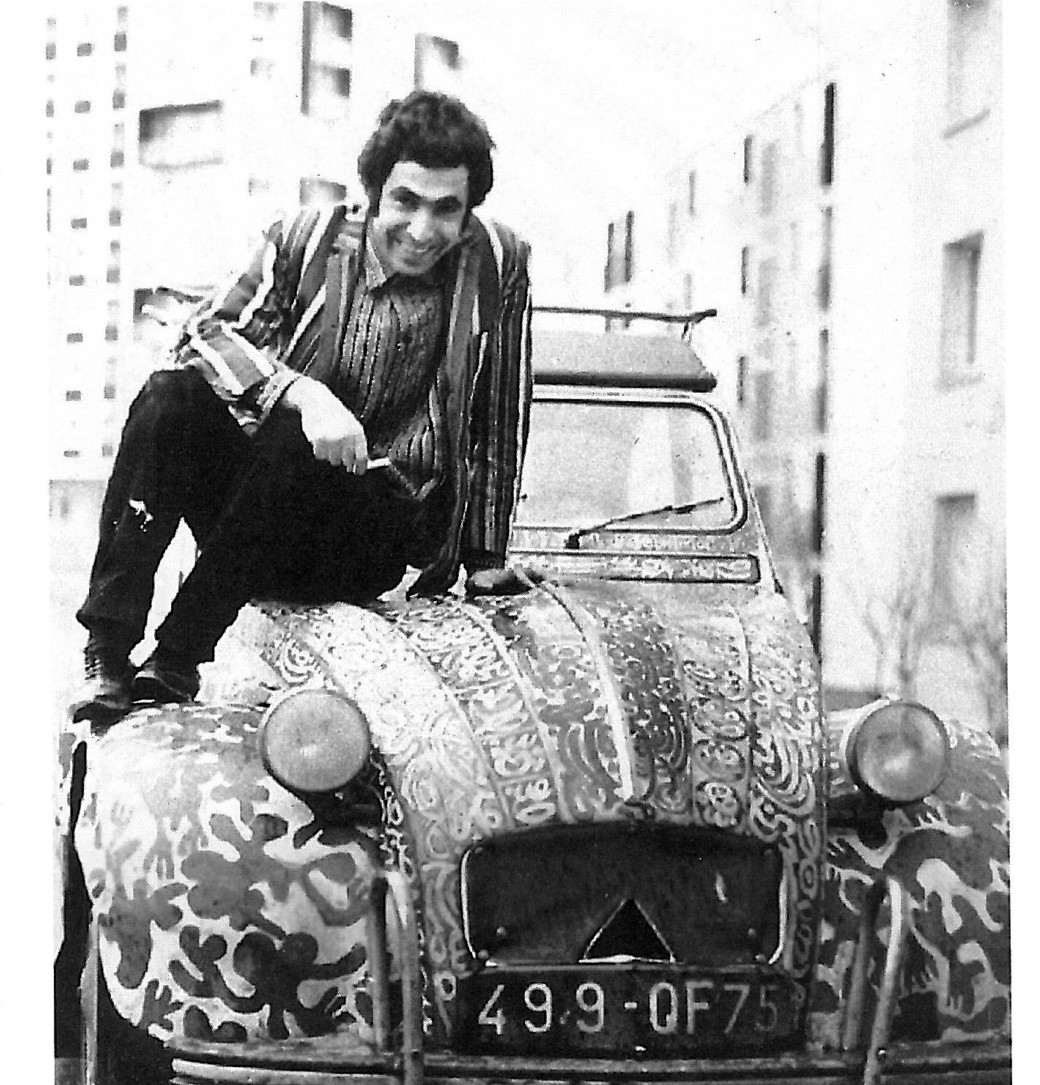
Zenderoudi: The environment of the city is very attractive to me. This is a space where the four elements — water, air, earth and fire — create a much-complicated significance. They give me an inspiration regarding the built up space. Even a painted automobile carries such a synthesis in itself. Space, for an artist, is not described by way of its dimensions. Space belongs to the concept, and concept belongs to the space.
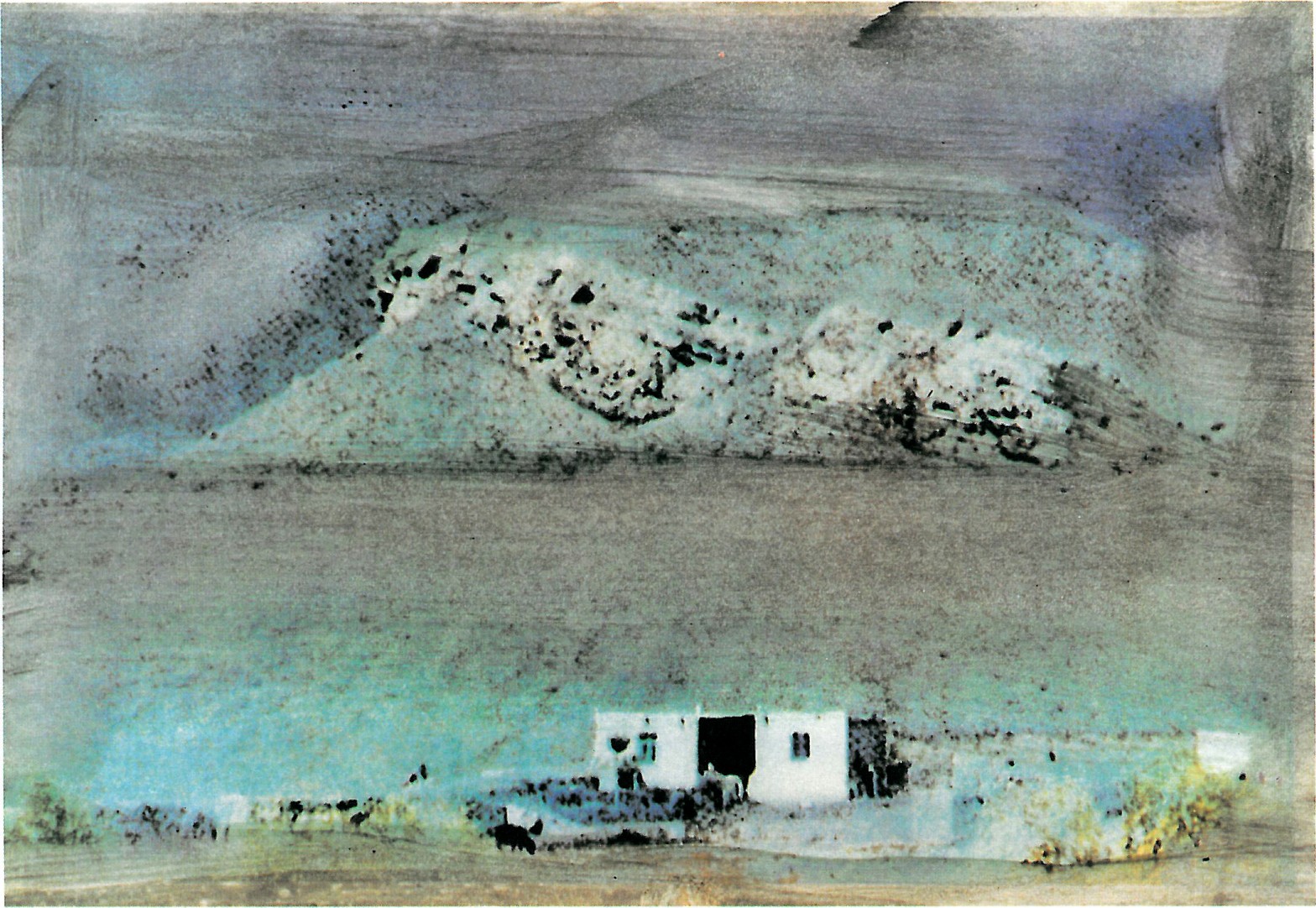
ME’MAR: Your “strange landscapes,” particularly the landscapes of Iran, have confronted with success. Isn’t it so?
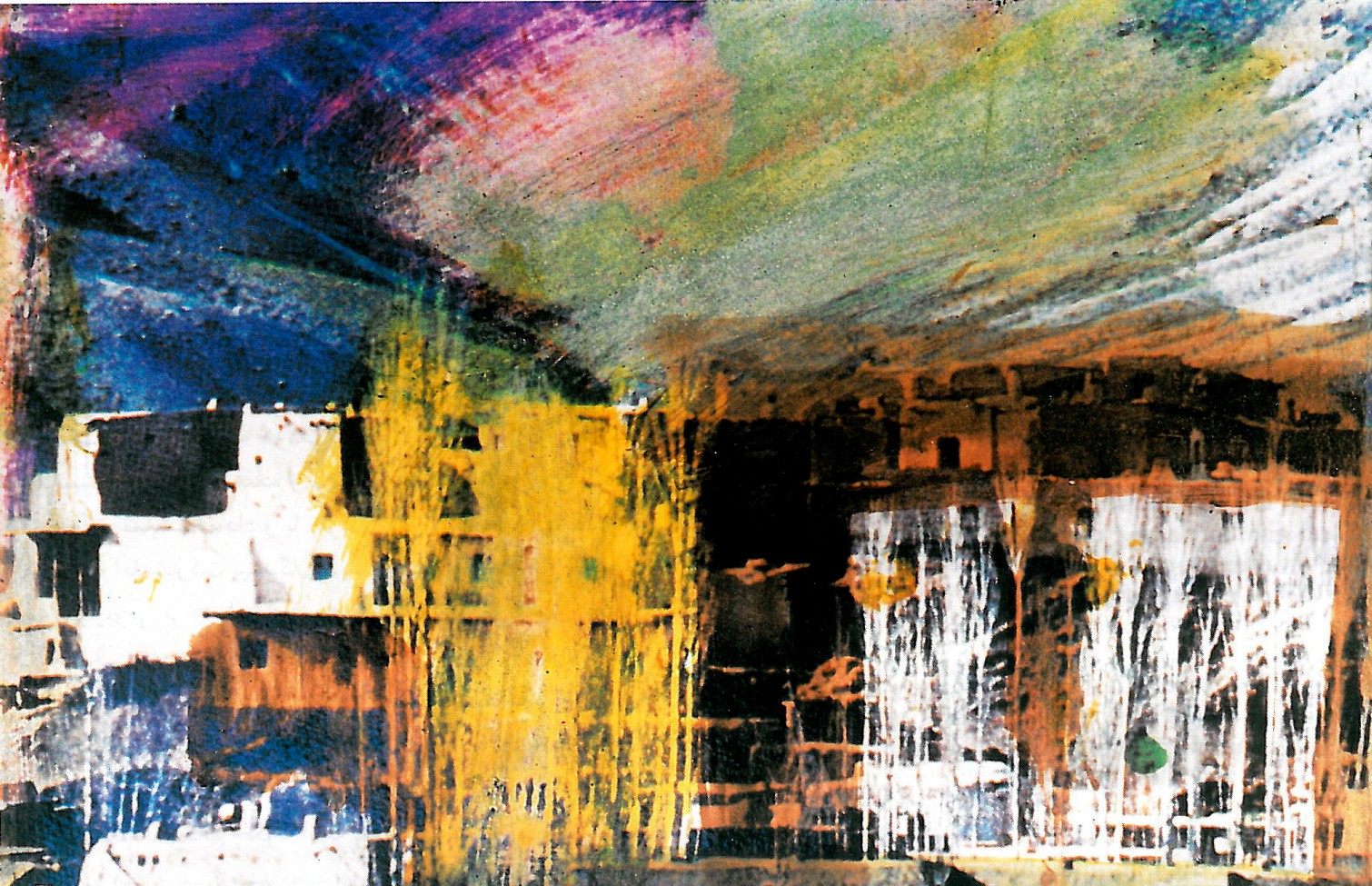
Zenderoudi: This is my glimpse on the space and landscapes of Iran. I have traveled through the entire country: Yazd, Kerman, Esfahan and the salty deserts… it is an artistic glimpse on the landscape which could deeply influence the life of individual. The soil of the country is like an immortal mother and nothing can replace it. I take pictures from places, which draws no one’s attention, and try to provide a nostalgic dimension. As one of my most faithful collectors says, “I have a gentle look towards Iran.”
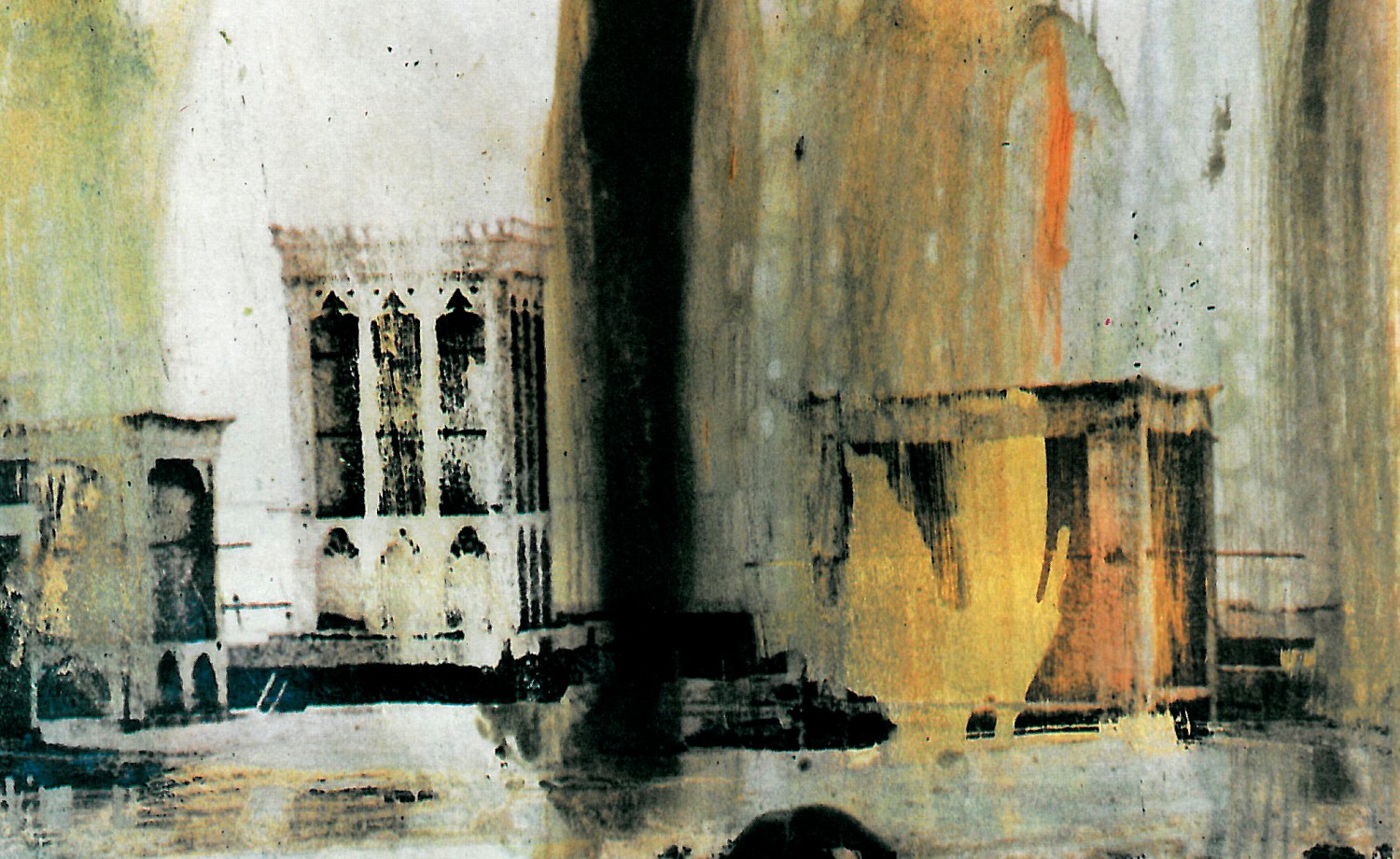
A series of my work will be exhibited in New York in the near future. I have also prepared works for different countries of the world — like you are on a plane and flying over ancient cities. Thus you view the houses like cells, and blue rivers come out in pink, silvery.
ME’MAR: In writings about your work printed in Europe, and in the course of a conference recently held in Tehran, you were asked as to how did you build the Maktab Saghgha Khaneh, which is one of the basis of Iranian contemporary art. What was your answer to these questions?
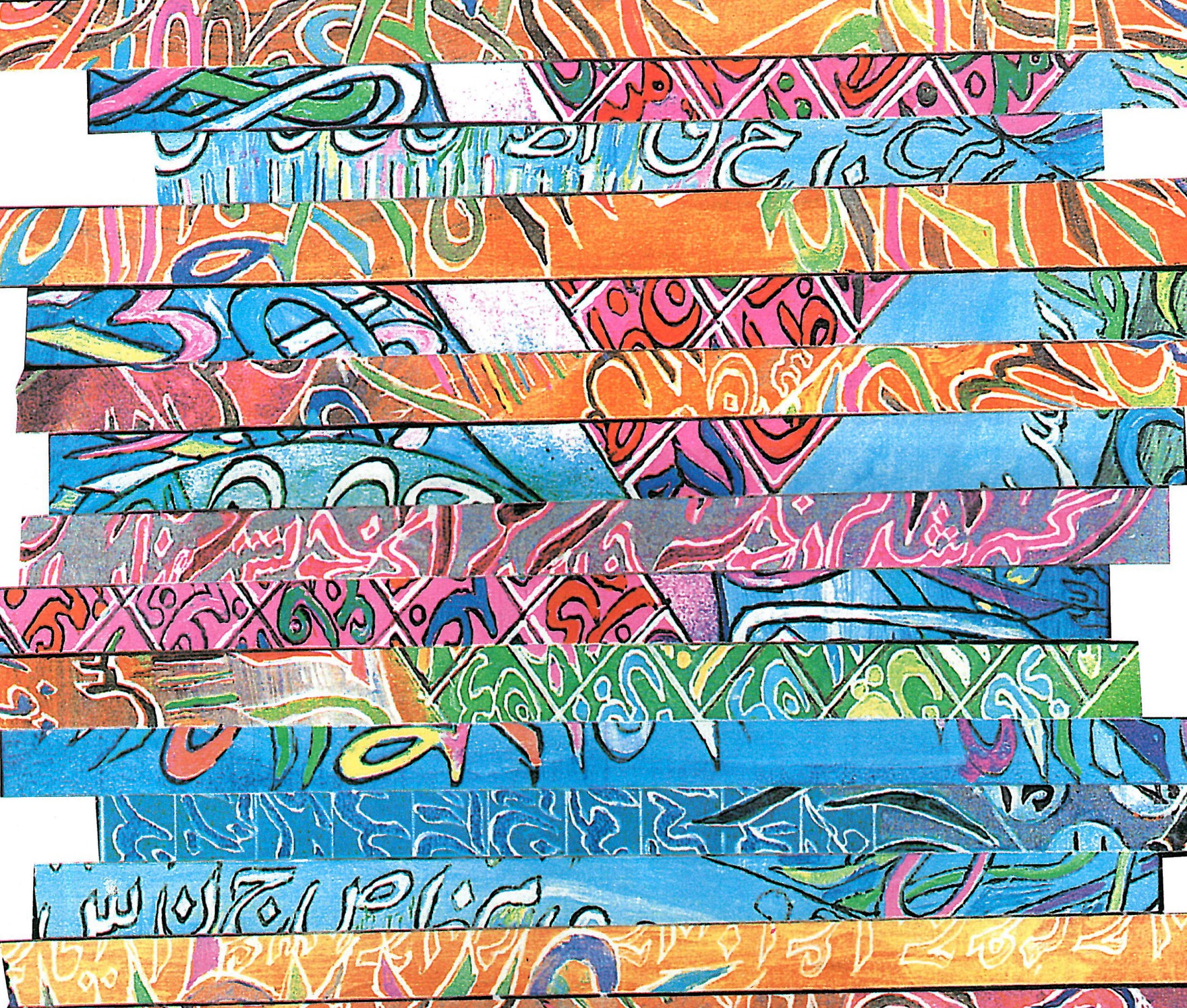
Zenderoudi: I summarized all my researches in few paintings in the year 1337 (1958), which were sent to the International Competition of Venice and also Sao Paolo. These works drew the attention of the critics. In those works, I took the inspiration from calligraphy, numbers, astrolabe, metal plates, prayer writing, etc. and came to know that these humble treasures of alleys and street, colored by all civilizations, are the origin and basic essence of Iranian civilization. My works gave a new taste of sensibility to the other artists of the world.
ME’MAR: You have created a new style, a new look to the contemporary art.
Zenderoudi: These treasures existed before. My pictures from the landscapes which I recently worked on are the same. They only are materials, objects, places or cultural values, in need of one who can summarize them and add polished elements.
ME’MAR: With the style of Saggha Khaneh you gained a reputation in the Middle East.
Zenderoudi: It is correct, and since then some wanted to take advantage of this reputation; even some from my own family members began painting. Some sign “Zende” and some sign “Roudi” and some sign “Zenderoudi.”
But history and philosophy of art has shown that copying or imitating from someone or his style does not work, and does not guaranty the artistic, intellectual and criticizing quality of the work. Today’s, I see youths, who by making use of material and tools different from mine, are very close to me in their search; and a live artistic current is such.
ME’MAR: In one of the catalogues of an exhibition, which was a review of your works, you said that you liked “necessary usefulness” as a rule of architecture.
Zenderoudi: I have done different works for airports, schools, universities, theatres, restaurants, mosques, churches, swimming pools, etc. With an understanding of the needs and requirements of that project. What is important for me is to understand the capacity of an architect, character and the culture of the users. For example the cooperation of an architect and an artist for a swimming pool in Majorca or Esfahan is completely different.
Architecture, in my opinion, is a visit, a clash and a reflection. I also consider it as a kind of a glance at the life wherein an error is not permissible, because it is related to a society and it settles down with the lapse of time. Architecture can be a part of an everlasting happiness like elements of Iran’s mud and straw houses, my country, which I have captured in my works.