Furniture production in Western civilization has a long history and tradition. Its use has been widespread across various social classes, and for this reason diverse styles have emerged, ranging from rustic and working-class to aristocratic. Just as the evolution of carpet and kilim patterns carries significance throughout history, furniture styles in Western civilization likewise reflect many of the social, economic, cultural, and even religious conditions of different eras.
Until the end of the last century, the mode of production had two distinctly different aspects: on one side stood artisans who, with great attention to detail and ornamentation, meticulously crafted individual pieces for the homes of the wealthy and aristocratic classes. On the other side were industrialists who produced crude, spiritless, and austere pieces solely with the aim of functionality and durability for the use of the working class, villagers, and churches.
After the Industrial Revolution of the late nineteenth century, when the middle class took shape in the West, the rapid exploitation of inventions and scientific and industrial achievements, population growth, and the expansion of public welfare all ensued. The development of railway networks, the establishment of public cultural and recreational centers, the spread of bureaucracy, and the growing need for a seated workforce created new demands in the furniture industry. The rapid advancement of industry and the advent of the machine spirit transformed every branch of art, aesthetics, and the crafts and plastic arts.
Craftsmen and designers, in trying to adapt themselves to the new conditions and spaces and to choose a style, fell into fundamental ideological disputes. This was clearly manifested at the Great Exhibition of 1851. For many, the emergence of machinism and the progress of industry posed a fundamental threat to art. William Morris, the most influential designer of his time, declared: “For the sake of life, production by machine is an American folly.”
This conviction and method of practice had a profound influence on the artistic creations of his followers, and the roots of the dispute and incompatibility ran deep in the applied Art Nouveau style. They were in truth responding to the need for change, but their ties to classical styles were so strong that breaking free was not easy. Nevertheless, this school of thought, in the years before the twentieth century, influenced all levels of art: in the Paris Metro stations; in the interiors of train compartments; in the interior spaces of many hotels; and in functional decorative furniture and objects. But the driving force on the other side — that is, the course of industrial progress and the expansion of its power — was immense. Other artists could not resist.
The artistic community finally moved toward settling its affairs and accepting the belief and conviction that had been put forward for all, namely: the reconciliation and union of art and industry, the fusion of creativity and machinism. As it happened, William Morris himself embraced the new union of art and machinism with even greater conviction, claiming that objects made for everyone’s use are just as important in design and creativity as works of art. This philosophy in fact became the foundation and motivation for the establishment of the Bauhaus school, where for the first time art and industrial design were recognized as two complementary disciplines, and a new understanding of their logical fusion and integration was born.
Artists and designers, breaking from traditional beliefs, eagerly began experimenting with new materials and creating unprecedented phenomena. In such an atmosphere, at the beginning of the century, architecture too experienced a new and sweeping renaissance. Social and economic factors born of progress and the ever-increasing enjoyment of public welfare dictated new demands. The artistic space rapidly became international, and a group of architects of various nationalities often gravitated toward the center of development at that time — New York. Tall buildings, industrial centers, government and private institutions grew rapidly. With details and decorative appendages there was no opportunity in design. The vision and perception of beauty changed rapidly, turning toward the purity of space and structures and the importance of function.
The Art Deco style dominated the 1910s and 1920s, but even this school shifted with greater intensity toward modernism — that is, a complete break from all roots of traditional art. The acceptance of the machine and its mode of operation became a conviction and a slogan for the famous architects and pioneers of modernism. In the words of Theo van Doesburg and Le Corbusier: creation and design are the product of an evolution that, through the employment of mechanical methods, becomes possible; the architect’s priority is the presentation of space, structure, and visual geometry; decorative appendages cause damage to form.
With the pervasion of this belief, modernism prevailed in architecture. A number of architects saw their mission as extending beyond, believing that creativity in workplaces and living spaces — the creation of the interior space and the fitting of proportionate structures within it — was their calling. With this motivation, they embarked on furniture design. Their aim was the creation of structures compatible with the new architectural environment and the age of machinism: geometric beauty of form, proportional structure and balance of lines, simplicity, and the avoidance of any appendage lacking function.
— Marcel Breuer
Furniture design and interior structures thus found a new trajectory. Creativity took shape for a particular purpose within a completely controlled space. Simultaneously with the work of some pioneering architects, industrial designers also appeared on the scene and founded the Society of Industrial Designers in London. In 1932, this group designed the interior space and seating of an airplane — which, for the first time, was free of all luxury and decorative appendages. This was a radical departure from the prevailing traditional style, full of ornamentation, in the railway carriages, stations, and ships of that era. The modern furniture industry and the new conventions of design were established in these years.
The fascination of designers and architects with the balance of lines, simplicity, the fusion of function and form, and the boldness of using new materials produced structures that have not aged throughout the century, because we are still moving along the line they established.
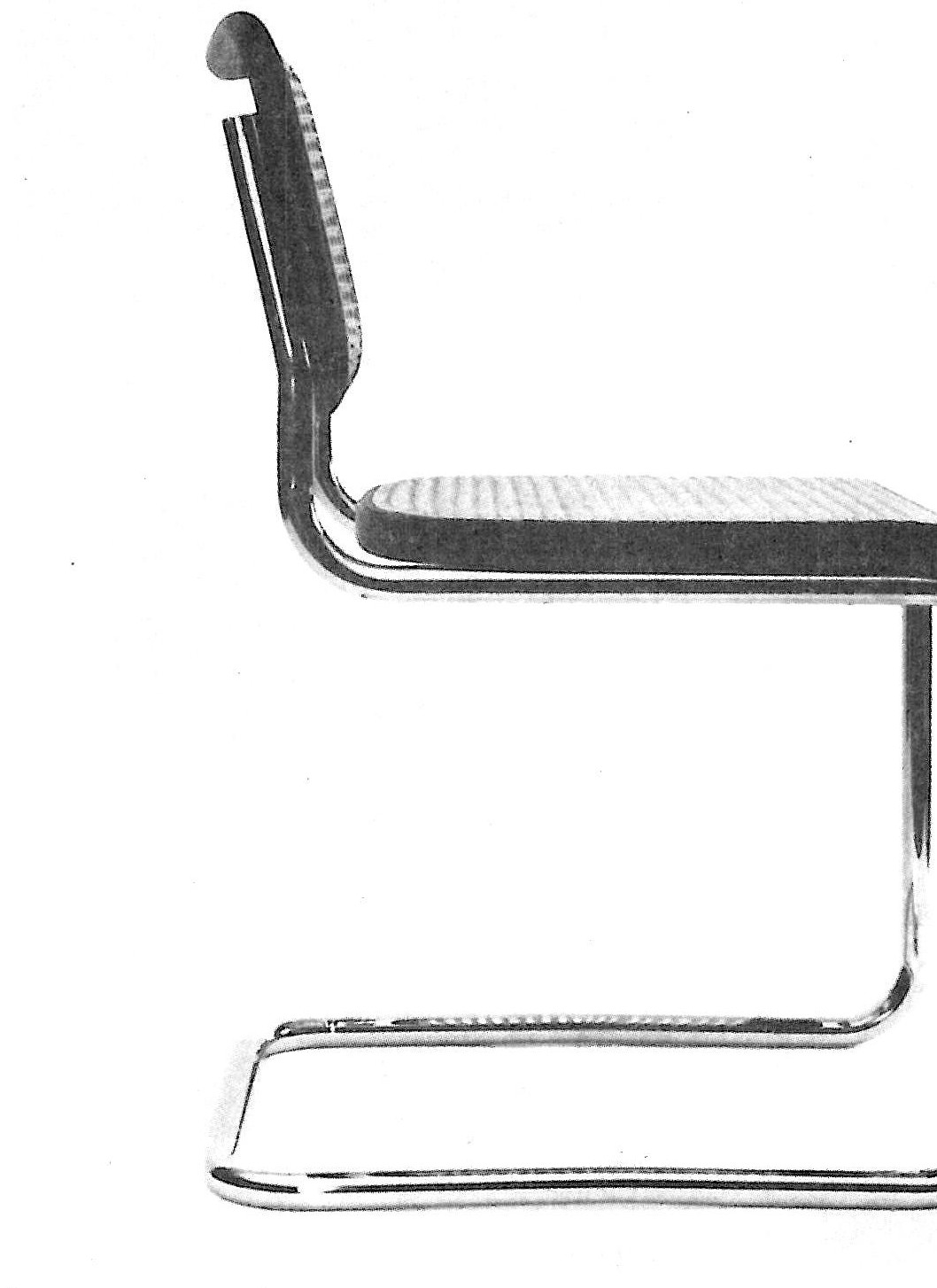
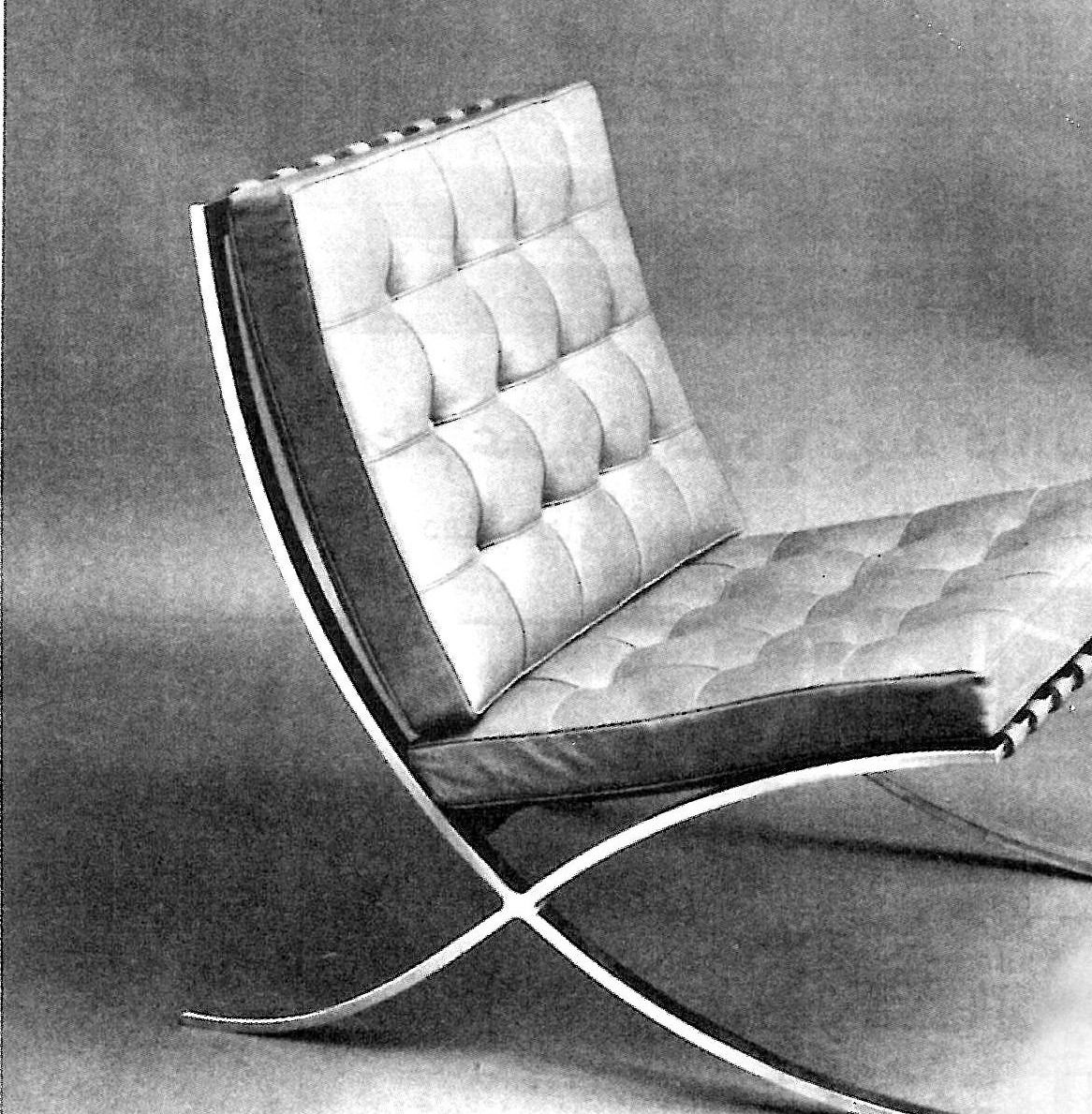
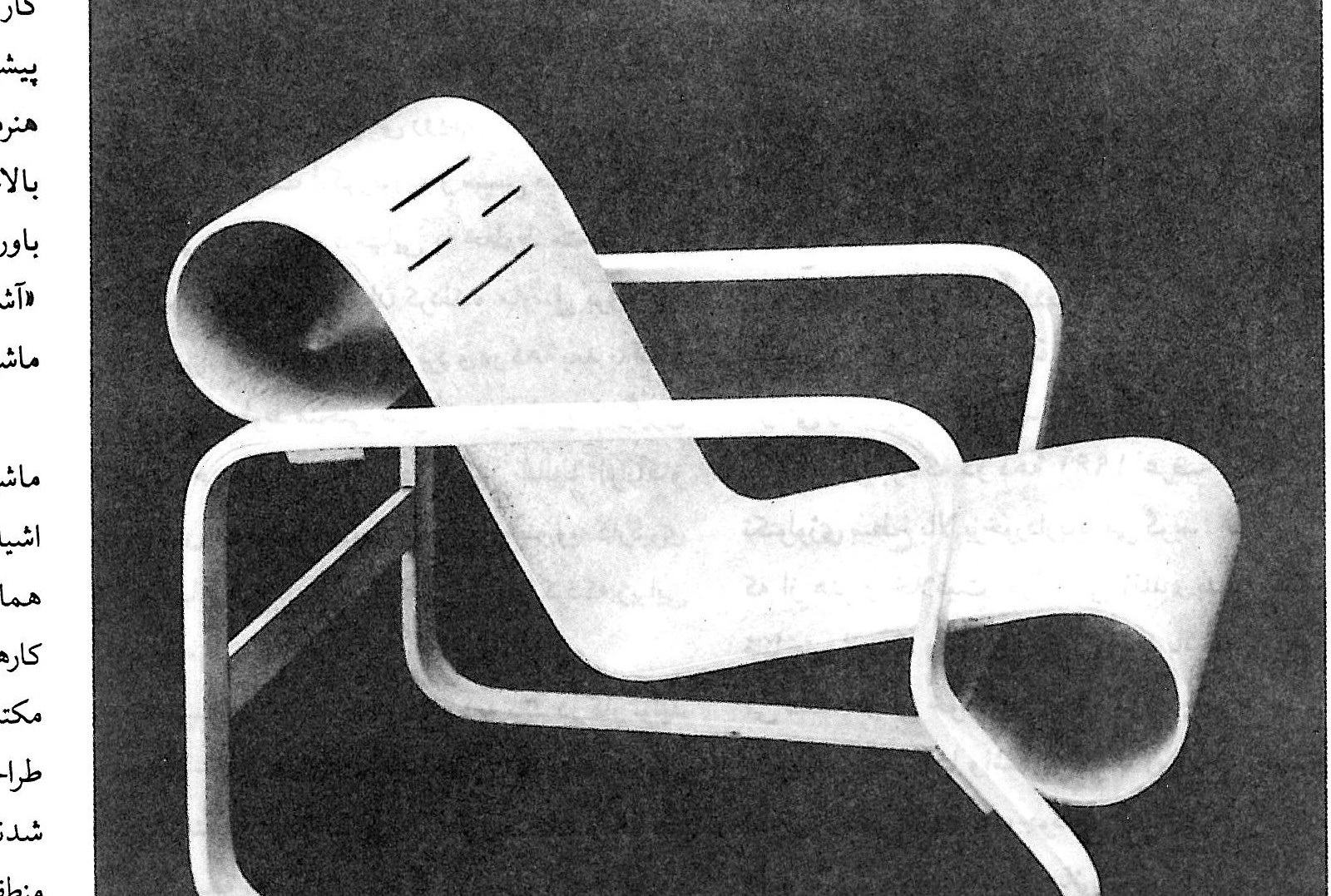
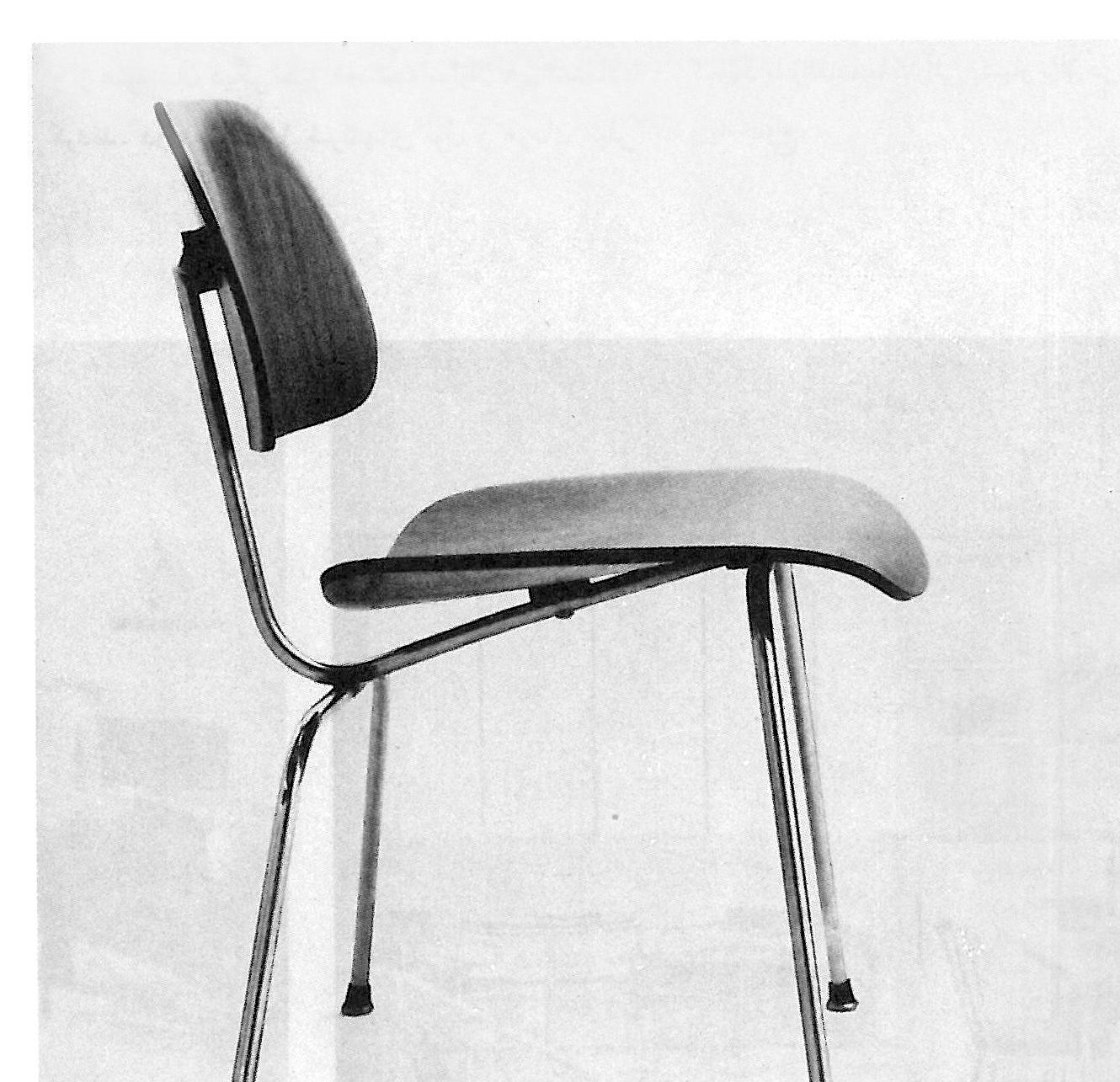
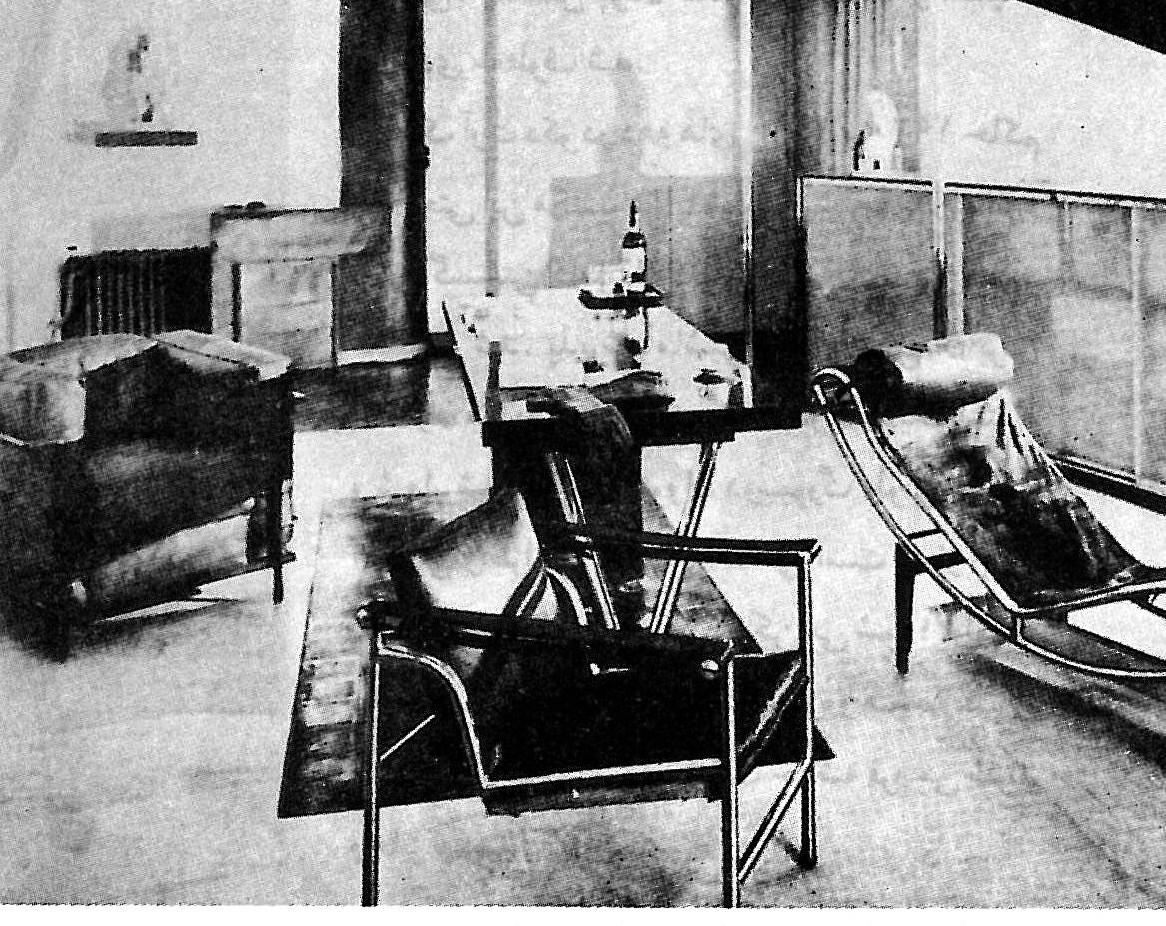
In the 1920s, Le Corbusier and then Mies van der Rohe expressed their fascination with forms of curved lines and the use of leather and chrome. Marcel Breuer likewise did so, but he took things further: in the following decade, continuing his experiments with curved lines, he introduced a new method of employing bent plywood. During these same years, Alvar Aalto of Finland, with greater experience in this field and using more advanced techniques, created structures of enduring beauty.
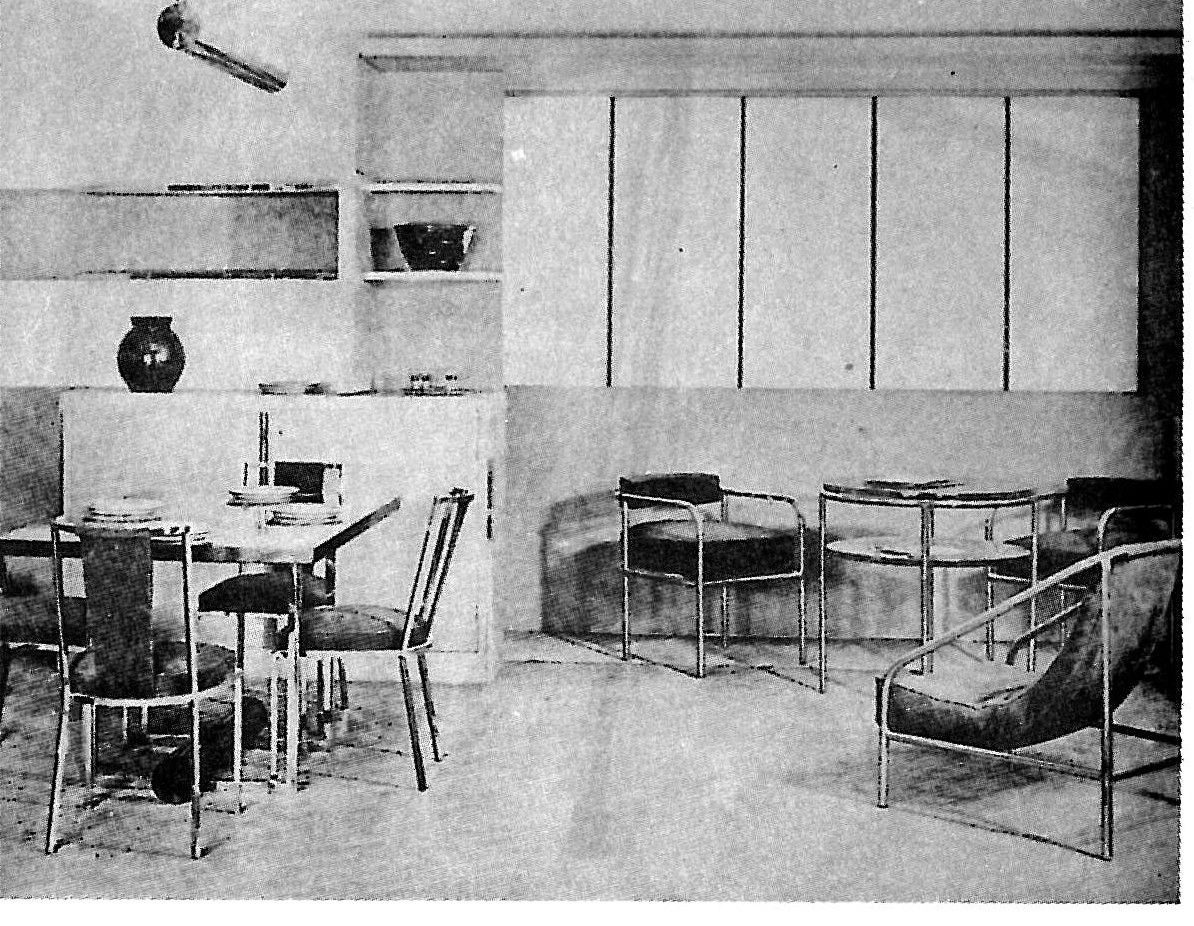
The importance of design from the 1930s onward became far more serious in furniture production. Although architects to this day continue to express their passion in this field and remain active, the development of various production techniques, intense competition, and the transformation of the market from the simple fabric of the early century to the more complex texture of today caused design in this field to become an entirely specialized profession. Some companies that prioritized creativity, innovation, and quality employed architects, but alongside them also placed their own specialists, and in some cases went further by engaging artists from other fields such as sculptors.
In the 1940s, the Knoll and Herman Miller companies had the greatest activity and share in advancing creativity and quality. In the 1950s, Harry Bertoia, who was a sculptor, in close collaboration with the Knoll company, created structures of lasting beauty and allure. He said: “Look at these chairs — you realize they are made mostly of air, like a sculpture; space flows through them.”
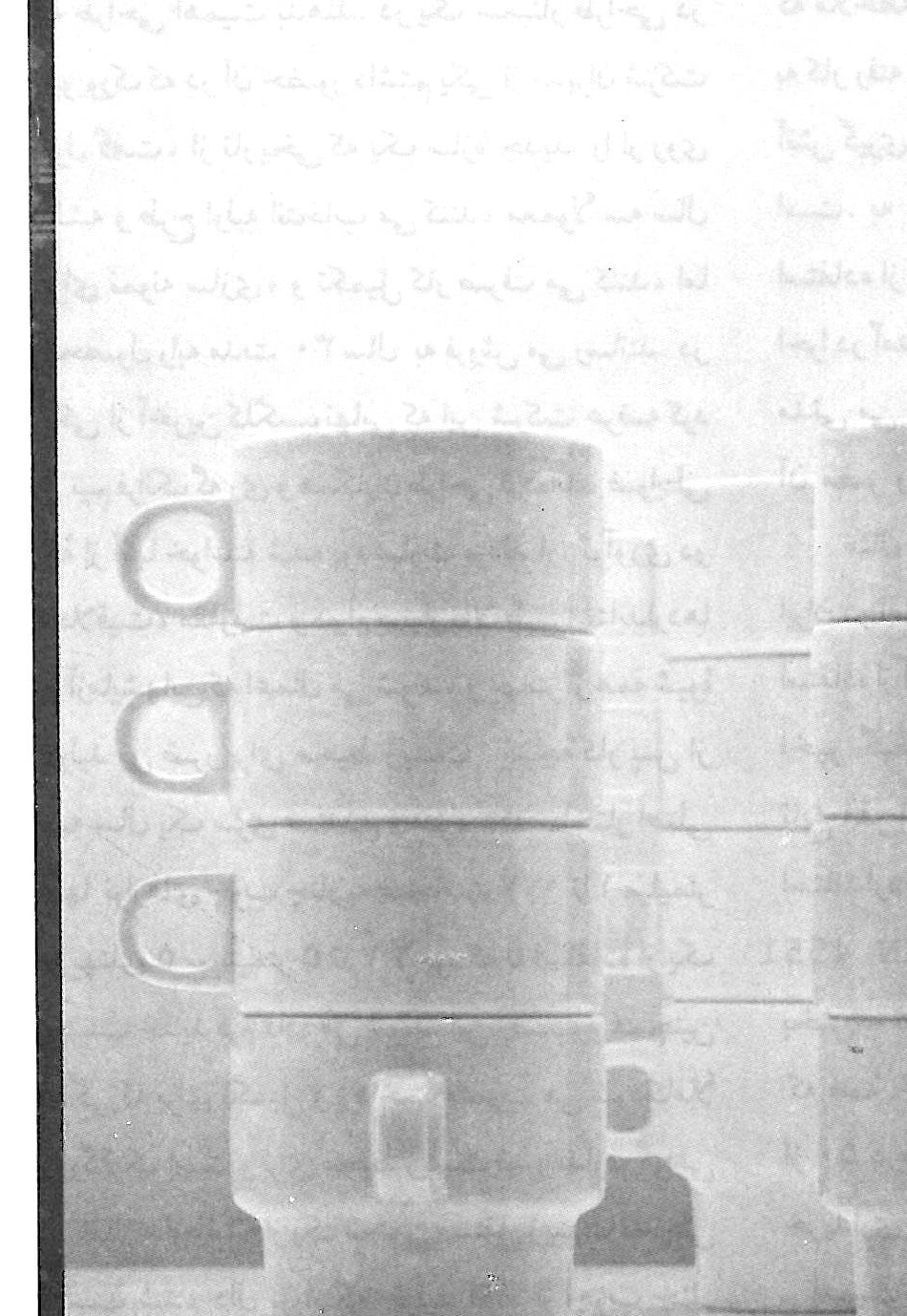
The collection Bertoia presented fulfilled his desire to unite art and technology. Don Albinson, the director of the design and research division of Knoll — who was himself the designer of a highly successful chair released in the 1960s that employed advanced technology — said: “Designers who talk about art and creativity without any knowledge of materials and production techniques bother me.” He wants us to notice how we come under the visual influence of forms and shapes that arise from the accidental stacking of certain objects, and to compare that influence with the beauty and precision of machine-exact order and quality employed in the production of a simple product — such as cups that elegantly nest atop one another, presenting continuous new forms.
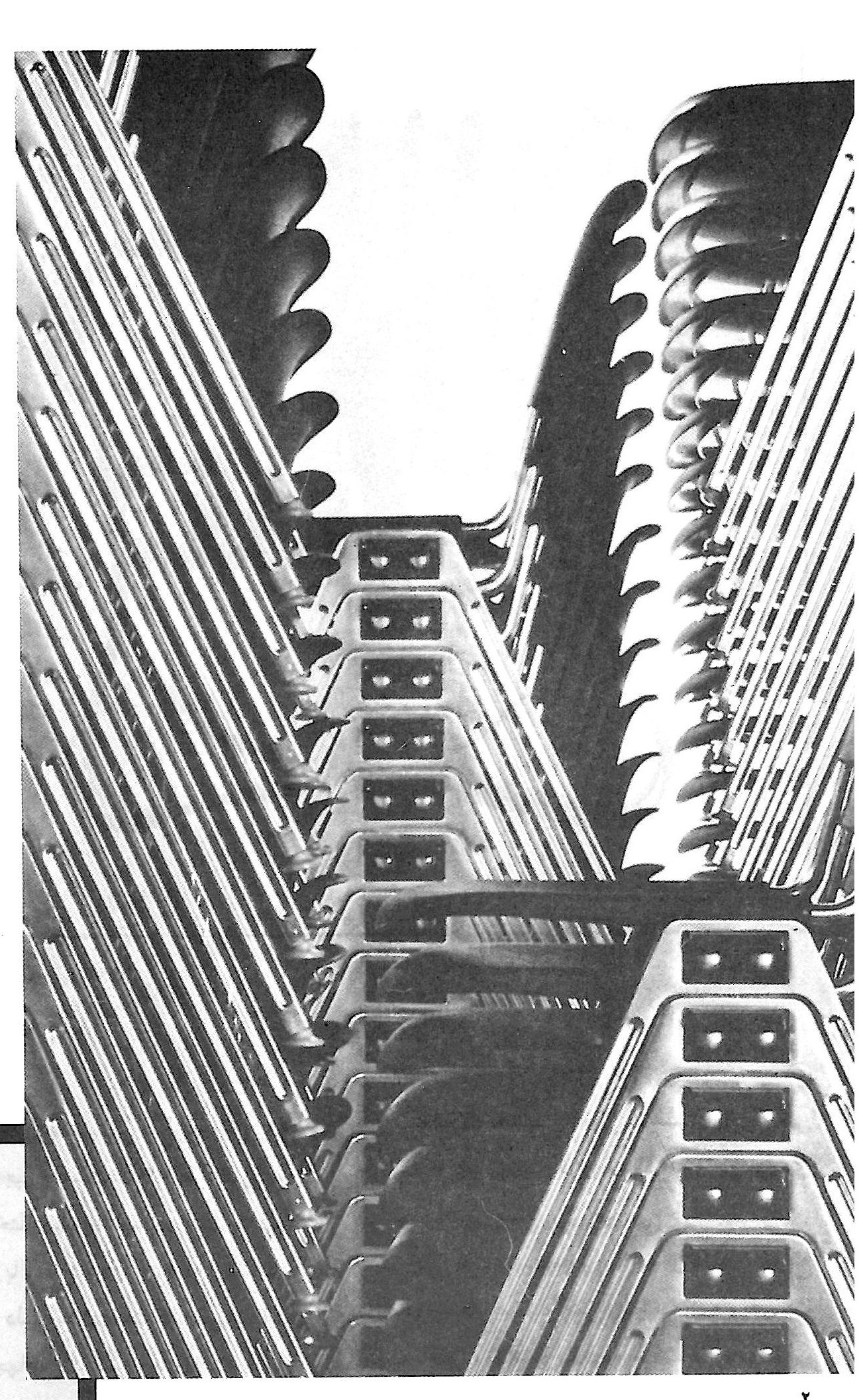
Albinson’s stackable chairs possess perfect balance. Their components are stacked with utmost precision, separate easily, are pure — without any deficiency or excess — with very high functionality, indoors or outdoors.
We are leaving behind a century during which humanity has achieved more scientific and technical progress than in all its prior history. In the past, there were eminent individuals whom we called wise sages. The volume of different knowledge was at a level where one person could master all of it and earn this title. But in the twentieth century, sciences and knowledge were divided and intensely specialized. Ours is a world of specialization. Survival in a world teeming with diverse products is impossible except through creativity in management and production. What differentiates products and services from one another is their professional identity and character. Structures must have identity and personality.
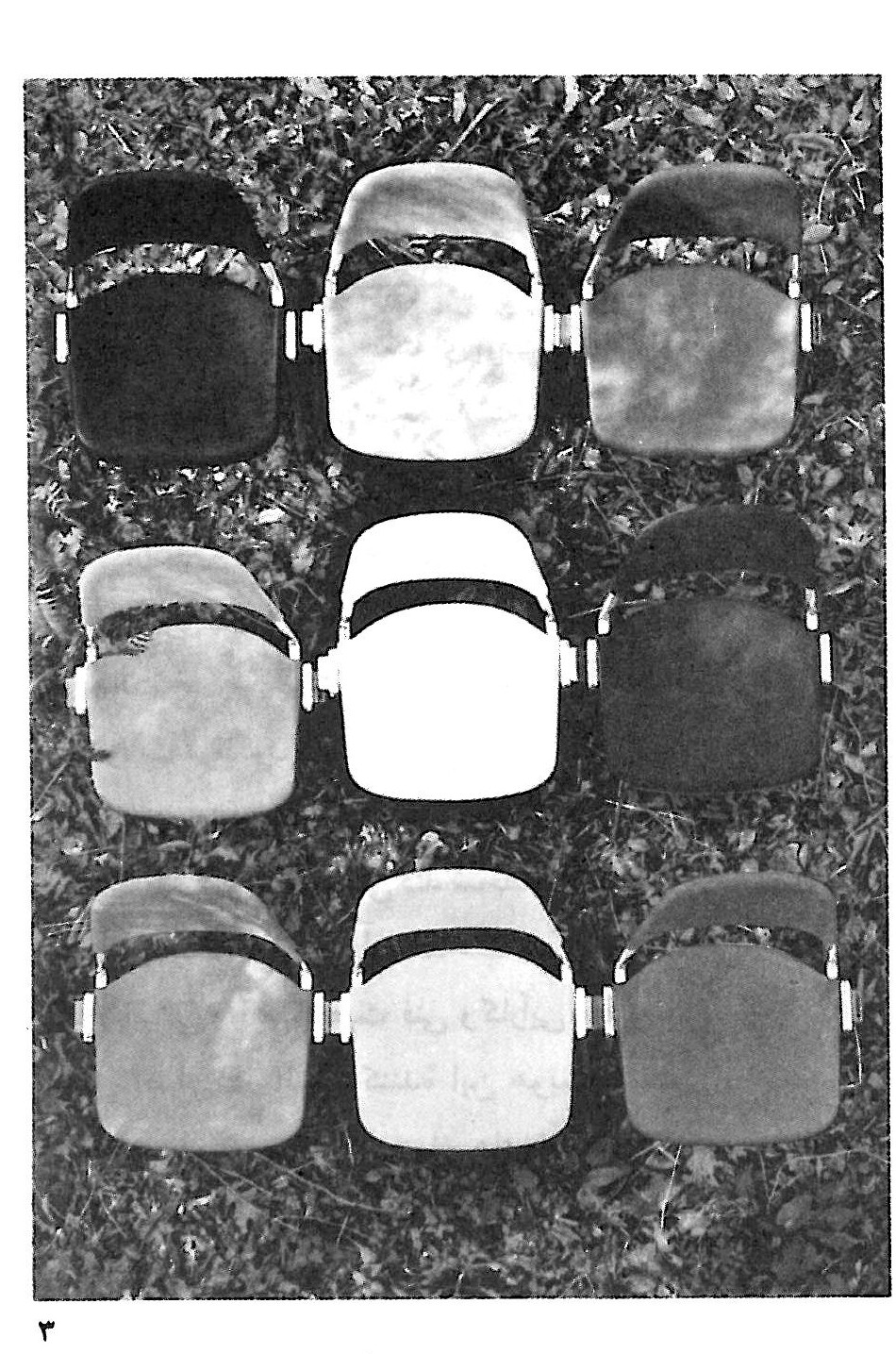
The factors that create this identity are: the fusion of beauty and form, technical quality and desired functionality, and innovation. The furniture designer, especially of seating structures, must reconcile creativity with what we today call technical knowledge — which spans a vast spectrum. Materials and available resources, environmental and safety regulations, ergonomic factors, production techniques, knowledge of human resources, and cost control: the rising expectations of consumers in advanced societies and the application of various standards and competition in the supply market have caused producers to pay ever greater attention to design.
At a design seminar in New York where I was present, one of the directors of the Knoll company said: from the time they select a new design from drawings and initial sketches, they typically spend three years on prototyping and completing the work — yet they sell the product for 30 years. In one of the last collections this company released, designed by the team of Frank Gehry and associates, the requirements demanded included: innovation in creativity, very high resistance and durability according to standards and the tests applied, and most importantly, a production method harmless to the environment. The result, after three years, was a series of chairs and tables whose main structure consisted of strips of sycamore wood, 0.7 to 1 millimeter thick and 5 centimeters wide, in 5 to 7 layers, formed using a new adhesive. This adhesive, as well as the finish and coating, is entirely organic and harmless to the environment. A VOC certificate was voluntarily obtained from an independent environmental association, confirming that production uses only sycamore from a regional source that, in accordance with environmental regulations, is renewable.
There are other standards and safety regulations whose observance is obligatory. For example, the most hazardous material used in furniture construction is foam, which has very high flammability and whose smoke is lethal. For this reason, safety regulations mandating the use of fire-resistant and non-toxic-smoke foam have long been in force. This material has a short lifespan and after a time decomposes into a powder that is harmful when inhaled and causes certain allergies.
Another example is the five-wheeled base office chair, known in Iranian professional parlance as “operator” chairs, whose use in offices, workplaces, and even homes has expanded in recent years. These chairs must conform to logical safety regulations and standards. The standards set in 1987 — DIN 4551 of Germany — run to 24 pages. Production in this sector has become intensely specialized, and no single manufacturer produces all of its components. Nearly all of them purchase more than 50 percent of the parts as ready-made components.
The importance of industrial design and its necessity in managing modern life have become established in industrial societies, and respect for it has become a cultural norm. For this reason, the products of this profession are protected under the international convention for the protection of intellectual property, and in some cases, patents for such designs can be obtained. In such a complex and advanced environment, what is the task of developing societies? Copying and imitation — mostly incomplete at that — or continuing intellectual theft and mental laziness?
The use of furniture as it is commonly known today was not customary in our civilization. For this reason, we do not even have a Farsi equivalent for the term. Therefore, this industry gained currency in Iran through copying. Initially, in chairs — which had more of a prestige function — superficial modifications were made for decoration and “Iranianization.” From the late Qajar period onward, with the establishment of ministries, government offices, factories, and restaurants, the need for simpler furniture took shape. The first type of chair to be widely copied became known as “Polish chairs.” In reality, they were inspired by Thonet’s creations from Austria in the mid-nineteenth century.
With population growth, economic development, and the formation of the middle class in the years after World War II, the use of furniture became more widespread, but it can be said that this industry has undergone a major leap in two periods of economic prosperity: the first was the era of benefiting from oil revenues before the Islamic Revolution, and the second was the period of large-scale reconstruction projects in the years after the Imposed War. At present, while we experience recession and have the opportunity for reflection and review, it is worth studying this matter, which has a close relationship with construction and architecture. To lay the foundation for reliable growth, the pattern of consumption, capabilities, and challenges must be identified.
This industry has two main areas of application: first, the residential sector — whose range is vast, and which is perhaps among the characteristics of a developing consumer society lacking the necessary foundation. In reality, the absence of a traditional culture of living with furniture, the rapid population expansion, rapid changes in living spaces and apartment dwelling, economic fluctuations on one hand, and an untested production force of small workshops and an inadequate, unprofessional distribution network on the other, have created a market in which only a small share belongs to products displaying the diversity, quality, and advancements of industrialized countries. But on the whole, this sector is far from the sphere of influence of architecture and interior design.
The second sector, the public and office sector, has expanded more in recent years. The development of this sector is greatly indebted to those same two periods of economic prosperity we mentioned. In the first period (before the Islamic Revolution), the granting of import permits brought major profits to importers and speculators who could more effectively use their influence and connections. During this period, efforts to establish production centers were not particularly successful. Some workshops were founded under foreign licenses, but they either collapsed or became government-owned. The second period of economic prosperity unfortunately shared many similarities with the first. The volume of demand far exceeded the production capacity of an industry that had in effect spent the war years in hibernation. Consequently, once again a flood of imports ensued — this time of lower quality from the Far East.
But this time, the exploitation by speculators lasted only a few years due to currency problems. The penetration of these products in the Iranian market perhaps had one positive effect: it suddenly changed the style of products that were prevalent in the Iranian market. Due to the considerable market volume, significant forces were directed toward establishing this industry and exploiting the capabilities that had flourished. This force, compared to the past, is considerably stronger and more powerful, and its qualitative and quantitative evaluation, considering all conditions, appears positive — though existing problems are not few either.
In recent years, this industry has come under the influence of Far Eastern products, primarily the “operator” chairs made in Korea, which are a type of lower-quality copy of products being phased out in Western countries. Therefore, what has entered the production cycle in this manner is worthless from a design standpoint, lacks desired functionality, and due to the single origin of imitation, lacks diversity.
The major share of the consumer market in this sector belongs to the government. Ministries, large companies affiliated with foundations, banks, insurance companies, terminals, airports, airline companies, hotels, tourism centers, commercial centers, conference and exhibition halls — all are government entities. But unfortunately, in this arena too, the furniture and interior design by no means suggests any value placed on originality, innovation, and quality. Usually, architects are set aside after handing over a construction project, and personal tastes are imposed — whether knowingly or not. The most important criterion is price and passing the bidding stage, without any attention to quality.
The culture of imitation and copying has become so accepted that it has turned into a profession, and fees are paid for presenting it as a service, without any reference to the source of the submitted designs. Many consulting engineering firms operate in the same manner. For example, some time ago, one of the country’s major banks contracted with a consulting firm for the furniture of its new building. The firm simply copied the product catalogue of a British company and, due to lack of technical information and practical problems, provided an incomplete and partly flawed rendition. Unfortunately, the implementation was even more problematic.
Unfortunately, this behavior and the imposition of wrong criteria and the lack of importance given to the matter have caused the working environments of ministries, companies, and terminals to be filled with products of low functionality, poor safety ratings, and often harmful materials — bandaged and broken or damaged. For example, what has been installed as furniture at Mehrabad Airport is completely incompatible with the space, incongruous with the environment, and a sign of technical and professional backwardness. Airports, especially the main airport of a capital city, serve as that country’s window. What is on display and in use at Tehran’s airport is not worthy of professional esteem in any respect.
Seating furniture and the furnishings of modern life shape our existence. The workplace and dwelling give us order, structure, and identity. In the coming century, there is no place for copycat societies. The East Asian crisis has easily proved this: recession in the domestic market and global conditions leave only one path — that of thinking, exploration, creativity, and the quest for identity.
But where can the starting point be? In my belief, the government at this juncture plays a key role. The acceptance and legal recognition and the promotion of it as a cultural norm must begin from the government’s side. Steps have been taken to protect software; this field can be next. To realize this, the following proposals can be implemented:
In government tenders, preferences for products manufactured under foreign licenses should replace preferences based solely on lower prices. An independent center for qualitative evaluation and compliance with safety and ergonomic factors, in accordance with recognized standards, should be established to issue the necessary certifications. And the achievements of intellectual and design work should be recognized under industrial licensing as artistic works.
My personal belief is that with self-confidence, by guiding and encouraging interested young people in universities and schools toward thought and creativity — and by the astuteness and identification of true talents in this field — we can create from our own raw material, taking into account the conditions, a valuable and authentic output that brings tranquility and satisfaction. What is most important in this path is the sense of professional identity and personality, faith in the importance of innovation and creation, and experience born of acquaintance with the creativity of others — which begets tranquility and satisfaction.
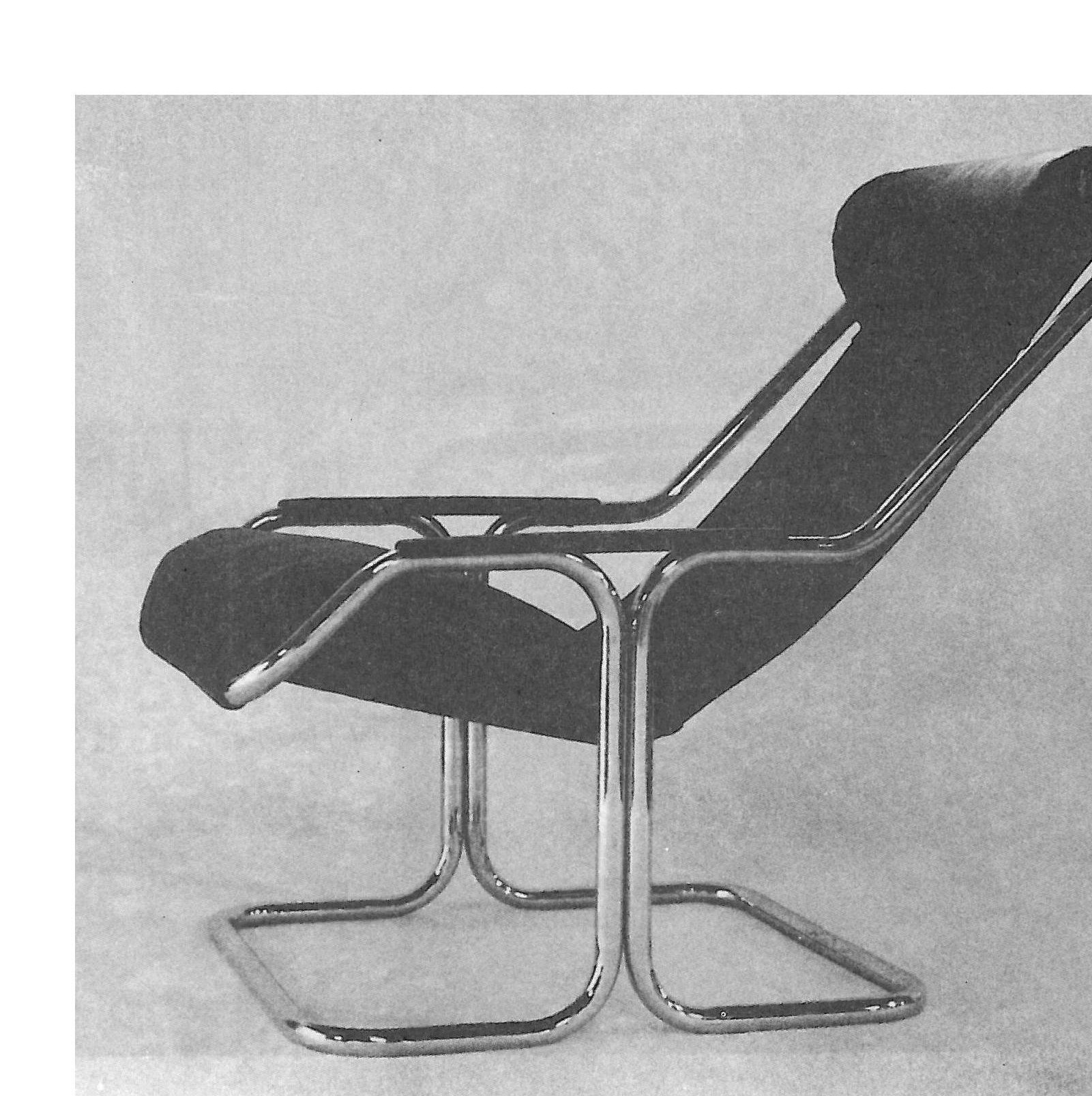
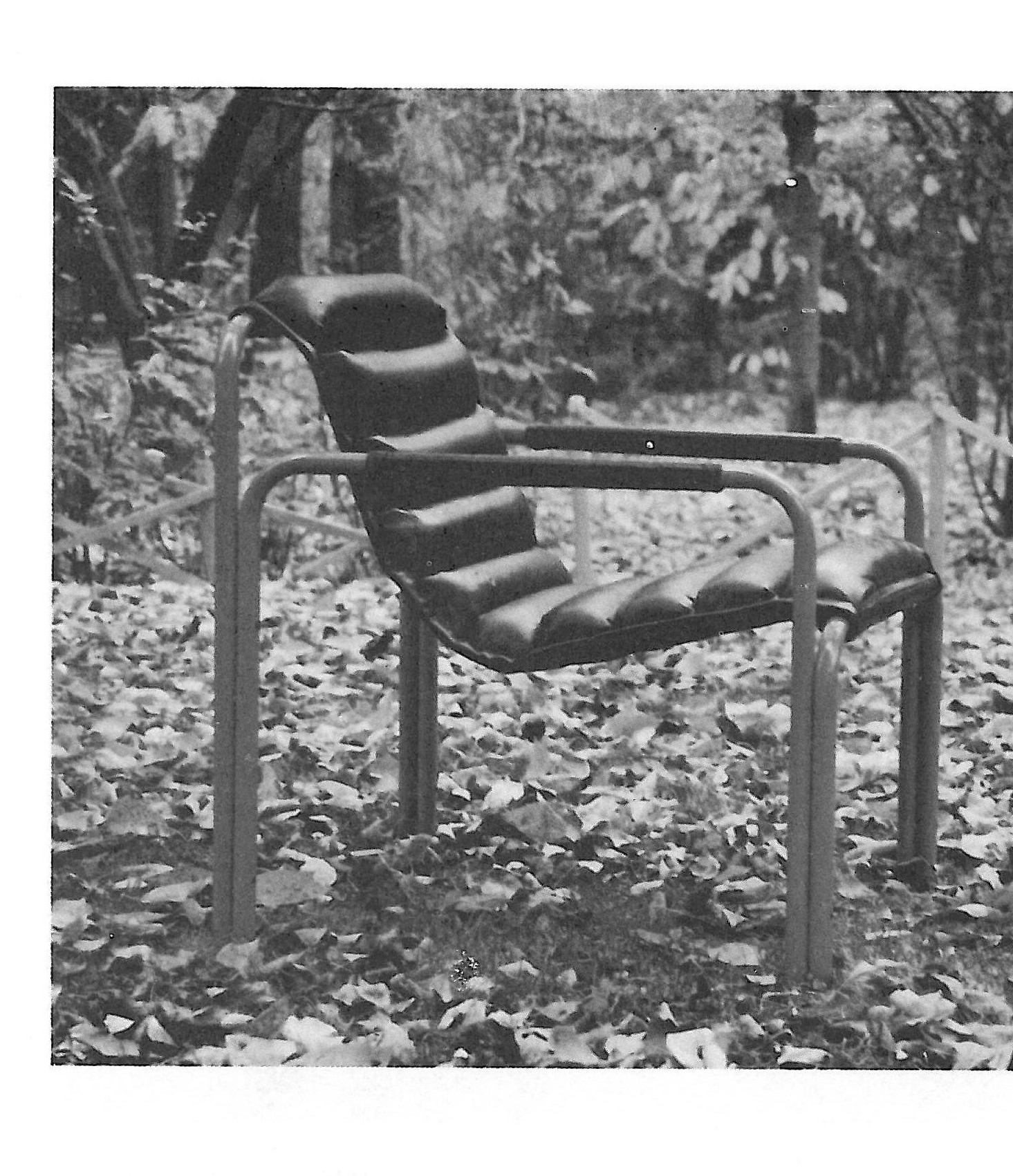
Samples of my own work in this field, over the past 25 years, are presented here for the consideration and judgment of discerning readers.



