Understanding Architecture, Robert McCarter, Juhani Pallasmaa.
The Ise shrines at Naiku and Geku, near Nagoya, which are a highly refined idealized embodiment of ancient agricultural storehouses, have been rebuilt at least 61 times since they were first built. The entire 20-year building cycle is an unbroken and precisely prescribed ritual. The result is like no other religious building in the world: something that is always new, and at the same time the product of a thousand-year process of building, just as it has been since ancient times.
Every aspect of the construction of the Ise shrines is prescribed by ritual, from the generations of tree planting within the sacred groves, to the seven-year period needed for the secret training of the new generation of carpenters who are to build the shrines, to the seven-year period of building the shrines. Seven years before the day of the renewal of the shrines, a ceremony is held in the sacred grove in the distant Kiso1 mountains to announce the start of the felling of the trees. A year later, numerous ceremonies are held to mark the transport of the huge logs to the shrine site by way of the Isuzu2 river. In the third year, the ceremony of the start of building work is held on the site of the new shrines. In the sixth year, a ceremony announces the planting of the trees in the ground for the main columns of the shrines, the scaffolding, and the start of thatching the roof. Finally, in the seventh year, a ceremony announces the spreading of white sand in the inner precinct of the new shrines, the raising of the doors, the placing of the sacred symbols inside newly made wooden boxes, and the setting of the sacred pillars under the floors of the shrines. In a ceremony to mark the completion of the rebuilding, priests strike the pillars with cypress rods to make the foundations firm. At last, in a magnificent ceremony carried out in darkness, the sacred symbols are moved from the old shrine to the new one. Then, in a brief but magical phase, both shrines, old and new, stand side by side, before the old shrine is respectfully dismantled and its timber parts are used in building other structures.
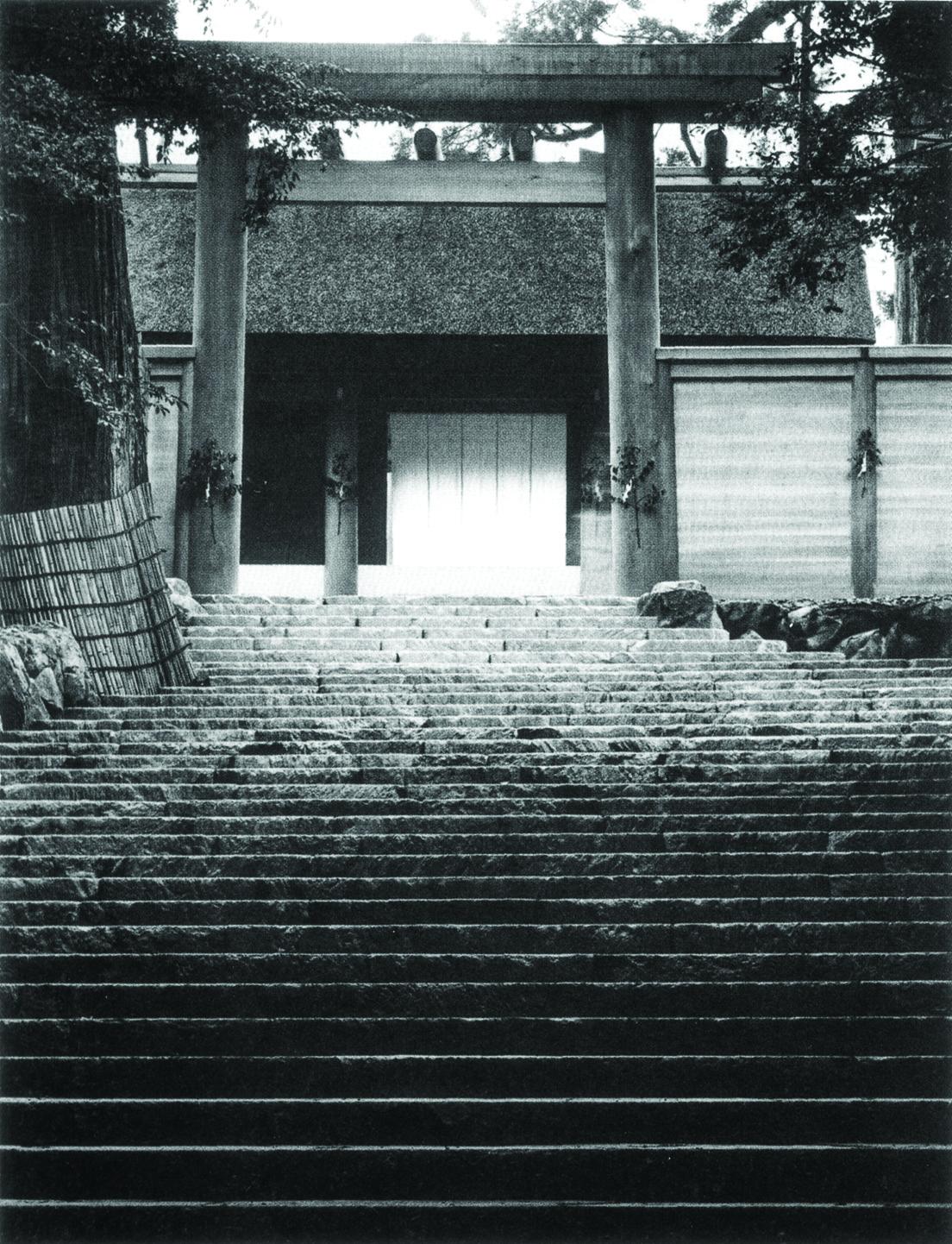
A visit to the Ise shrines is also a ritual ceremony, a carefully crafted material and spatial experience that connects us directly to the natural world and the eternal cycles of life within it. We begin by crossing the wooden bridge over the Isuzu river and passing through the first torii3 gate, where we reach the wide stone steps of the water purification place, and hold our hands and mouths under the clear water of the river; passing under the second gate, we walk through the cypress forest that surrounds the sacred precinct until we reach a wide flight of stone steps. ❶ At the top of the steps stands the south gate, which marks the first of the four wooden walls or fences that surround the shrine. The walls of this sacred precinct are aligned exactly with the four cardinal directions, and the shrine sits at the centre of a south-north axis. As we pass through this sacred precinct, we step on smooth stones that cover the ground; each successive wall is set inside and slightly higher than the one before, and the wooden walls gradually become more solid. Each of the three inner walls has a room above its gate, with thick wooden columns that support the thatched roof that shelters the door we pass through.
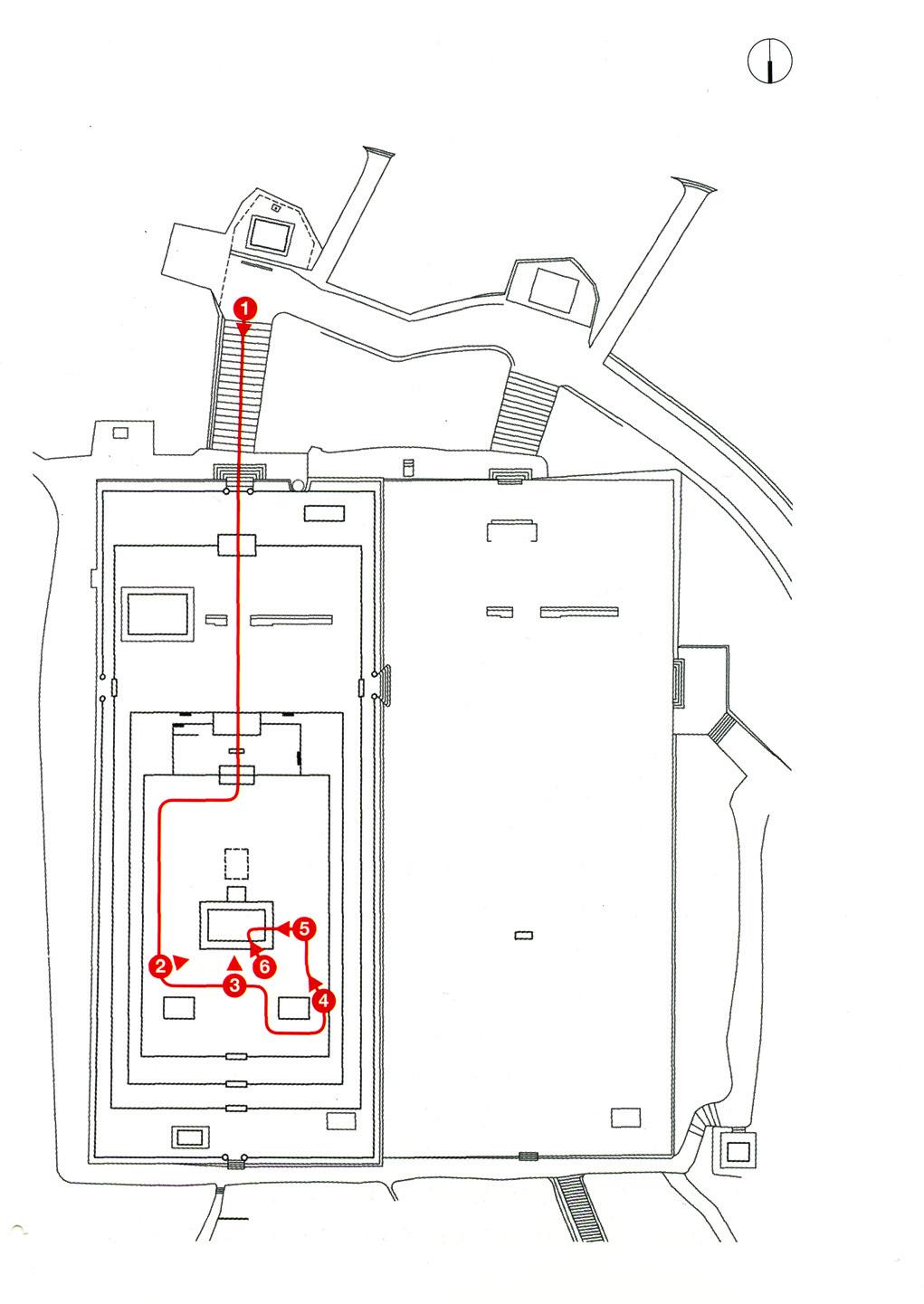
❷ The innermost wooden fence encloses a flat square surface covered with white pebbles on which stand three similar wooden buildings: the smaller east and west treasure houses near the north end of the enclosure, and the main sanctuary set in the centre. ❸ The sanctuary building encloses a central space walled with solid walls, framed by four columns on its long sides and three columns on its short sides; it is surrounded on all sides by a veranda and covered by a deeply projecting roof. The floor of the sanctuary is raised a little over two metres above the ground, and beneath it, behind the steps, the chamber of the sacred mirror is set into the ground. ❹ The massive roof is made of thick thatch, cut to form sharply pointed corners, and at its peak is a jointed ridge covered in wood, held down by ten large cylindrical logs. ❺ Two massive central columns at the two triangular gable ends of the roof carry the ridge beam, above which project a pair of crossed rafters and a row of four wooden tongues, without which the patterns of the ends of the wooden members would be exposed and vulnerable to rain, and would have to be covered with metal sheathing. Every intricate, interlocking joint in this all-timber building, and all its essential elements, have been refined and perfected; even so, the whole structure remains supremely simple and pure.
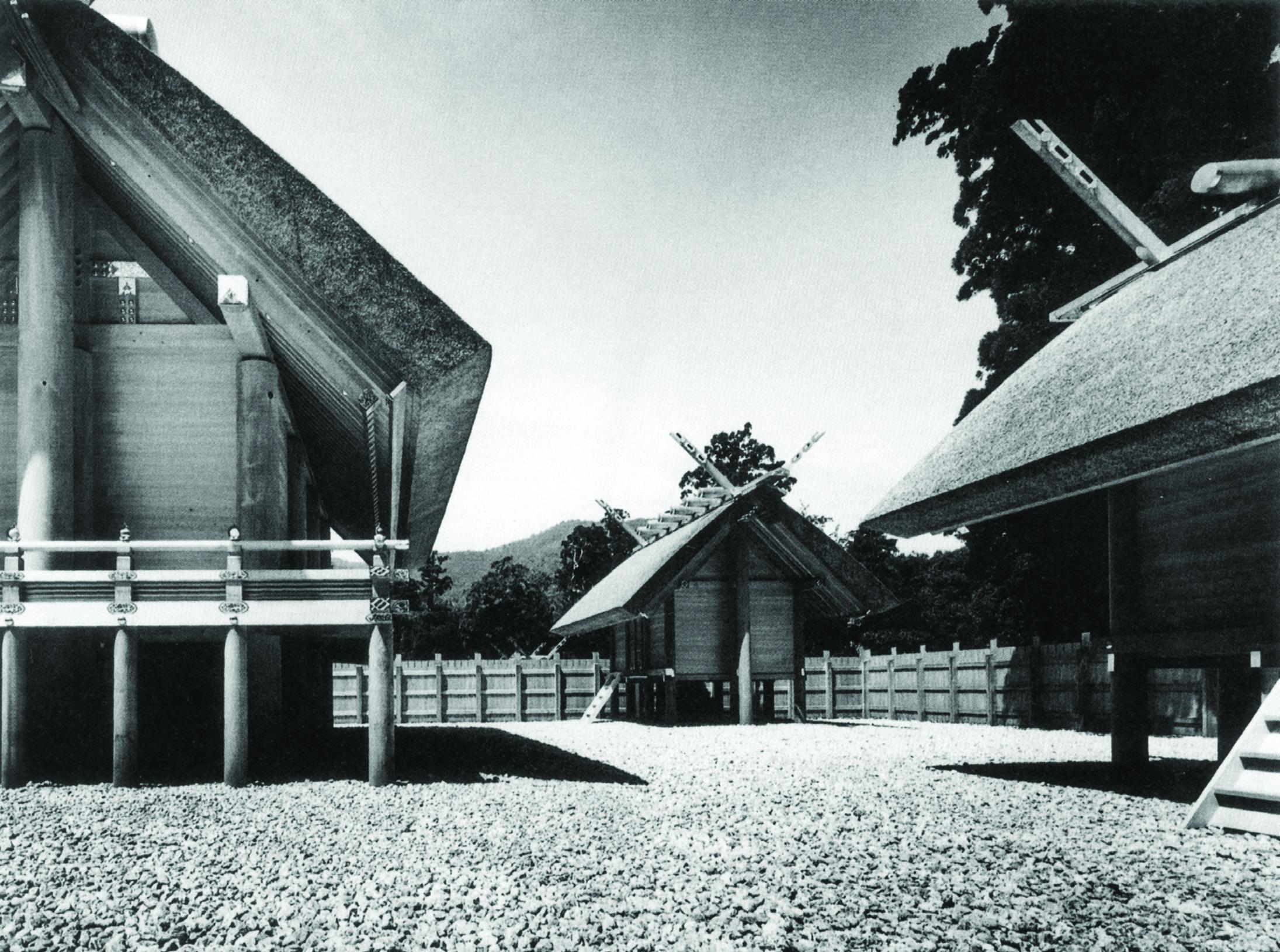
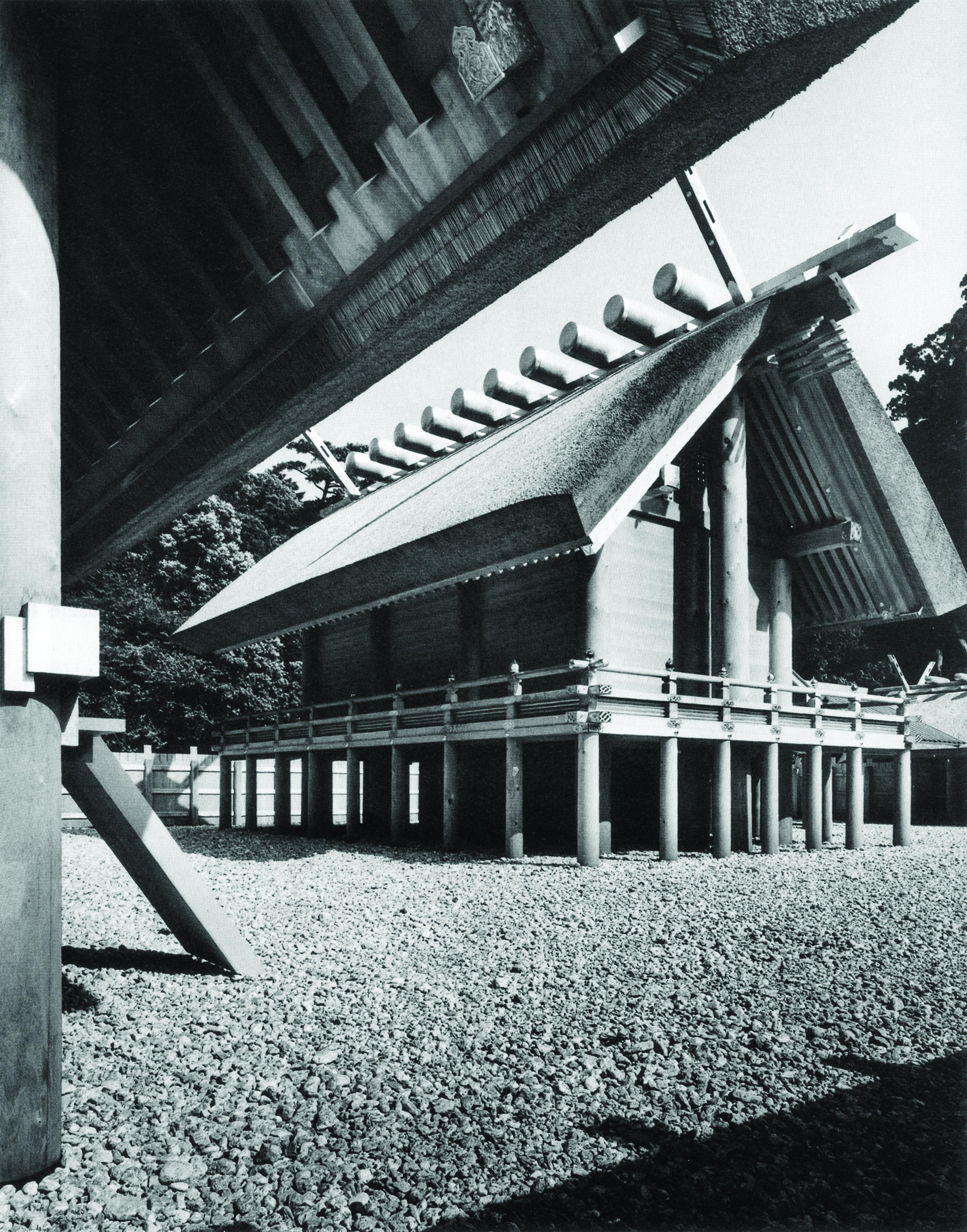
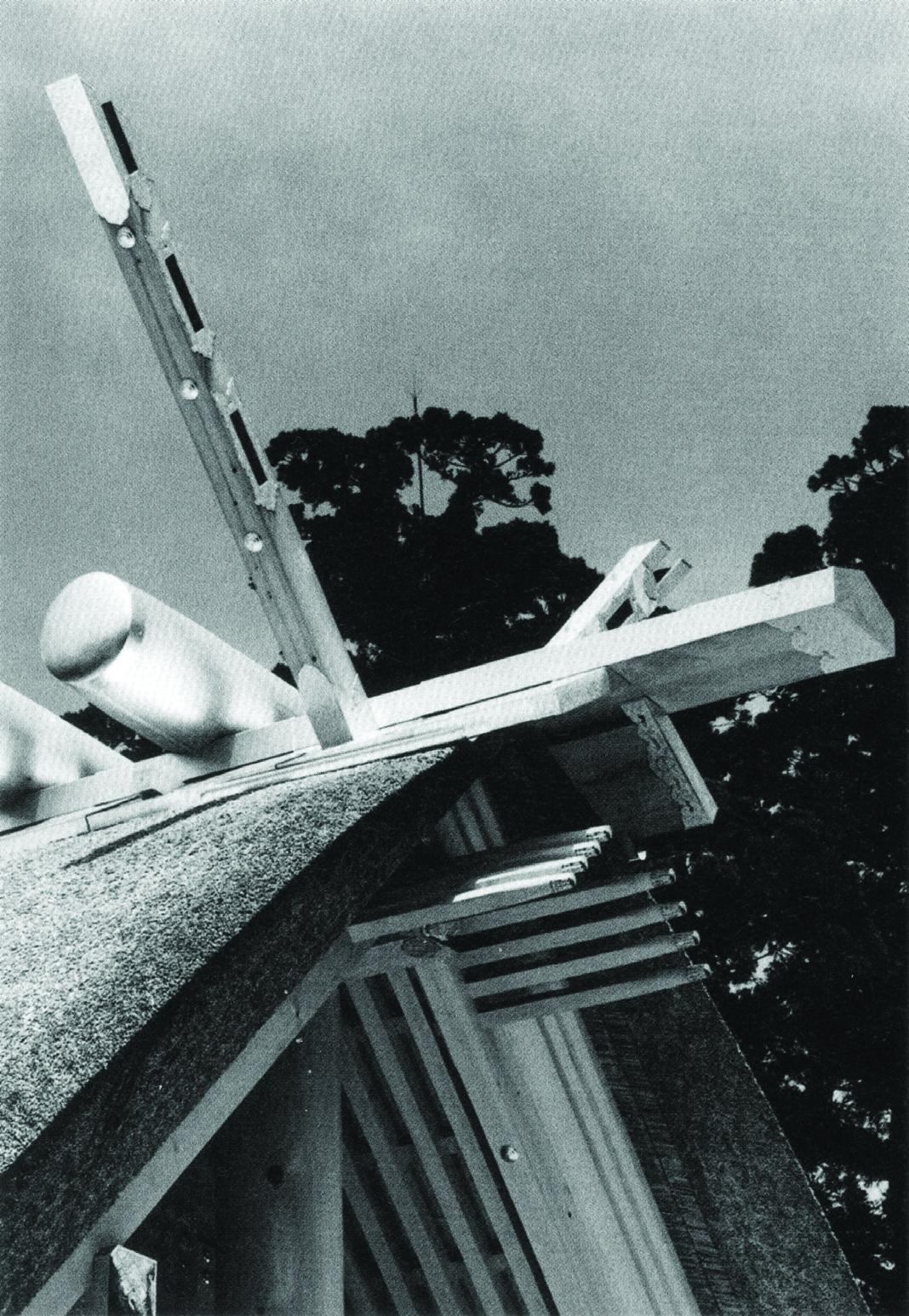
❻ The cypress and pine wood used to build the sanctuary and treasure house has been sanded and thoroughly polished; the perfect, flawless curves and surfaces, and the identical sharp edges repeated rhythmically and harmoniously throughout the building, reveal the deep understanding the carpenters who built the temple have of the nature of wood and of how to work with it. These perfect forms are made of wood, an imperfect natural material, and we can sense the presence of the 61 repeated forms that give the shrine its character, as well as the near-faultless methods of handwork, passed down from one generation to the next, that have made possible the flawless woodwork of the carpenters who built it. Today’s repetition of the shrine seems to us the same as those built before it, yet we know that the nature and behaviour of even two pieces of wood, as they are carved, and their response to the effects of sun and weather, are never exactly the same.
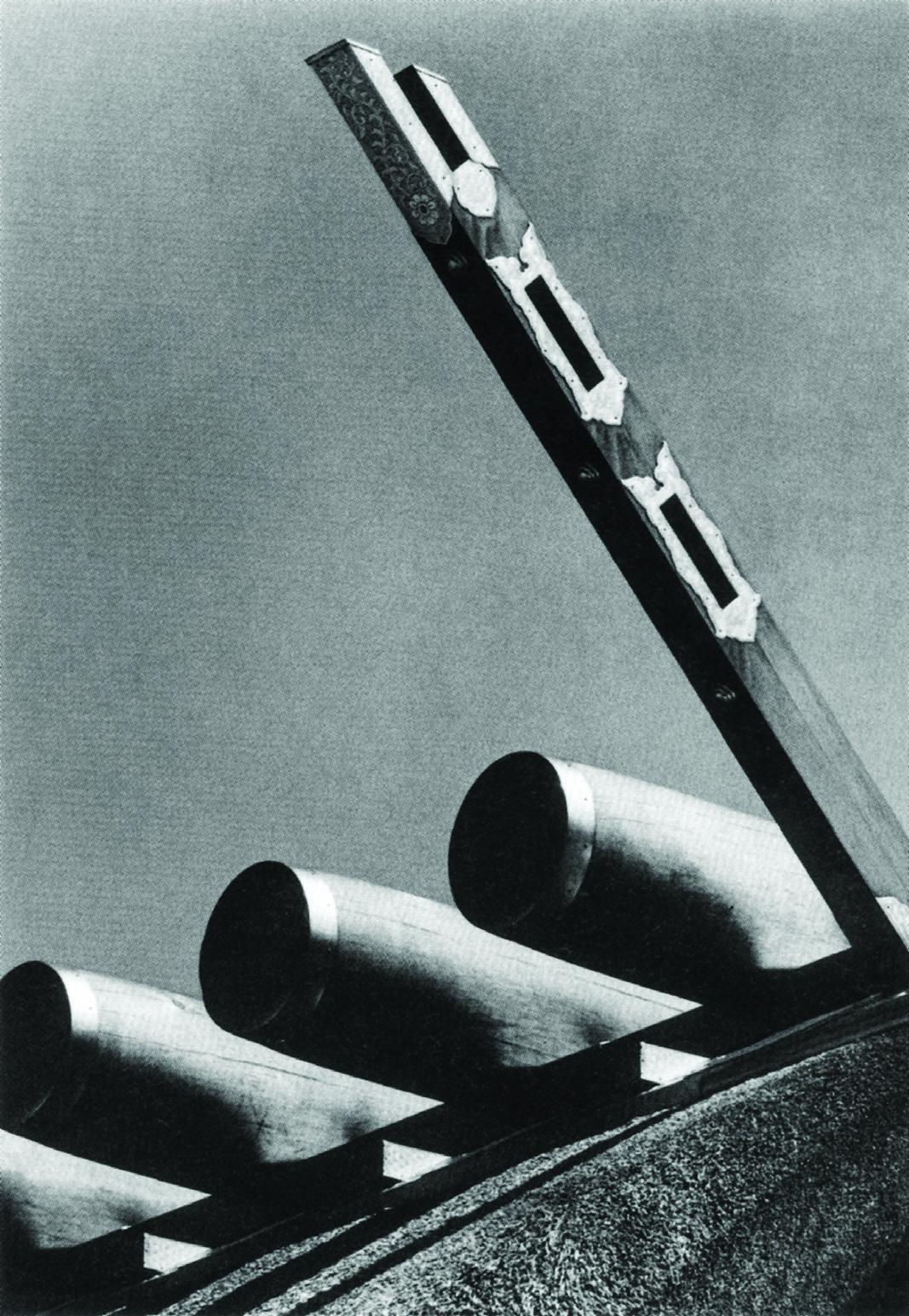
The Ise shrines are experienced as the embodiment of the ritual worship of the sacred forces of nature: the ritual repetition of a flawless natural form made by man, and the ritual renewal of methods of handwork that, through wood, connect us to the cycles of nature.
Notes
- Kiso
- Isuzu
- Torii Gate