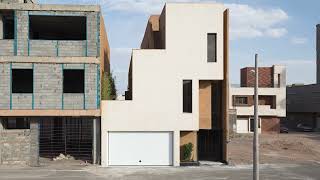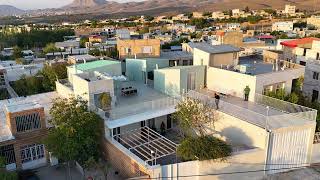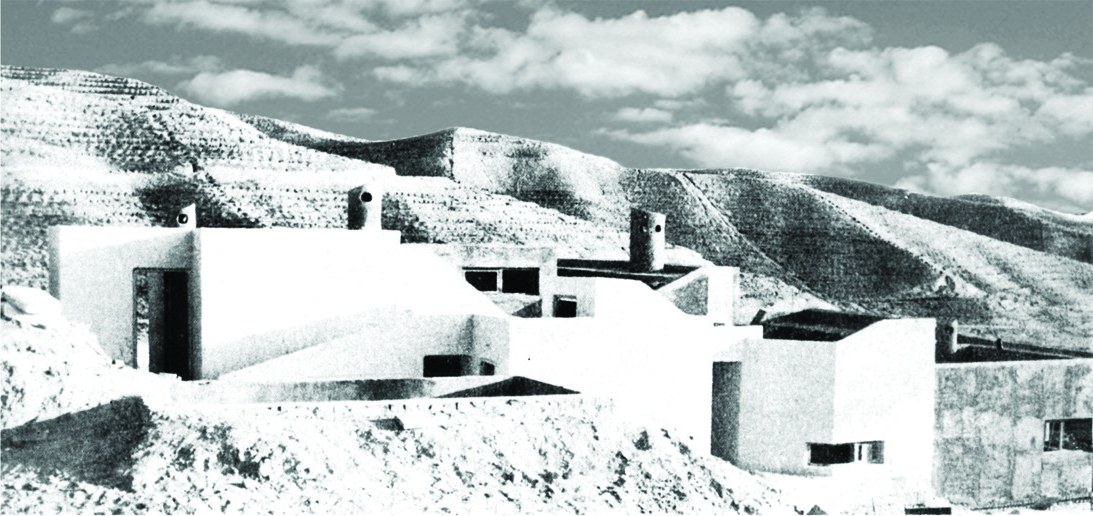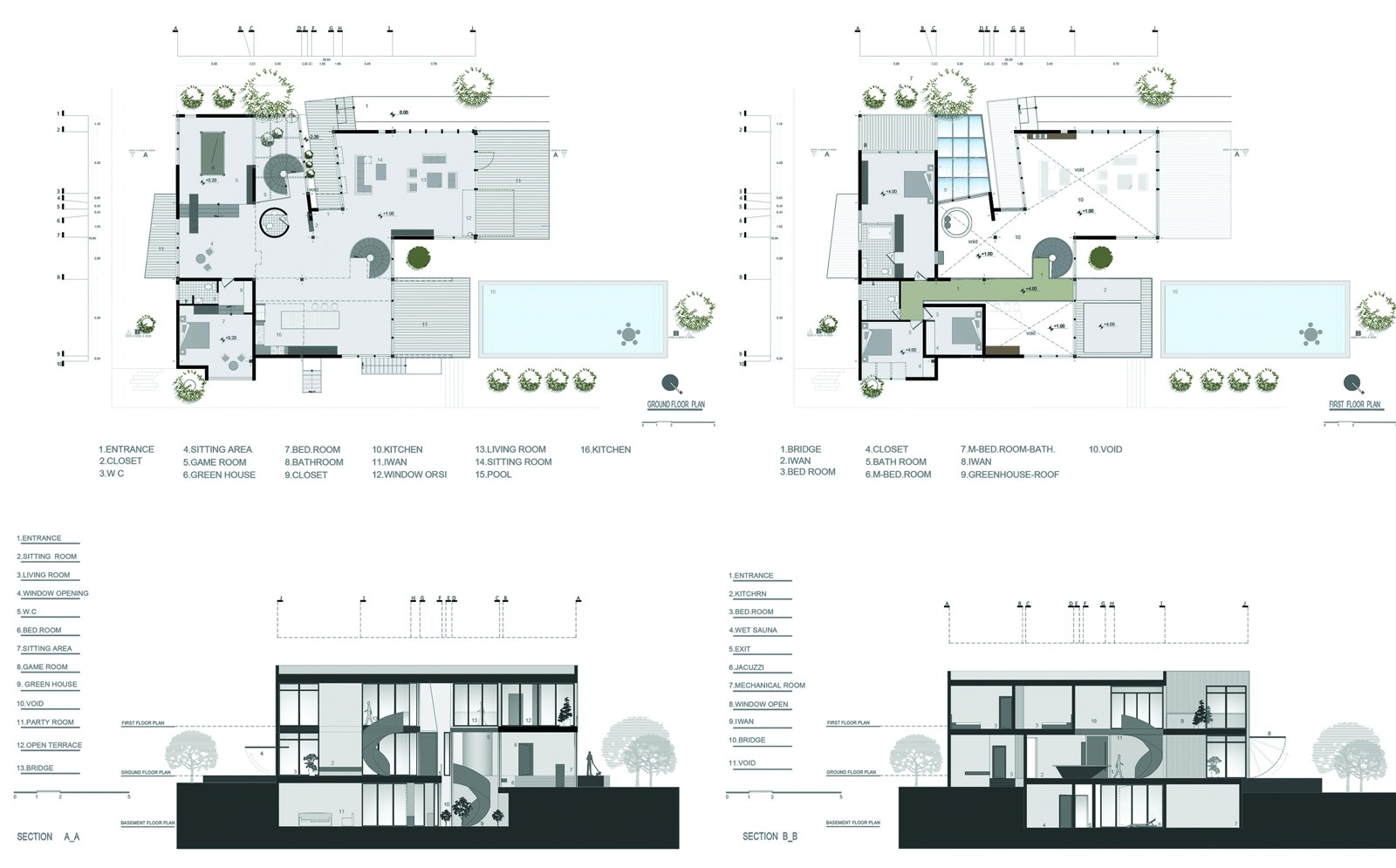
In many regions of Iran, places for pausing are where memories take shape; where, with people present, life flows and new memories come into being. As a setting for civic life, places for pausing are where events and happenings take place. In Gilan Province, from the past to today, there have been lively spaces that gave rise to places for pausing and gathering and that, over the years, have kept weaving together different memories and events, such as the talanbars, the teahouses and the kotoms; unfortunately, today many of them are being forgotten.
This project tries to examine the importance of places for pausing in creating a lively, active space. The main question is how to design a space that, besides creating a place to pause, also draws on the pattern of Gilan’s traditional houses.
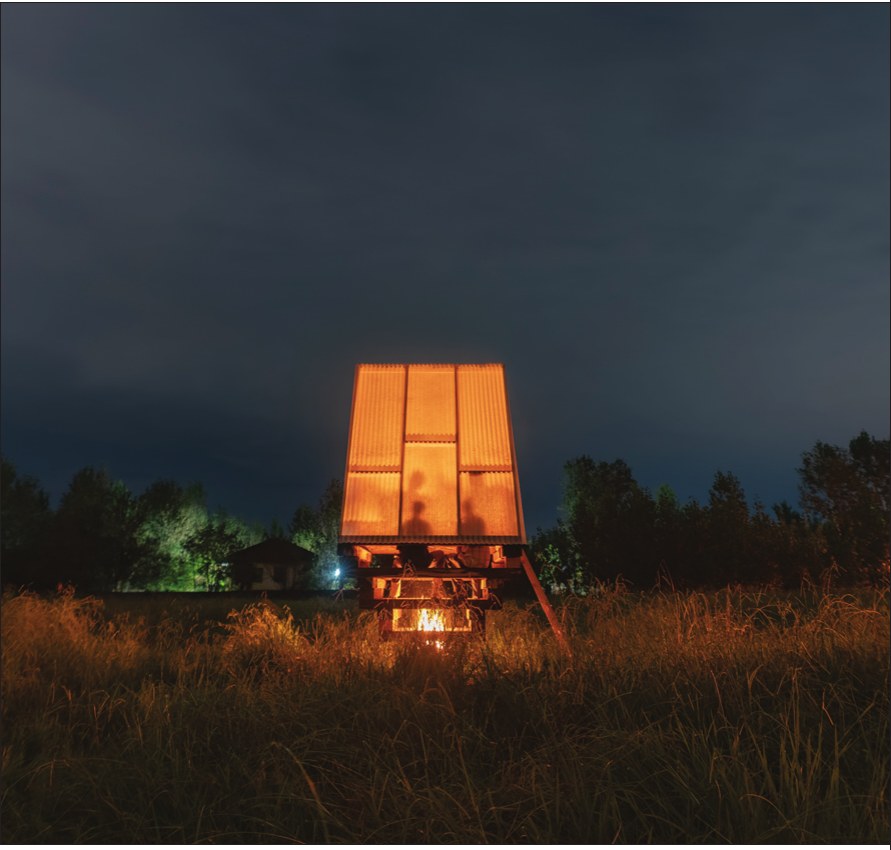
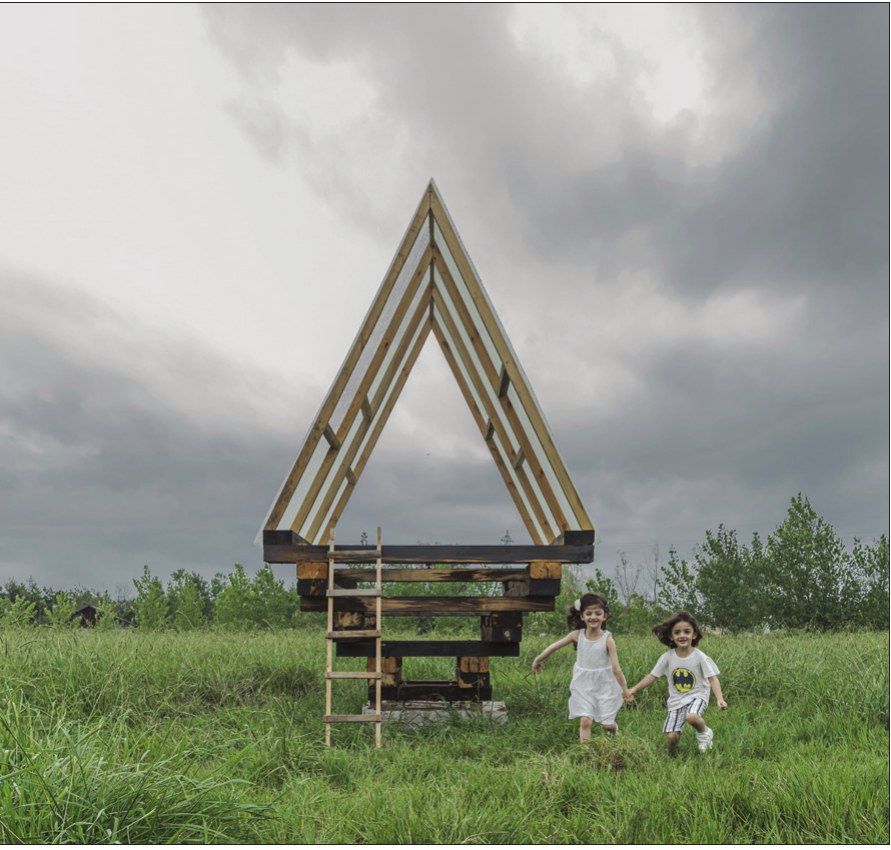
In Gilan’s traditional buildings the foundation played a more key role in the structure, because the weight of the building rested directly on it. These houses were built by stacking timbers on one another with double timber joints, to create a suitable base for the structure.
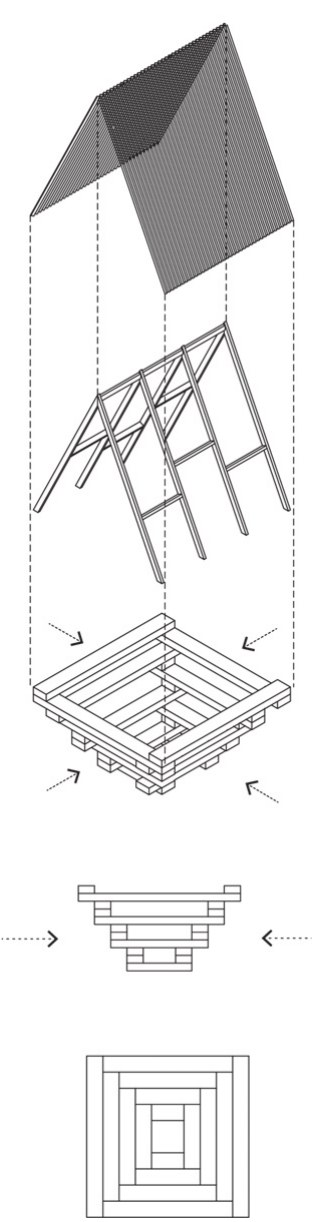
In this project the spatial structure is designed so that, besides creating spoken interaction between people, it can also strengthen sensory and visual connection with the surroundings.
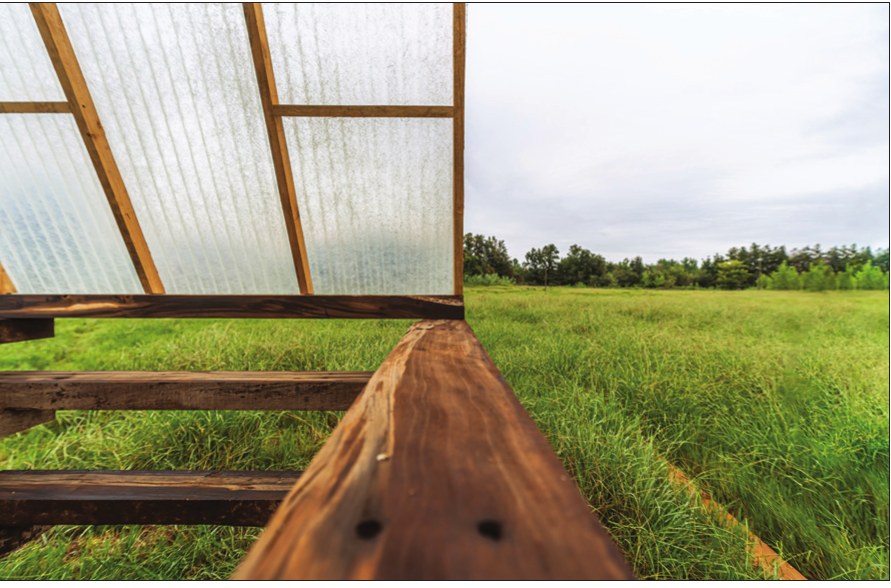
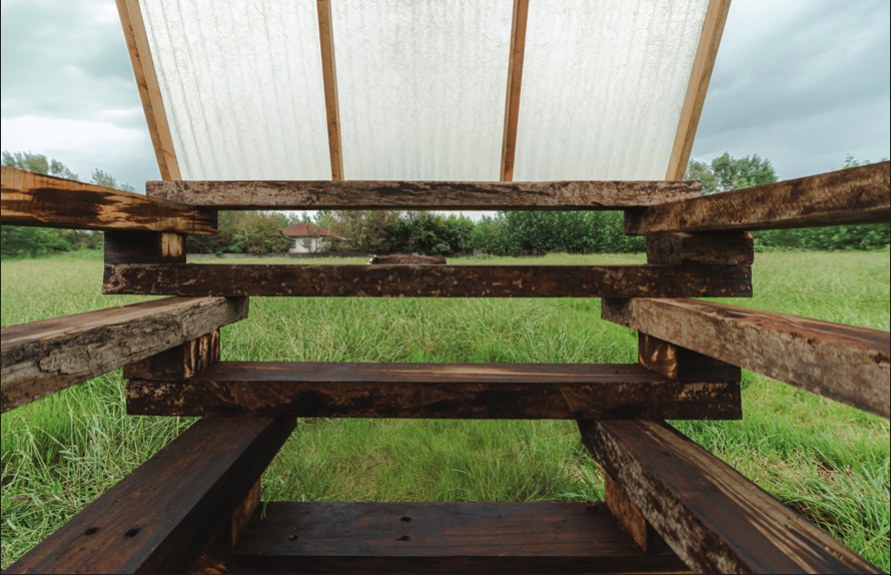
In addition, the use of railway-sleeper timber and recycled materials such as railway rails, besides meeting the needs of sustainability and environmental protection, also helps the stability and durability of the structure.