Understanding Architecture.
Our human landscape is our autobiography, a reflection of our tastes, our values, our aspirations, and even our fears, in a tangible and visible form. We rarely think of landscape in this way, and so the cultural record we have written in the landscape is liable to be more truthful than most autobiographies, because we are less aware of how we are describing ourselves.1
Peirce F. Lewis
Monumental architecture can be compared with the most lasting forms of the natural landscape, where the unchangeable elements always dominate the changeable ones.2
Aulis Blomstedt
The subordination of architecture, and also of large-scale urbanism, to the landscape is the fundamental question of today. If it is formulated correctly, it also contains the right answers. Once the landscape is lost, its intrinsic values cannot be rebuilt. Its destruction is final.3
Aulis Blomstedt
Create a landscape, interesting spectacular details, and in doing so you are creating good architecture.4
Aulis Blomstedt
The Inner Landscape
We tend to underestimate the importance of the landscape and of human-made settings for human character, behaviour and thought. We usually regard landscape as an empty stage for events, or as an object of natural or human-made beauty, of aesthetic admiration and spiritual contemplation. Edward T. Hall, the American anthropologist, points to our limited capacity to read the language of landscape and spaces, and to understand the interaction of the outer landscape and the inner mental landscape, "the most pervasive and important assumption, the cornerstone of the edifice of Western thought, one that is hidden from our awareness and concerns the relationship of the individual to his environment. Put simply, the Western view is that human processes, especially his behaviour, are independent of environmental control and influence."5 Referring to research in ecological psychology, Hall says, "certain behavioural characteristics vary less from person to person within a setting than they do between settings... the setting provides a context that deduces standard behaviour in accordance with a bond, but like rules that are not verbal, which is more binding and more uniform than individual variables such as personality."6 Indeed, in referring to the power of settings to influence human behaviour, psychologists have put forward the concept of "situation-dependent personality".
Hence landscape is a key component of our experience. As cultural geography has shown, we understand landscape metaphorically, and we sense an unconscious connection between our own bodies and the landscape; the landscape is interpreted as a metaphorical body and the body as a landscape. As a result, the landscape is not merely a setting for life: as a mental landscape it is internalised and gives structure to our experiences and to our thought and emotional processes. As Bachelard reminds us, the landscape is a state of mind.7
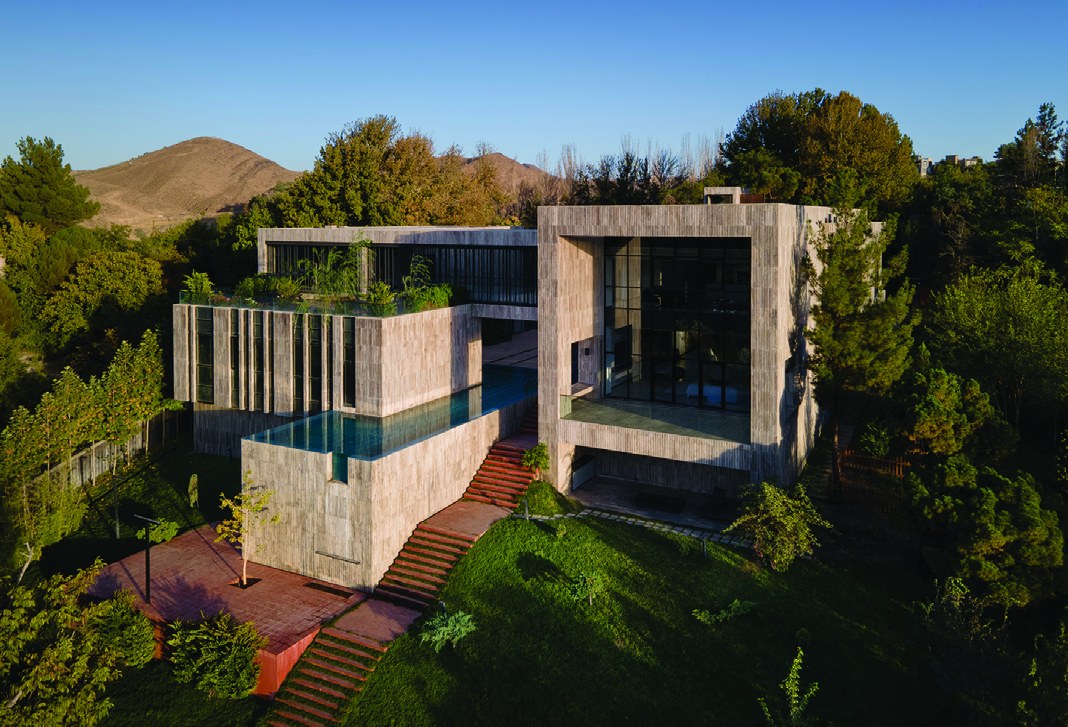
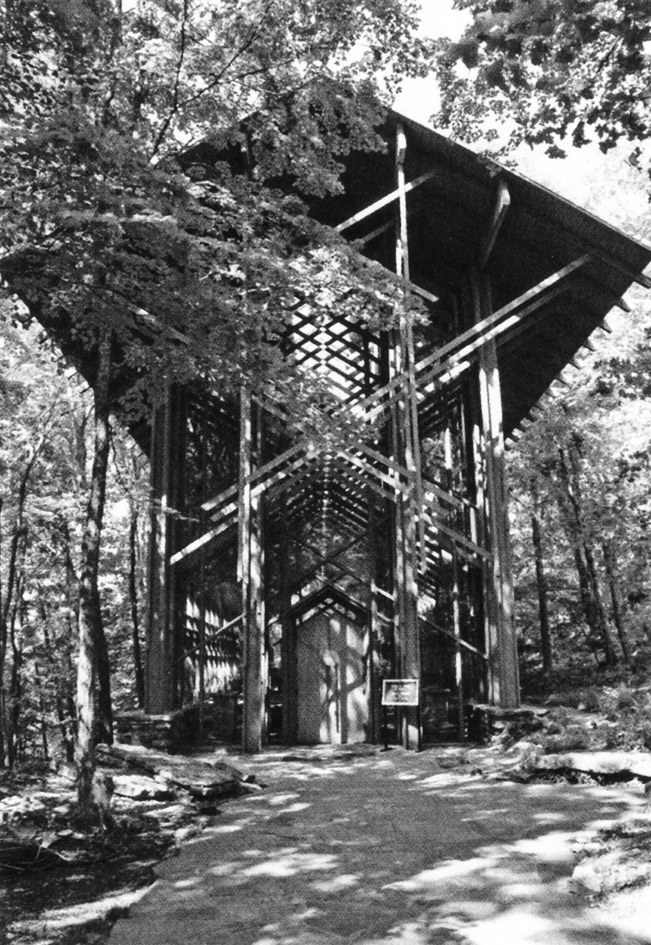
The landscape also provides spatial, formal, rhythmic, material and chromatic settings for buildings, which are usually conceived as large-scale objects. Buildings are in dialogue with the settings of the landscape, both natural and human-made, and their melodies combine, and this dialogue can take various forms. An architectural structure that employs a reductive geometric language and materiality may be knowingly placed against a rural setting, for example the Villa Savoye by Le Corbusier and the Farnsworth House by Mies van der Rohe. A building may be woven into its surroundings through architectural themes and materials that reflect the characteristics of the place: the vertical stone walls and the projecting horizontal concrete terraces of Frank Lloyd Wright's Fallingwater at Bear Run, which reflect the morphology of its rocky site, and Fay Jones's Thorncrown Chapel in Eureka Springs, which continues the linear rhythms and the dense spatial feeling of its forest setting.
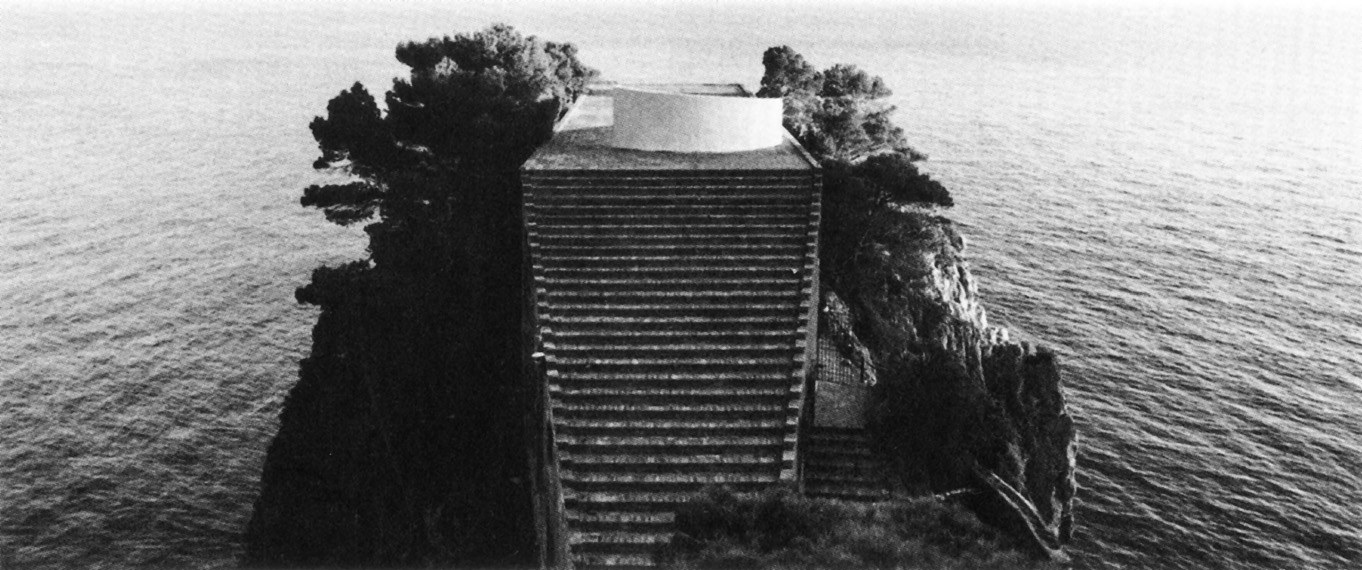
Whatever the degree of their contrast, a profound piece of architecture always expands the reading of its surrounding landscape, makes it clearer and strengthens it, and gives it a specific meaning. Landscape and building are interwoven; the landscape frames the architecture, and the work of architecture frames the landscape and emphasises it. The Casa Malaparte by Curzio Malaparte and Adalberto Libera addresses at once the expanse of the Mediterranean Sea and the more or less vertical rock formations of the site; it dramatises our reading of the horizontal line, verticality and gravity, and strengthens the astonishing grandeur of the setting while at the same time offering an image of protection and home. Alvar Aalto's architecture is always in a subtle dialogue with the surrounding landscape: the Villa Mairea brings the broken, vertical rhythms of the surrounding forest into its interior space, and the Maison Carré in Bazoches-sur-Guyonne reconciles the undulating landscape of the French farmland with a single sloping slate roof. Frank Lloyd Wright's Taliesin studio and residence in Arizona grows out of the desert, glorifies the empty yet magnificent landscape, and speaks of human culture and of the long traditions of architecture on the American continent.
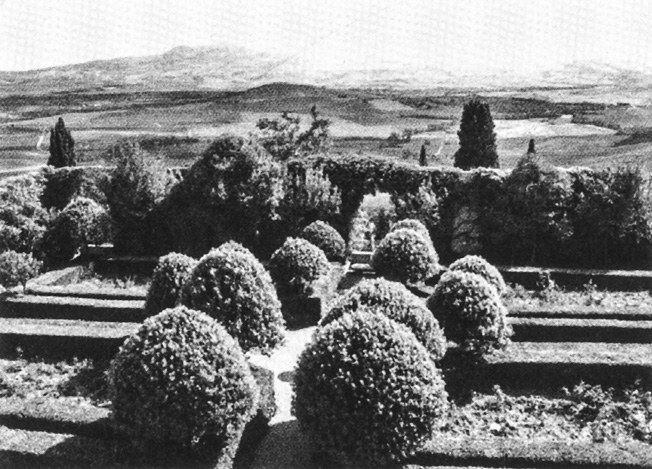
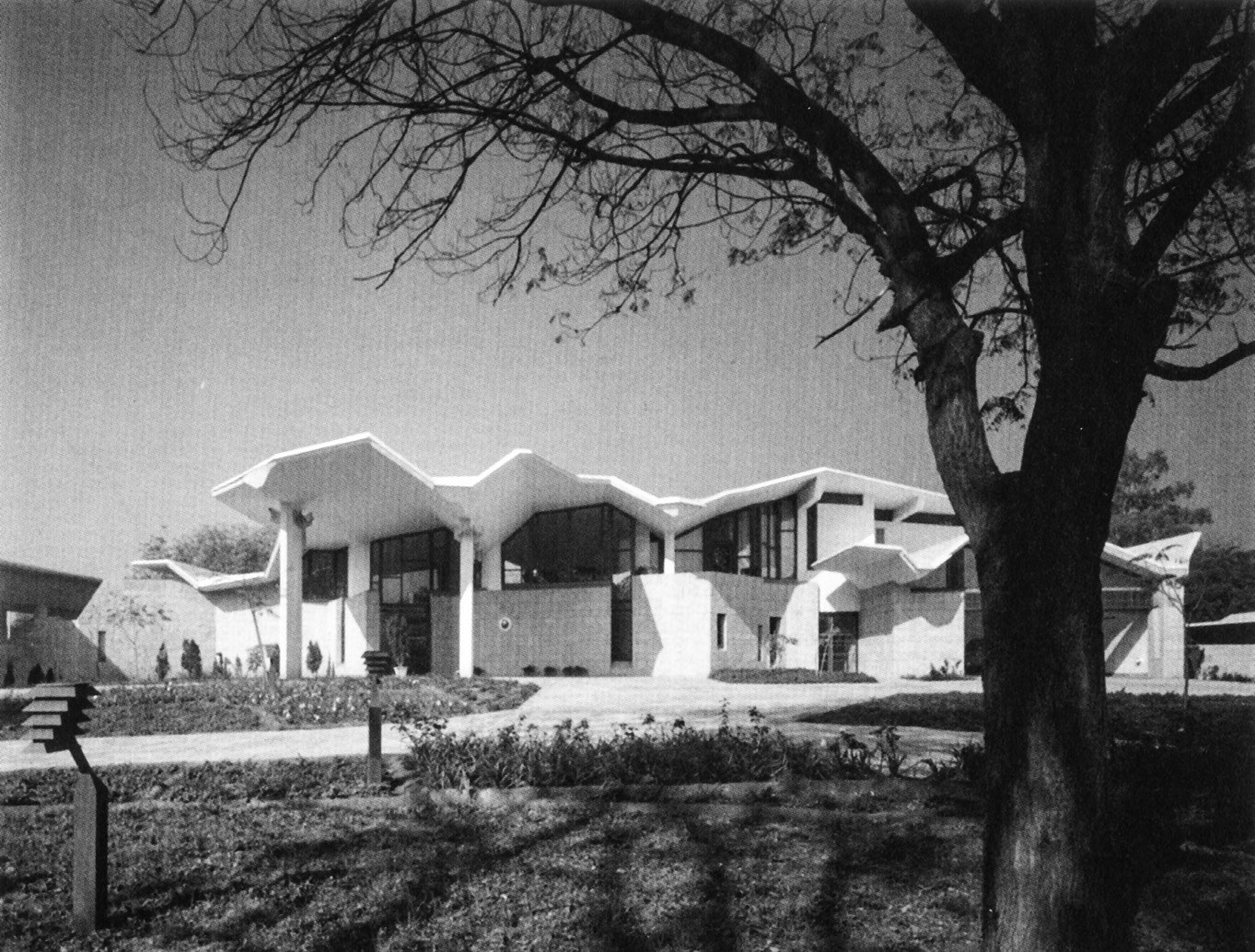
Sometimes architecture may take its form directly from the landscape; the Finnish architect Reima Pietilä deliberately wished to develop a kind of architectural language that would be derived from morphological studies of the landscape. His competition project for the Malmi church appears like a rock formation, the non-geometric forms and rhythms of the Finnish Embassy building in Delhi are derived from an analysis of the Finnish lake landscapes, whereas the Finnish President's residence is based on local geological formations. But most of the time, buildings are related to their larger natural landscape by means of intermediary courtyards and gardens, and their relationship can extend the geographical domain or can mediate between architecture and nature. Classical French gardens, defined by axes, project a controlling power onto the distant, untamed nature, while the aspiration of many modern structures is to weave the architectural structure intimately and quietly into the themes and textures of nature.
Landscape architecture and garden design are an extension of the domain of architecture, and, because of their involvement with materials, life, time and growth, they require specific ways of thinking in terms of process and form; in turn, the soft and dynamic strategies of landscape architecture are increasingly regarded as models for architecture and urban planning that are oriented towards the principles of sustainability.
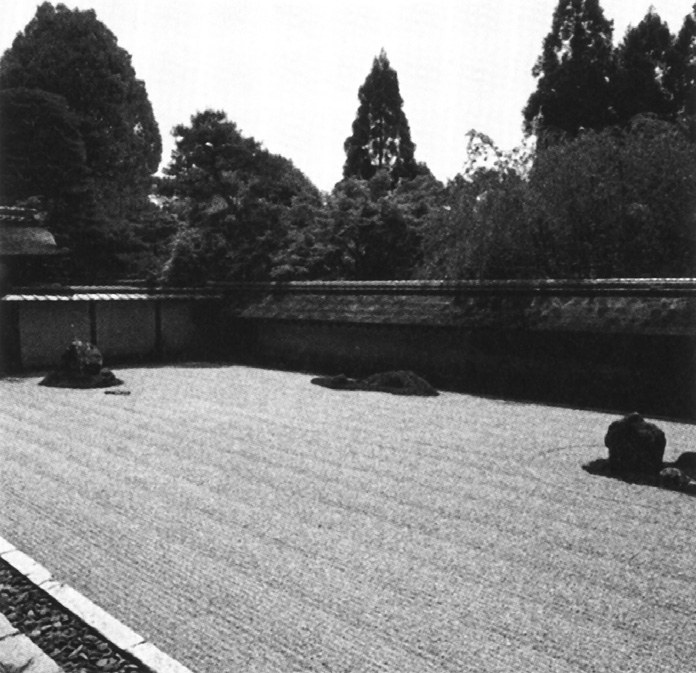
The design of gardens and landscape has another role besides its role as a mediator between architecture and nature. Architecture creates constructed and lived metaphors of the world and of human life. As is true of all profound works of art, outstanding works are small examples, complete and autonomous worlds in themselves. This sense of totality or singularity holds true of great works of art independently of their size; a small still life of a few bottles on a table by Giorgio Morandi is as much a poetic image of our lived world as a work of architecture or a landscape on a monumental scale. Gardens may also function in the traditional Chinese and Japanese ways, presenting miniature, symbolic and human-made landscapes, mountains, shores and streams. Perhaps the best example of these miniature landscapes is the Ryoan-ji Zen garden in Kyoto, landscapes that resemble the artistic idea of the still life as a metaphor of the larger order of the cosmos.
The relationship between nature and architecture is also displayed beyond the scale of the single building. The architecture of the traditional urban centres of Europe has developed largely as a continuation of the geometric configurations of human-made villages, towns and cities, whereas Nordic architecture is still largely a response to the natural landscape of the natural features of the land. One can imagine that the differences between these principal types of landscape have eventually given rise to different architectural sensibilities in terms of space, geometry and form. Beyond mere aesthetic preferences, landscapes cause differences in the related mental worlds. These two contrasting landscapes are perhaps seen most poignantly in the characteristics of cemeteries in urban and forest cultures; in the former, cemeteries are usually conceived as dense cities, whereas in the latter, forest cemeteries are usually set in natural surroundings with a distinctly pantheistic atmosphere.
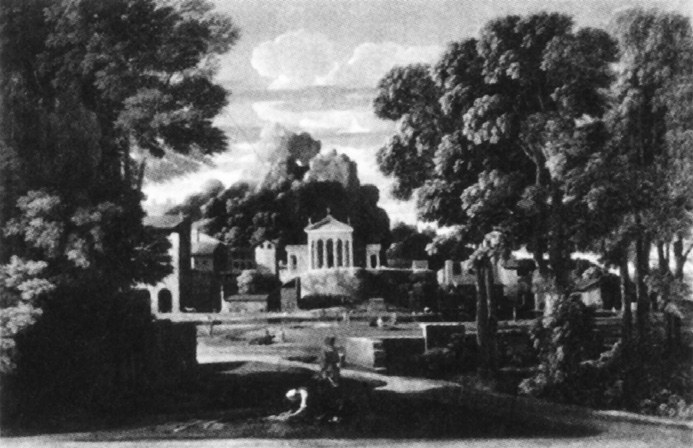
While all natural landscapes have their own characteristics and atmospheres, moods and emotional content, ranging from the frightening to the awe-inspiring and the sublime, the sentimental, the lyrical and the melancholy, our perception of landscape and our sensitivity to its character and expressions are culturally shaped. Landscape painters play a part in this formation; by depicting idealised rural idylls or wild natural landscapes, with their power and threat, they can change our conception of the landscape. But it is evident that the characteristics of the natural landscape of our childhood tune our sensitivities to space, scale, material and light in particular ways; the landscape, the climate and the rhythms of the turning seasons also directly shape people's character and behaviour. As research has confirmed, even the senses are tuned to the particular subtleties of the living environment and to the specific characteristics of one's childhood environment. For example, the prevailing openness or closedness of views subtly conditions the ways of visual perception; depending on the characteristics of the landscape of our dwelling place, we in fact see differently.8
Notes:
1- Peirce F. Lewis, 'Axioms for Reading the Landscape', in D. W. Meinig (ed), The Interpretation of Ordinary Landscapes: Geographical Essays (New York: Oxford University Press, 1979), 12.
2,3,4- Aulis Blomstedt, Thought and Form: Studies in Harmony, edited by Juhani Pallasmaa (Helsinki: Museum of Finnish Architecture, 1980), 20.
5- Mildred Reed Hall and Edward T. Hall, The Fourth Dimension In Architecture (Santa Fe: Sunstone Press, 1975), 8.
6- Ibid,9.
7- Gaston Bachelard, The Poetics of Space (Boston: Beacon Press, 1969), 72.
8- See, Segall, Campbell, Herskovits, The Influence of Culture on Visual Perception (Indianapolis/ New York: The Bobbs-Merrill Company Inc., 1966).