El croquis, No. 140.
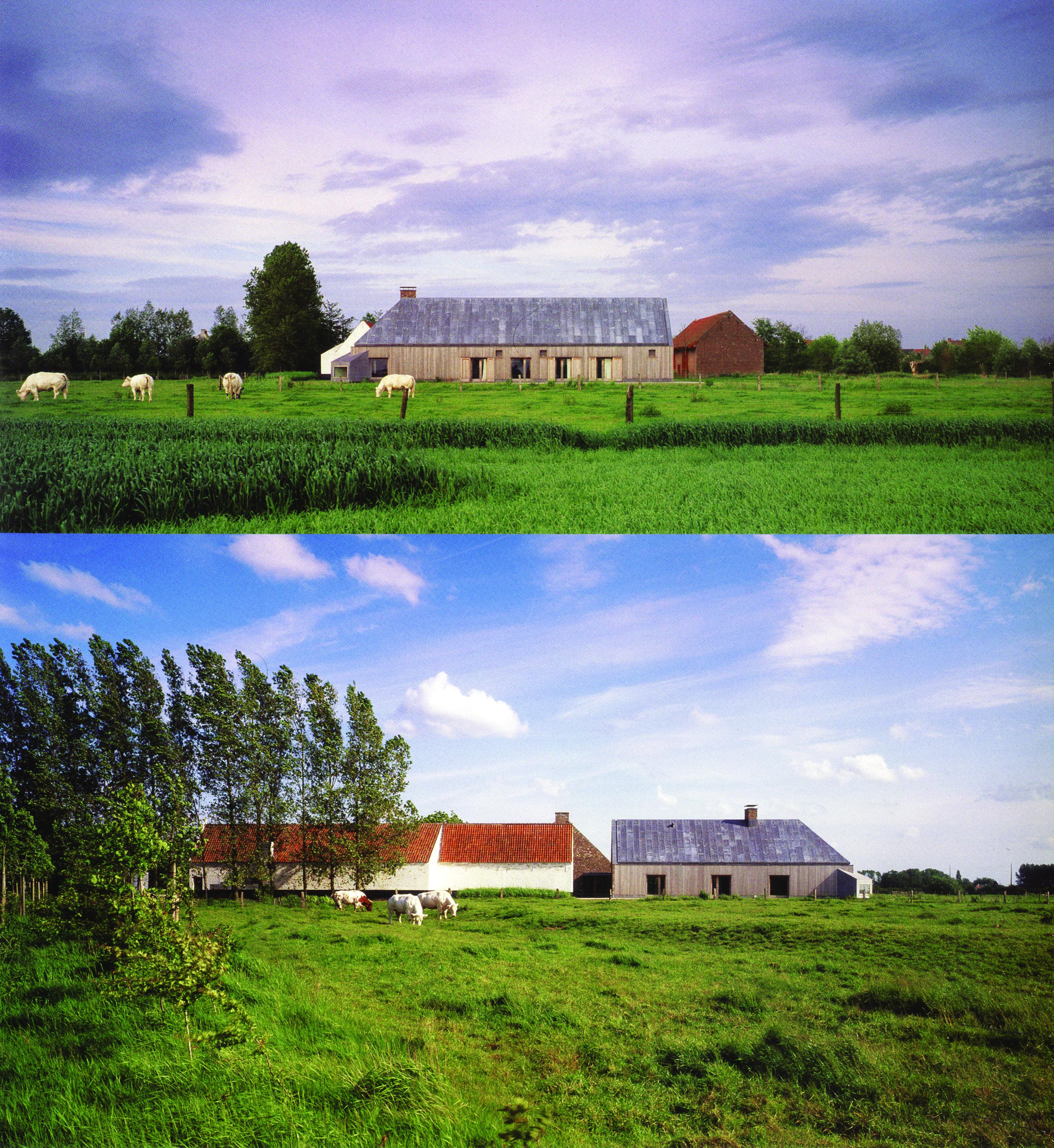
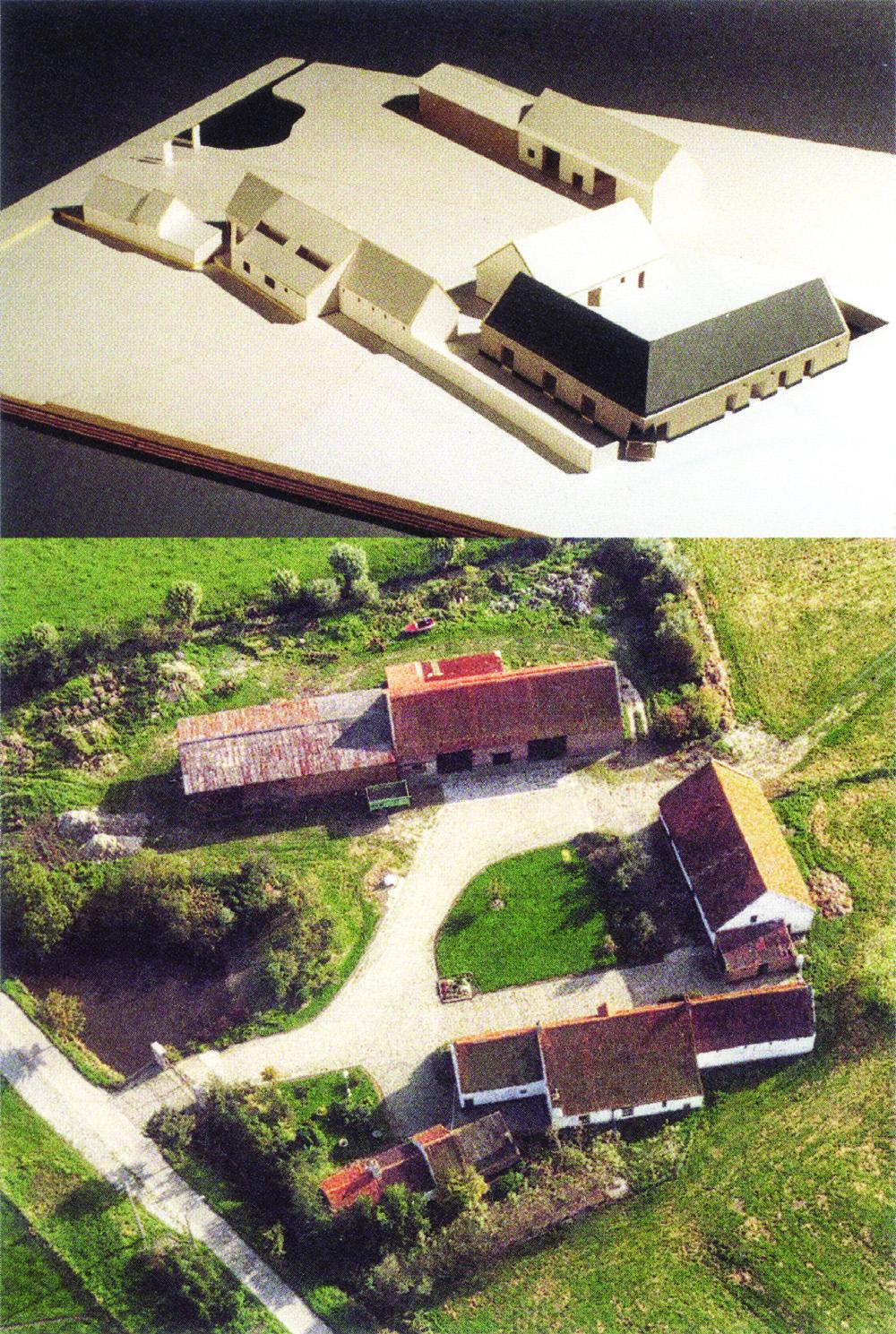
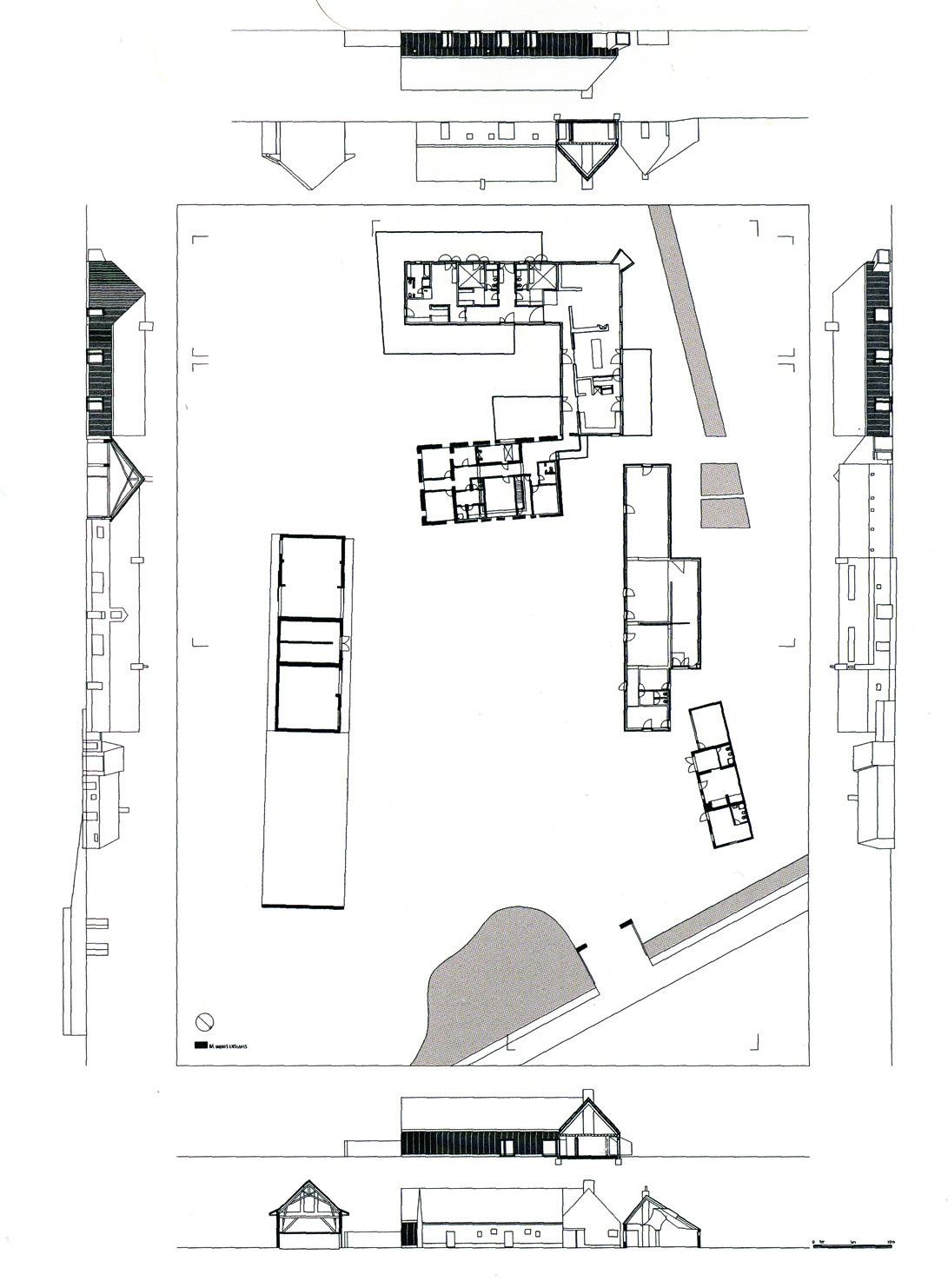
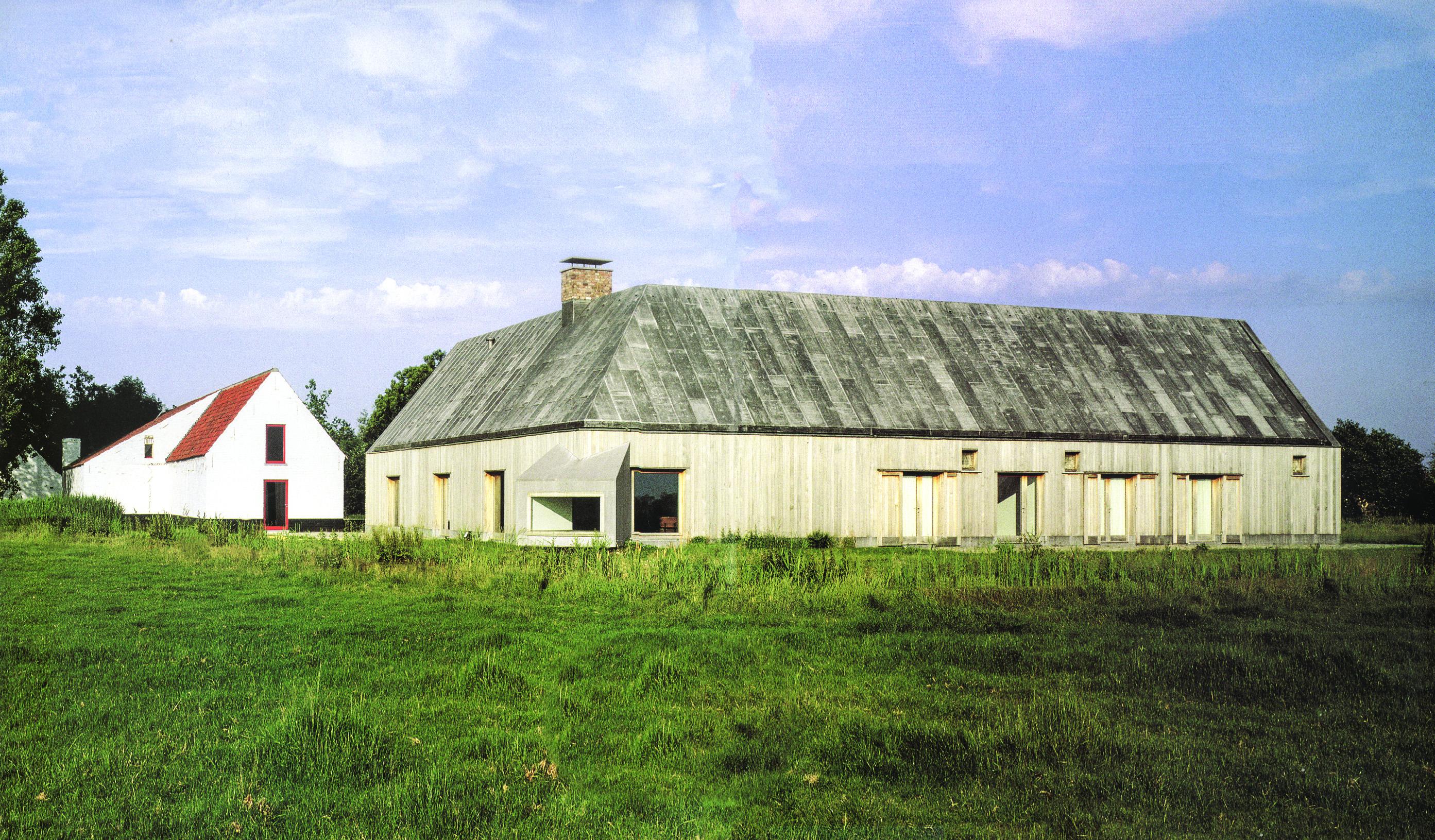
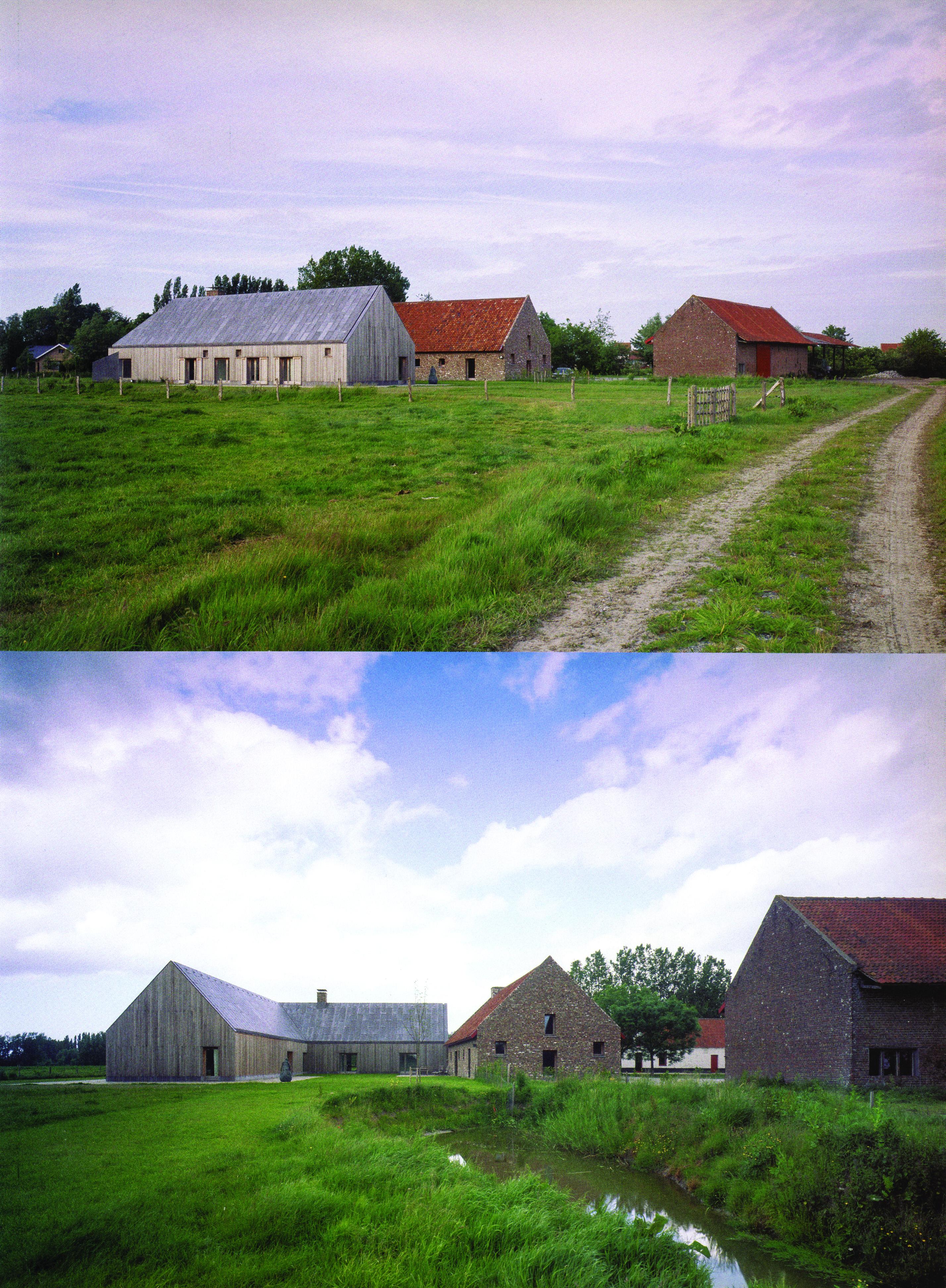
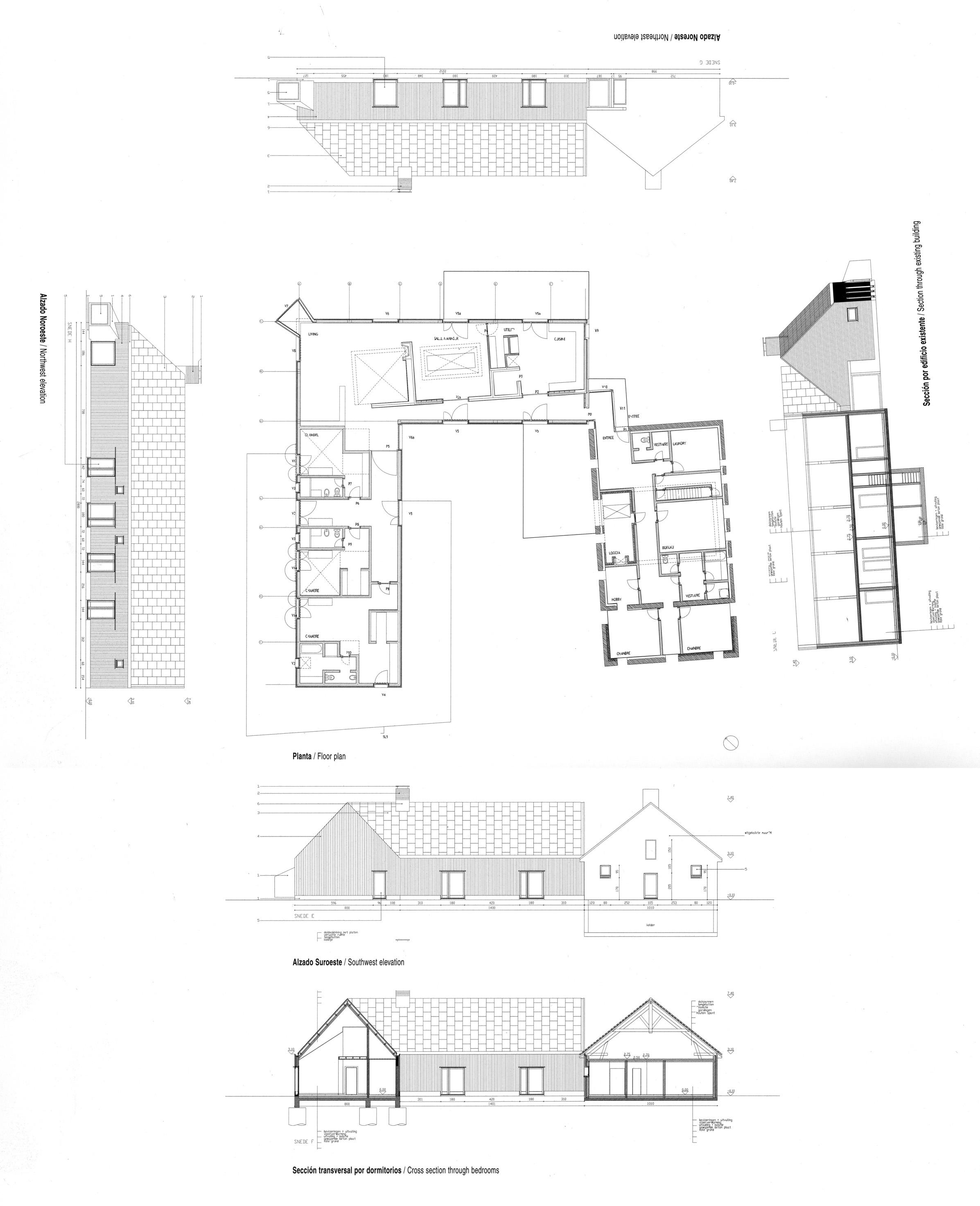
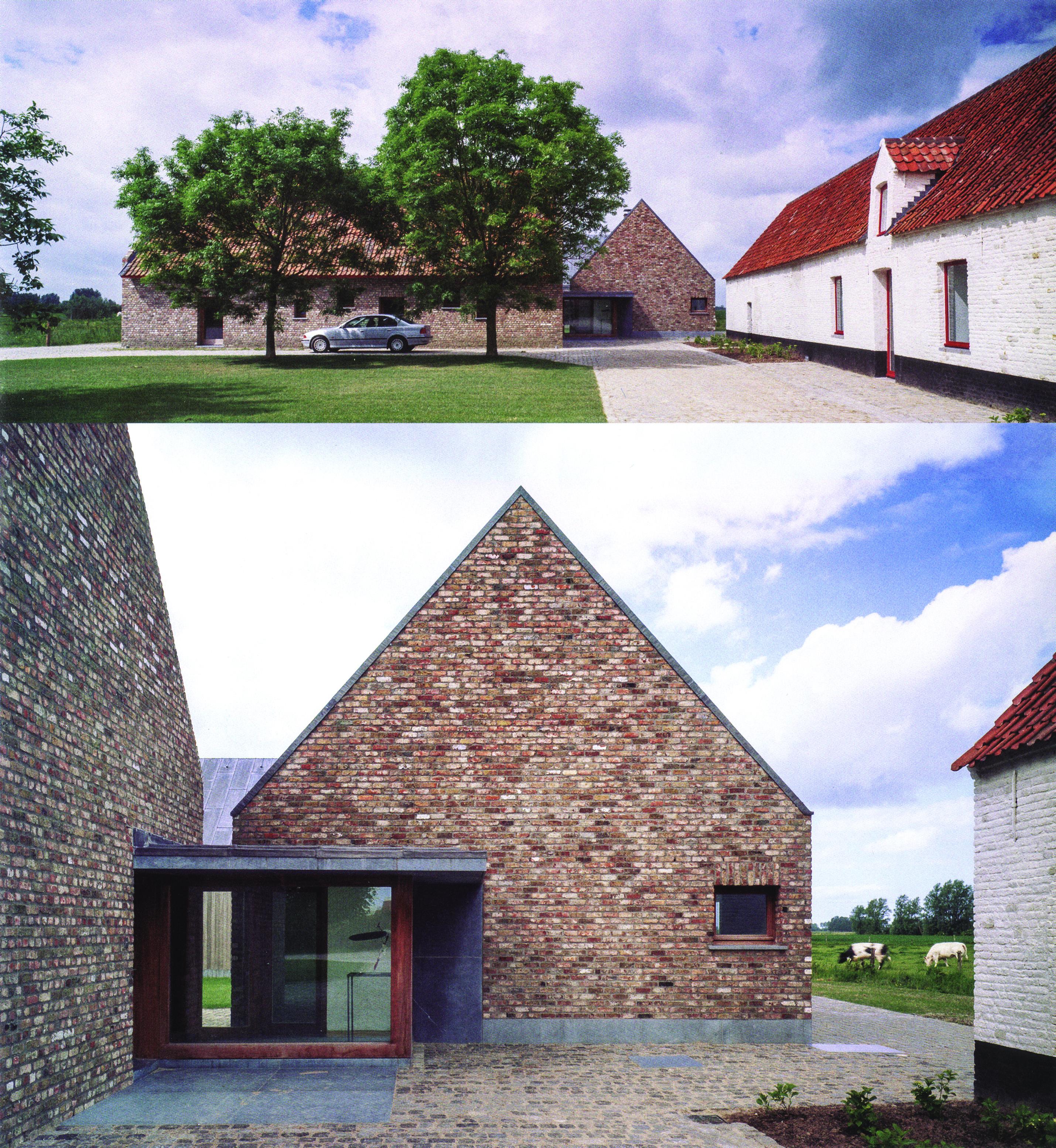
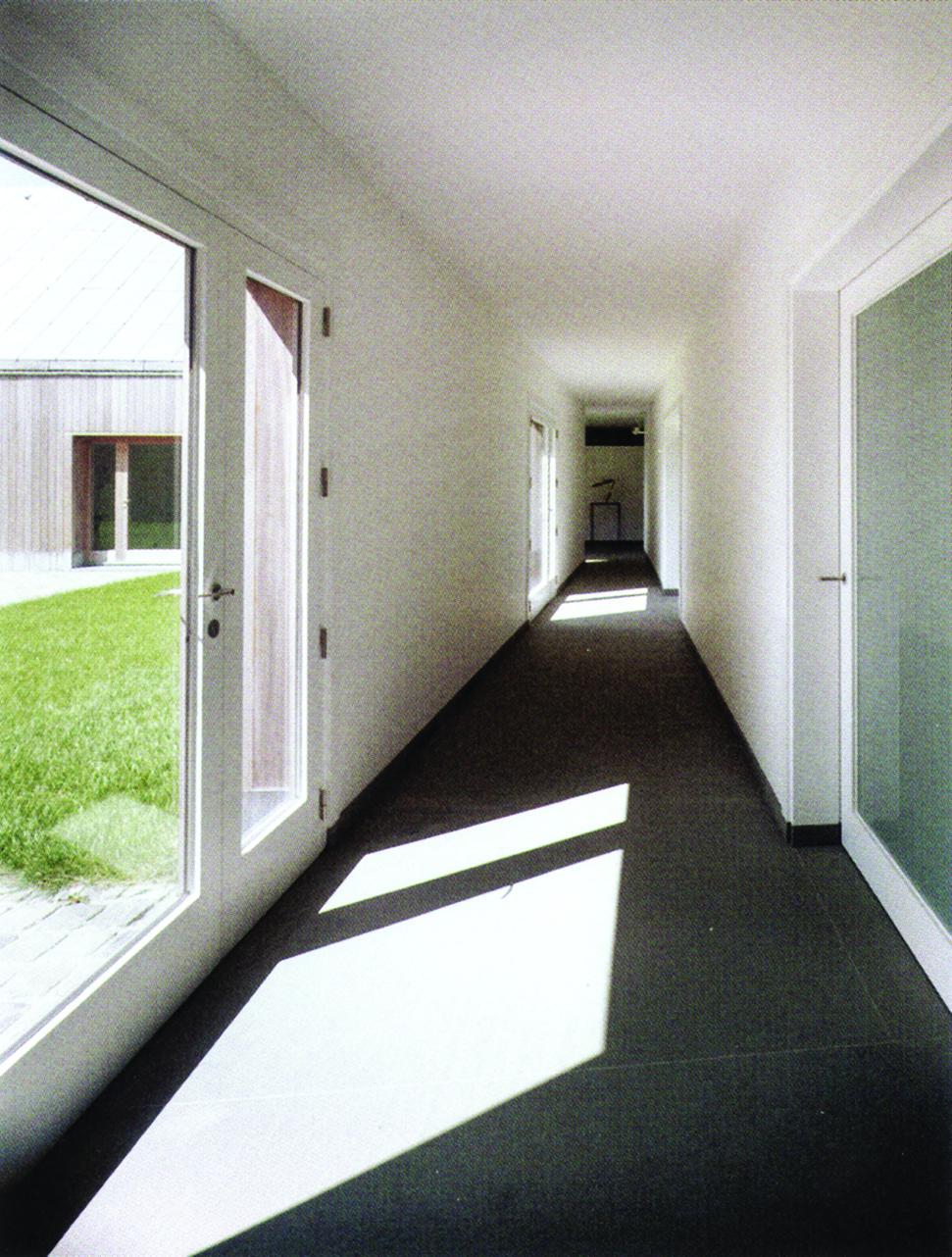
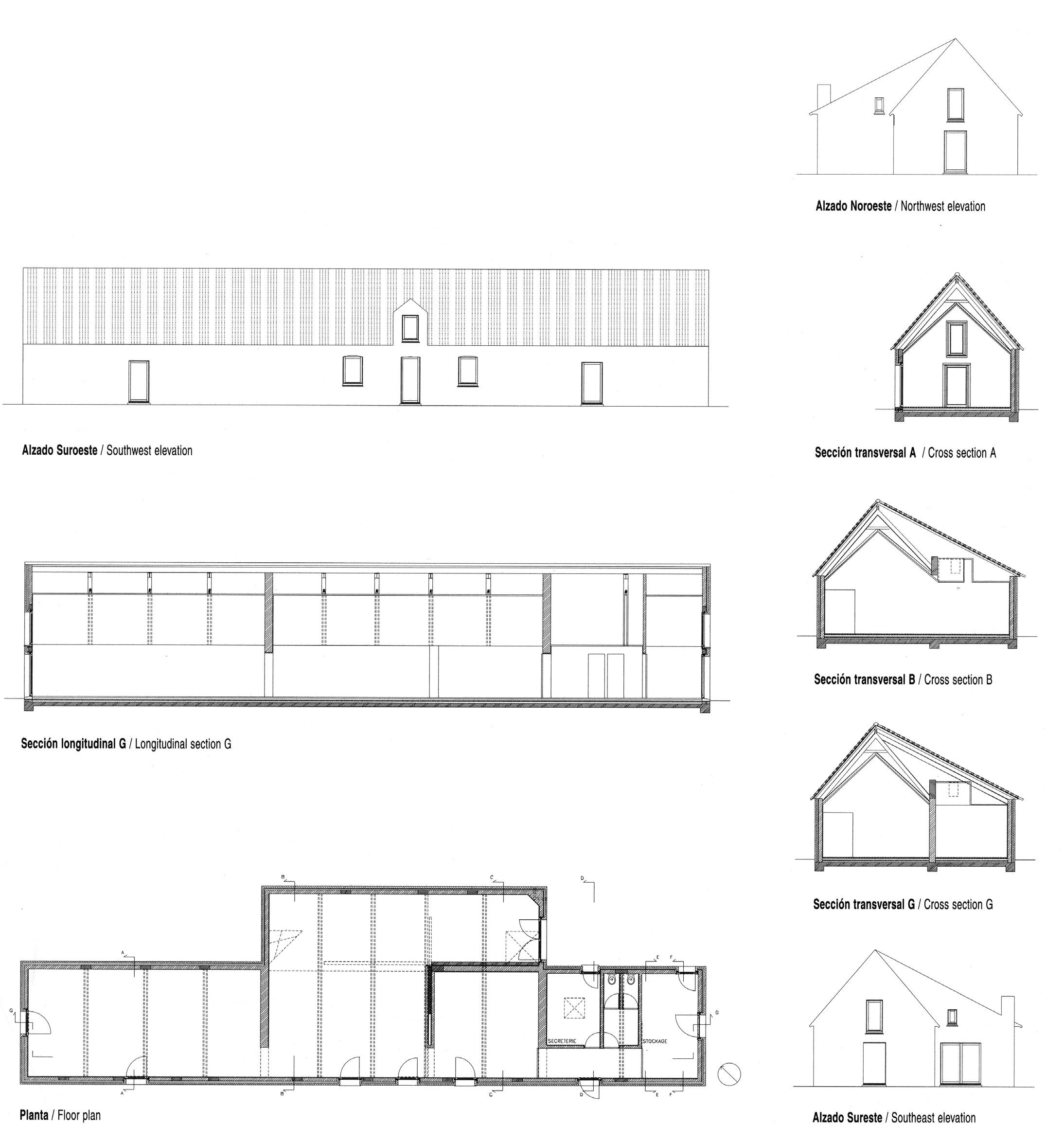
The project involves the preservation, restoration and extension of a farm and its conversion into a residential complex and art gallery. The existence of three main U-shaped volumes around a courtyard became the basis of the whole project. Thus the first open space, with a semi-public use, emphasises the history of the place, while the second courtyard, in defining the new buildings, creates a private atmosphere. Integration here means “completing what still exists”, or “building with tradition”: simple, unpretentious volumes, with the same geometric section as the existing units, have been joined together.
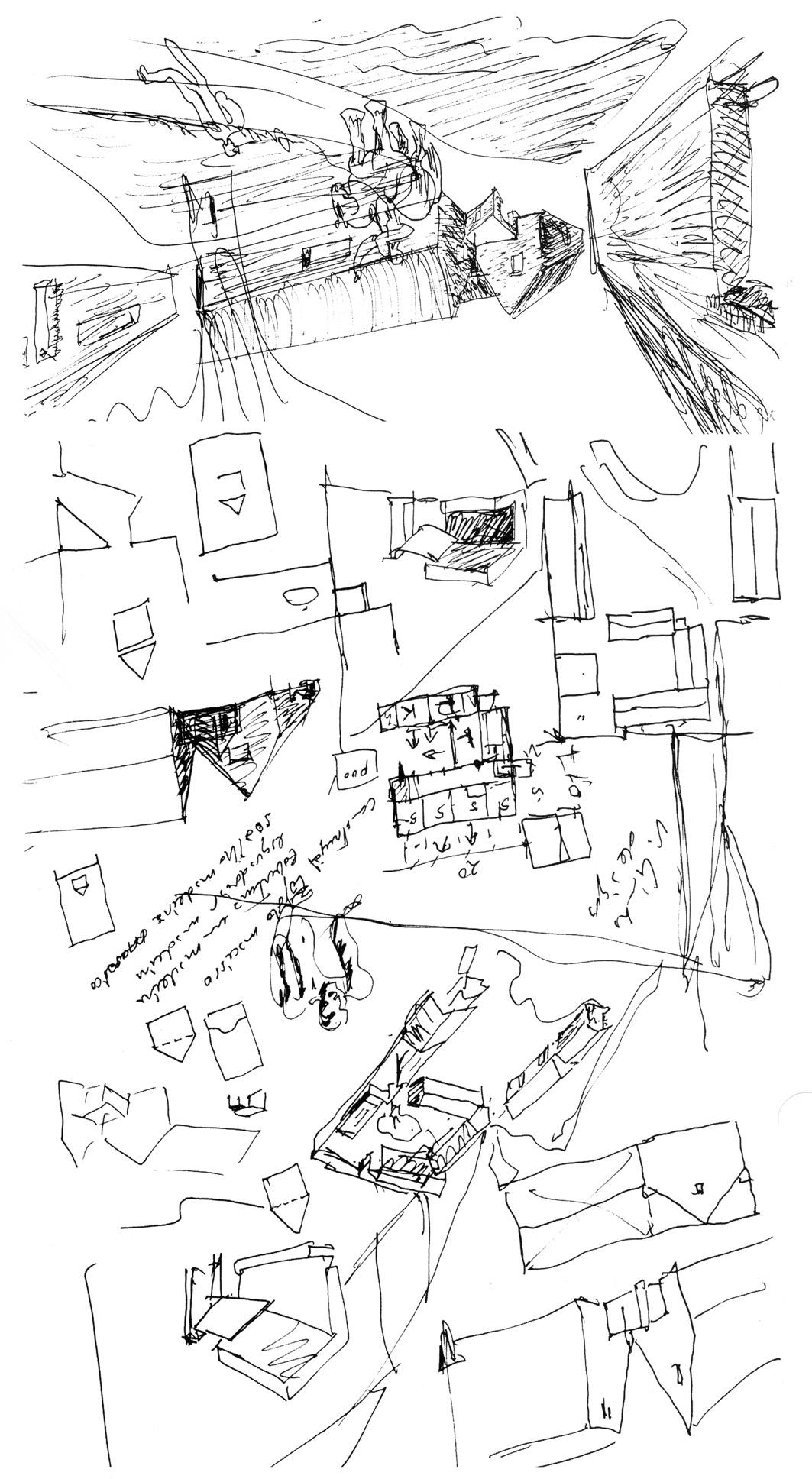
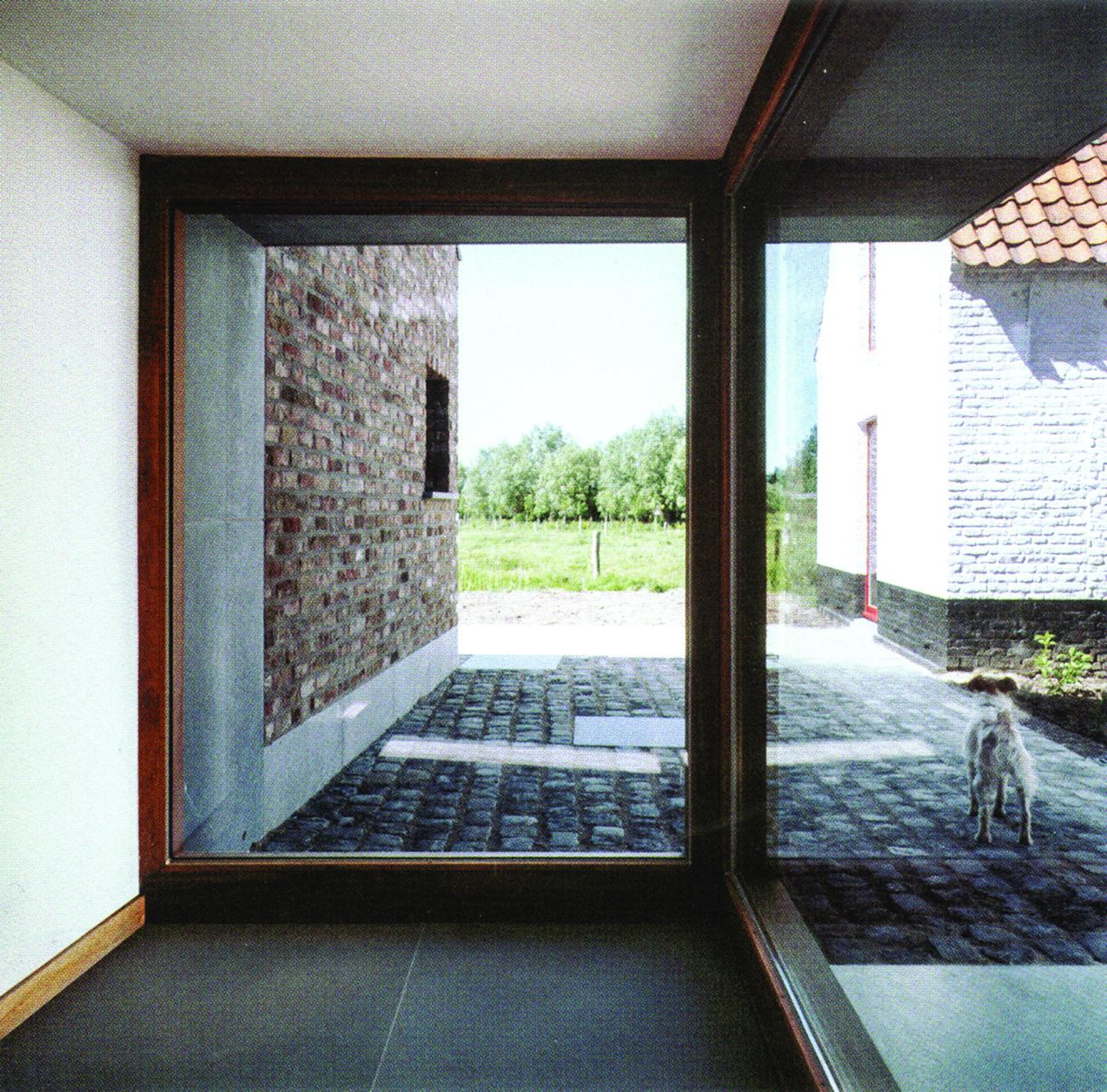
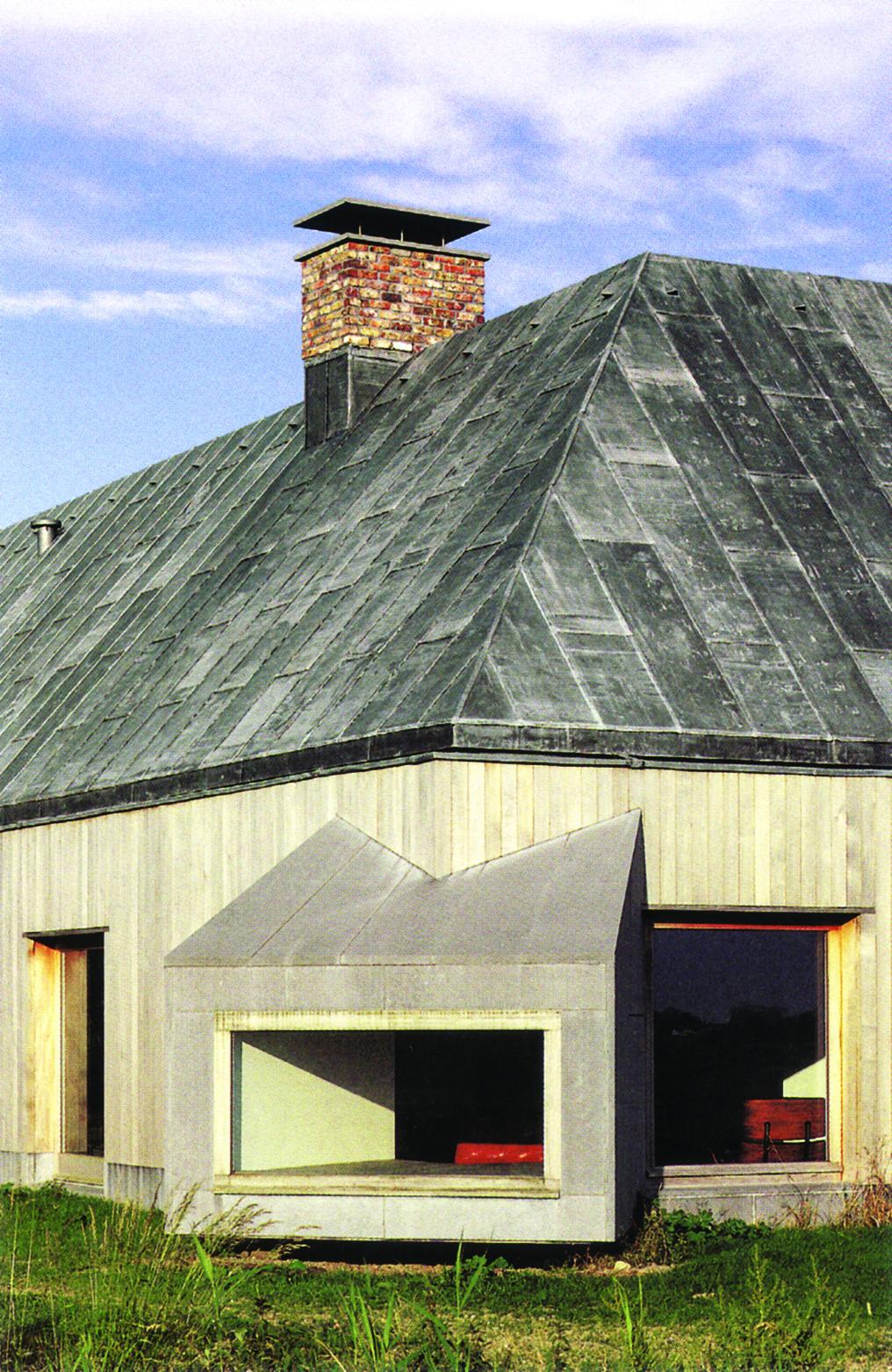
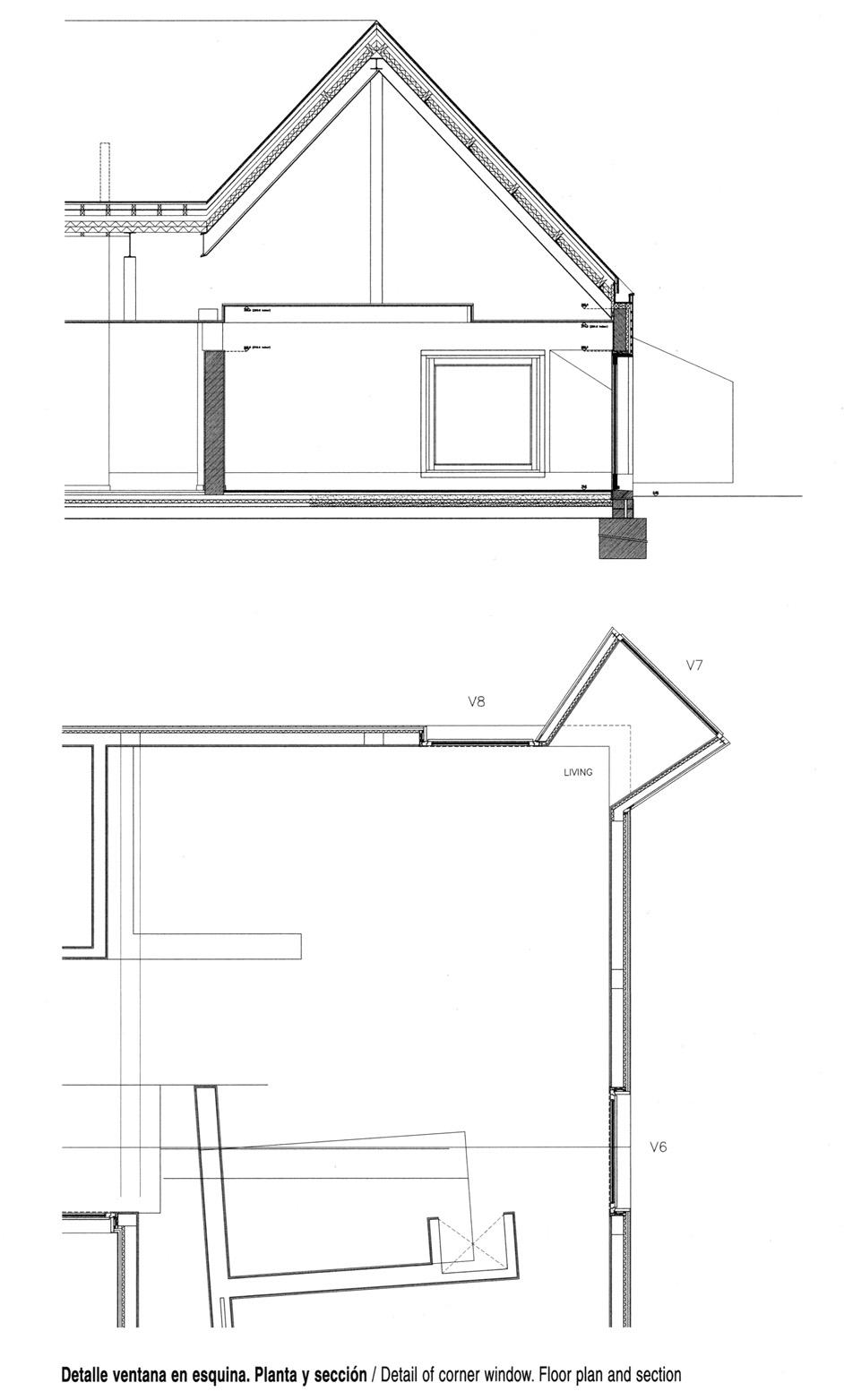
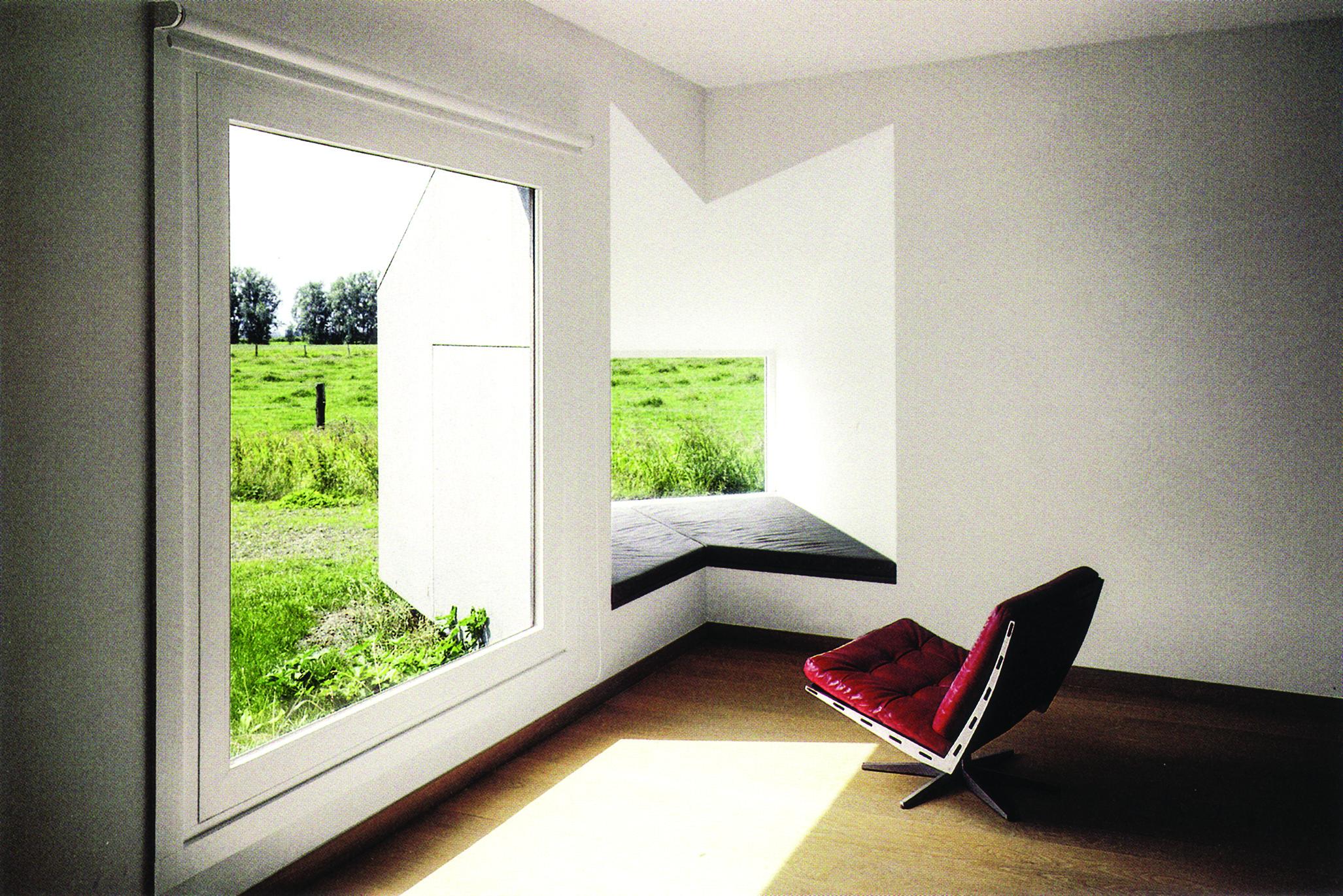
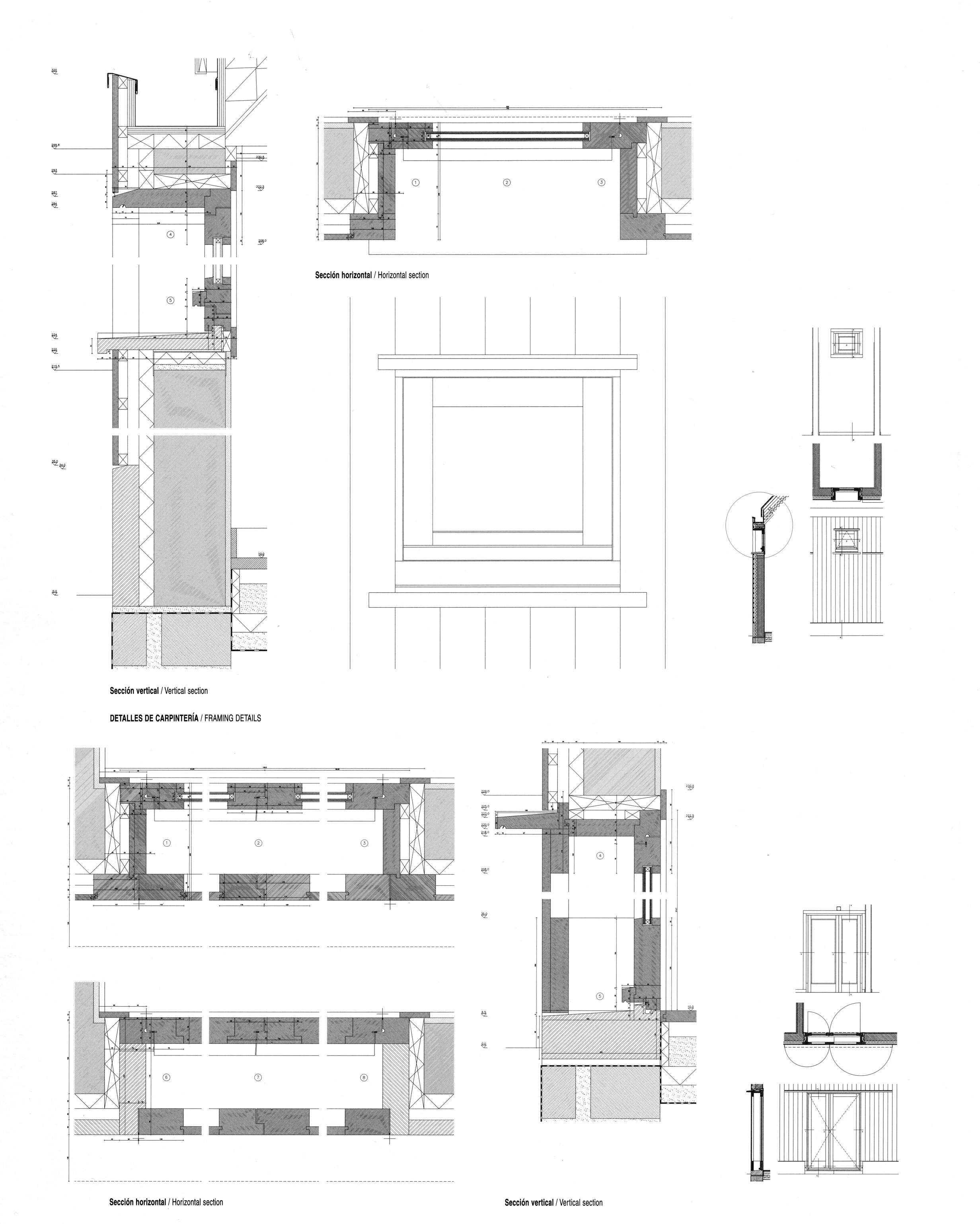
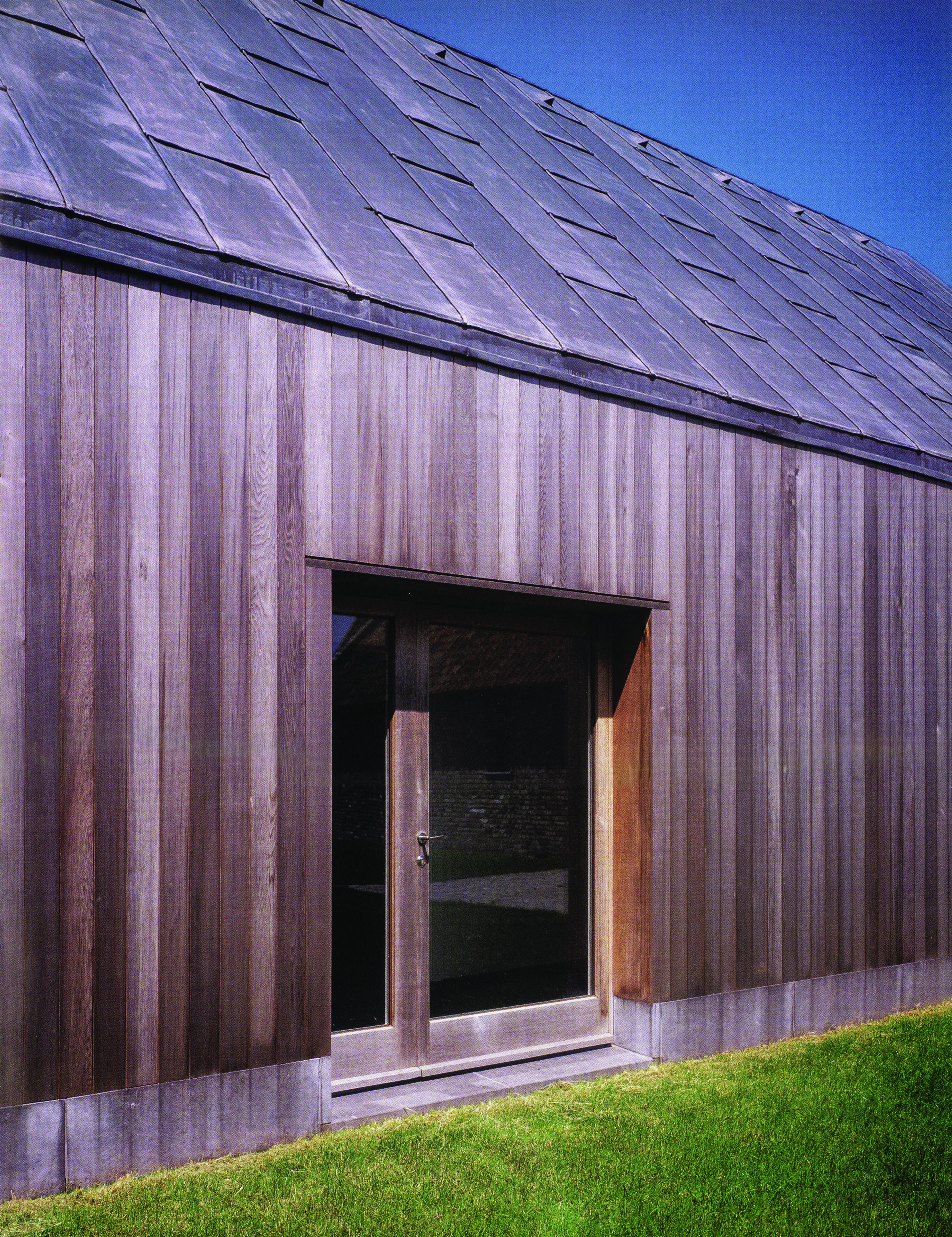
However, while the house and stables, some 200 years old, are built of brick with tiled roofs, the new additions are distinguished by other details and materials. In the manner of the simple, primitive paintings of the Flemish1 region of interiors and landscapes, several openings proportioned towards the landscape allow a calculated entry of light inside. In contrast, an oblique window of bluestone, facades of red cedar, and a lead roof covering show that the new parts have no relation to formal display, but have more to do with the idea of the integrity of time, decay and craftsmanship. The patina on the materials, the grey colours that gradually change with the passage of time, and the desire for a modest appearance before this wide, flat landscape all show the kind of attitude taken towards the context and the building.
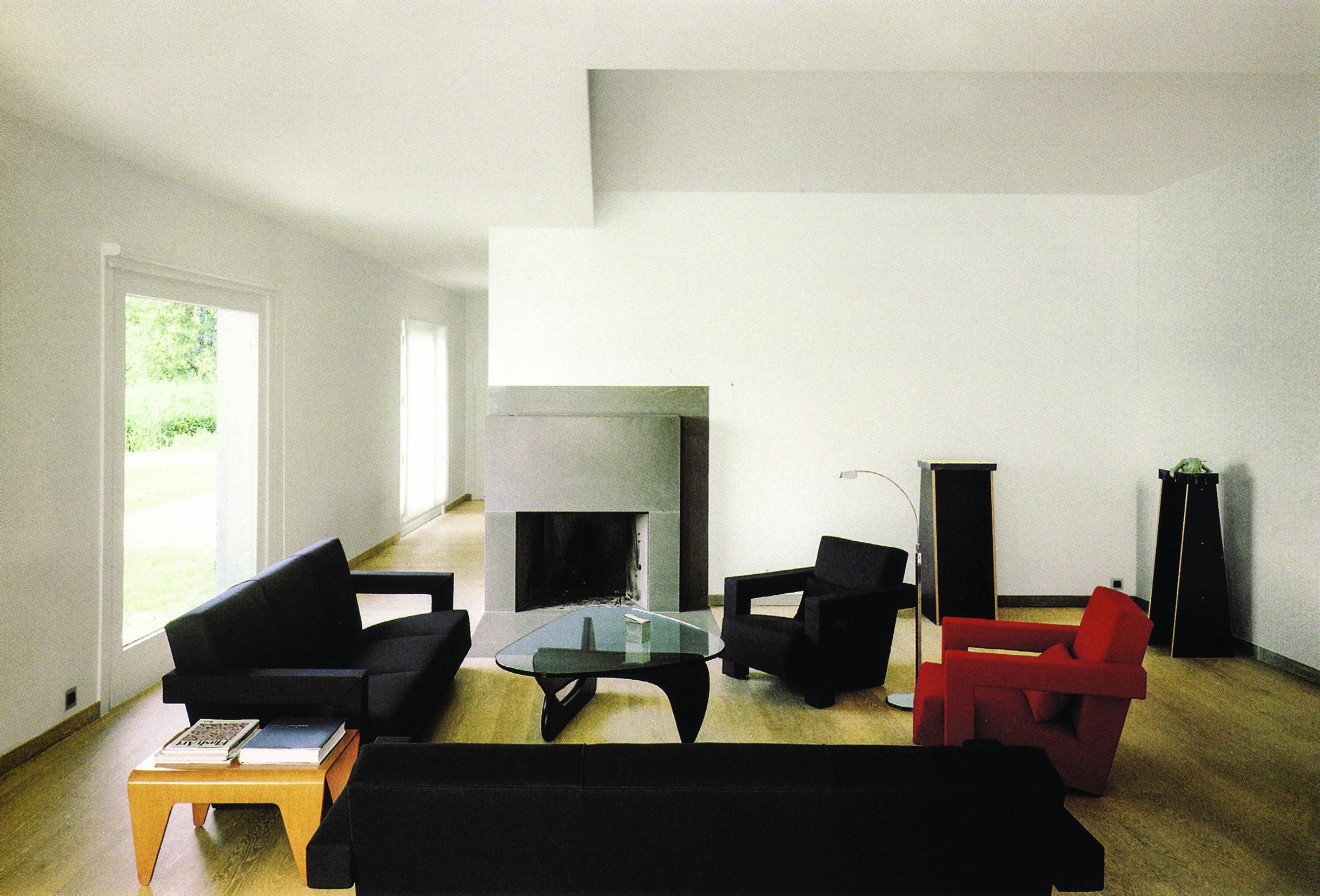
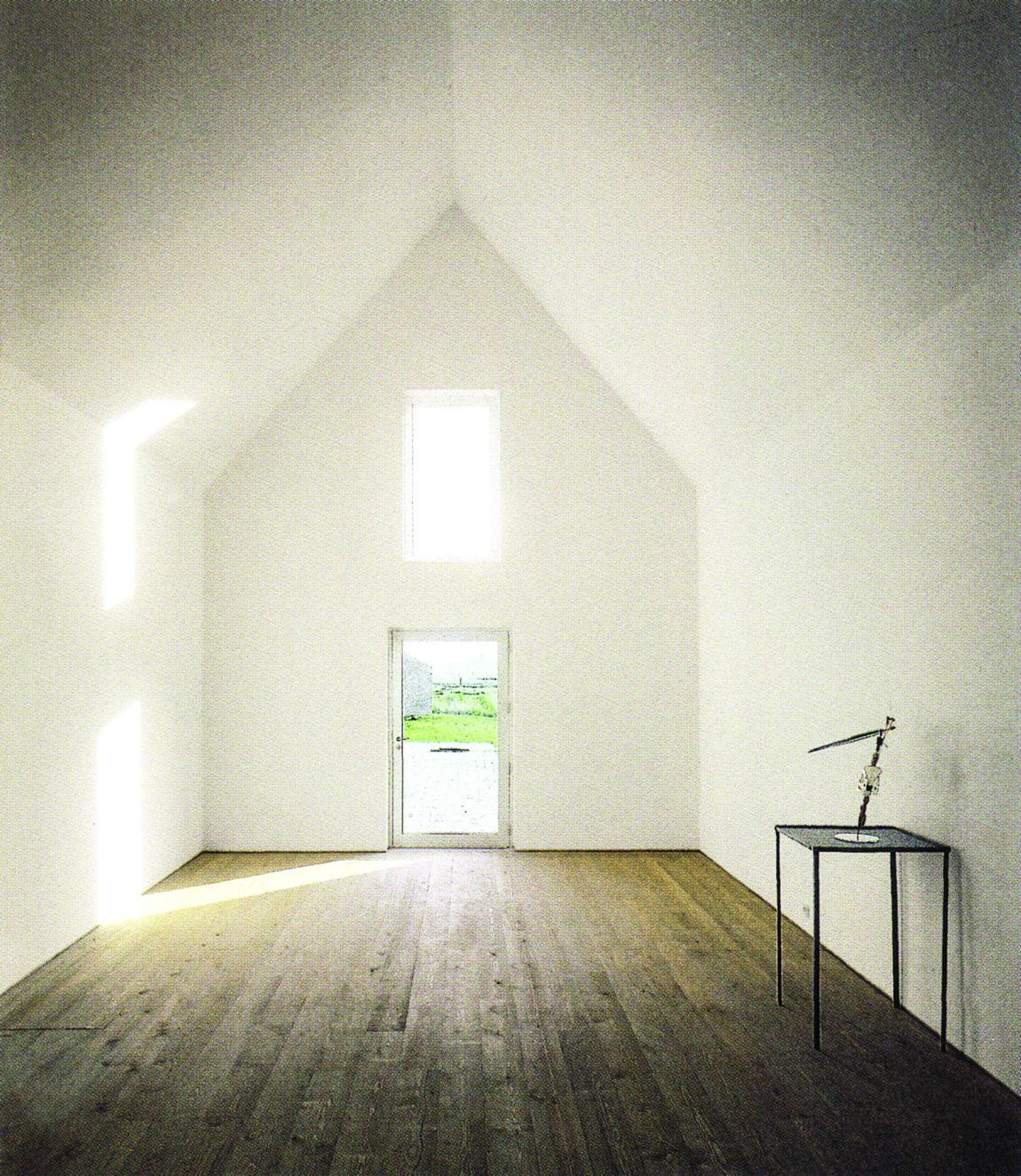
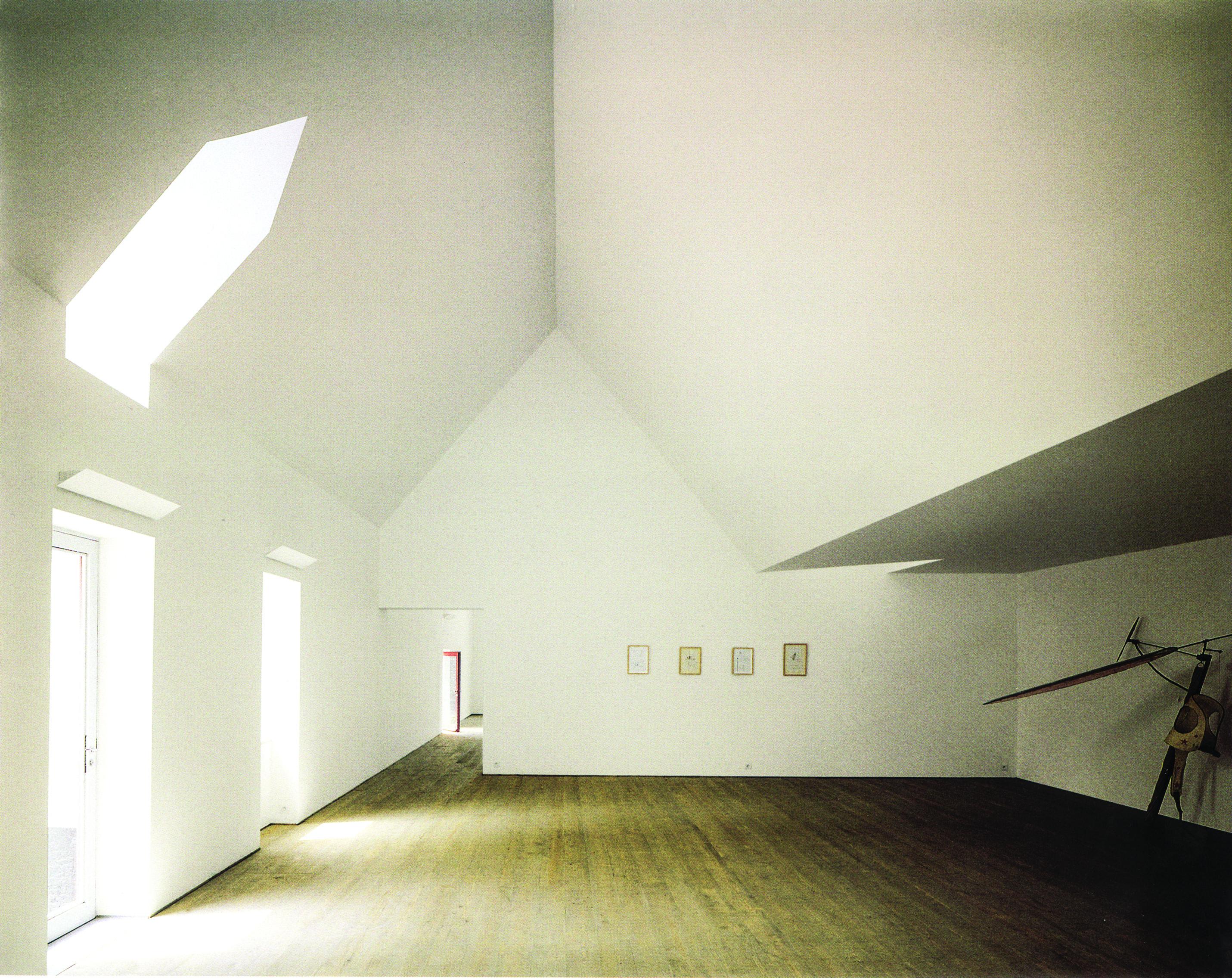
The existing buildings have other particular narratives of space and mood. In the art gallery, the reflection of the skylight combined with a single column expresses the spatial structure in which modern works of art were to find their place and meaning. The complexity of the surviving facades and roofs speaks of vernacular craftsmanship and of the idea of using new narratives of this tradition.
Beyond building in the landscape and the Flemish history of the place, the aim of this project is to create a fresh view of the owners’ familiar relations with this region, which calls for new interventions, and a new approach to the art of building, which today has become very dependent on the consumption of form and image.
Notes
- Flemish