When and where the cult of Mithra — or Mehr — began, whether one can even identify a definitive point of origin, and how it spread across the face of the earth and took coherent form in each place it reached — all of this remains far from clear. Yet by the faint, flickering light that survives from this faith, one may suppose that the cult of Mithra is among the most ancient rites of humankind on the path toward civilization: that is, the rites of a humanity moving beyond family and tribal life and the veneration of totems, experimenting with communal existence, and founding the "city." The cult of Mithra, besides offering certain answers to questions about creation, life, and death, also served as a kind of social organization and order for regulating relations among members of society — especially given that the concept of "covenant" (peymān) and the symbol of the ring assume great importance within it. Moreover, Mithraism may be understood as a faith in harmony with "nature": nature both in the sense of the innate essence and disposition of the human being and the manner in which one faces the natural elements and forces, and in the sense of the pristine natural world whose beauty, serenity, cohesion, and order stir thought and imagination and, in a manner of speaking, give birth to gods and divine beings (izadān).
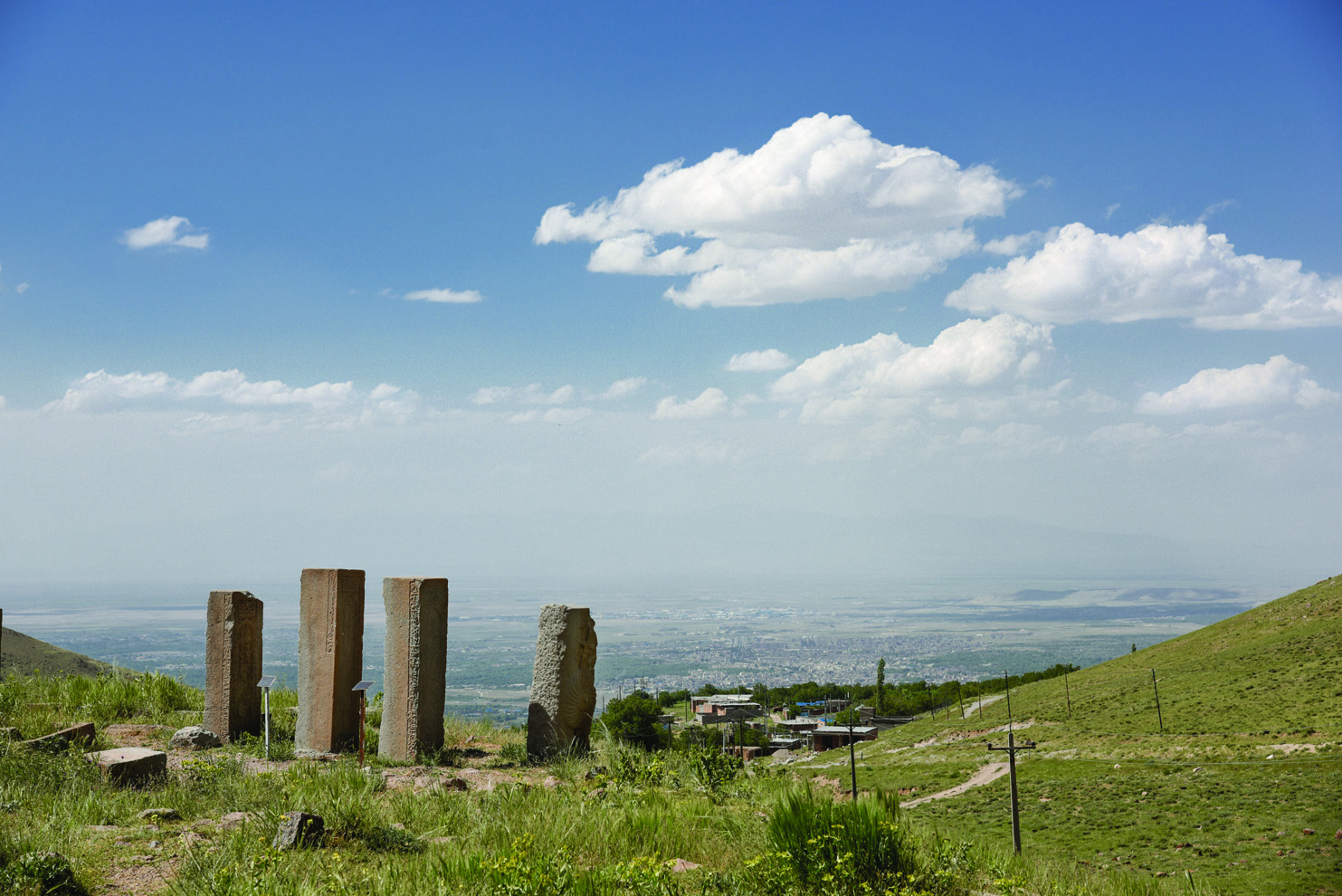
Given all this, Azerbaijan and its neighbouring land, Kurdistan, could well serve as birthplace and nursery for the gods: a diverse natural landscape that, in a not overly vast expanse, gathers together tall — occasionally volcanic — mountains, flat and fertile plains, and the broad sheet of Lake Urmia side by side, with their copious springs that are both the wellspring of water and life and the birthplace of stone. In such a land endowed with these natural merits and resources, intelligent humans can settle, procure and "produce" their subsistence needs, accumulate surplus wealth to expand their society, and consequently — as society grows — find themselves in need of social order and covenant, and ultimately have the leisure and hope for reflection and contemplation and for setting fundamental questions before themselves. Azerbaijan, with these qualities, has been a fine place for the spread and nurture of the cult of Mithra and for the presence of Mehr-worshippers (mehrparastān) whose faith, it seems, answered those needs and responded to those questions — and whose predominantly mountainous terrain contains natural and occasionally hand-hewn caves that could serve as mithraea (mehrābeh).1
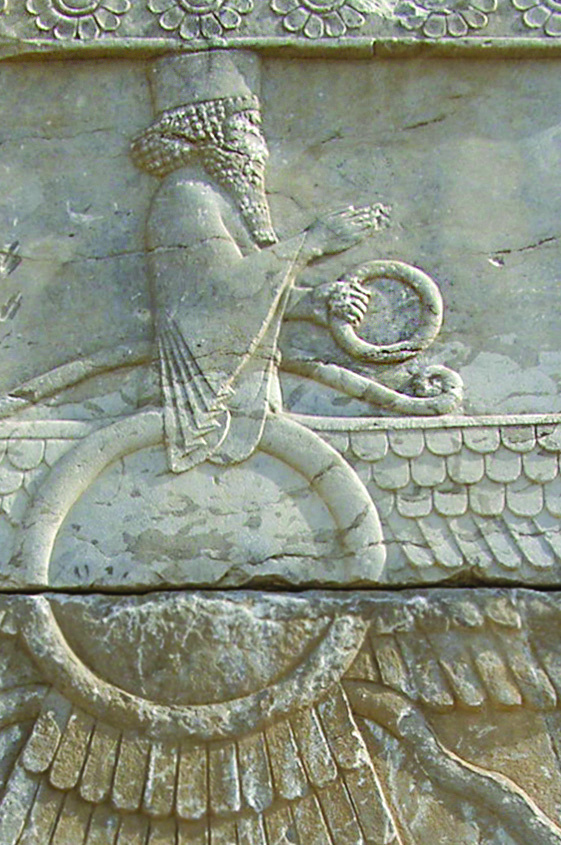
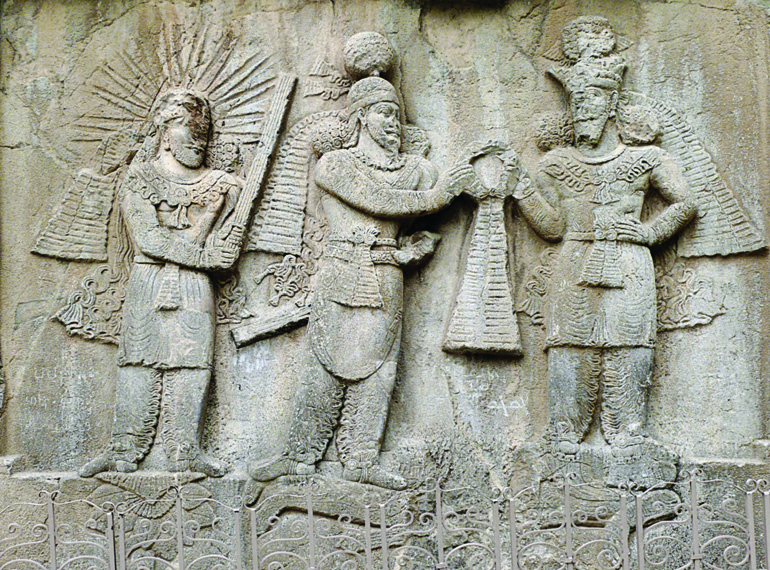
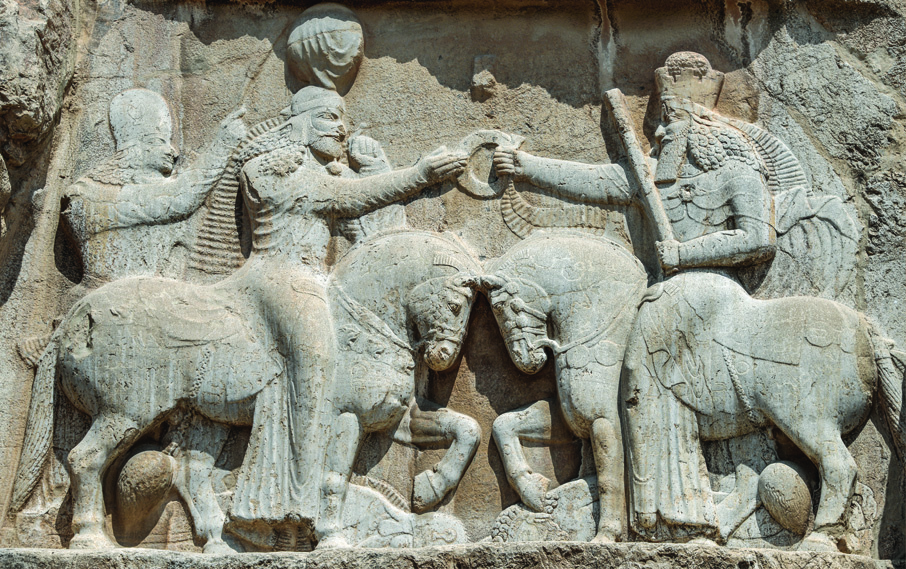
Mithraism, or Mehrparasti, is the worship of Mehr (in Persian) or Mithra (in Sanskrit). In earlier times, during the era of polytheistic beliefs, Mehr/Mithra was one of the gods, and later, after the advent of Zoroastrianism and the elevation of Ahura Mazda to the position of the one God, Mithra appeared in the role of one of the yazatas (izadān).2 In one of the stone reliefs at Taq-e Bostan — a memorial from the Sasanian period, that is, the zenith of Zoroastrian dominance — Mithra stands to the right of Ardeshir II, with rays of light depicted as lines around his head, resembling what we see in the symbol of the Lion and Sun. And on the king's left, a figure that is most likely Ahura Mazda offers a ring to the sovereign. Mehr does not mean "the sun," and the Mithraic cult is not sun-worship, but the light of the sun is a symbol of Mehr. In Persian, the word Mehr carries meanings of friendship, affection, covenant, and the sun, and in Sanskrit texts Mithra means "friend." This multiplicity of meanings may not be unrelated to the geographic breadth of the Mithraic faith and the diversity of its interpretations.3
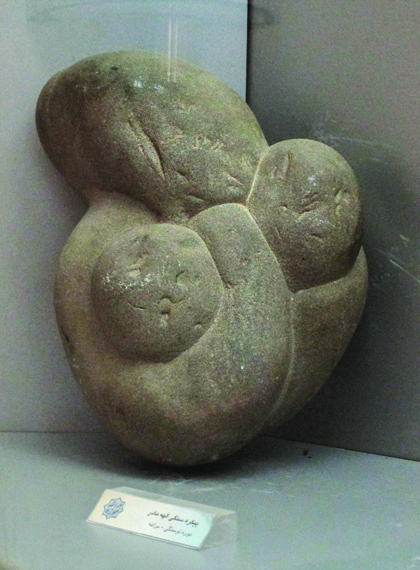
The narratives concerning the birth and origin of Mithra are not uniform, but what appears more or less consistent across them is that Mithra was born on the night of the winter solstice — or Yaldā4 — in a cave and from the heart of stone. (And according to one interpretation, from a spark produced by the striking of two stones together.) Furthermore, Mithra, by sacrificing the bull and spilling its blood upon the earth, causes the earth's fertility and fecundity. Another Mithraic story tells that Mithra rises each day from the heart of stone in the east with the rising sun, and at sunset enters the earth on the other side of the sky — a belief which, beyond raising the suspicion that Mehr and the sun are one and the same, also necessitates accepting a kind of daily underground traverse for Mithra.5 In any case, such beliefs may express the sacredness of the earth and explain why Mithraic temples were built in caves, within the body of mountains, or in the bowels of the earth. As to where the belief in the sanctity of caves and the underground originated, and why Mithra was born in a cave — this may trace back to the fact that for millennia upon millennia the cave was, for humankind, a cherished and precious place: shelter from cold and heat and the harm of wind, rain, and sun; protection from other predators both human and animal; a place for sleep, sustenance, and tenderness; and for the human being as a social animal, a space for gathering, forming human community, and of course for the emergence and expression of aesthetic impulses.
The Mithraic Temple of Varjovi, Maragheh
Maragheh is an ancient city whose zenith, in its long life, was its period as capital during the Ilkhanid era, and most of the historical monuments and the rich collection of its museum date from that same period. Yet the antiquity of human settlement in this city — given its favourable natural features — may well extend far beyond those reckoning. Aside from certain artefacts in the Maragheh Museum, another piece of evidence for the long history of habitation here is the existence of a temple in the village of Varjovi — or, as the locals say, Vareoovi6 — six kilometres south of Maragheh. The short road from Maragheh to Varjovi passes alongside the seventy-year-old Maragheh railway station and through orchards whose profound silence has, in recent years, been broken now and then by the sound of the newly built Urmia rail line.
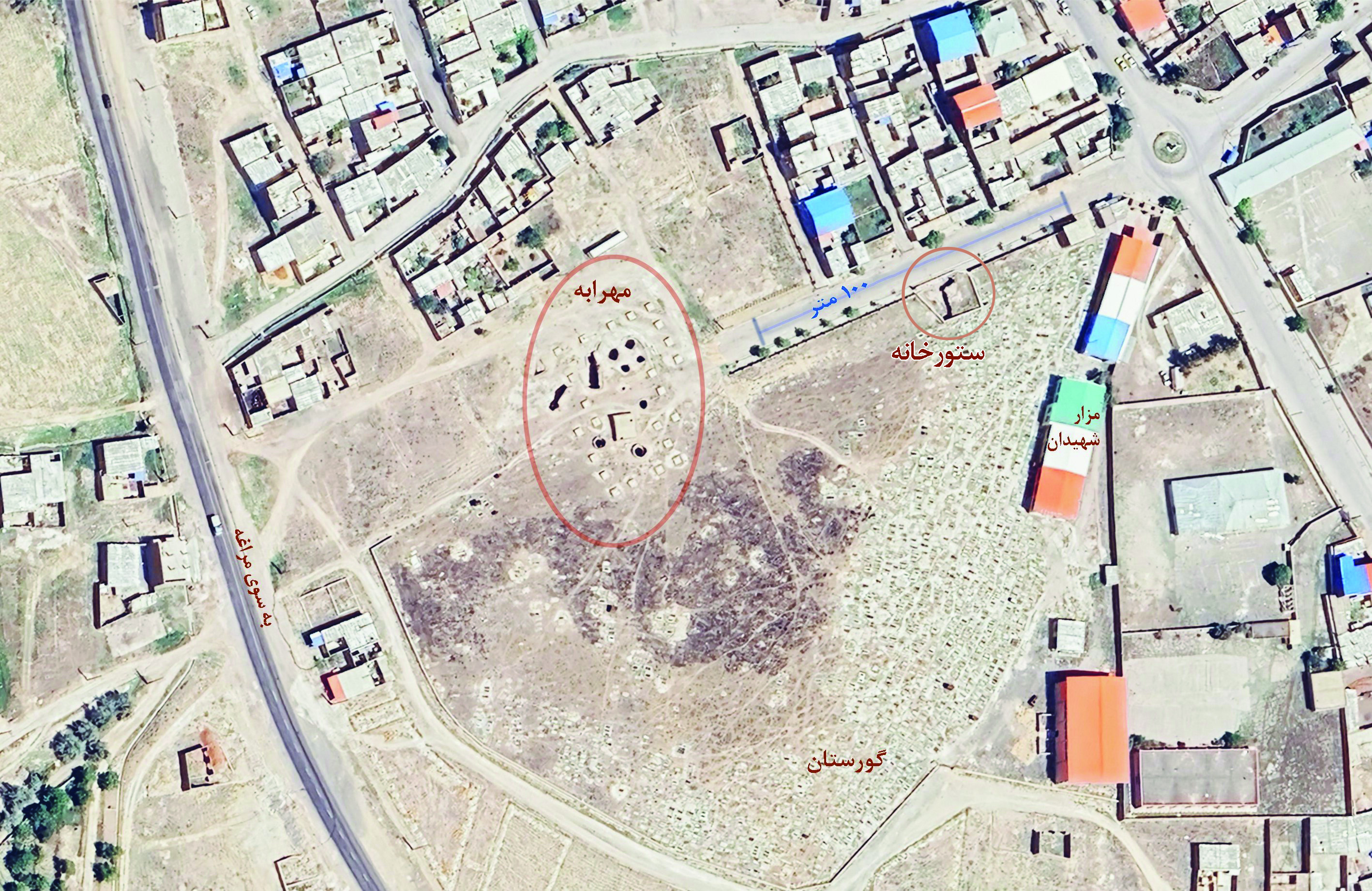
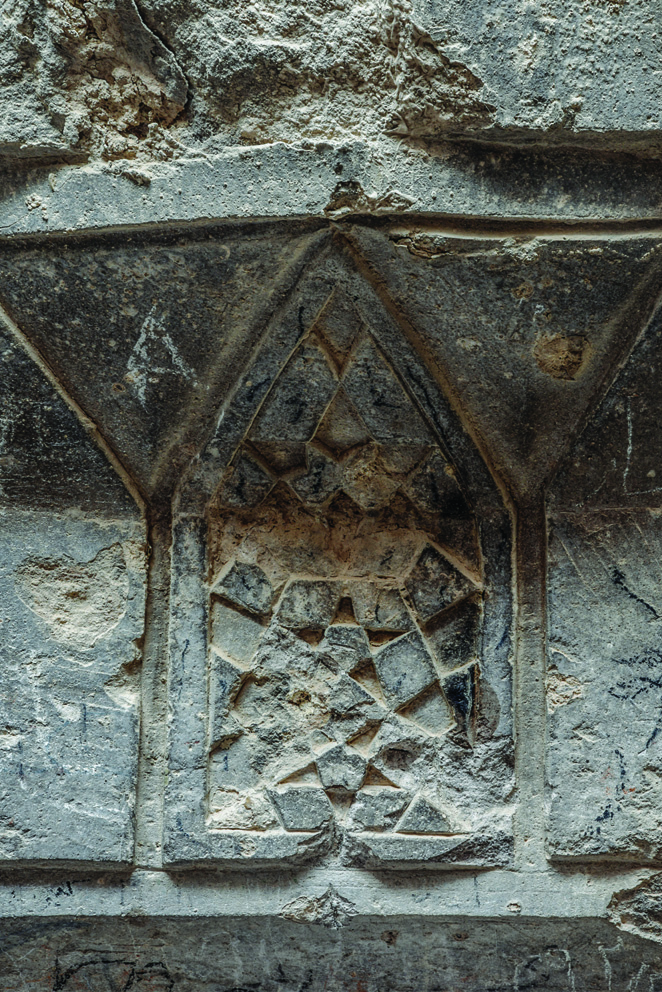
The Varjovi temple lies outside the village fabric, beside its cemetery. A paved road with neat curbing runs from a roundabout in the village toward the cemetery, then abruptly ends upon reaching the precinct of the subterranean temple.7 Beside the cemetery and atop the ground beneath which the temple was carved, a number of roughly 2 x 2 metre concrete footings have been built on the surface, closely packed together and then abandoned — apparently intended as bases for electric light poles. The entrance to the temple is somewhere among these concrete blocks: a stone staircase, apparently of recent construction, descends several metres southward to a roofless space (Space 1) that shows no evidence of ever having had a ceiling over it. On the far side of this space, facing the staircase, a doorway opens into the central hall of the temple (Space 4) — a fairly large and tall space that was most likely the main gathering place of the Mithra-worshippers. On the wall opposite the doorway, a small round space (Space 7) has been carved at a floor level higher than the central hall, around whose dome drum — now collapsed — geometric patterns have been carved into the stone that, based on their similarity to the numerous stone carvings surviving from the 7th century AH (the Ilkhanid era), must date from that same period. This space appears to be the mehrābeh (sanctum) of the temple, and beneath it two small rooms (Space 9) have been created.
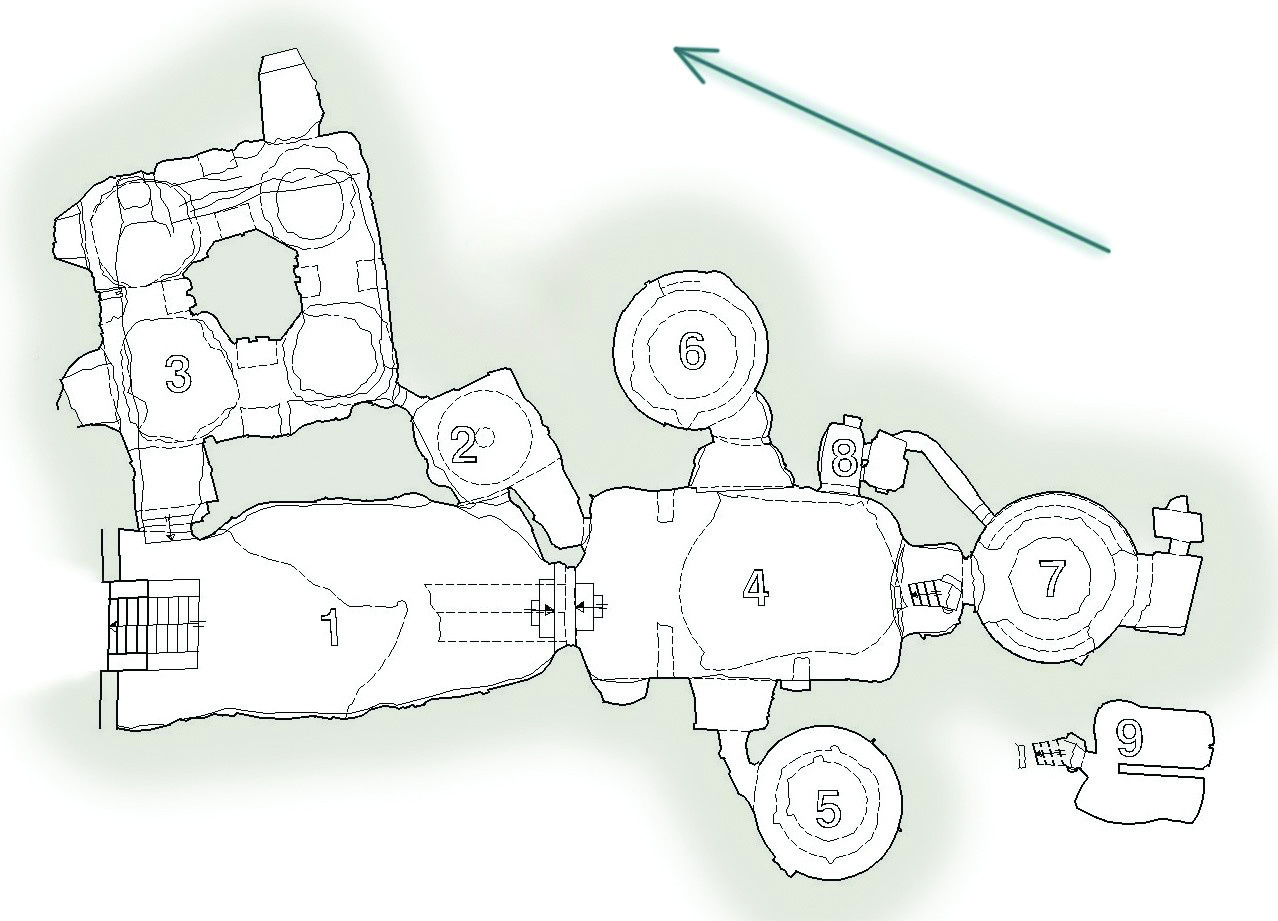
The Varjovi temple has additional spaces as well: two small round spaces on the western and eastern sides of the central hall (Spaces 5 and 6), and a large square hall (Space 3) to the east of the hall, with a massive column at its centre, in whose walls niches have been carved and which may have served as a service space. All the spaces of the Varjovi temple, in keeping with the customary manner of Mithraic temples, received light through an opening in the ceiling, but now, with all the roofs having collapsed, virtually all the spaces are open to the sky and have become so bright that they no longer convey any sense of being underground — because the quality, or the consequence, of receiving light through a ceiling opening is to affirm and underscore the subterranean nature of the space — and only the central hall, with an ungainly barrel vault apparently placed over it for protective purposes, retains a hint of the original temple's quality of light.
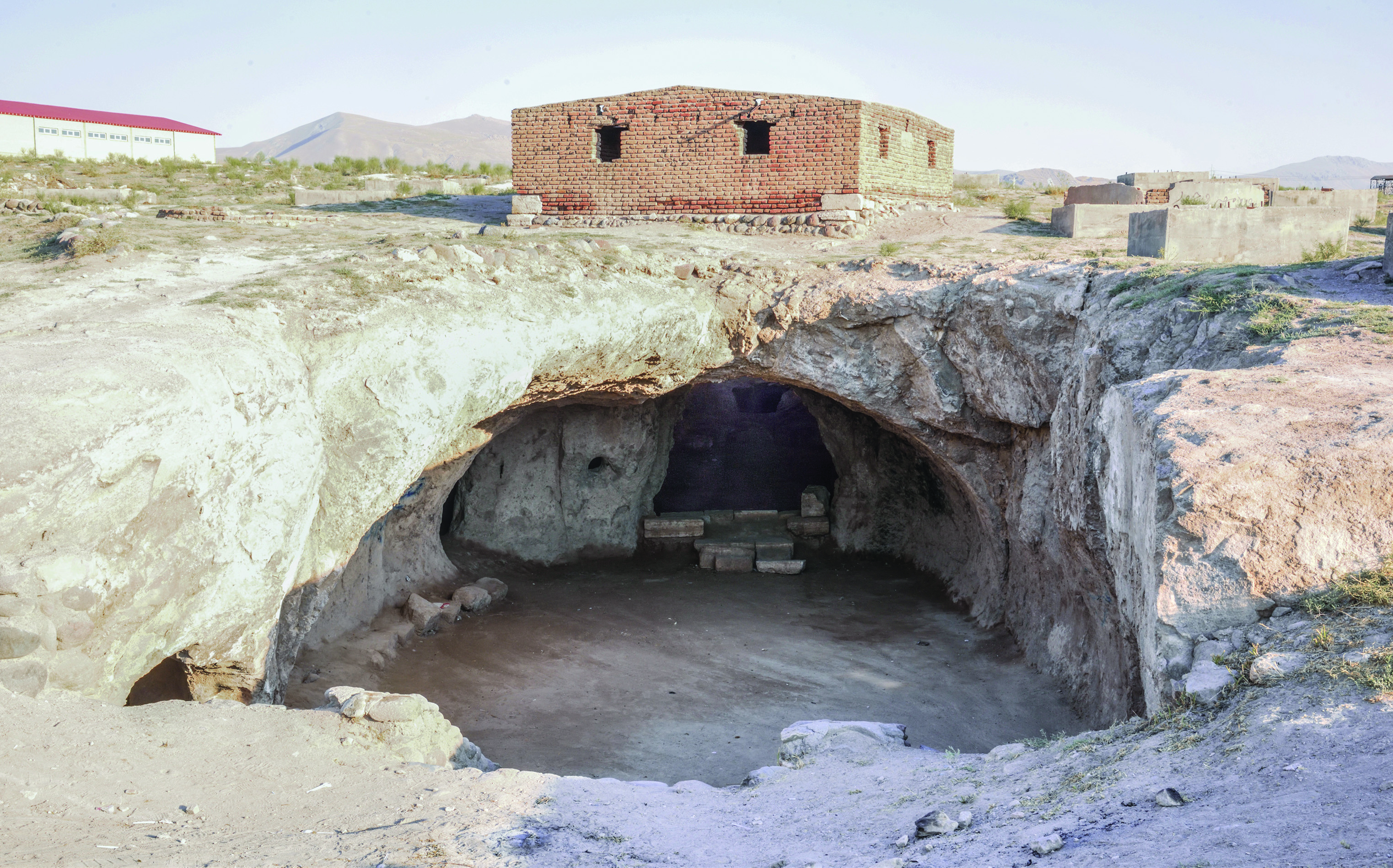
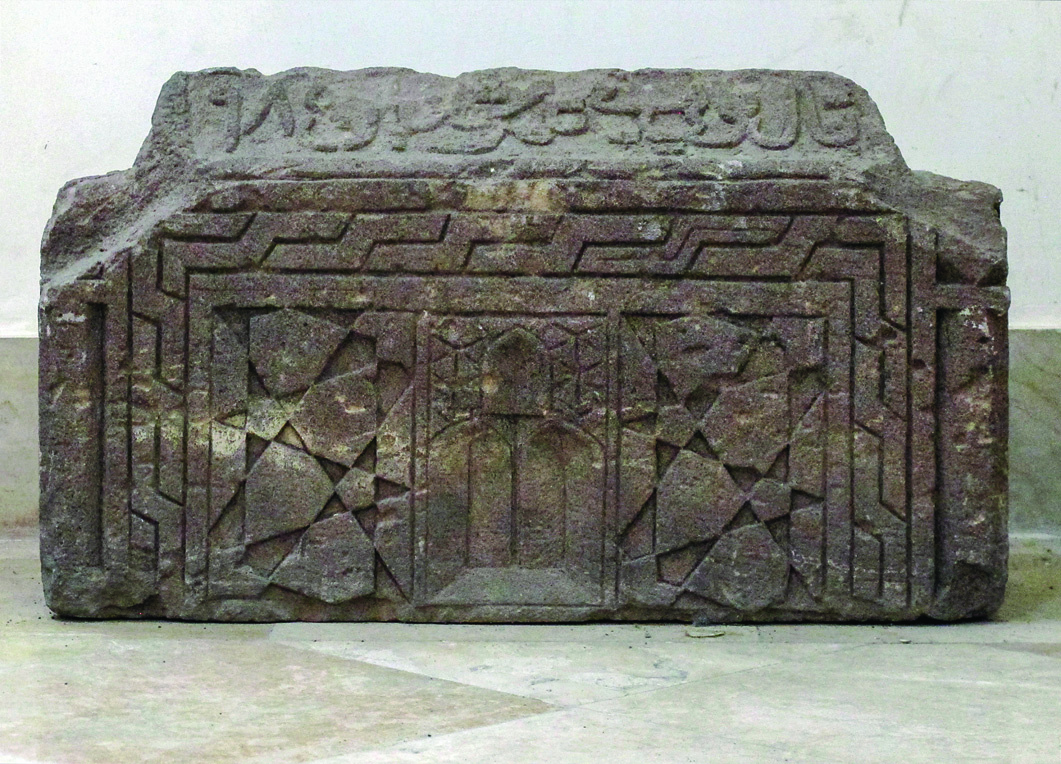
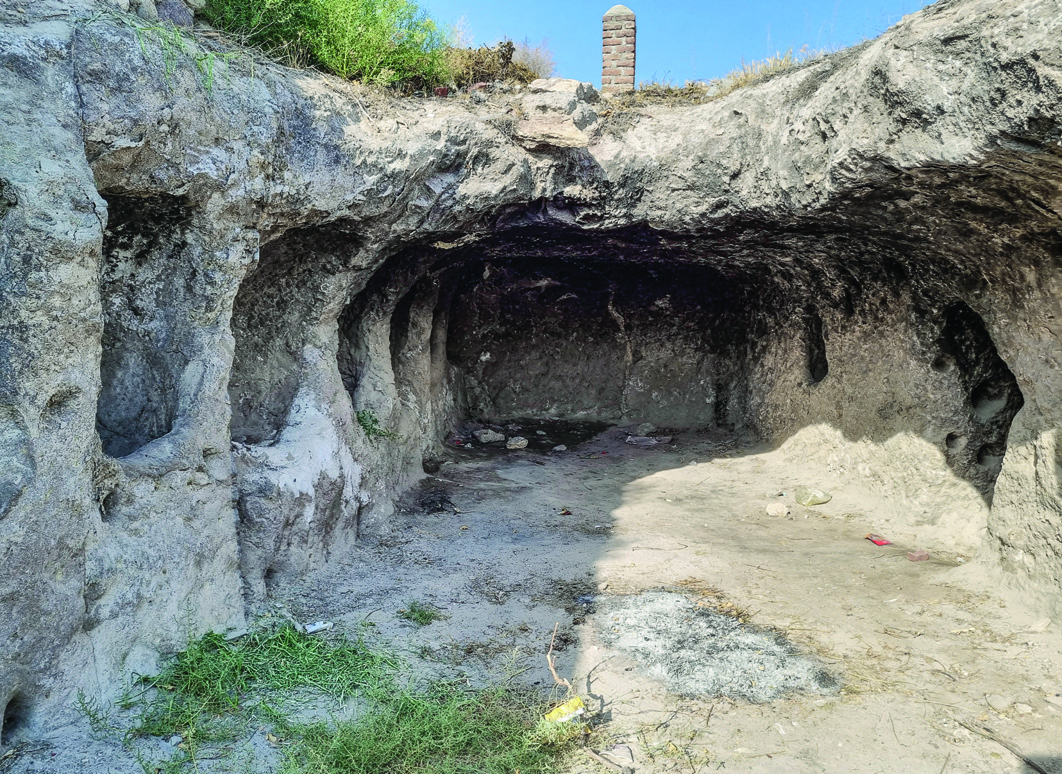
The date of the Varjovi temple's construction is unknown, but its space clearly possesses order and a spatial hierarchy, and it reveals that the community that built such a thing possessed both a defined social order and structure and sufficient wealth, stability, and forward-looking vision to invest this much in its place of worship — and, in all likelihood, iron tools capable of extracting more than two thousand cubic metres of space from the hard bedrock of Varjovi. Moreover, the existence of another subterranean space about one hundred metres from the temple, which appears to be a stable (setūrkhāneh), may be a sign of the temple's prosperity and the volume of traffic it attracted.
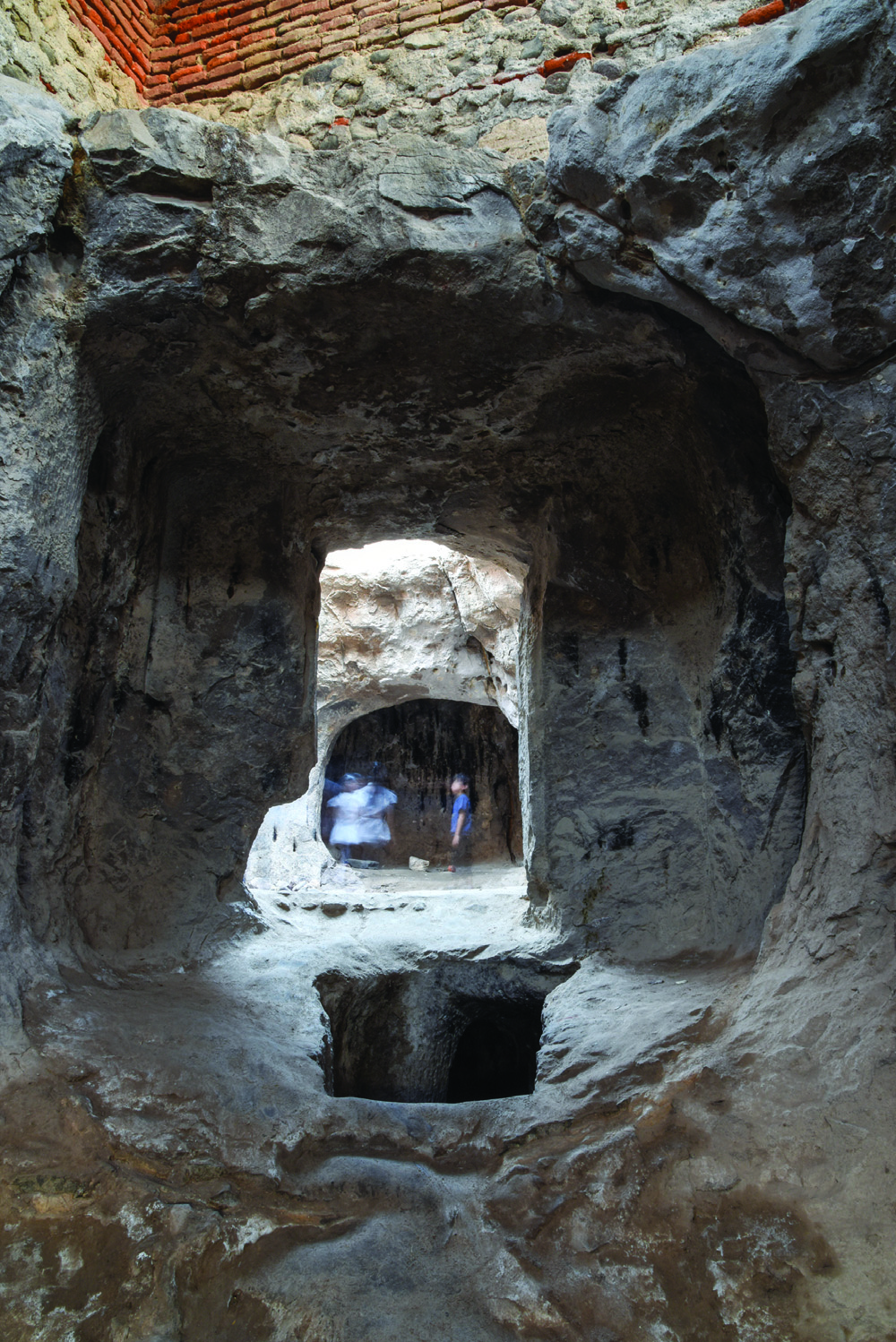
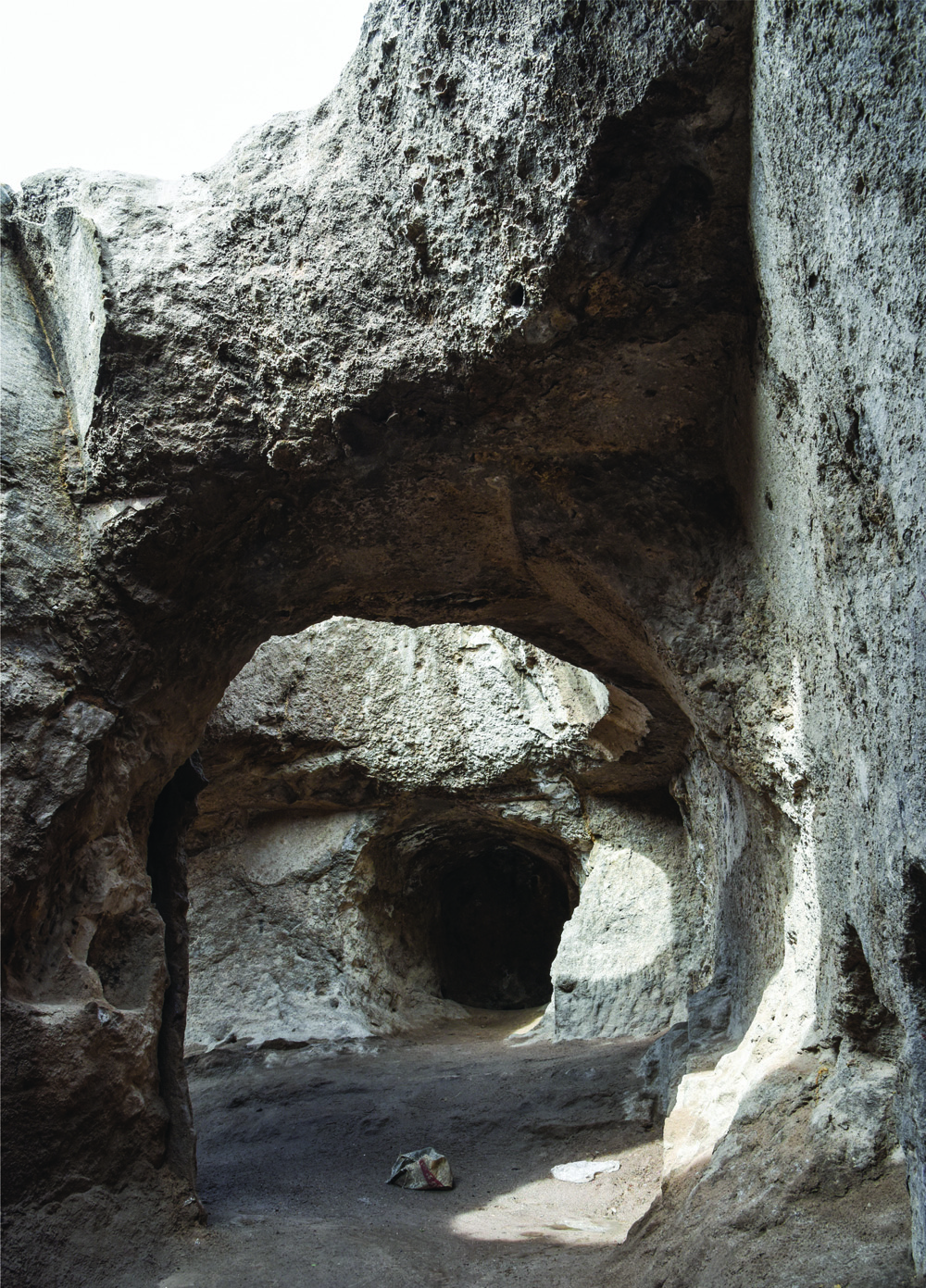
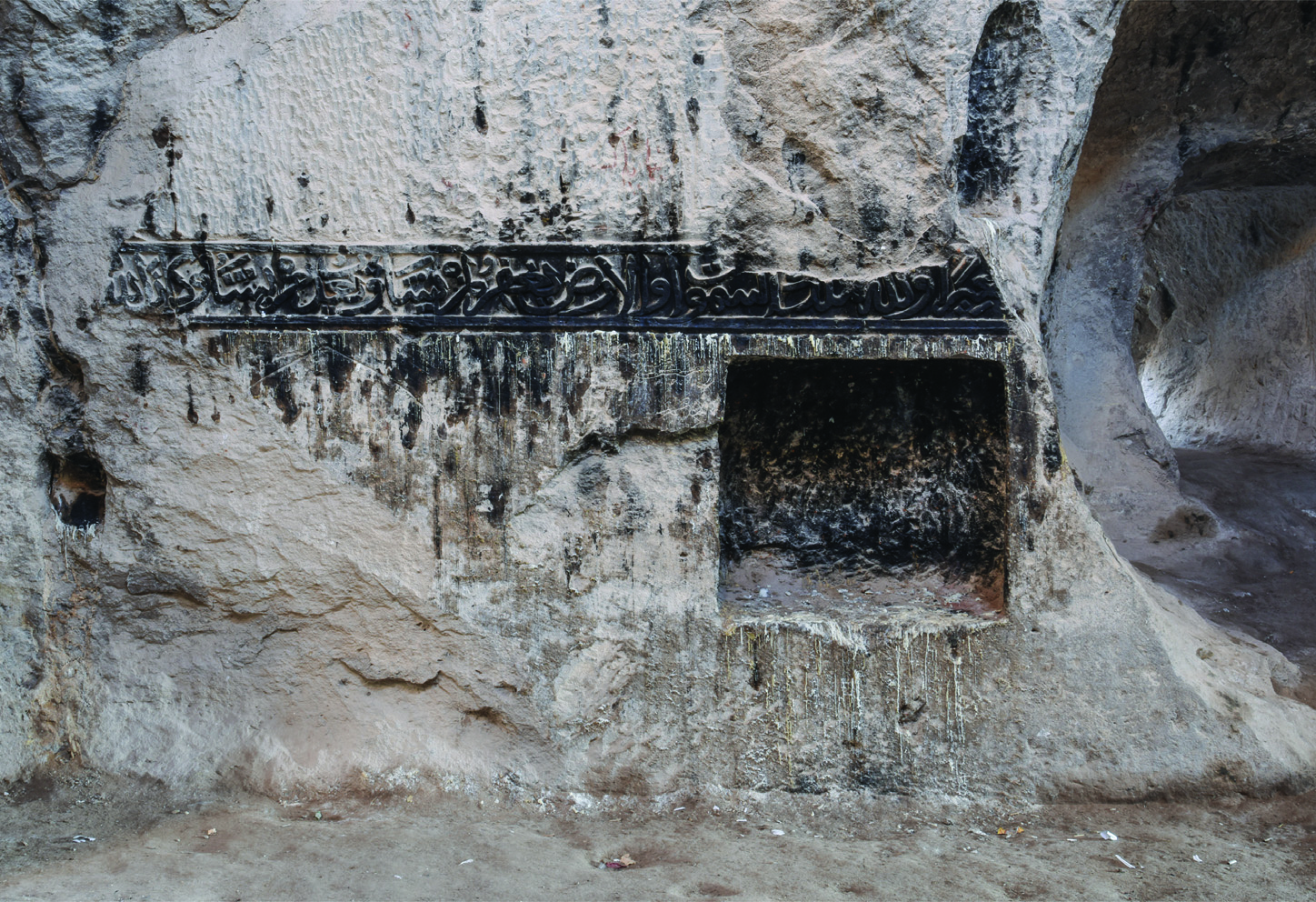
On the western wall of the central hall, a prayer niche (mihrāb) has been carved, around which a sentence — probably a Quranic verse — has been inscribed in a script resembling Naskh, clearly indicating that this space served as a prayer hall during the Islamic period. Furthermore, given the prevalence and flourishing of Sufism in the middle Islamic centuries in Azerbaijan, and the distinctive light and acoustics of this space, the Varjovi temple could have been an excellent venue for a khānqāh (Sufi lodge) and for the conduct of Sufi rites. The Varjovi temple is now virtually ruined, and little remains of its true spatial quality, nor does it any longer function as a place of worship. Yet among the local inhabitants, young and old alike, it is held in respect, and they speak of it with pride and honour — not merely as an archaeological relic, but still venerating it as a sacred place.
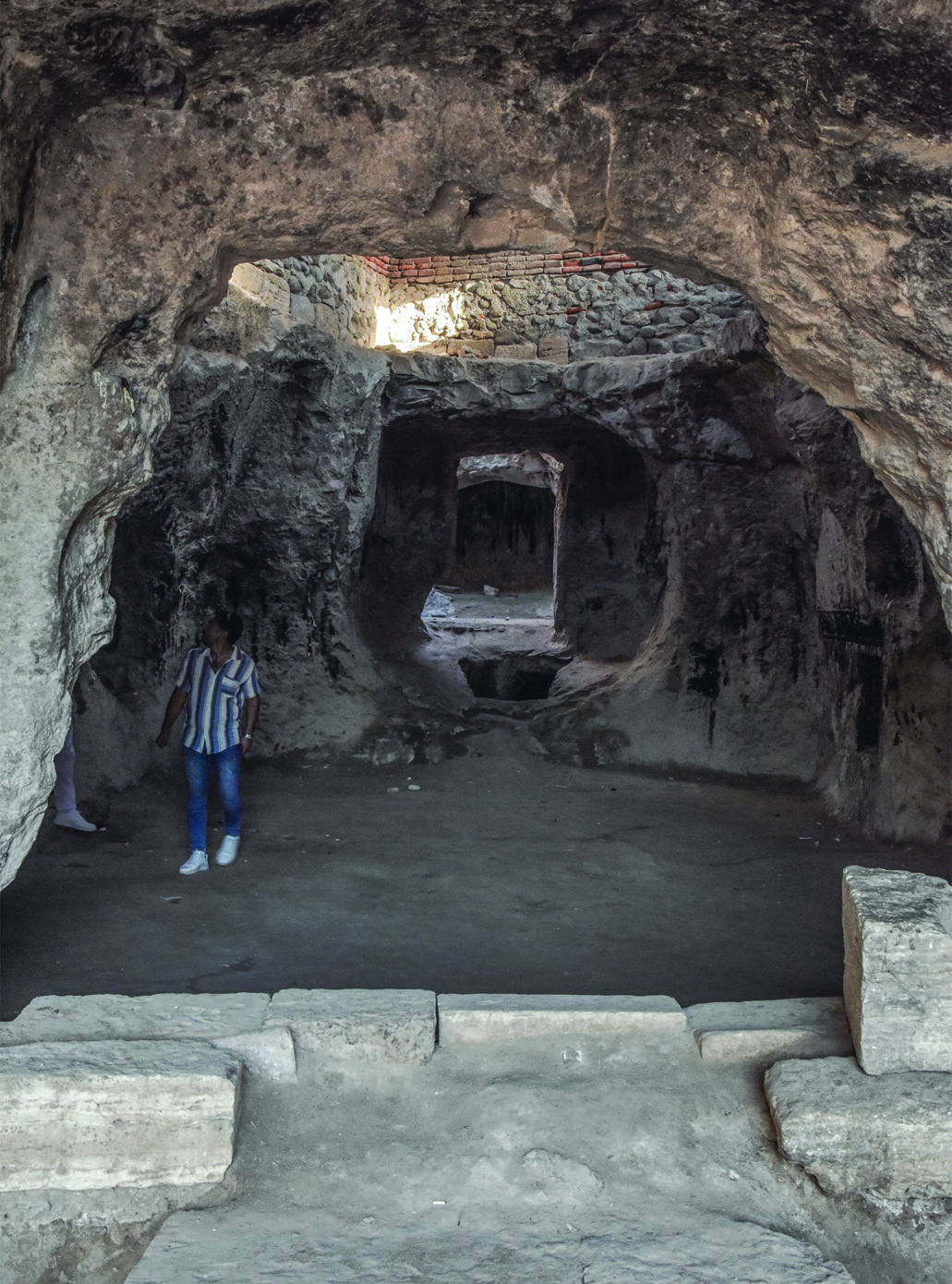
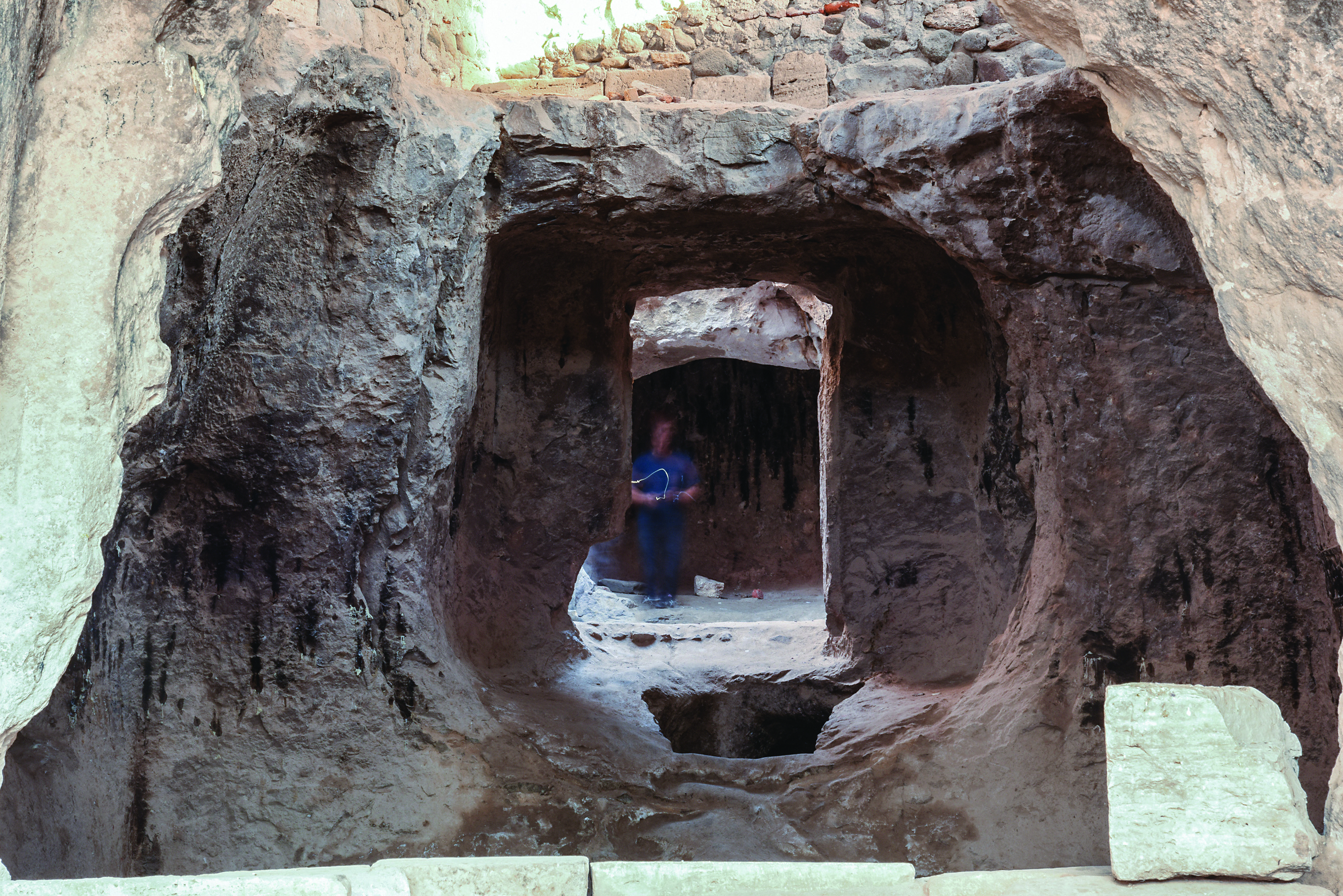
On a Friday afternoon when we were at the temple, a ceremony was being held at the nearby cemetery and at the shrine of the martyrs of Varjovi; a woman who had come to visit the graves came over to the temple, went to a corner, scratched the earth a little with her fingers, recited a prayer, sprinkled a drop of rosewater on the earth, and left. But as everywhere else in Iran, in Varjovi too, vandals heedless of any sanctity do their work without scruple: the Varjovi temple, beyond being scarred by treasure-hunters, thieves, and graffiti, is full of refuse — remnants of fire, chicken bones, and melon rinds. Yet the damage from all of this does not compare to the destruction wrought by "officials" who, through road-building, concrete-pouring, and wall-erecting, have inflicted deep and lasting ruin — at public expense — that cannot be cleaned up as easily as melon rinds.
The Mithraic Temple of Badamyar, Qadamgah, Azarshahr
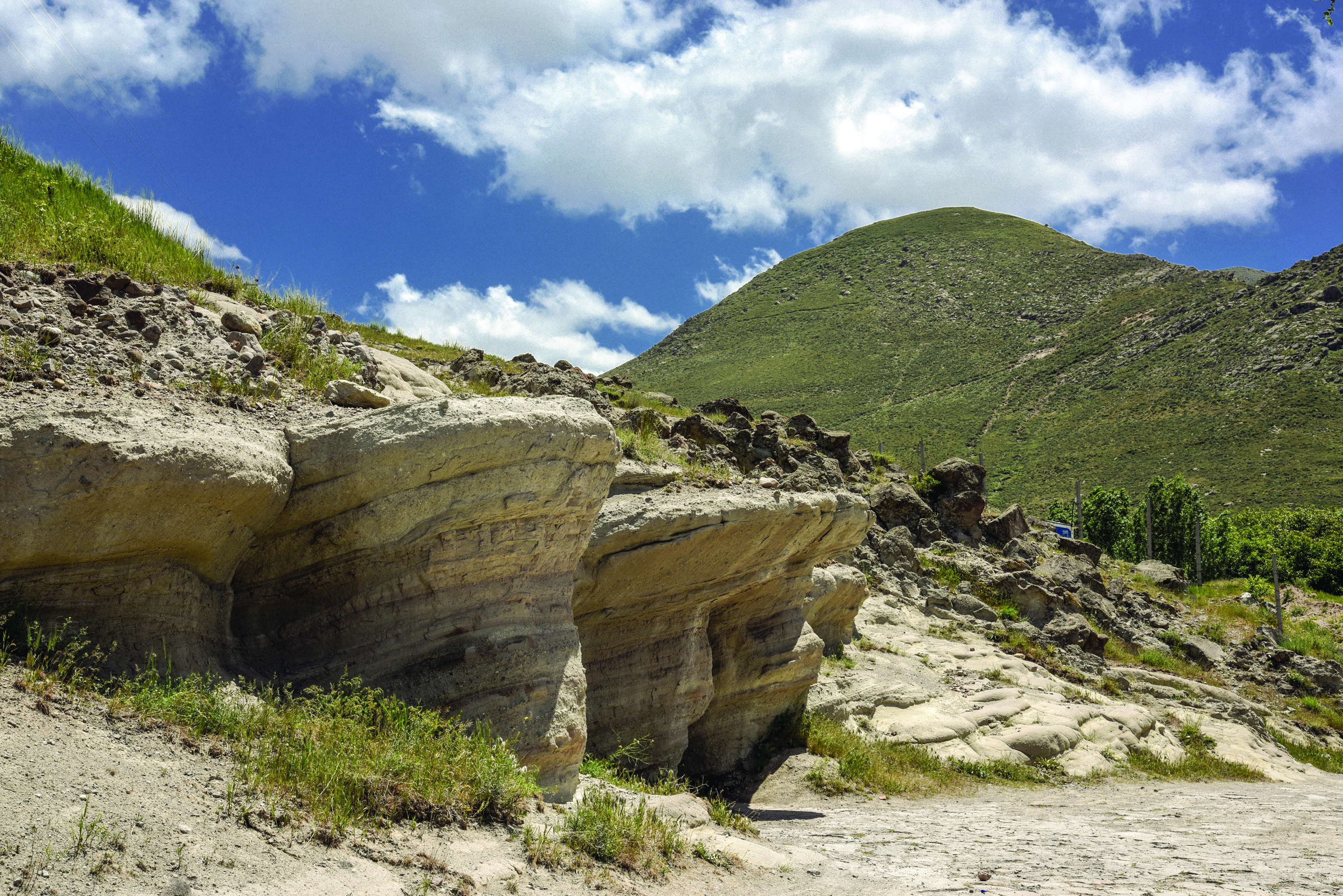
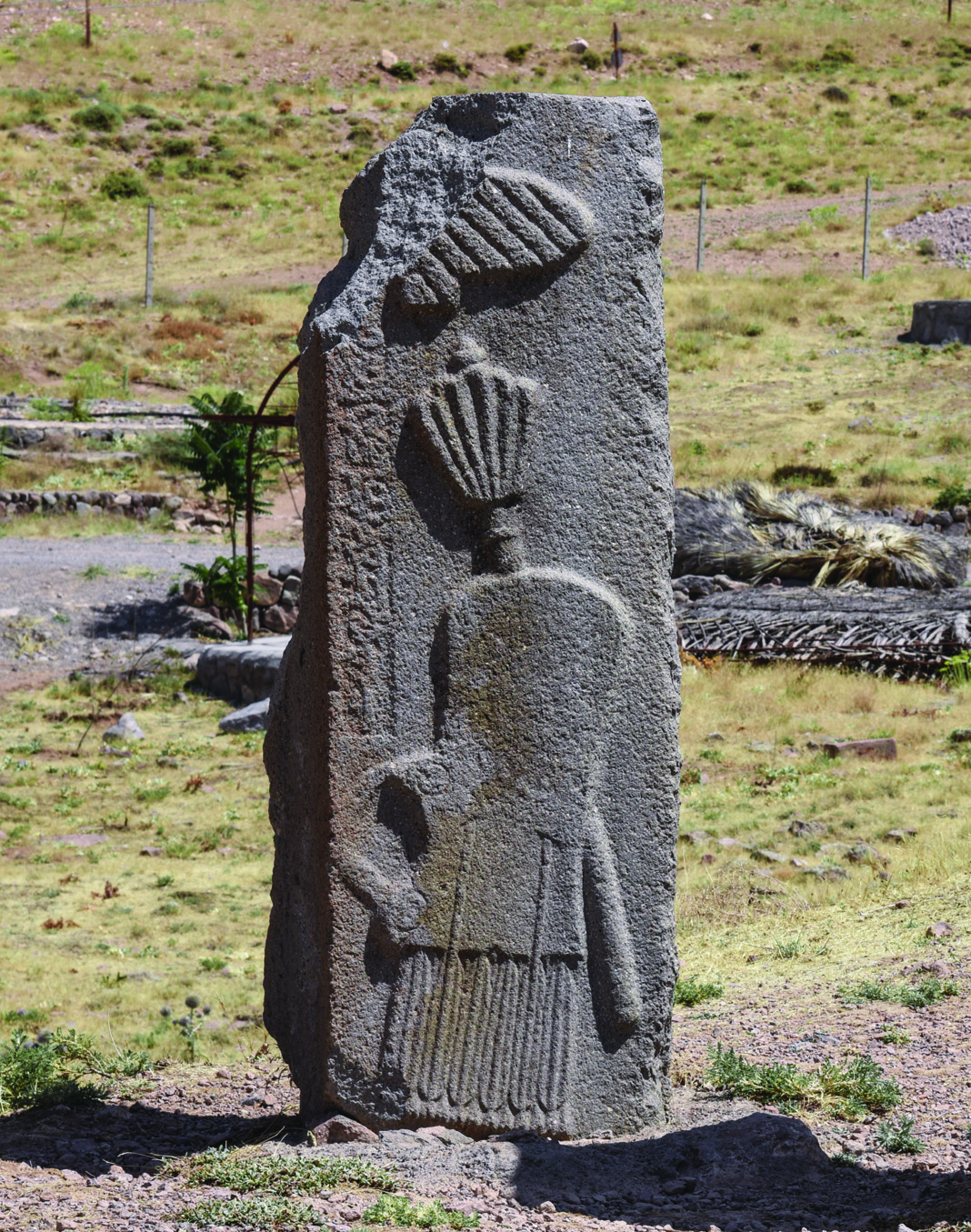
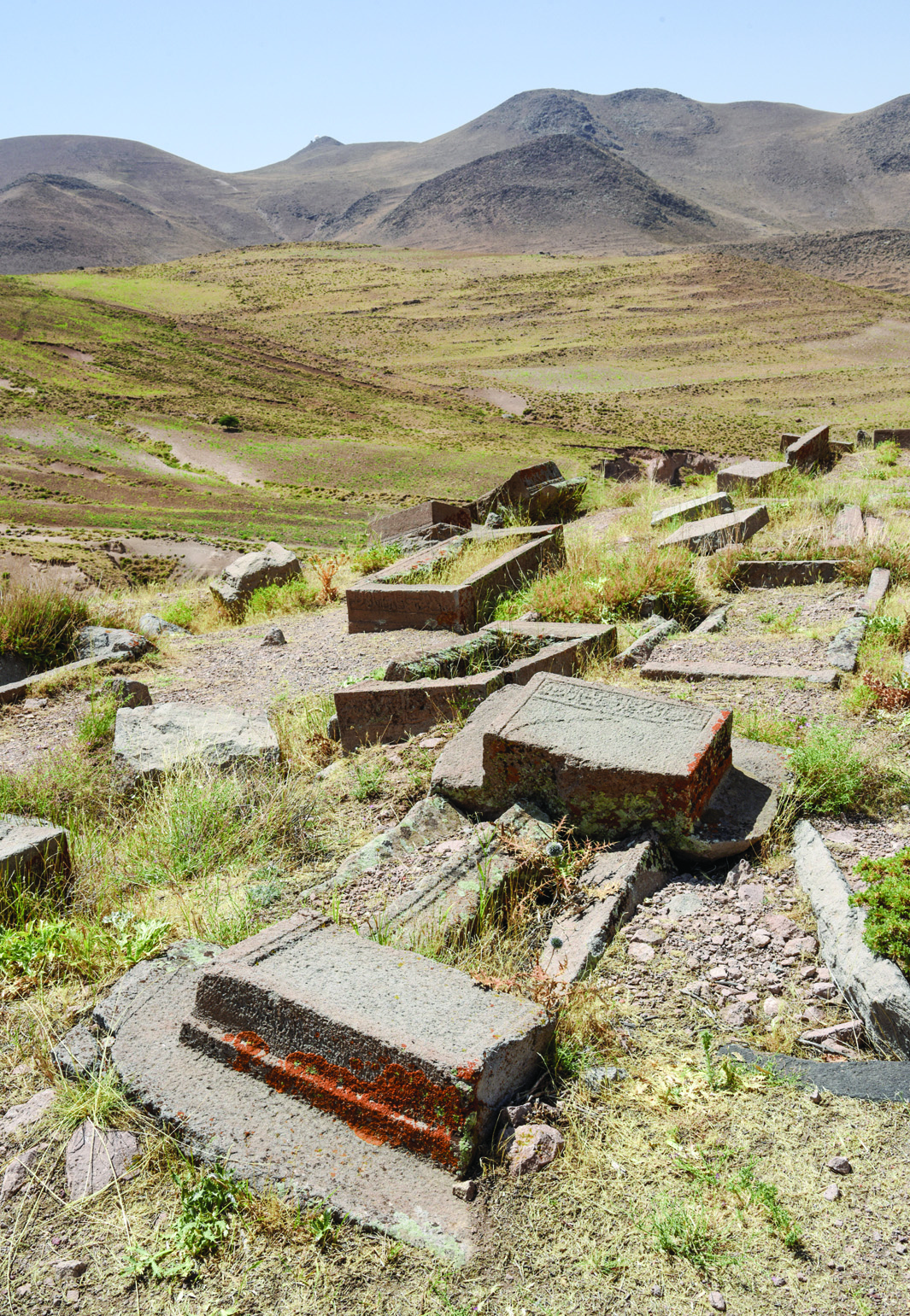
The city now bearing the name Azarshahr is an amalgamation of Dehkharqan and its neighbouring villages, all of which have together taken the form of a city by this name. Azarshahr stands on a plain to the east of Lake Urmia, fed by petrifying springs whose mineral waters have produced the travertine quarries of Azarshahr. The natural setting of Azarshahr is not much different from that of Maragheh, but its mithraeum lies not on the plain but in a mountainous valley beside the village of Badamyar, roughly ten kilometres south of Azarshahr and some 500 metres higher in elevation. This valley runs on a north-south axis, and to its west lies a mountain whose other slope reaches and overlooks Lake Urmia. Badamyar — also called Qadamgah — is not a newly built village, and a massive walnut tree over a hundred years old, standing just before one reaches the village, speaks of its age. But an old cemetery, upslope from the village on a hilltop overlooking it, dates — according to its gravestones — from the 7th century AH and the Ilkhanid period, when Maragheh was the capital. The quality and delicacy of the stone-carving on the graves, despite all the damage and theft, bespeak the dignity of those interred and their connection to the notables of their age; and the distinctive position of the cemetery, with its prospect over the village nearby and the Dehkharqan plain ten kilometres below, stirs the sensation that the dead of this cemetery remain present and watchful.
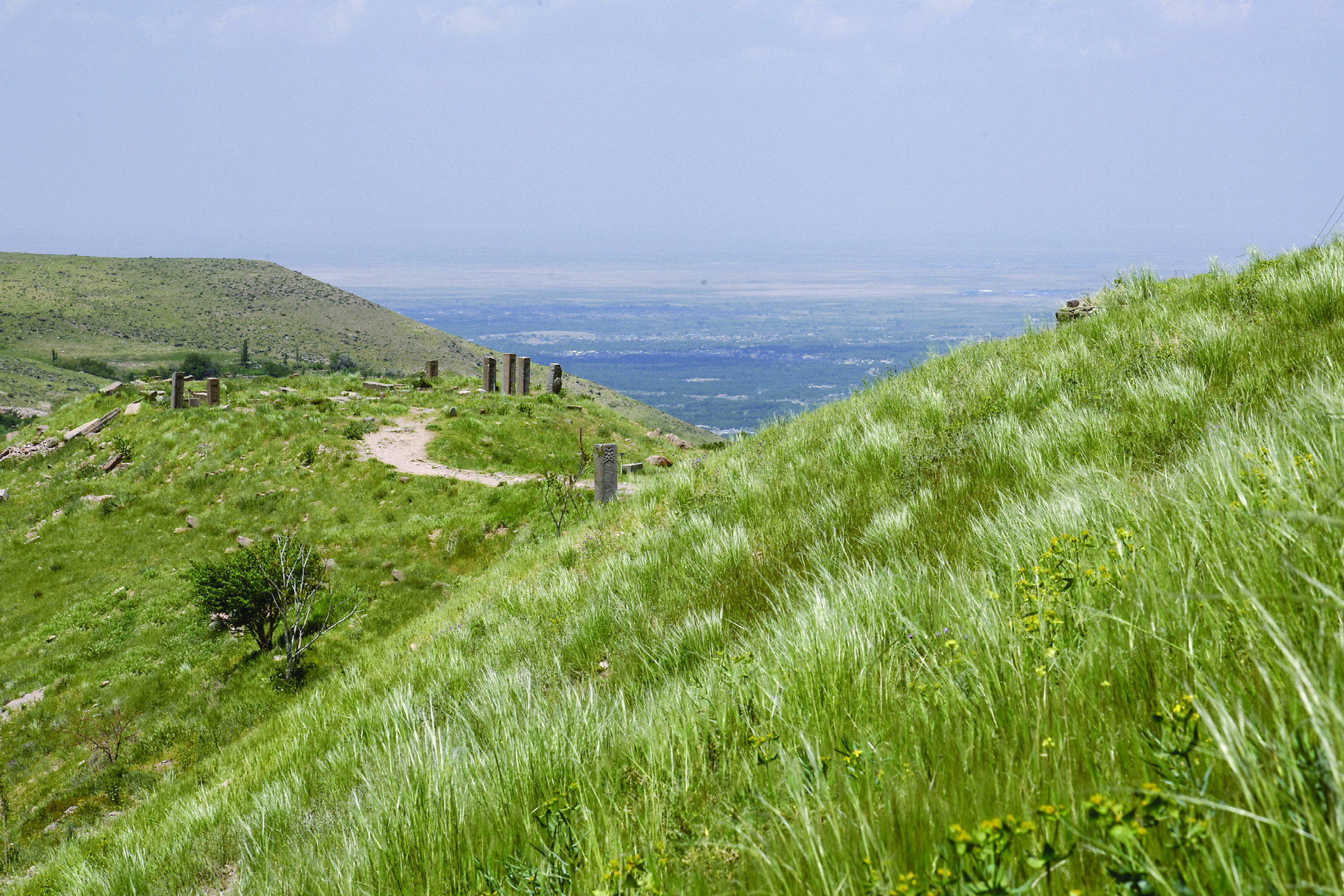
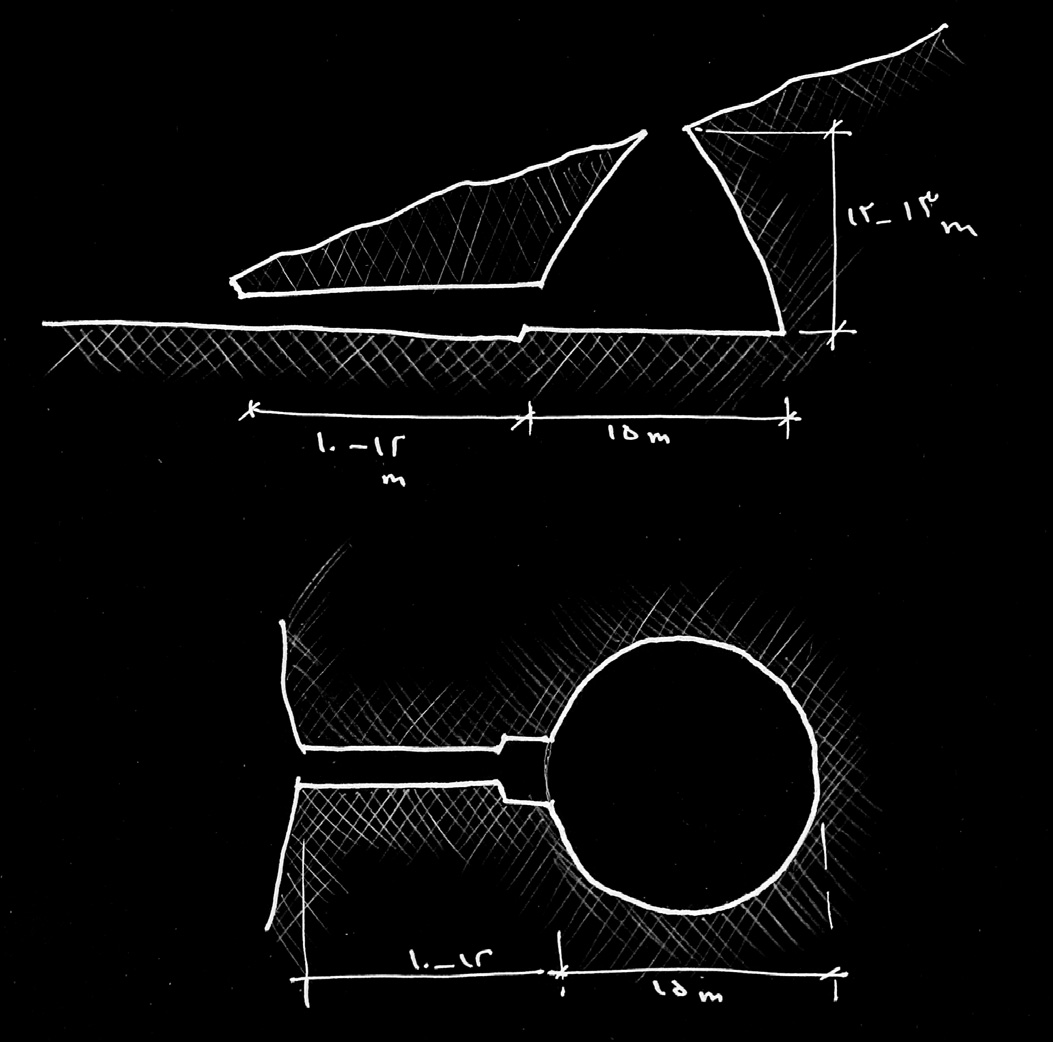
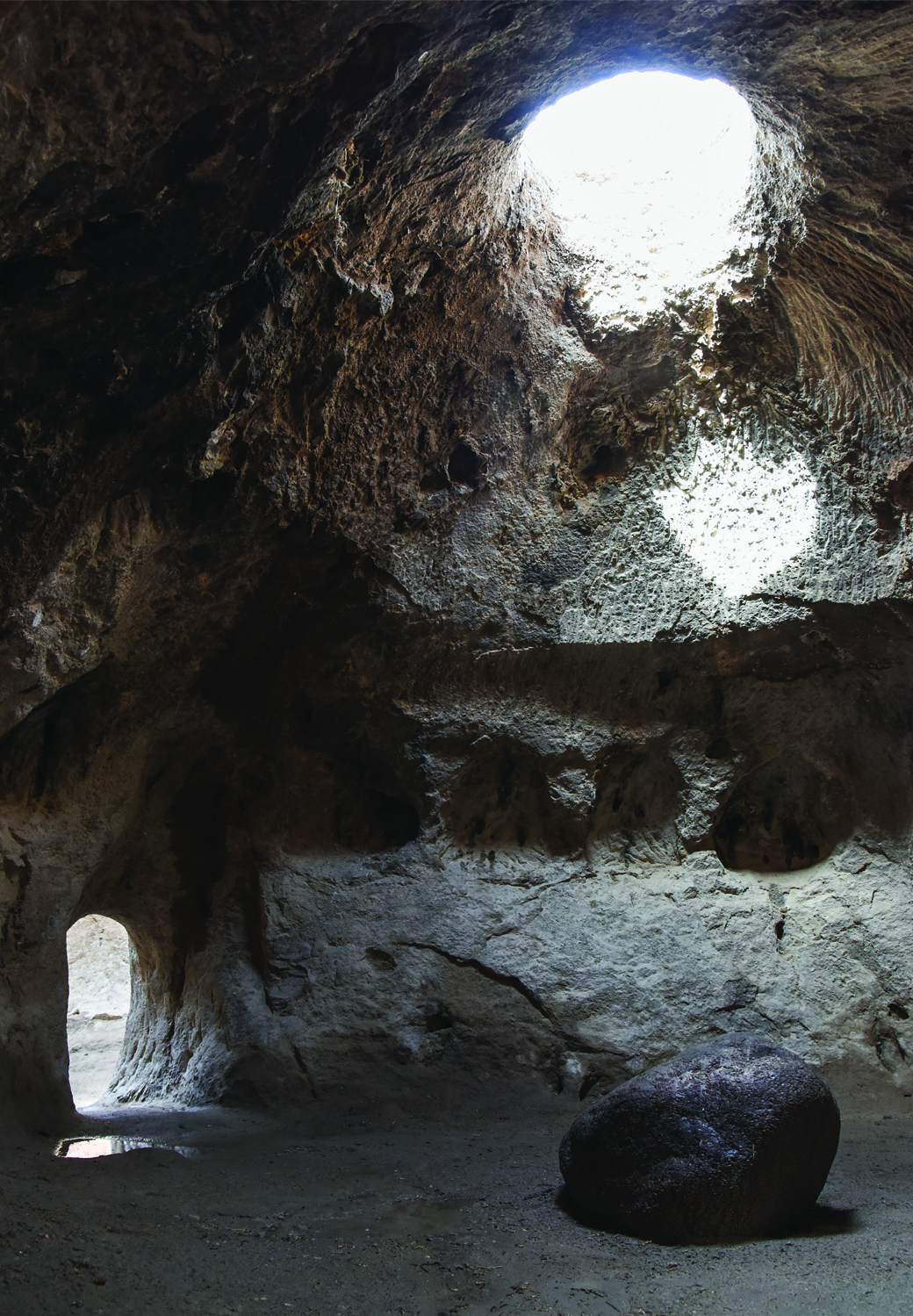
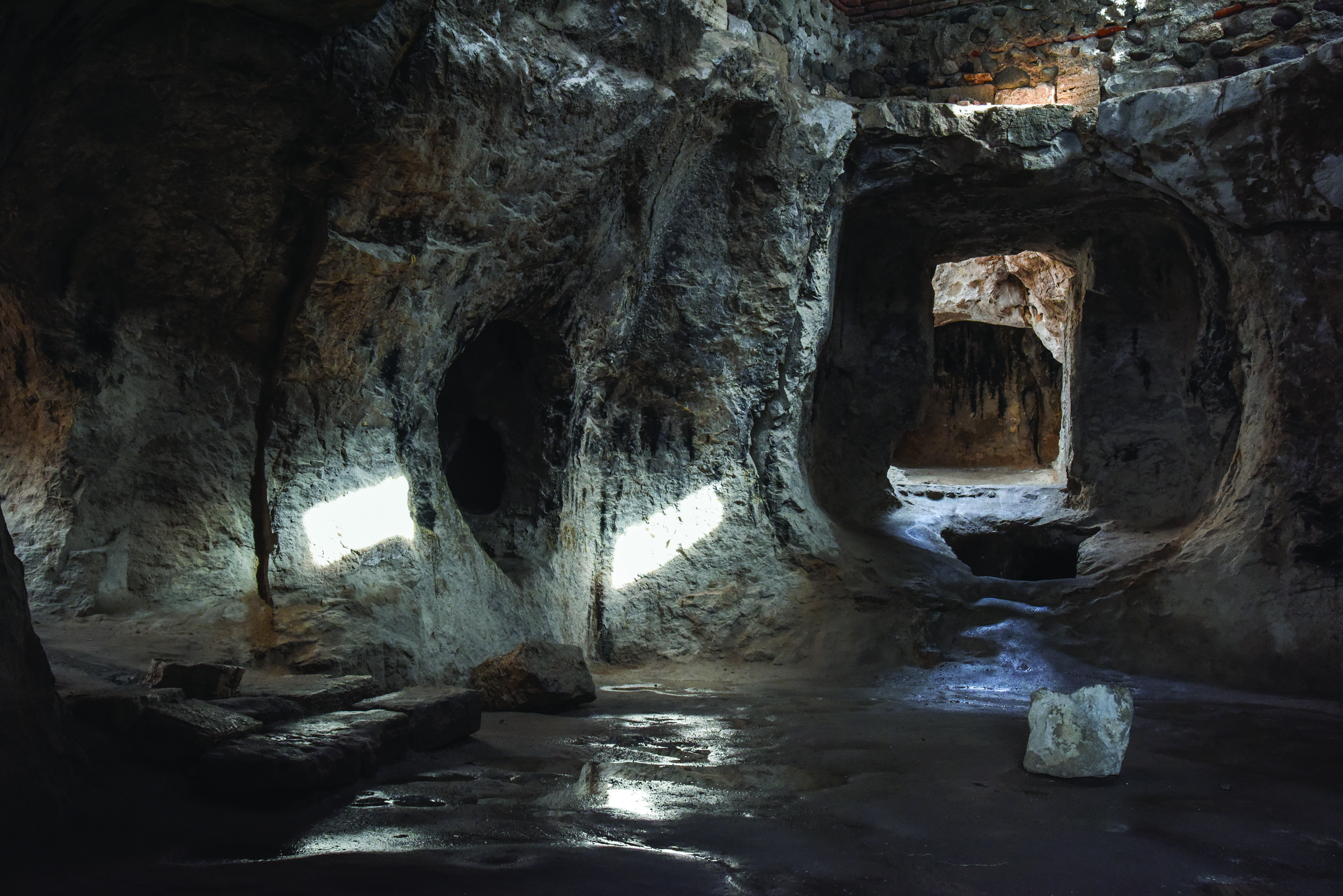
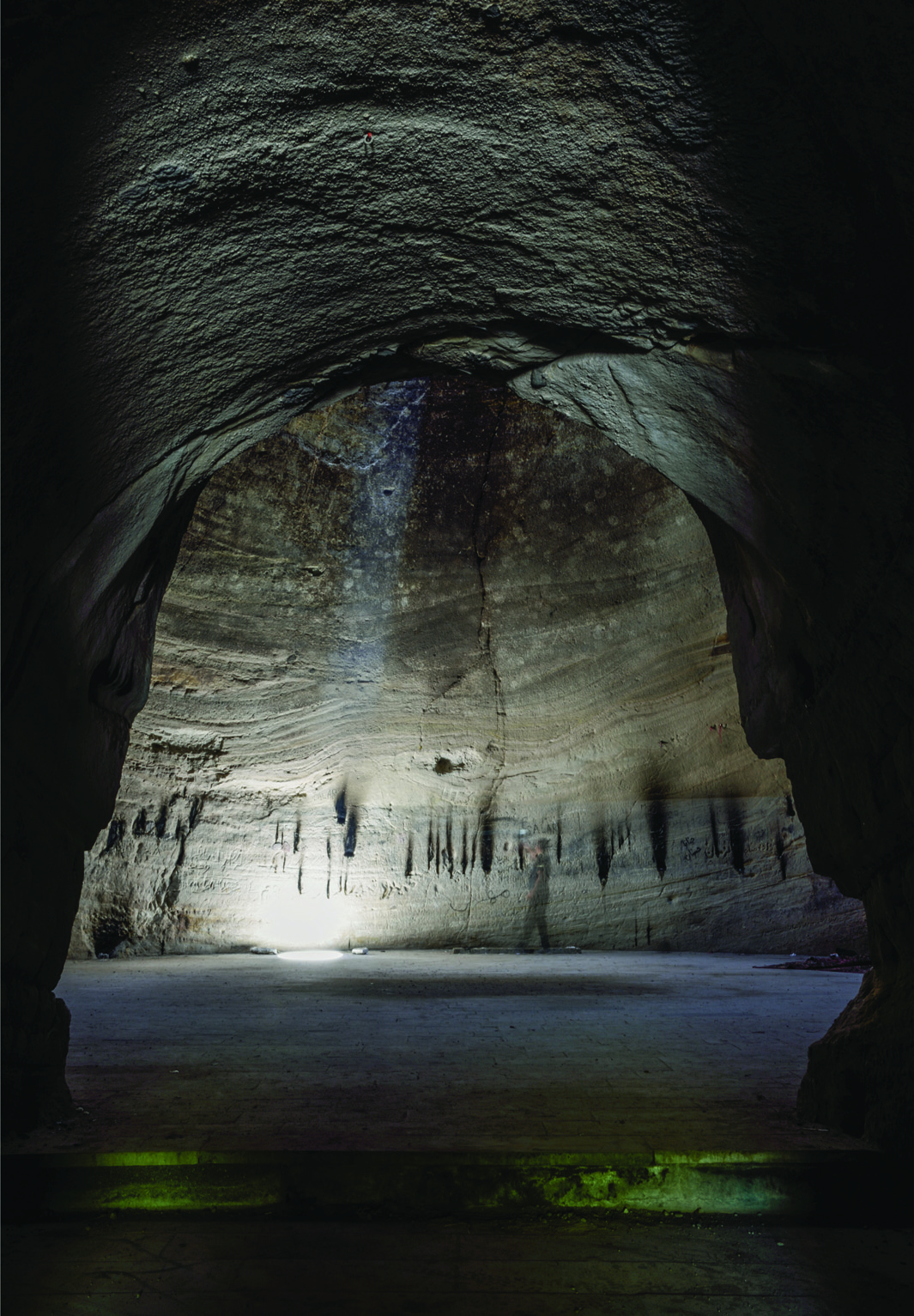
But the Mithraic temple of Badamyar, located about one hundred metres from this cemetery in a hand-hewn cave in the body of the mountain, must be much older than the gravestones of this burial ground. Apart from the prehistoric quality of its space — produced by the strange texture of the walls and the scattered black lines left by the smoke of pilgrims' candles — the simple spatial structure of the temple may testify to its belonging to a small and not very extensive community. The temple is a conical space roughly 15 metres in diameter and 12 to 13 metres in height, with an oculus at its apex that scatters light through the space, and a tunnel approximately 10 metres long with a height and width of about 2 metres leading to the outside. It should be noted that the compacted alluvial soil (khāk-e daj) of this mountainside is not as hard as the Varjovi bedrock, and its carving would not have been impossible without iron tools.
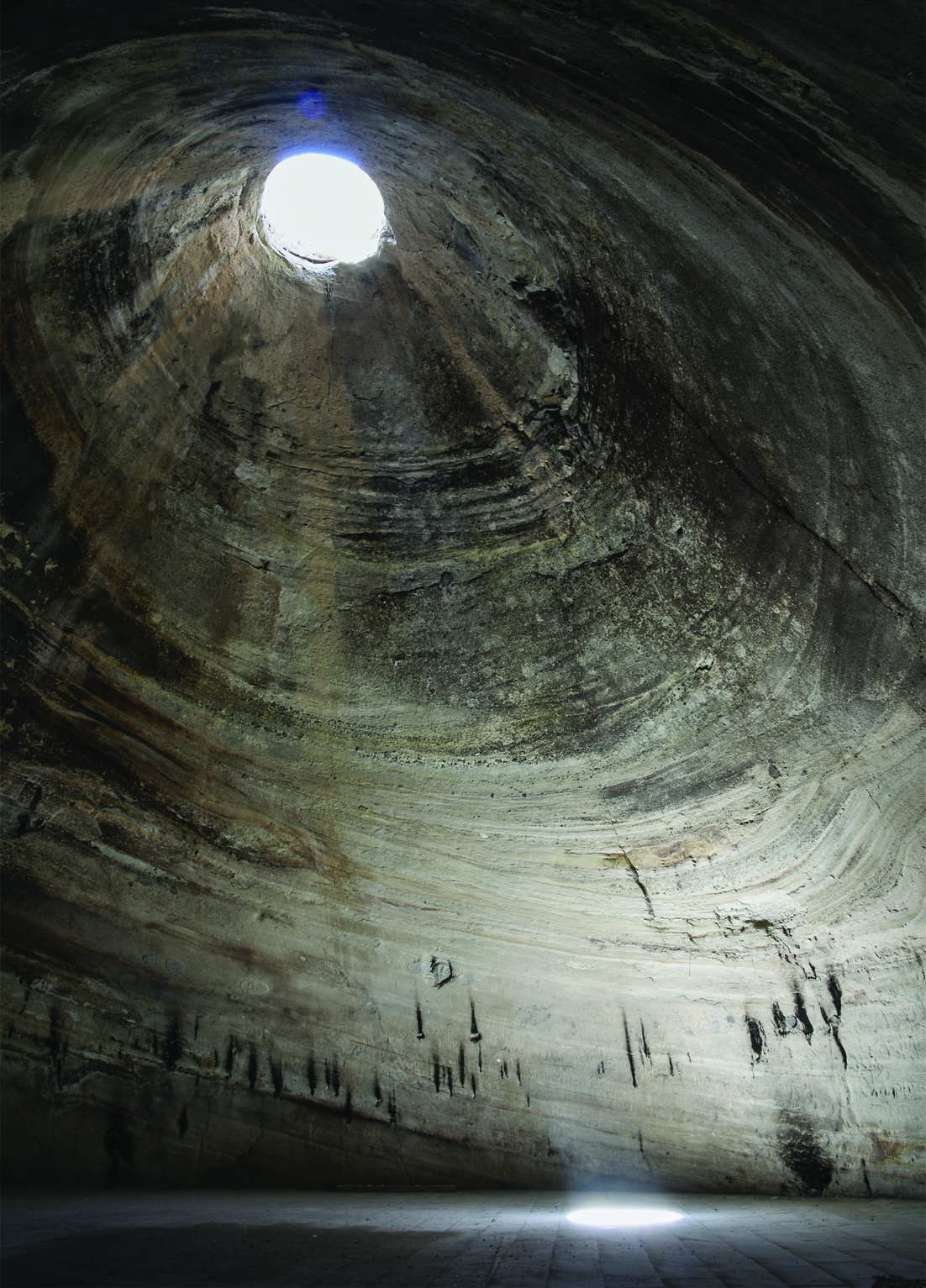
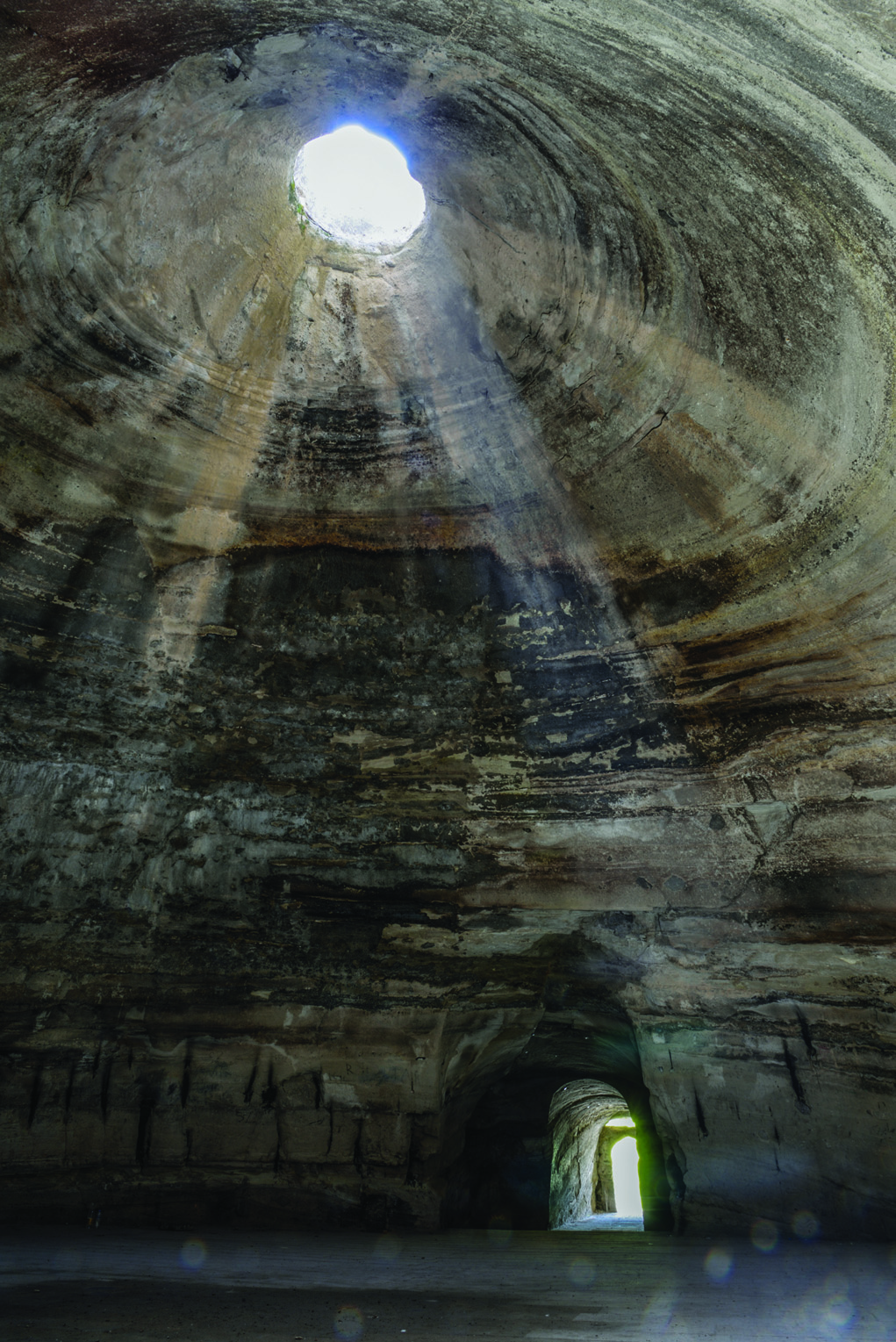
The Badamyar temple, despite the simplicity — indeed, the primitiveness — of its spatial structure, is a profoundly affecting space: passing through the tunnel from the bright light outside, one enters a space that verges on darkness in which only two patches of light are visible — one, a brilliant spot at the crown of the cone and a light that attenuates as it descends through the conical void; the other, a bright patch on the floor or wall that shifts position depending on the hour and the season. The mass of earth from which the temple has been carved has a layered structure with varying compositions and grain sizes that, upon the carving of the cone, have been exposed and have produced a wall of unparalleled and extraordinarily beautiful patterns and colours. From the outside, where at least the sound of a gentle breeze and the soft rustling of trees and shrubs can be heard, one arrives at a silence that reverberates one's own footsteps and even one's breathing in a strange manner. And finally, the air inside the temple has a uniform coolness that exerts a powerful effect — inducing a kind of mental numbness and a severing from the stream of ordinary thought. The quality of light and the spatial structure of the Badamyar temple bear a striking resemblance to the Sheikh Lotfollah Mosque, and its still coolness and distinctive acoustics recall the space of the rock-hewn monastery of Geghard,8 near Yerevan.
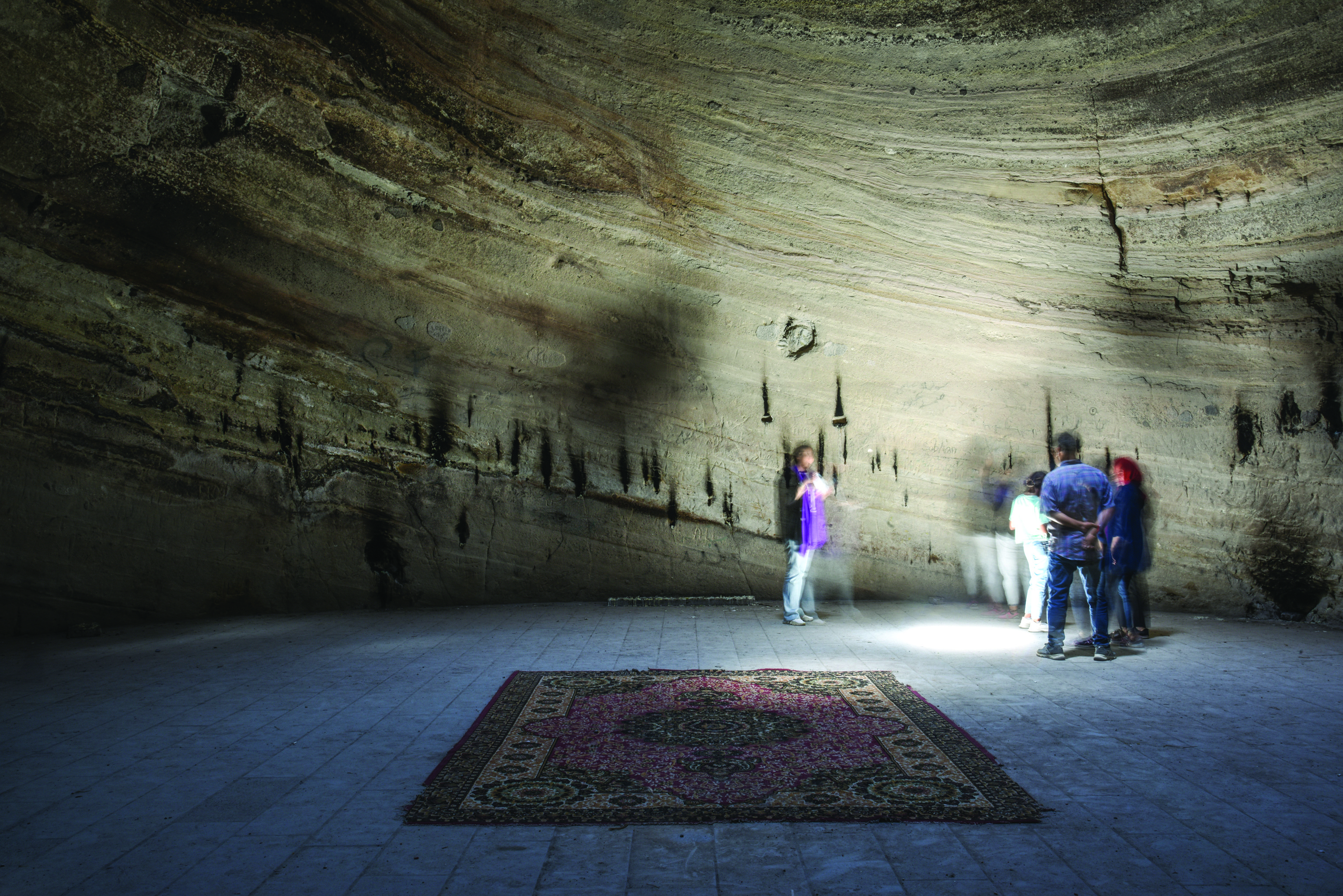
Inside the temple, there is a trace of an Islamic mihrāb (prayer niche) on the wall; furthermore, the light and especially the acoustics of this space have made it an ideal setting for Sufi circles, samā' (mystical whirling), and Sufi ecstasies. Fortunately, the Badamyar temple is in better condition than the Varjovi temple, and for several years, together with the old cemetery, it has been maintained through the efforts of a local resident, so that not just anyone can do as they please in it, as at Varjovi.
People of art, people of philosophy, people of any pursuit who in one way or another bear the concern for exploring the innate and essential roots of the human being — they would do well to come to the eastern shore of Lake Urmia, to see these temples, and, without any historical or ideological preconceptions, to surrender their hearts to the space and entrust themselves to it. About these two temples, neither online, nor in reference books, nor in the discourse of locals could any citable information be found beyond scattered and unreliable remarks — and it is clear that for researchers they could be a virgin subject. What is certain is that, measured on the scale of human history, both are very ancient, and over the millennia and centuries they have witnessed, they have seen worshippers and believers of diverse faiths and creeds, each seeking the fable in their own way — faiths and creeds that, whatever their differences and contradictions with one another, share at least one thing: that they address a human being who, in whatever garb and thought, remains "human," even if the followers of those faiths might think otherwise.
The floor plan of the Varjovi temple was found and sent to me by Mr Hassan Ebrahimi-Asl, without which certain things would have remained unsaid. I am grateful for his sympathy and assistance.
Footnotes
- Mehrābeh means "the place of Mehr" and is formed by adding the suffix -ābeh (meaning a recessed or hollow place) to Mehr — similar to garmābeh (bathhouse, literally "warm hollow place") or sardābeh (cellar, literally "cold hollow place"). With near certainty, the word "mihrāb" in mosques and churches has its root in mehrābeh, especially in mosques where the imam's prayer station has often, in a tradition continuous with Mithraic rites, been made recessed. The word mehrābeh, having acquired the specific connotation of the mosque and church mihrāb, no longer evokes the entire space but rather a part of it (the prayer niche itself). For this reason, we have used the word "temple" (niyāyeshgāh) for the whole space.
- Yazata (Izad) in its literal sense is equivalent to "worthy of praise," and in Zoroastrian terminology is approximately equivalent to a deity (rabb al-now'). It does not mean the One God or Ahura Mazda. The rank of an Izad falls below Ahura Mazda and the Amesha Spentas (the Holy Immortals).
- "The day of Mehr, the month of Mehr, and the blessed feast of Mehregān / Increase your love, O beloved of Mehr-countenance, O kind one" — Masoud Sa'd Salmān.
- Yaldā is a Syriac word meaning "birth." In the Mithraic cult, besides Yaldā, the summer solstice and also the autumnal and vernal equinoxes — the latter being Nowruz — are also celebrated and are occasions for dancing and rejoicing.
- Perhaps the practice of burying the dead in a foetal position — that is, placing them in the grave in the same posture they held in the mother's womb — may also trace back to these Mithraic narratives.
- This must be pronounced with a Turkic accent.
- The Varjovi temple was listed on the National Heritage Register in 1356 SH (1977), while the road is clearly of much more recent vintage.
- "Journey to Armenia," by Soheila Beski — Memar Magazine, Issue 44.