



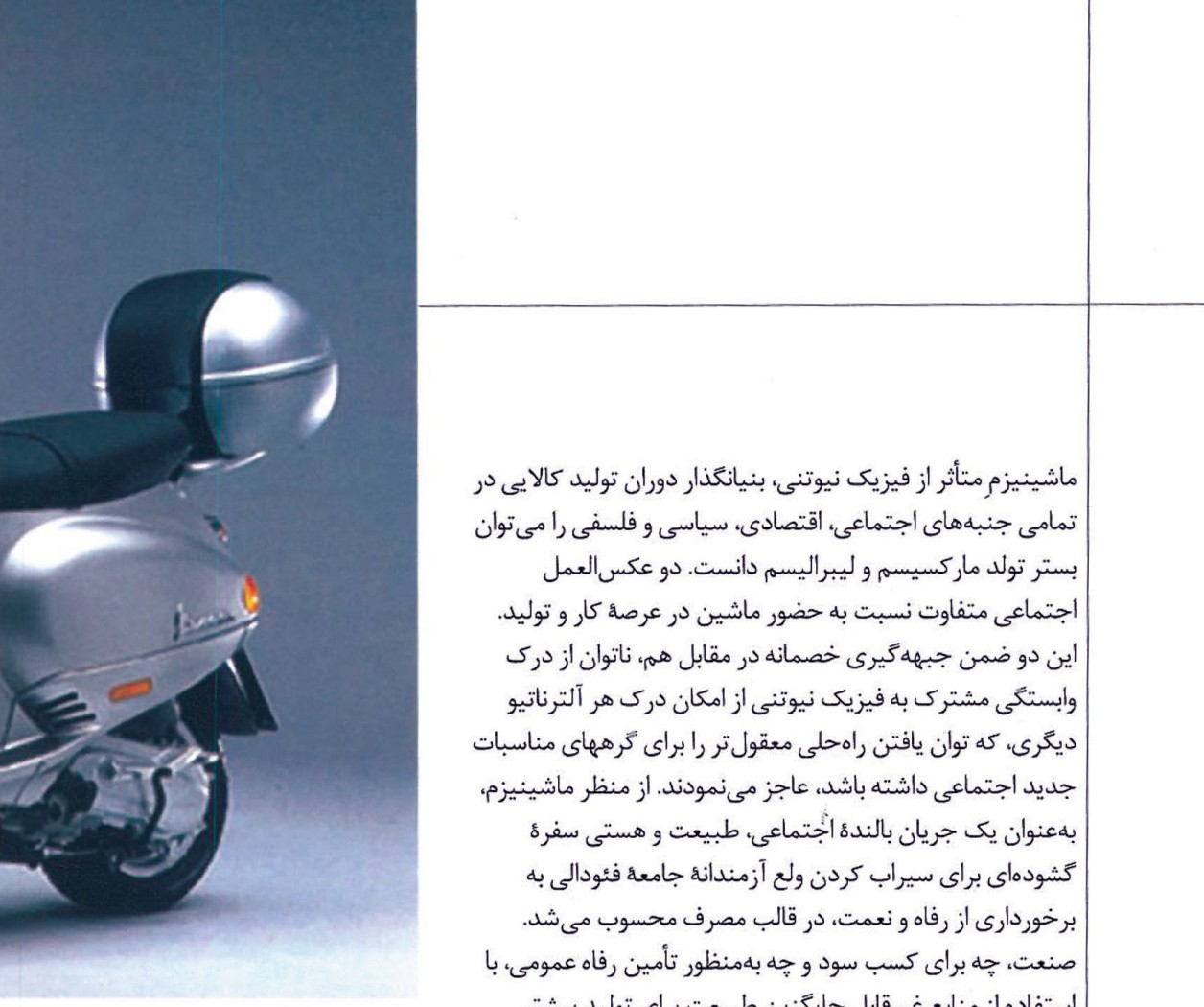
Machinism, influenced by Newtonian physics, founder of the era of commodity production in every social, economic, political and philosophical sphere, can be considered the cradle of the birth of Marxism and Liberalism — two different social reactions to the presence of the machine in the field of work and production. While taking up hostile positions against each other, these two were unable to recognise their shared dependence on Newtonian physics, and so were also unable to perceive any other alternative that might have offered a more reasonable solution to the knotted problems of relations within an emerging social current. Nature and existence were the open table for satisfying the greedy appetite of the feudal society for affluence and bounty, in the form of consumption. Industry — whether for profit or for general welfare — used the irreplaceable resources of nature for ever-greater production. In the noise of the transition from one-off production to mass production, the nostalgia for the sensory and aesthetic values of handmade products appeared as the driving motor of the Arts and Crafts Movement, and mass production, like every new phenomenon in the social life of man, became the source of endless debates and critical theories about the system of commodity production — theories that sought to add other dimensions, beyond the consumption function, to the aesthetic dimensions and to the sensory and psychological functions of products. This was the seed of the formation of design philosophy.
Although designers need systematic methods for gaining experience and understanding how a design pleases consumers, they more than anything need a personal understanding and inner experience with the product they design — far more than design data. Early efforts at producing checklists drawn from the experience of consumption and the mutual relations between people and products, without a deep inner understanding and experience of the product, restrict the designer's freedom and push him away from the subject. Part of this restriction is owed to the climate of the society in which the designer works, and another part is the degree of freedom his own intellectual structure provides him — itself often shaped by the prevailing atmosphere of his society. Perhaps the best evidence of constrained design is the empty design record of the formerly-Eastern-bloc countries; a record that is the best example for showing the new readings of life and objects.
Saipa and motorcycle design
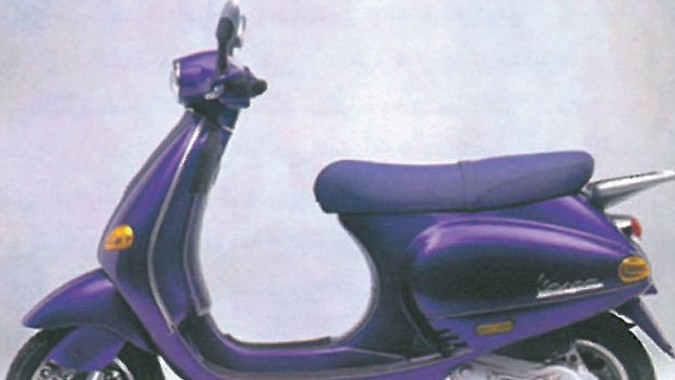
At 12 noon on 23 April 1946, in the Office for the Registration of Inventions, Innovations and Models of the Italian Ministry of Industry and Commerce in Florence, the Piaggio company registered a design under the title "a motorcycle with a rational arrangement of the engine and the various parts in which the structure, fender and outer covering enclose and integrate the mechanical sections."
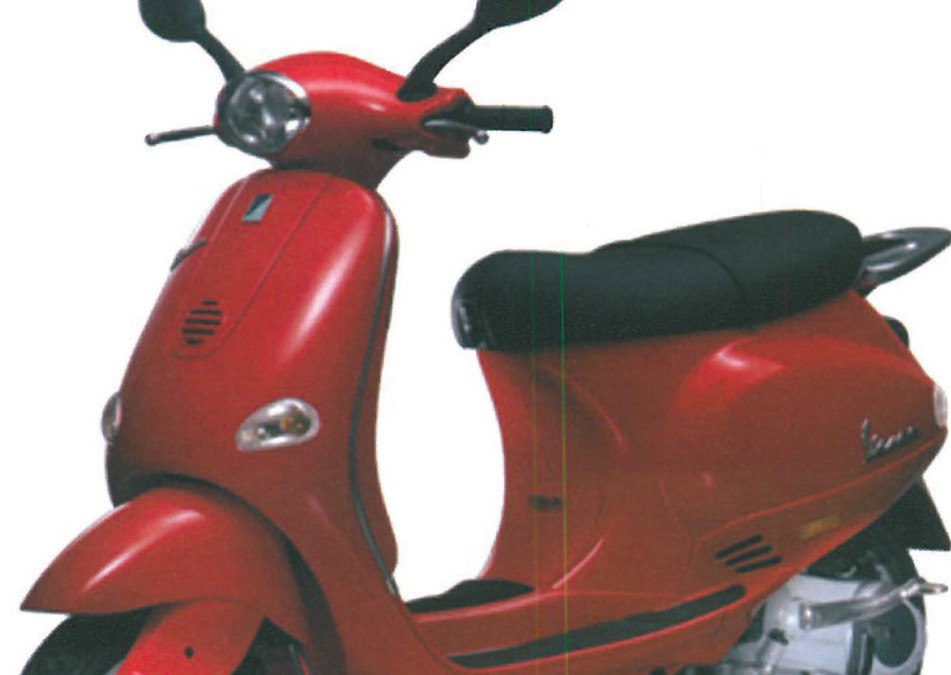
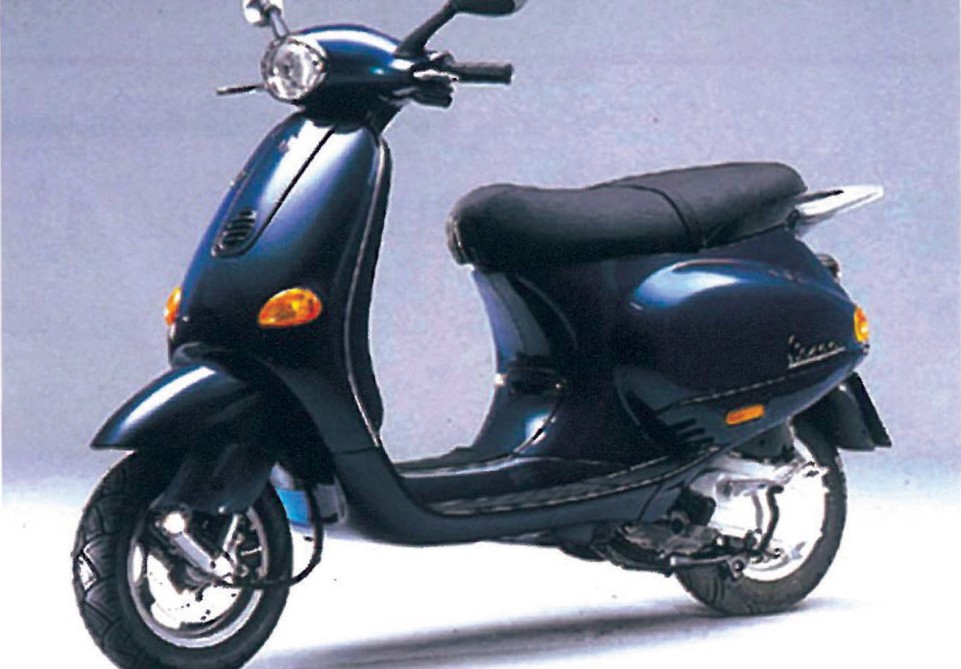
In 2005, Vespa will celebrate its 60th birthday — sixty years passed in the company of different generations. What truly is the secret of this immortality? Why has Vespa become part of the culture of the people of Italy, of Europe, and of many other countries? Vespa's presence on calendars and in the advertising of other products such as soft drinks is one witness to this claim. After 58 years, Vespa is still the best-selling scooter in the world. Scooters are motorcycles whose structure and function differ from conventional motorcycles in many ways: how the rider sits and steers, the location of the engine and gearbox, the way power is transmitted to the wheels, the dimensions of the wheels — and most importantly, the type of users and their social diversity. Today's Vespa motorcycle is not very different in form from its great ancestor. Industrial products are tools for human living in the environment of life, and they are transformed by it. But the design of Vespa, without regard to the various styles and tendencies of design over six decades — and over a constantly changing world — has travelled from yesterday into today. The continuity and unity of its structure, form and function have made it the ultimate example of structuralist, functionalist and formalist design — and of something more than the integration of these three. The richness of its original idea has barred the road to any will of disposability. Riding a Vespa, regardless of the user's particular social or class identity, is in itself a symbol of distinction and identity for its consumers. In 1996, on the occasion of the 50th anniversary of Vespa, Vespa-riders organised a Vespa-tour from America to Italy. Refining Vespa design to harmonise with the new forms of the day, throughout the six decades, has been confined to changes in the curvature of the surfaces and the edges of the outer shell, and to changes in the shape of individual components — while the overall form and the principal proportions have always been preserved.
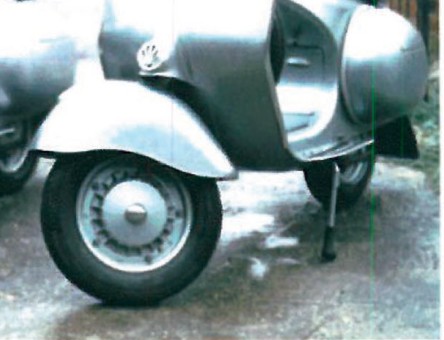
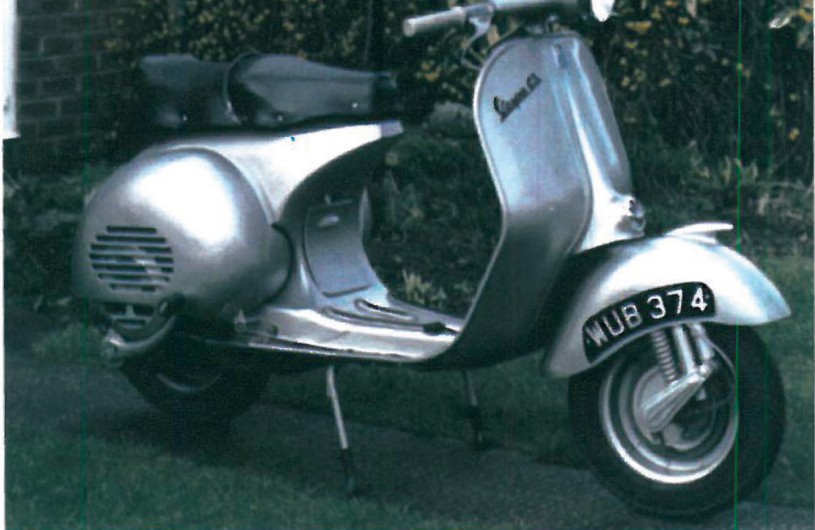
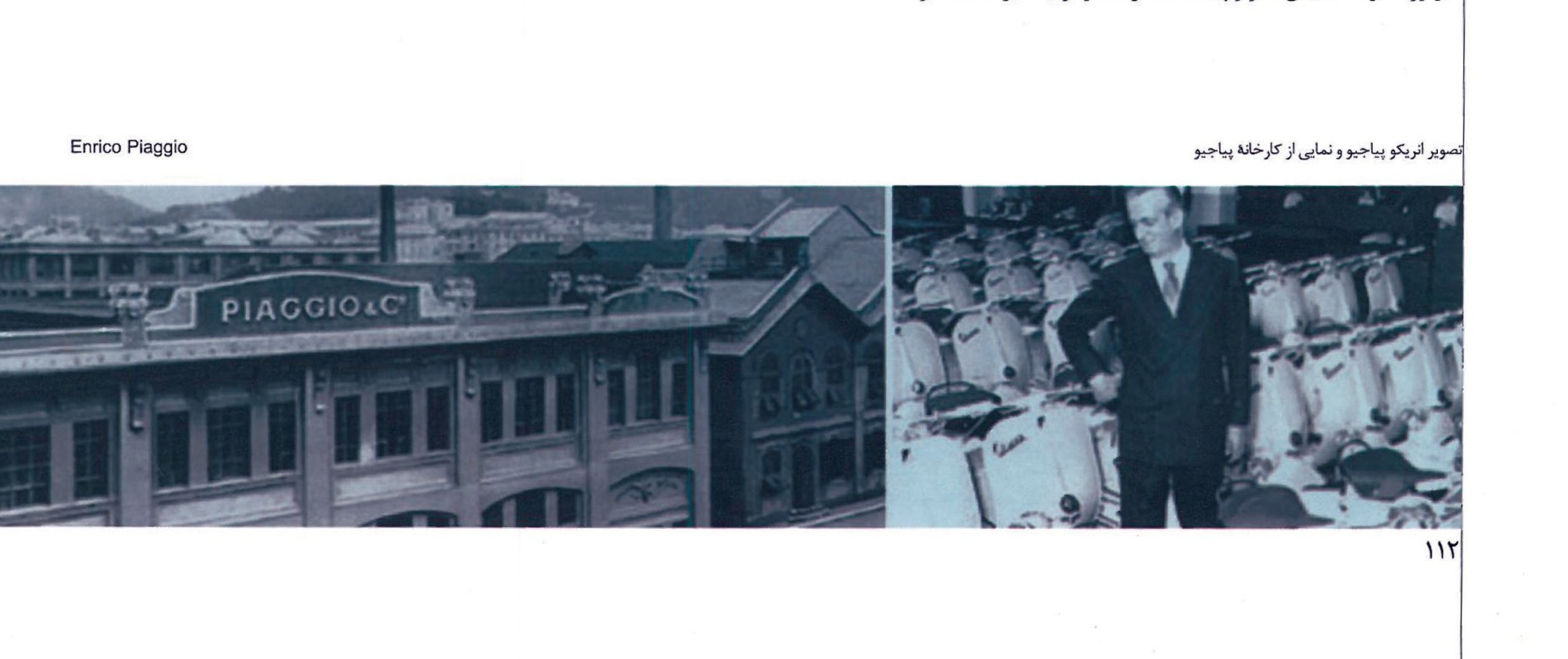
Today one of the greatest claims to honour for the Vespa company is what they call the "Vespa life." 1945, the height of post-war Italian economic crises, when Enrico Piaggio's family aircraft factory had been destroyed by bombing — Piaggio commissioned Coradino d'Ascanio for a wholly different motorcycle design. A man who in his life had never designed anything other than aeroplanes and had never sat on a motorcycle. This commission was the start of a close collaboration between manager and designer, and the result of their efforts was a different kind of motorcycle and a timeless product: a two-wheeled vehicle with a 2-stroke engine of 98 cc displacement and 13.5 horsepower, whose engine sat directly on the rear wheel. It had a 3-speed gearbox and an external appearance very different from other motorcycles. The design of its front-wheel attachment was adapted from warplanes, and the body and chassis were astonishingly intertwined. Vespa was the first motorcycle that men and women could comfortably ride without dirtying their clothes, and could, when needed, also carry a passenger on the rear. The success of this new design was such that by the end of 1949, 35,000 units had been sold. By the end of the first decade of production, the figure had climbed past one million units — at the modest price of 168,000 Italian lire of the time. By the mid-1950s the Vespa was being produced under Piaggio licence in the United Kingdom, Germany, Belgium and Spain, and a few years later India and Indonesia showed interest in producing it. At present, the spectrum of Vespa-riders includes a varied mix of social strata — specialists, schoolchildren, women, workers.
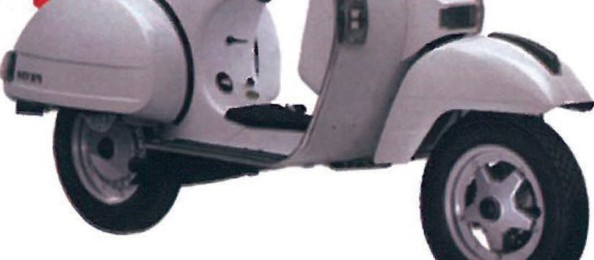
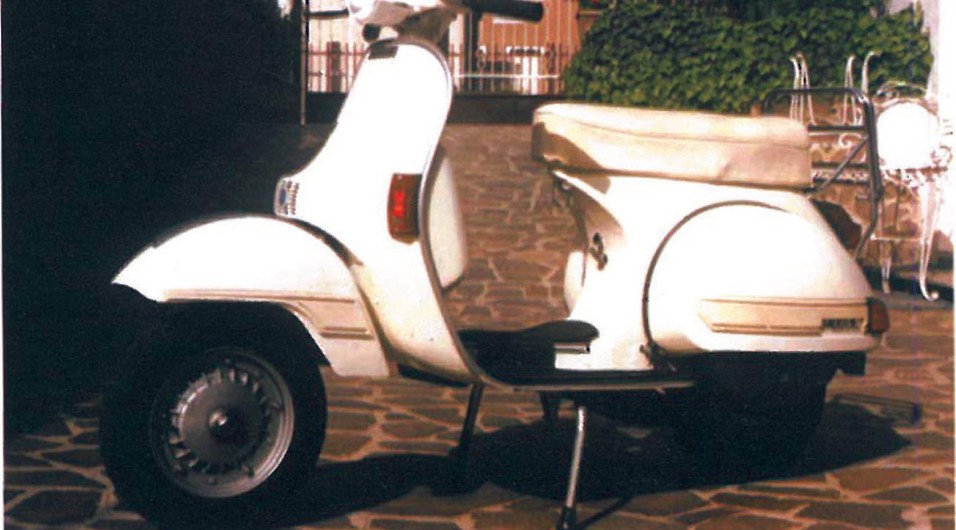
Coradino, the designer of Vespa, had no fondness for motorcycles, considering them an uncomfortable and unsafe vehicle. Wheel-changing for repair and puncture-fixing was difficult — and still is, for other types of motorcycles — and the chain of power transmission often dirtied the rider's clothes. Eventually Coradino's experience with aircraft design led to the original Vespa idea: a single, continuous aerodynamic shell encasing the engine, transmission, chassis, seat, handlebars and wheels. The trick of mounting the engine next to the rear wheel, beyond increasing engine efficiency, also allowed a spare wheel to be mounted on the front fender. The continuous chassis-shell allowed comfortable seating without the obstacle of a horizontal extension of the body for the rider, and most importantly the vertical extension of the shell — covering the steering column — provided good protection for the rider in the event of a frontal impact. Vespa is the example of a product which, by drawing on a different design experience — that of a warplane — turned itself into a useful, dependable, humane product, harmonious with the objective needs of its consumer, free of time.
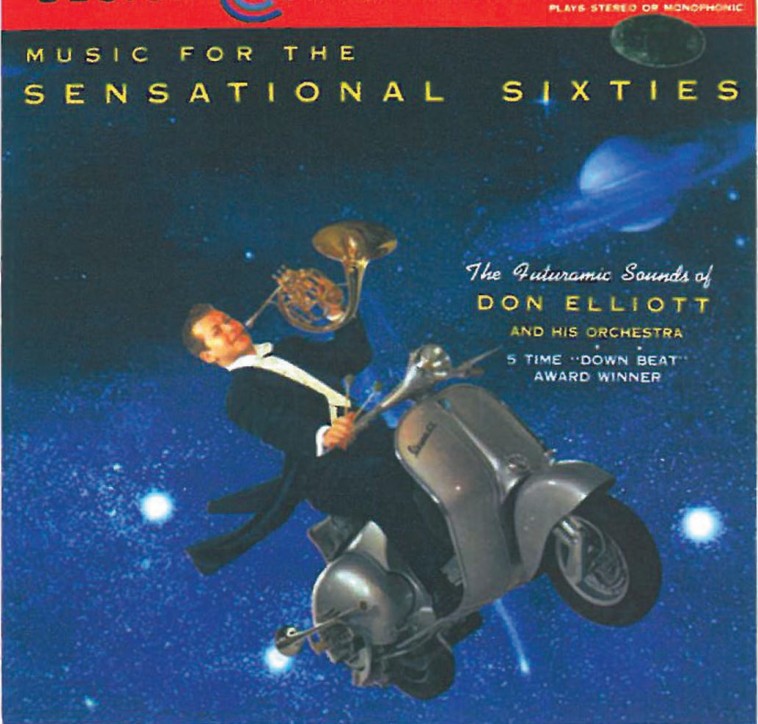
Notes: 1- Arts and Crafts Movement; 2- Piaggio; 3- Coradino d'Ascanio. Sources: The Italian Design of the Years 50, to cure of center Kappa, 1980 — Searches Design; The Myth of the Vespa, Calabrian Omar, Editions Piaggio; http://www.ideamagazine.net/en/rep/rrvo900.htm. Captions: image of Enrico Piaggio and a view of the Piaggio factory; new model VESPA-ET4; image of the latest VESPA ET4; image of a Vespa motorcycle; Vespa advertisement in People Mag, May 1954; top: a restored model of Vespa 125; bottom: image of one of the first Vespa 125 models; new model VESPA ET4; VESPA model PX125; Vespa PX — a familiar model for Iranians; VESPA-PX.