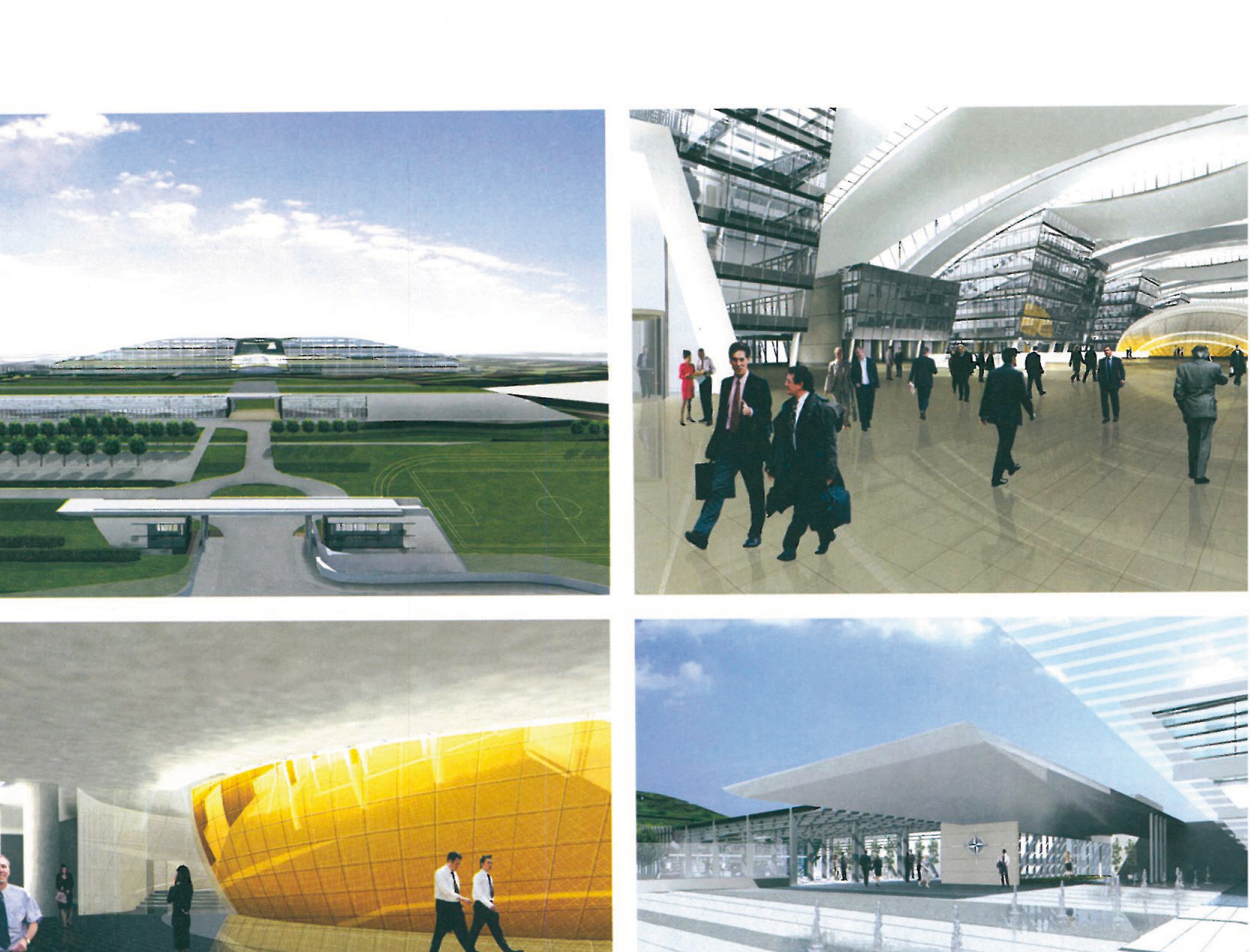
The current building of the North Atlantic Treaty Organisation (NATO) in Brussels, the capital of Belgium, was built in 1967 as the organisation's temporary headquarters. Following the increase in member states, the leaders of NATO decided in 1999 to construct a new building for its headquarters that would be capable of meeting the organisation's needs in the twenty-first century. In 2001 an international architectural competition was held under the supervision and cooperation of the International Union of Architects (UIA), based in Paris. The selected scheme was finally announced on 23 January 2002.
The competition was conducted in two stages following a preliminary selection from among the entrants based on submitted documents. All qualified groups could enter; the only mandatory condition was that participants must reside in one of the 19 NATO member countries.
Programme of the Competition
The new NATO headquarters had to respond to the alliance's main functions and activities — assistance, consultation, and formal and informal cooperation between member countries, and between member countries and other countries of the world, as well as international organisations. The complex, with a built area of 172,000 m², includes the following programme:
A large conference centre at the junction of an extensive complex of office buildings, providing the services required by the delegations and military representatives of the 19 member countries, joint missions, secretarial services and ad-hoc connections among delegates and missions of one another's countries.
Common and technical infrastructure including: information and news-agency services, technical services, restaurant, postal facilities, shops, and a common physical, sport, social and recreational facility.
The Jury
The competition jury, chaired by David Wright (Canada), Ambassador and Chair of the North Atlantic Council, comprised the following members:
- Alessandro Minuto Rizzo (Italy), Ambassador and Deputy Secretary General of NATO
- Jean Fournet (France), Assistant Secretary General for Scientific and Environmental Affairs of NATO
- Fumihiko Maki (Japan), Architect, representing the International Union of Architects
- Paul Chemetov (France), Architect
- Patricia Patkau (Canada), Architect
- Pierre Sauveur (Belgium), Architect
- Rafael Viñoly (United States), Architect
- Meinhard von Gerkan (Germany), Architect-Engineer
- Miroslav Masák (Czech Republic), alternate juror
In the preliminary selection, 21 groups were chosen from among the 64 candidates and invited to take part in the first stage of the competition. At the end of that stage, 6 groups were selected for the second stage. In the end the jury introduced the winning scheme together with the second- and third-place schemes to the North Atlantic Council, and their selection was confirmed by the Council. The final results of the competition were officially announced in Brussels on 23 January 2003 by the Secretary General of NATO, Lord Robertson. The prizes for the three selected schemes were €200,000, €150,000 and €100,000 respectively.
First-Place Scheme
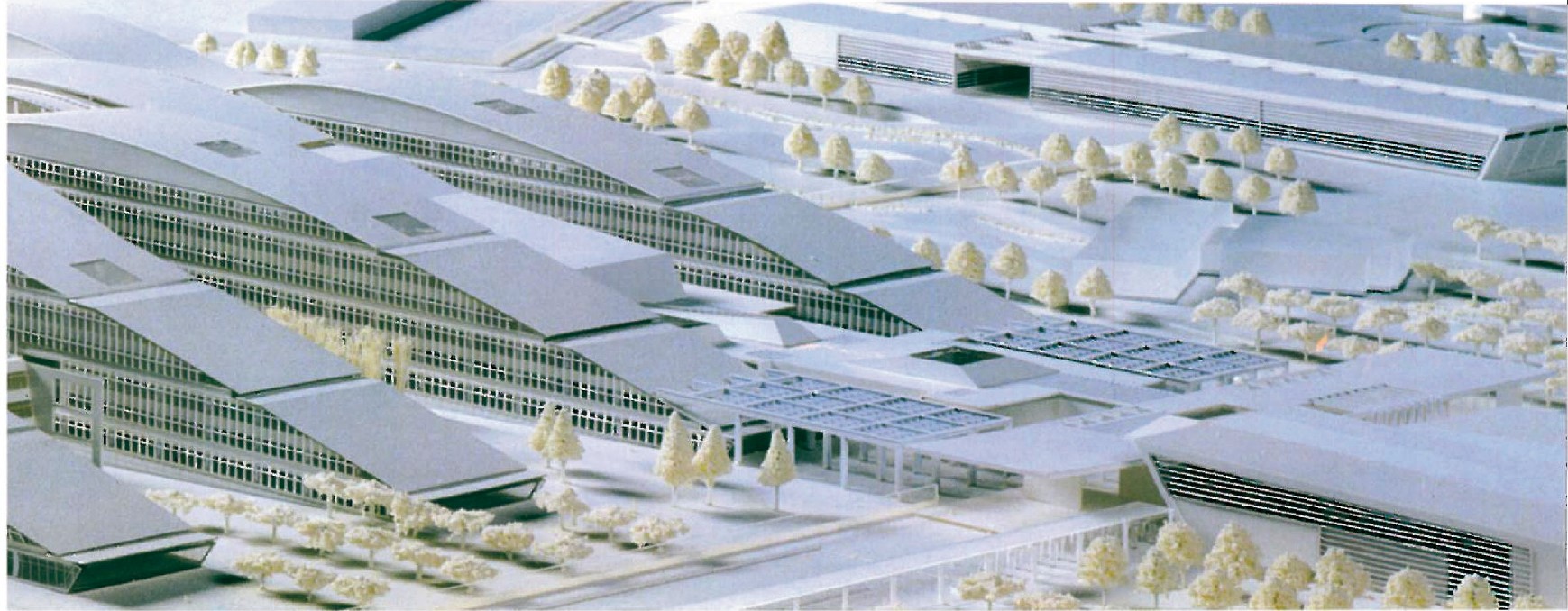
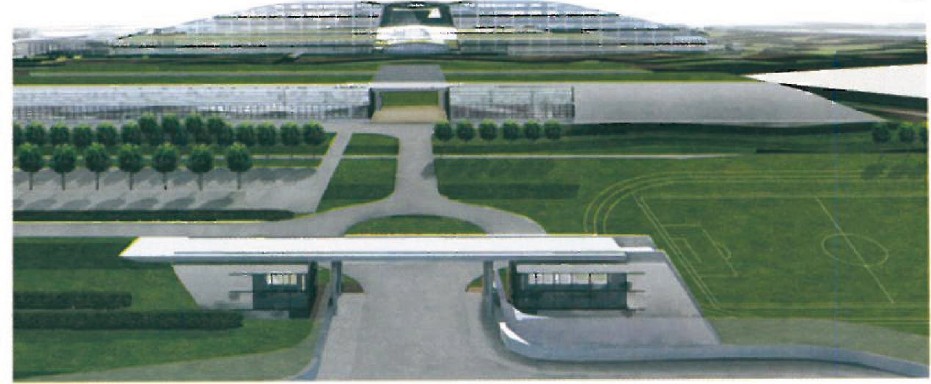
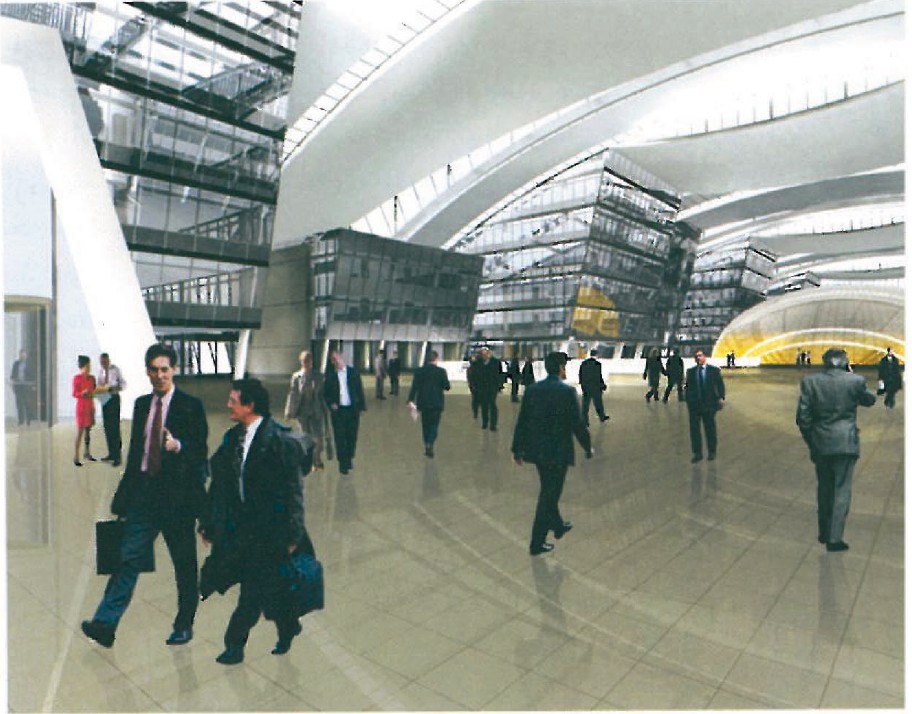
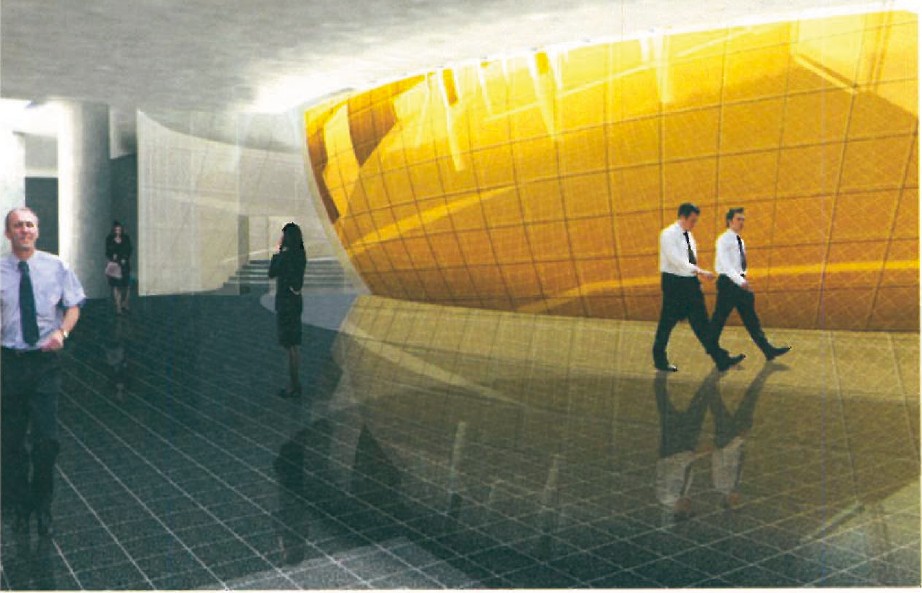
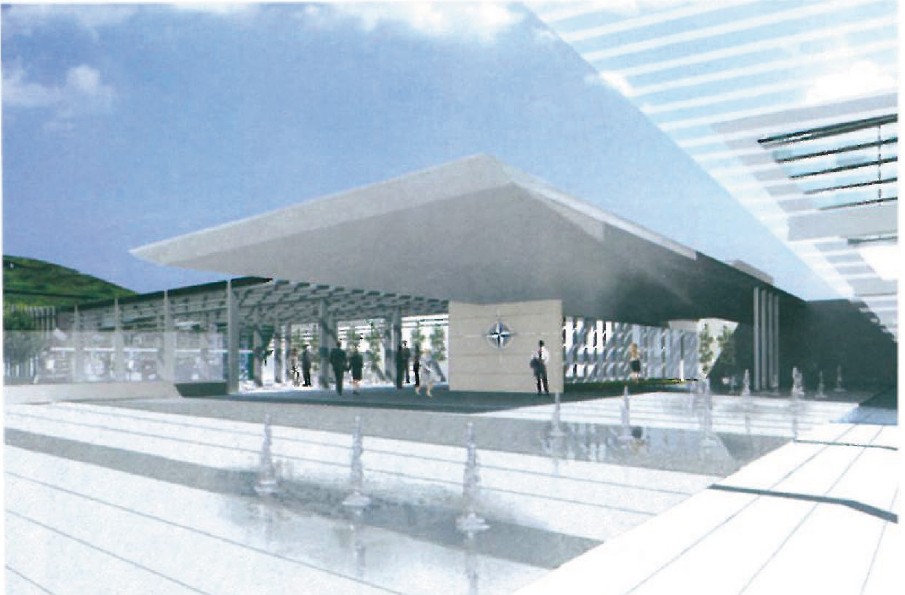
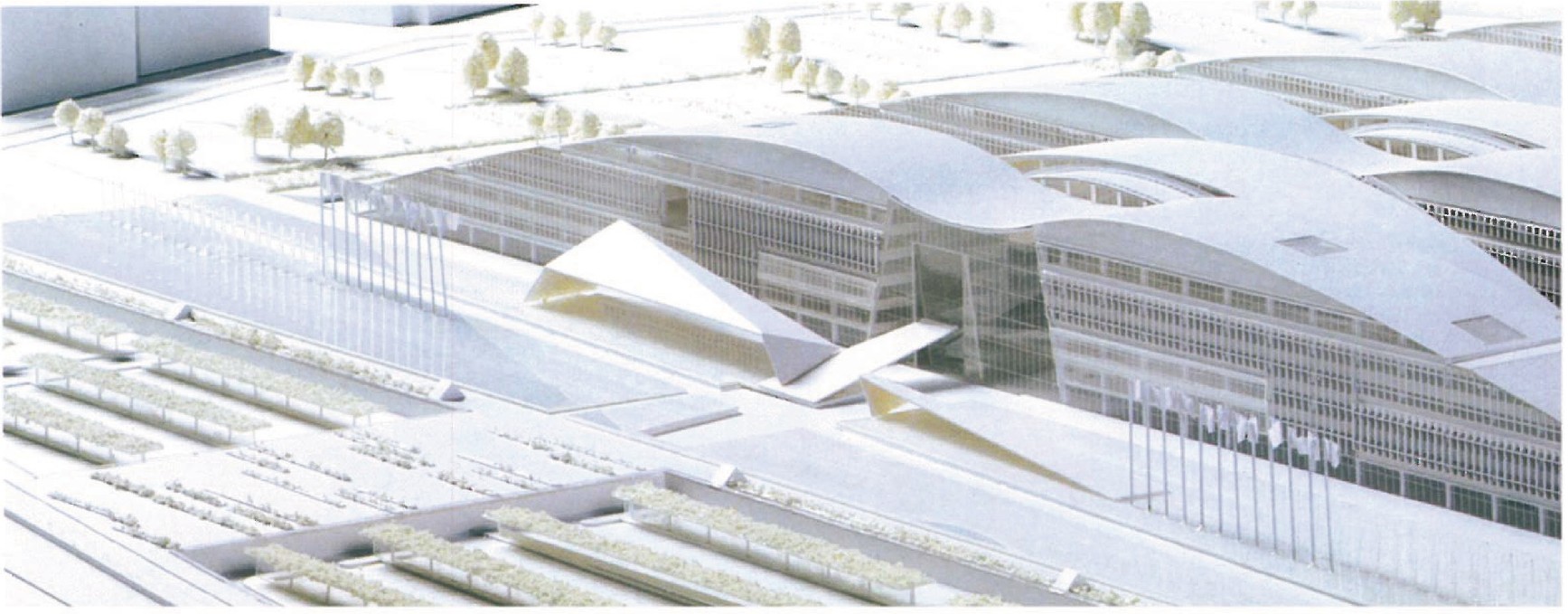
The winning scheme is the joint work of the London office of Skidmore, Owings & Merrill (SOM) and their Belgian partner ASSAR. The firm was founded in 1936 by Louis Skidmore and Nathaniel Owings as Skidmore & Owings in Chicago, with a New York branch added in 1937. In 1939 John Merrill joined the firm and its name became Skidmore, Owings and Merrill, with offices in most of the world's major cities.
The proposed scheme — at this stage schematic — comprises several rows of low-rise buildings of about four storeys, connected to one another through a central hall. In line with the competition brief, it covers an area of about 172,000 m², with provision for the addition of new spaces totalling about 4,400 m² of future expansion. Detailed study and design will continue until 2007.
The new building will provide facilities such as conference spaces, an office sector, modern communications and a satellite network (IT), and a wide range of supporting spaces such as restaurant, bank, shops and sport facilities. The designers were asked to design a building that would be "dignified" and economical and that would at the same time provide the necessary comfort and ease of use.
At the ceremony introducing the winning scheme, Lord Robertson, the Secretary General of NATO, said: "The winning scheme is highly remarkable. The building's measured structure and the fluidity of its lines will be a sign of NATO's modernity and efficiency. I have no doubt that the new NATO building will shine as a valuable landmark in the urban landscape of Brussels." Larry Oltmanns, a partner in the design team, described the building thus: "a three-dimensional representation of a complex set of programmatic and circulation requirements."
The new NATO headquarters, which will be completed by 2009, will be located in Brussels, immediately adjacent to the existing building of the organisation. The cost of the new headquarters will be borne by NATO member states.
Second-Place Scheme
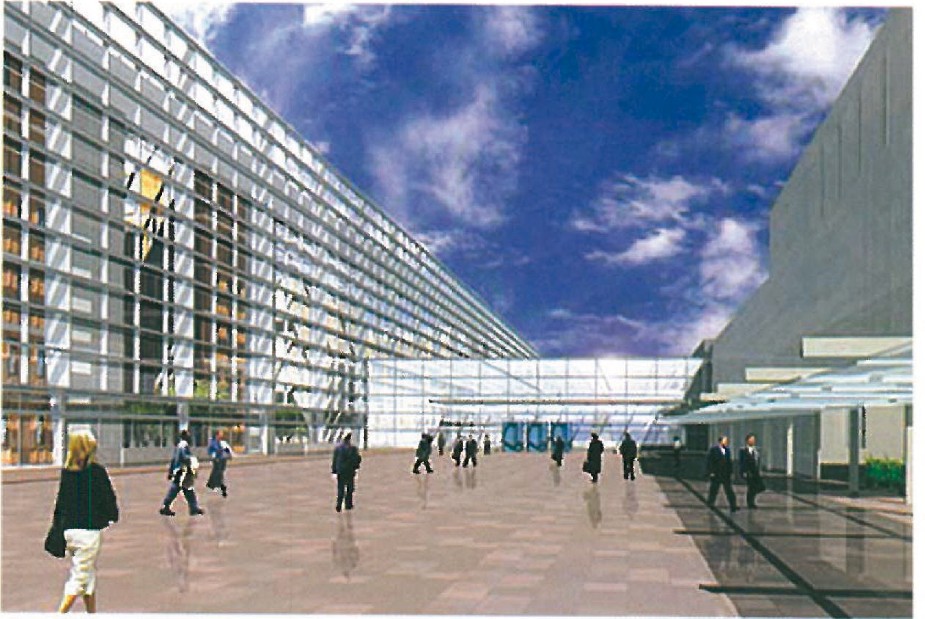
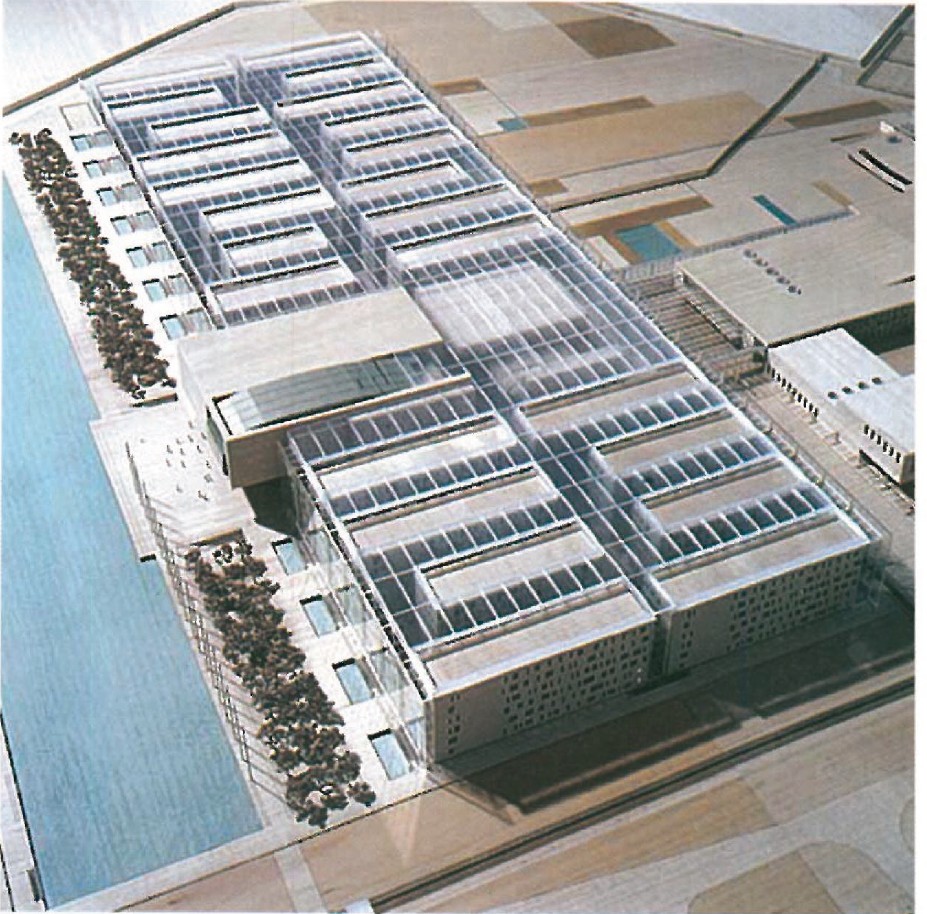
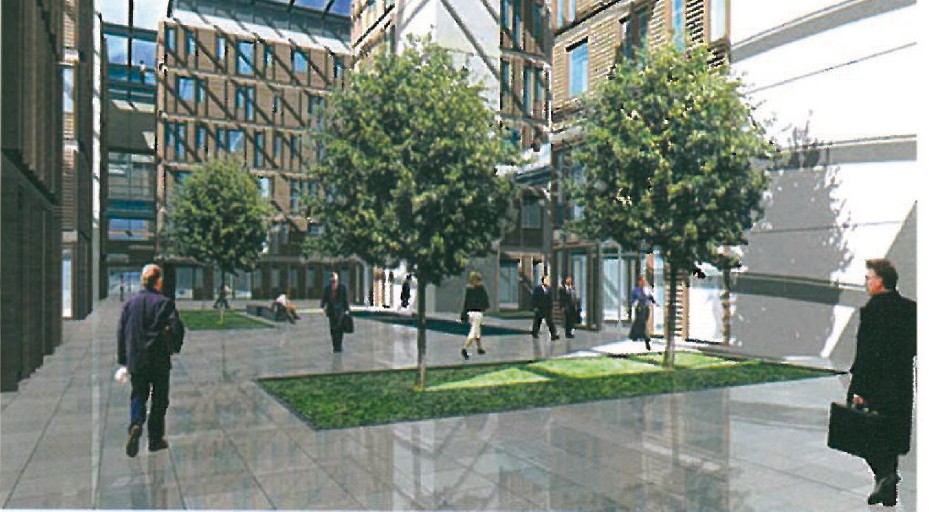
The second-place scheme was prepared by a multinational firm whose principal office is in London with branches in Belgium and Italy. (The original article gives the firm's name in a corrupted form that the OCR could not recover with confidence; the present transcription leaves the firm-name unstated rather than guess.)
Third-Place Scheme
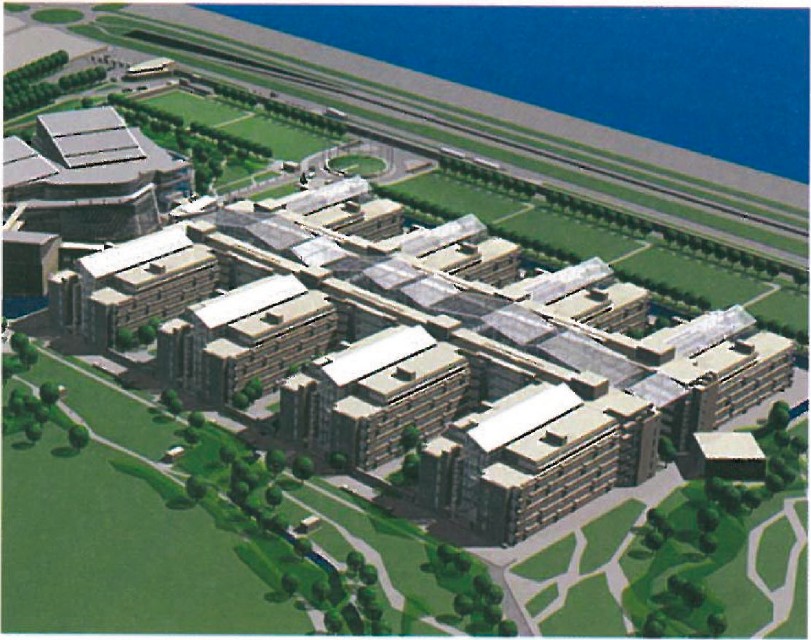
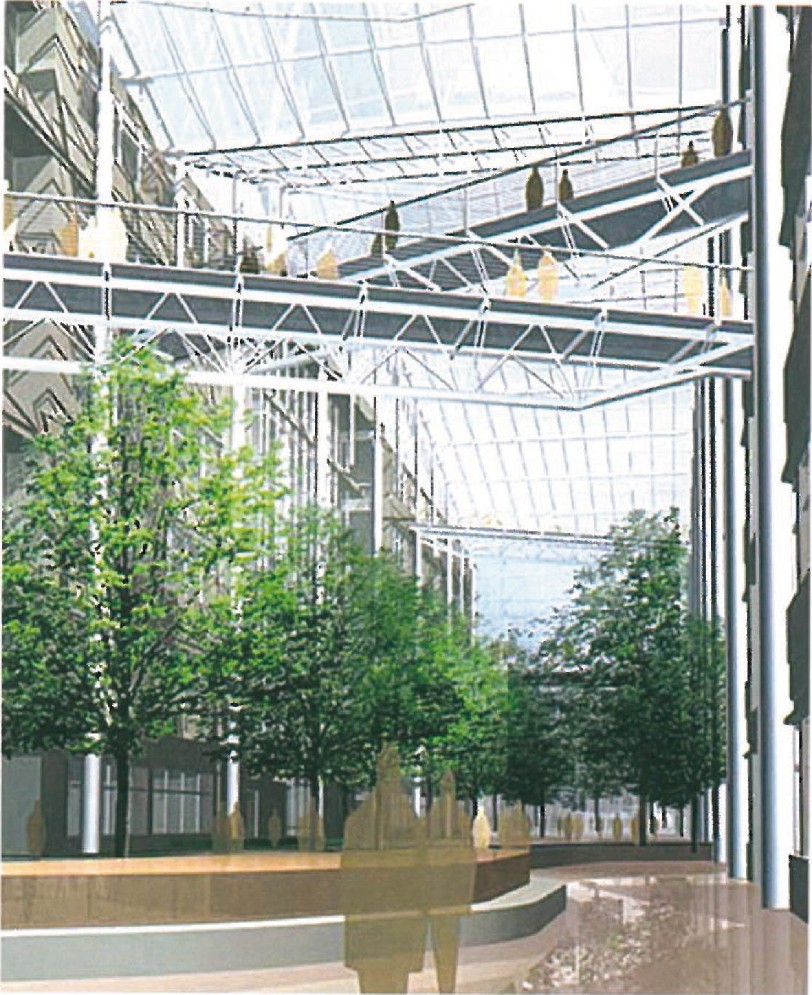
The third-place scheme was prepared by Koetter, Kim and Associates. The firm started work in Boston in 1978 and from the outset undertook wide-ranging work in architectural design, urban planning, landscape design and even commercial and academic projects. In 1988 it opened a London branch in order to extend the scope of its activities to Europe. The founders of the firm — Fred Koetter and Susie Kim — alongside their design practice, possess a brilliant record of research and teaching in schools of architecture. Fred Koetter was Dean of the Yale School of Architecture from 1992 to 1998 and has authored several articles and books in the field of architecture and urban planning.
Footnotes: 1. Skidmore, Owings and Merrill. 2. Louis Skidmore. 3. Nathaniel Owings. 4. John Merrill. 5. Koetter, Kim and Associates. 6. Fred Koetter. 7. Susie Kim.



