Three pieces — “Light and the Language of Emotion,” “Product Design in the Works of the Memphis Group of New York,” and “Advertising Boards and Urban Stage Design” — like the pieces of the previous issue, in the industrial-design section are the joint work of Hassan Mehrabi and Armand Drour, both of whom studied industrial design at the University of Tehran and now, with a group called Kanoon, are at work on industrial-design activities.
Light is, without doubt, the first agent of our unmediated grasp of being. In all the heavenly books and the ancient rituals, light is the symbol of being and divinity; the symbol of purity, of clarity, and likewise the medium of seeing, grasping and recognising. This property — that light is in itself a quality that can be felt, and is also the medium for the seeing and grasping of countless phenomena around us, and of objective and abstract concepts — is the magical property of light, and perhaps the secret of being. Even today, the wave and the particle theories of light are equally credible. The opposition of light and dark — day and night — has, since the beginning of human history, lain at the foundation of every kind of belief and philosophical conception.
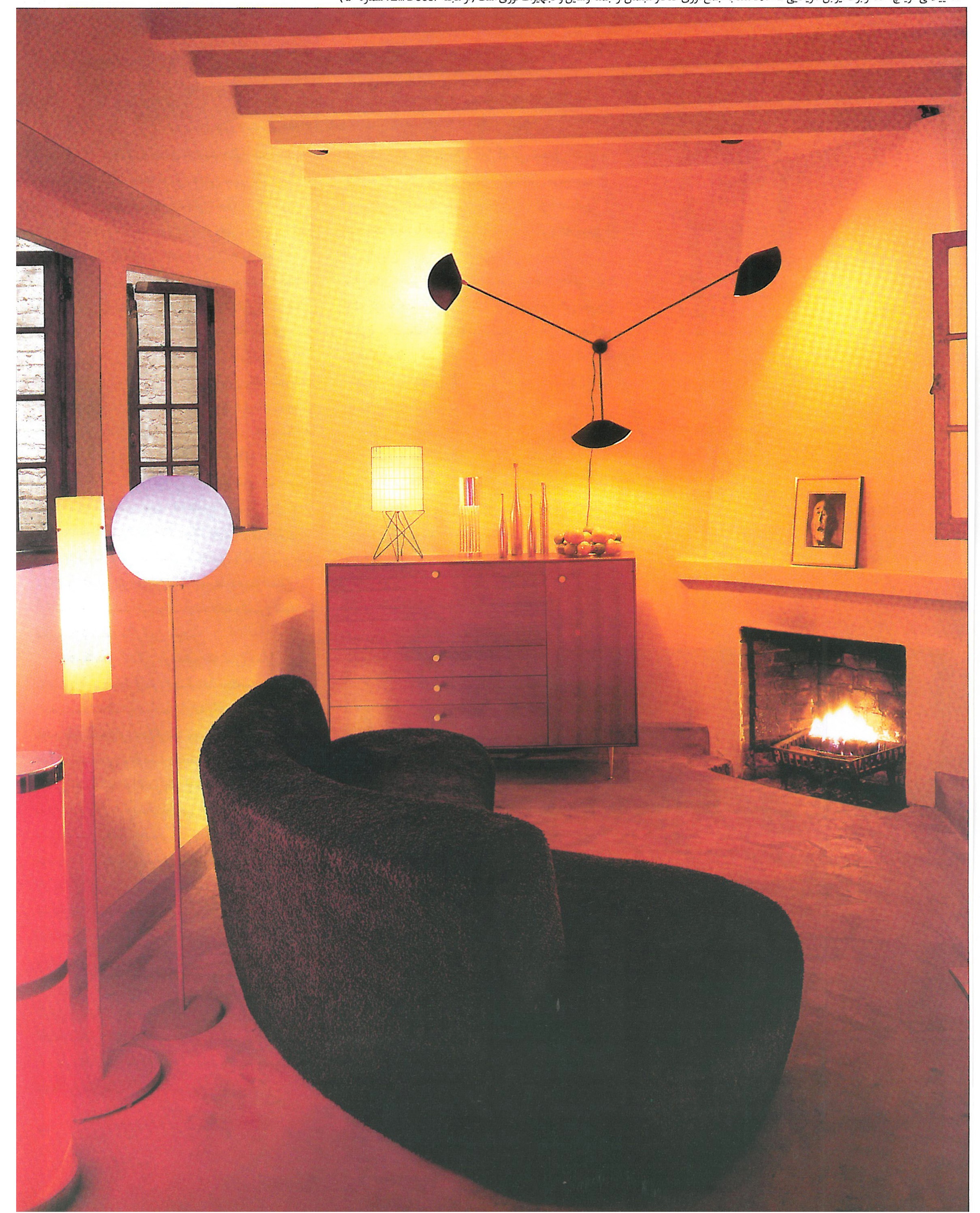
Even today, the most effective medium of our grasp of being and of the experiences of life is light, and again light. The warm, kind waves of dawn-light are like the lilting sound of a flute that softly fills the space with a tender silver harmony of spectra and, as it strokes the skin of a sleeping person, brings the promise of another day and another rapture. Why does Kandinsky liken the sound of the flute to a brilliant grey (silver)? What feelings can the street at half-light arouse? And how do those feelings change in the presence of the thousand-thousand lights that fall from the bodies of buildings to their tops, conjuring the dread of a forest of stone? Why does the flicker of a cottage light in the distance kindle hope? Or how does a smile recall the play of light upon water? In a simpler example: how does our face change when we stand in the light of a torch?

Light is the most translucent, the gentlest, the easiest and the cheapest of the building materials available for producing the qualities and objects we need in human surroundings. It is something that allows the personalising and quickening of everyday activities, and the rendering of life in changing imaginings and inner states. In a harsh and lifeless space, light can welcome us like a comforting chair. For this reason, light is the most appropriate building material for giving our daily activities form, beauty, pleasure and ease.
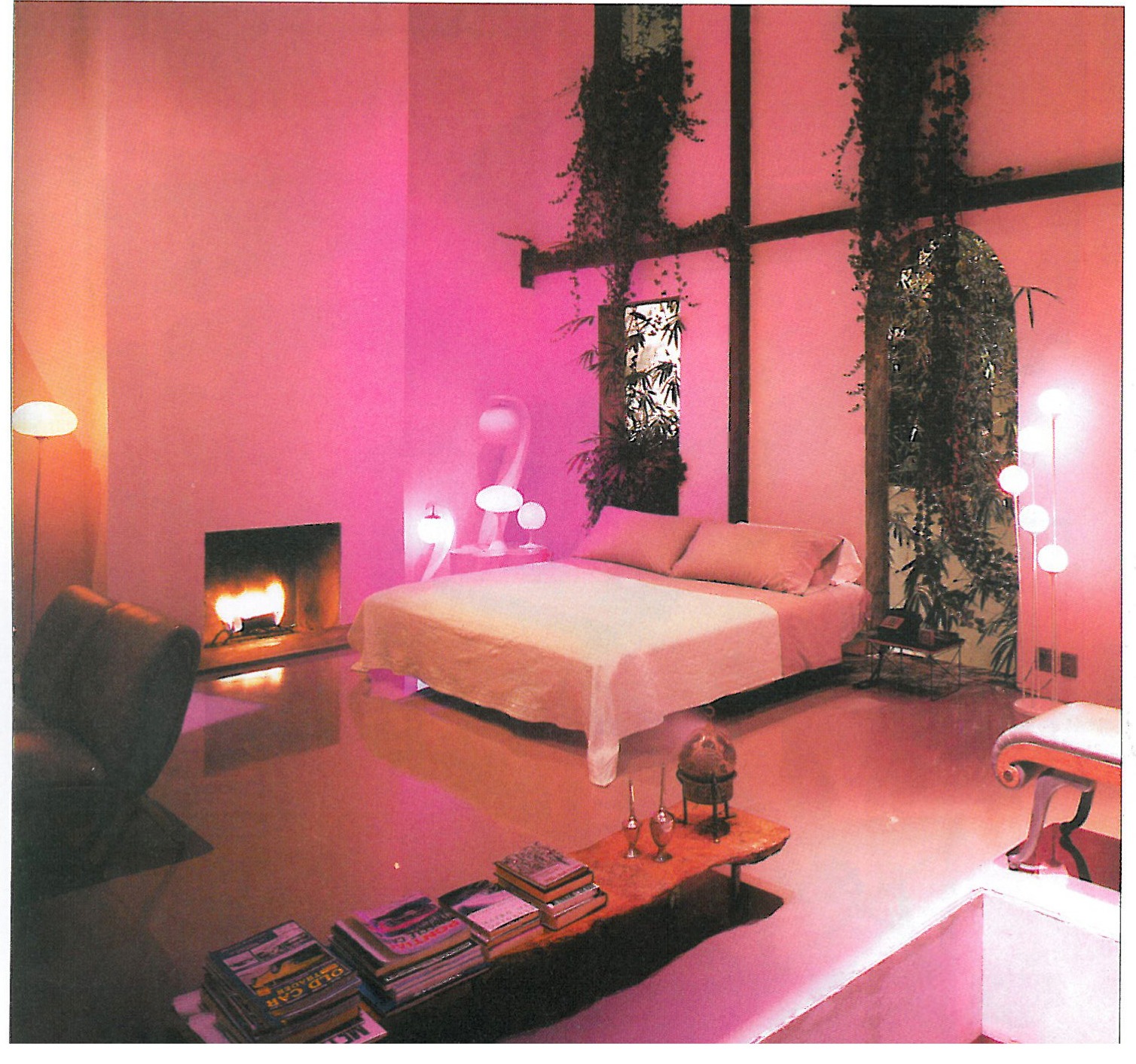
Light enables us to give intelligent, adaptable systems the means to remake the built environment. Tadao Ando's Church of Light is an apt example of that.
The definition of a system implies the presence of at least two distinct elements, which, set against one another, produce an effect greater than the algebraic sum of the effects of the elements taken singly. In this sense, we can speak of a lighting system only when at least two independent and different sources of light are present. The intelligence of the system is defined by its ability to combine and to fit together simple inputs from outside it. These inputs may have arisen from a deliberate human intervention, or, more simply, from a change in the weather.
It follows, then, that an intelligent lighting system is one that allows the regulation of light sources by different and independent means — sources made variable in direction, intensity and gradation. Lighting equipment that can put part of the consumer's daily routine in order, and adjust the lit environment of his activity to its different kinds across the hours of the day and the passage of the weeks, may be counted as an adaptable, intelligent piece. Under such conditions, the lighting system can become the principal instrument of designing and modelling personal comfort across moments and places. Such a system makes possible the singling-out of one subject in a particular setting, and the substitution of the values the designer has in mind, in keeping with the capacities and possibilities of the day.

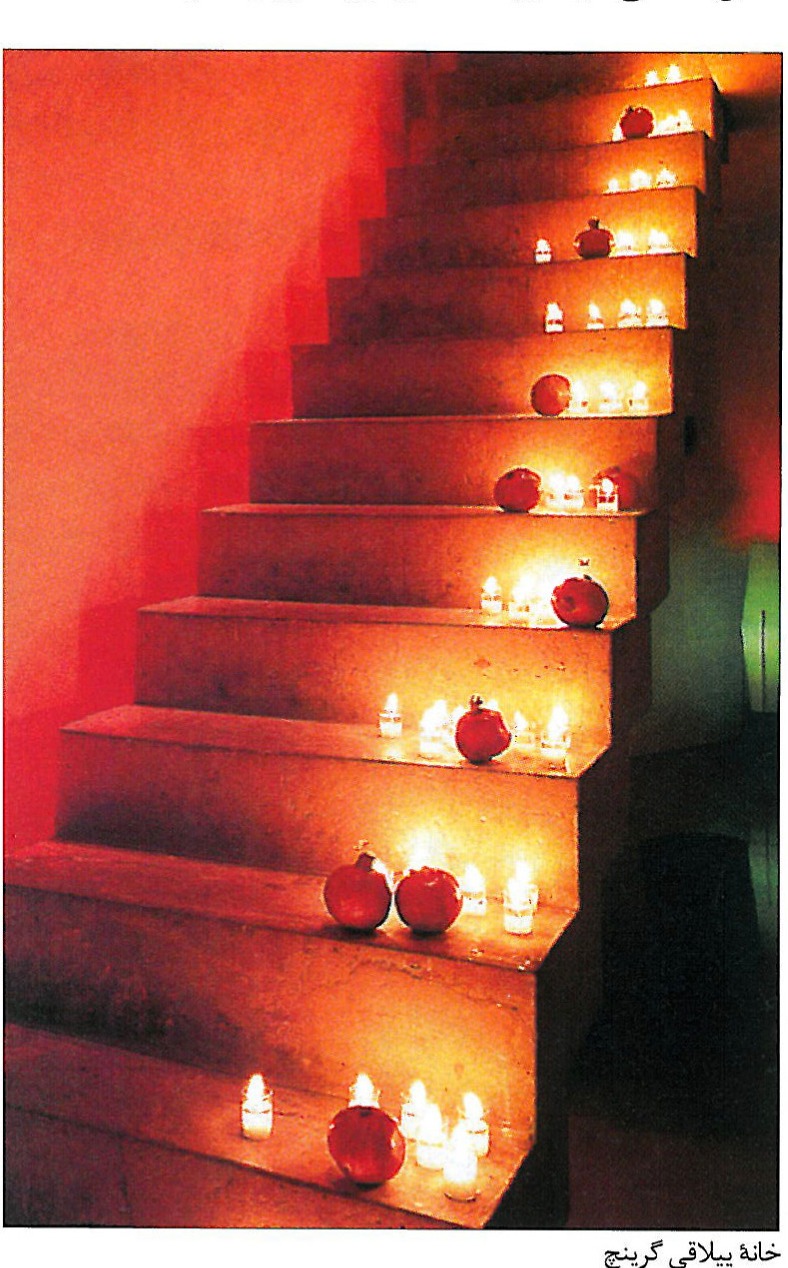
Artificial light has a strongly human aspect, since it is exclusively produced by lamps and other equipment. Its sensory and visual effects, therefore, can also be examined from a human and conscious vantage. The historical course of life's gradual unfolding begins with the dazzling flames of fire; passes through tallow lamps, candles and candles within bell-jars; and finally reaches the various electric, fluorescent and LED lamps. Each of these light sources, beyond the special warmth it gives the space, also has a different visual literature.

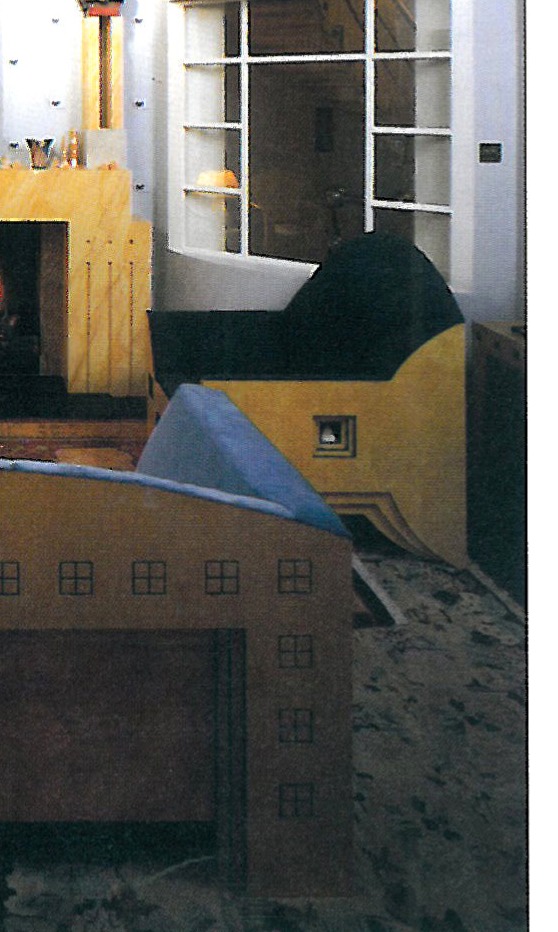
The values of light include the design of capacities and possibilities used in the working range of every designer. In the shaping of a project, light can come to count as the chief element, and as a result it forces the designer to study every spatial, volumetric, colour, textural and sensorial composition in relation to the quality of the light of a place. In this respect, one may name the works of Michael Graves, one of the foremost contemporary designers.
The role of light in industrial design and interior architecture has, in the last two decades, undergone striking transformations. Different light sources — from halogen to fluorescent and LED — alongside intelligent control systems, have brought new possibilities into product design, the design of lighting platforms, and the design of public space. These devices are now used in commercial, office and domestic spaces, and have caused light, as one of the principal personality-giving elements of a place, to take on a special function.

All our understandings of a space — and, in the end, our understanding of a place — depend on light. In an interior, the intensity and the source of light may shape the arrangement of furniture, the path of movement, the choice of materials, and even the mood of the inhabitants. The quality of light — in colour, warmth, intensity and direction — directly shapes the image of objects, colours and textures in the space. For this reason, the design of light cannot be separated from the design of space and of object.
Experience has shown that different kinds of light — natural light, indirect light, task light, decorative light — when combined, can build a dynamic, multidimensional space. Intelligent lighting systems, which respond to instantaneous measurements, on the one hand help conserve energy, and on the other have a tangible effect on the quality of the surroundings.

At this stage in the development of industrial design, designers lean toward products that, while supplying the light needed for activity, also act in their own right as a noteworthy visual element. These products, through a complex composition of form, colour and material, find a personal presence in the space. Michael Graves has shown this approach well in a family of products (lamps, table clocks, cups, kettles, teapots): the designed object, even as it works, also bears an artistic message.
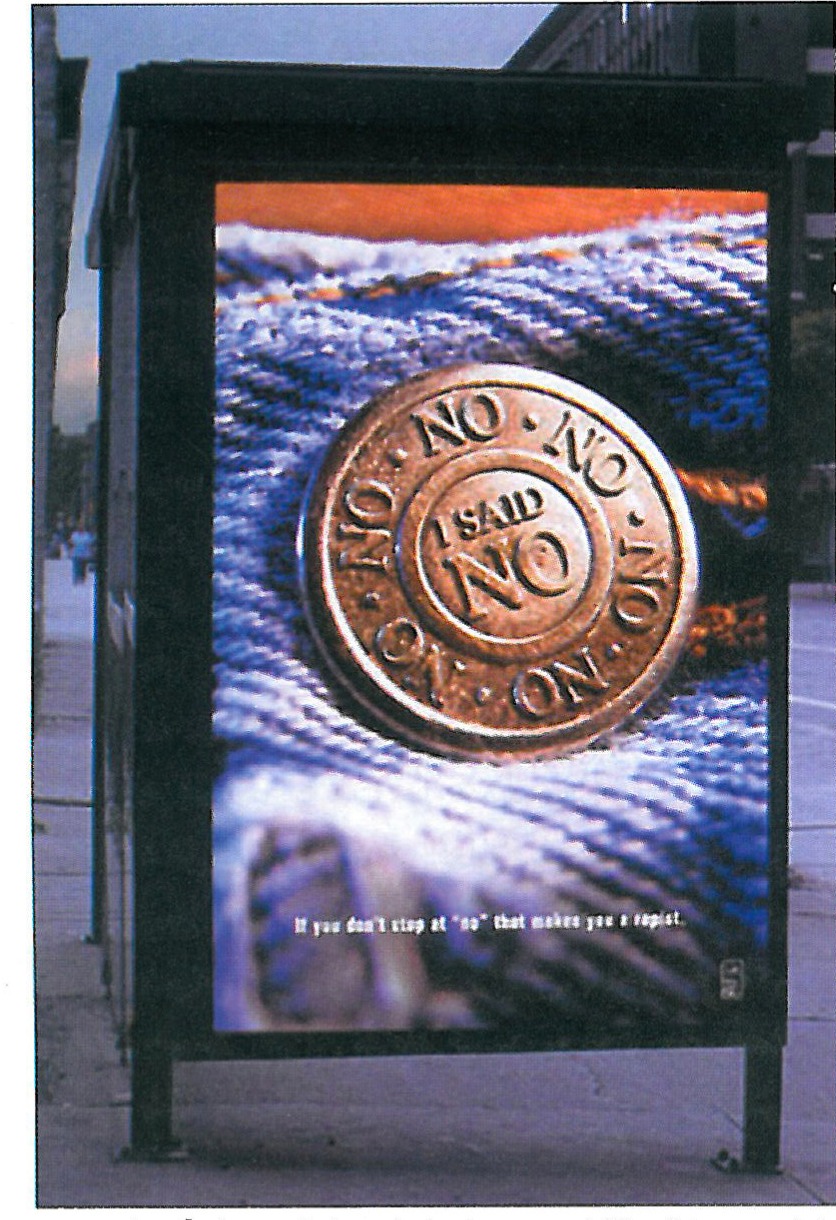
In the design of light for public spaces — shops, exhibitions, stations and squares — light plays as much an informational role as a visual-structural one. Advertising boards and lit information systems, beyond carrying a message to the audience, turn the city's space, in the night-time view, into a moving, coloured tableau. The recognition of these many layers of light's working is highly important for the industrial designer and the urban-space designer.

The future of light design may be sought in its ever closer ties with sensors, computers and intelligent systems. Lighting systems able to respond to natural light, to human presence, to one's activity, and even to one's biological clock, are taking shape. This movement — which we may call the passage from the design of lighting equipment to the design of the lit environment — is one of the most attractive open fields in industrial design and interior architecture.