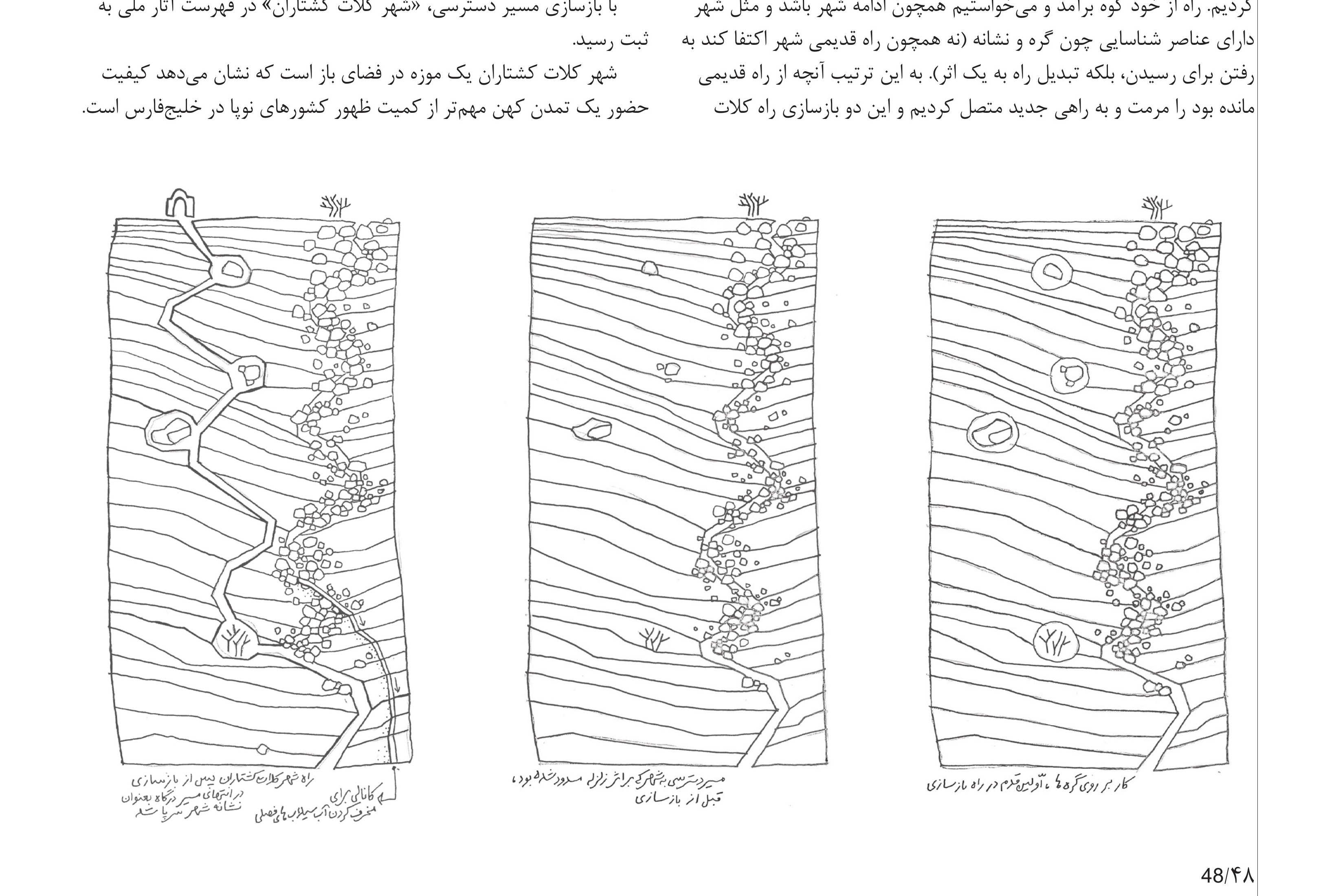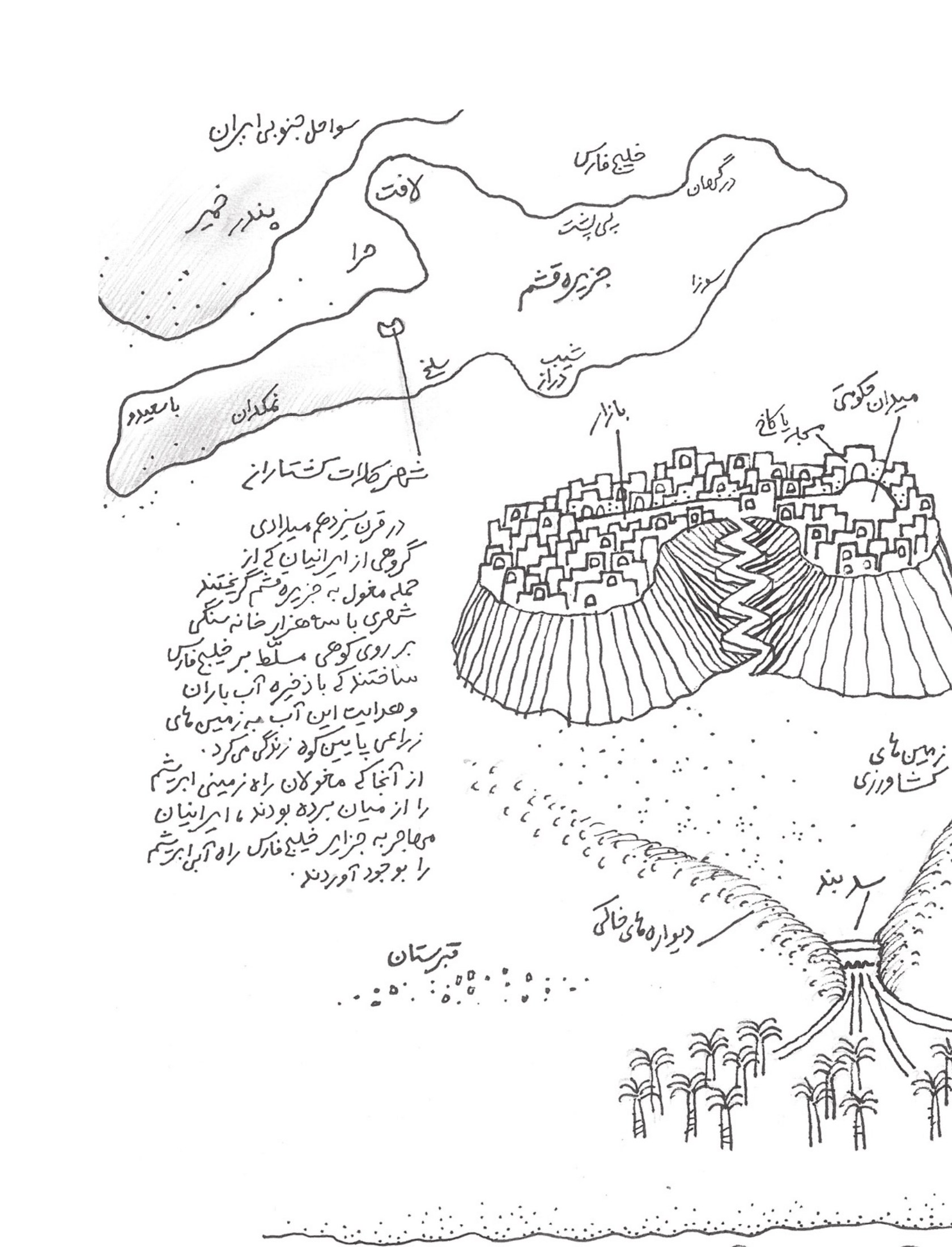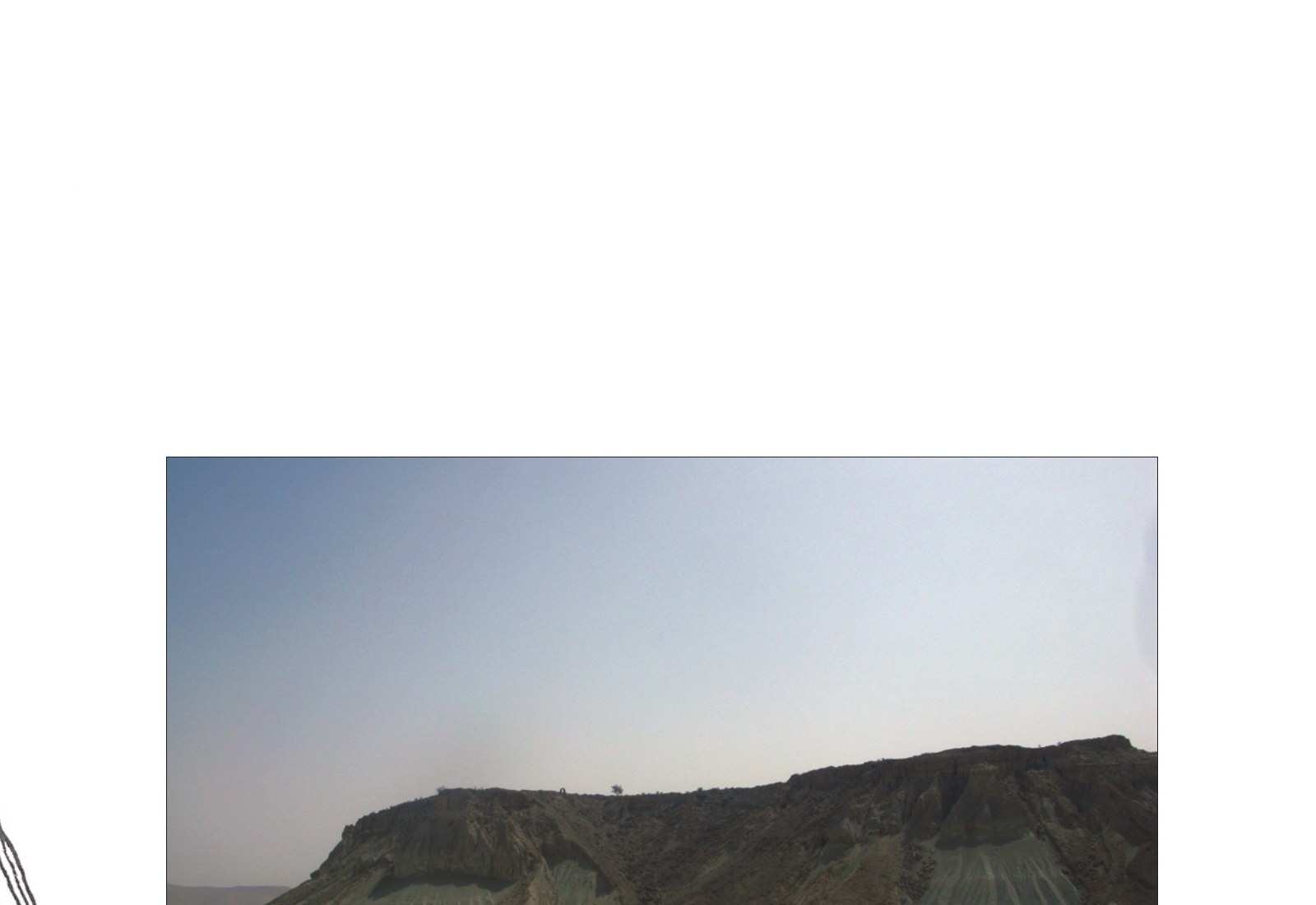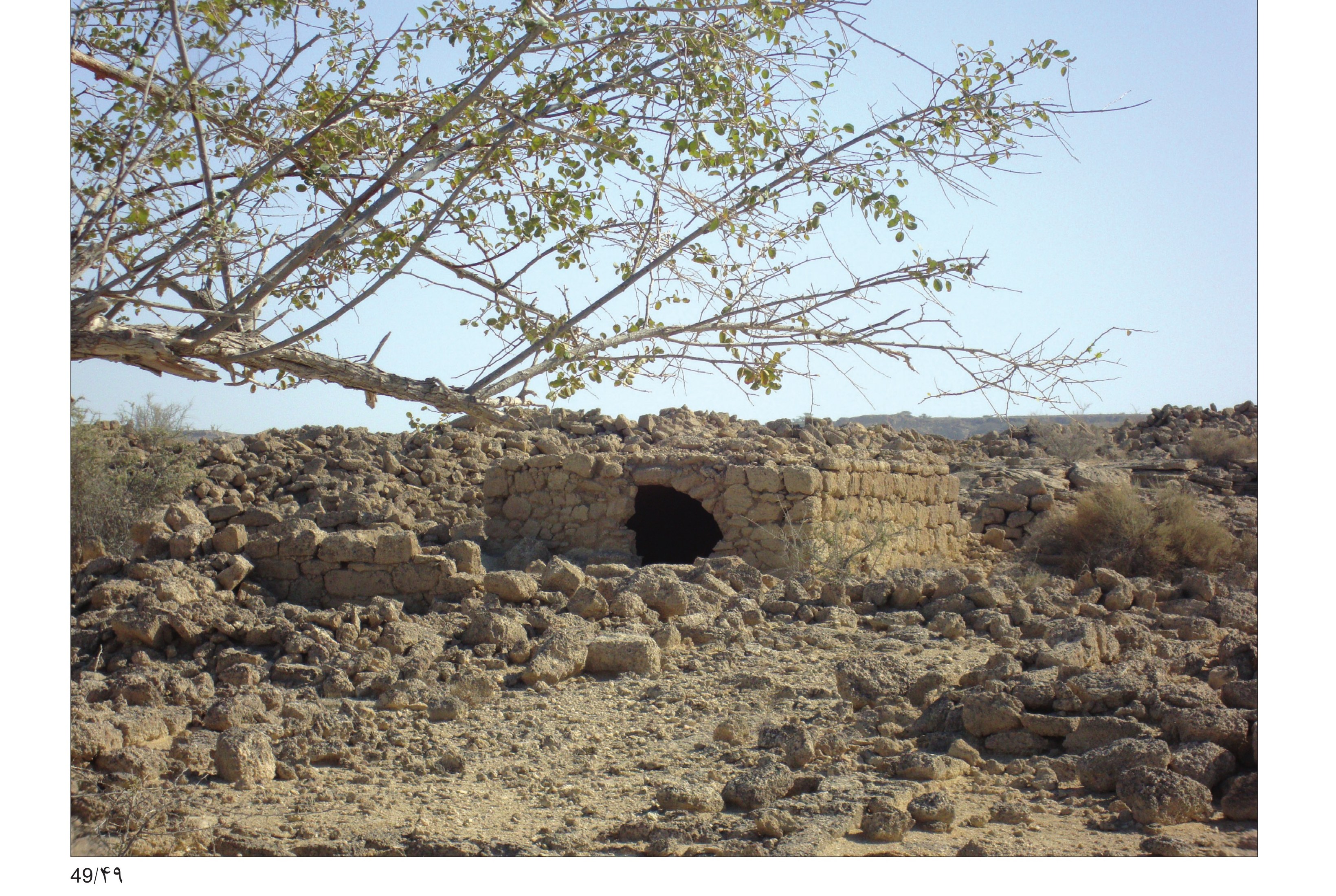
The pathway to the city of Kalat-e-Koshtaran had been wiped out by earthquakes and seasonal floods nearly a hundred years ago, and for that reason this seven-hundred-year-old city (built in the thirteenth century AD on one of the mountains of Qeshm Island) had remained unknown to this day — not even registered on the list of national heritage sites.
To register the city on the national heritage list, the first requirement was for access to it to be possible again; beyond that, this project was a cultural act, intended to recall the roots of civilisation in the Persian Gulf.
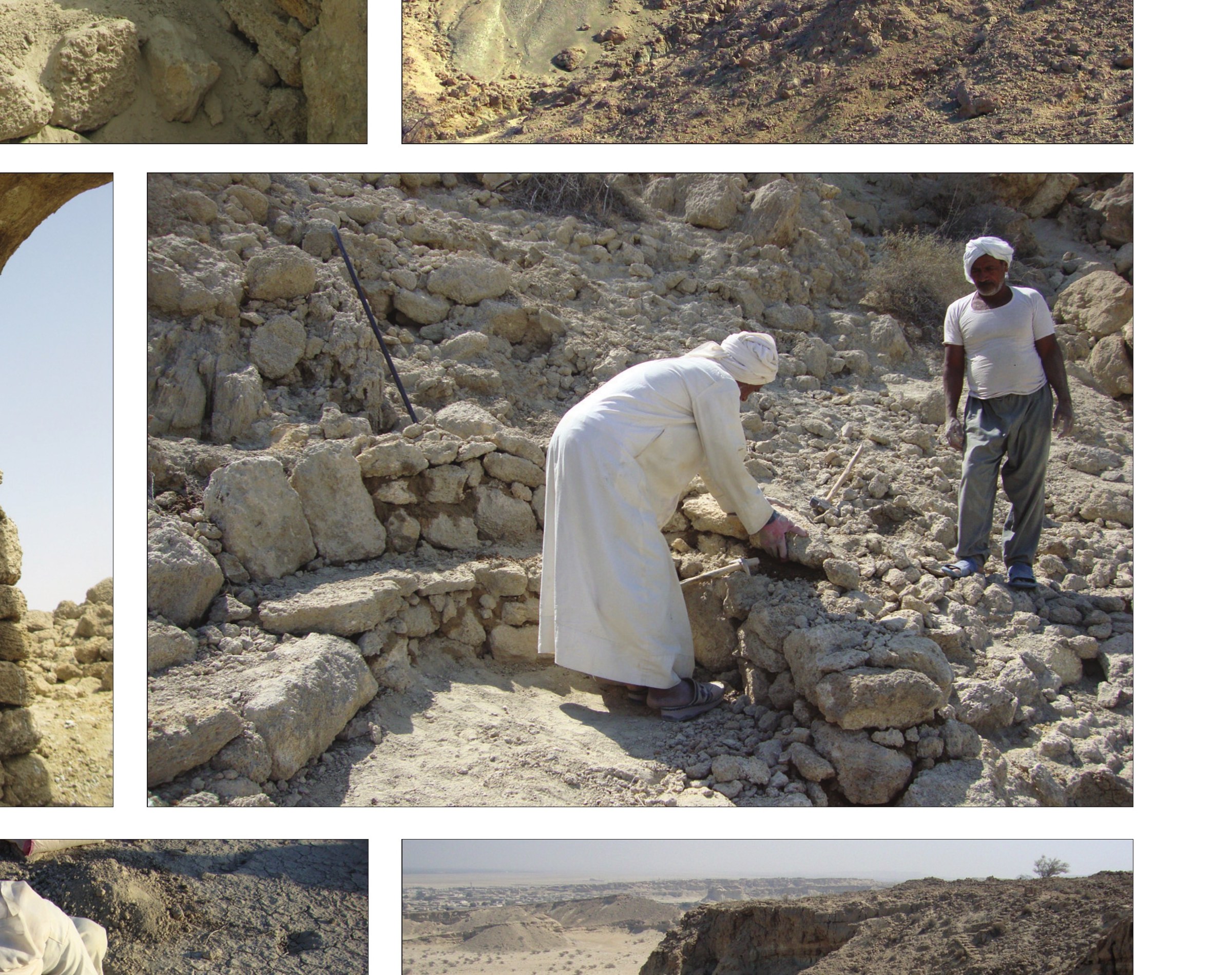
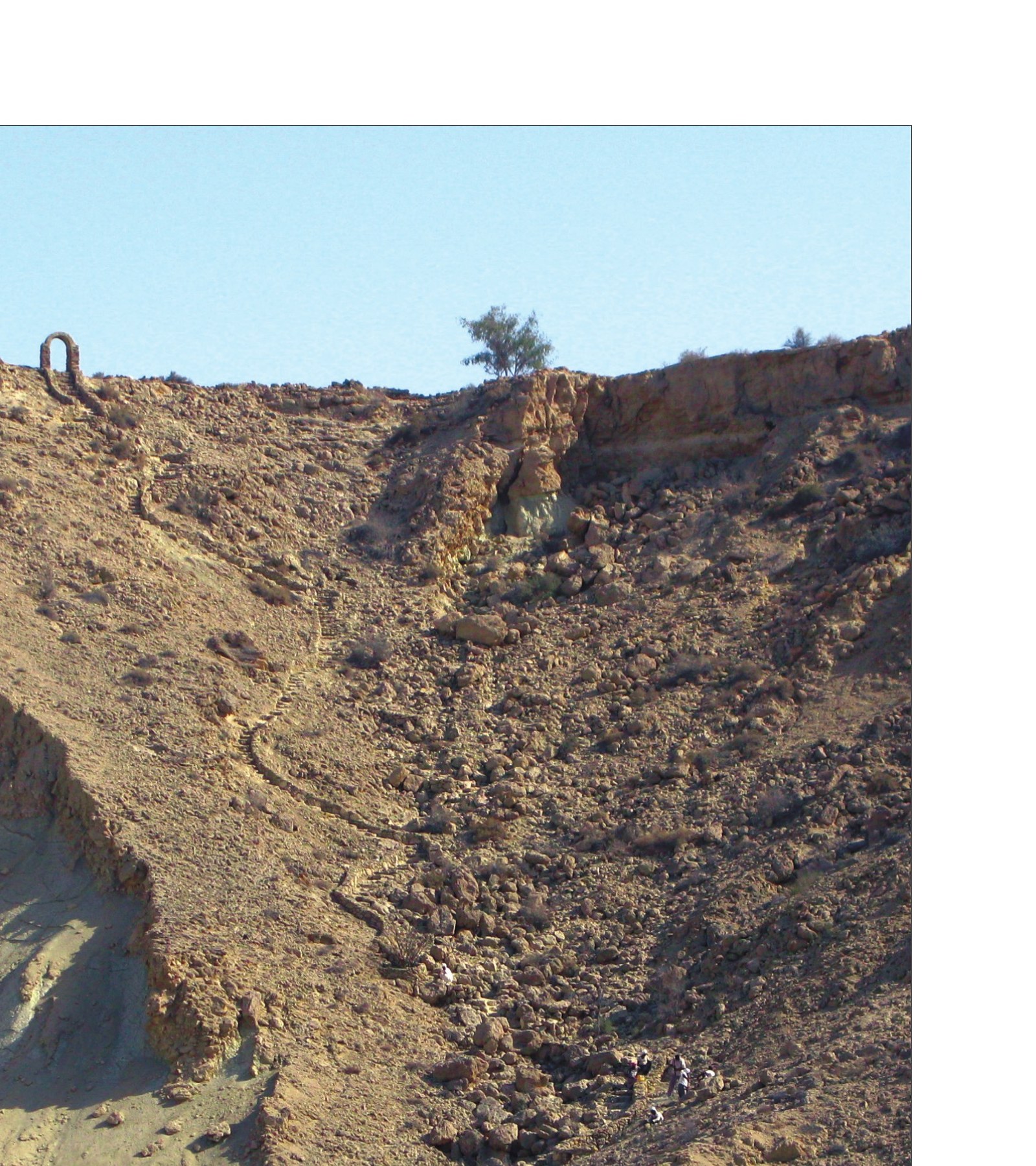
Our budget was so small we could not afford to buy materials! But it was possible for us to pay the stone-masons of Maleki village, the workers of Soheili village and to buy the team's meals from the women of Dorbani village — and with those people, and with stones taken from the mountain itself, and with mortar made of marl (a foothill earth that, mixed with water, behaves like cement), we rebuilt the pathway. The path rose out of the mountain itself, and we wanted it to read as a continuation of the city, with recognising elements — nodes and signs — as a city has (not, like the old path, content with going in order to arrive, but turning the path itself into a work). In this way we restored what had remained of the old path and connected it to a new one; these two together produced the rebuilt pathway of Kalat-e-Koshtaran.
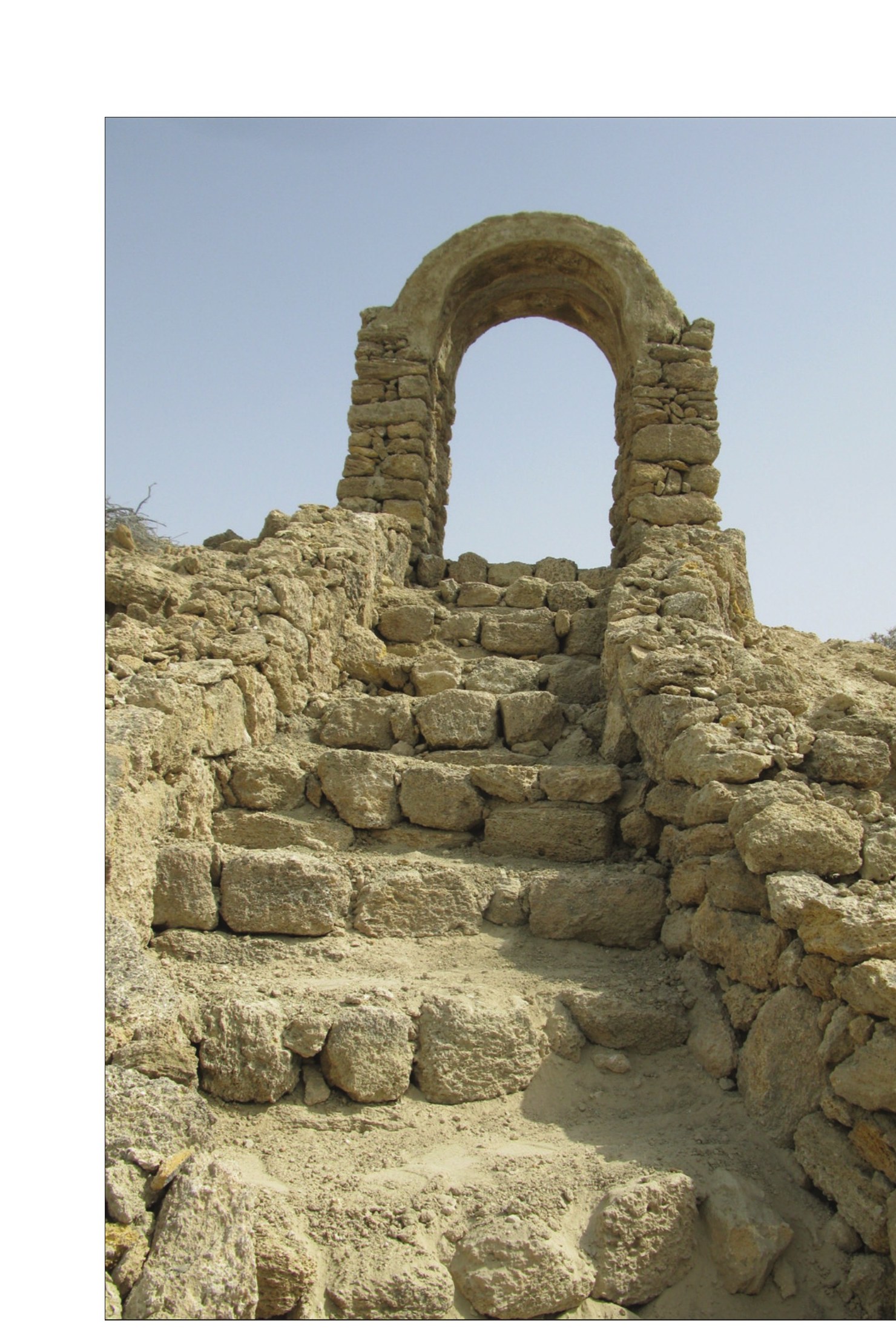
In the rebuilding, we began with the nodes: a tree, a rock, and parts of the natural form of the foothill became the cores of the nodes that joined the path. The threshold gate at the end of the route was raised as the sign of a city that no longer stood. From the city one can see the sea; and from the shore one can see the gate, which says that a city stands above the mountain.
Outcomes of the project (one greater than six): the islands of the Persian Gulf belong to six Arab states and to Iran. The number of Arab islands in the Persian Gulf is greater than that of the Iranian ones. Qeshm is the largest island of the Persian Gulf (twice the size of Bahrain), and Kalat-e-Koshtaran on Qeshm is one of the most important cities of the maritime Silk Road.
By rebuilding the access route, "The City of Kalat-e-Koshtaran" was registered on the list of national heritage.
The city of Kalat-e-Koshtaran is an open-air museum: it shows that the quality of an ancient civilisation's presence matters more than the quantity of the young states that have appeared on the Persian Gulf.