Pekinese Dog
Some years ago I was at a young friend’s office — a long rectangular space — to help me with digitizing some drawings. One thing struck me during the time I spent there. He had a dog, a Pekinese that would go through the same routine of dashing to a particular window as if to check something. On more careful inspection I noticed a building opposite in the Chinese Pagoda style. The mystery was solved: the small creature was constantly being reminded of home!
This impression, then and even now makes me ponder how is it that in a city in which there is non-stop talk about IDENTITY: seminars, roundtables, conferences… not only are there more and more pagodas to be seen, but also buildings that could only have their roots in cultural poverty? In recent years, a number of those active in construction have made ludicrous use of motifs from ancient Persian architecture; not to mention the Postmodern disaster of the last two decades, or the current neo-classical pastiche that would at best belong to the worst periods of Western Architecture.
On the other hand, our past: a considerable part of the bazaar and its surrounding areas, as well as buildings and arcades on streets such as Lalezar, Jomhouri, and Enghelab, are being turned to dust. Let’s not forget that the history of a city is a result of layers from different periods, and that Tehran was one of the most modern cities in the Middle East in the 50s, the 60s and the 70s. If the onslaught of capital, speculation, and gloss and glitz by the new rich is not resisted, any link with Tehran’s past will be severed.
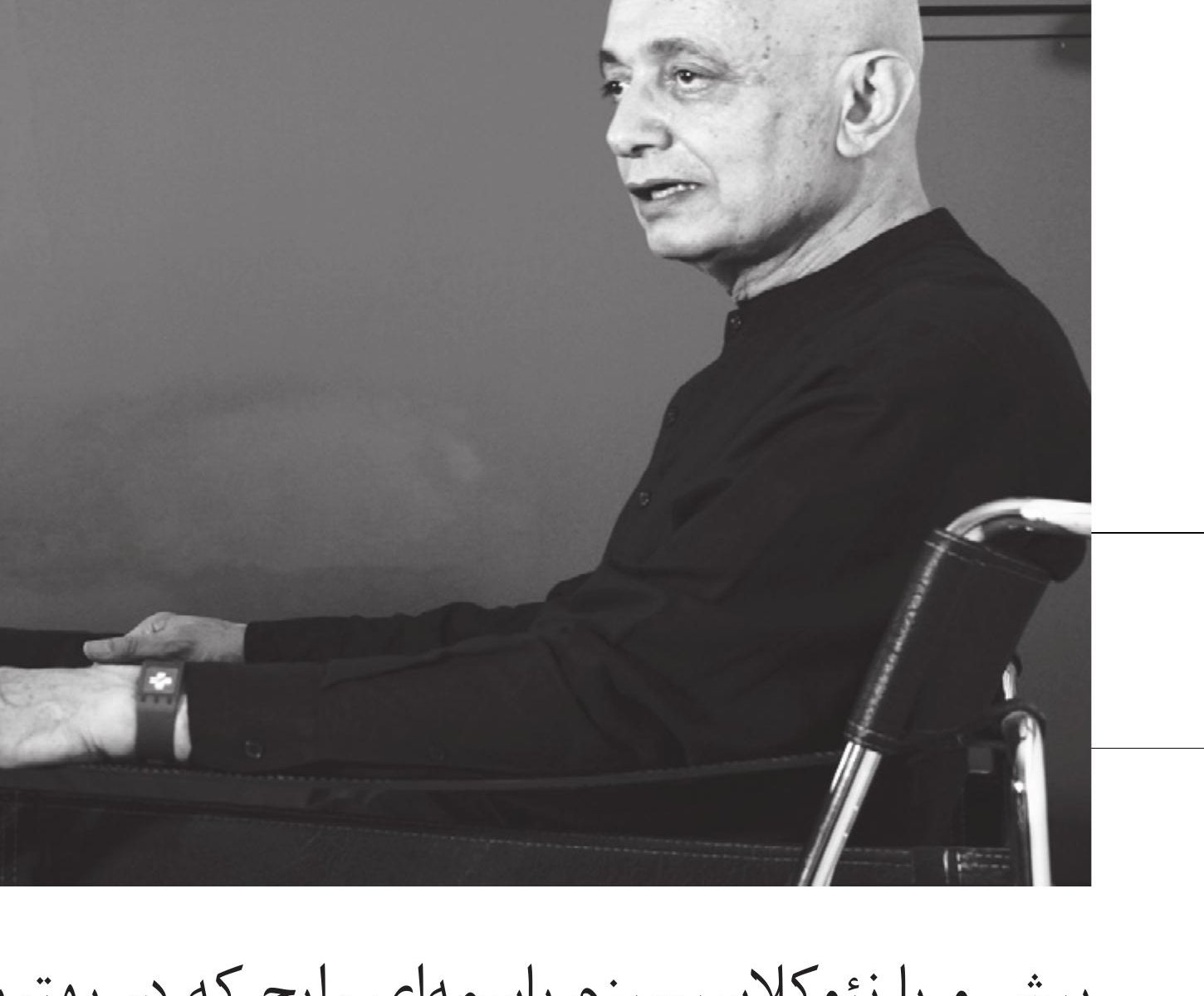
Shahab Katouzian, architect and urbanist. Parallel to teaching at the University of Tehran and the University of Rome, he has designed and supervised projects in Iran and Italy. His works and writings have been published in Iran and abroad.
Eyes Wide Shut
Once upon a time there was a movement called Modernism.
With tools like ingenuity, sensitivity, human research and craftsmanship, people tried to make everyday life better for everyone.
Once upon a time there were cities like Tehran, where one could see exquisite examples of this movement on every corner. Beautiful buildings, furniture and objects, that made life more enjoyable and meaningful.
Once upon a time all this was sacrificed on the altar of ever increasing profits, shareholder value and vulgarity.
There will be a day in the very near future when even the last remnants of this time, when function and beauty were no contradictions, will be gone forever.
There will be cities like Tehran that will then be left with nothing but buildings that are sad misunderstandings, most of them stupid and meaningless interpretations of 19th-century European historicism.
All this will be celebrated by the narcissistic priesthood of finance capitalism that finally got rid of the unnecessary costs for something obsolete called culture.
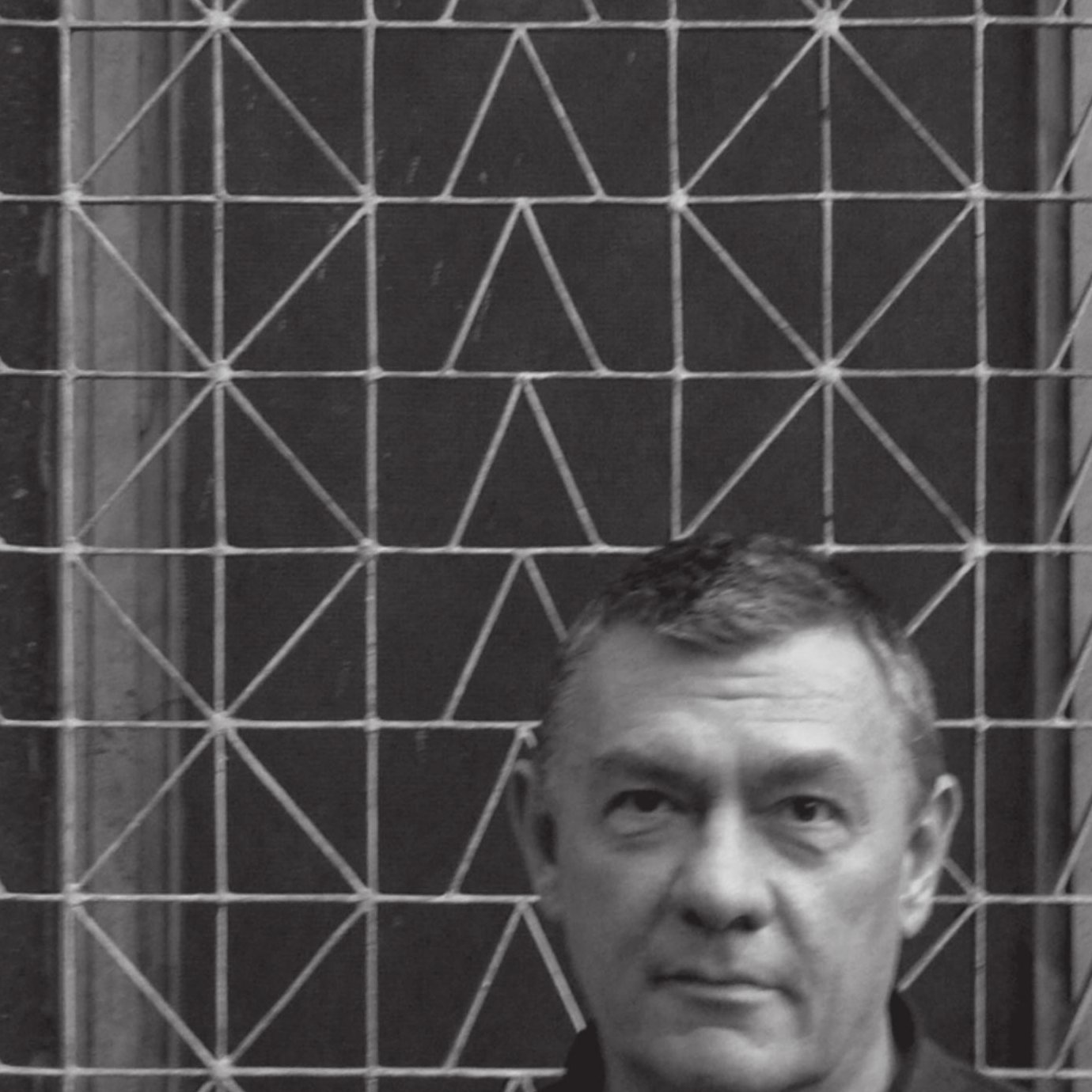
Herwig Kempinger — 1957, Steyr, Austria. 1976–80, University for Applied Arts in Vienna. 1984–94 taught media art at the University for Applied Arts. Works as a visual artist. Lives in Vienna, Austria. He last visited Tehran in October 2012.