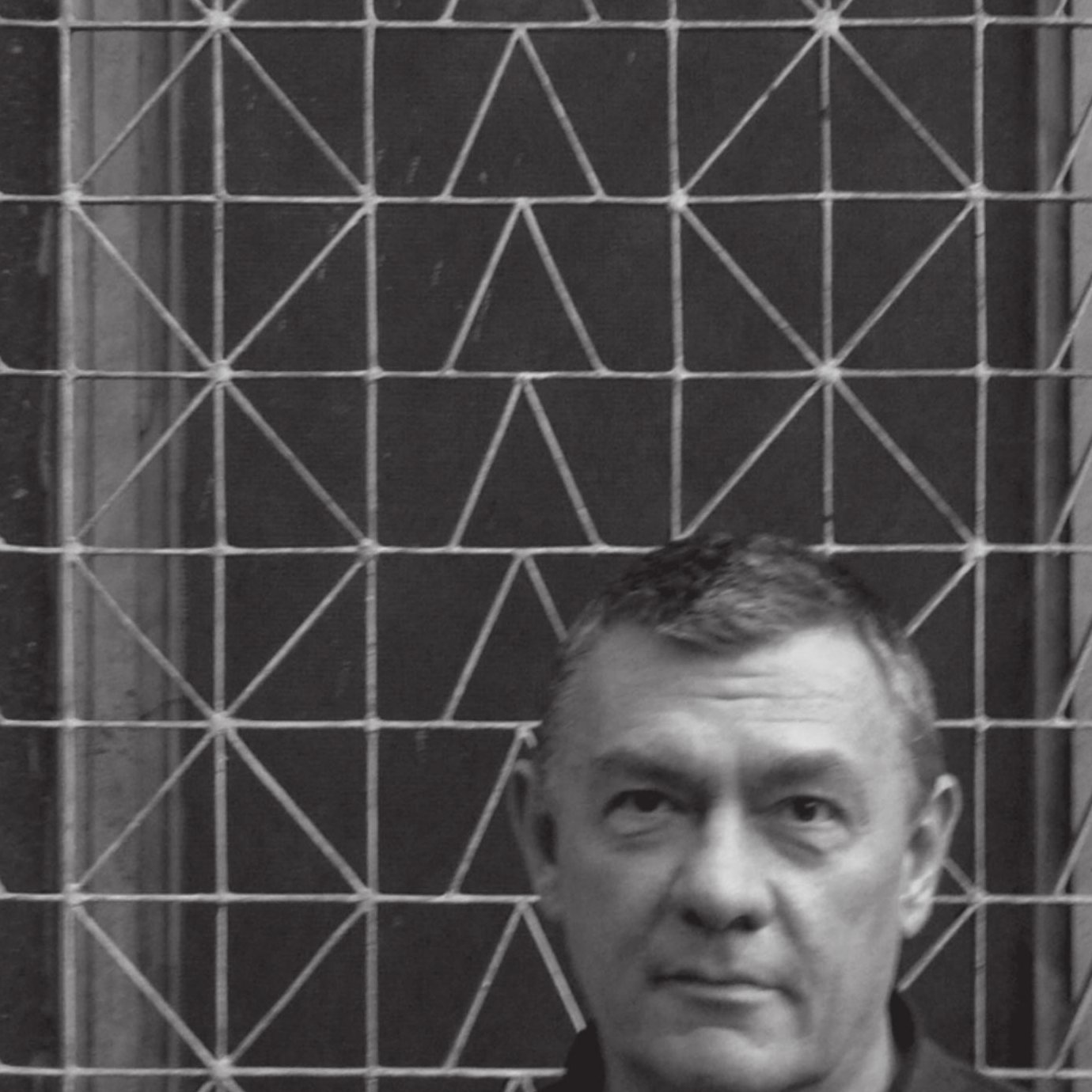
A sculptural grave marker in metal, in the Gregorian Armenian cemetery.The dates are 1900 - 1959. يك قبر و محوطة ظاهراً مهم در قبرستان مسيحيان كاتوليك. به پرداخت متفاوت سنگ به صورت خشن در سمت چپ، و صاف در سمت راست توجه كنيد. اين نوع نرده كارى را در ساختمان هاى اين دوره مى توان يافت. يك طرح مجسمه گونه در قبرستان ارامنة گرگوريان. تاريخ است.1959 - 1900 نوشته شده روى آن An apparently important grave in the Catholic Armenian cemetery. Note the different stone surface textures: rough on the left, smooth on the right. Such railing can be seen in the buildings of this period. يك آزمايشگاه معمارى كوچك درون »يك آزمايشگاه مدرنيستى« بزرگ: به نظر مى آيد كه در قبرستان هاى مسيحيان دولب، طراحى مقبره ها امكان نو آورى و خلقيت معمارانه را به دليل سرعت و آزادى نسبى كار، به معماران و صنعتگران مسيحى كه نقش مهمى در اين دوره داشته اند، مى داده. فرم ها و جزئيات معمارى هاى شهر در اينجا منعكس است. A small laboratory for architectural experiments inside a big “modernistic labora- tory”: It seems that in the Doulab Christian cemeteries in east Tehran - a group of five - the design of graves gave the opportunity to the christian architects and artisans of Tehran, whose role was central in the constructions of this period, to innovate because of the relative speediness and freedom of the process. The architectural forms and details within the city are reflected here.
\\nجِيك مورتون )برخى( منابع تأثيرگذار بر شكل گيرى معمارى مدرنيستى تهران نوامبر 18) اخيراً، با تعجب– و خوشحالى– از وجود يكى از كارهاى جيو پونتى ميلن( در تهران با خبر شدم. تعجب از 1979 سپتامبر16 – ميلن1891 اين رو كه هرچند تهران نمونه هاى بسيار جالبى از معمارى تحت تأثير مدرنيسم اوايل قرن دارد، اين استقبال از چهره هاي شاخص معماري مديترانه اي، در هيچ آرشيو معماري منعكس نشده است. پونتى بى ترديد شخصيت تعيين كننده و اصلي معمارى در ايتالياى قرن بيستم بود – و هست. حضور فعال او در تنها به دليل طراحى -ميلن – كه همة عمر، يك ميلنى واقعى باقي ماند معمارى او نيست كه با اولين طرح نئوكلسيكش براى يك خانة خارج از شهر، آغاز كرد، و سپس - Giovanni Muzio همراه با- يا سبك قرن نوزدهمى اى را ايفا كرد كه مبدأ درخشش 1به سرعت نقشي همانند جنبش راسيوناليست (، ترويج 1928) Domus جهاني معمارى ايتاليا در قرن بيستم شد. او با تأسيس نوعي استتيك را در تئورى و عمل آغاز كرد كه حامى شخصيت هاى درخشان و - و ديگرانGardella Mollino Albini :( به بعد1940) اواسط قرن بيستم كارهاي آنها بود، كارهايى كه همچون كارهاى خود پونتى – بر طراحى فراگير، به عنوان تبلورى منفرد از مفهومي بسيار وسيع تر و جامع تر از حرفة طراحي تأكيد داشتند و طراحي طيفى از انواع كارهاي هنري كاربردى و مواد، مبلمان، چراغ، سراميك، سرويس حمام، بلور، و به طور خلصه مجموعة كامل نيازهاى فرهنگى طراح براي بسياري از اين -را دربرمي گرفت. اين برداشت كل نگر از نقش هنرمند شخصيت ها – و مسلماً خود پونتى – به مثابه حرفه اي دربرگيرندة هنرهاي زيبا، پاسخى مديترانه اى به نو آورى هاى باوهاس بود. اما در حالى كه باوهاس در نتيجة جنگ جهانى دوم فرو پاشيد، فضاى ايتاليايى، در همان زمان، و بعد از تراژدى هاى جنگ از رونق نيفتاد و نسل هاى دوم و سومى از طراحان بسيار توانا تربيت كرد. اين انرژى مستمر از همه نظر در كار پونتى تجسم مي يافت، ترغيب، حمايت و كه ابتدا در استوديوى - Domus و پس از آنStile توانمند مى شد، و مجلة او Nissen او در باغش كه متشكل از كلبه هاى ساخته شده از ورق هاى دالبرى همواره بر - بود، به وسيلة او و همكارانش در زمان فراغت از كار منتشر مي شد فراگير بودن تأكيد داشت )اينكه اين مجله هنوز وجود دارد، شايد بزرگ ترين نشانة ميلدى در تهران ساخت، 60 و50 تأييدش باشد(. خانه اى كه پونتى در دهه هاى عملي كردن تئوري جهانشمول او بود كه در آن همة جزئيات، مبلمان و دكوراسيون، كاشى هاى كف و ديوار كه طرح آنها بر اساس نقاشى هاى آبرنگ او شكل يافته بودند، تابلوها و كتابخانه هايي كه با نو آورى در جلوى پنجره ها قرار مى گرفتند، ميز، صندلى، بلورهاى مورانو، اشياى سراميكى، قاشق، چنگال، انواع چراغ پايه اى، ديوارى، آباژور تا باغچه هايي كه خانه را احاطه مي كردند مشخصاً براي مكان طراحي مي شدند. اين است كه پس از تثبيت جايگاه پونتى در جهان 1960 خانه متعلق به دوره اى در دهة - يكى از دو برج ميلن- ( 1950-56) 2با برج آيكونيك و همواره خالص پيرللى 3(، بغداد، هنگ كنگ، ايندن هونVilla Planchart) پروژه هايى در كاراكاس، ونزوئل ( به او ارجاع شد. شناخت و علقة يك كارفرما در تهران به 1971) و موزة دِنور كار او حاكى از سليقة صيقل يافتة ايرانى در آن دوره است و به واسطة اين آگاهى بين المللى نمونه هاي ديگري از تأثيرات مدرنيستى در شهر پديد آمد، از جمله تأثيرات راسيوناليستى اروپايى كه سرچشمة آنها دكترين هاى باوهاس بودند كه اغلب پس از مهاجرت شخصيت هاى تعيين كننده اي همچون گروپيوس و شاگردش ، 6، هافمن5 لوس-4 ِ و همچنين نسل هاى پيشين جدايي طلب هاي وينBreuer Jake Morton OF MODERNIST ARCHITECTURE IN TEHRAN (SOME) SOURCES OF INFLUENCE UPON THE INCLUSION I was recently informed, to my surprise, - and delight - of the work of Gio Ponti (18 November 1891, Milan – 16 September 1979, Milan) - extant in Tehran. This comes to me with some surprise, principally because Tehran, while it has some fine examples of architectural design from the early century period of Modernist influence, is not known within the annals of architectural archives for its sponsorship of such dramatically significant external - Medi- terranean, - figures. Ponti, was, - and is, - the indubitably seminal and central figure of twentieth century architectural activity within Italy. His dynamic presence - a true Milanese all his life, - in Milan, published not only in his building design - which commenced in the neo-classical style of his first town house, in the Novocento genre he developed alongside Giovanni Muzio, rapidly adopting the role of the Rationalist movement (Libera, Pollini, Figini, Ter- ragni), which marked the onset of Italian international architectural brilliance in the 20‘s, but, when, with the founding of Domus (1928) he commenced the dissemination of an aesthetics of theory and praxis which championed the brilliant figures of the mid-century (1940 onwards) of Albini, Mollino, Gardella et al. His disseminating of their work worldwide - their work, which - like Ponti’s own, - em- phasised its encompassed architecture merely as a single mani- festation of a far wider and inclusive concept of design practice ranging over the production of all types of contemporary functional artefacts and their materials: furniture, lighting, ceramics, sanitary goods, glassware, - in short the entire panoply of cultural neces- sities. This holistic conception of the role of the artist-designer - for many of these figures, - and most certainly Ponti himself, - emerged from a practice including Fine Art, - was the Mediterra- nean response to the innovations of the Bauhaus, but whereas the Bauhaus dissolved as a result of the second World War the Italian ambience thrived before and beyond its tragedies and bred a sec- ond and third generation of highly competent design practitioners. This sustained energy was personified, stimulated, supported and enabled in all senses by Ponti’s work and his magazines (Stile) shortly followed by Domus, emphasising the all-round - published initially from the corrugated Nissen huts of his studio within his garden by he and his filial colleagues during the moments free from their building design practices. (That the magazine exists today is perhaps its greatest accolade.) The house designed by him in Teheran, during the 50’s/60’s, practiced this universal design thesis, being fitted throughout with every detail from his hand furniture, fittings, furnishings, decora- tions - specifically designed for the location, from the floor and wall tiles with their reproductions of his water-coloured pattern designs, the paintings, bookshelves - innovatively placed in front of windows, - tables, chairs, glassware bowls and vases from Venini in Murano, ceramic objects and vessels, cutlery and tableware, lighting fittings of all types - wall, floor, ceiling, situated, - to the constellation of the gardens surrounding the villa-esque domuses. The Tehran house dates from the period in the 1960’s when having established his world stature with his iconic and ever pure Pirelli tower, one of only two skyscrapers in Milan, (1950-56) he was commissioned abroad to build in for Caracas, Venezuela (Villa Planchart), Baghdad, Hong Kong, Eindhoven, and the 1971 Denver Museum. That a client in Tehran had the perception and connoisseurship to commission him is a mark of the refinement of Iranian taste of the period.
\\nو دوستى1914 به آمريكا و ورود شيندلر در سال- و ديگران8، اولبريش7واگنر او با لويد رايت در كاليفرنيا تجلى يافت. استفادة شيندلر از چوب، و طرح هاى او در گونة چاي خانه هاي كوتاه ژاپنى براى اقليم و منظر كاليفرنيا، پاليش معمارانة فراواني در اين گونه به وجود آورد كه شايد به كارهاى اولية گه رى كه اكنون ستاره شده، انجاميد. اما در حالى كه معماران اين برهة زمانى، در فضاى امروز كه مشتاق بزرگى، افراط، باروك، و مد است، چندان در يادها نيستند، در طراحى خانه، به ،كرگ 9مراتب متمدن تر و صيقل يافته تر بودند. شخصيت هايى مانند كوئينسي جونز در پيشبرد و پاليش اين گونه و 12، رافائل سوريانو11، ريچارد نوترا10ال وود ( نقش داشتند، كه در 1966-1945) 13پيدايش برنامة مطالعة موردي خانه ها زمينة مطالعة طراحى خانه در اواسط قرن بيستم منحصر به فرد، و تا امروز كماكان الگوى اصلى طراحى مسكونى مدرنيستى است. اينكه چنين تأثيراتى نوآورى هاى مدرنيستى در تهران را تغذيه كرده اند، تا حد قابل توجهى برداشت هاي غلطِ ادعا شده نسبت به فقدان همدلي، يا تعصب نسبت به ارزش ها و آرمان هاى غربى را رد مى كند. همان قدرت قضاوت و سليقة سختگيرانة ميراث معمارى ملى ايرانى، كه در سراسر جهان كاملً شناخته شده و مورد تحسين است، در پذيرش برخى از نفيس ترين گونه هاى طرح هاي معمارى غربى قرن بيستم منعكس است. پانوشت ها: * جيك مورتون، طراح و هنرمند ساكن لندن است كه اخيراً در تدوين كتاب و ايده هاي طراحي با كاوه مهرباني همكاري مي كند. 1- Libera Pollini Figini Terragni 2- Pirelli 3- Eindhoven 4- Secessionist 5- Loos 6- Hoffmann 7- Wagner 8- Olbrich 9- Quincy Jones 10- Craig Ellwood 11- Richard Neutra 12- Raphael Sorriano 13- Case Study Houses And it was from this source of international knowledge that emerged the several other examples of Modernist influence and importation within the city: which came to include the European Rationalist influences also emanating from the Bauhaus doctrines often filtered through their later manifestations within the United States following the exile there of the formative figures of Gropius and his student Breuer, and also the generations from the earlier, Viennese Secessionist, source of the Bauhaus, Loos, Hoffman, Wagner, Olbrich et al, which was manifested in California follow- ing the arrival of Schindler in 1914 and his friendship with Lloyd Wright. His timber construction, low profile, Japanese tea-house genre designs for the California sites and climate spawned a whole spate of architectural refinement of the genre - perhaps culminat- ing in the early work of the now celebrated Gehry. The interven- ing architects were however, while unacknowledged in today’s obsession with grandeur, excess, baroque and ‘glamour’, far more urbane and polished in their design for the house. Figures includ- ing Quincy Jones, Craig Ellwood, Richard Neutra, Raphael Sor- riano, were responsible for developing and refinement of the genre and giving rise to the Case Study Houses programme (1945-66), unique in its study of mid-century housing planning and which remains today as the canon of Modernist residential design. That such influences should have fed the building of Modernist architectural innovations and implementations within the Tehran, as the capital city of Iran, goes a long way to dispel any alleged misconceptions of mis-empathy or prejudice with Western values and ideals. The same judgment and sophistication of the national architectural heritage of the country, renowned and admired awe- somely throughout the world is manifest in the adoption of some of the finest genres of twentieth century Western architectural design. * Jake Morton - London-based designer and artist. Collaboration with Kaveh Mehraba- ni, currently on a future book and design ideas. He describes himself as “an anoma- lous auto-didact hybrid enthusiast (amateur) of 20th century aesthetic manifestation”. 70# خيابان چهارم- ميرزاي شيرازي Mirza-ye Shirazi [W] + 4th [S] # 70
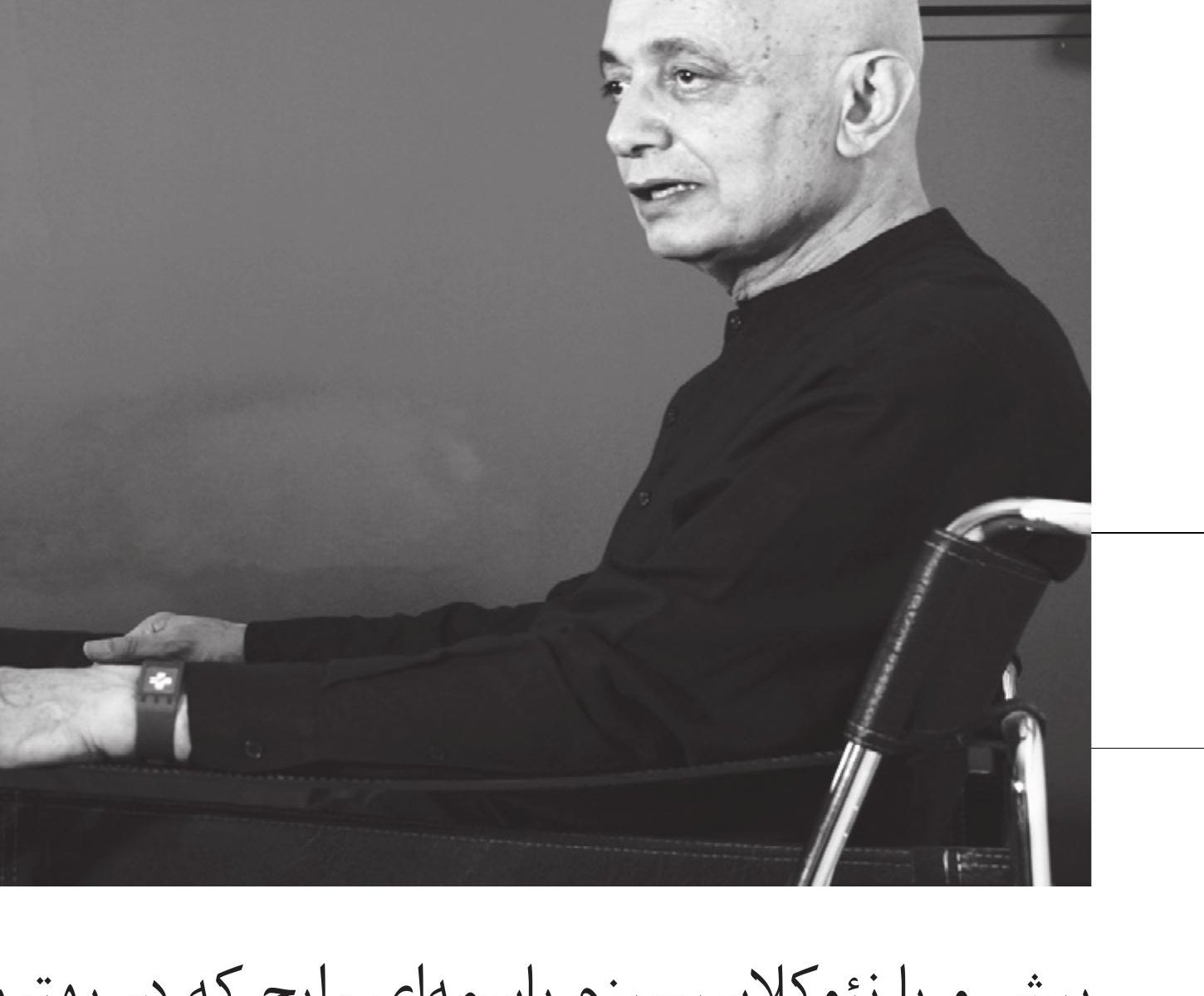
\\nلئو كاندل شهاب كاتوزيان معمارى در تهران سگ پكنى Leo Kandl ARCHITECTURE IN TEHRAN چيزهايى كه من ديدم: مكان هاى پرتحرك زندگى شهرى و تراكم زياد شهر، ساختمان هايى با كيفيت خوب و تحسين بر انگيز كه در نقاط مختلف متروپوليس مشاهده مى شدند و تنوعى از معمارى هايي با عناصر معمارانة تخيلي و سطوحي با ارزش هاي زيبايي شناسي و پاساژهايى كه همچون دروازه هايى مردم را به درون خود مى خواندند. 1!شهرى به مثابه يك گنج پنهان معمارى مدرن كاوه مهربانى مرا در گشت در شهر همراهى كرد، و به من اطلعات و حس – چگونه ديدن و نگاه كردن به آن – را منتقل كرد. پانوشت: منظور پاساژهاى اولية مركز تهران در خيابان هاي جمهورى، سعدى و منوچهرى است. -1 ،مكان ها و نقاطى كه مورد بازديد قرار گرفتند: لله زار، جمهورى، طالقانى، تجريش، عباس آباد سنايى... ك.م. ( 1968-1963) * لئوكاندل عكاس باسابقة وينى، فارغ التحصيل آكادمى هنرهاى كاربردى وين از تهران بازديد كرد.2012 است. نمايشگاه هاى متعدد برگزار كرده و در سال چند سال پيش براى »ديجيتاليزه« كردن تعدادى از پروژه هايم به يكى از دوستان و همكاران جوان مراجعه كردم. قرار شد كار در دفتر ايشان انجام گيرد. آنچه در آن هفته هاى پر كار جلب توجه مى كرد، يك سگ پكنى بود كه در هر جاى دفتر – يك فضاى طولنى و ممتد شمالى جنوبى– قرار مى گرفت، بلفاصله و با سرعت خود را به جبهة شمالى مى رساند و از پنجره به بيرون نگاه مى كرد. وقتى دقت كردم ديدم در آن سوى خيابان، ساختمانى به سبك »پاگودا« هاى چينى بنا كرده اند. معما حل شد: حيوان كوچك مرتب ياد وطن مى كرد! اين تعبير طنز آميز، آن روز و همين طور امروز مرا به اين فكر وامى دارد كه چگونه در شهرى كه در آن همواره بحث از هويت در معمارى است و سمينار، ميزگرد و همايشى نيست كه شركت كنندگان در اين باب به گفتگو ننشينند، مرتب نه تنها به »پاگودا«ها، بلكه به بناهايى كه ريشة آنها جز فقر فرهنگى نيست، اضافه مى شود. در اين چند سال اخير بعضى از فعالن كار ساختمان دست به استفادة مضحكي از عناصر معمارى دوران باستان و ارائة آنها به بازار با عنوان ساسانى زده اند؛ حال بگذريم از فاجعة پست مدرنيستى دو دهه -سبك هخامنشى پيش و يا نئوكلسيسيزم باسمه اى رايج كه در بهترين حالت به بدترين فصول معمارى غرب تعلق دارد. از طرف ديگر، گذشتة ما، بخش عظيمى از بازار و محلت اطرافش، و نيز ساختمان ها و پاساژهاى بى نظير دو سوى خيابان هايى مثل لله زار، جمهورى و انقلب، در حال پودر شدن هستند. فراموش نكنيم كه تاريخ يك شهر را ليه هايى كه در زمان هاى مختلف روى هم انباشته مى شوند، تشكيل مي دهند و تهران نيز قرن بيستم يكى از 50 تا30 علوه بر سابقة طهماسبى و ناصرى، در سال هاى مدرن ترين شهرهاى خاورميانه بوده. اگر در مقابل تهاجم سرمايه، سوداگرى و نمايش تجمل عارى از هرگونه اصول زيبايى شناختى شهروندان نوكيسه ايستادگى نشود، تهران آخرين ارتباطاتش را با پيشينة خويش از دست خواهد داد. * شهاب كاتوزيان، معمار و شهرساز، تدريس در دانشگاه هاى تهران و رم، طراحي و نظارت بر اجراى بناهاى مسكونى و عمومى در ايران و ايتاليا را بر عهده داشته است. كارها و نوشته هاى او در مجلت داخلى و خارجى چاپ شده اند. What I saw: buildings, areas of dynamic urban life, and the density of the town. Buildings of high and impressive qualities as landmarks of the metropolis. And: a variety of architectures with imaginative elements of architecture / surfaces of high aesthetic value. “Passages” (arcades) as exiting gateways, and for shop- pers. And: the town as a hidden treasure of modern architecture. Kaveh Mehrabani went around in town with me - and gave me the information and feeling - how to look and see. * Leo Kandl, renowned Viennese photographer. 1963-1968 Akademie der Bildenden Künste, Wien. Has exhibited extensively. He visited Tehran in summer 2012. Photo by Babak Zirak
\n