Most homes for the elderly throughout the world, and almost all of them in Iran, are hospitals in which the elderly spend the rest of their lives, as if their real life had come to an end and they were merely passing their remaining days in a shelter.
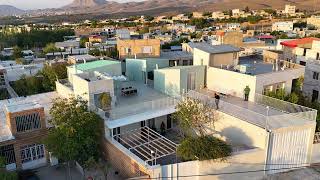
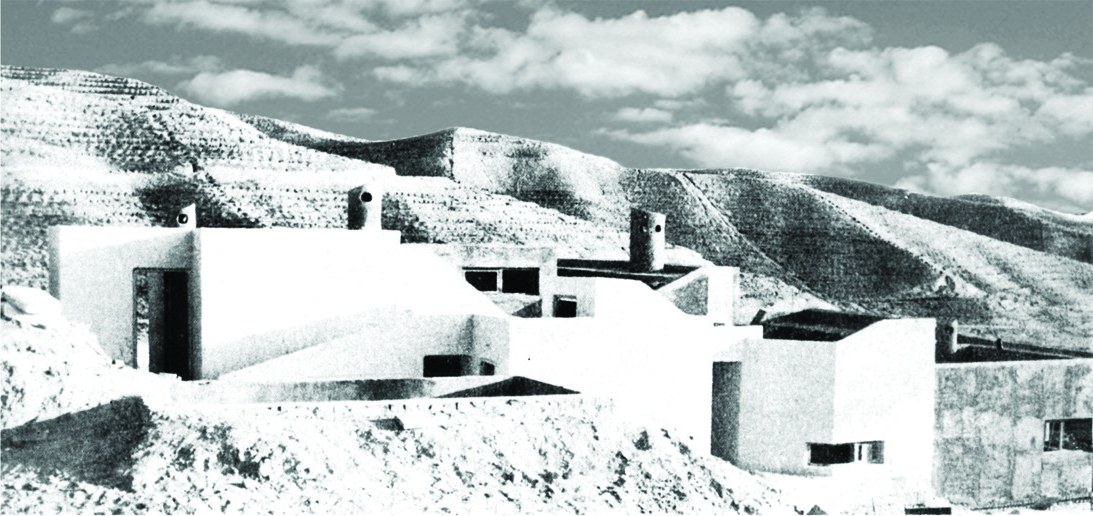
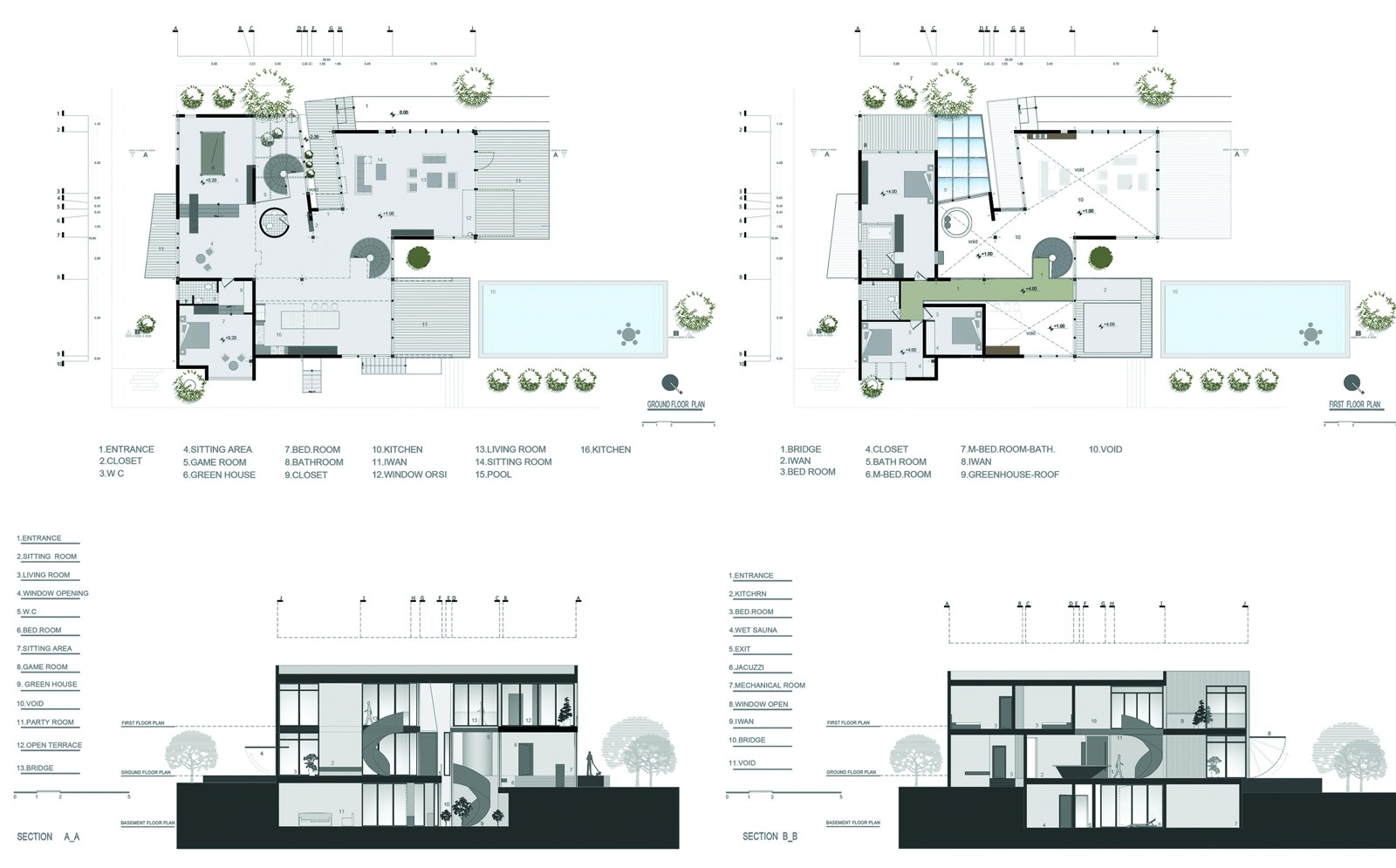
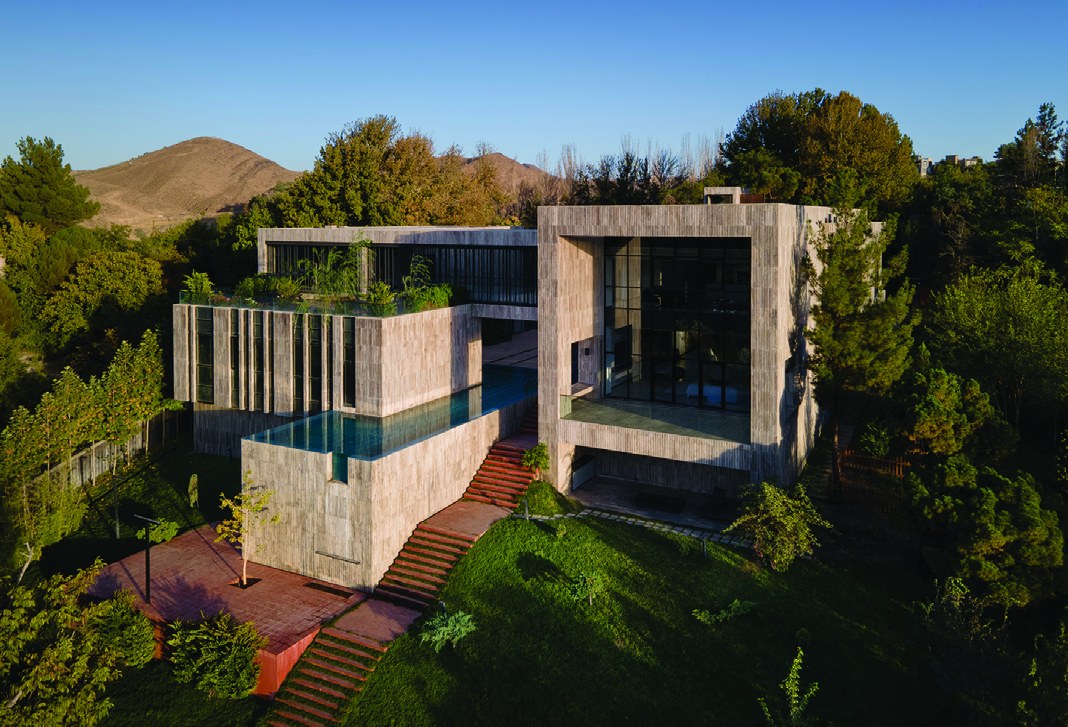
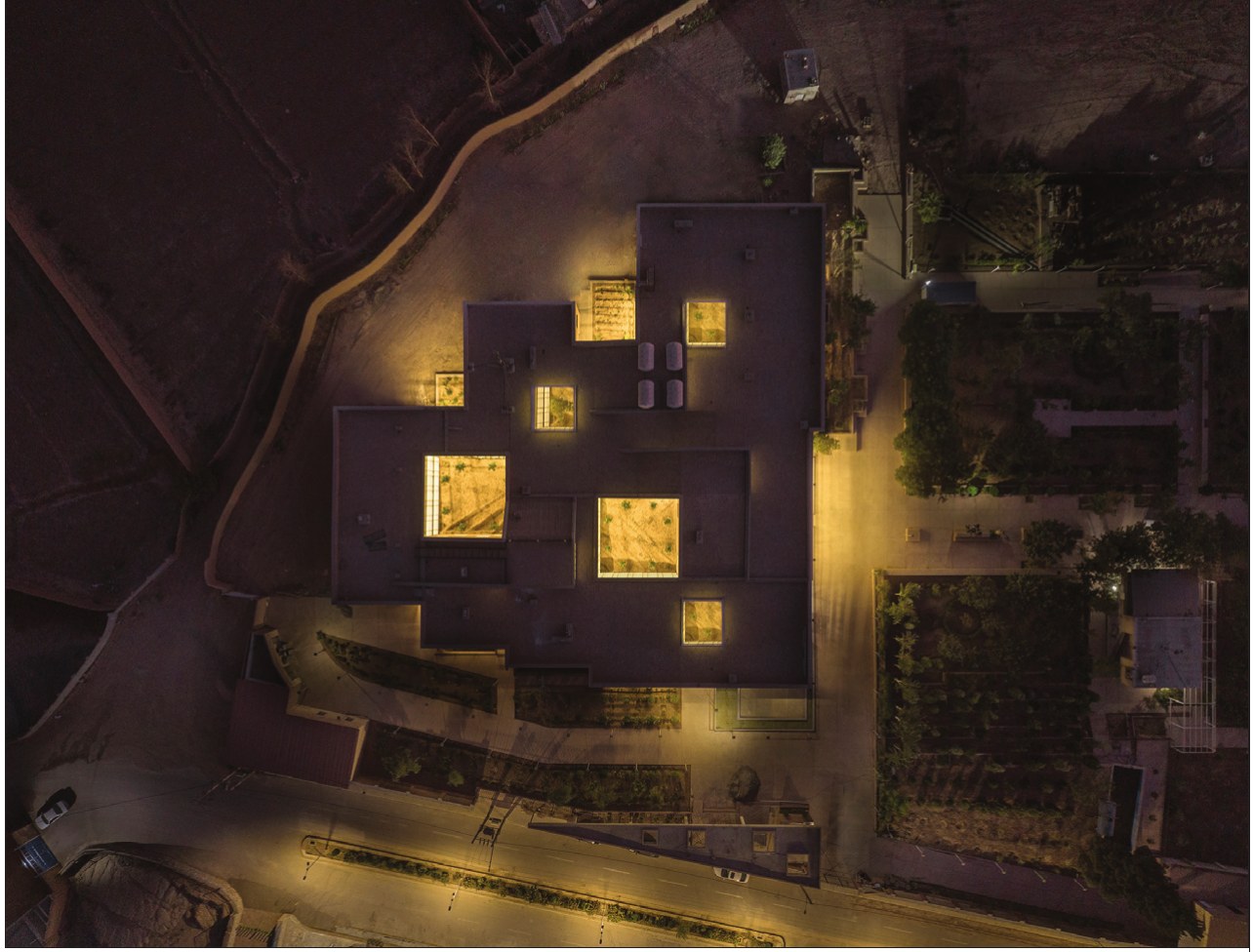
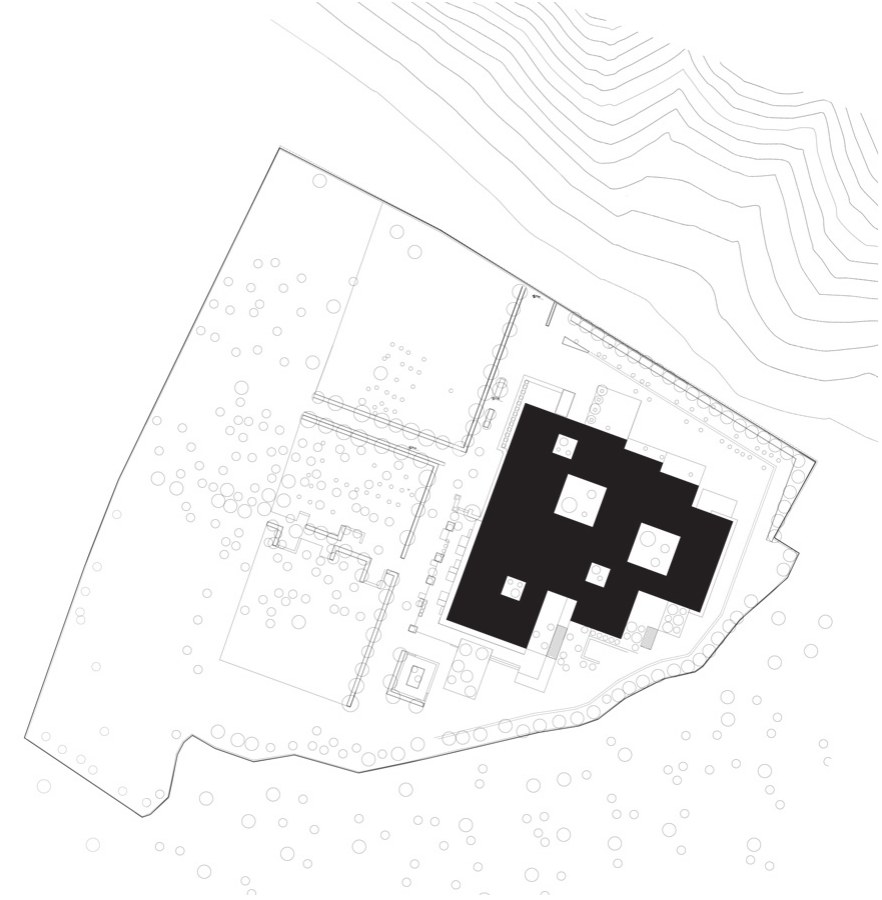
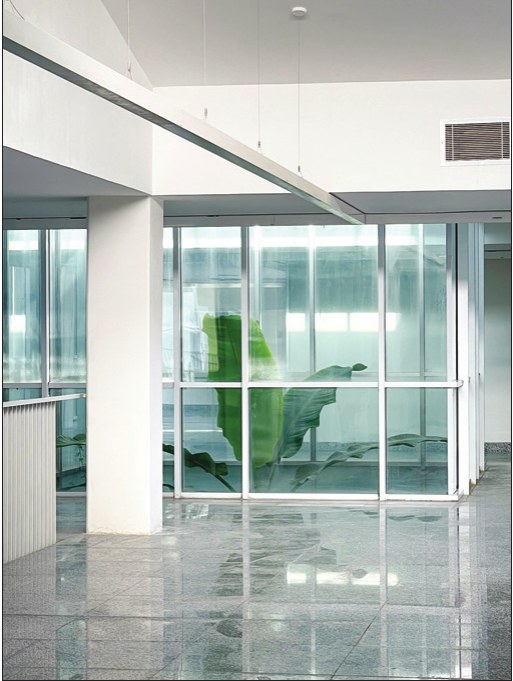
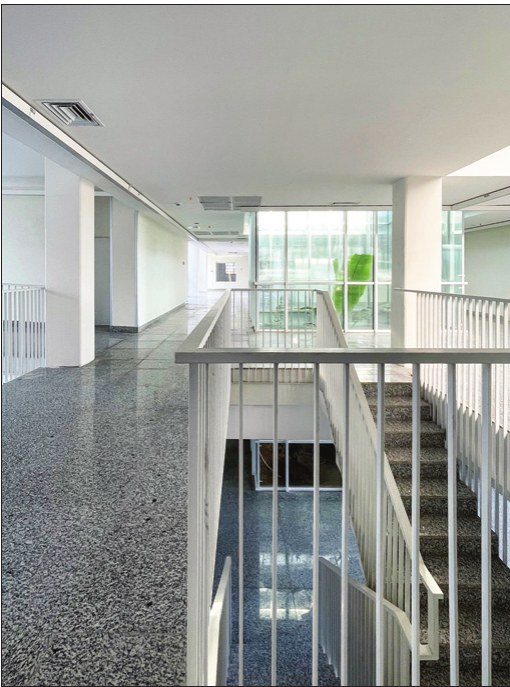
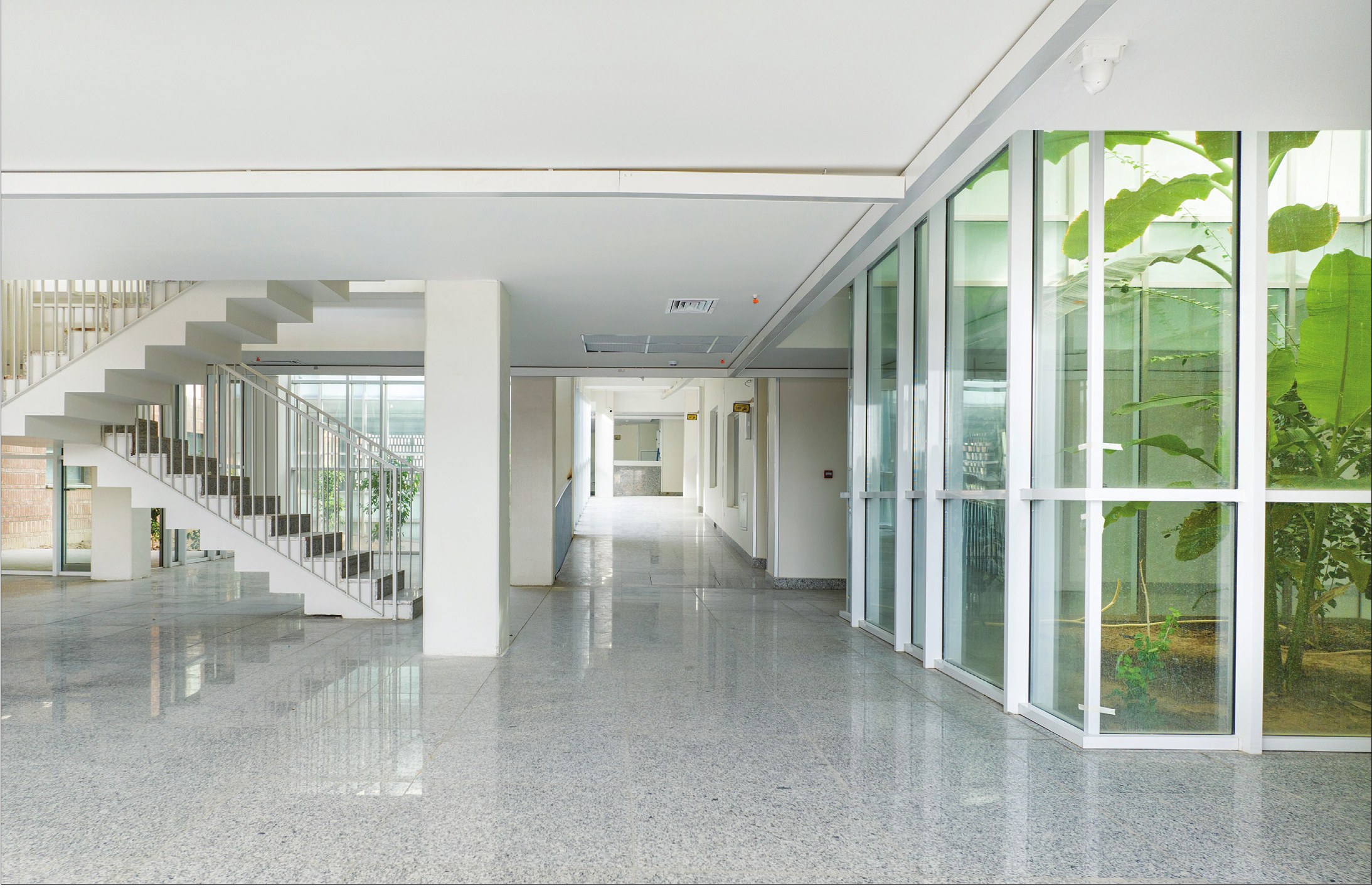
The Khomeinishahr home for the elderly lies in the gardens next to Isfahan, in an area on the slope of the surrounding hills. Spaces for interaction among the elderly, lounges for games and recreation, and green inner courtyards form the main structure of the project, while the bedrooms are the building’s side spaces and only a small share of it.
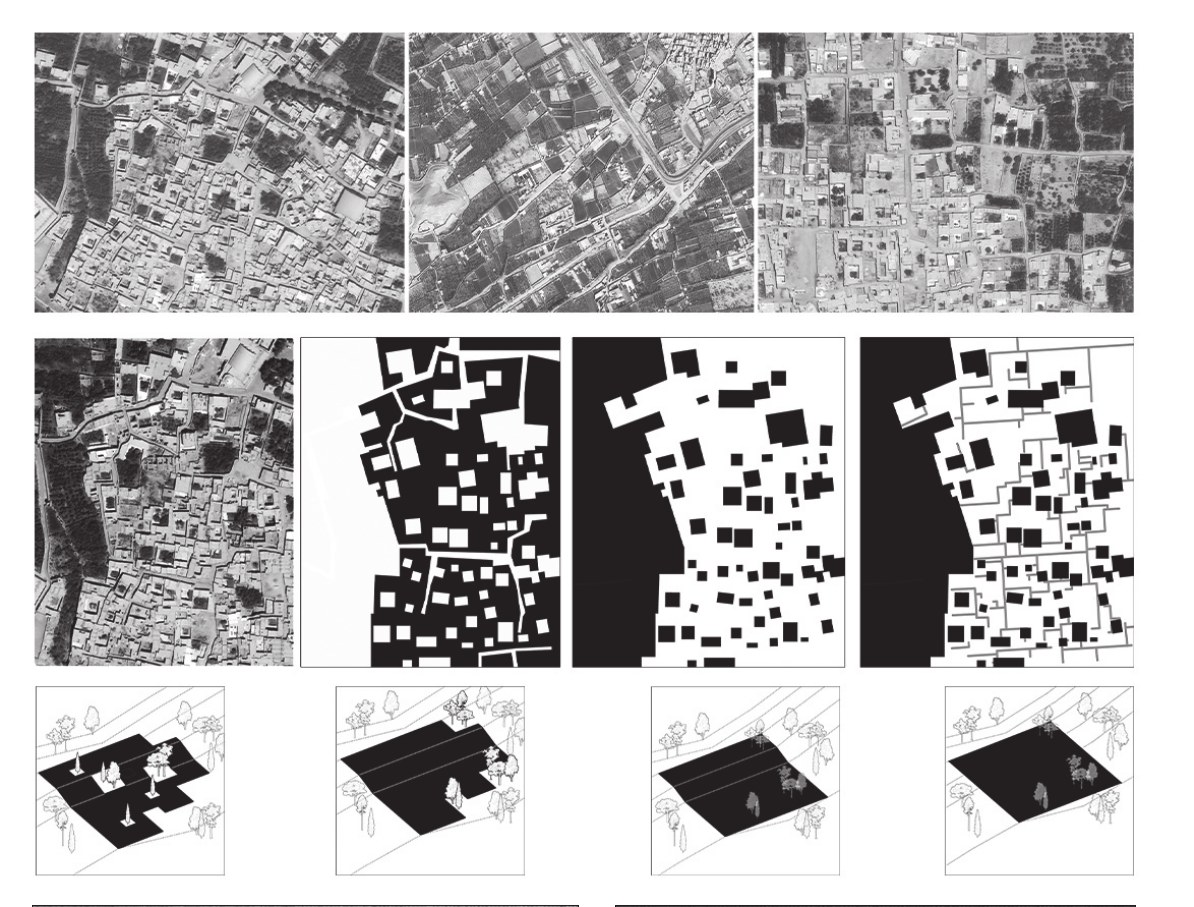
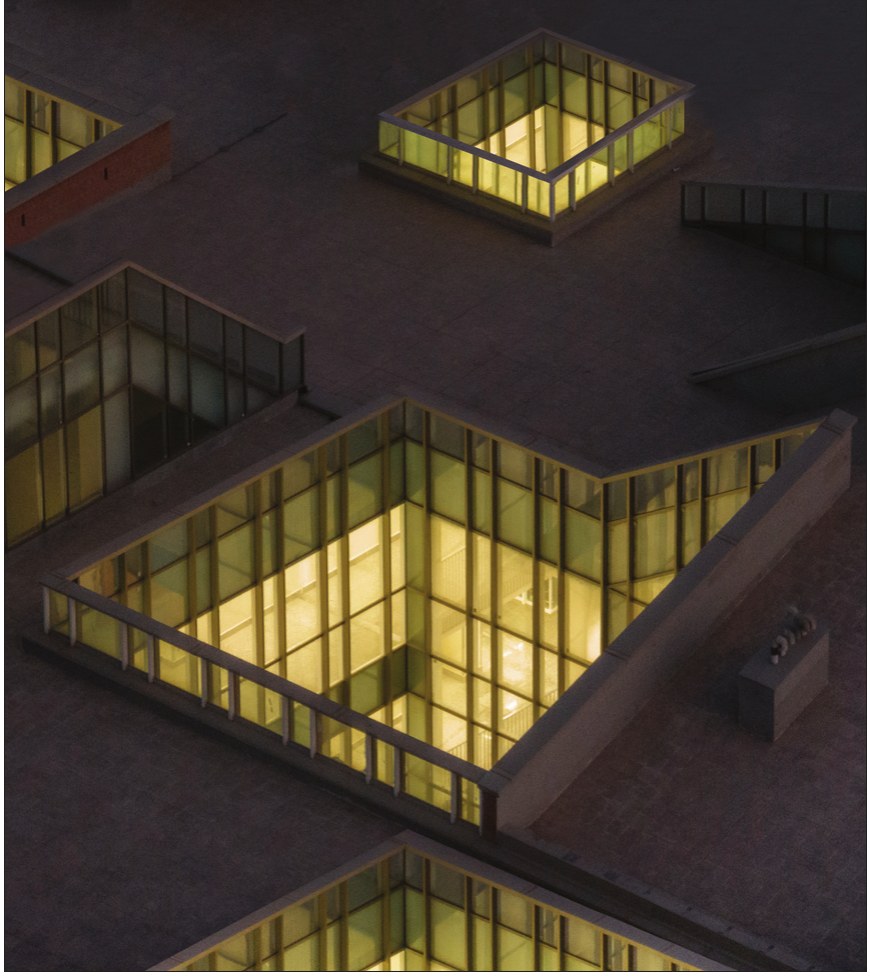
The pattern of middle courtyards takes the scale of the building from architecture towards village fabric and, while keeping cohesion and unity (its most important quality in use), makes possible the utmost connection with the surrounding garden.
We regard the elderly as people who, having passed their working years, have retired. But not alone; rather together – in fact they have retired together.
Memory
Reviewing memories, or making memories.
Is a home for the elderly a place for keeping the elderly, or a house where they can live side by side with people of their own age? A life of retirement. A life in a place like a neighbourhood, like a garden, the very place from which they draw their identity and standing. I have a neighbourhood, I have neighbours, therefore I am alive.
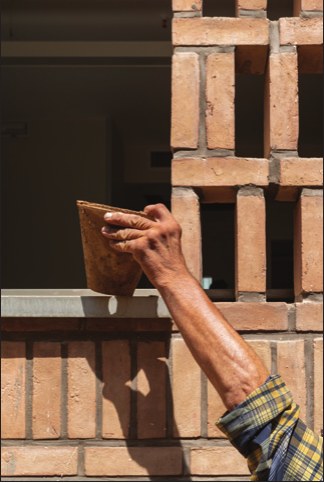
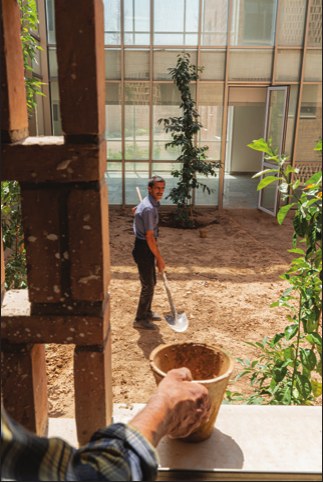
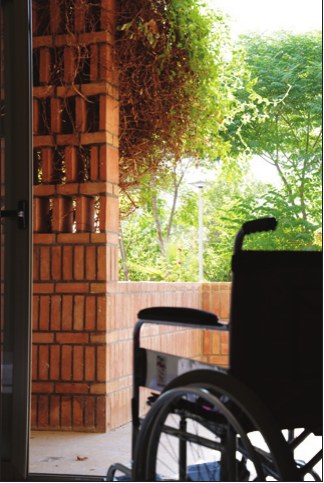
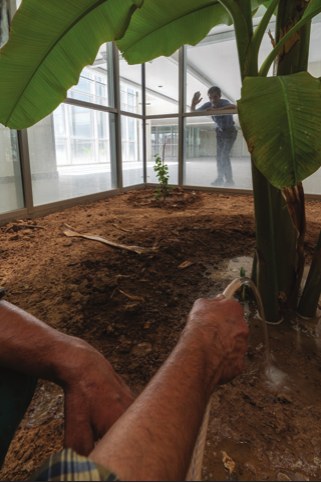
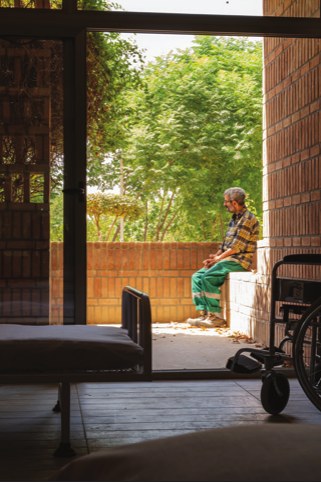
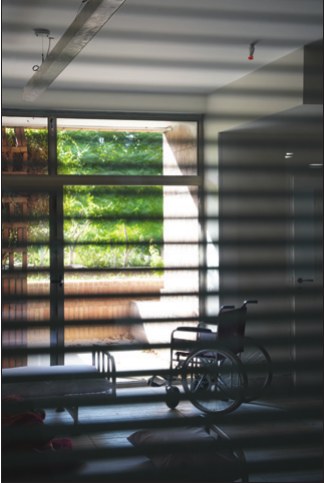
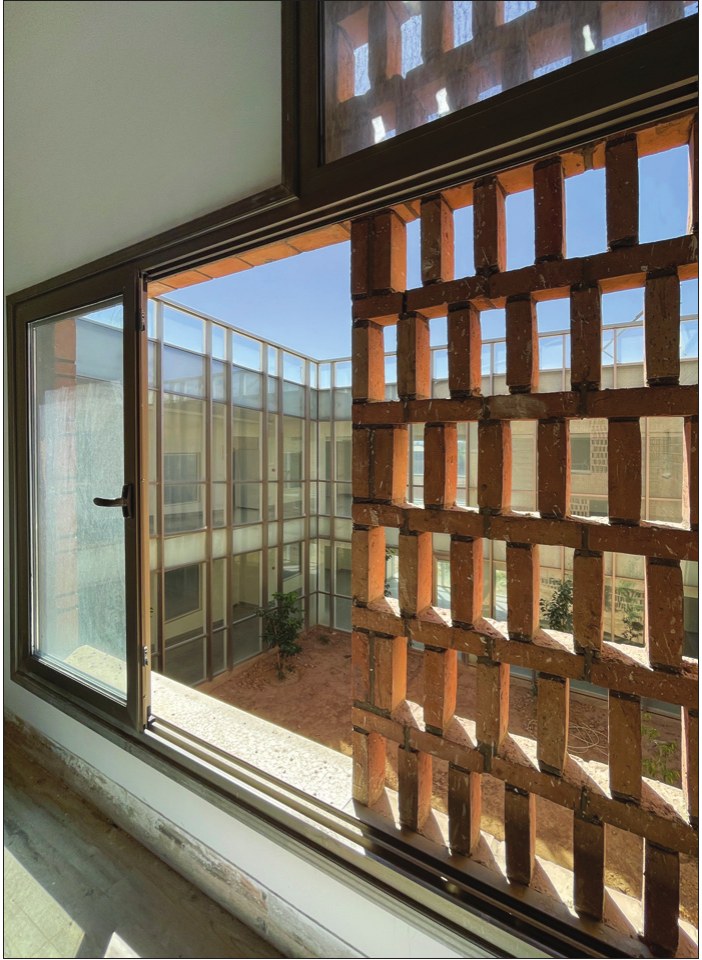
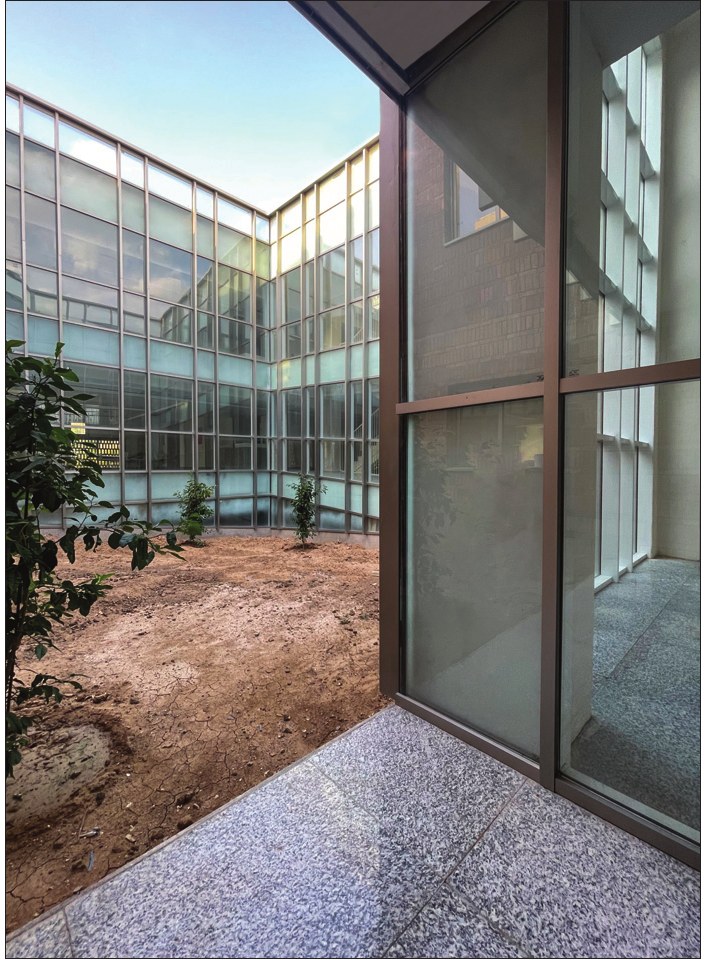
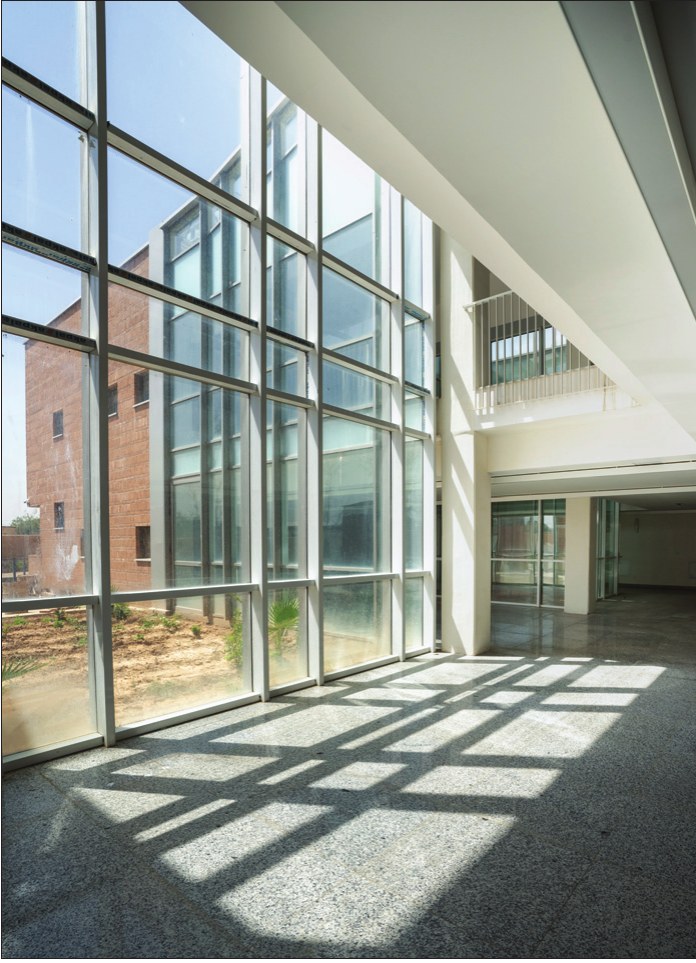
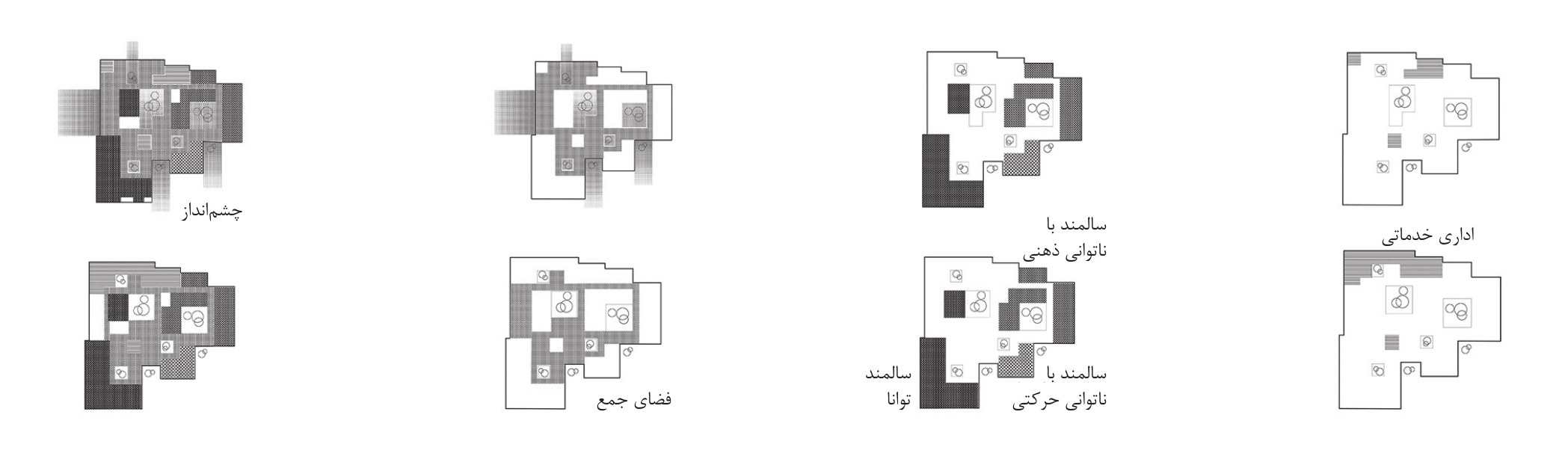
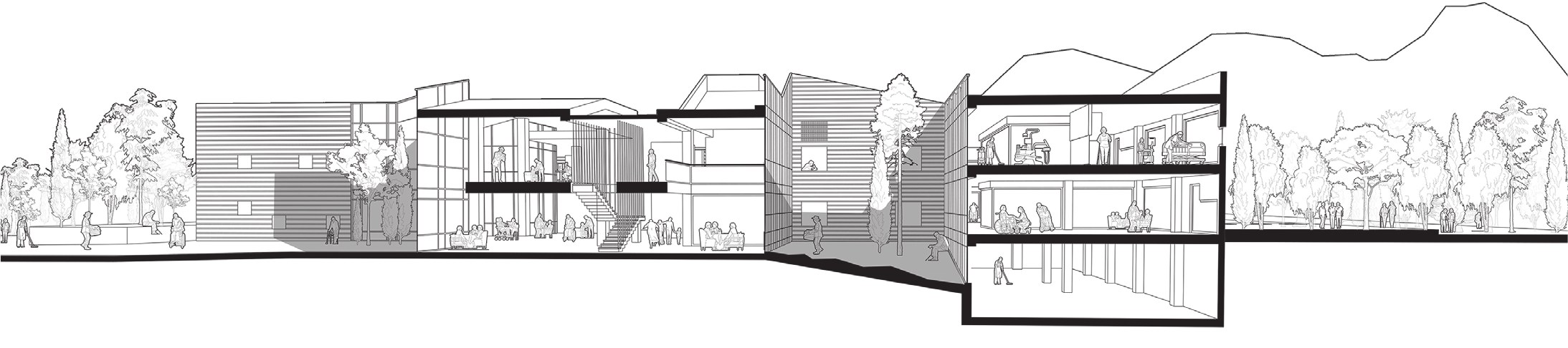
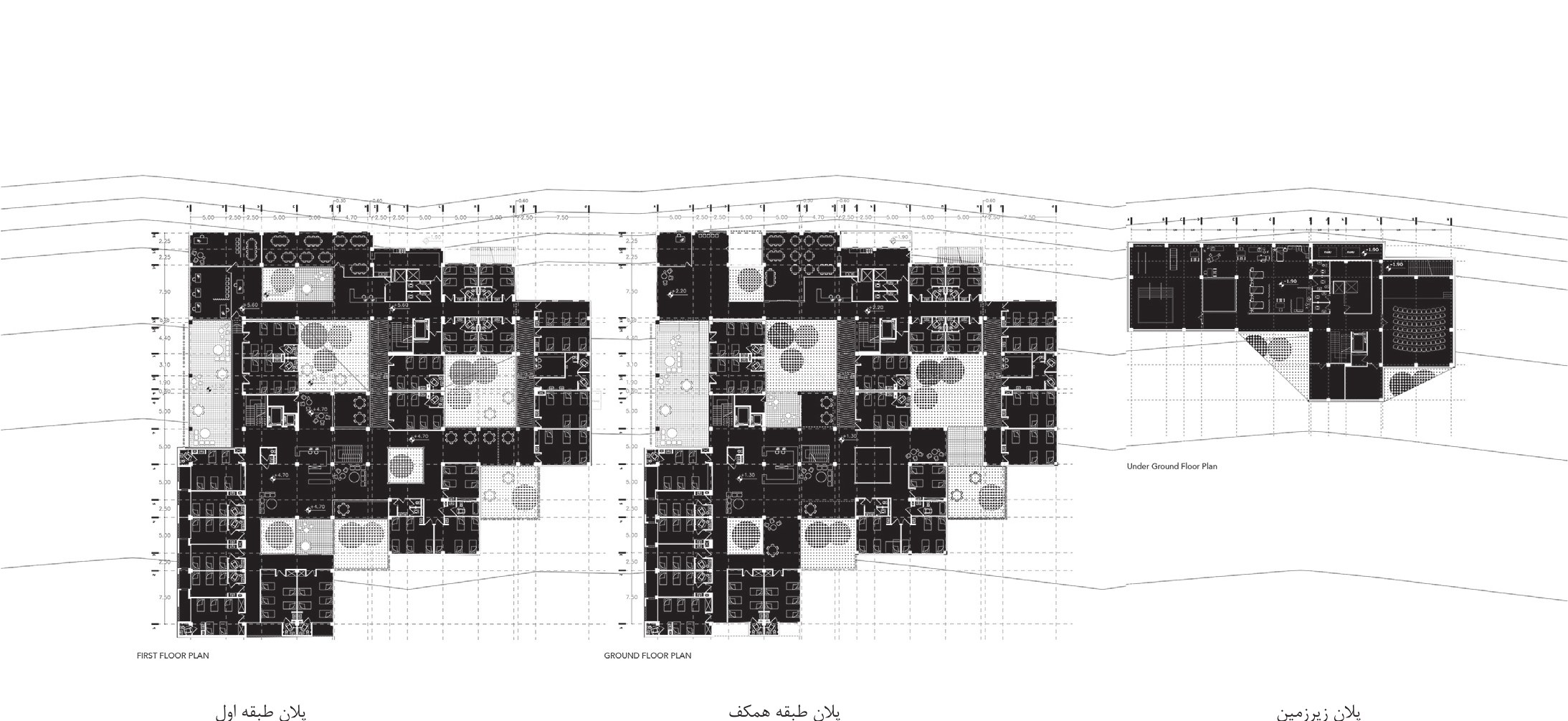
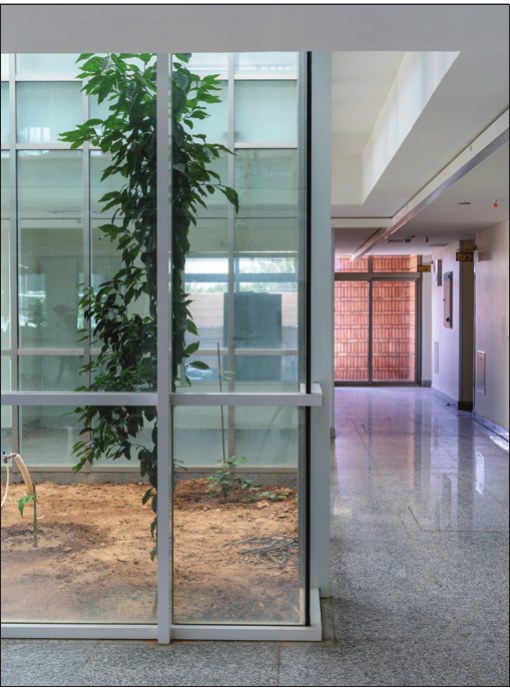
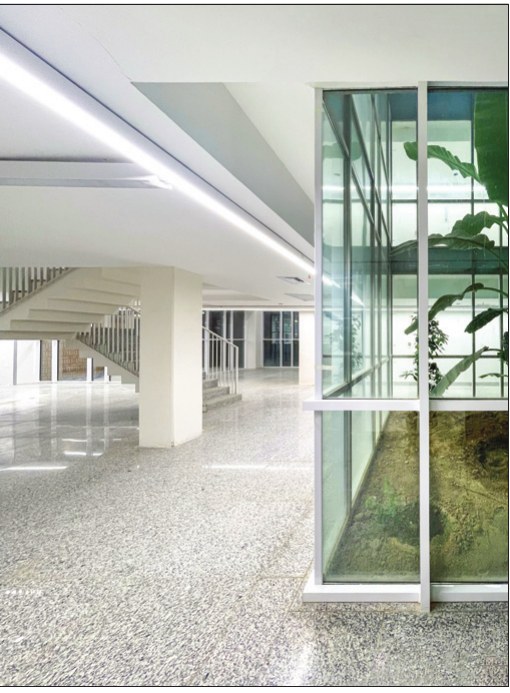
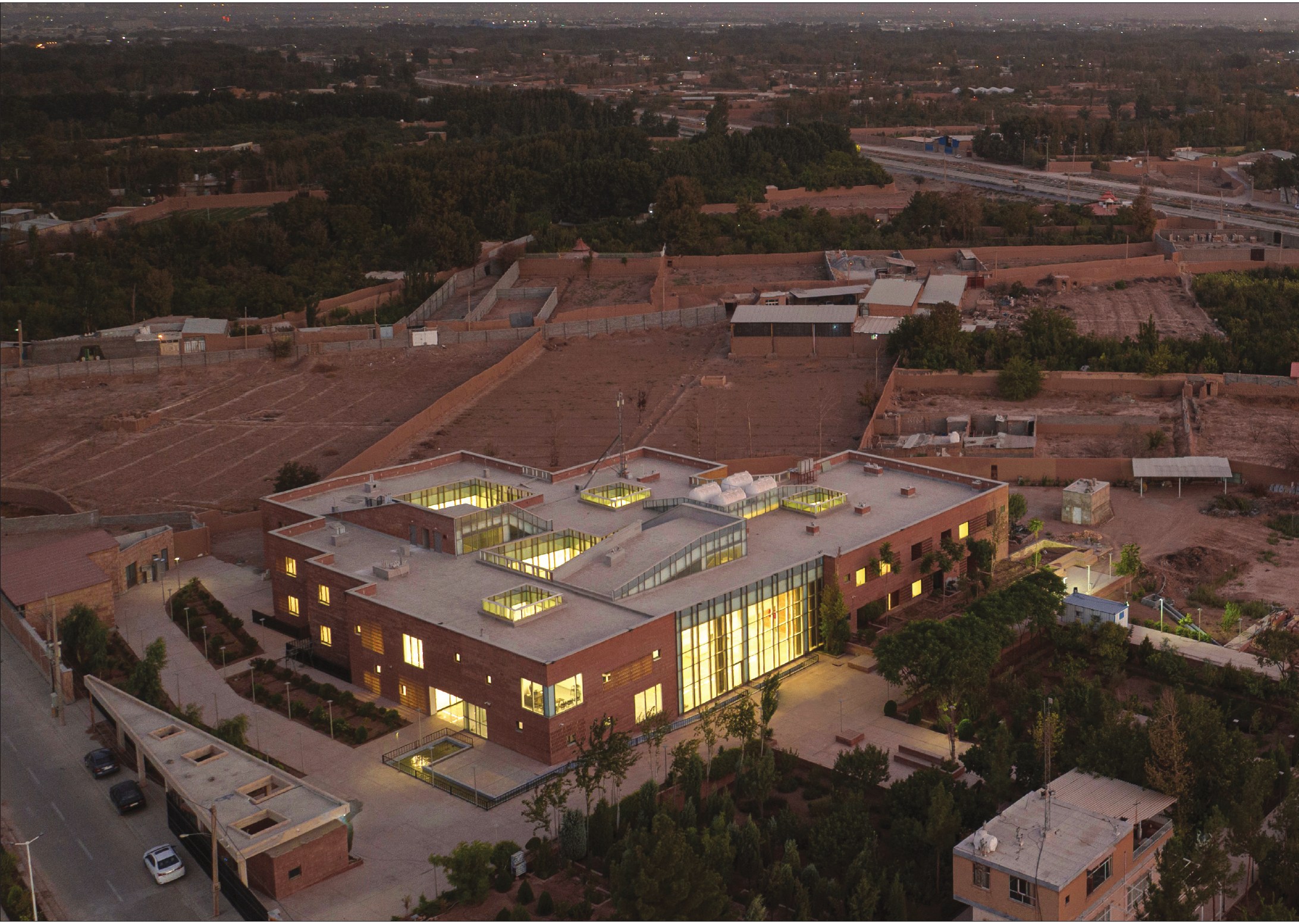
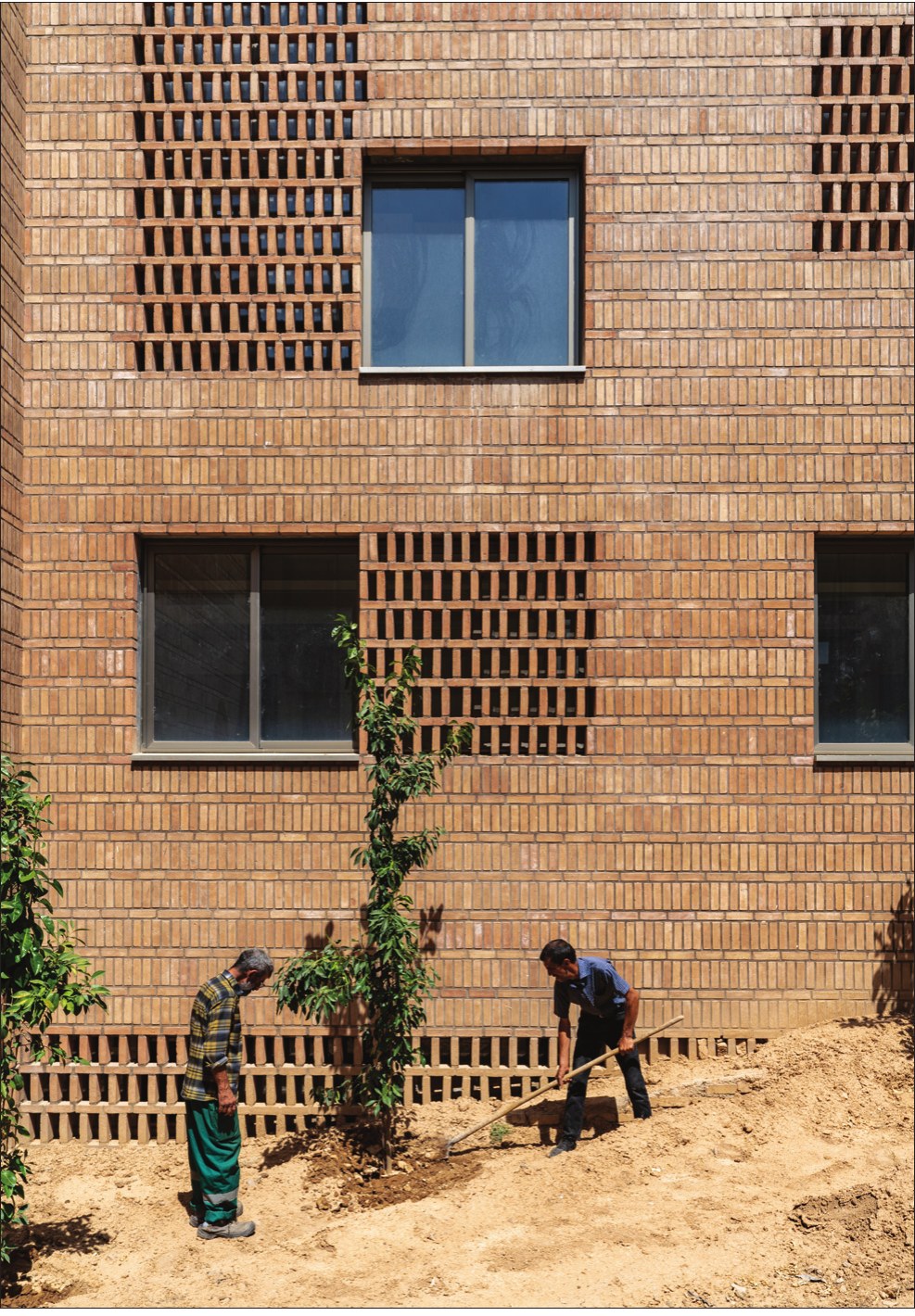
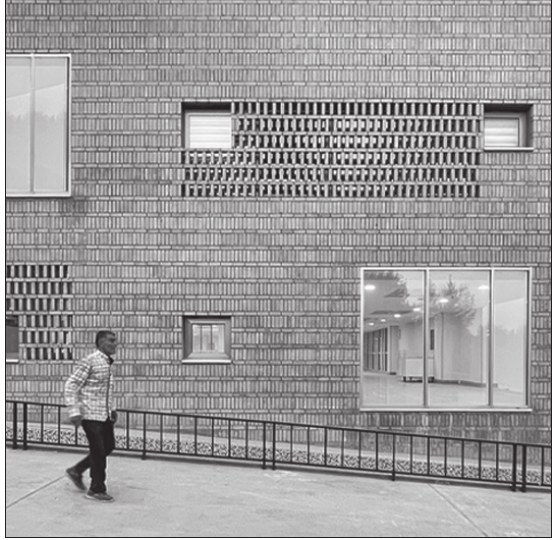
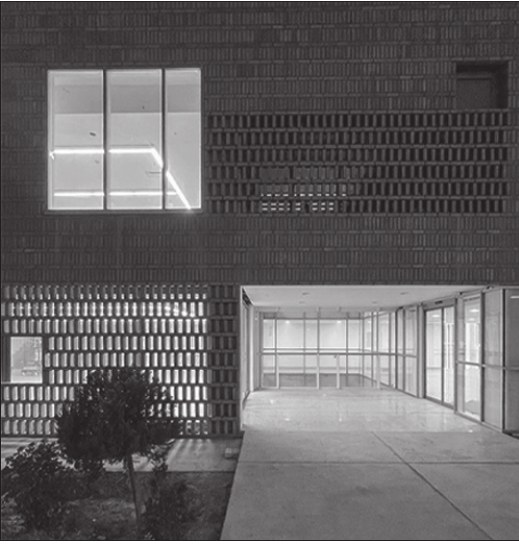
Where the intertwined, perforated fabric of the village meets the surrounding fields and gardens, a kind of fabric takes shape that both faces inward and becomes one with the surrounding nature and geography. A geometry of square voids shapes everything from the inner courtyards to the windows and brick screens, and in a way combines the continuity of the residential fabric with the geometry of nature.
A place that brings back to life its retired residents’ memories of the old houses and garden lanes, and an opportunity for them once again to enjoy being together in the midst of the city and nature.