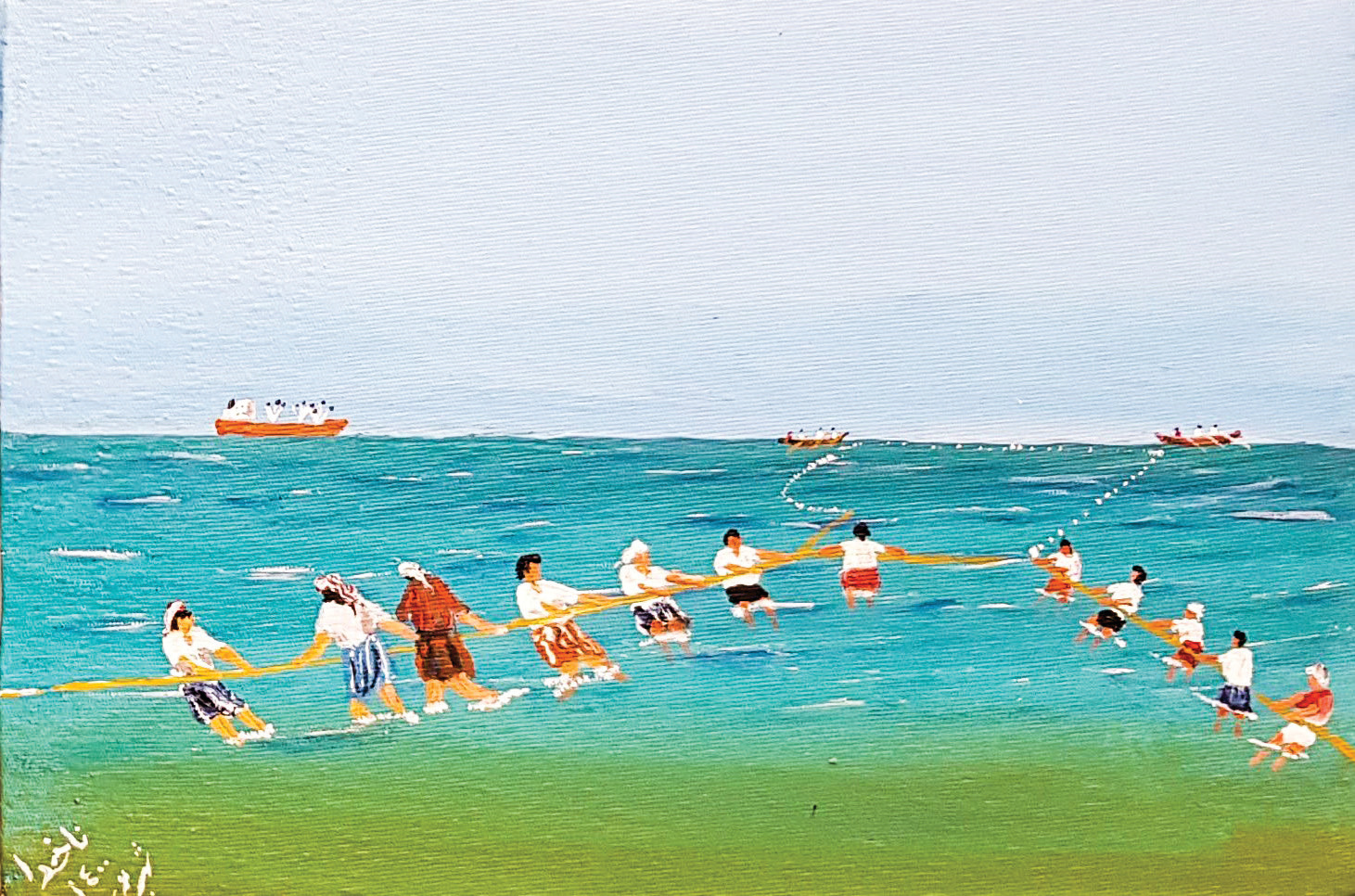
Music and dance are an existential part of humanity, a fact evident in children's natural response to them. Ritual, social, traditional, and other forms of music are rooted in the music of work and life — whether in coordinating collective labor and increasing productivity, or in individual work that involves various movements.1
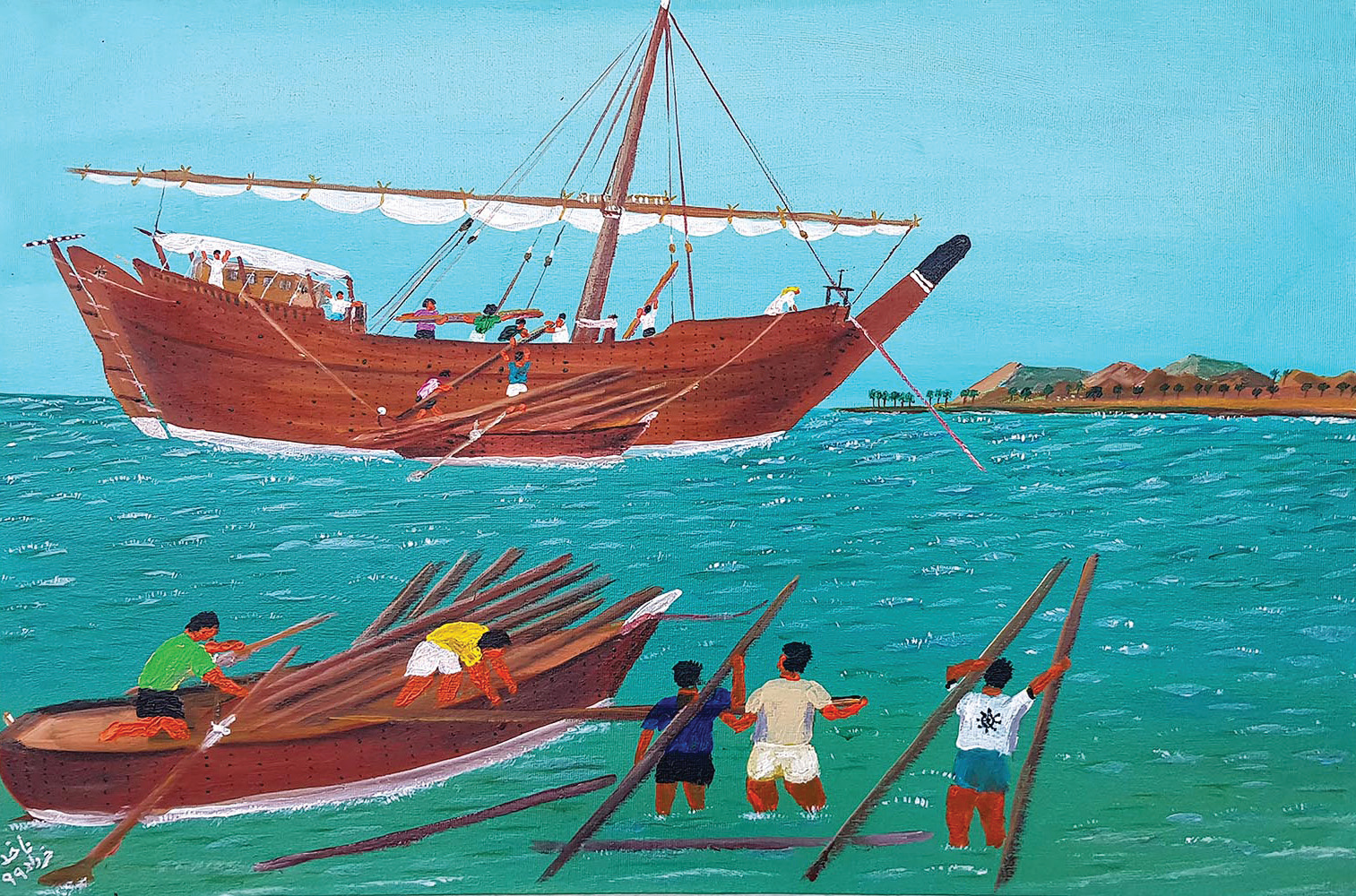
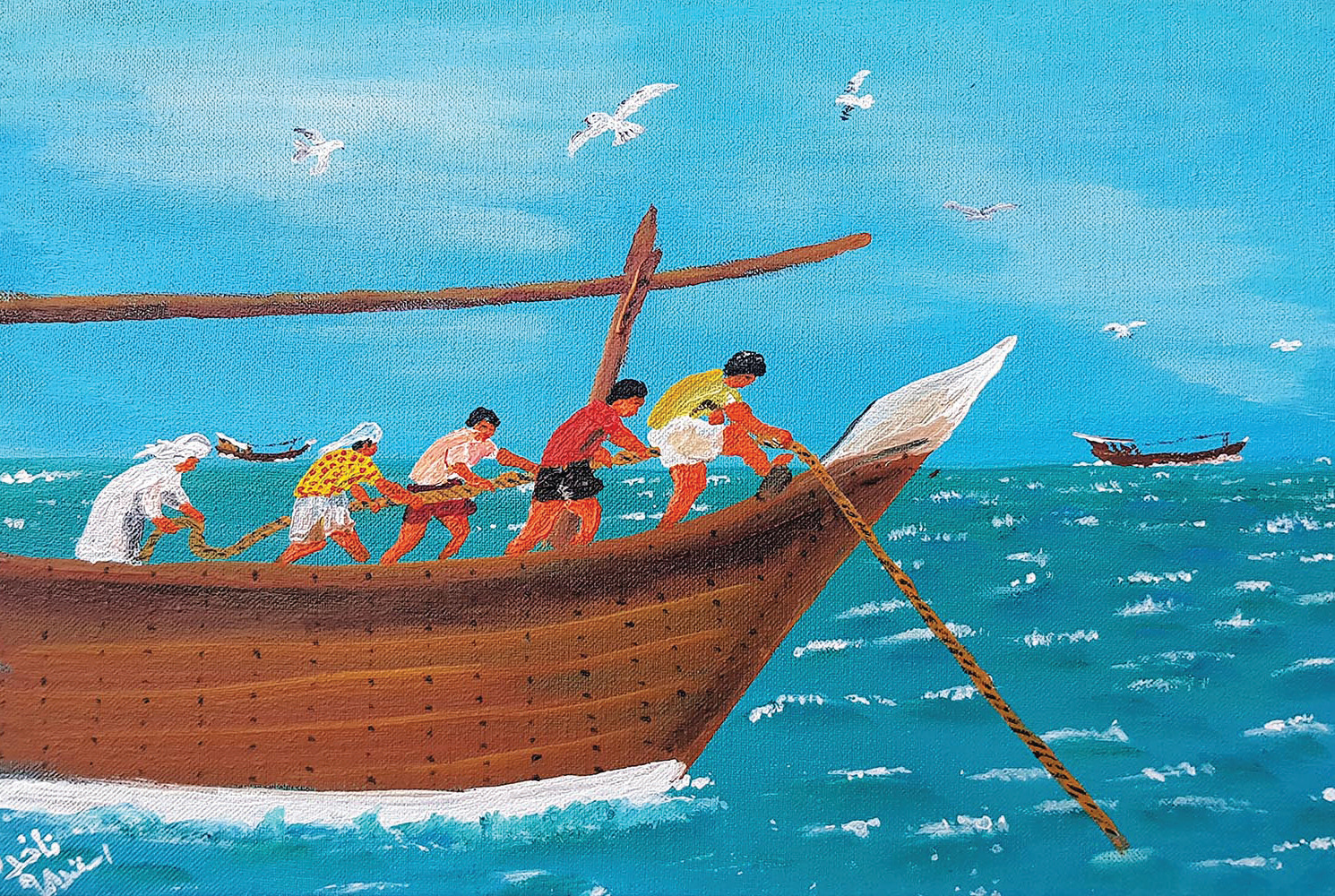
Fishing has been one of the important occupations on the coastal plain of Bushehr since ancient times.2 Since the invention of weaving large fishing nets and building wooden dhows, music and song gained ever greater importance in coordinating the work of fishermen and galafan (carpenters who build wooden ships). The galafan hammered in a two-four rhythm in unison; Bushehri sailors on long sea voyages reduced the hardship of travel through nimeh-khani (chanting), coordinating rowing, sail-hoisting, and net-hauling; and porters found coordination and strength through Yazleh music.
Other types of social music and dance, such as Khayyam-recitation (poetry, music, and dance celebrating good cheer), the Zar ritual music unique to Iranians of African descent, and traditional music in Dashtestan, are all continuations of the various forms of work and life music.
1 For example, in the work of bakers (shateran) in Iran's desert regions, which involves kneading dough, flattening it on the bakery board, placing it in the oven, and removing the bread — a rhythmic sequence known as "Shatari dance."
2 Unfortunately, due to oil pollution in the Persian Gulf and Chinese fishing vessels engaged in indiscriminate industrial trawling, the populations of various Persian Gulf fish species, as well as this ancient and productive profession, are increasingly under threat.



