In a session held at the Memar magazine office with the presence of Kamran Afshar Naderi, Bahram Shirdel, Majid Ghamami, Farokh Ghahremanpour, and Seyed Reza Hashemi, from among eight architecture diploma projects received at the magazine office, the project by Sasan Sepehri and Ali Nakhjavani from Islamic Azad University, Tehran branch, was selected for introduction.
The positive characteristics that were noted for this design in comparison with the other projects are as follows:
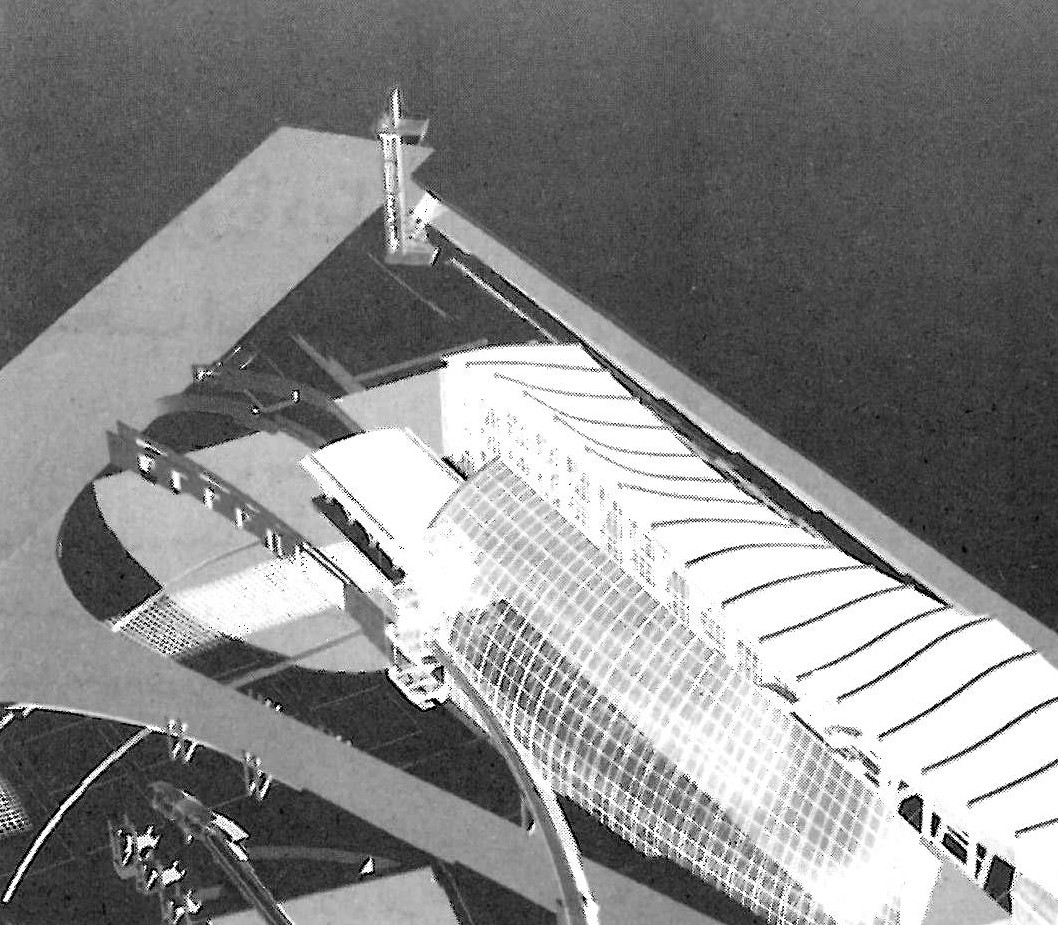
- The students' effort to create a form that generates a specific space, and in other words, a three-dimensional approach to design;
- The effort to achieve a spatial concept;
- A refined presentation that is relatively more polished in its execution;
- Greater cohesion in the design, in comparison with the other projects.
General Observations on Student Projects
During the review of the projects, certain points were also raised about the general quality of the submitted designs, which are worth noting:
A characteristic commonly observed in most student diploma projects is their collage-like quality. In many cases, the primary forms have been borrowed from famous architects and placed within a context without internal coherence. The reason is that the design of the project does not begin from an initial idea and develop naturally in the course of its progress, so that the final project takes shape organically. The lack of a meaningful connection between most projects and their selected site is another notable feature of this type of design.
The list of thesis titles indicates that they have turned the functional use of the building into the central topic, while there are issues related to architecture itself that are worthy of research and investigation. Moreover, in many countries, successful students are not required to present an applied project. Research and investigative topics — even cases such as preparing a monograph on a particular architect, or a specific building, or the special use of industrial products and their application in architecture — can also serve as thesis subjects.
The Winning Project
Thesis Title: Center for Industrial Design Research
Authors: Sasan Sepehri — Ali Nakhjavani
Degree: Master of Architecture
Advisor: Dr. Ali Akbar Saremi
Academic Year: 1376–77 (1997–98)
University: Islamic Azad University, Tehran Branch
This complex is a research center in the field of industrial design. Its spaces include lecture halls, an amphitheater, instructional classrooms (theoretical and practical), design and fabrication workshops, computer laboratories, administrative and service areas, a gallery, an exhibition hall, a restaurant, and rest areas.
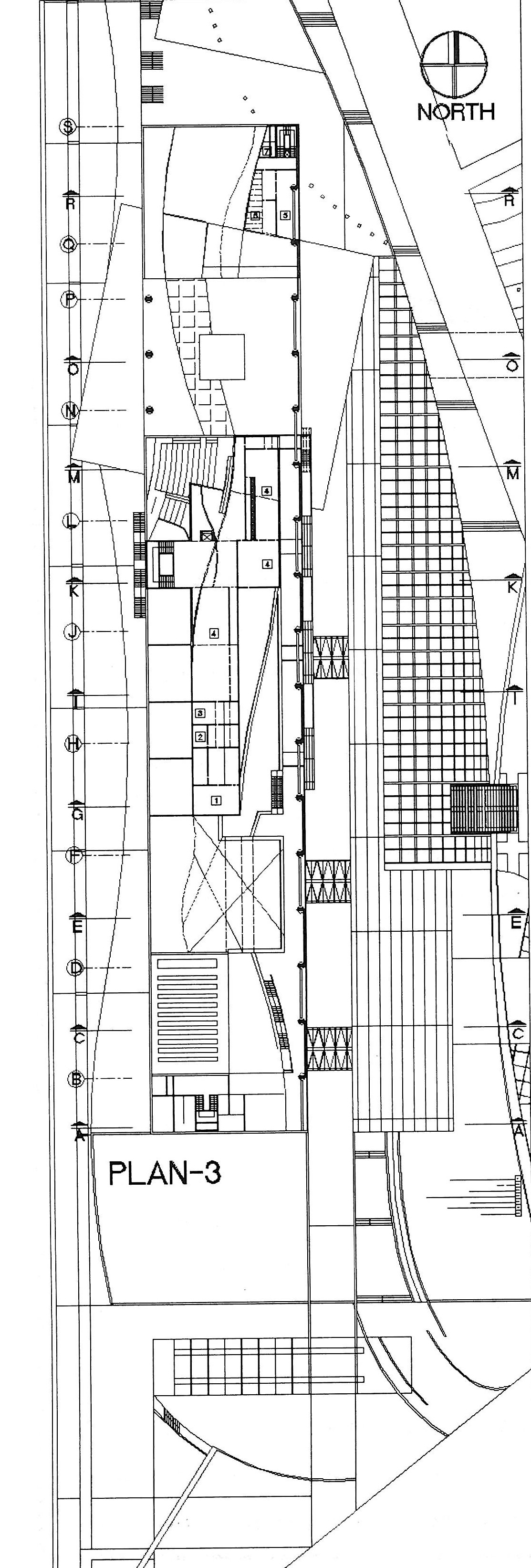
The complex is divided into five zones: the Cultural Zone at 5,023 square meters; the Research Zone at 2,921 square meters; the Educational Zone at 3,122 square meters; the Administrative and Service Zone at 1,617 square meters; and the Welfare Zone at 1,177 square meters.
The project site is located north of Lashgarak Road and features two main viewpoints that create two distinct vistas at different times. The southern view of the complex is prominent at night, while the northern view is prominent during the day. The positioning of the complex is such that at night the south and southeast views of Tehran are visible, and during the day, for users of the outdoor spaces, the views and vistas of northern Tehran — with its mountains and the hills surrounding Sohanak village — can be enjoyed.
Design Concept
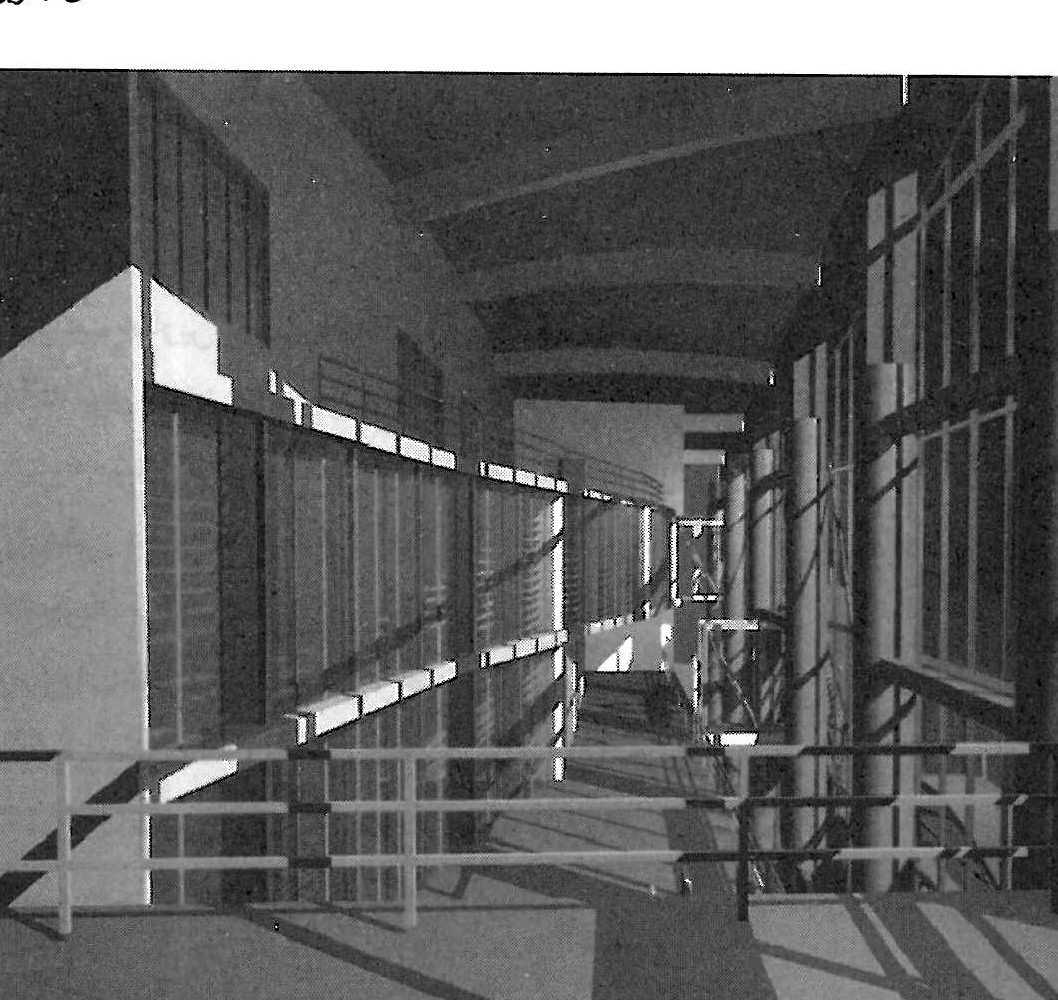
Given the site conditions, the existing topography, and access routes, a linear form and configuration was adopted for this complex. Its rotation and positioning on the site were determined based on existing analyses, including solar orientation and wind direction. Overall, the design concept was that the interior public spaces should not merely project outward from the building mass but should also serve as a pleasant continuation of the exterior public realm.
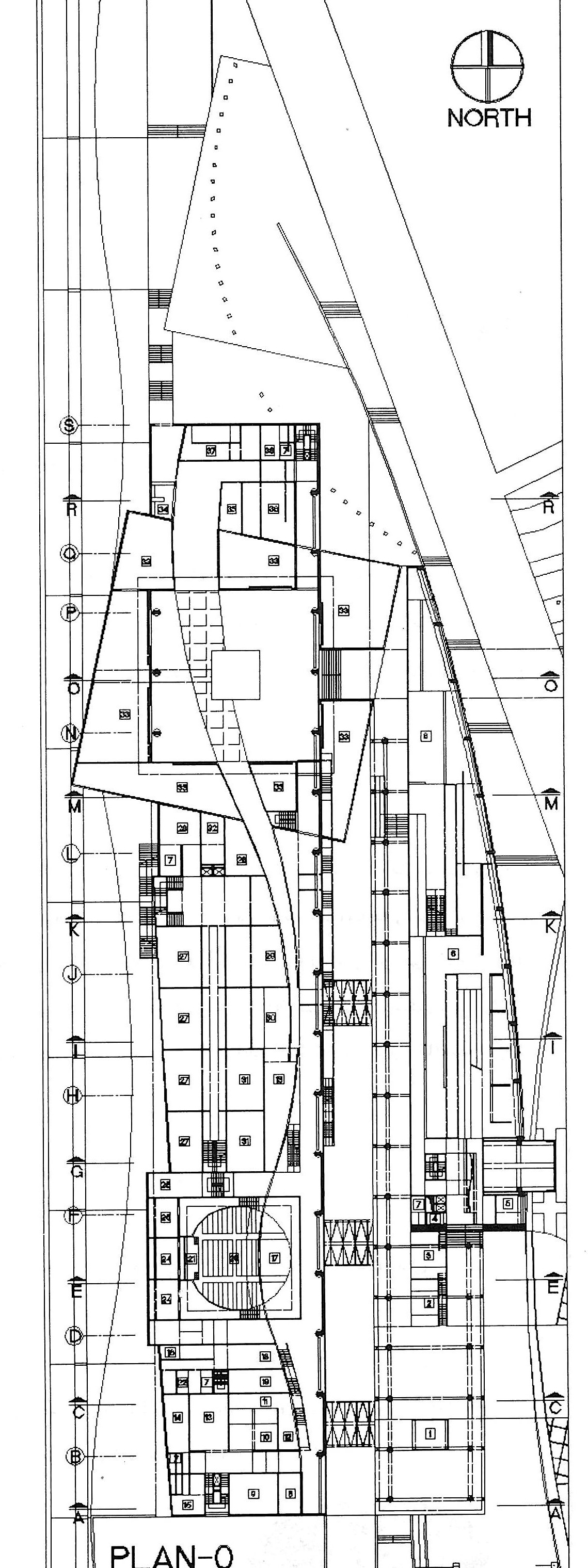
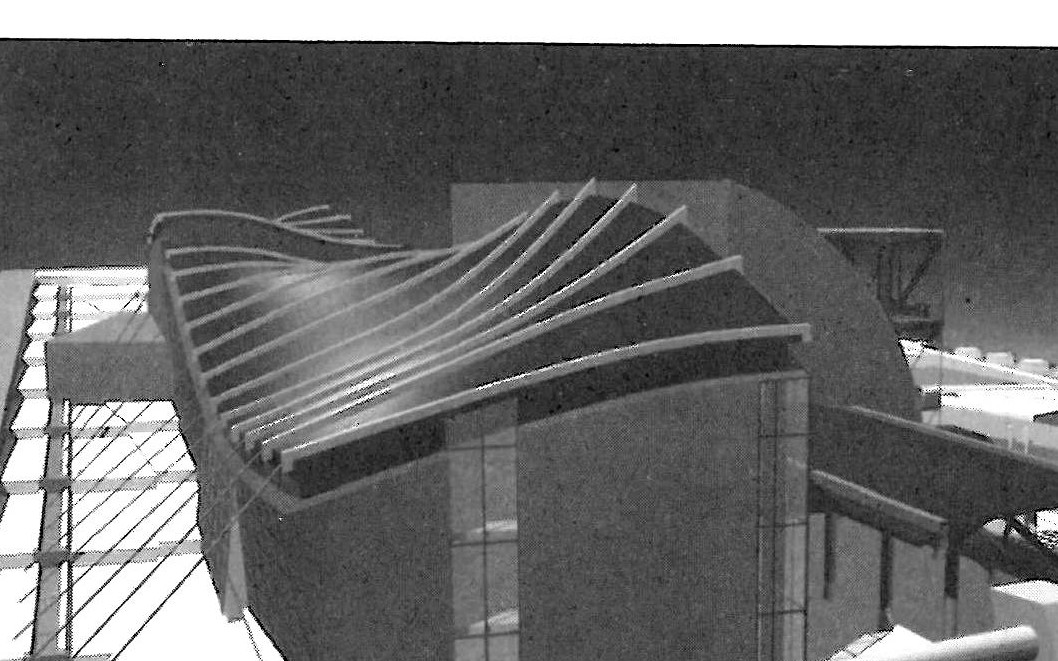
In addition to the transparency of the facades, the volumes are covered with undulating roof canopies or wave-shaped roofs, which, in visual comparison with one another and with the surrounding landscape and environment, serve as a kind of continuation of the surrounding vistas.
In designing the plans, sections, and elevations of the building, an effort was made to ensure that this sense of movement and dynamism is visually apparent, and that this visual movement is applied in the plans as well, so that the resulting space becomes a symbol of the foundation and essence of industrial design — that very movement and dynamism in the direction of progress.



