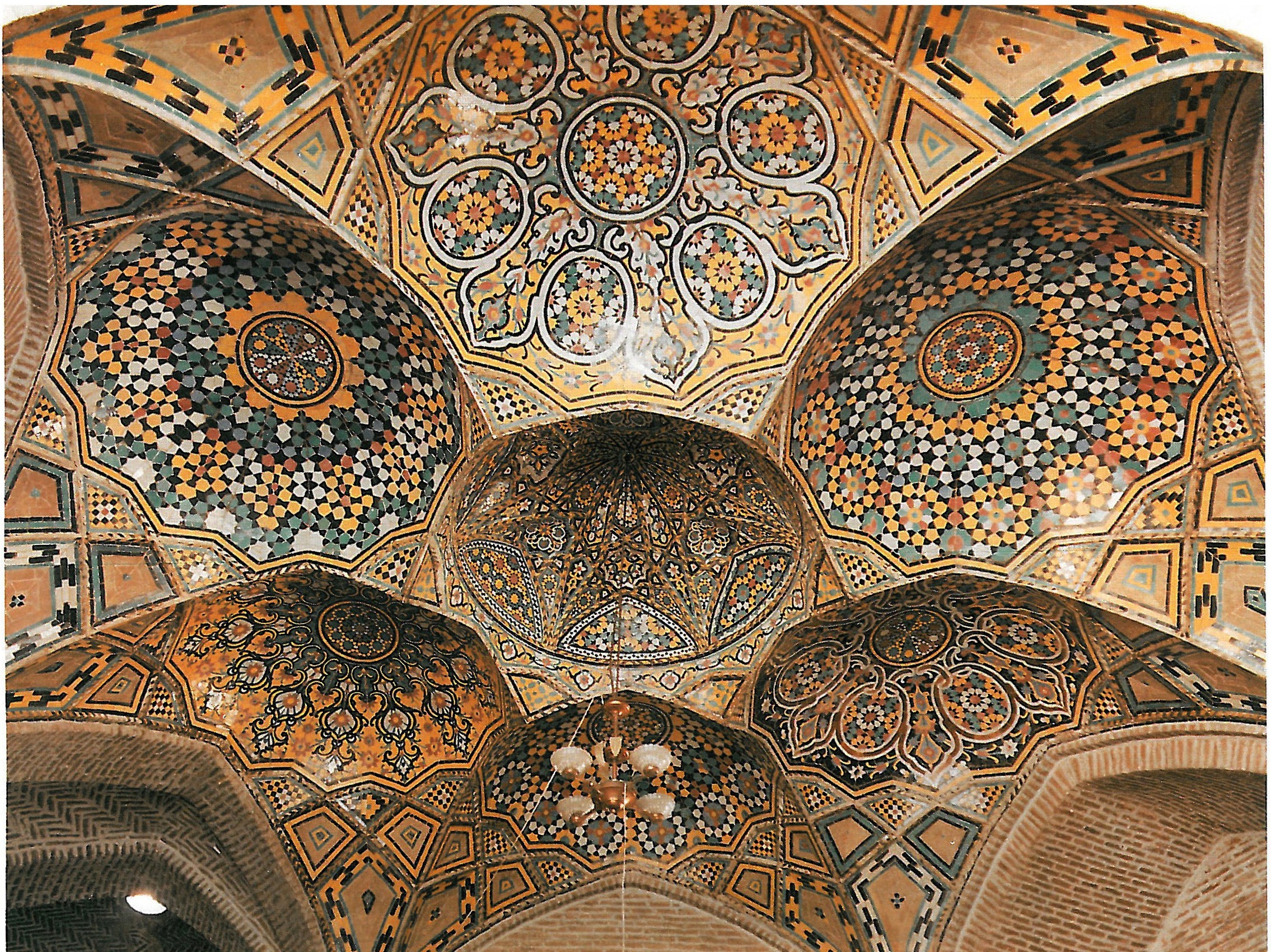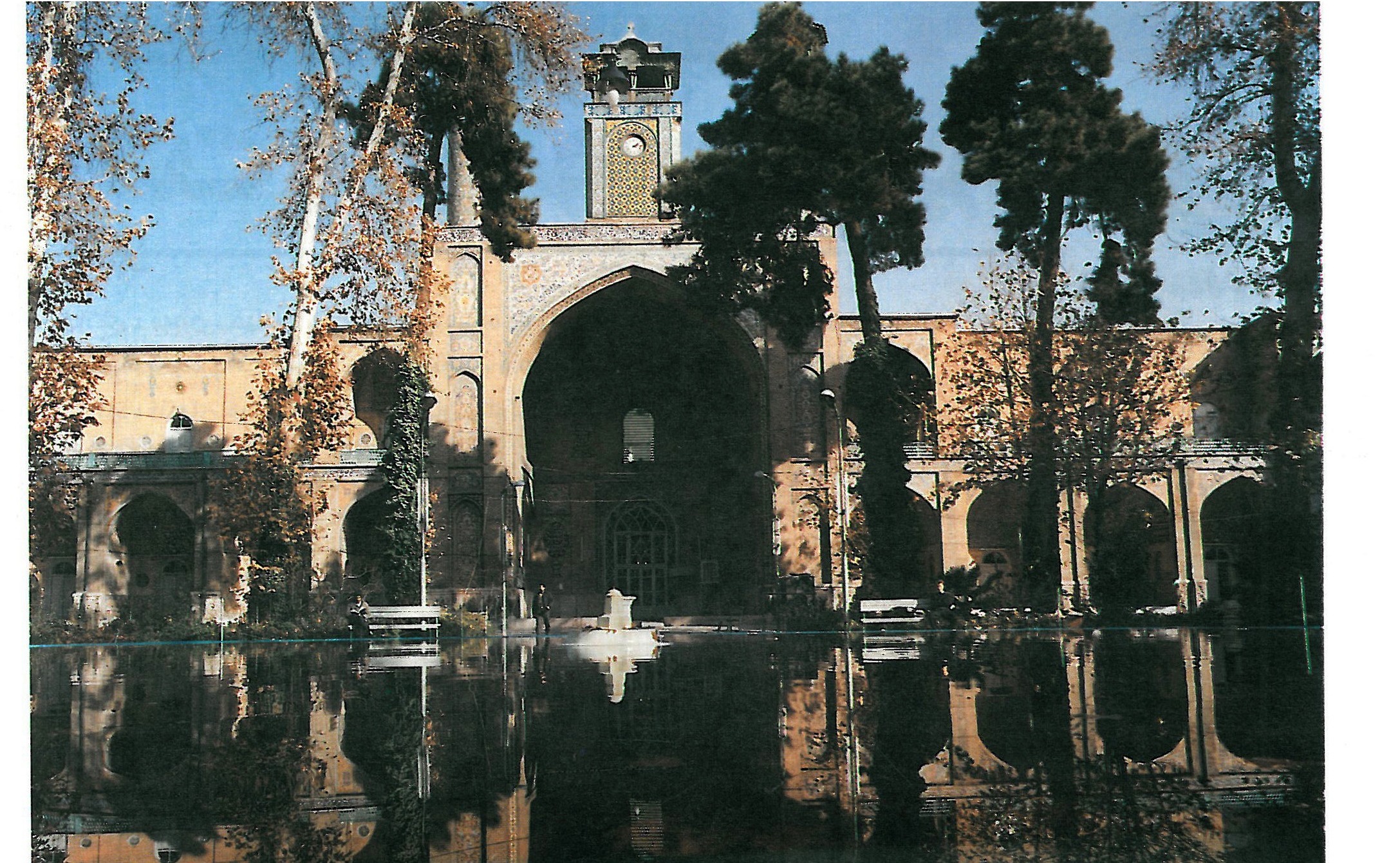
The rank of Qajar architecture in the history of Iranian architecture (previous to the present époque) is a matter of consideration.
Qajar period reveals a high value in spatial creativity compared to the architecture of previous époques like, Zandieh and Safavid. The former patterns of architecture evolve into the expansion of spaces in this period. If we consider the evolution of architecture as expansion, transparency, and legerity of spaces, then the architecture of this period is certainly a step forward.
But considering dimensions, proportions, shapes and ornaments, the Qajar architecture stands in an inferior position compared with its past, especially the Safavid era. New forms enter the architecture, which are superficial and decorative. The dimensions lose their exactitude, and proportions are less harmonious and meaningful. Architectural ornaments degrade and even become vulgar, awkwardly imitating the past in an anarchic fashion, contrary to the works of Saljouqi and Safavid periods.
To demonstrate the above-mentioned facts, we take the Shahid Motahari School (Sepahsalar School) as an example (pic. 1) by pointing to two main spatial elements:
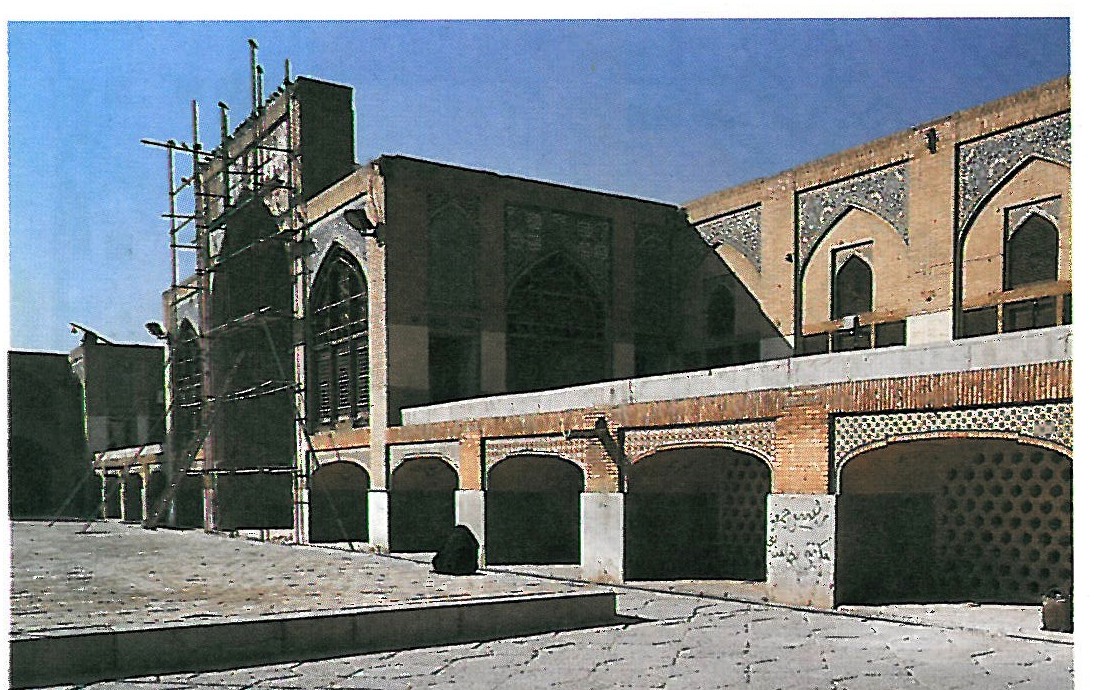
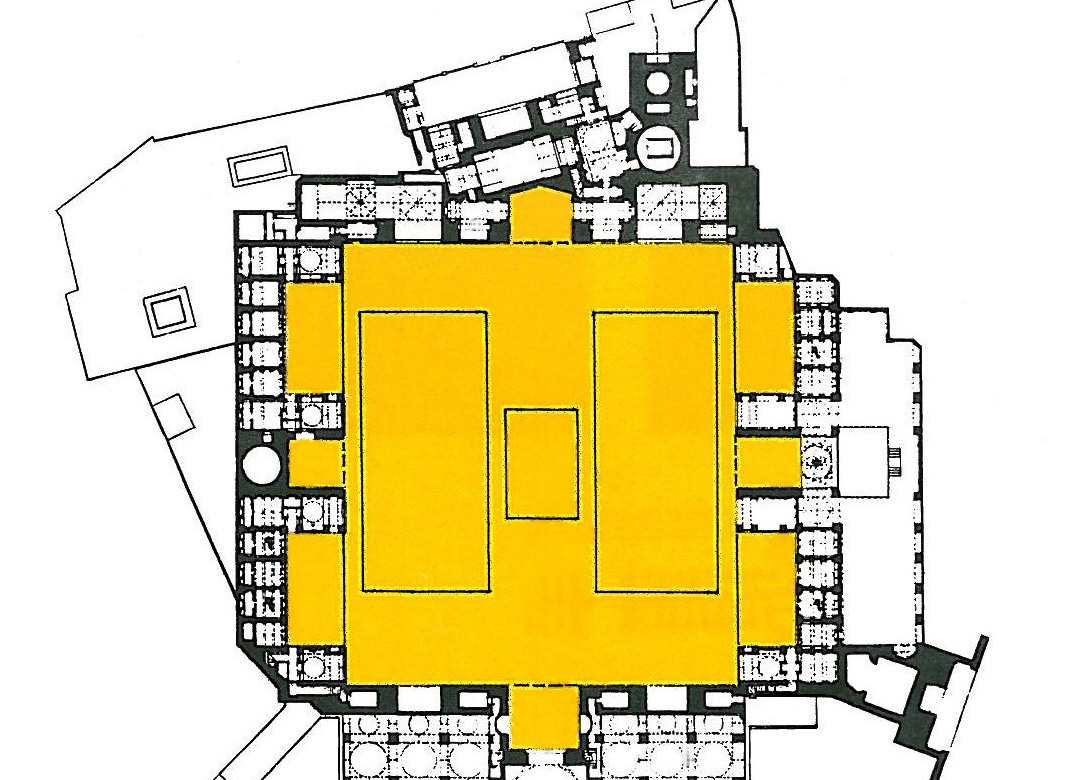
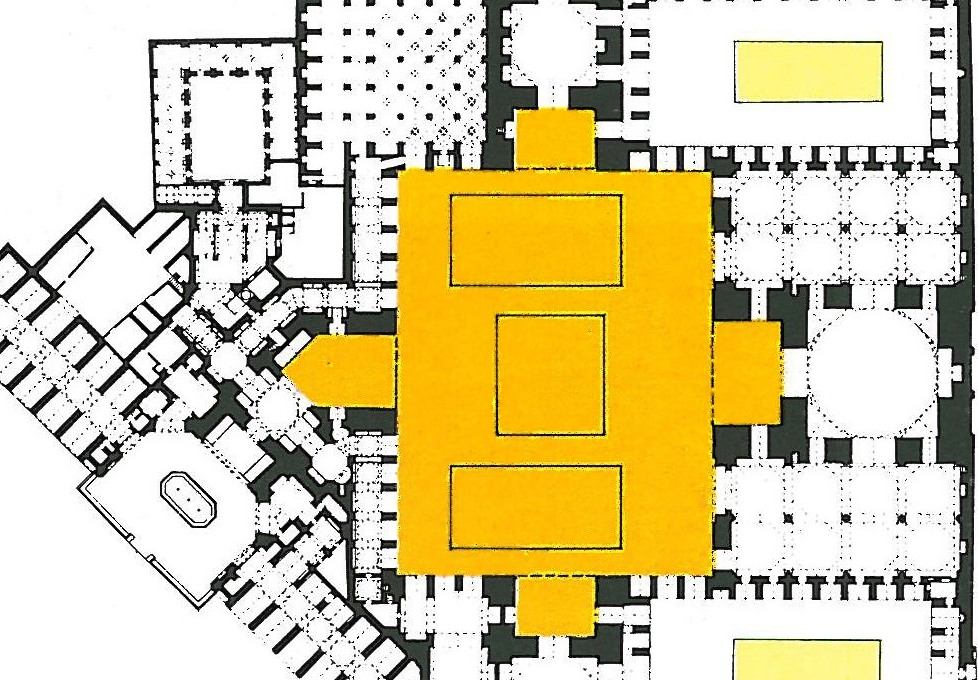
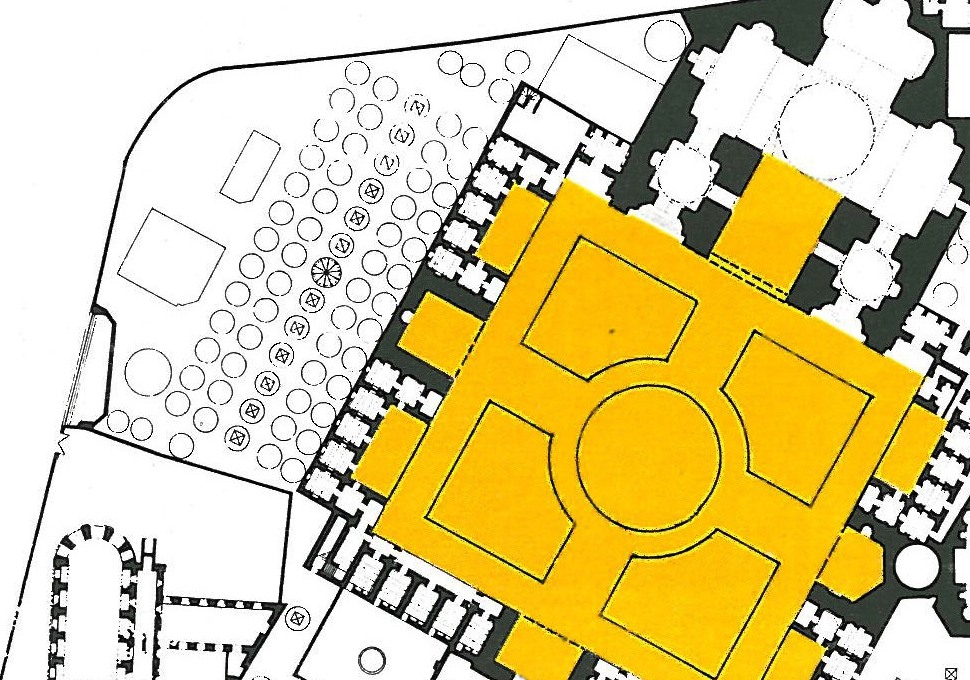
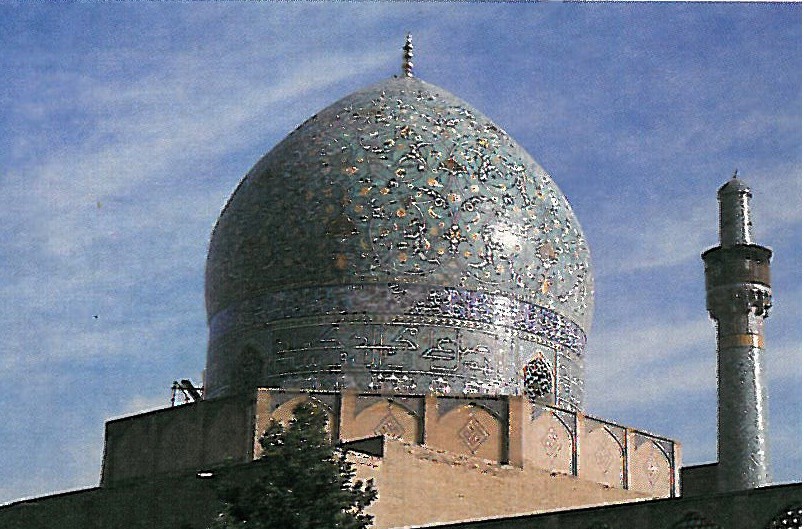
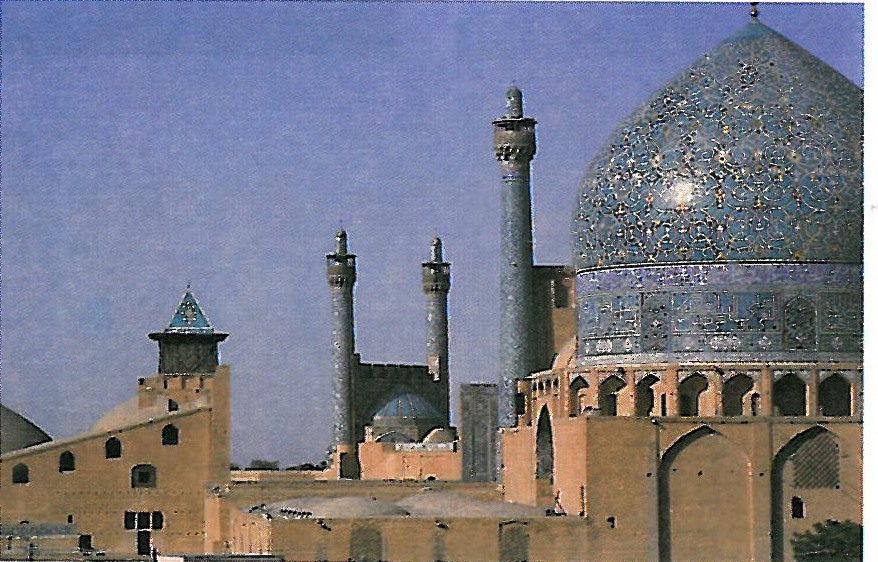
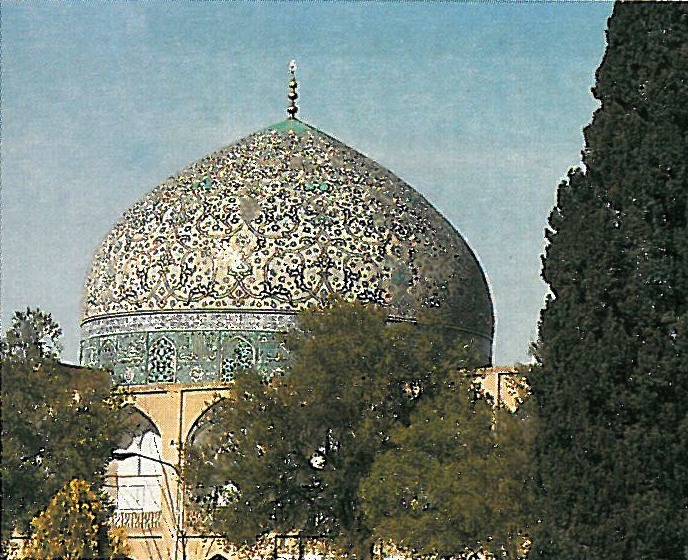
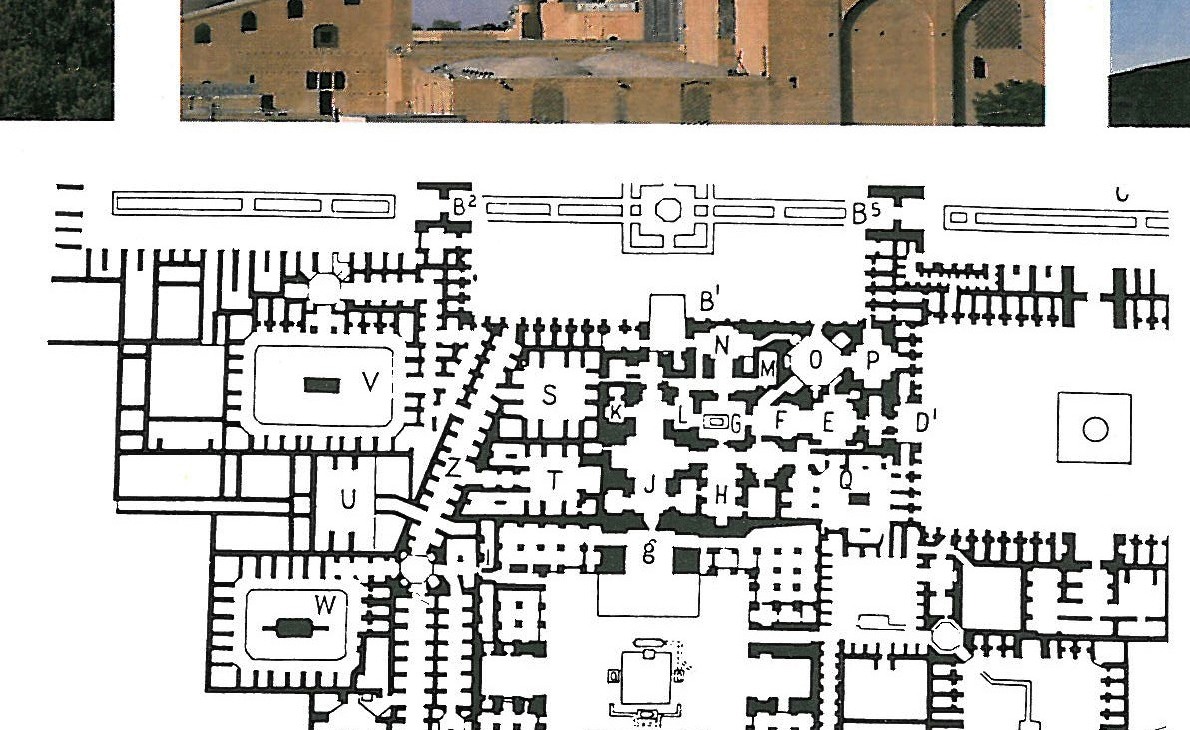
The courtyard: in mosques and schools usually, like the Jameh Mosque of Esfahan (pics 2, 3), the courtyard is surrounded by a two-storey building, and at the main lateral faces of the buildings there exists four porches. The only openings of the courtyard are normally these four porches. Significant examples are the Chahar Bagh and Sadr Schools in Esfahan, in which four small courtyards are created in four corners of the main court. Another example is Hakim Mosque in which the void space behind the east and west faces of the courtyard in second floor, creates a new opening in the court space. In Imam Mosque of Esfahan (pic. 6) two large courtyards lays on the sides of the main Shabestan (main hall of the mosque), and are linked to the main court through several openings. The principal task, that is, the opening of the courtyard, is done in Qajar period, for which several solutions were suggested. One example could be found in Seyyed Mosque (pic. 4, 5) in Esfahan, in which four small porches in second floor, in east and west faces of the building enlarges the opening. In Sepahsalar Mosque (pic. 7), a further step is taken in this direction and apart from four porches on east and west faces of the mosque, there comes small courts in south and north faces as well.
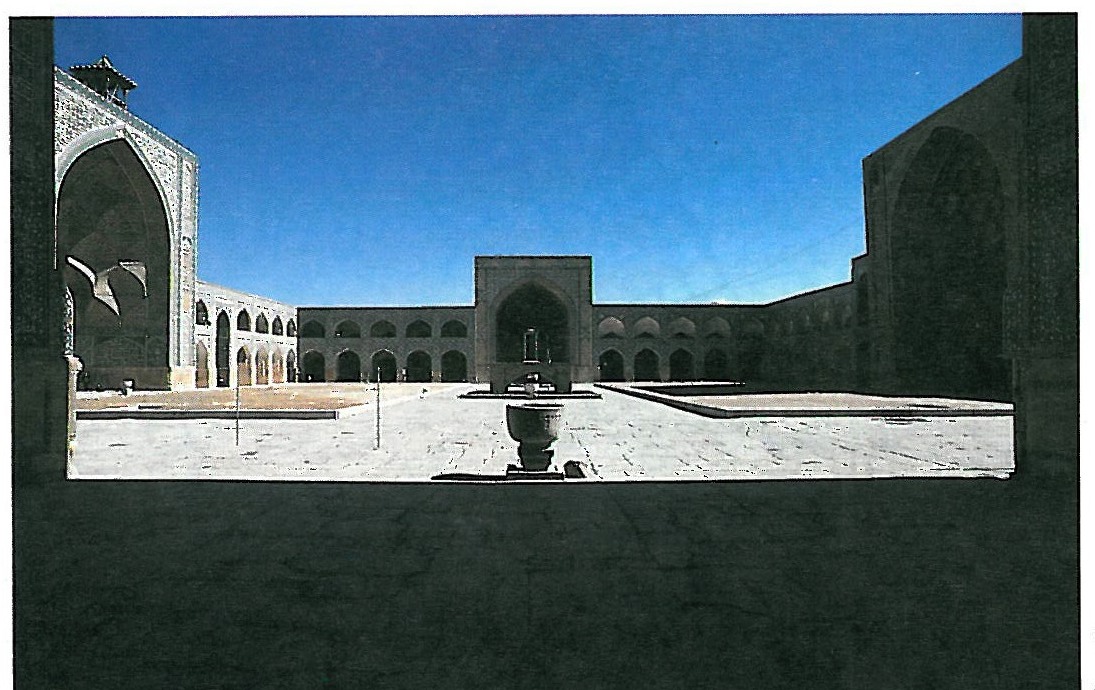
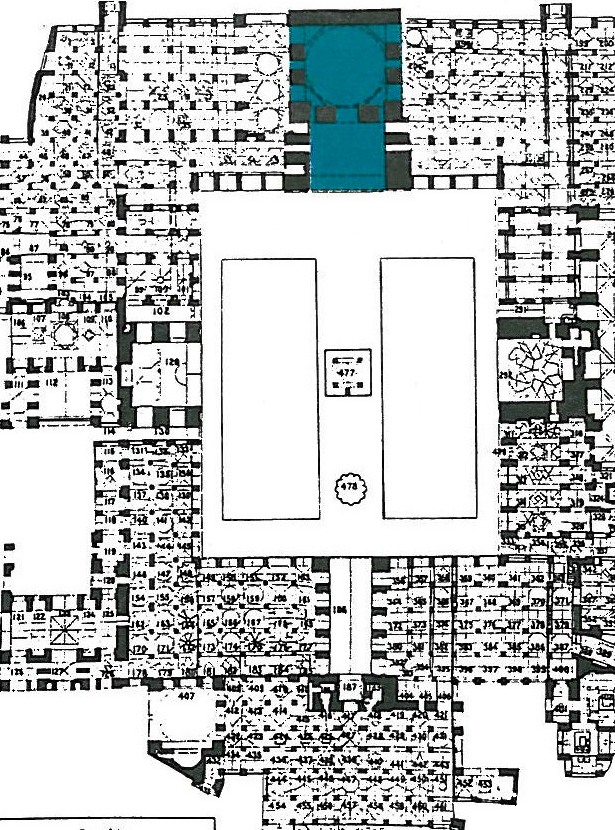
The dome space: the space of Gonbads (domes), in mosques at the beginning of the Islamic era, like the Jameh Mosque of Esfahan, is separated from the rest of the building by heavy thick walls. But it is clear that the intention of architects was always to eliminate this heavy barrier between the dome space and other spaces. For example in Imam Mosque in Esfahan belonging to Safavid époque, the relation between the dome space with porches and adjacent shabestans are ameliorated and with two openings in east and west faces of the building, this relation is also established with the outdoor space. Still a better example is the dome space of Goharshad Mosque, in which all the walls between the dome space and the porch are removed and a fluent relation is established between the dome space and the courtyard. One must admit that the Sepahsalar Mosque is the best example of this relation, because by choosing a cross-type plan, not only the relation between the dome space and the porch and courtyard is maintained, but also, this type of plan, has created the possibility to relate the dome space with all its adjacent interior spaces, and transforms the dome into a light and pending element. The dome space of this mosque is certainly an evolution in creation spatial openness.
Although the Sepahsalar Mosque is a turning point in evolution of mosque and spatial patterns of Islamic architecture, but viewed from the angle of shapes, measures, proportions and the like, it is a retro gradation compared to its previous periods, especially the Safavid period. We take a look at this aspect:
In Sepahsalar Mosque, dome space is very large and occupies nearly all of the south side of the building. This has created an unfavourable proportion between the dome and the courtyard (compared with the Imam Mosque). Creating four Minarets instead of two has still amplified this aspect. Forms, measures and proportions of different architectural elements, such as dome, porches and minarets are in much lower levels compared to outstanding examples of the previous periods. As an example one can compare the form of its dome with beautiful domes of Imam and Sheykh Lotfollah Mosques, or the form and proportions of its main porch and minarets with those of Imam’s Mosque.
Also the ornaments of this mosque have a low standing compared with descent and elaborated ornaments of Sheykh Lotfollah Mosque and the Sepahsalar Mosque. Returning to our main discussion, the architecture of the Qajar period and the Sepahsalar Mosque, are outstanding examples of the evolution of creativity and innovation in ancient patterns of Iranian architecture. This is certainly a step forward, but for various reasons, including a decline in architects’ and employers’ taste, bad quality and irrational speed of construction, penetration of other country’s architectural and ornamental elements, especially the Ottoman and Tsarist Russia, have lead to a decline in architectural ornaments of this period.